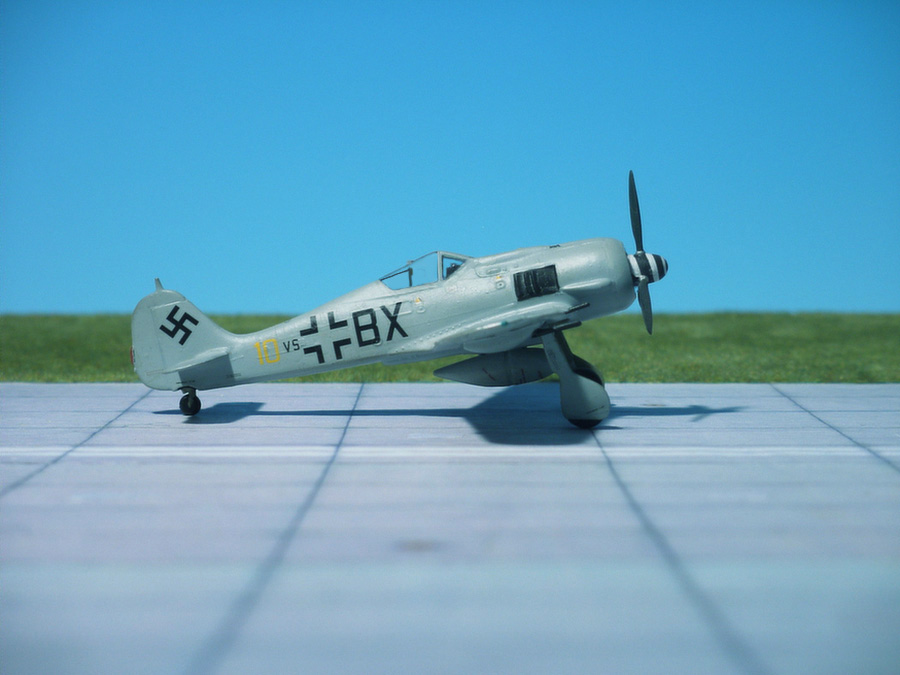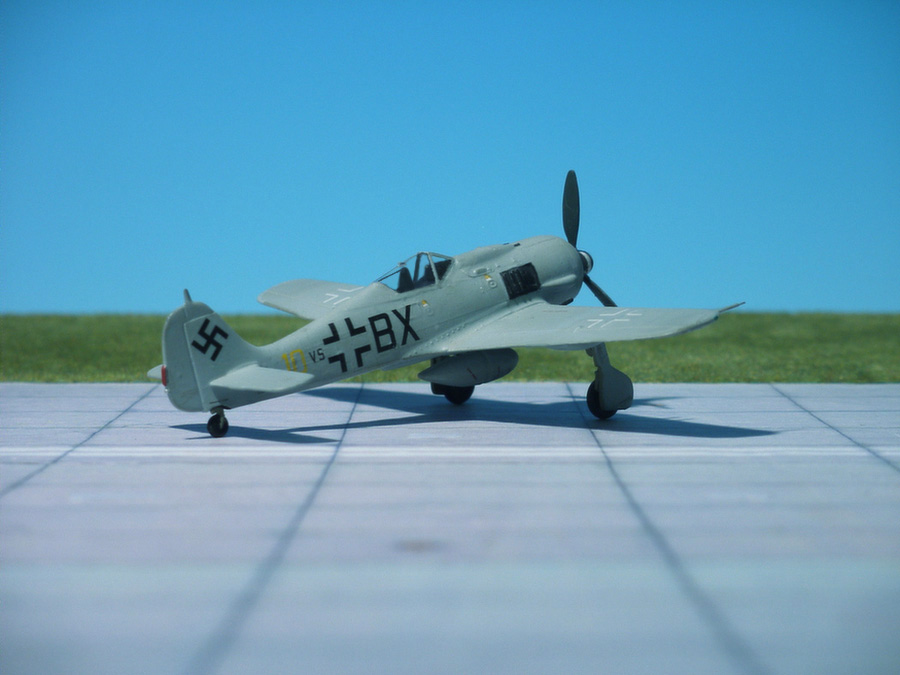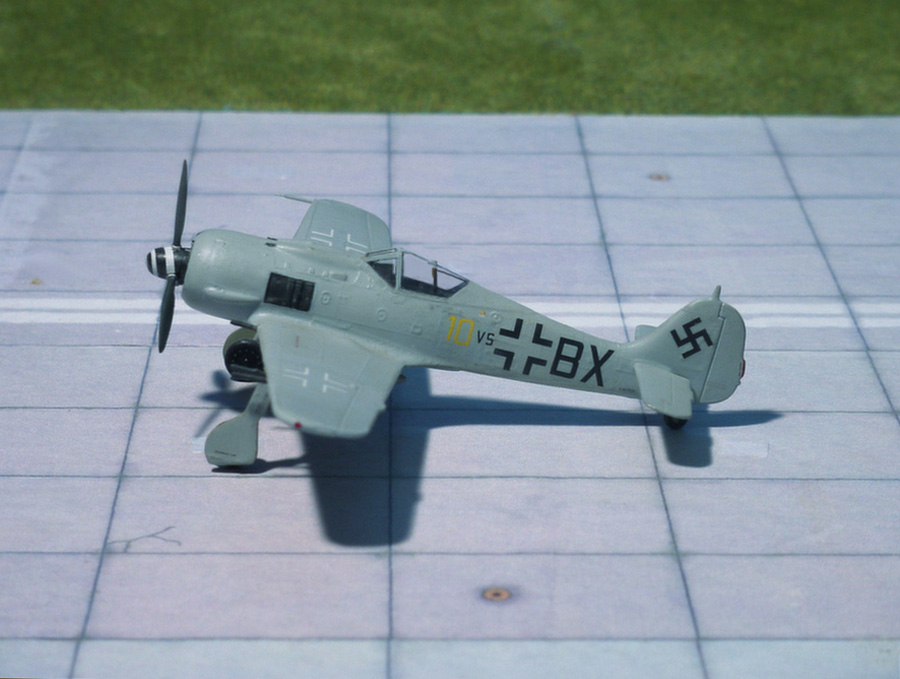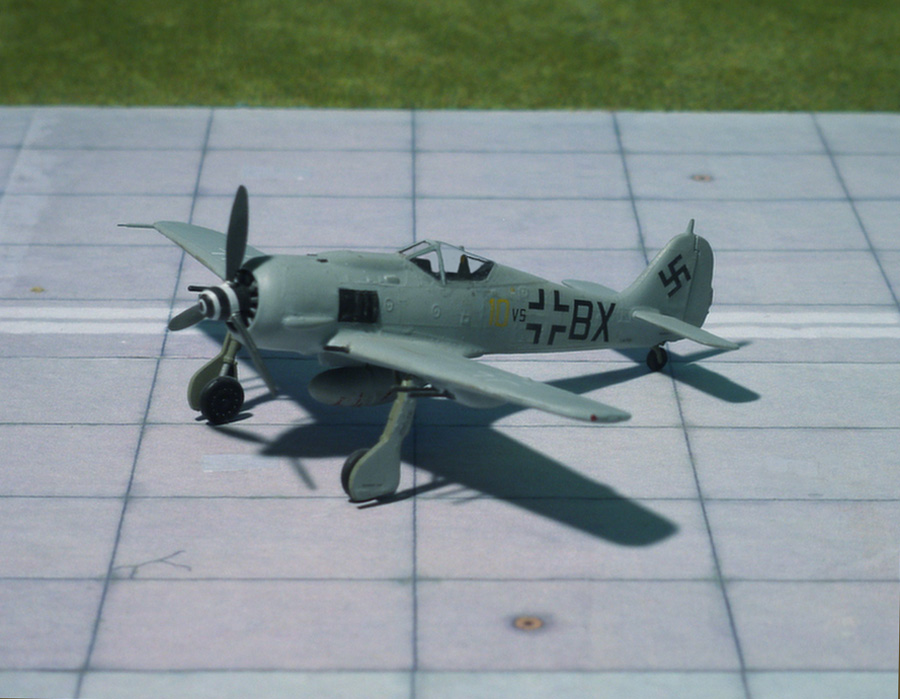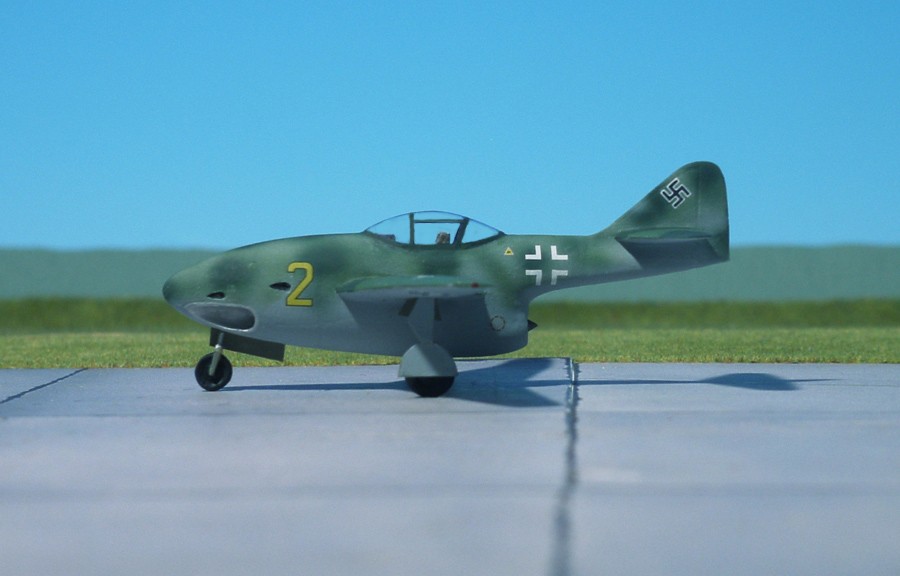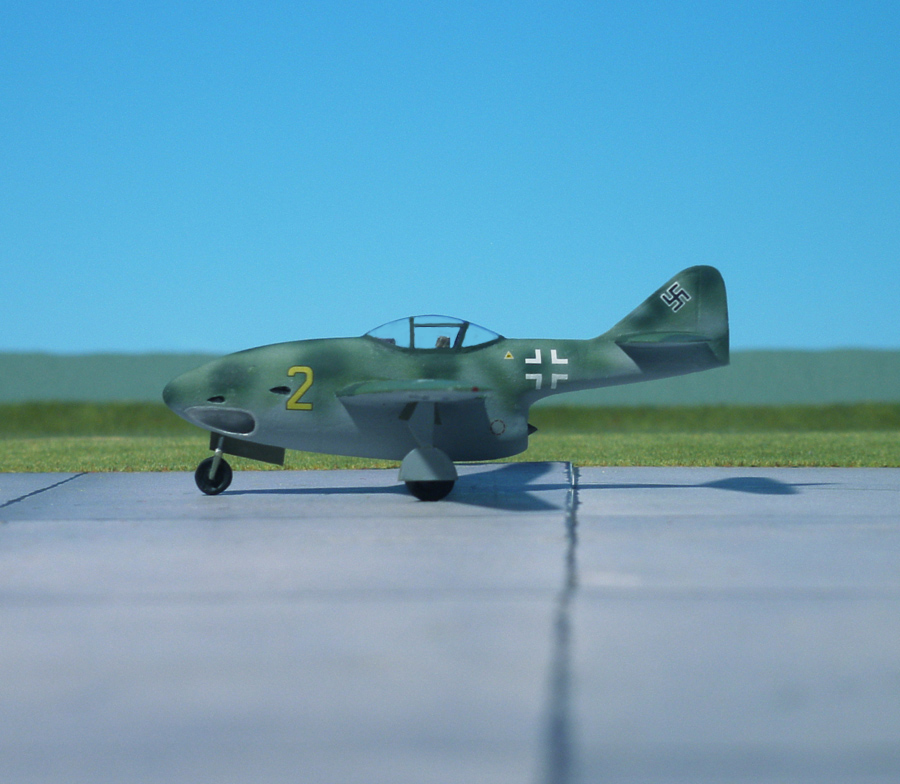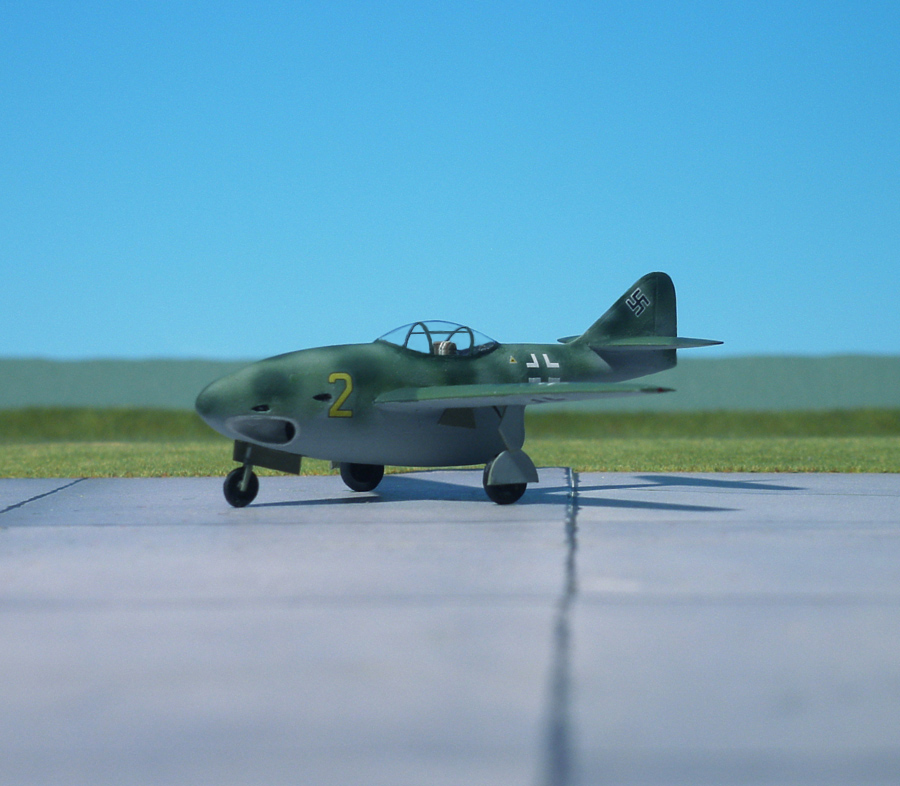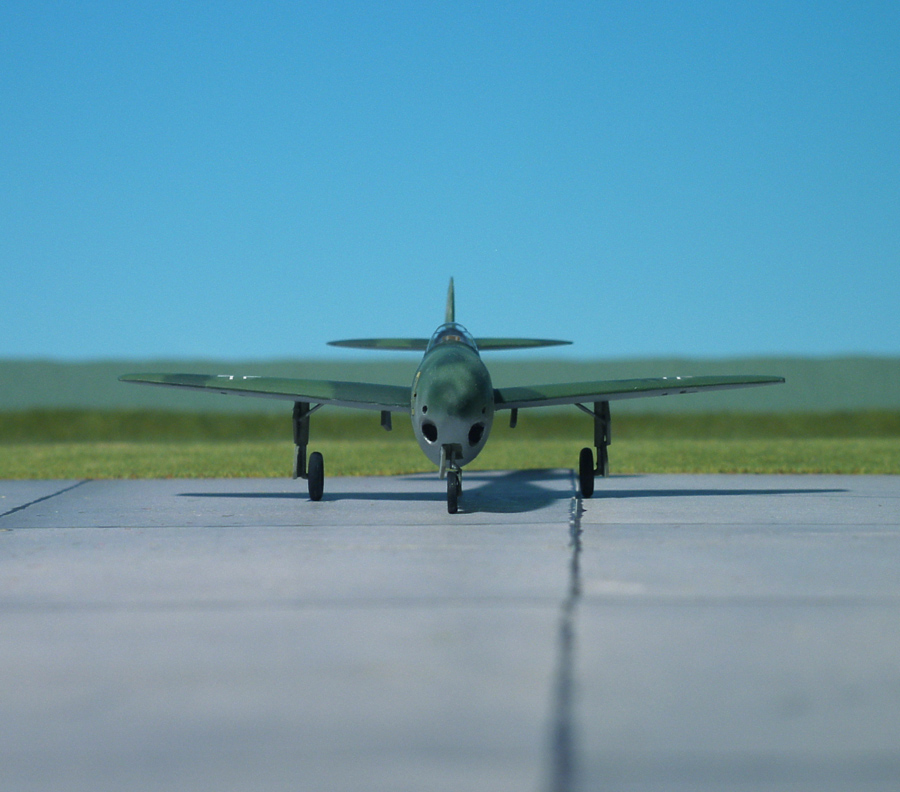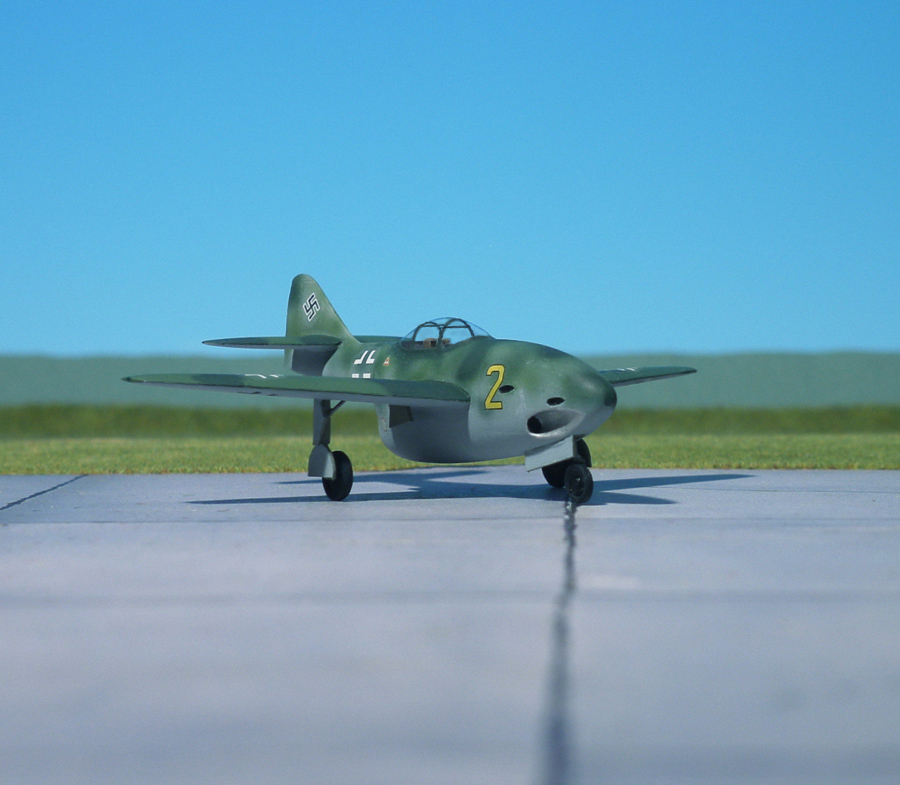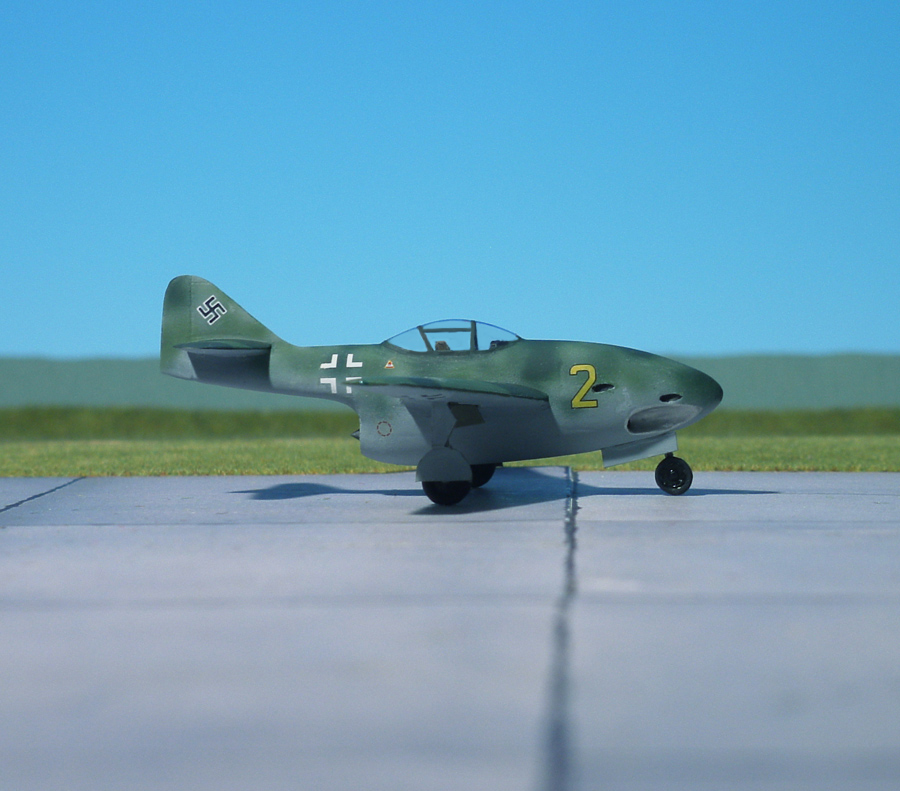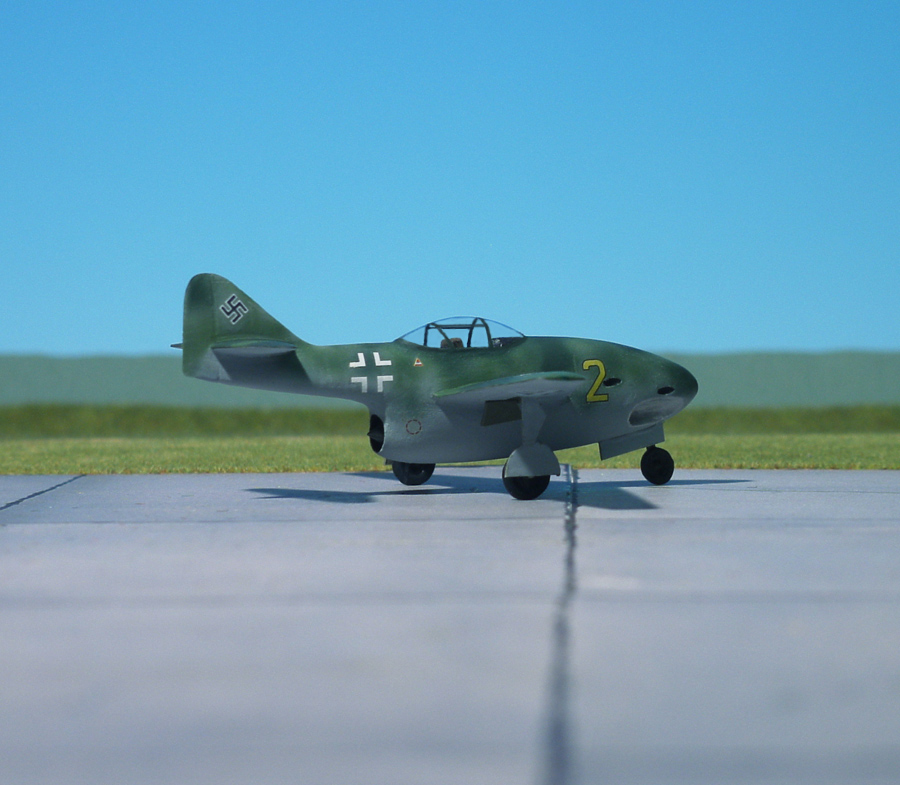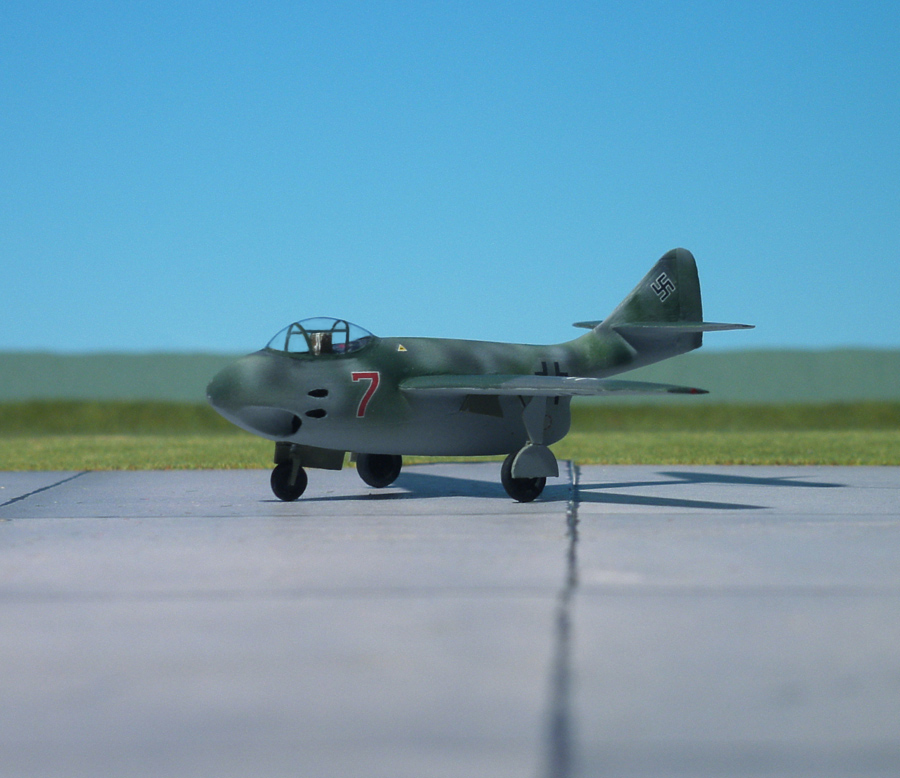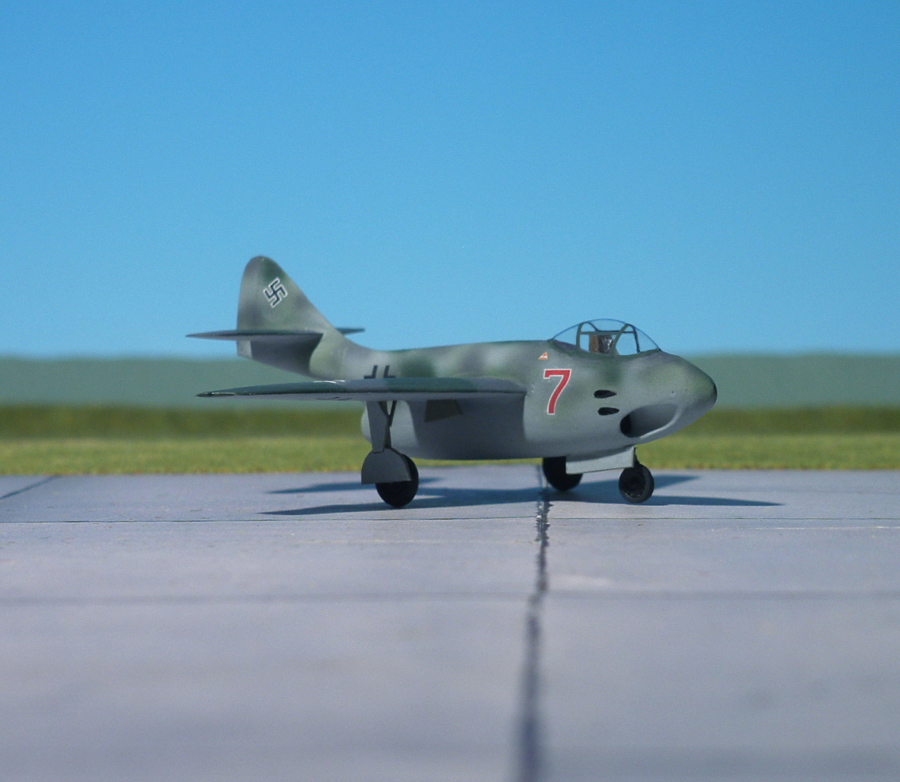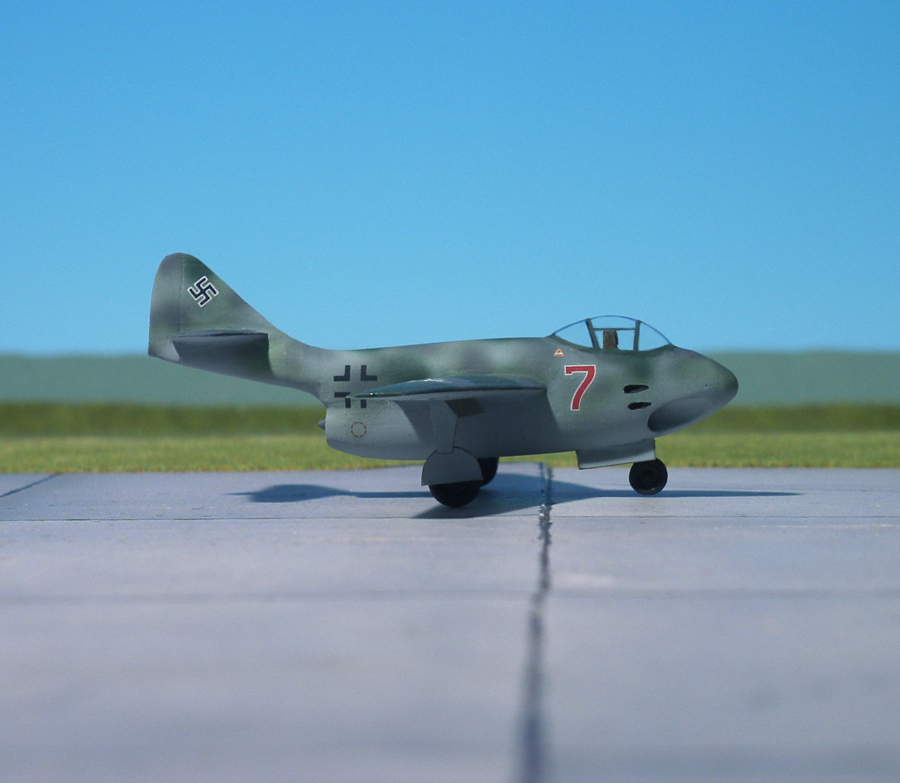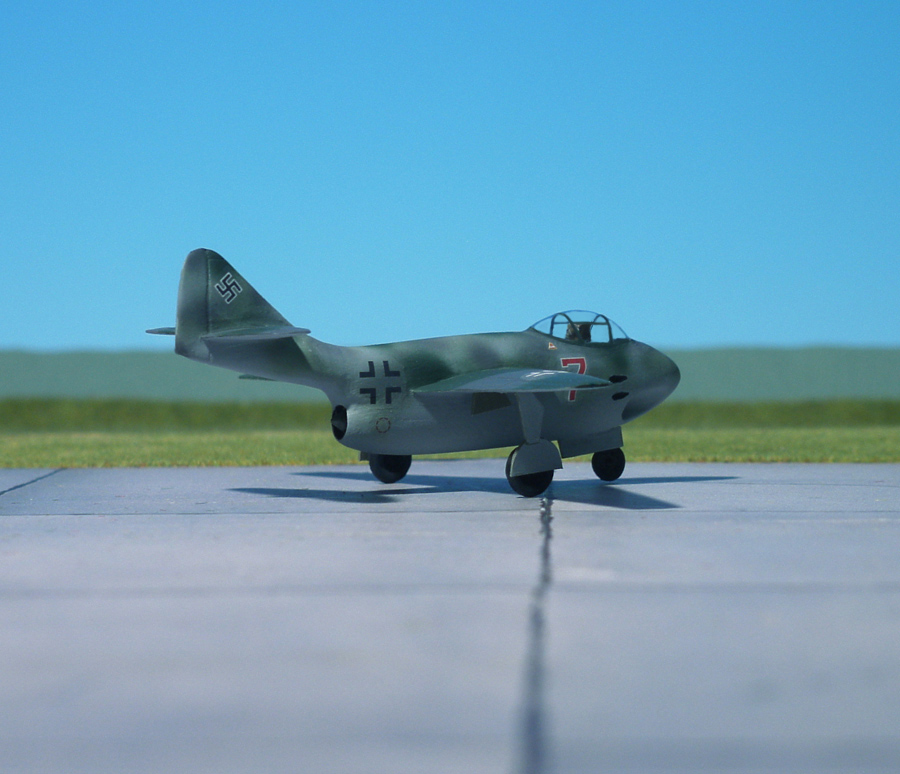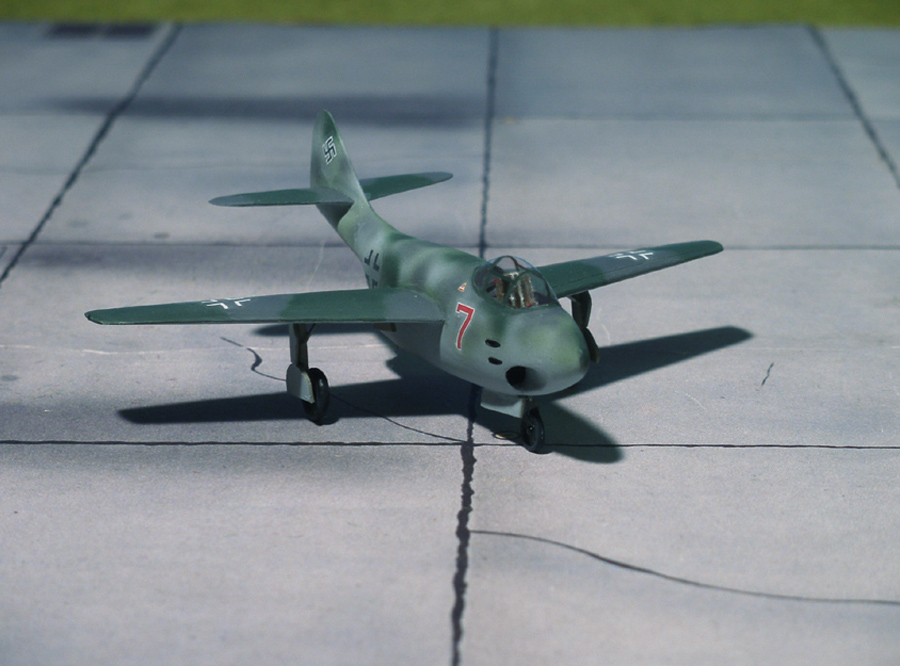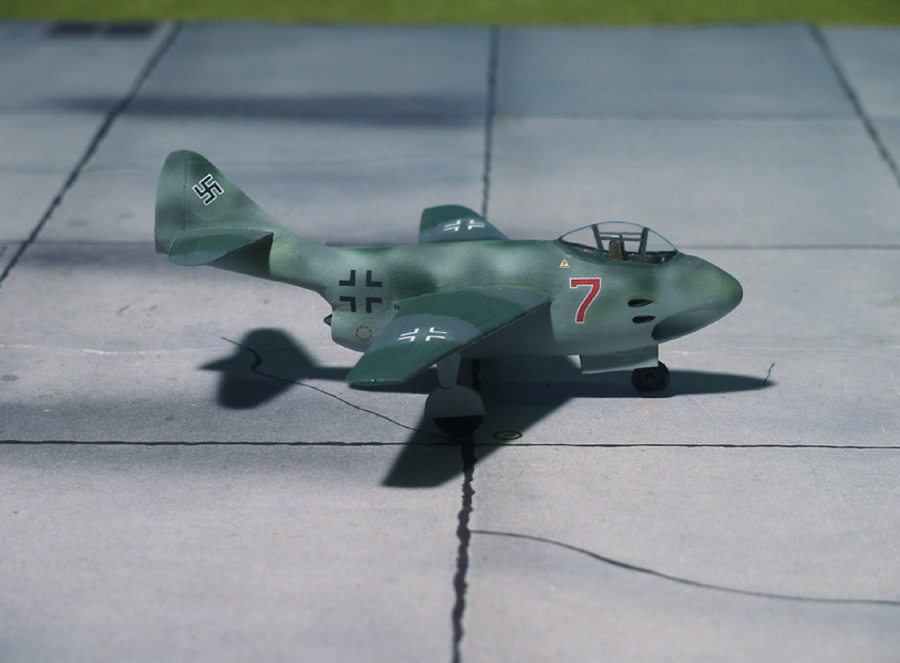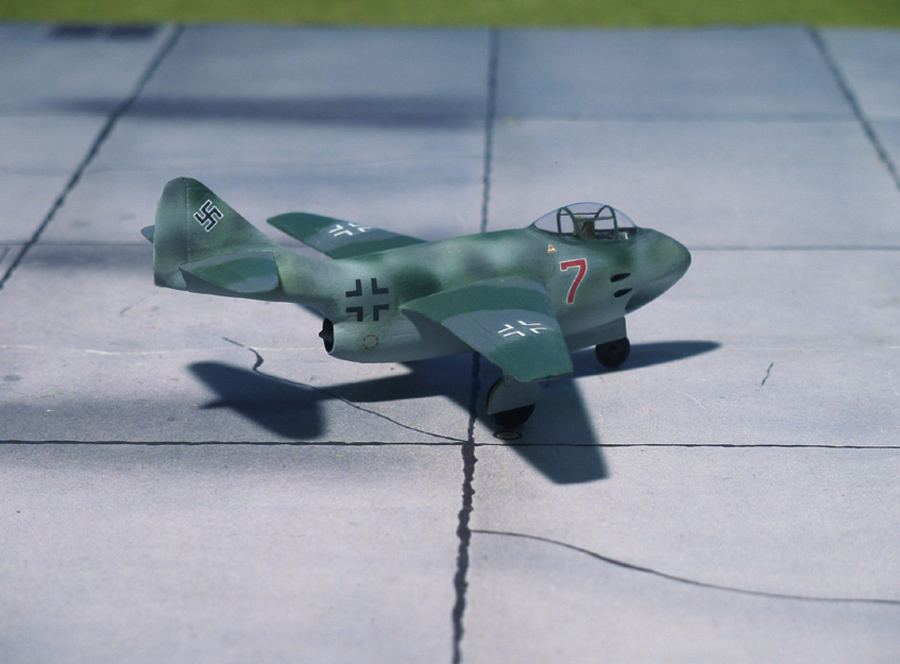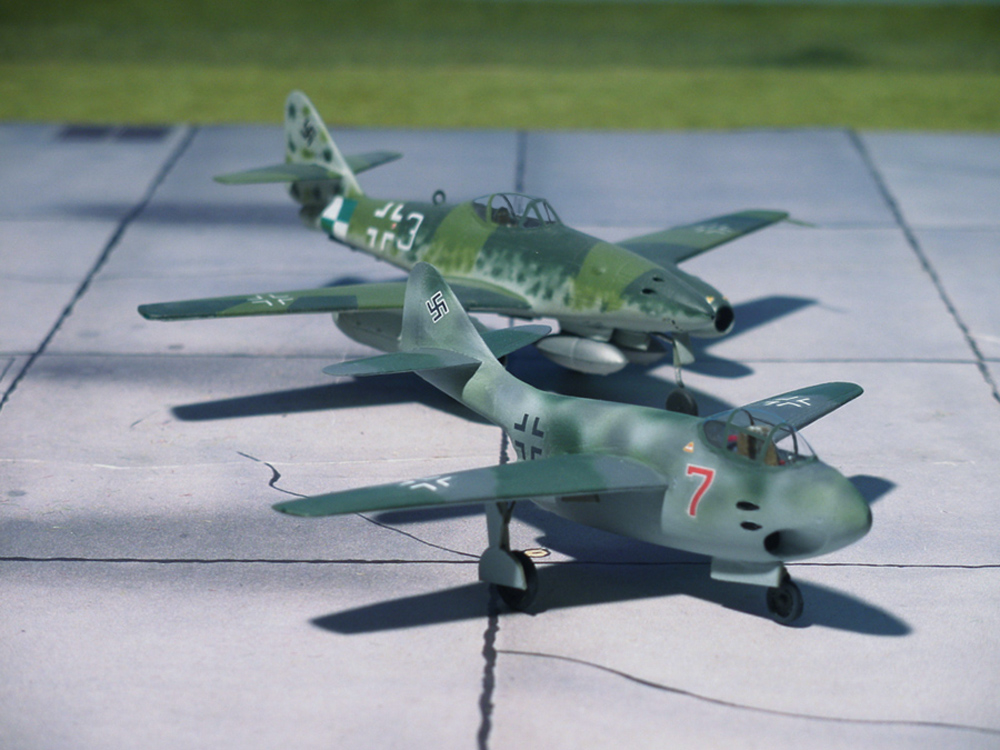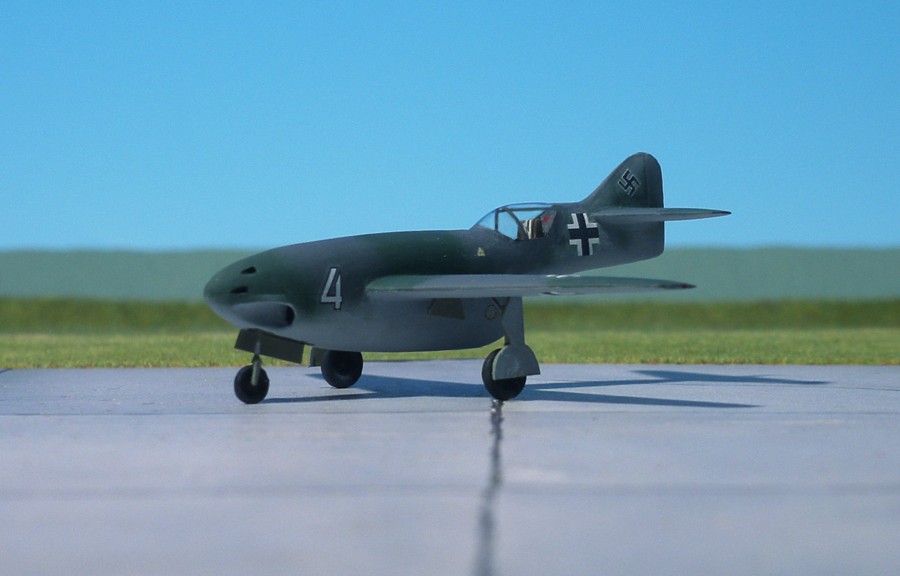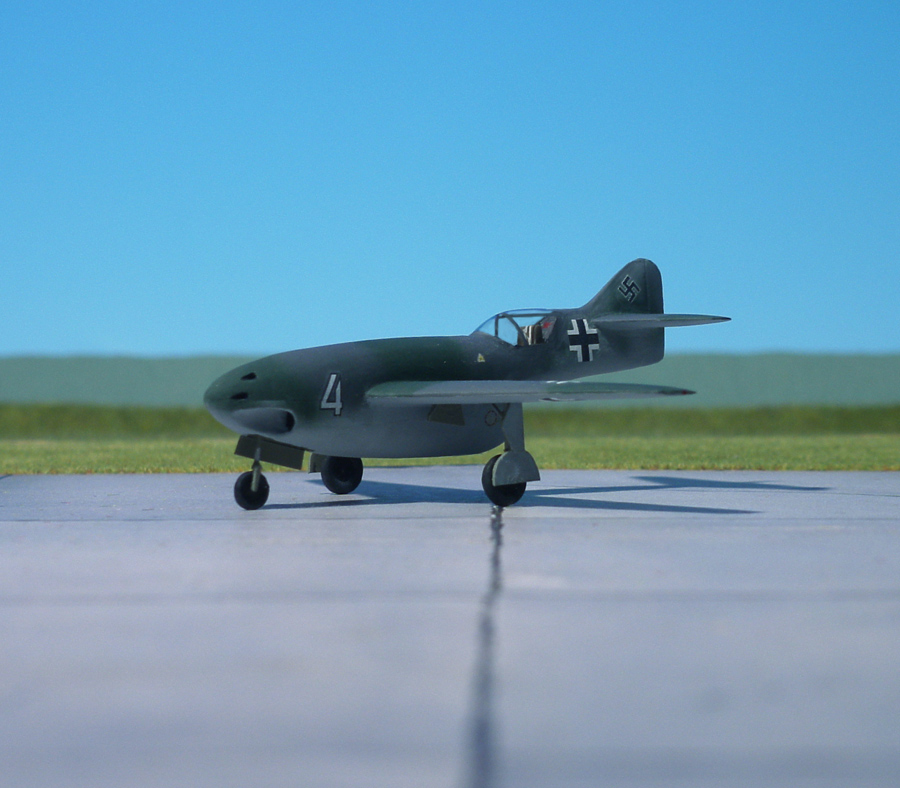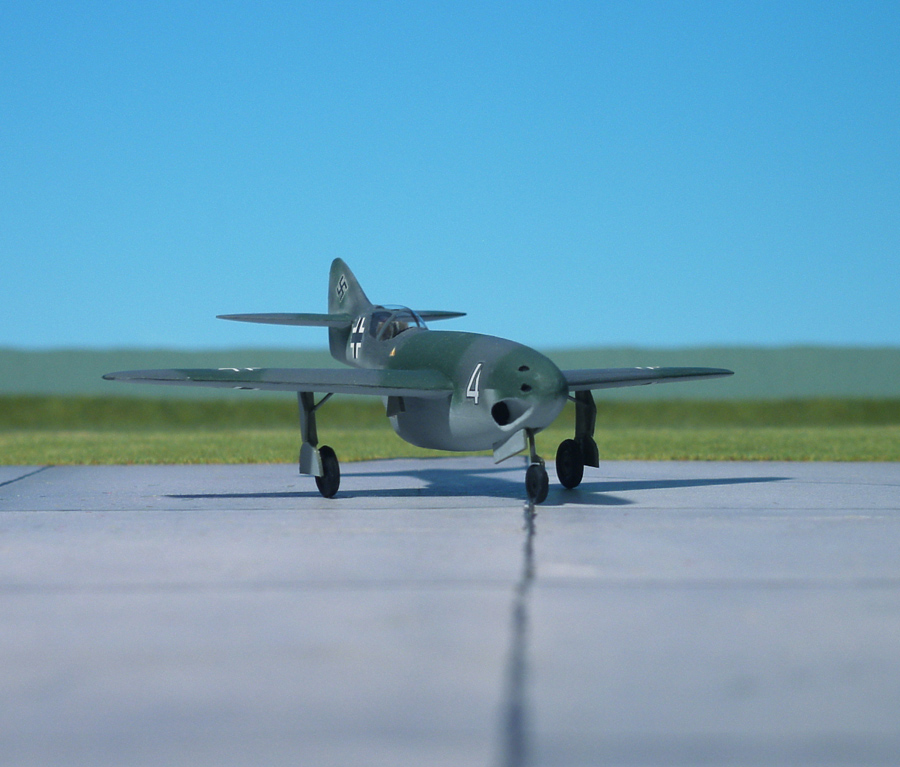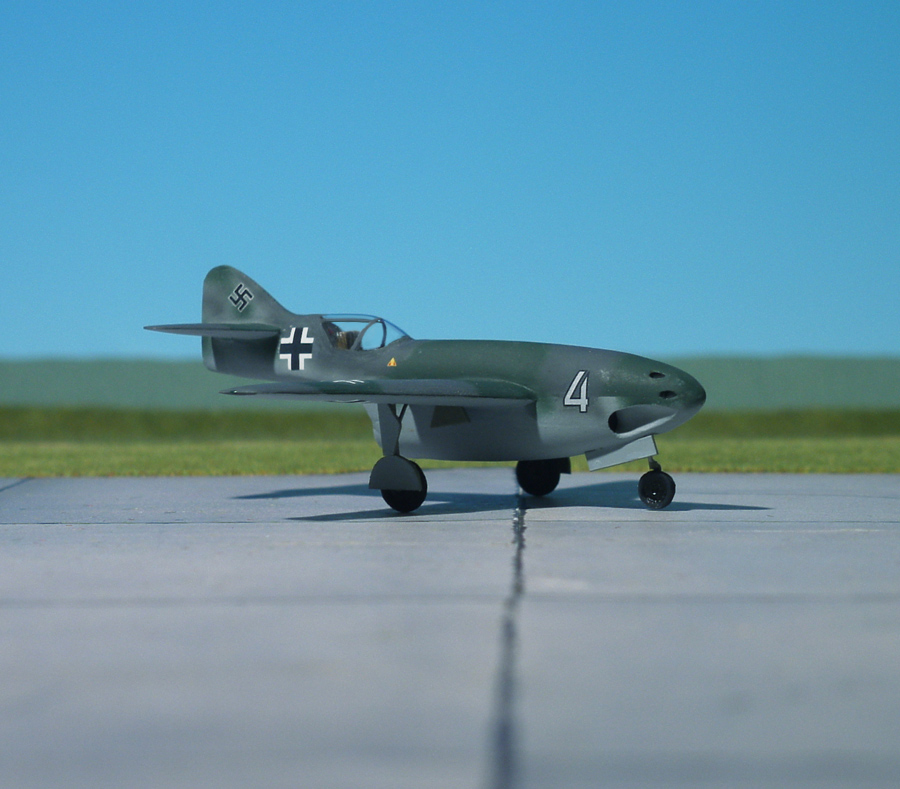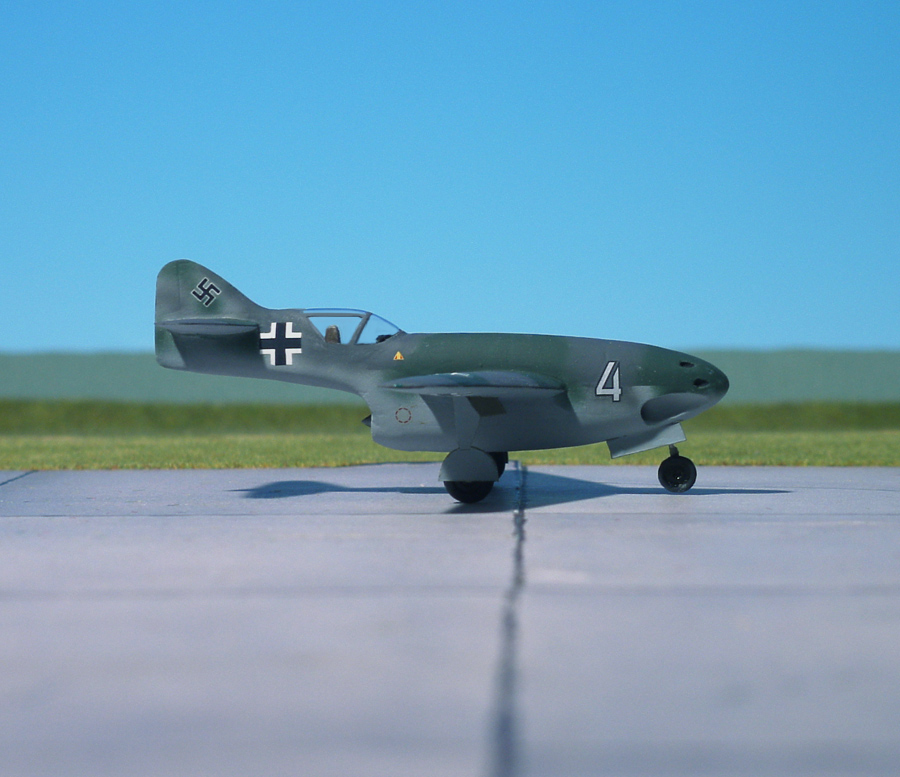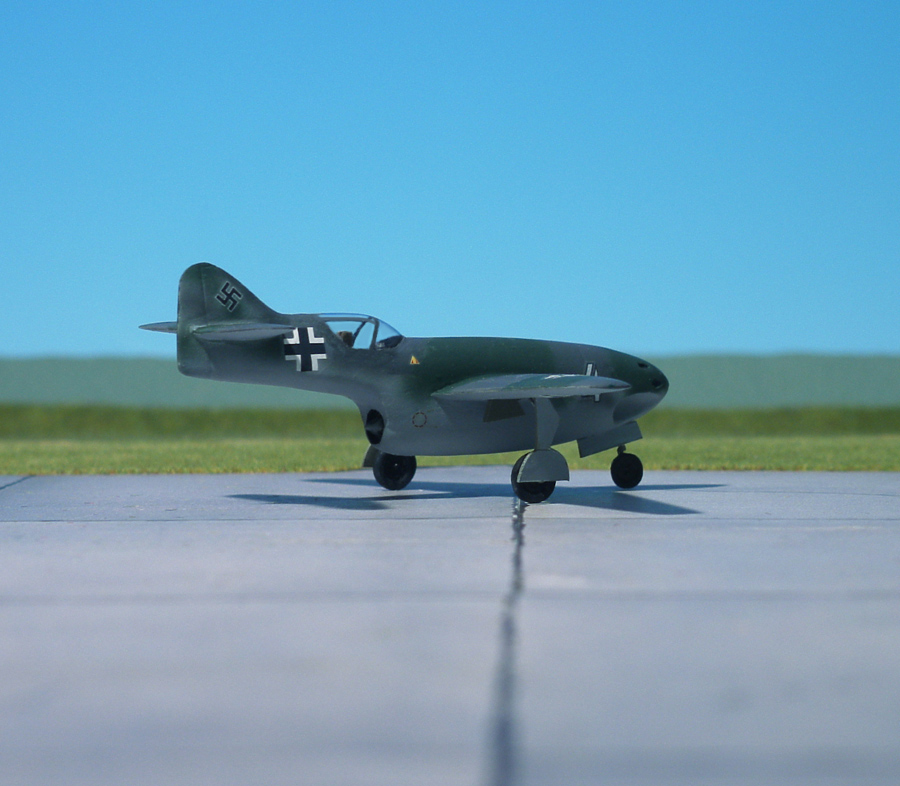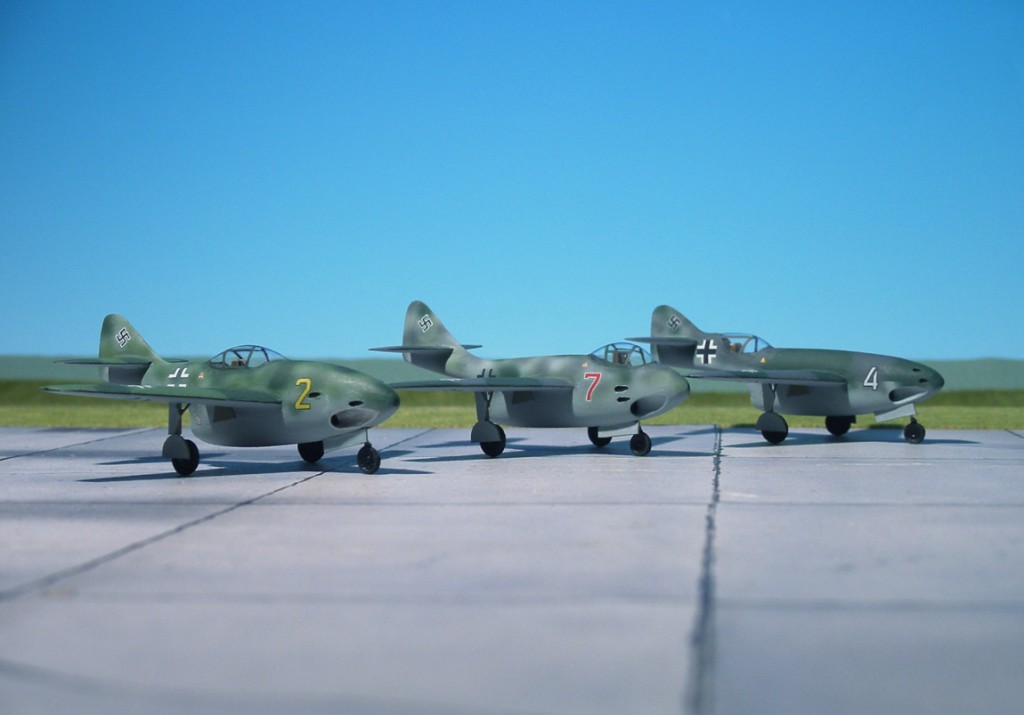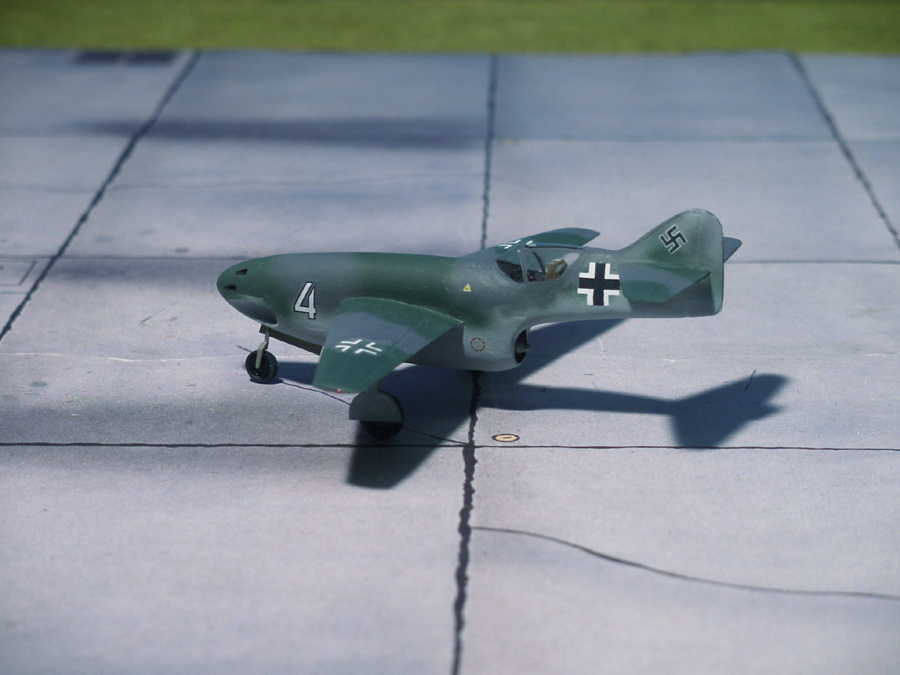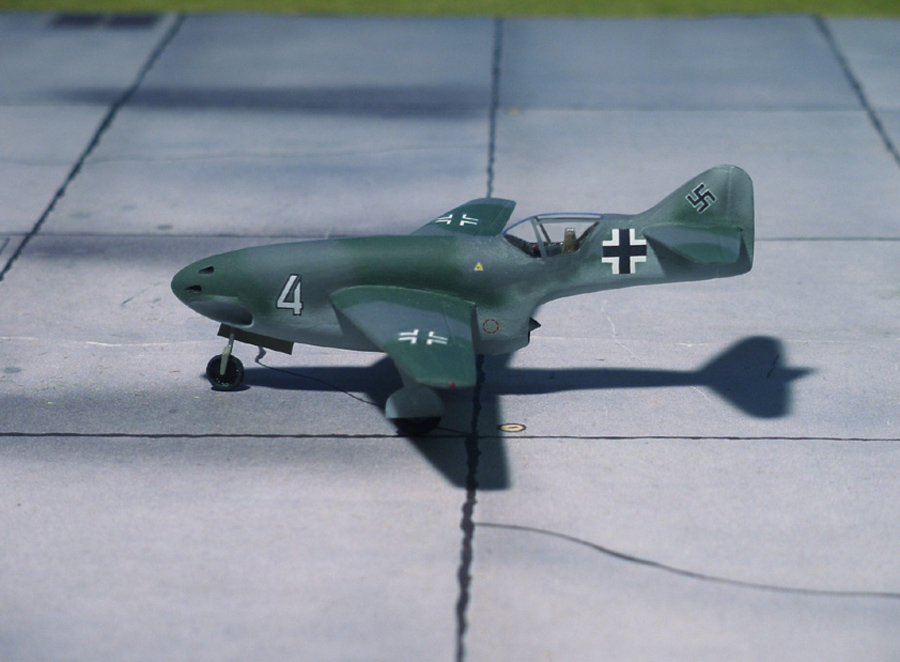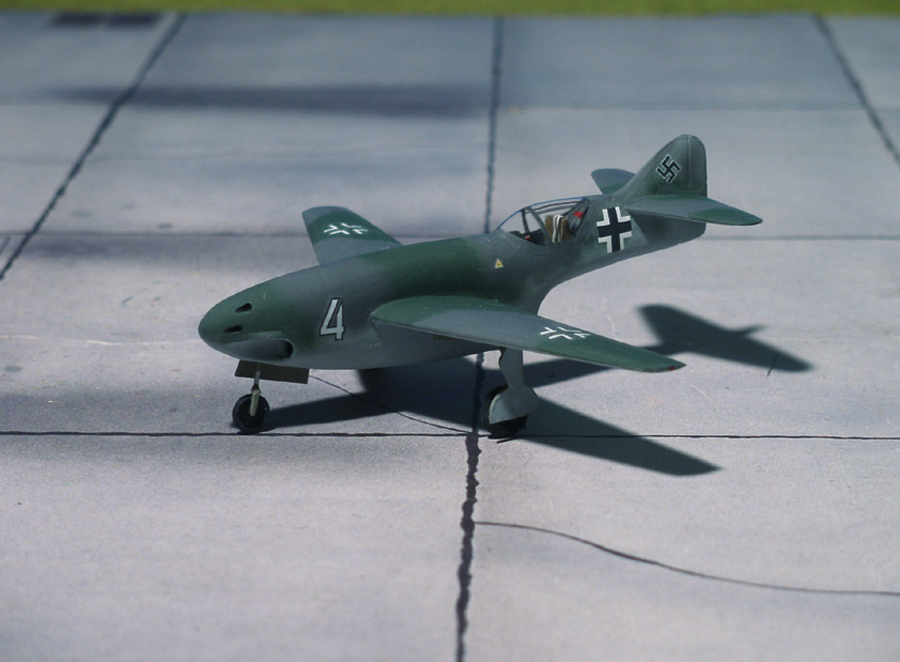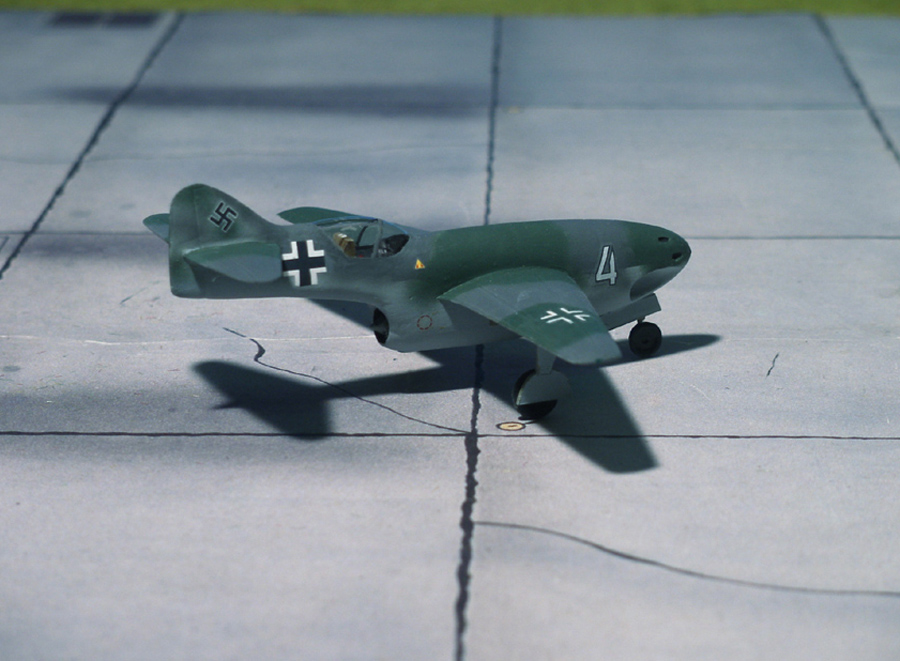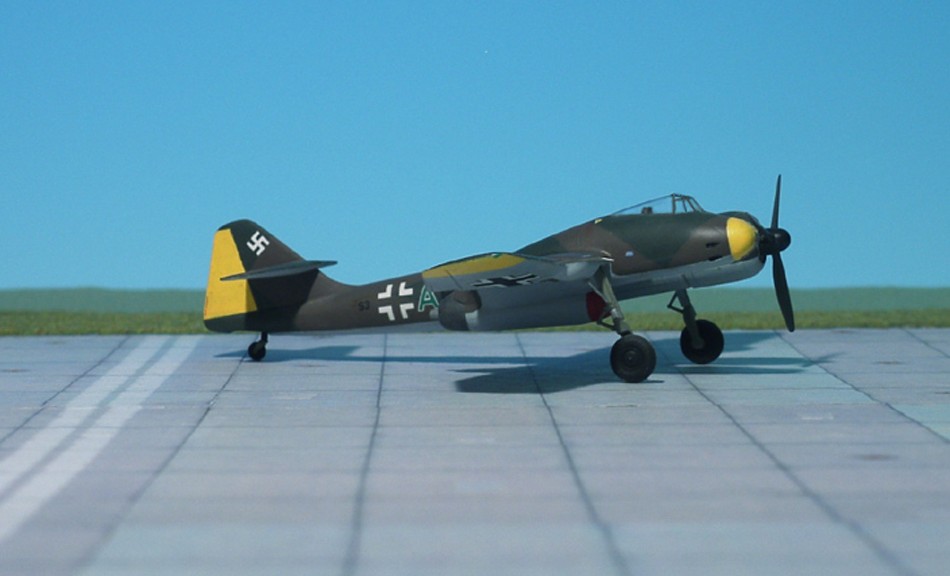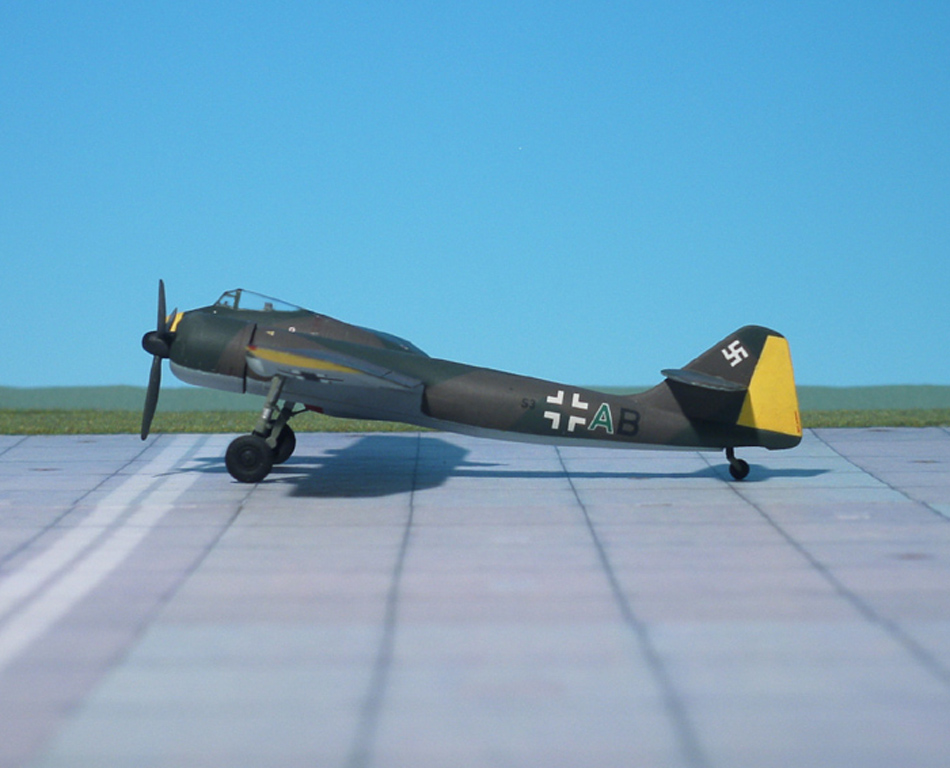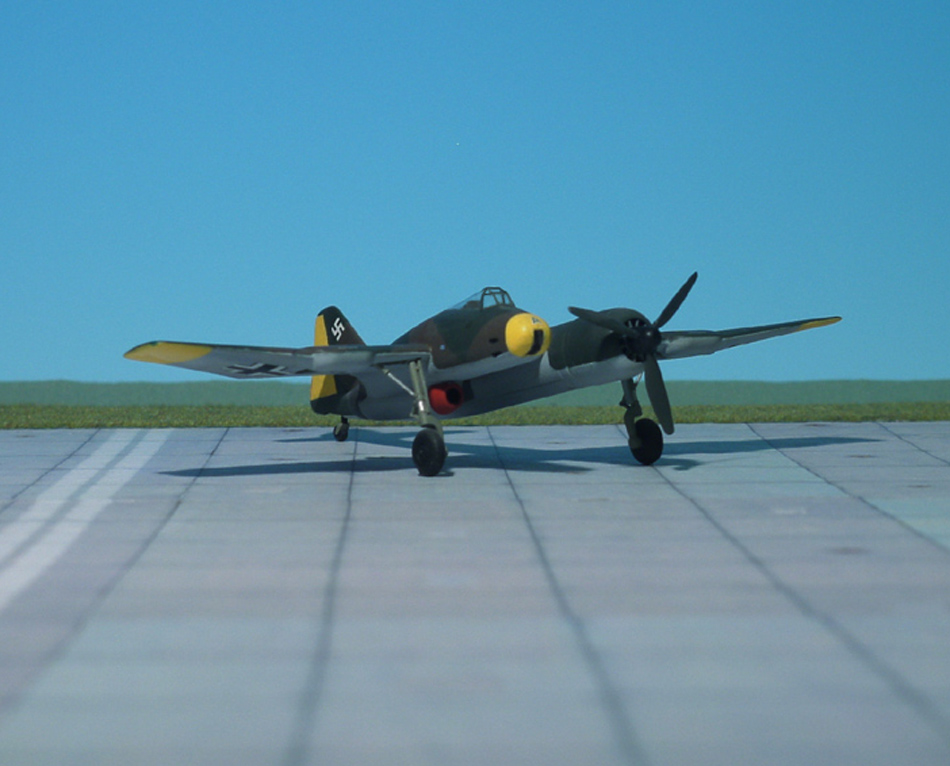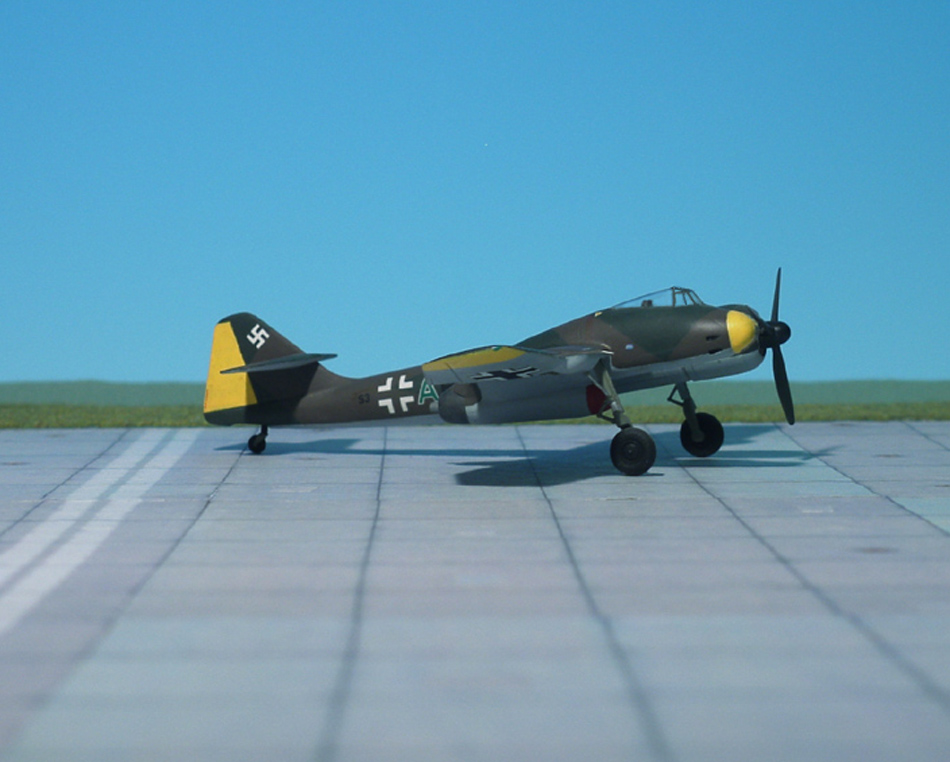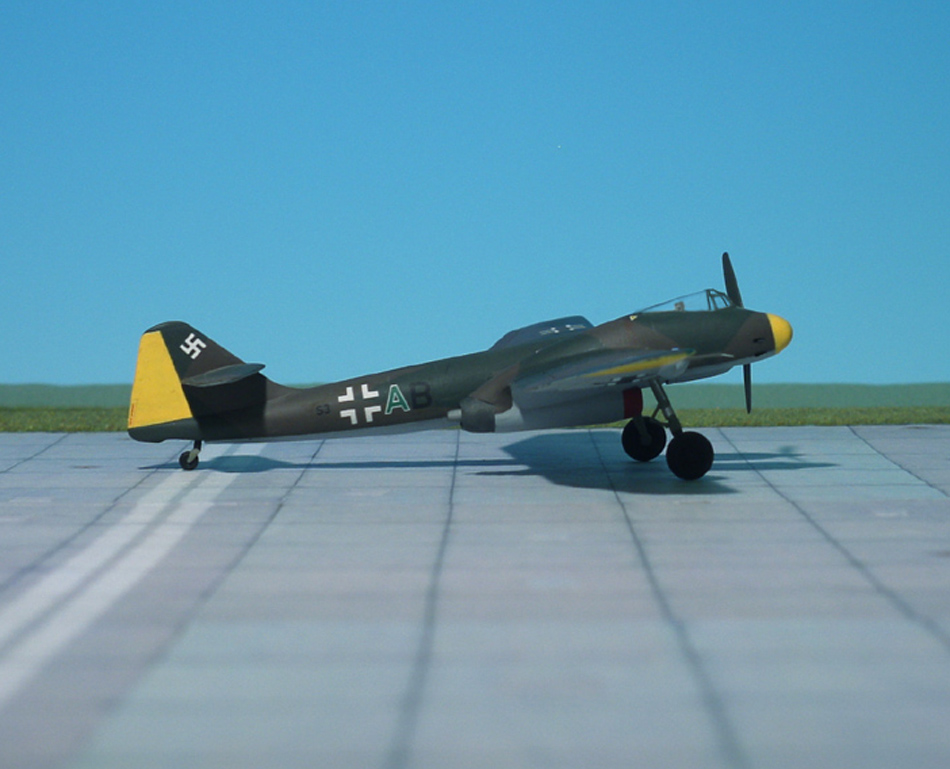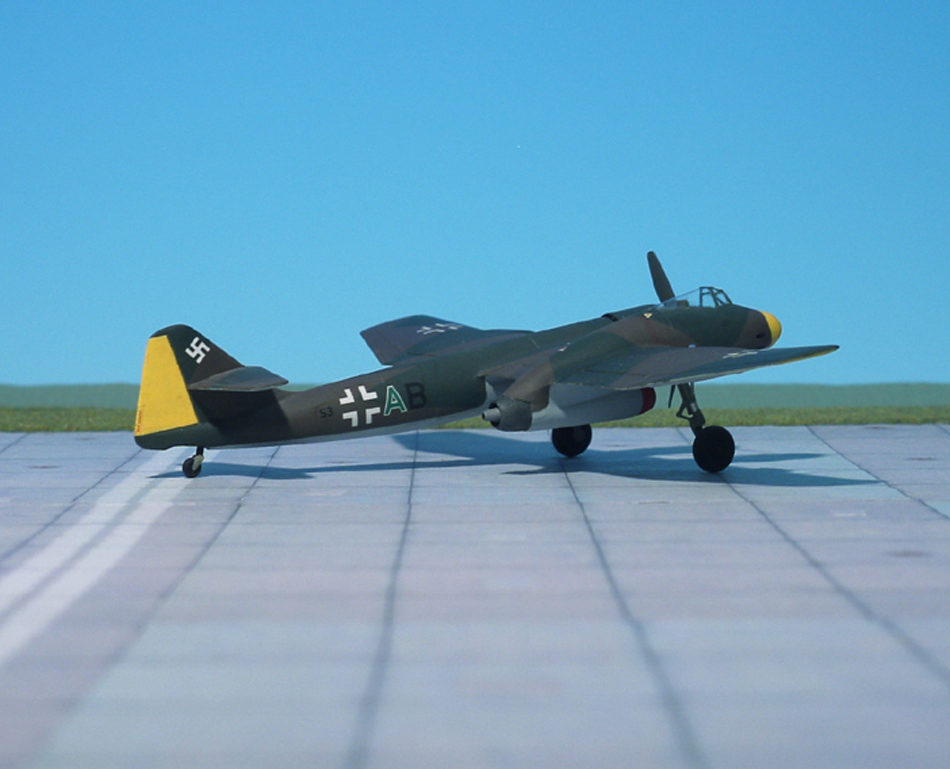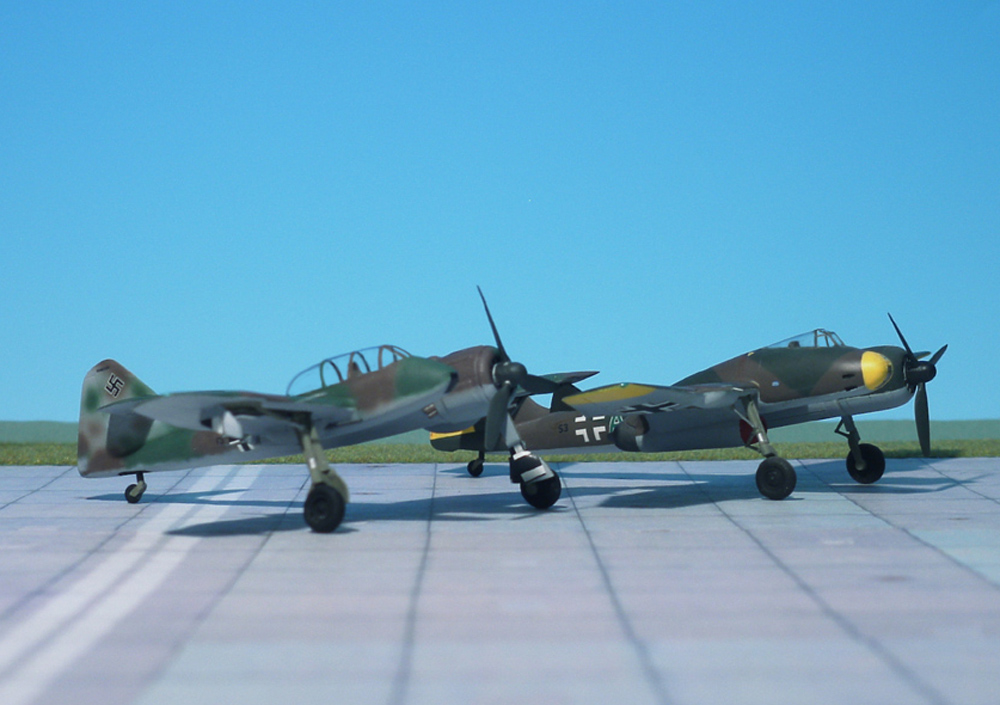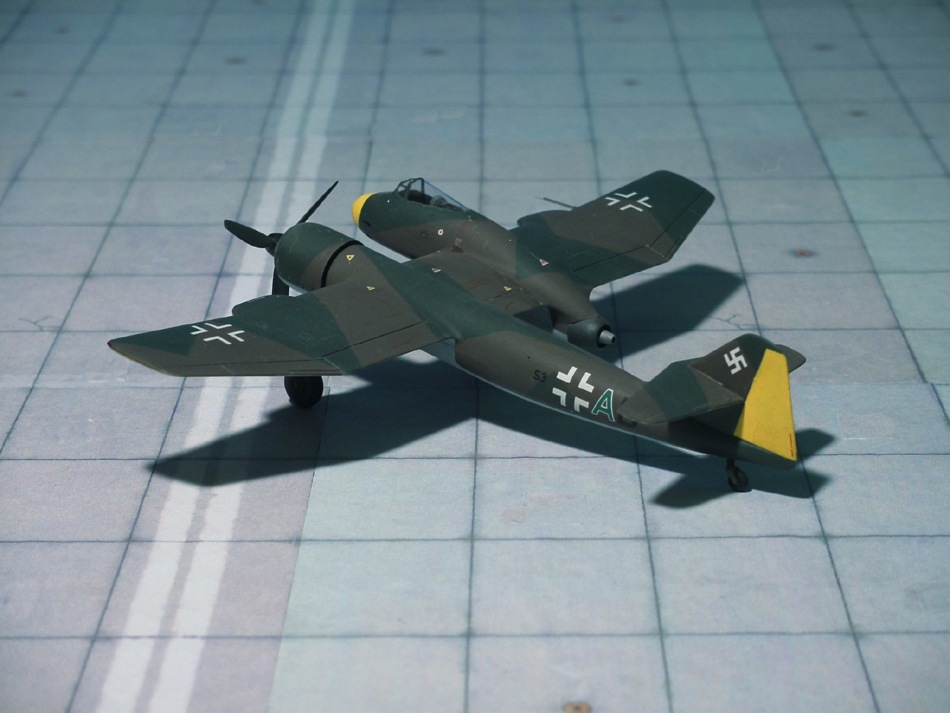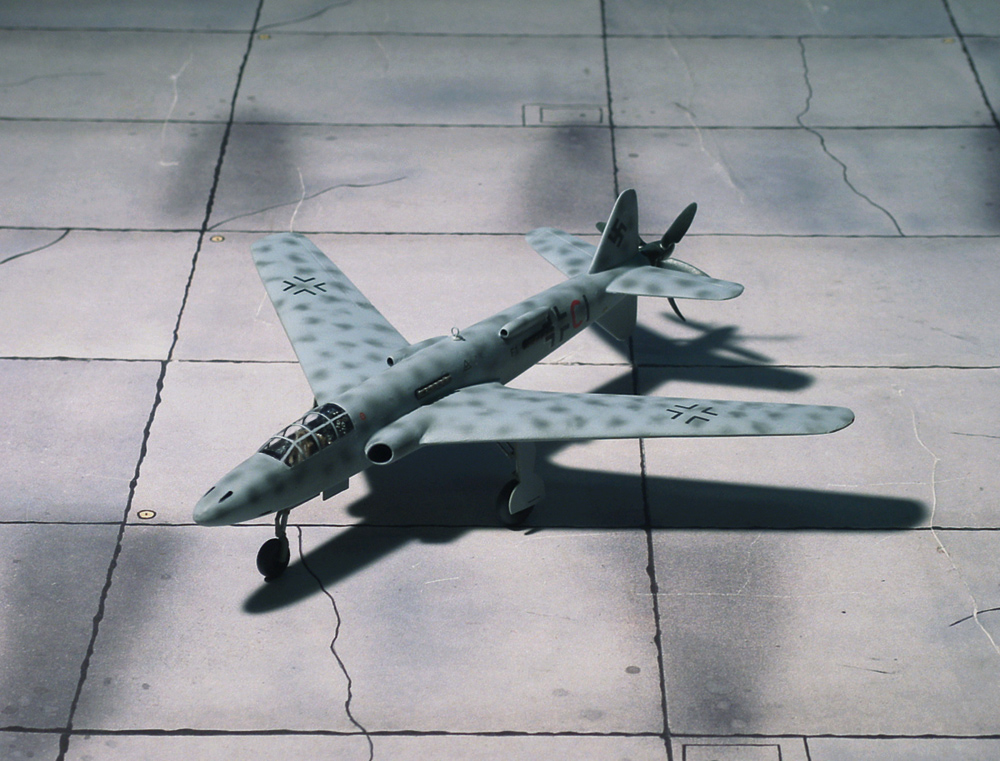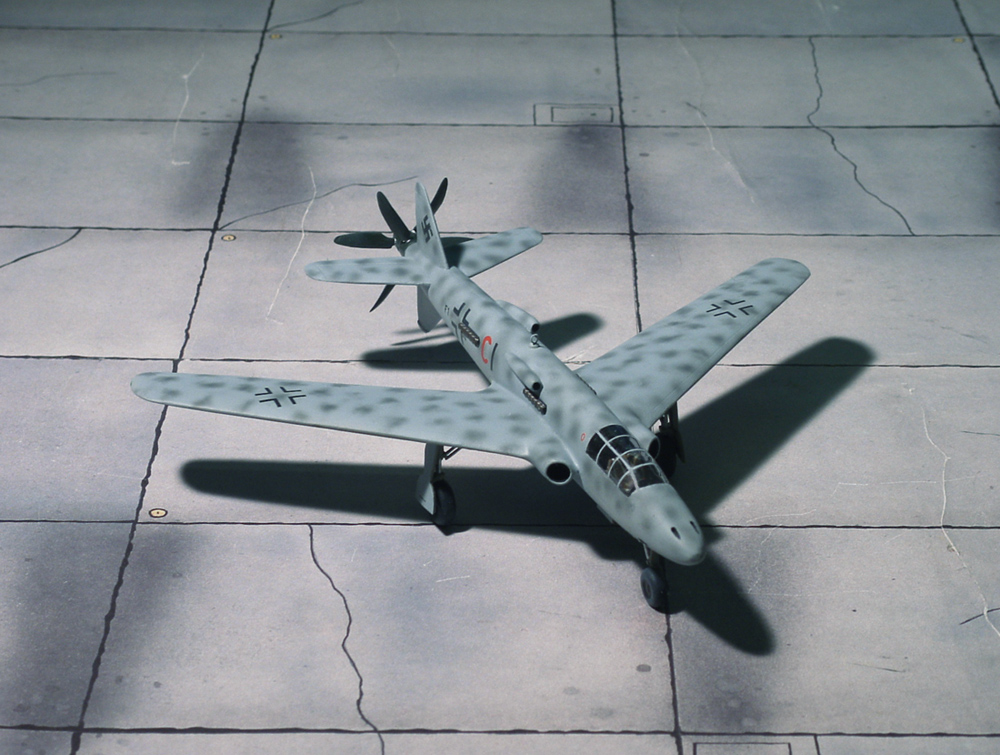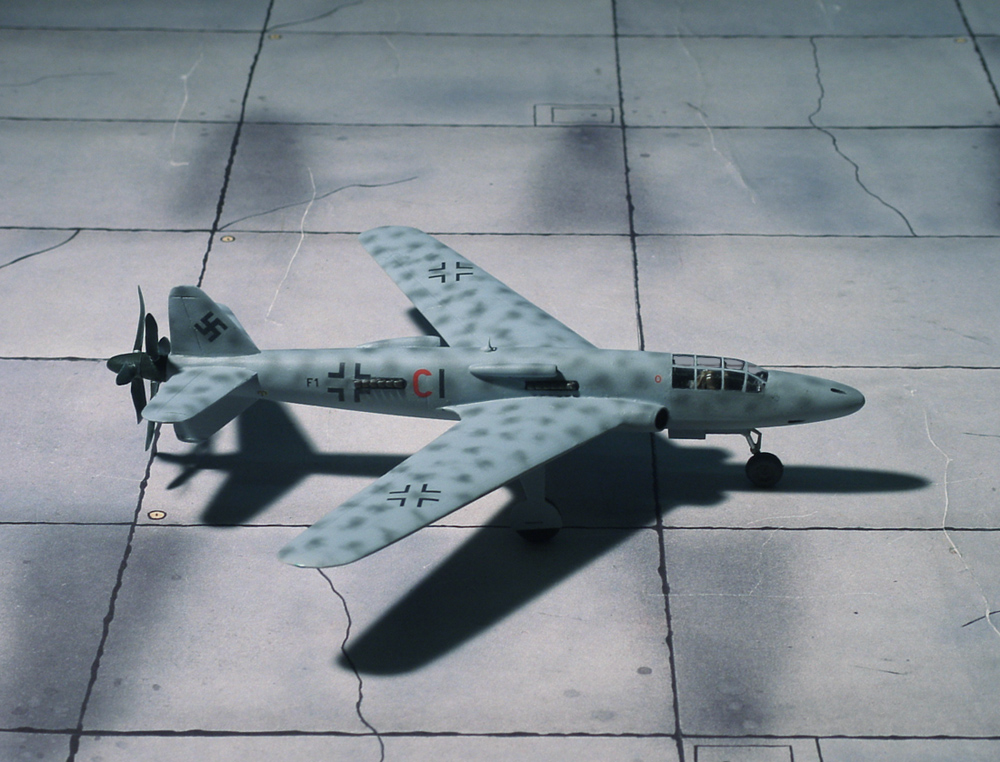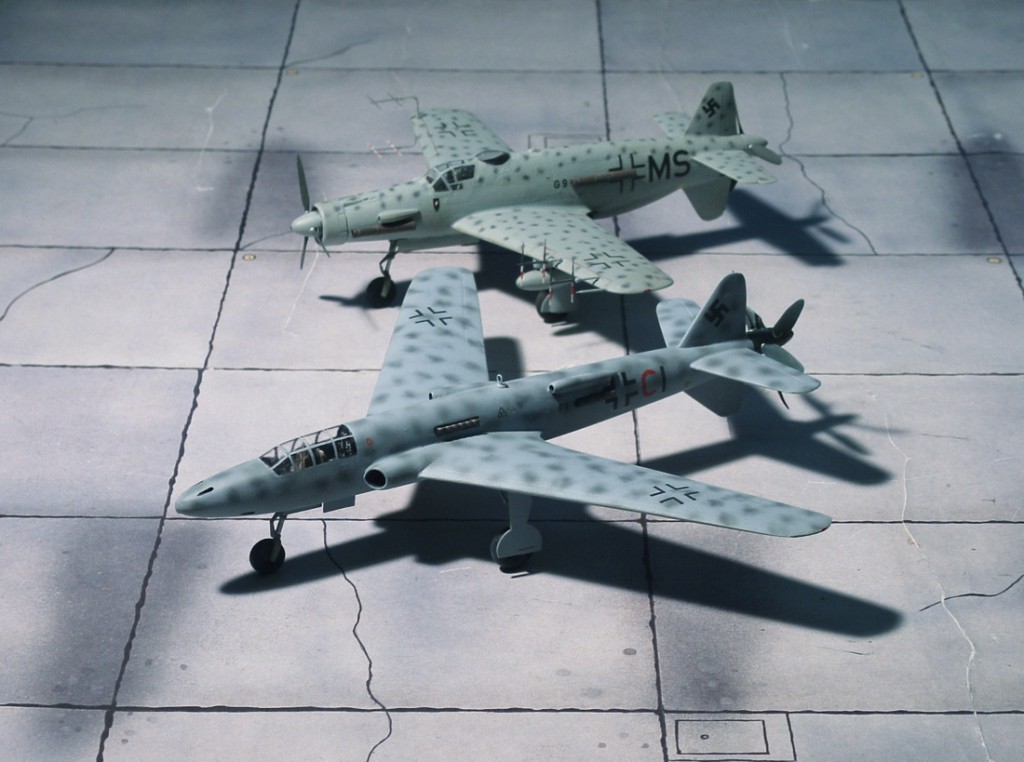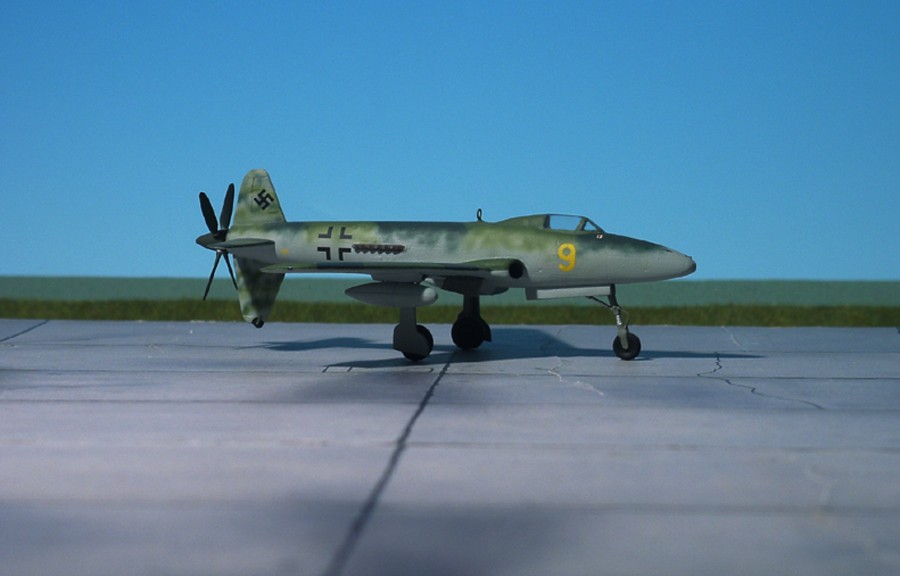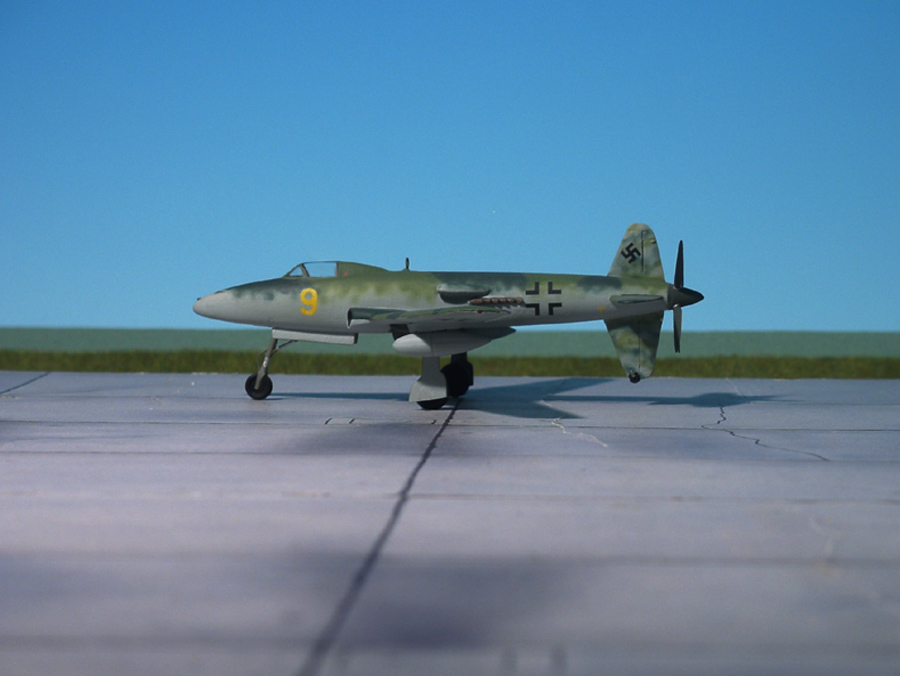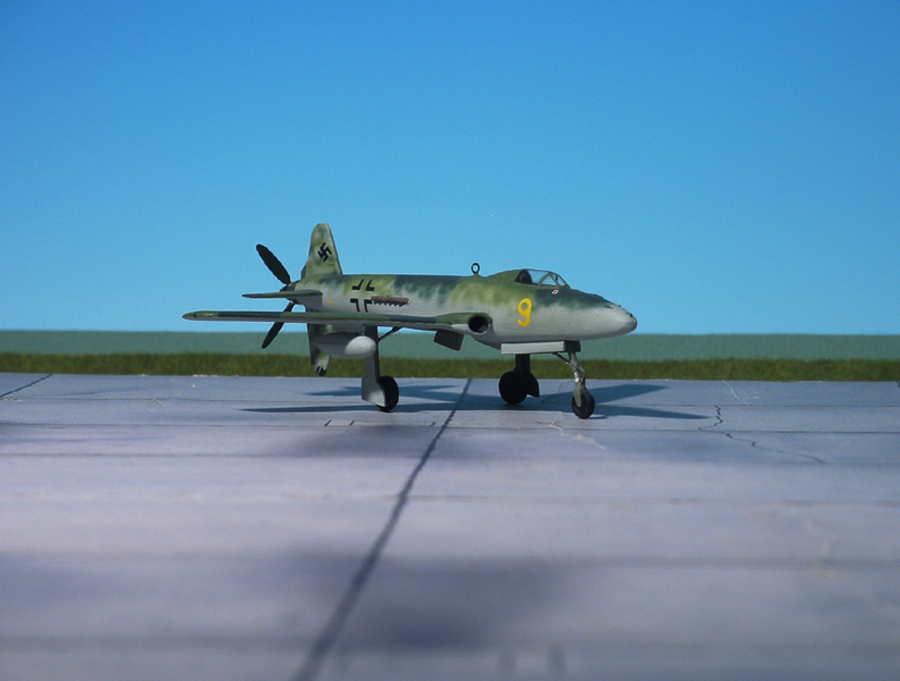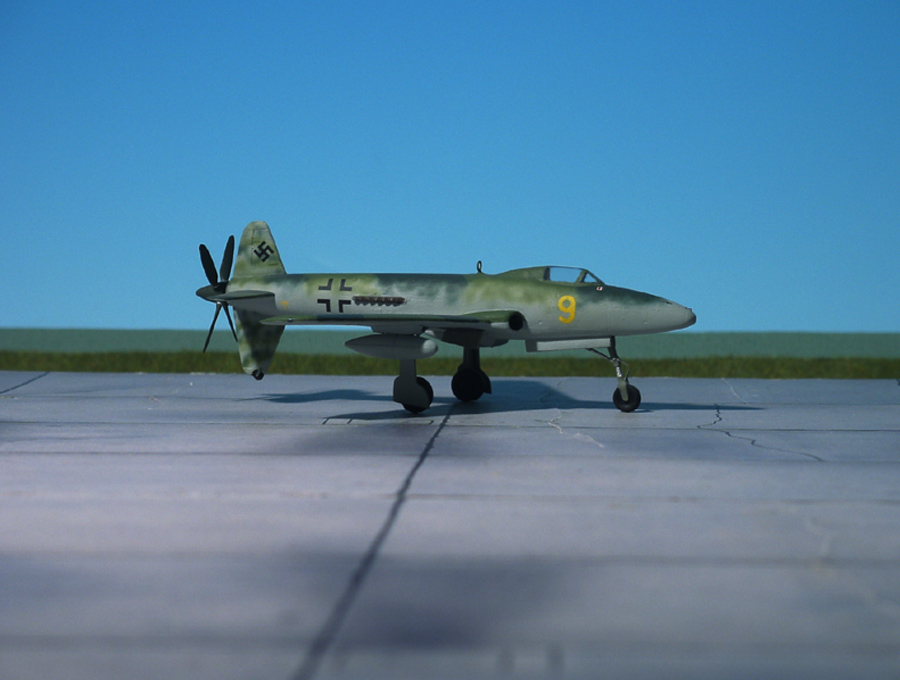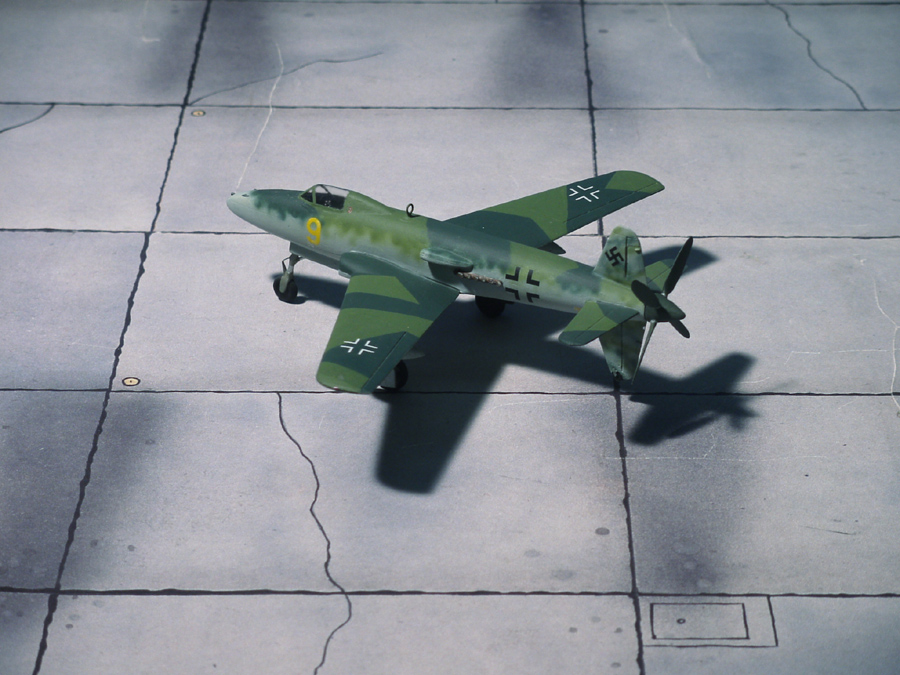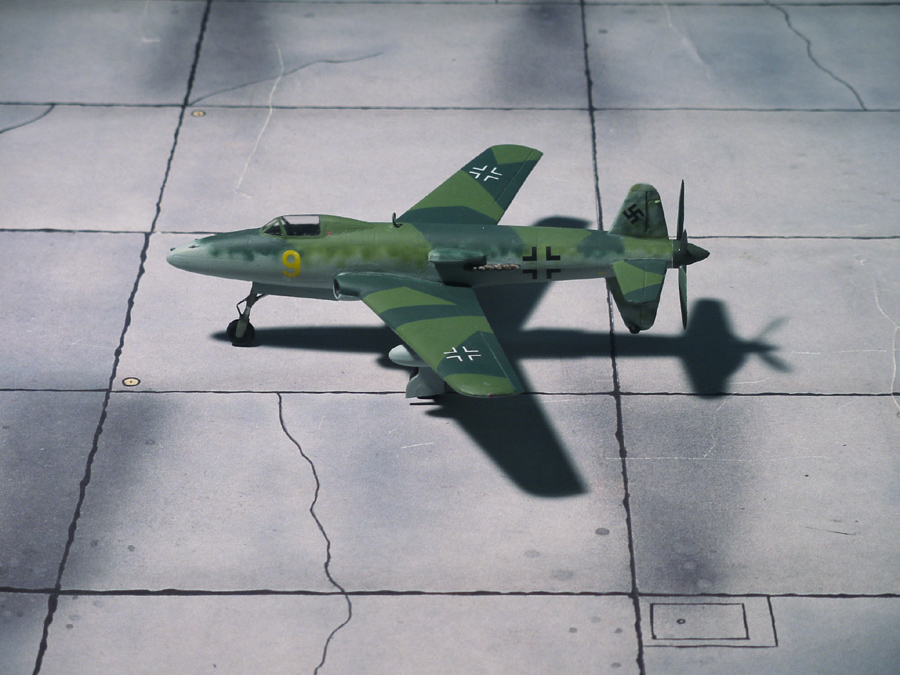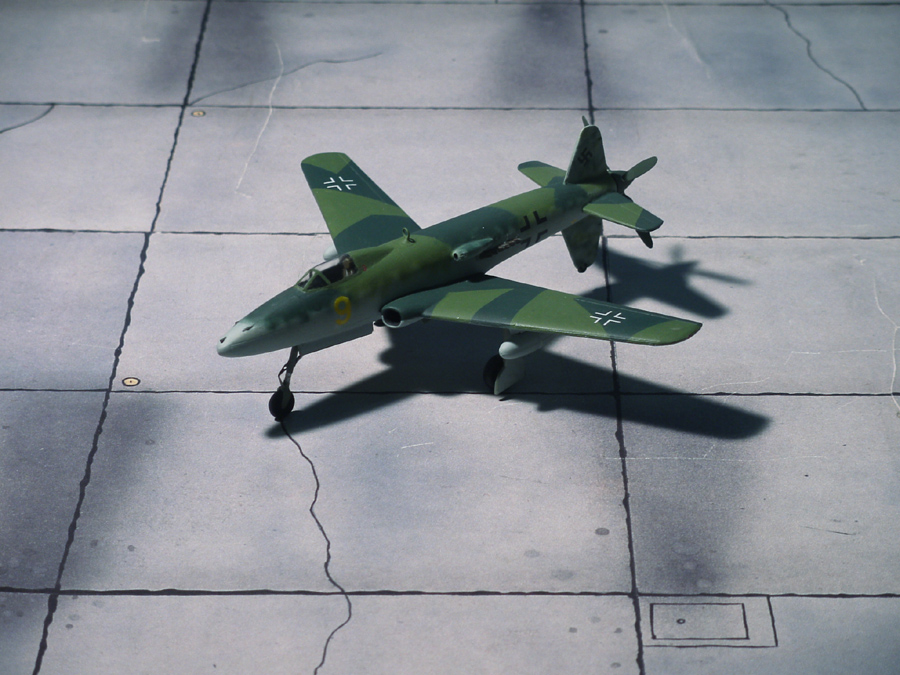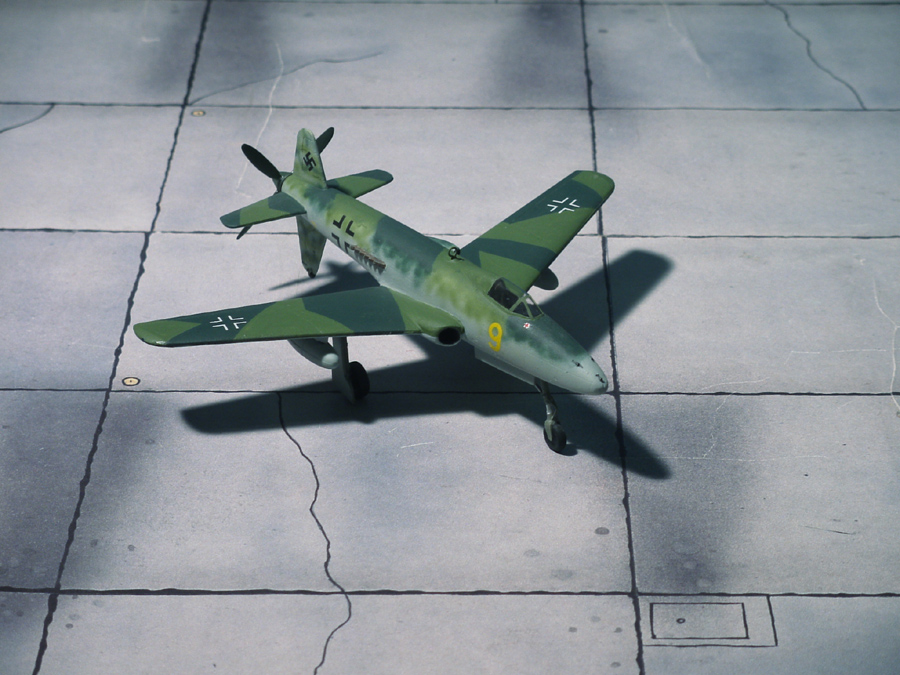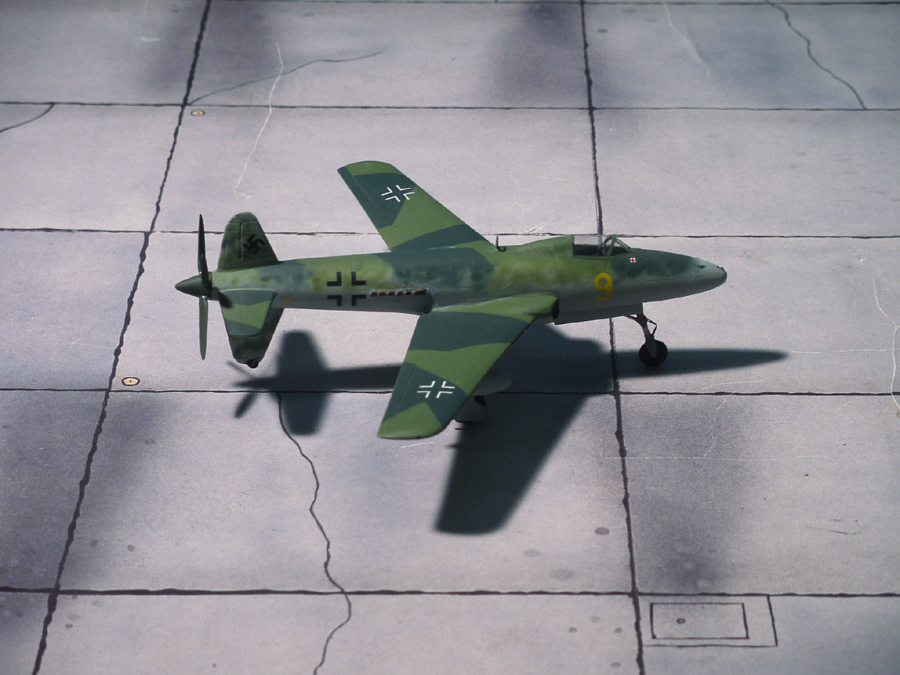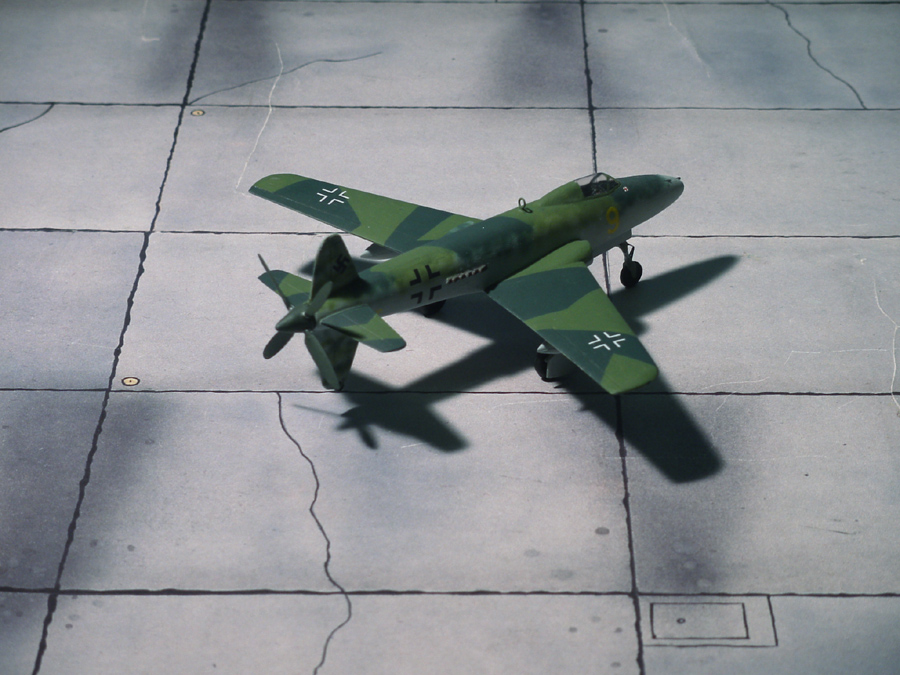
COMMENT: In May 1943, the Messerschmitt Company began work on a series of fighter/Interceptor aircraft under the designation Me P.1092. The first design, the Messerschmitt Me P.1092A had single Junkers Jumo 004C turbojet and the P.1092B had a rocket engine. The wings were basically the outer wing sections from the Messerschmitt Me 262, a butterfly tail and a tricycle landing gear arrangement were planned. In mid 1943, based on that design, a new series of derivatives were on the drawing boards, the Messerschmitt Me P.1092/2, Me P.1092/3, Me P.1092/4, and Me P.1092/5, respectively. All were of conventional design, as far as power unit, wings and tail arrangement as well as landing gear are concerned.
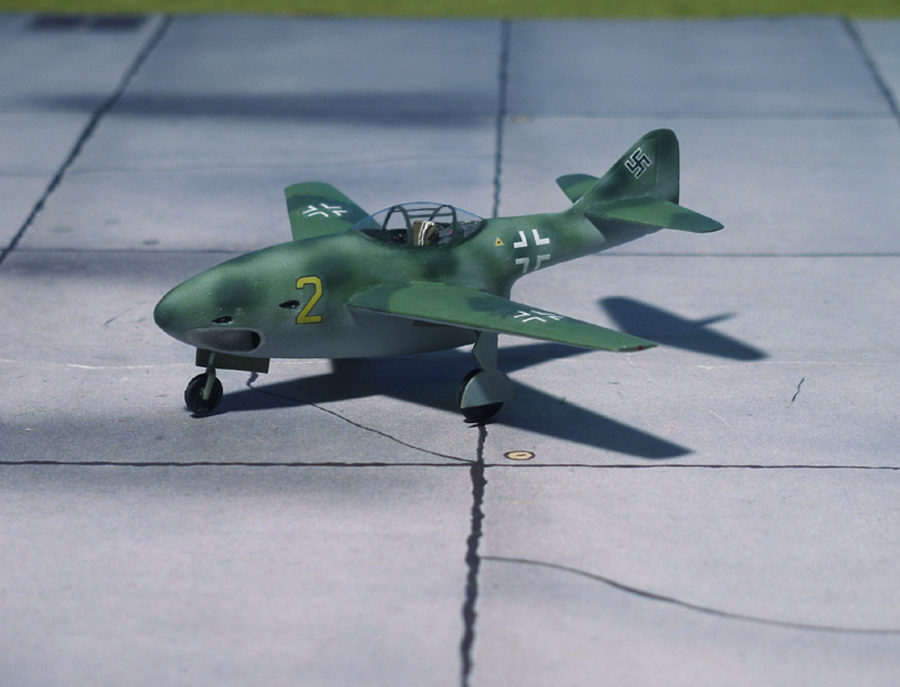
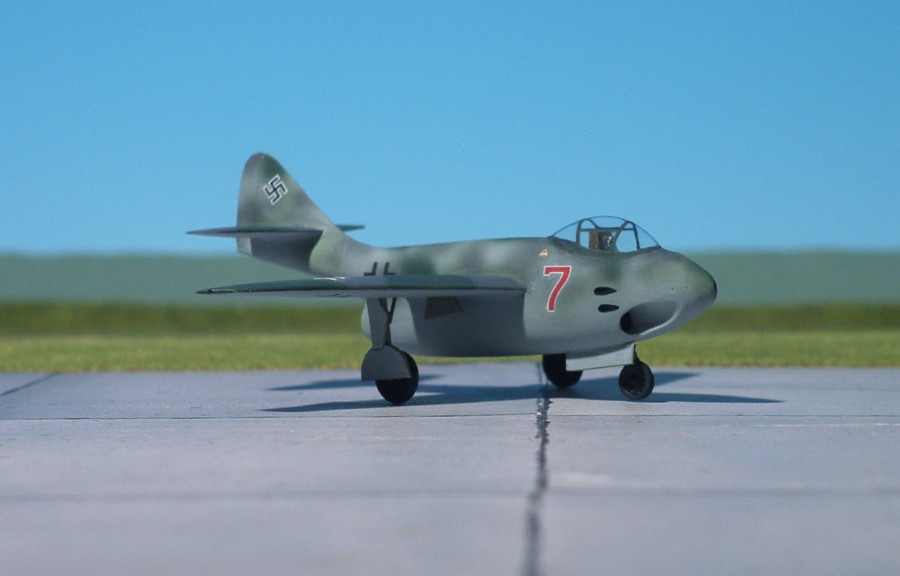
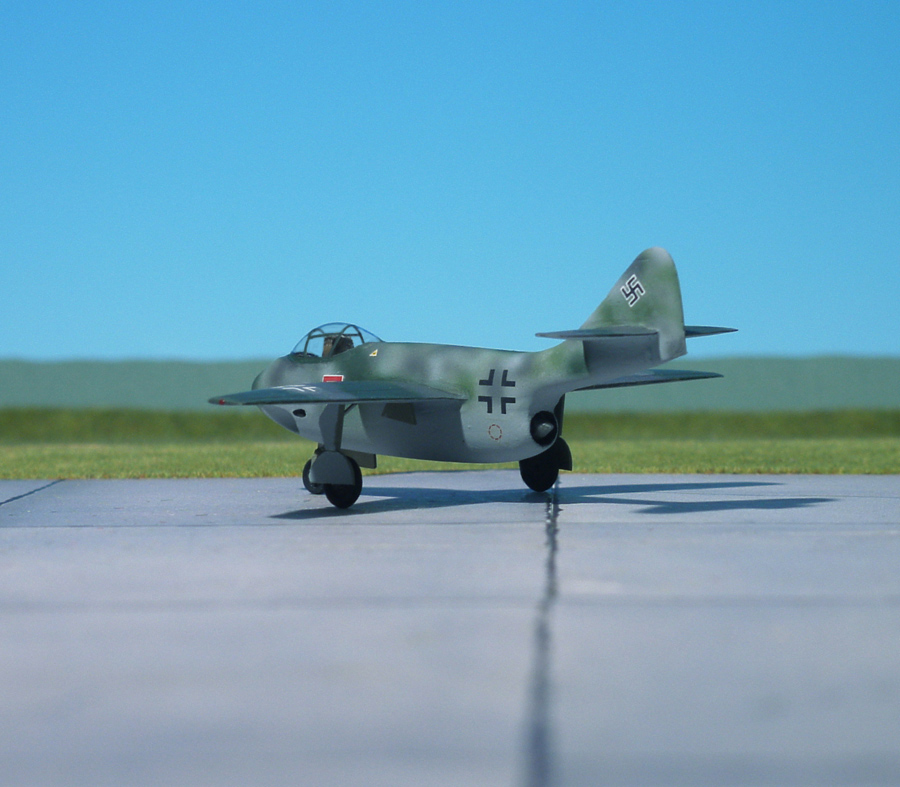
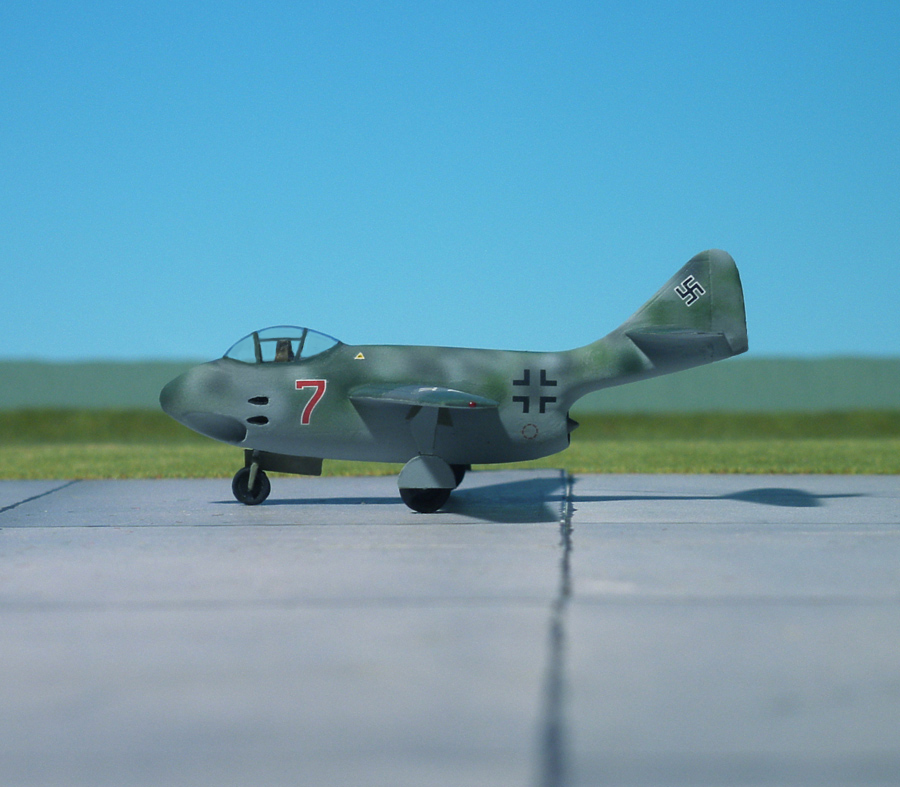
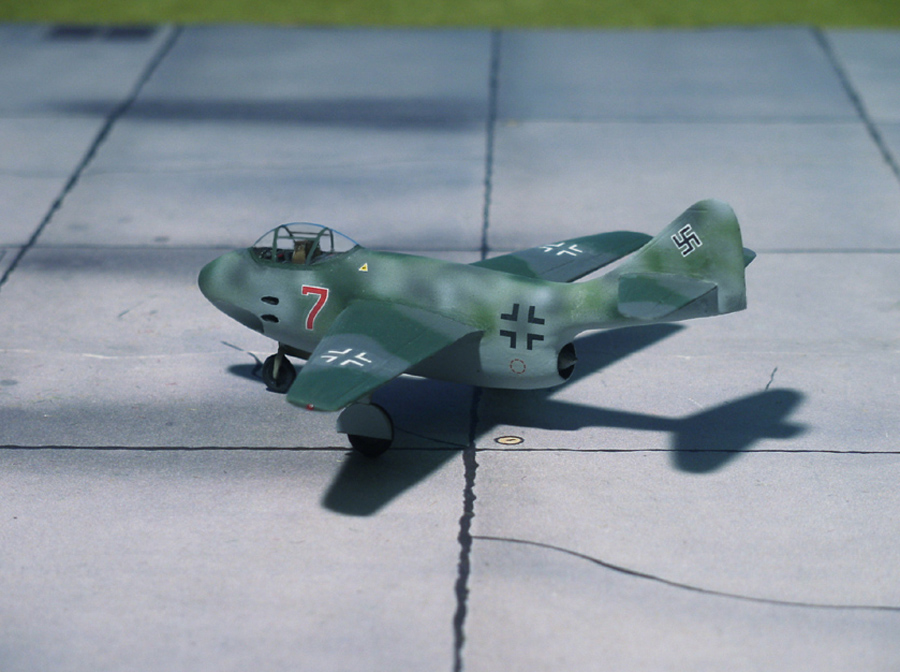
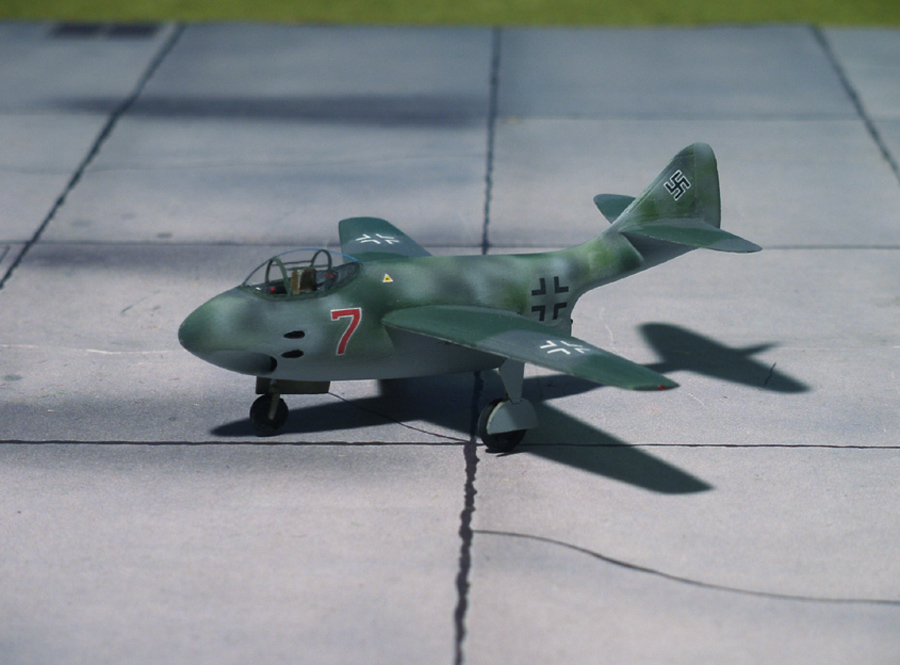
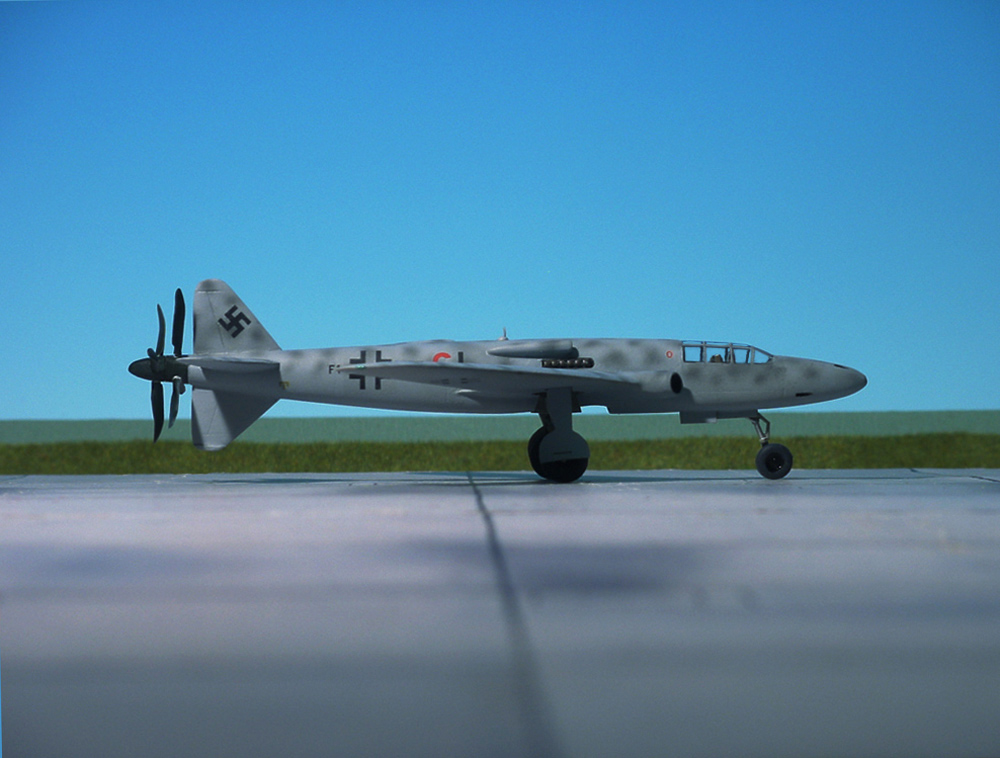
Messerschmitt Me P.1092/3
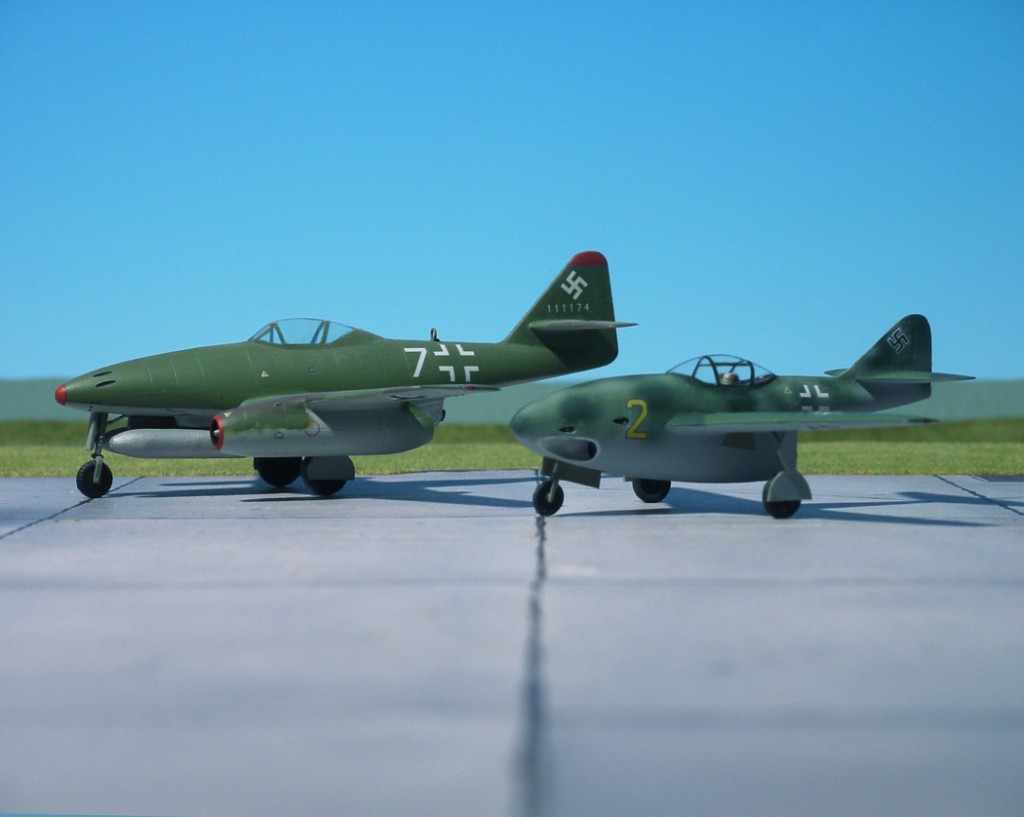
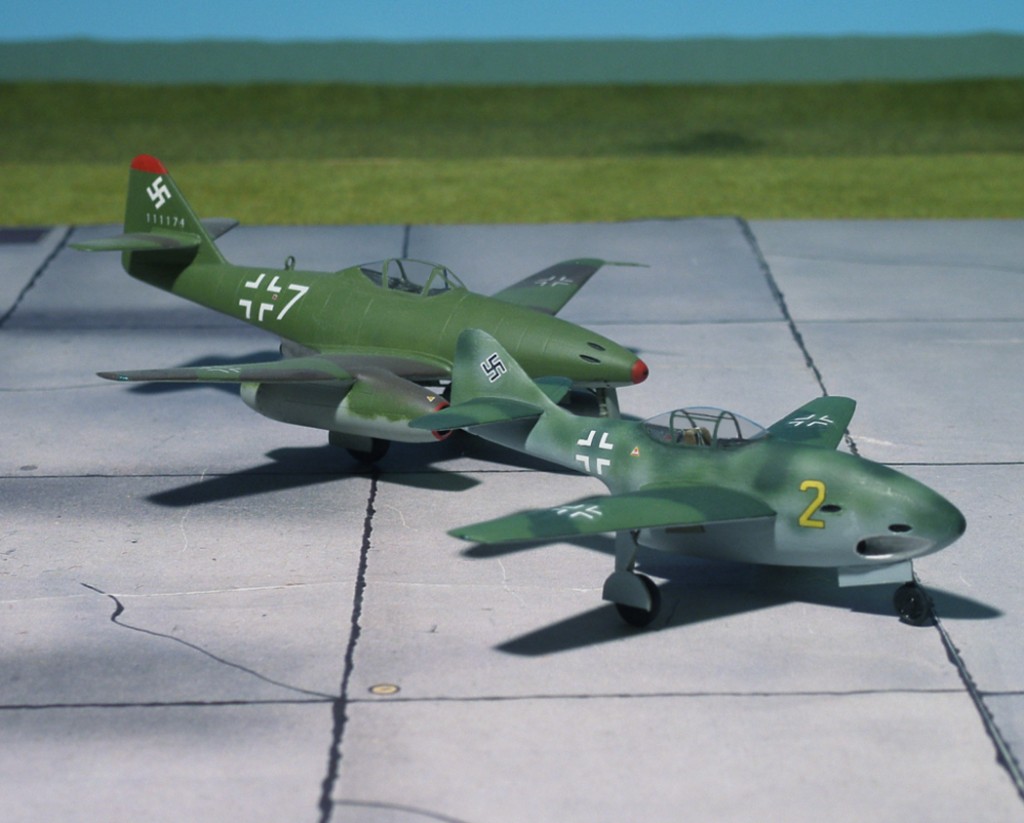
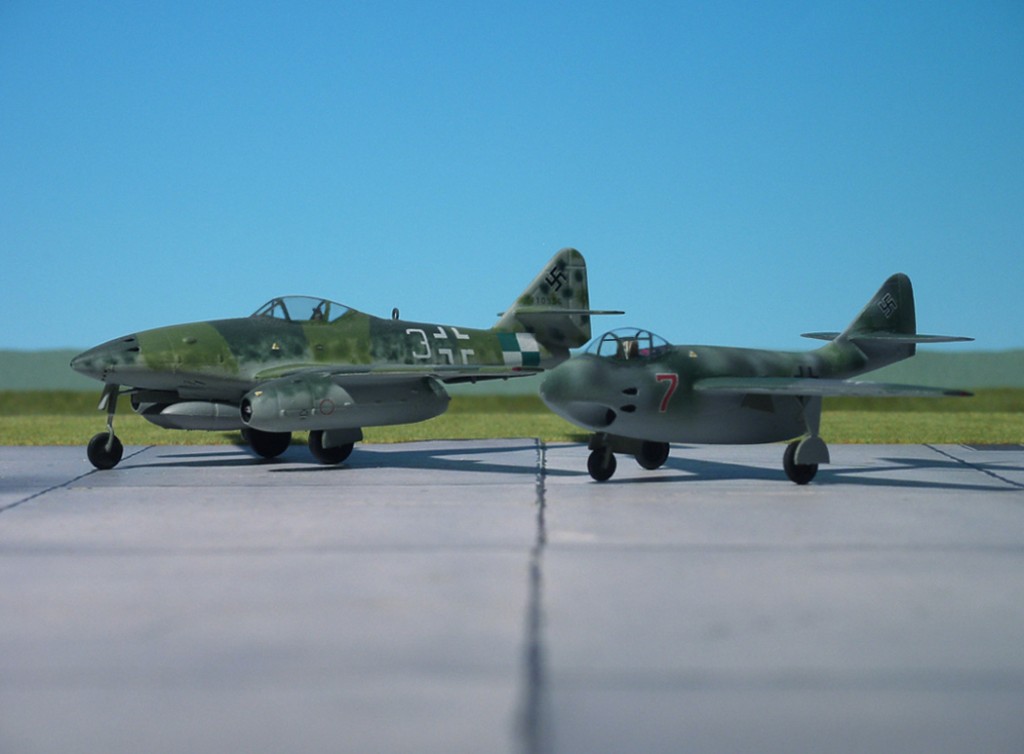
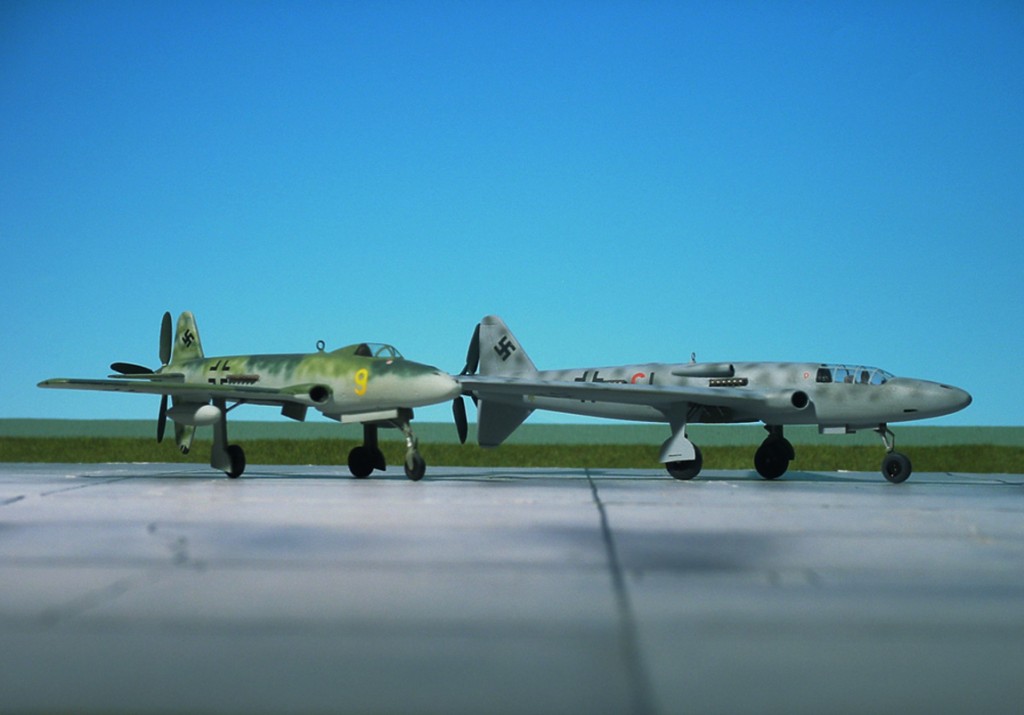
Messerschmitt Me 262A-1b, KG 44 and Messerschmitt Me P.1092/3
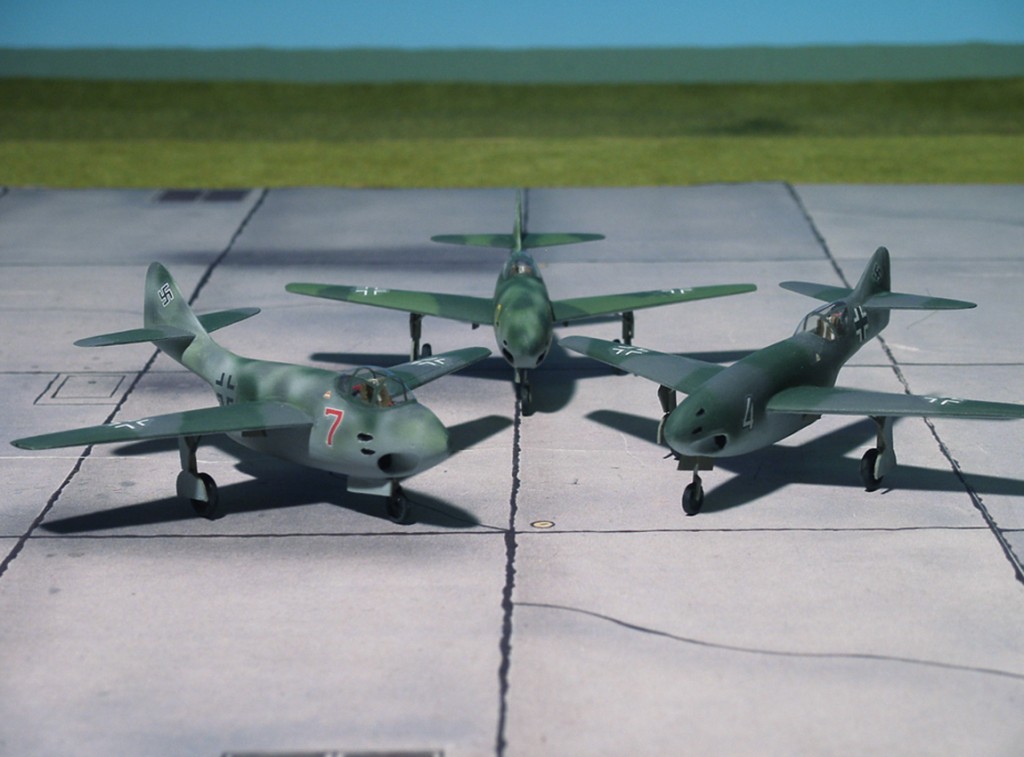
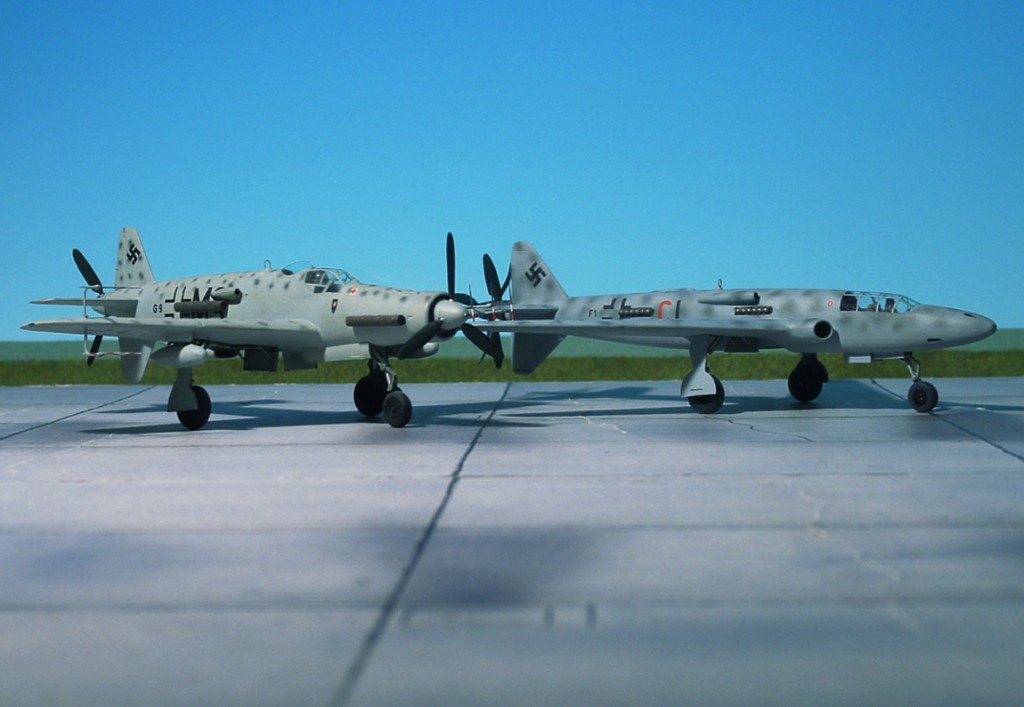
Messerschmitt Me P.1092/5, Messerschmitt Me P.1092/4 and Messerschmitt Me P.1092/3
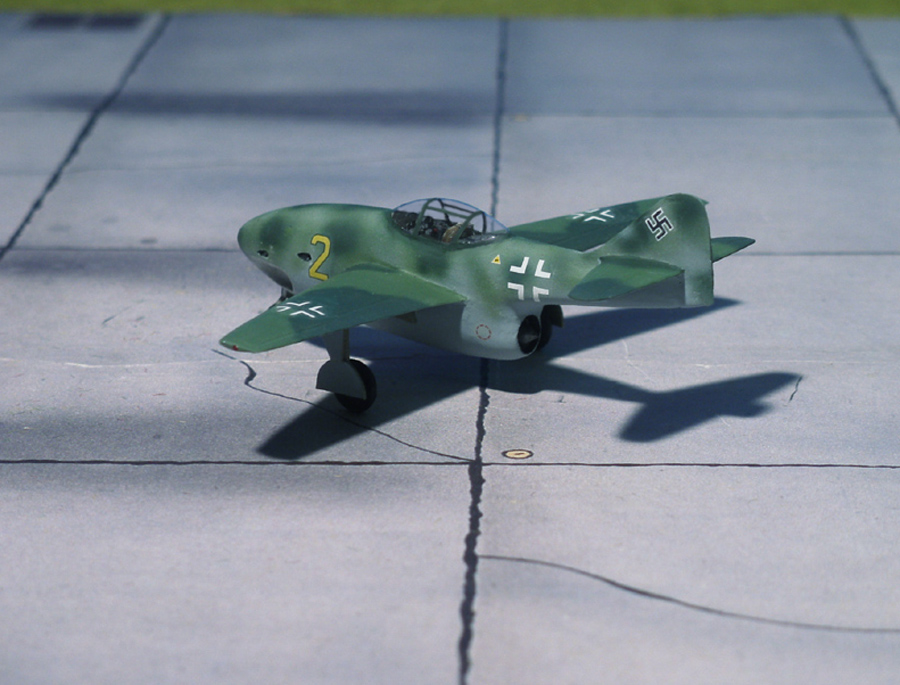
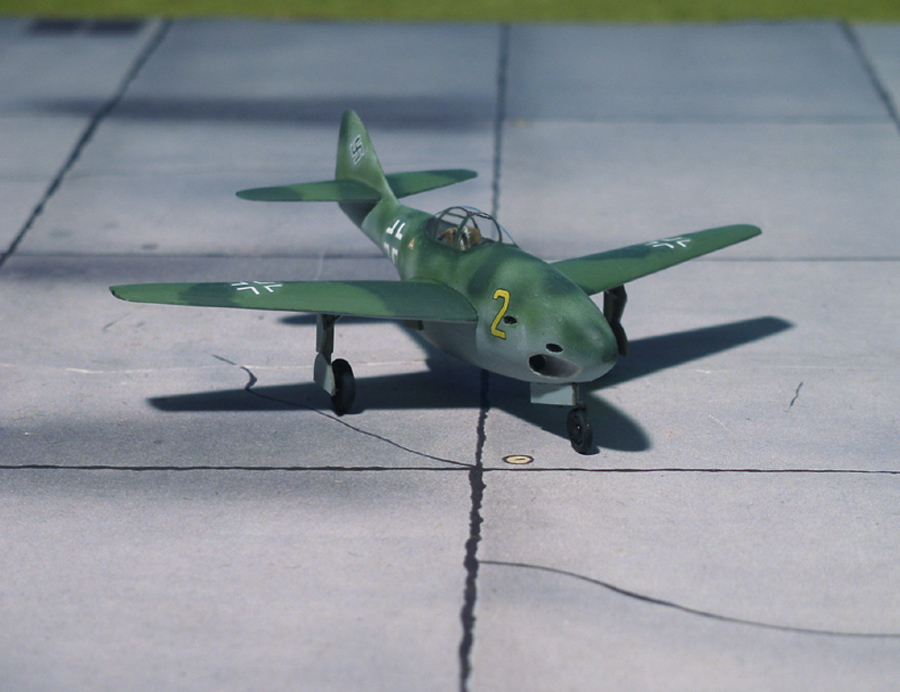
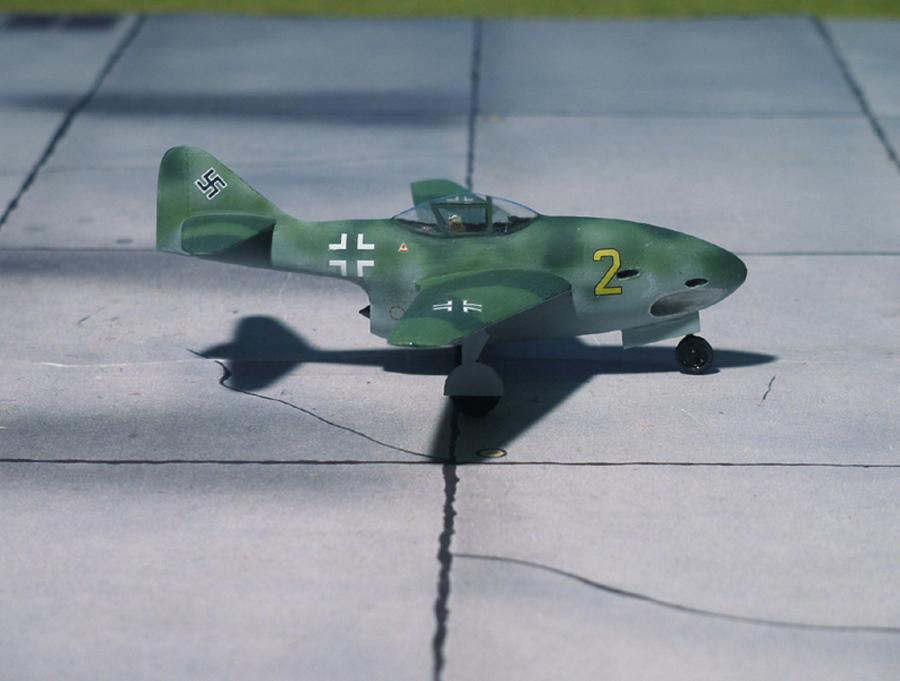
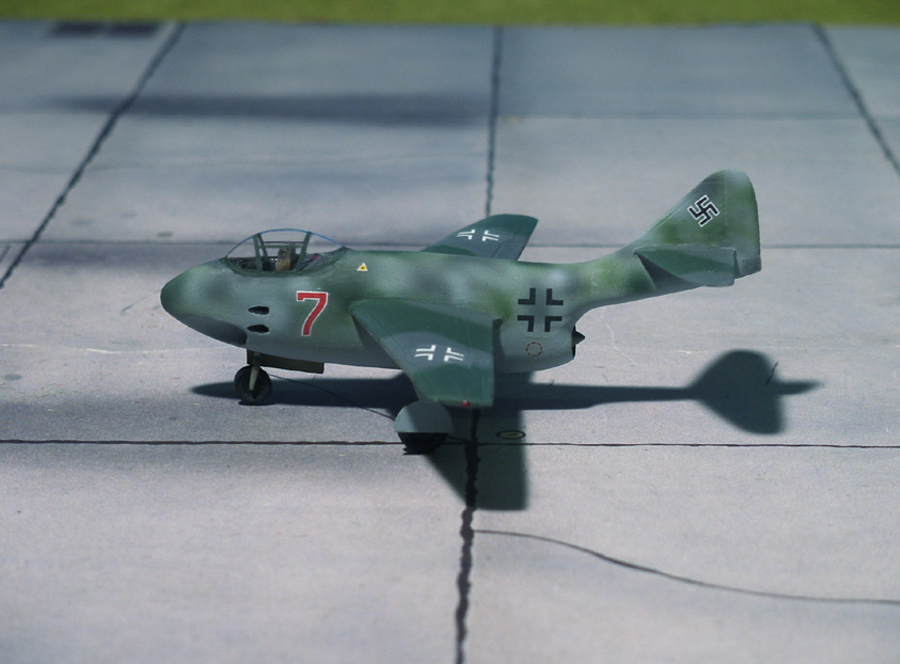
Messerschmitt Me P.1092/3
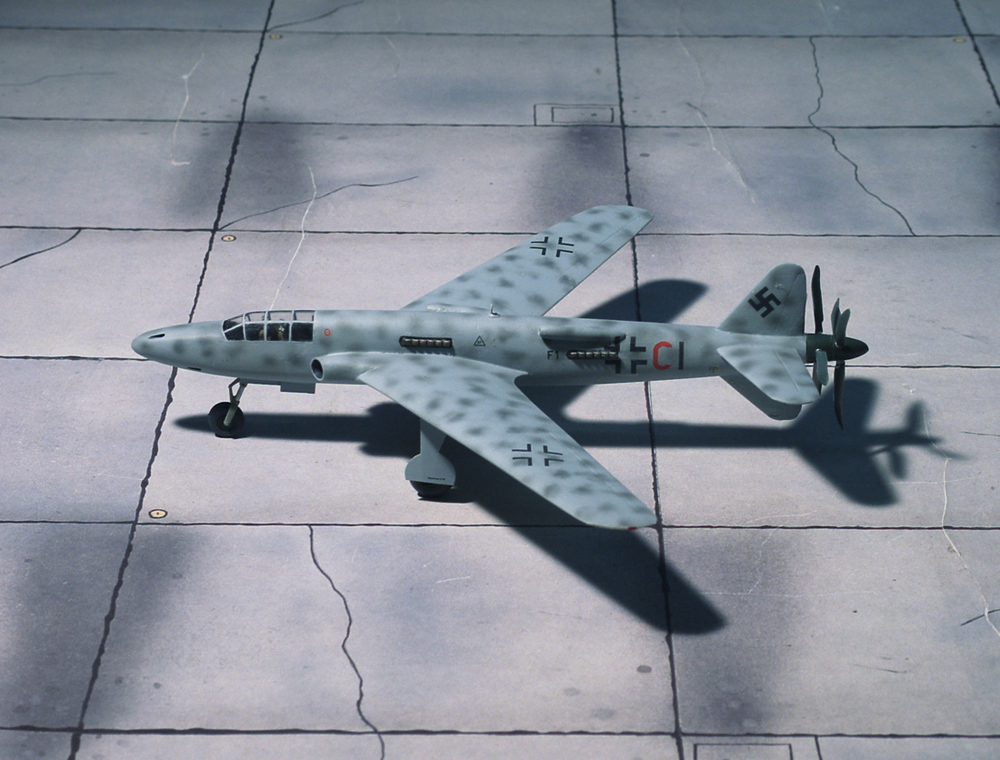
Messerschmitt Me P.1092/4, Messerschmitt Me P.1092/5 and Messerschmitt Me P.1092/3, clockwise from left
Messerschmitt Me P.1092/3, Messerschmitt Me P.1092/4, Messerschmitt Me P.1092/5, Messerschmitt Me 262C-3 Heimatschuetzer III, JV 44, Messerschmitt Me 262C-1a Heimatschuetzer I, JV 44, and Messerschmitt Me 262A-1b, KG 76, clockwise from left
TYPE: Fighter, Dive bomber, Ground attack, and Reconnaissance aircraft. Project.
ACCOMMODATION: Pilot only
POWER PLANT: One BMW 801D engine, rated at 1,700 hp and one BMW 003 turbojet, rated at 800 kp
PERFORMANCE: 423 mph at 13,600 ft (estimated)
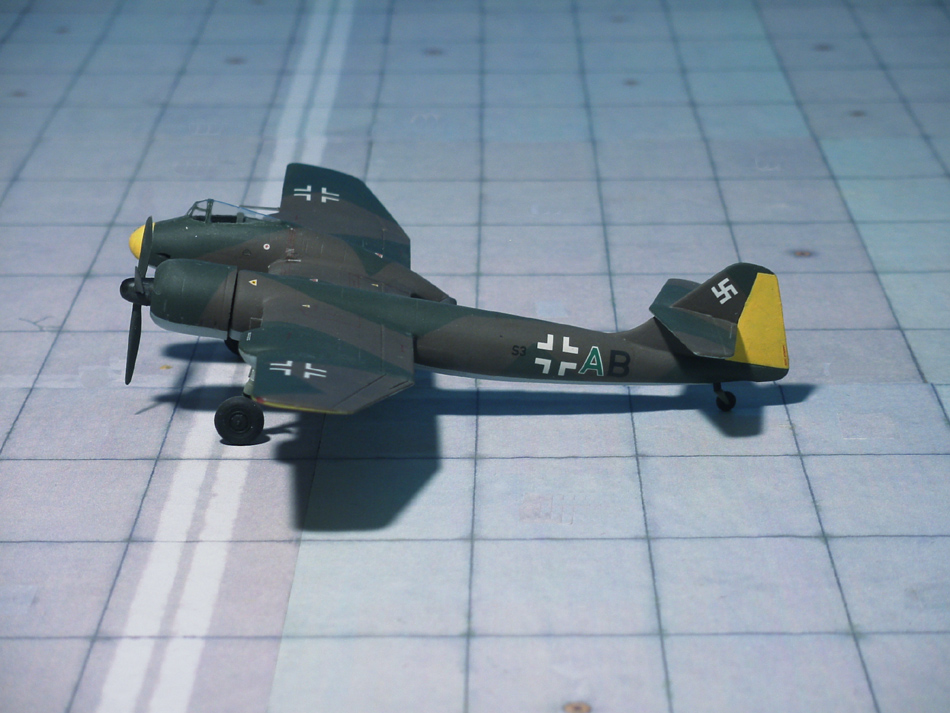
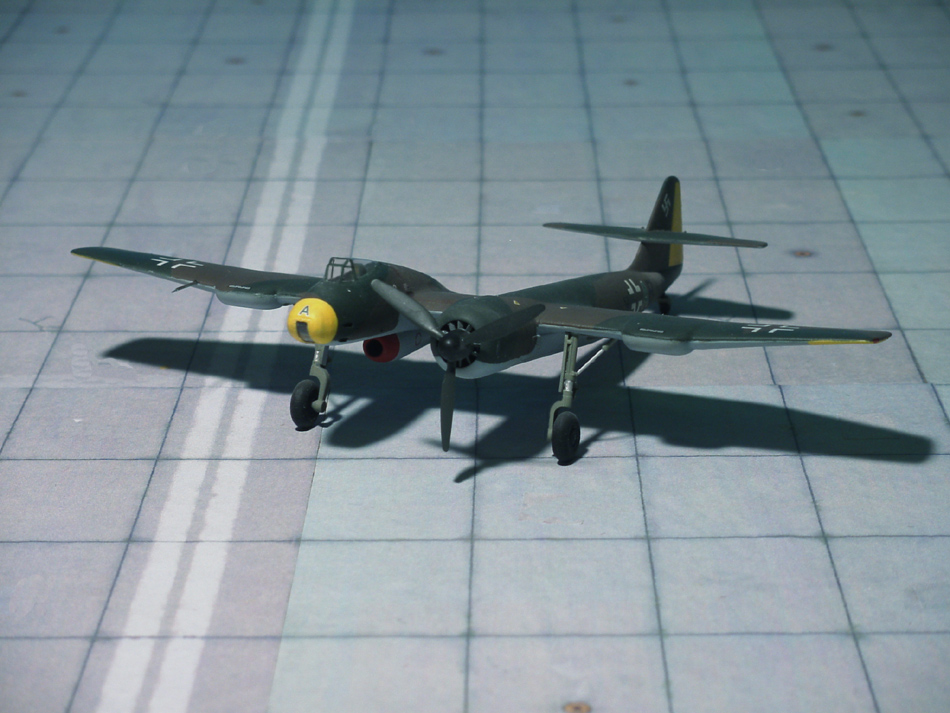
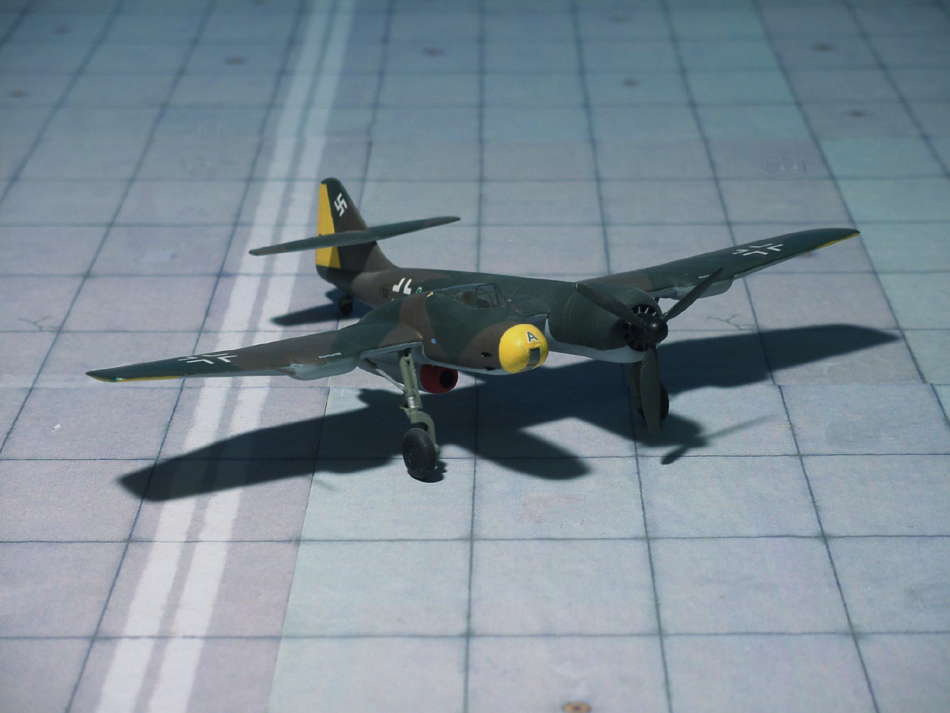
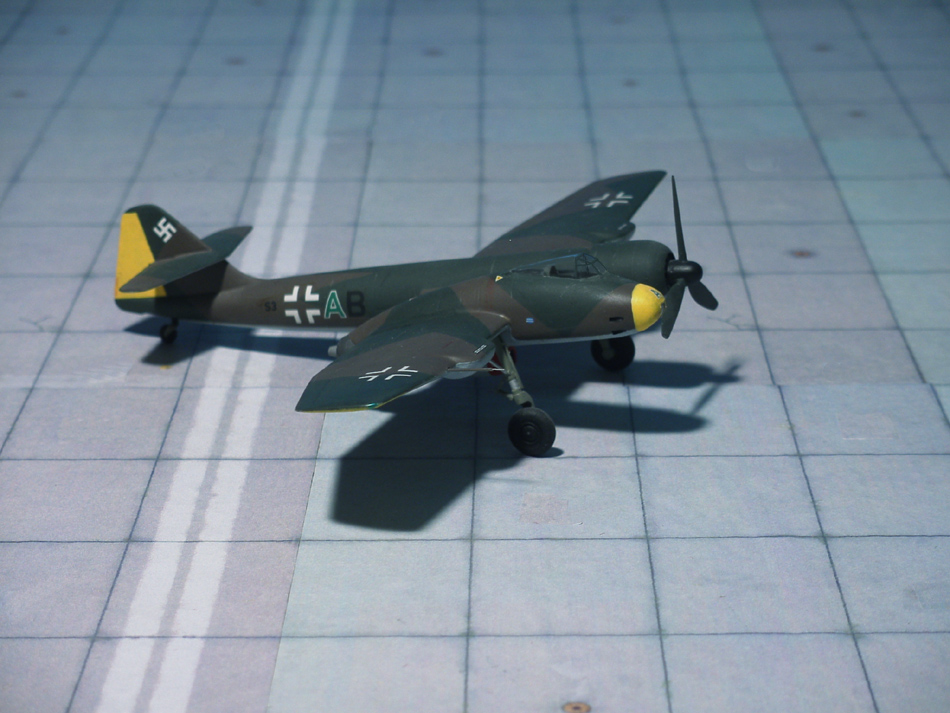
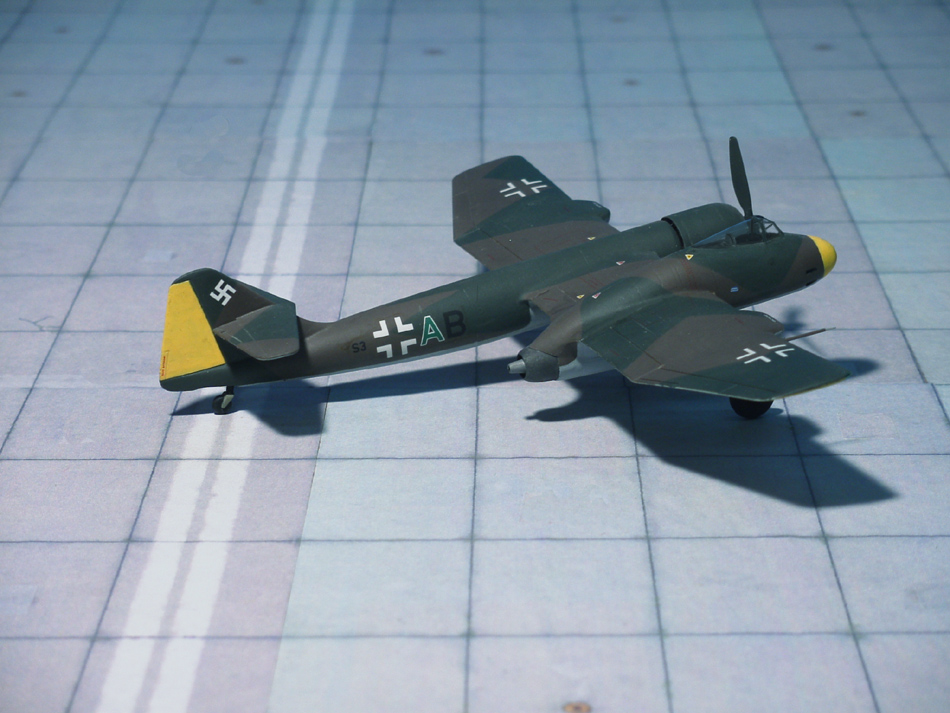
COMMENT: The Blohm & Voss Company had a great experience in designing asymmetrical aircraft as the Blohm & Voss Bv 141, Bv P. 176, Bv P.179, Bv P.204, and Bv P.237. In 1944 Blohm & Voss proposed new asymmetrical design to the RLM, which could be used as fighter, destroyer, dive bomber and reconnaissance, respectively. The design featured a mixed propulsion system with a piston engine in the main fuselage/ tail boom and a turbojet under a separated gondola that housed the cockpit. The main advantage of that arrangement was an excellent and unobstructed view for the pilot and the reduction of torque moments along the vertical axis induced by the propeller of single engine aircraft. Several different designs were proposed, the Bv P.194.01-02, the Bv P.194.03-01, and the Bv P.194.00-101, changes regarding mainly in the layout of the turbojet engine. Due to the threatening defeat of Germany the Bv P.194 development was not pursued (Ref.: 16).
Blohm und Voss Bv. P.194.01-02
Blohm und Voss Bv. P.237 and Blohm und Voss Bv. P.194.01-02
TYPE: Long range Bad-weather/Night Fighter. Project.
ACCOMMODATION: Crew of three
POWER PLANT: Two Junkers Jumo 213J, rated at 1,750 hp each
PERFORMANCE: 577 mph (estimated)
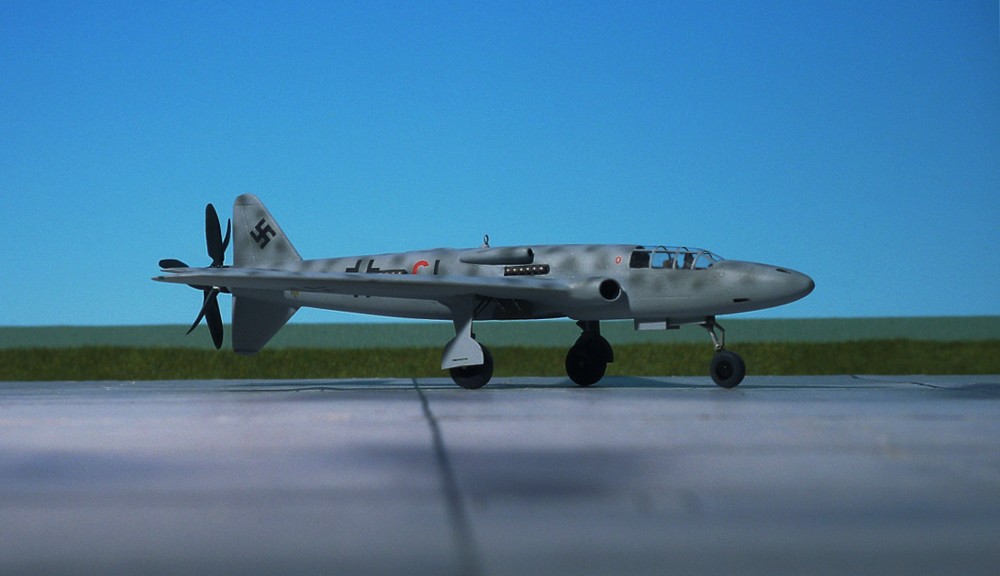
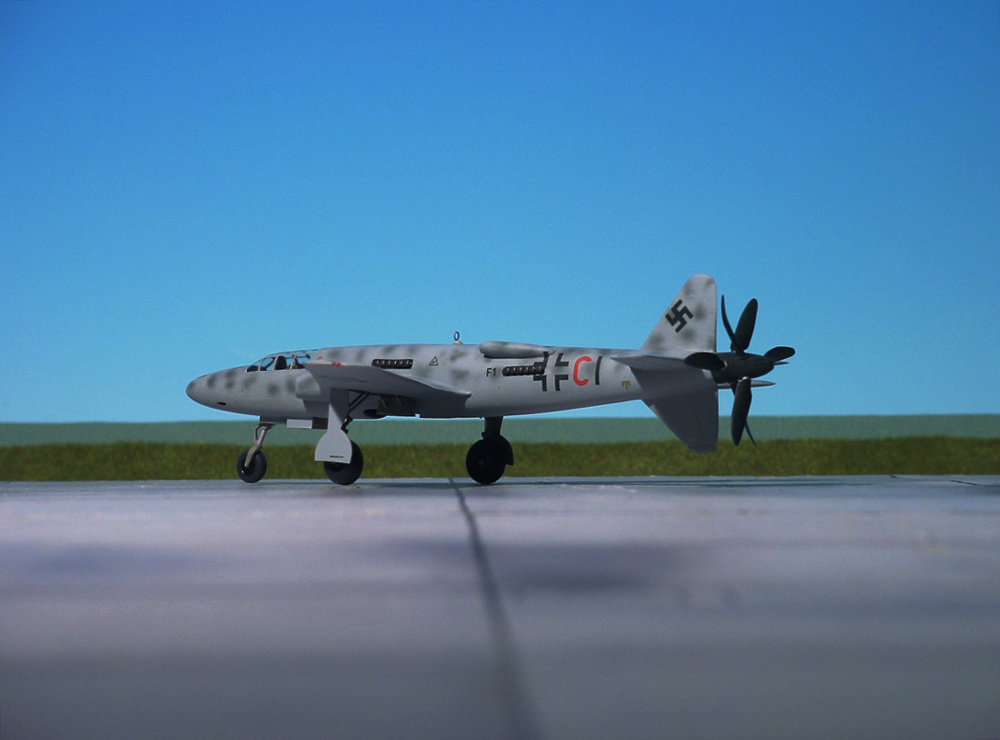
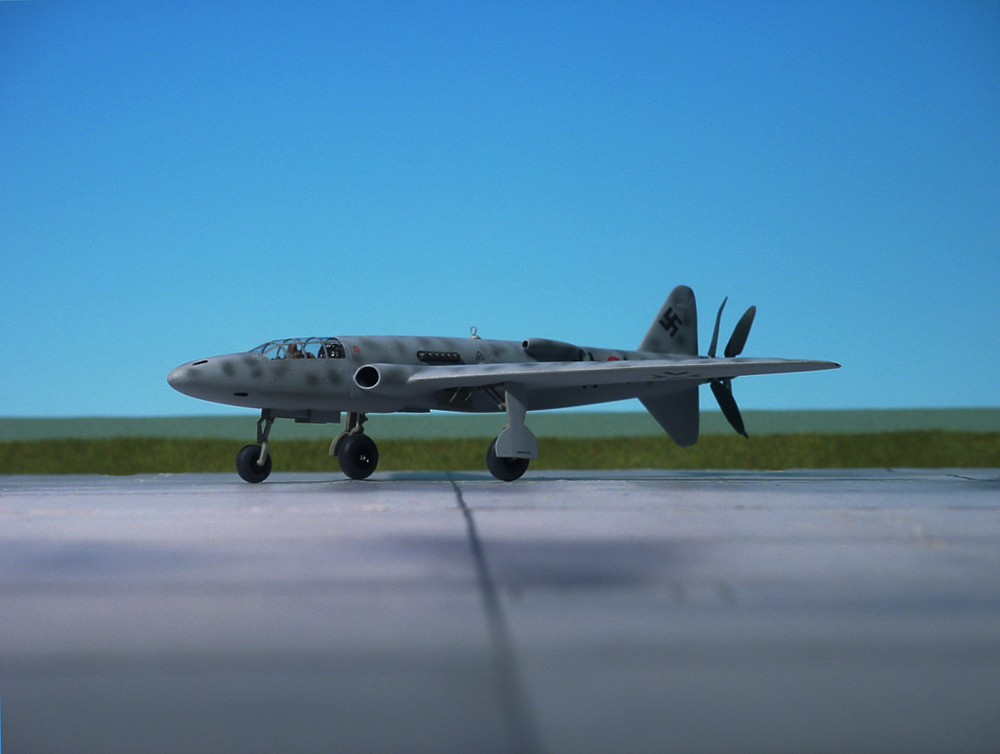
COMMENT: The Dornier Do P.252 project dates back to 1943 as replacement of the Do 335 “Pfeil” (Arrow). In January 1945 the design, that based on the Dornier Do P.247/6 project, was submitted for the optimum Luftwaffe night fighter contract specification. Three studies P.252/1, P.252/2, and P.252/3 were made from this design, all were very similar despite little differences in dimensions and wing plan forms (straight, 35 and 22.5 degree, respectively). Two Junkers Jumo 213J , rated at 1750 hp each were located in tandem within the fuselage and coupled to an extension shaft that drove two contra-rotating three bladed propellers that featured a blade sweep of 50 degrees, a novelty at that time. The P.252/2 had a slightly elongated fuselage and room for a crew of three. The wings were swept back at 35 degrees. Although the Dornier Do P.252 promised an excellent performance, equivalent to upcoming turbojet powered aircraft the design was abandoned reluctantly.
POWER PLANT: One Junkers Jumo 213T, rated at 2,000 hp, driving four bladed pusher propeller
PERFORMANCE: 520 mph (estimated)
COMMENT: The excellent performance of the Dornier Do 335 Pfeil (Arrow) proceeded to several Dornier designs of pusher type fighters and fighter bombers. Among these is this Do P.247/6 project from autumn 1944. The swept back wing together with a powerful engine promised an excellent performance and the pusher type propeller offered an excellent visibility and allowed the installation of radar antennas for the adoption as a bad weather/night fighter. This furher development was the Dornier Do P.252 but the project was never realized.
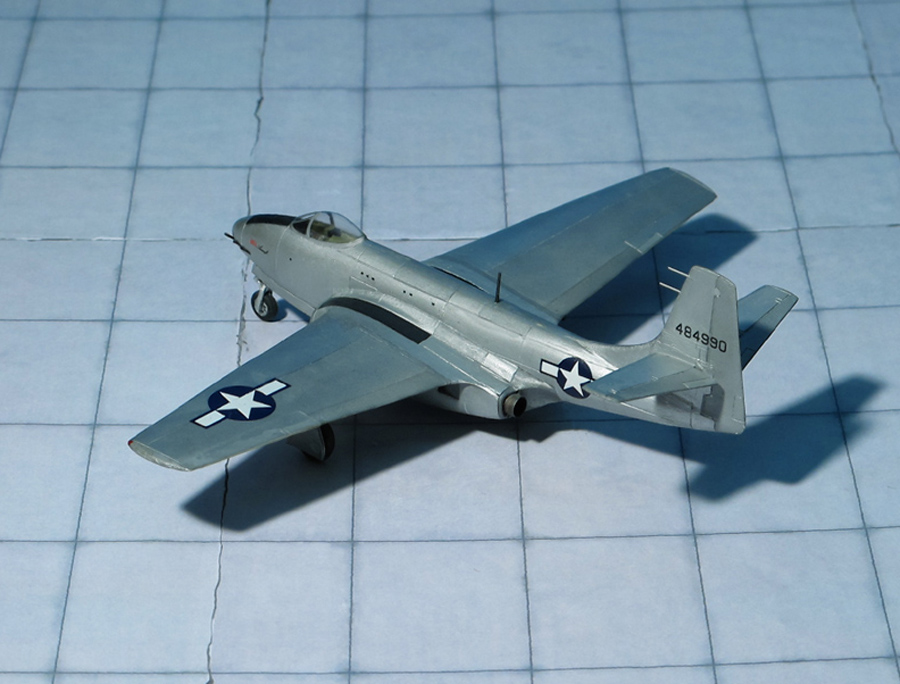
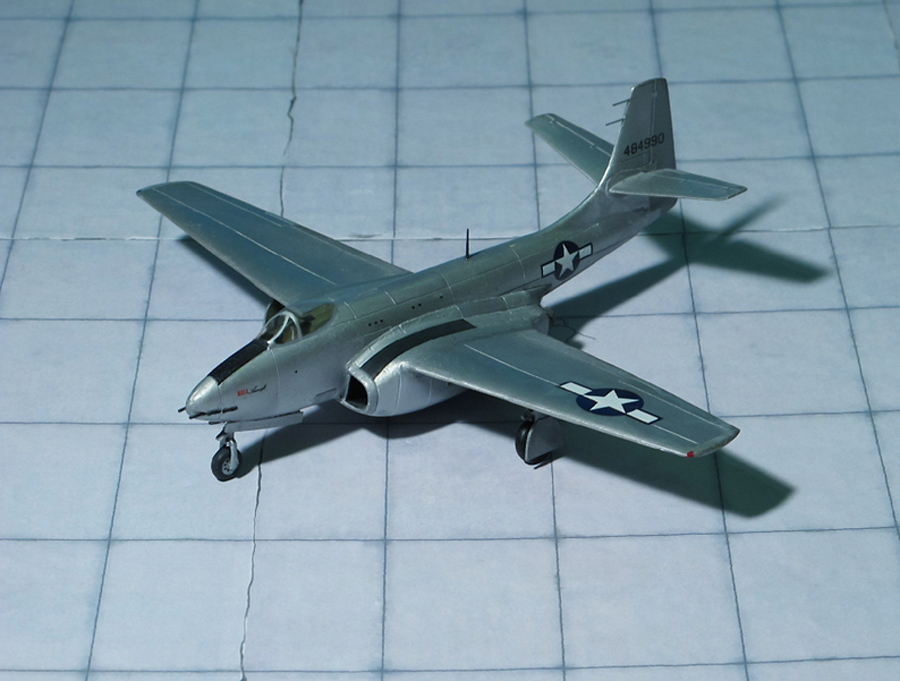
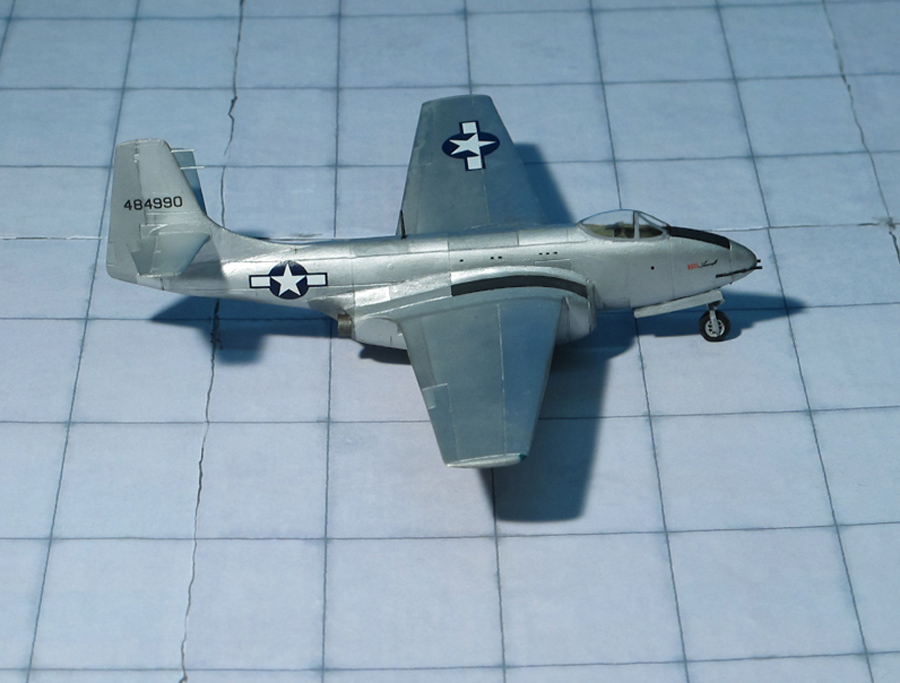
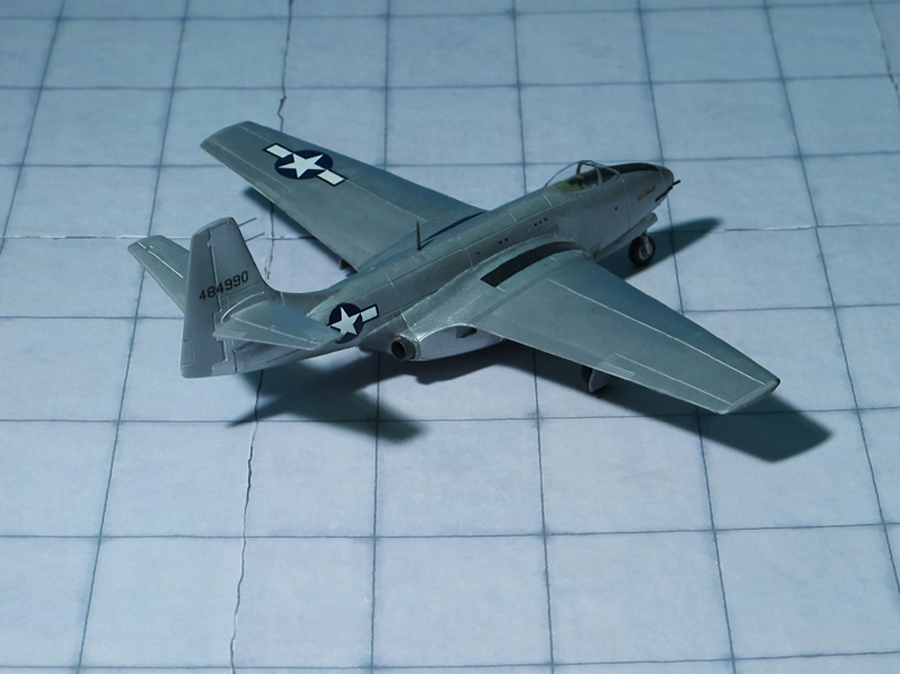
POWER PLANT: Two General Electric J33-GE 5 turbojets, rated at 1,835 kp each
PERFORMANCE: 522 mph at 15,700 ft
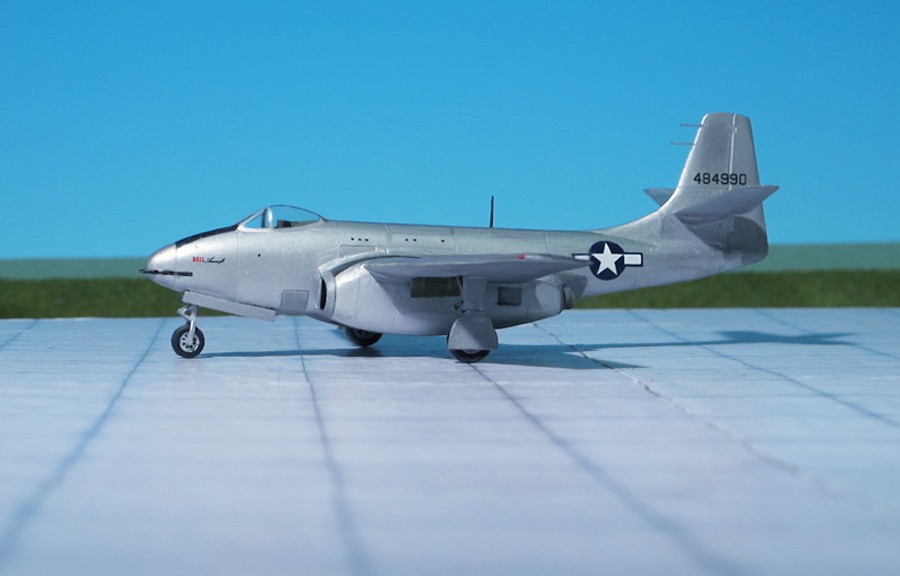
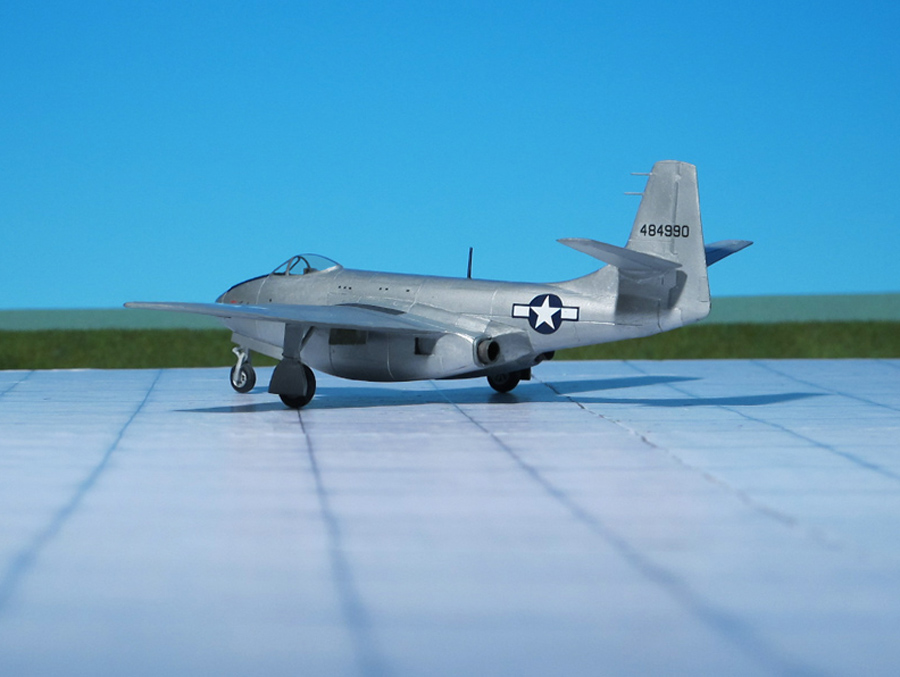
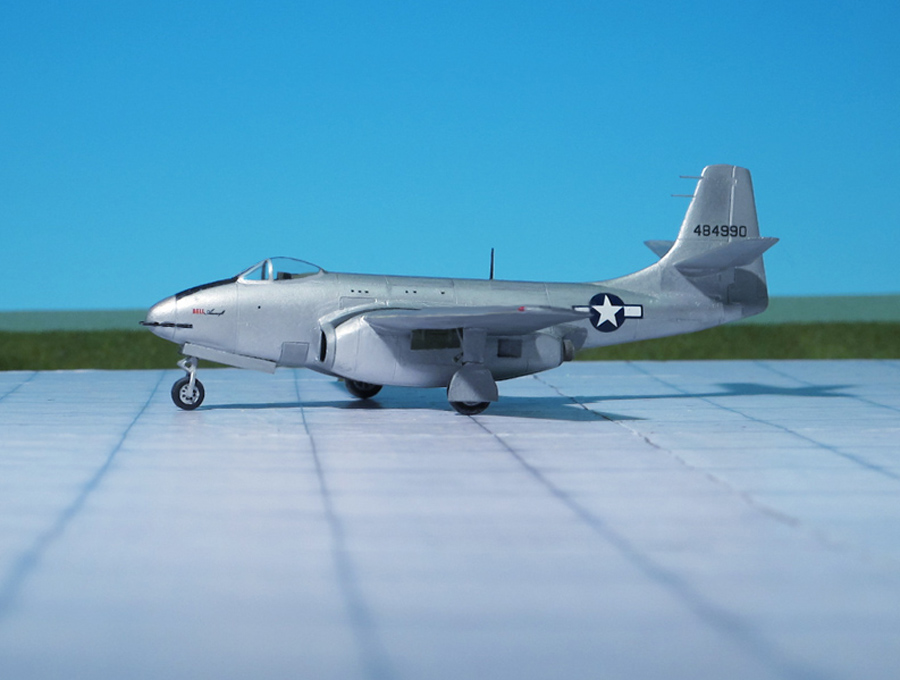
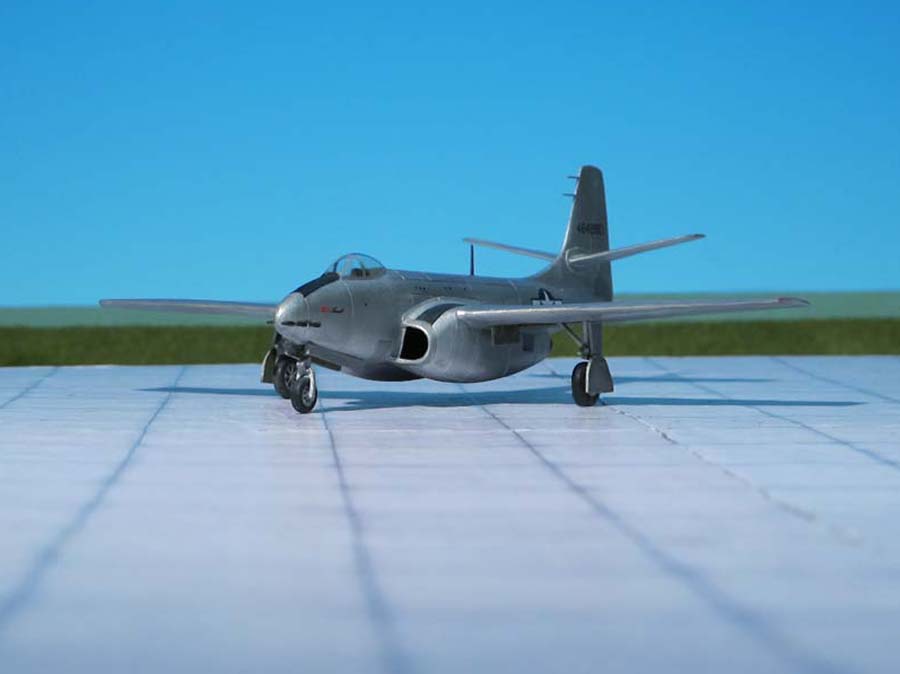
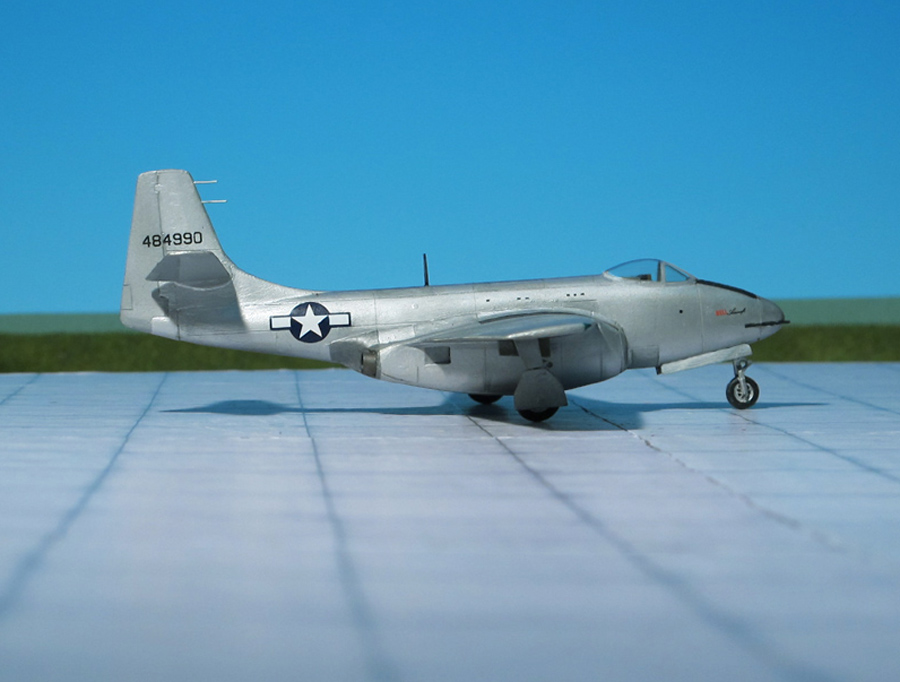
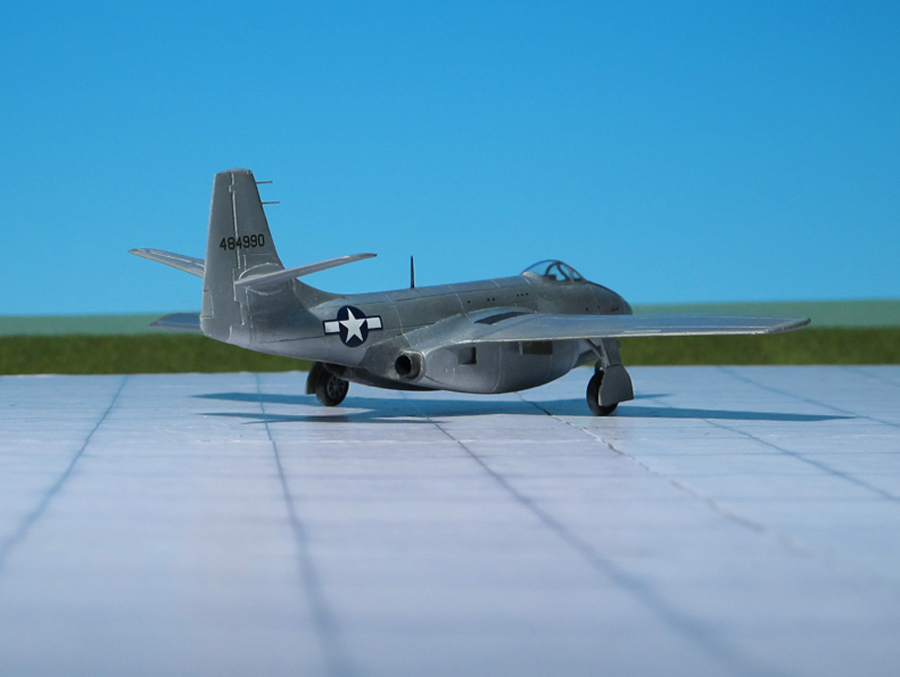
COMMENT: The Bell XP-83 was a United States prototype escort fighter designed by Bell Aircraft during World War II. It first flew in 1945. As an early jet fighter, its limitations included a lack of power and it was soon eclipsed by more advanced designs. The early jet fighters consumed fuel at a prodigious rate which severely limited their range and endurance.
In March 1944, the United States Army Air Forces requested Bell to design a fighter with increased endurance and formally awarded a contract for two prototypes on 31 July 1944.Bell had been working on its “Model 40” interceptor design since 1943. It was redesigned as a long-range escort fighter while retaining the general layout of the Bell P-59 Airacomet. The two General Electric-GE-5 turbojet engines were located in each wing root which left the large and bulky fuselage free for fuel tanks and armament. The fuselage was an all-metal semimonocoque capable of carrying 4,350 l of fuel. In addition, two 950 l drop tanks could be carried. The cabin was pressurized and used a small and low bubble style canopy. The armament was to be six 12.7 mm machine guns in the nose.
Early wind tunnel reports had pinpointed directional instability but the “fix” of a larger tail would not be ready in time for flight testing. The first prototype was flown on 25 February 1945, demonstrating that the aicraft was under-powered and unstable. The limited flight testing provided satisfactory flight characteristics although spins were restricted until the larger tail fin was installed. The second prototype did incorporate the extended tail and an aileron boost system. One unique characteristic was the XP-83’s refusal to slow down due to its sleek aerodynamic shape and lack of drag brakes. This meant that test pilots were forced to fly “stabilized approaches” (i.e. very long and flat landing approaches).
The first prototype was used in 1946 as a ramjet test-bed with an engineer’s station located in the fuselage behind the pilot. The second prototype flew on 19 October and was later scrapped in 1947. Apart from range, the XP-83 was inferior to the Lockheed P-80 Shooting Star and this led to the cancellation of the XP-83 project in 1947 (Ref.: 24).
POWER PLANT: One Pratt & Whitney R-4360-10, rated at 3,000 hp
PERFORMANCE: 432 mph
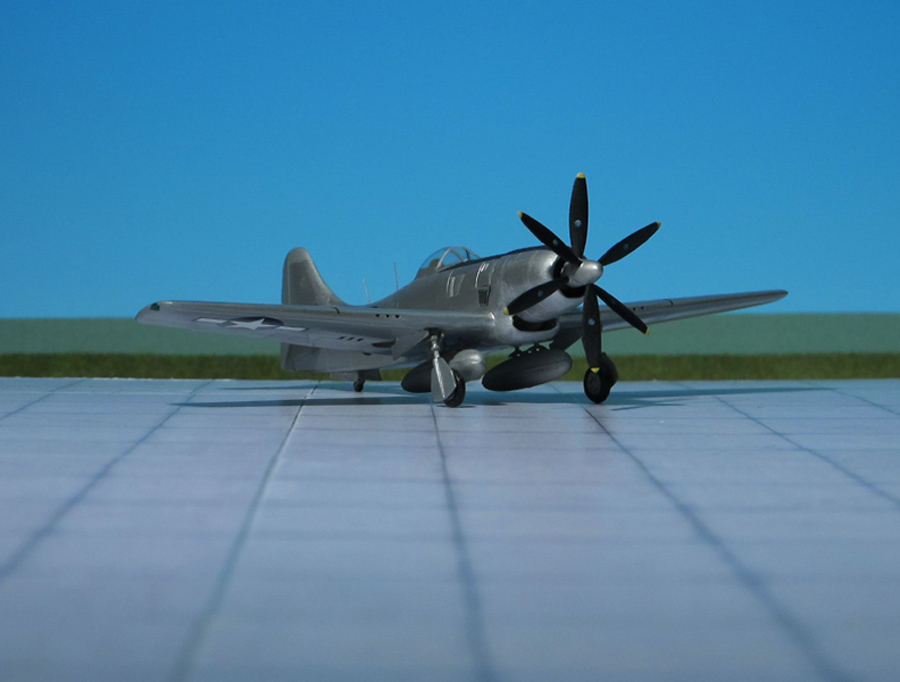
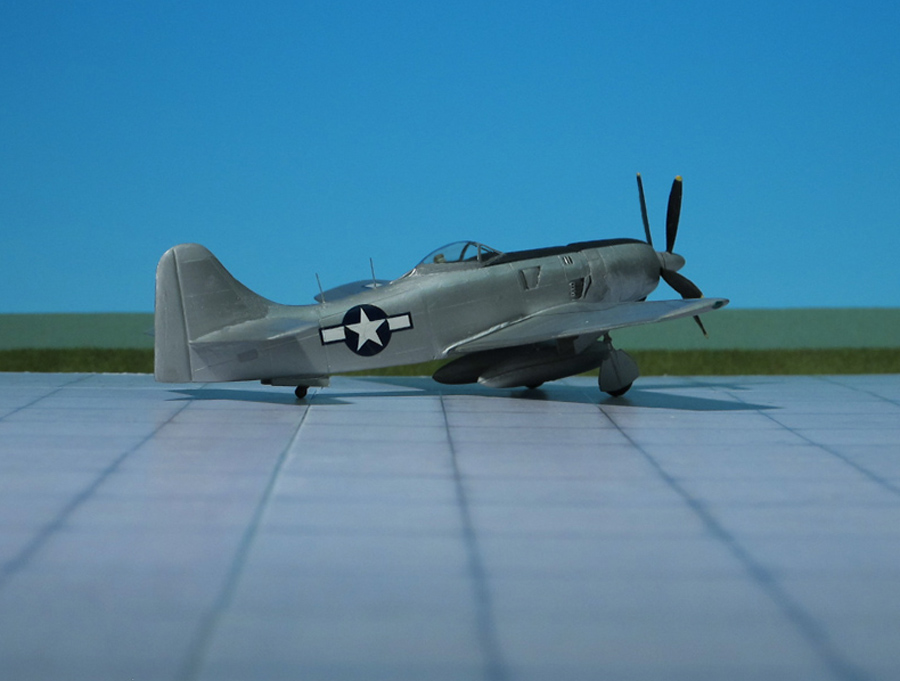
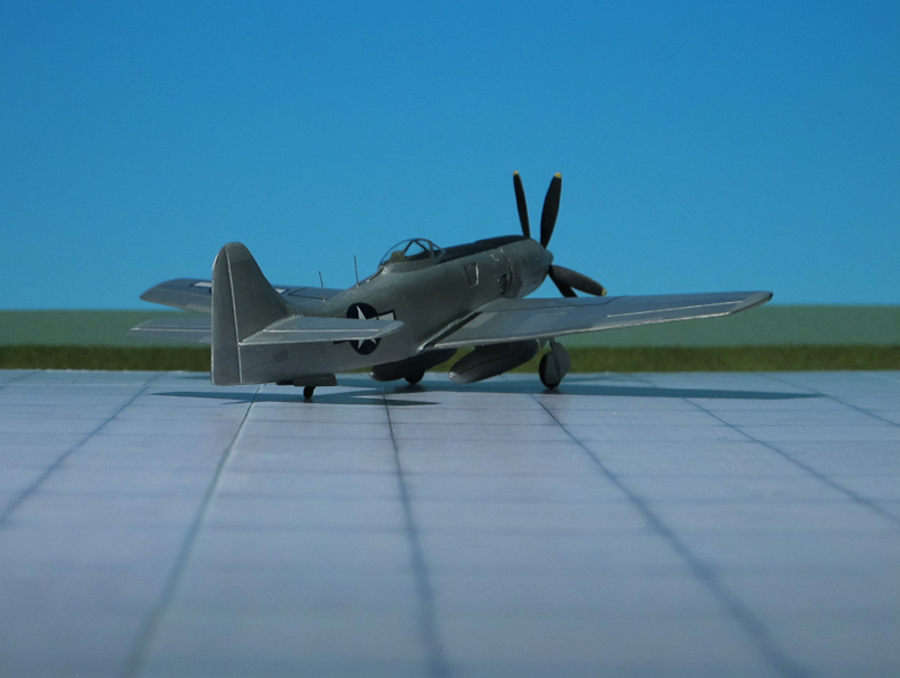
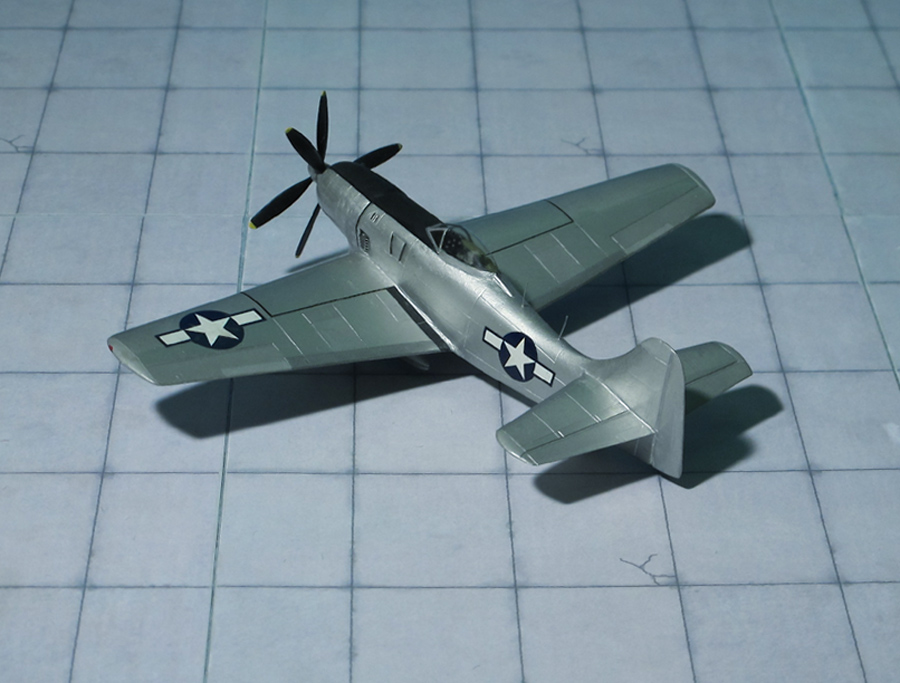
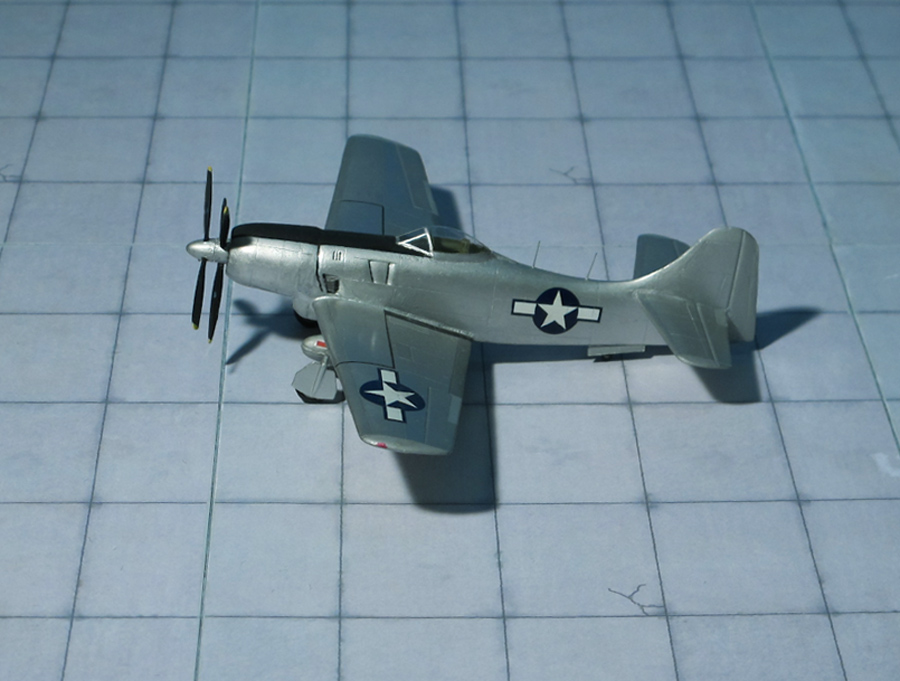
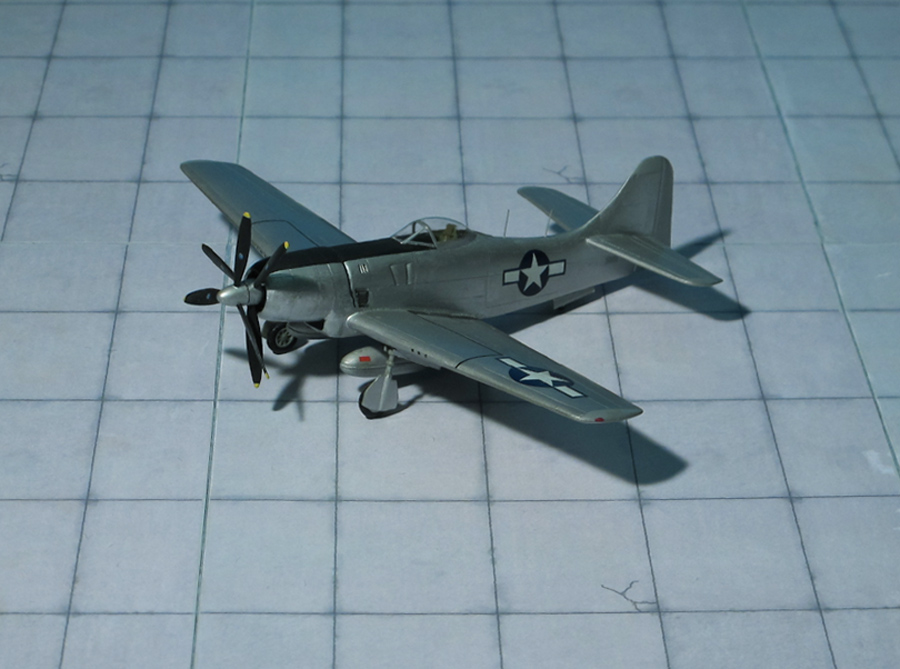
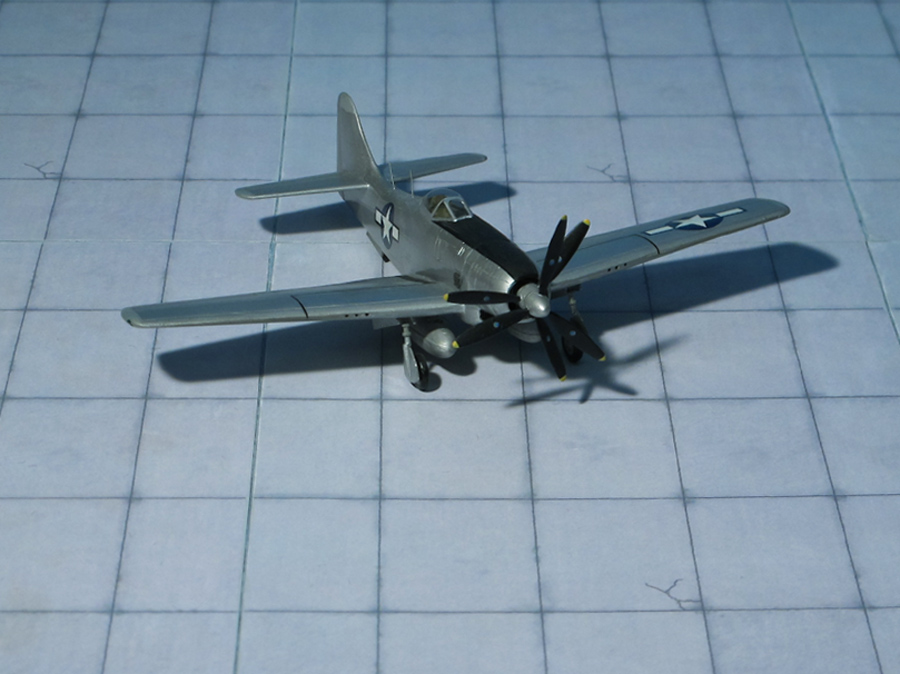
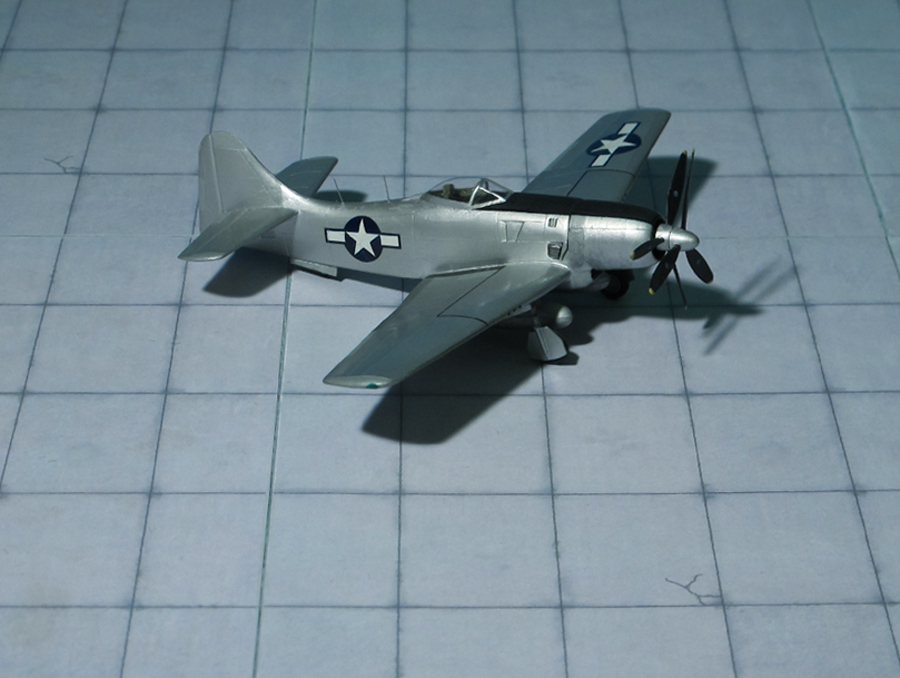
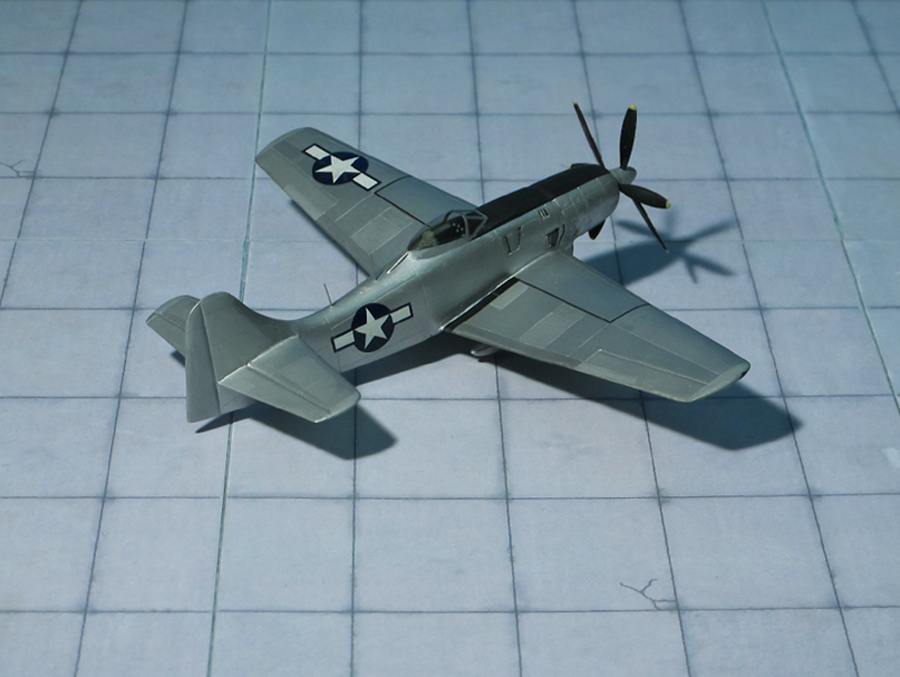
COMMENT: The estimated excellent performance of this aircraft, designed for the US Navy, was of great interest for the US Army Air Force, too. So the third (of three) prototype was delivered to the US Army Air Force and tested at Eglin Air Force base. But the advent of new jet fighters led to the cancellation of many wartime piston-engined projects. So consequently, the USAF lost interest in pursuing the project and the prototype was scrapped.
POWER PLANT: One Pratt & Whitney XR-4360-10, rated at 3,000 hp
PERFORMANCE: 432 mph
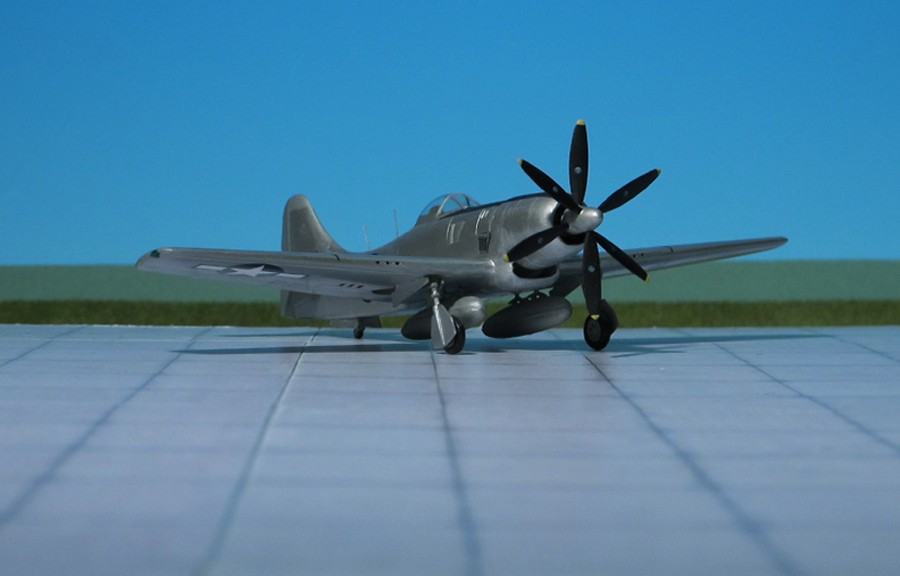
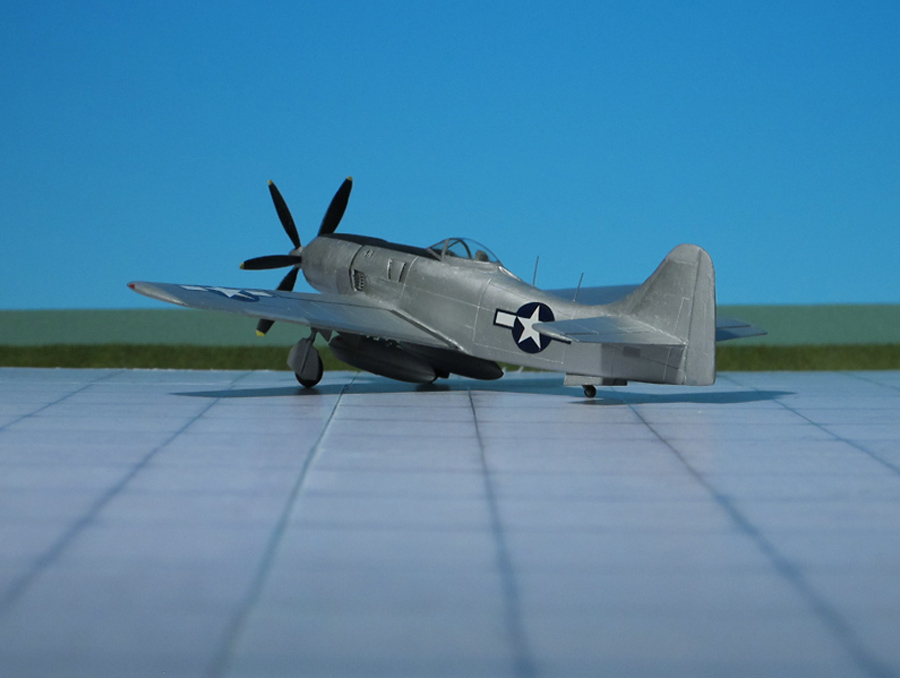
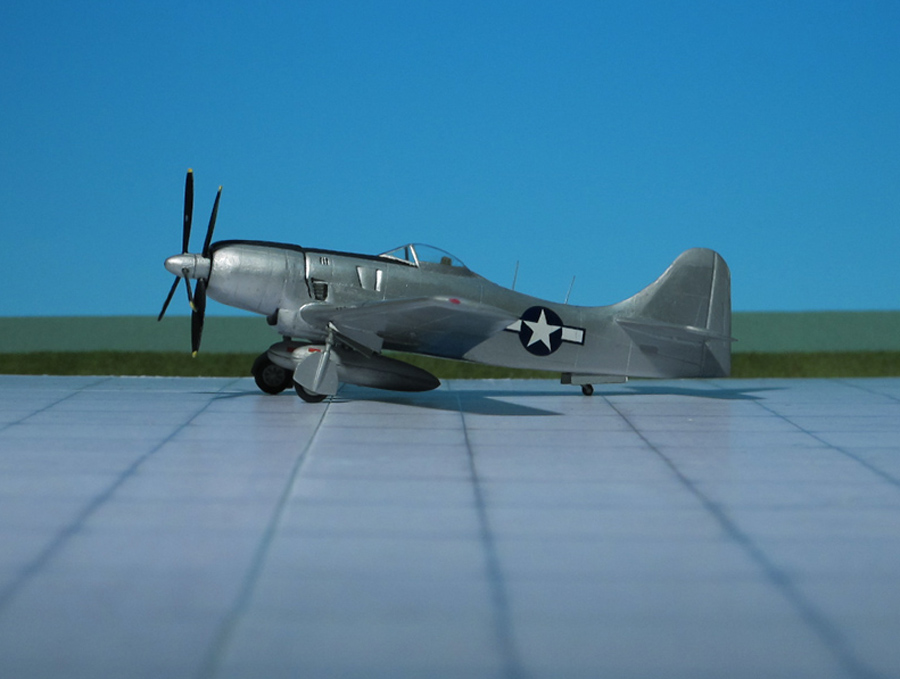
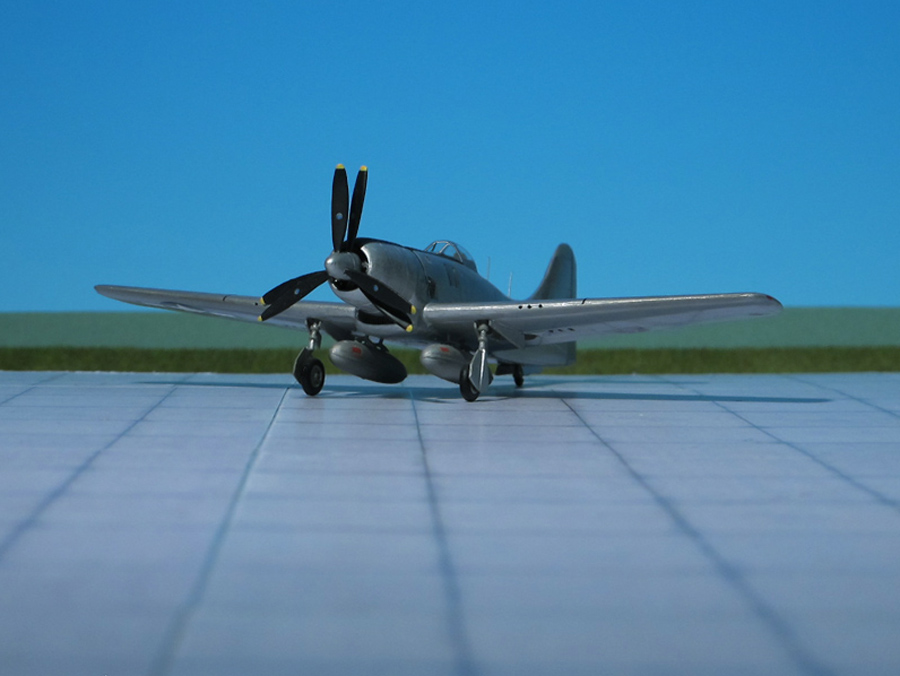
COMMENT: From the logistical point of view the US Navy was most interested to have only one type of aircraft on board its carriers for all operational tasks. An excellent design for all these duties was the Boeing XF8B, a new class of “five-in-one fighter” (fighter, interceptor, dive bomber, torpedo bomber, or level bomber). Designed around a new designed “power egg”, the Pratt & Whitney XR-4360 with 3,000hp this aircraft embodied a number of innovative features in order to accomplish the various roles. Three prototypes were ordered, but despite its formidable capabilities, with the end of the hostilities in the Pacific area the XF8B-1 was fated to never enter series production.
COMMENT: There is some evidence that in the mid 1940’s the Boeing Company was working on a fighter project , named Project B.360, with an oval shaped wing, well suited for Short Take-Off/Landing (STOL) operations on carrier decks. The forerunner was the Chance Vought V-173 Flying Pancake demonstrator as well as the two prototypes of the Chance Vought XF5U-1. The B.390 differed from the Vought design in powering with one piston engine driving counter-rotating three-bladed propellers at the airplane‘s nose. No further details are known as well as the designation Boeing XF9B Flying Flapjack remains unclear.
POWER PLANT: One Pratt & Whitney R-4360-4 Wasp Major, rated at 3,000 hp
PERFORMANCE: 334 mph at 11,600 ft
COMMENT: The Martin AM Mauler (originally XBTM) was a single-seat carrier-based attack aircraft built for the United States Navy. Designed during World War ii, the Mauler encountered development delays and did not enter service until 1948 in small numbers. The aircraft proved troublesome and remained in frontline service only until 1950, when the Navy switched to the smaller and simpler Douglas AD Skyraider.
In the 1930s and early 1940s, the Navy divided carrier-borne bombers into two types: the torpedo bomber and the dive bomber, each with crews of two or three men. Wartime experience showed that pilots could aim bombs and torpedoes without assistance from other crewmembers as well as navigate with the aid of dadio beacons, and the development of more powerful engines meant that faster aircraft no longer needed a rear gunner for self-defense. Furthermore, the consolidation of the two types of bombers greatly increased the flexibility of a carrier’s air group and allowed the number of fighters in an air group to be increased.
In 1943, the US Navy invited proposals for a new multi-purpose bomber and selected four designs in September: the Curtiss XBTC, Douglas XBT2D, Kaiser-Fleetwings BTK and the Martin XBTM. Martin was tasked to provide a backup to the Curtiss design which had been selected as a replacement to the Curtiss SB2C Helldiver. Due to the US Navy’s concern that the Curtiss design was overly complex and that the company’s record was particularly poor during the Helldiver’s development, Martin was instructed to create an “unexperimental” design that would be a reliable platform for the Pratt & Whitney R-4360 Wasp Major radial engine that powered both aircraft. Two prototypes were ordered from Martin on May 1944 with the internal designation of Model 210.
The XBTM-1 was a low-wing, all-metal monoplane with folding wings to allow more compact storage in carrier hangar decks, and conventional landing gear. Its fuselage was an oval-shaped stressed-skinsemi-monocoque with the single-seat cockpit and its teardrop-shaped canopy positioned just aft of the air-cooled engine. Just behind the cockpit was a 150-US-gallon fuel tank. The large wing consisted of a two-spar center section with hydraulically folded three-spar outer panels. A large dive brake was positioned on the trailing edge of the wing. When closed it could be lowered for use as a landing flap or it could be split into alternating upper and lower sections, with intermeshing “fingers” for use in its intended role. It was very effective in this role, mainly due to its great surface area, but this was at the cost of the width of the ailerons, which significantly reduced their efficiency. A pair of 180-US-gallon fuel tanks were positioned in the roots of the center section. All fuel tanks were self-sealing and the pilot and oil cooler were protected by 297 pounds of armor.[
The first XBTM-1 made its maiden flight on August 1944 and began flight testing after it reached the Naval Air Test Center on 11 December. The Navy ordered 750 more aircraft on January 1945, although this was reduced to 99 aircraft after the surrender of Japan in August. The second prototype made its first flight on 20 May. Initial flight tests conducted with the first two prototypes revealed significant problems with the engine, its cowling, the vertical stabilizer and rudder. In response, the cowling was lengthened 6 inches and the engine mount was canted two degrees to the right to offset the engine’s tremendous torque. The length of the caburetor airscoop was extended and the propeller spinner, rudder, and the vertical stabilizer were redesigned. In April 1946 the aircraft designation was changed to AM-1 when the Navy replaced its Bomber-Torpedo classification with Attack, well before the redesign was completed in early 1947.
First deliveries began in March 1947 and a flight test program began that month that lasted three years before the major deficiencies identified were fully corrected. Carrier landing trials revealed a structural weakness of the rear fuselage when one aircraft was broken in half during a heavy landing. Severe vibrations in the tail upon engaging the arresting wire were cured by adding a roller bearing to the tailhook to counter the sideways forces placed on the tailhook. Other necessary changes were the addition of spoiler ailerons and an elevator control boost to improve the aircraft’s poor controllability at low speeds. In addition, the cockpit layout was unsatisfactory and had to be redesigned. The NATC finally deemed the Mauler acceptable for carrier landings in August 1948 even though aircraft had been issued to one squadron earlier in the year and a new batch of 50 aircraft had been ordered in May. Despite all the modifications to the aircraft over its short life, it remained a maintenance nightmare, especially the leaky hydraulic systems.
Pilots found the Mauler a heavy-handling aircraft which was difficult to fly in formation and hard to land aboard a carrier because a less-than-perfect landing often caused the aircraft to bounce over the arresting wires and into the safety barrier. It was a very stable dive bomber, more so than the Skyraider, and could carry more ordnance. Maintenance problems and the difficulty of landing aboard a carrier caused some pilots to give it the nickname of “Awful Monster” (Ref.: 24).
POWER PLANT: One Wright R-3350 Cyclone 18, rated at 2,500 hp
PERFORMANCE: 322 mph at 18,00 ft
COMMENT:The Douglas BT2D-1 Skyraider was an American single-seat piston engines attack aircraft designed during World War II to meet United States Navy requirements for a carrier-based long-range, high performance dive/torpedo bomber, to follow-on from earlier types such as the Curtiss SB2C Helldiver and Grumman TBF Avenger. Designed by Ed Heinemann of the Douglas Aircraft Company, prototypes were ordered on July 1944 as the XBT2D-1. The XBT2D-1 made its first flight on March 1945 and in April 1945, the USN began evaluation of the aircraft at the Naval Air Test Center (NATC). In December 1946, after a designation change to AD-1, delivery of the first production aircraft to a fleet squadron was made to VA-19A.
The low-wing monoplane design started with a Wright R-3350 Duplex-Cyclone radial engine which was later upgraded several times. Its distinctive feature was large straight wings with seven hard points apiece. The Skyraider possessed excellent low-speed maneuverability and carried a large amount of ordonance over a considerable combat radius. The aircraft was optimized for the ground-attack mission and was armored against ground fire in key locations, unlike faster fighters adapted to carry bombs, such as the Vought F4U Corsair or North-American P-5 Mustang.
Shortly after Heinemann began designing the XBT2D-1, a study was issued that showed for every 45 kg of weight reduction, the takeoff run was decreased by 2.4 m, the combat radius increased by 22 mi and the rate-of-climb increased by 18 ft/min. Heinemann immediately had his design engineers begin a program for finding weight-saving on the XBT2D-1 design, no matter how small. Simplifying the fuel system, eliminating an internal bomb bay and hanging external stores from the wings or fuselage, using a new fuselage dive brake; and an older tailwheel design resulted in a reduction ot weight by 820 kg. The first series was initially painted in ANA 623 Glossy Sea Blue, but during its career the color changed depending on its requirements.
The Skyraider went through numerous changes and was built in seven versions, before the Skyraider production ended in 1957 with a total of 3,180 having been built (Ref.: 24).
.
Douglas BT2D-1 “Skyraider”
Scale 1:72 aircraft models of World War II
Mit der weiteren Nutzung unserer Webseite erklären Sie sich damit einverstanden, dass wir Cookies verwenden um Ihnen die Nutzerfreundlichkeit dieser Webseite zu verbessern. Weitere Informationen zum Datenschutz finden Sie in unserer Datenschutzerklärung.