Category Archives: Fighter

Fighter

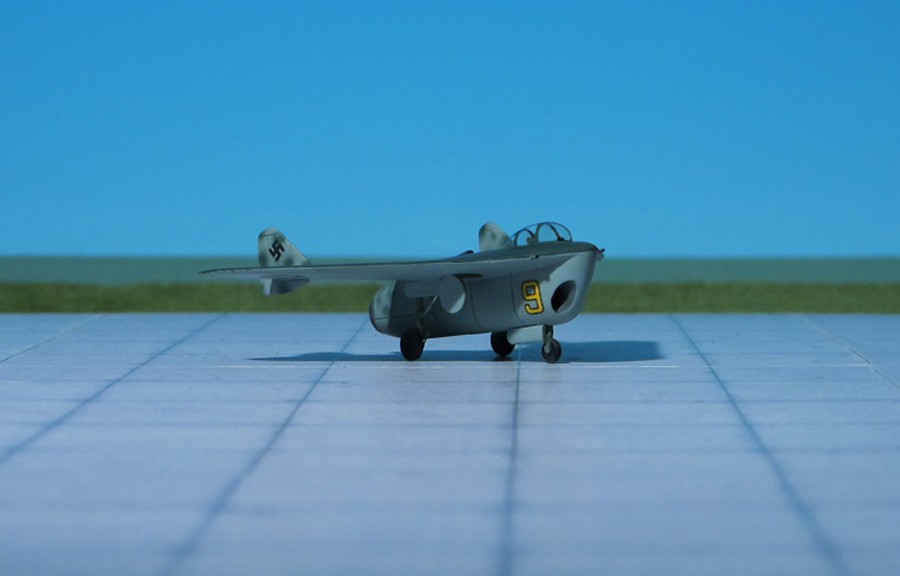
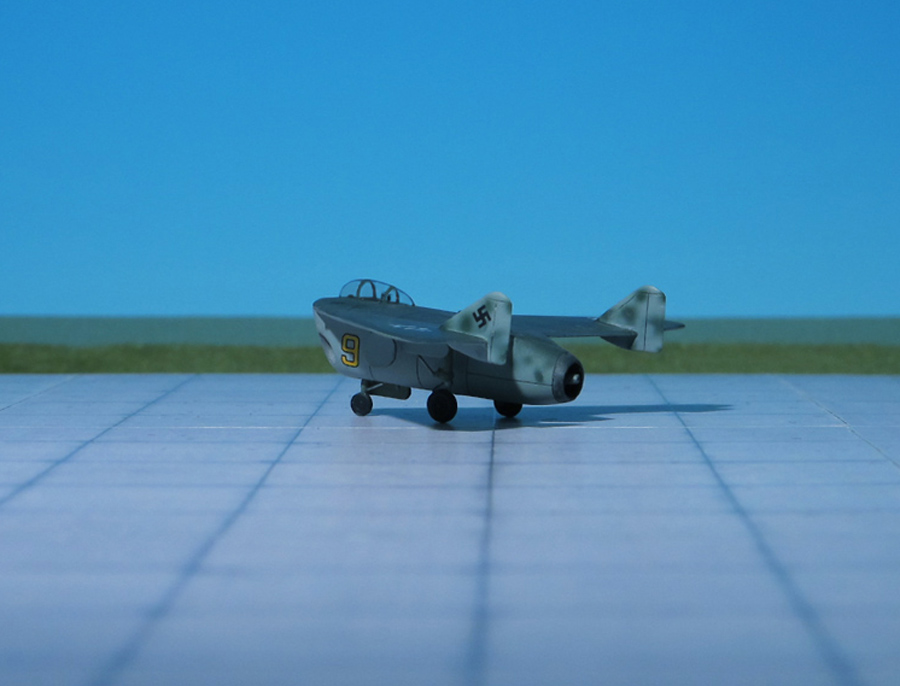
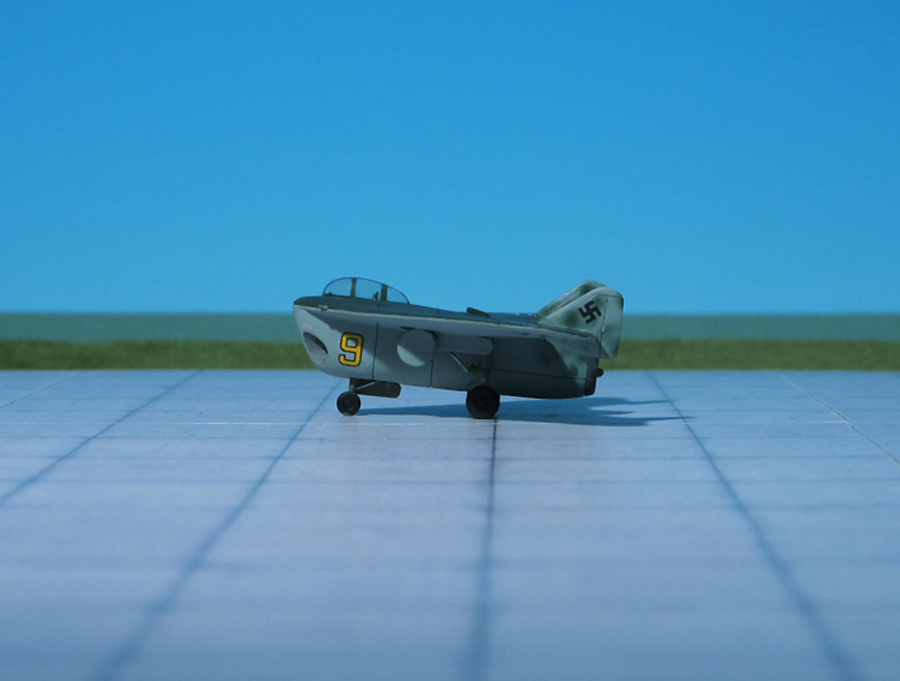
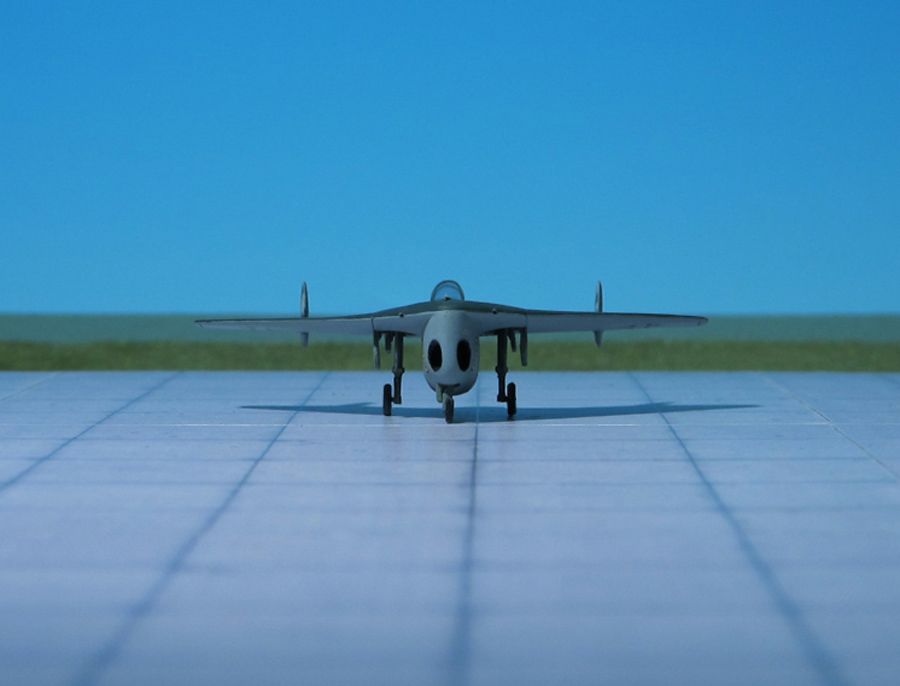
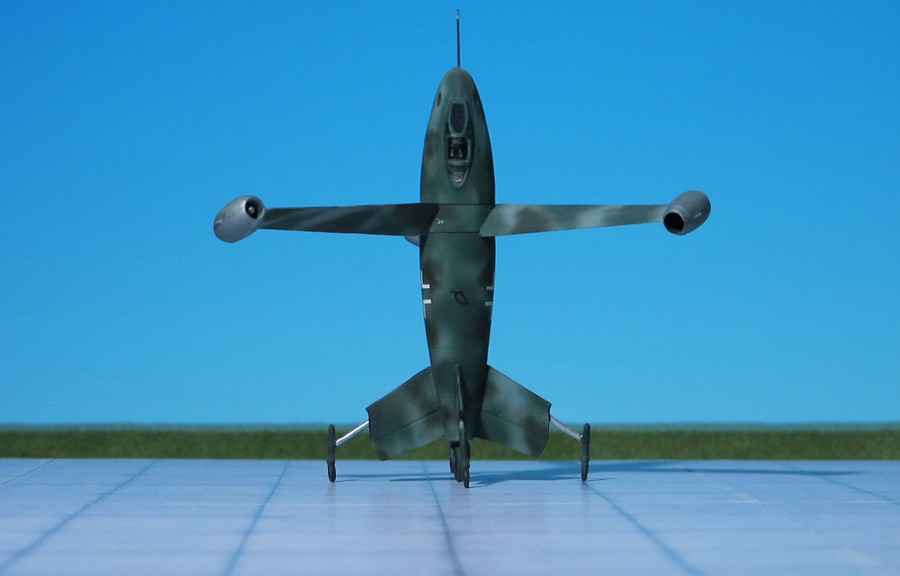
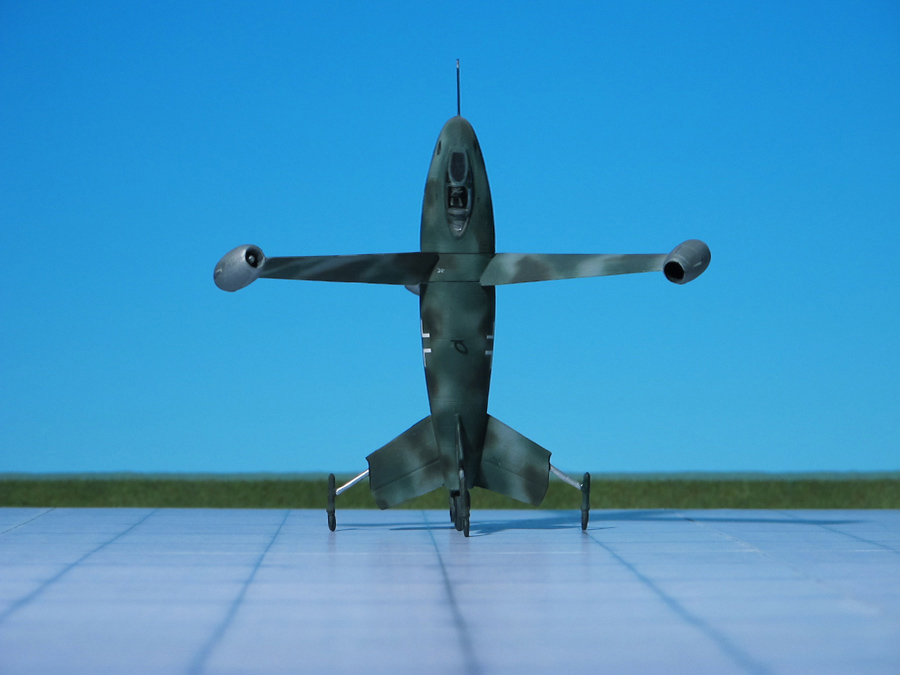
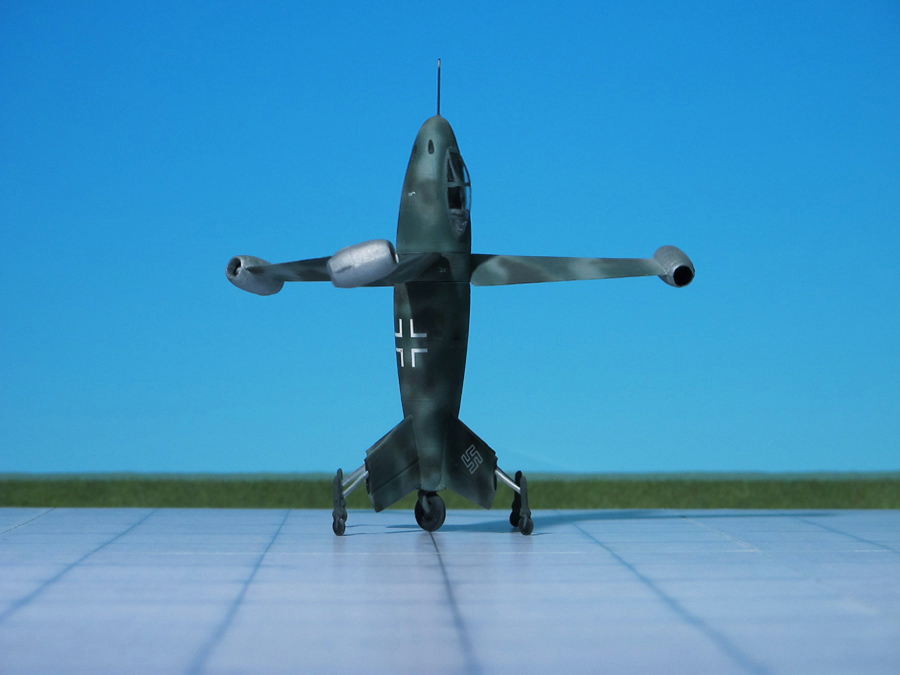
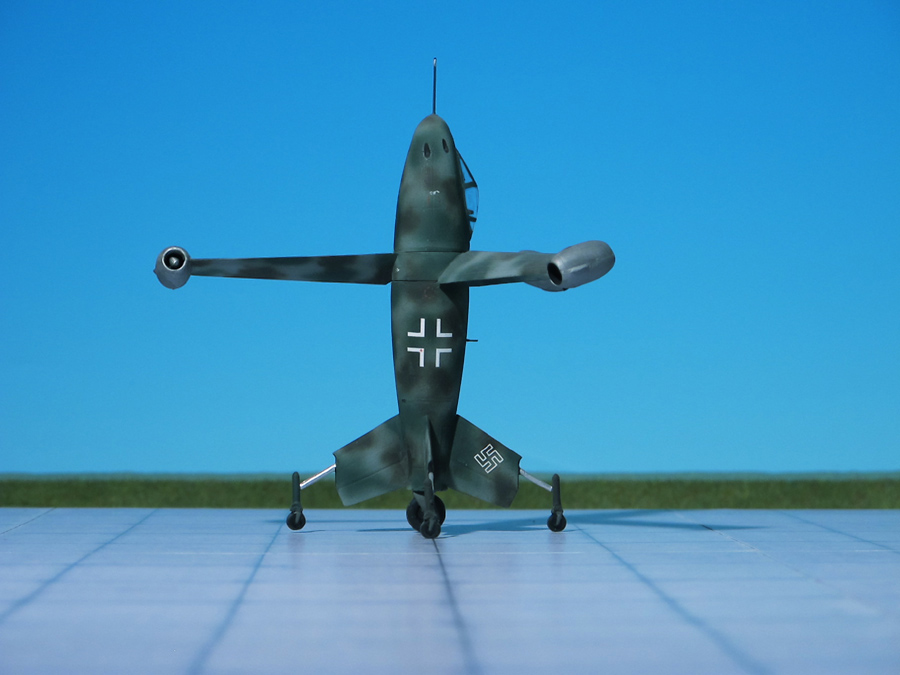
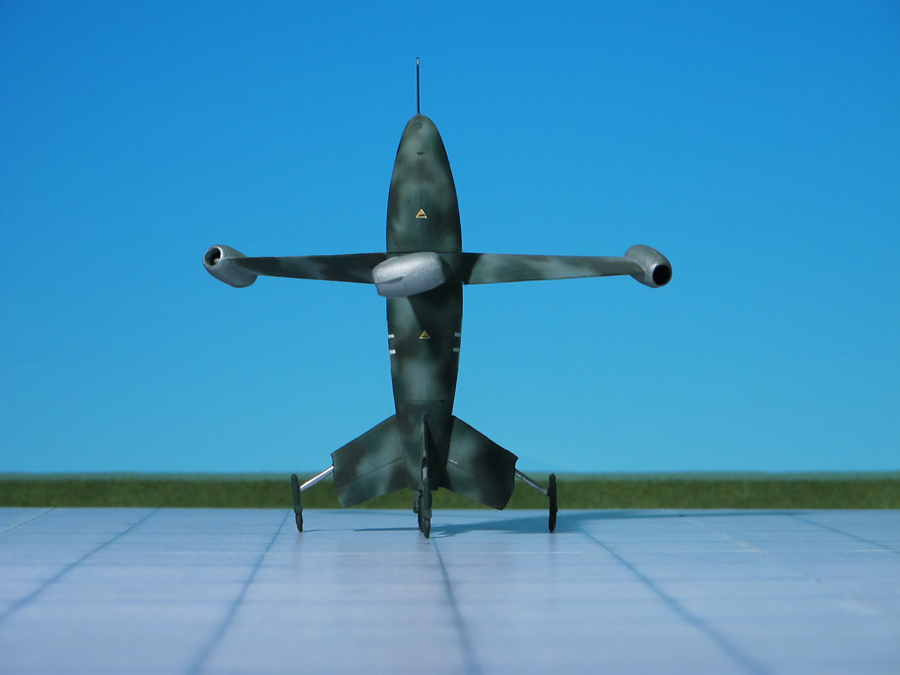
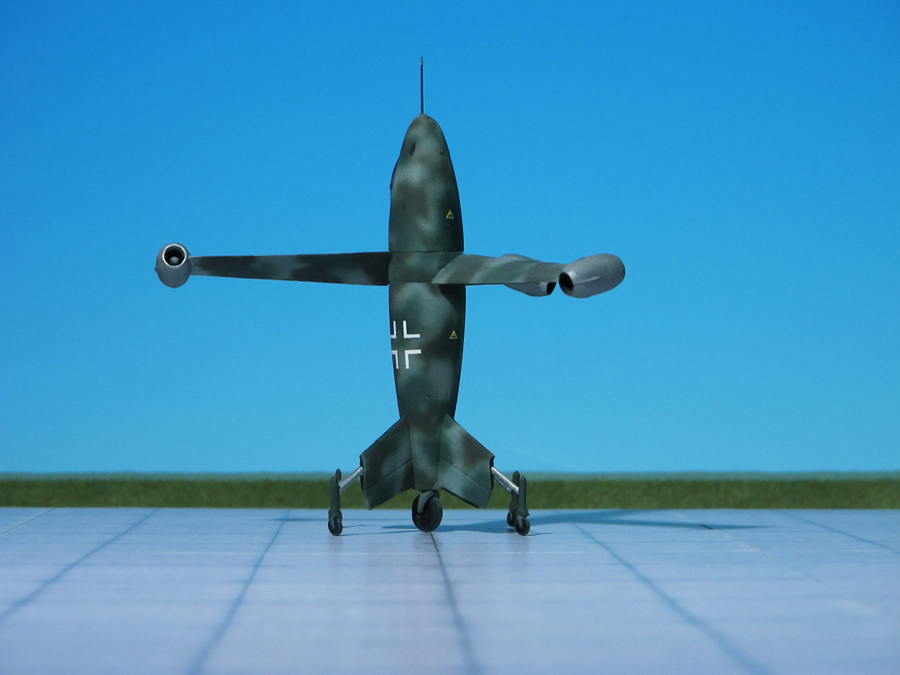
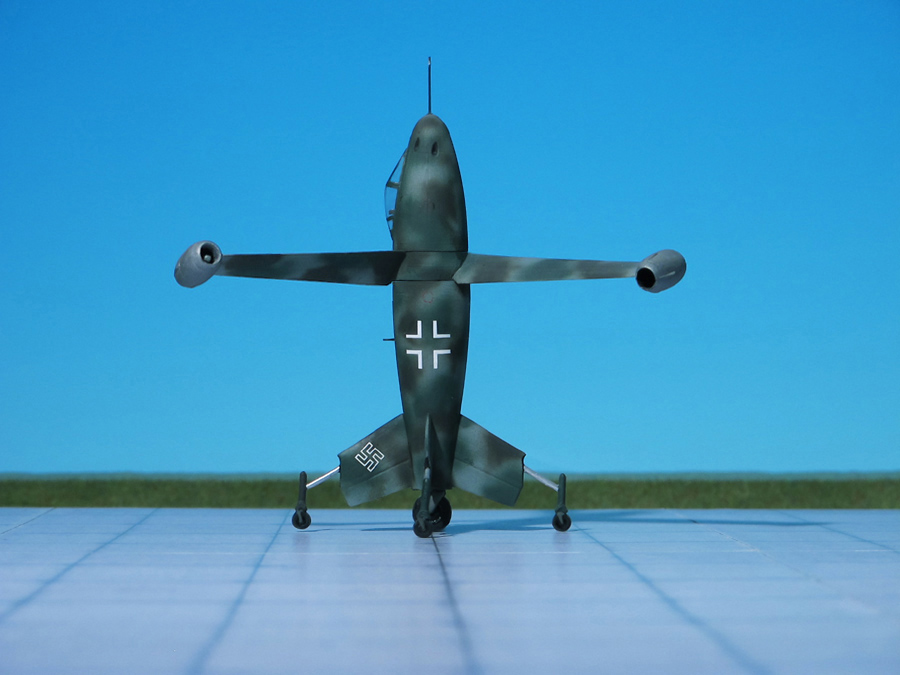
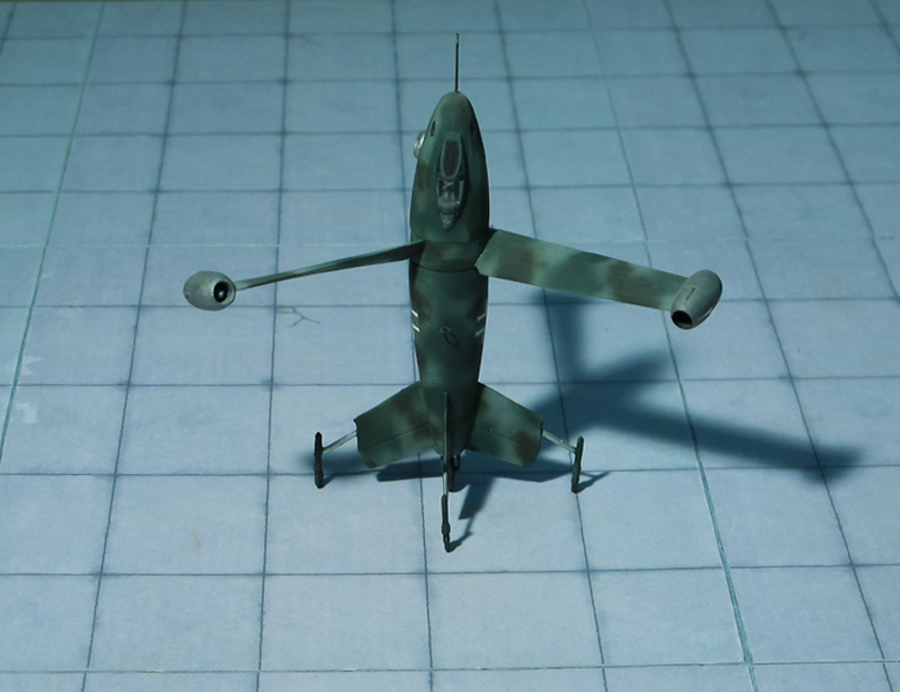
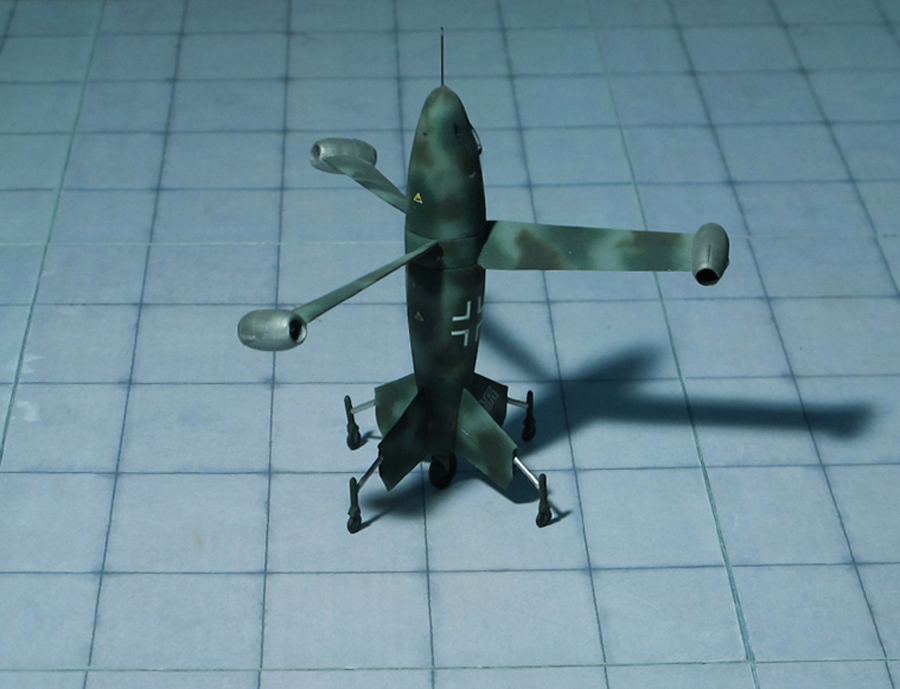
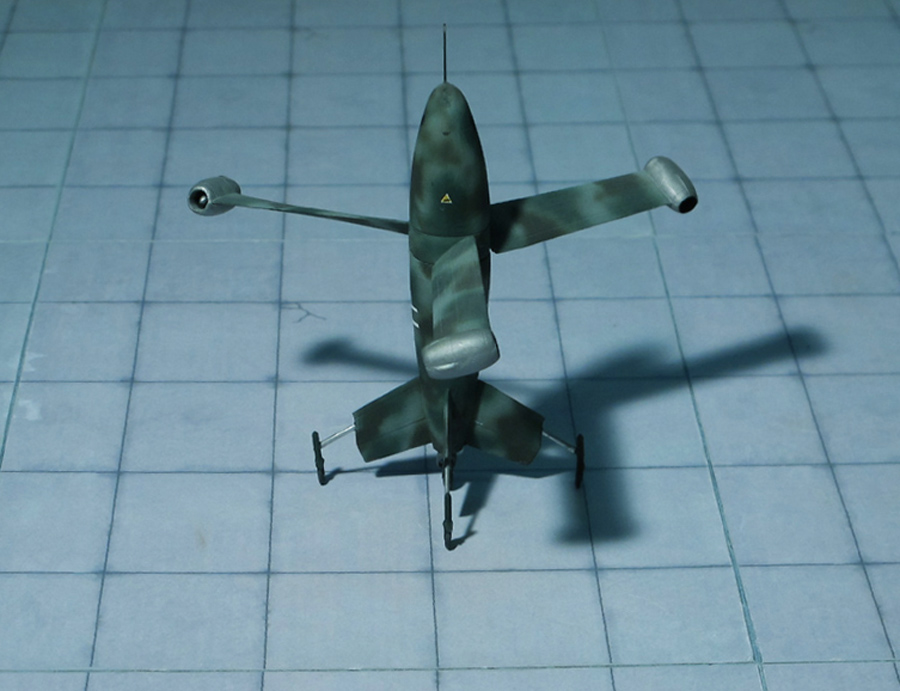
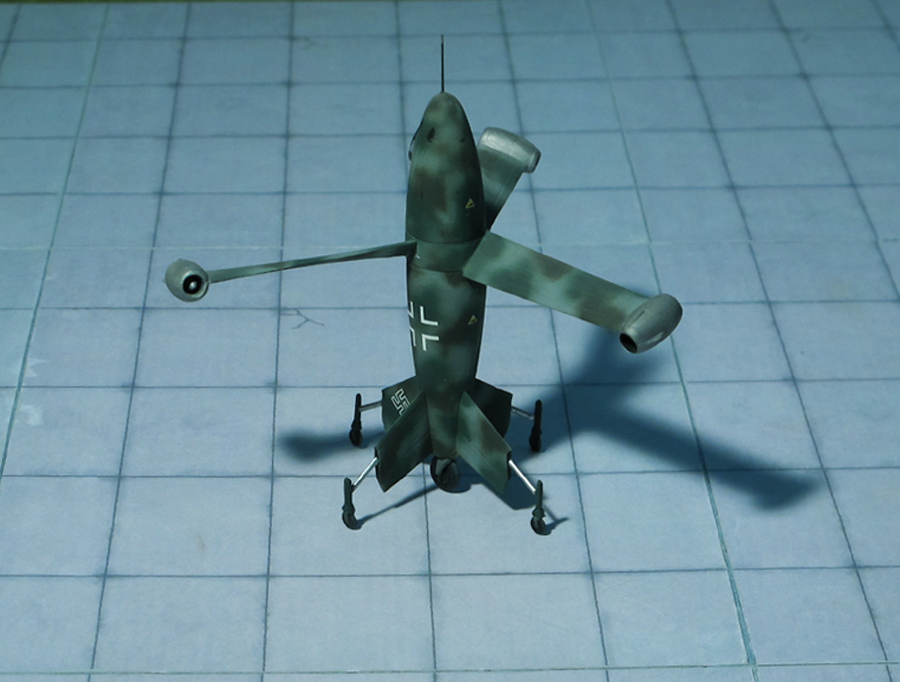
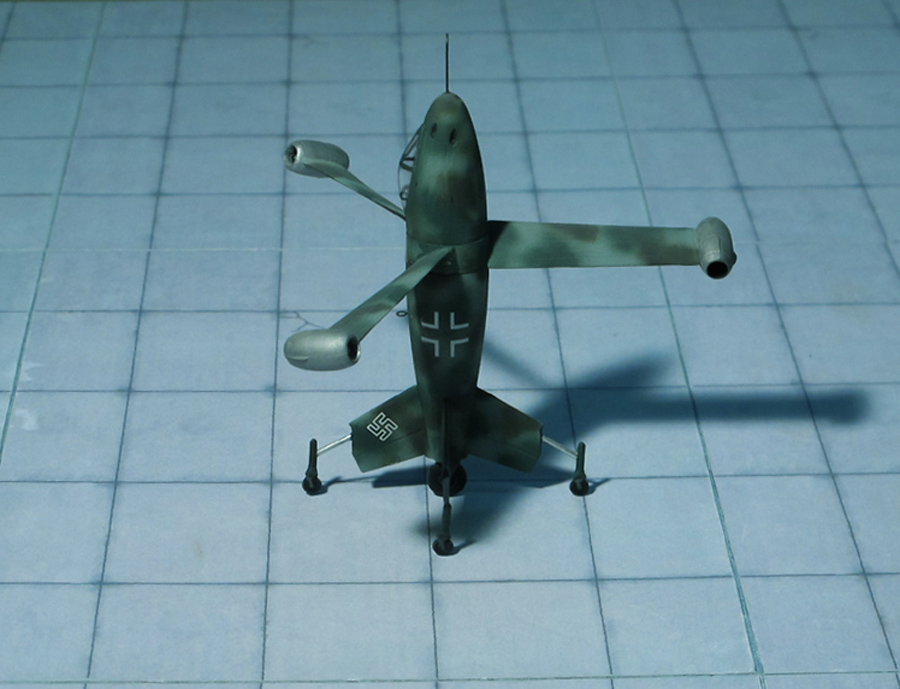
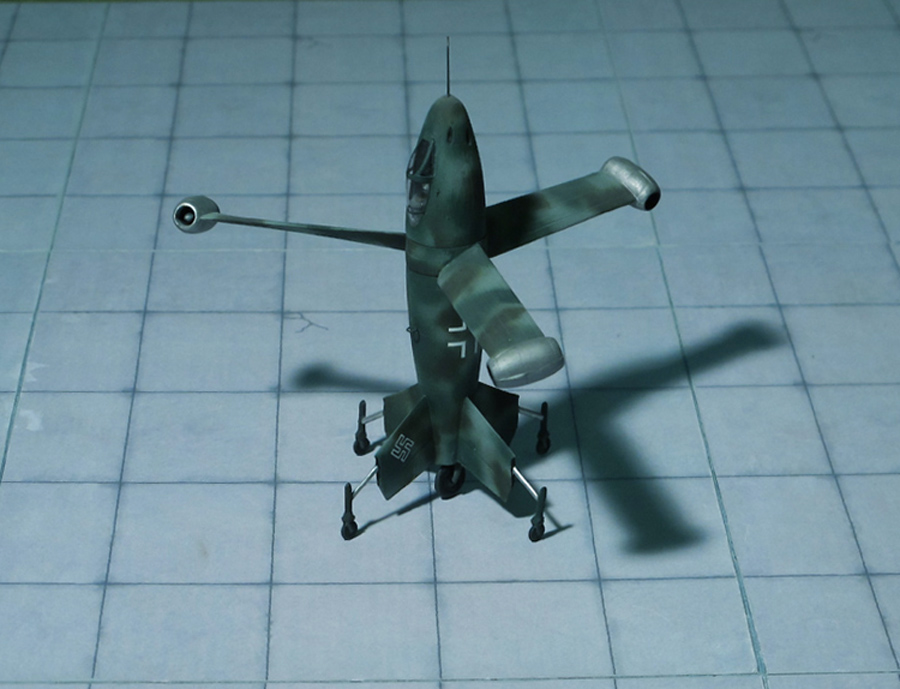
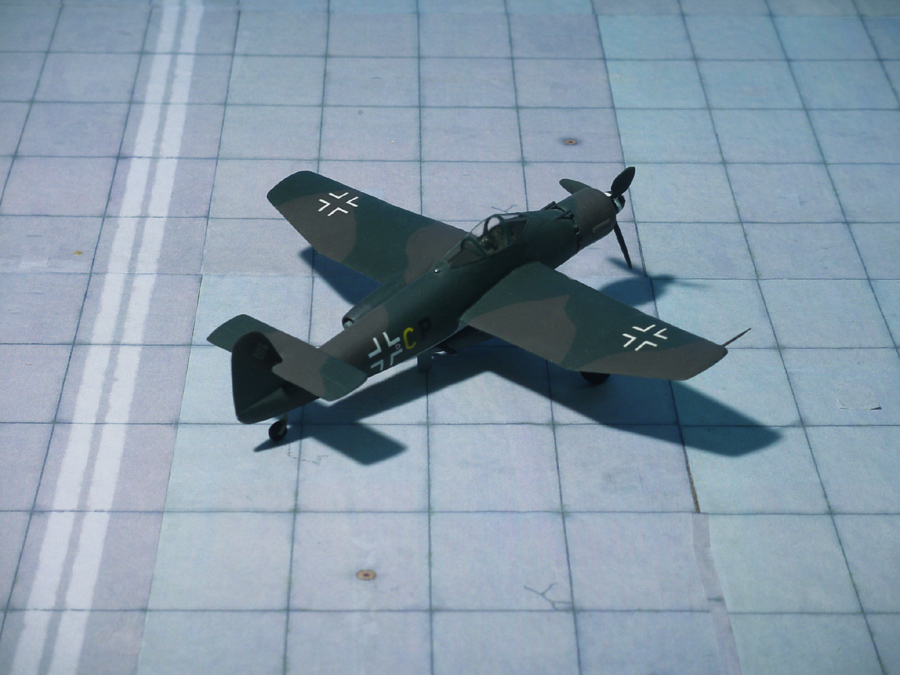
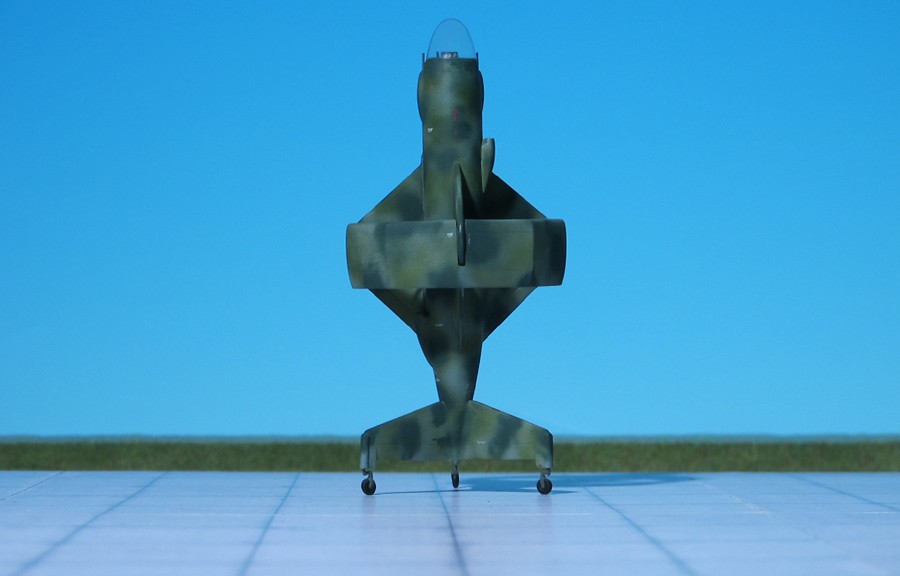
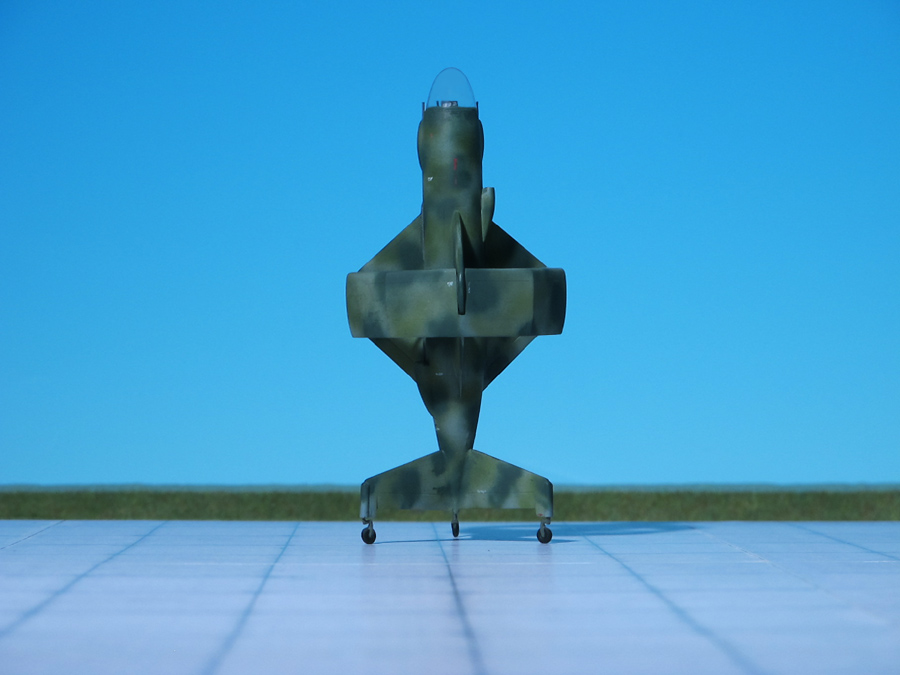
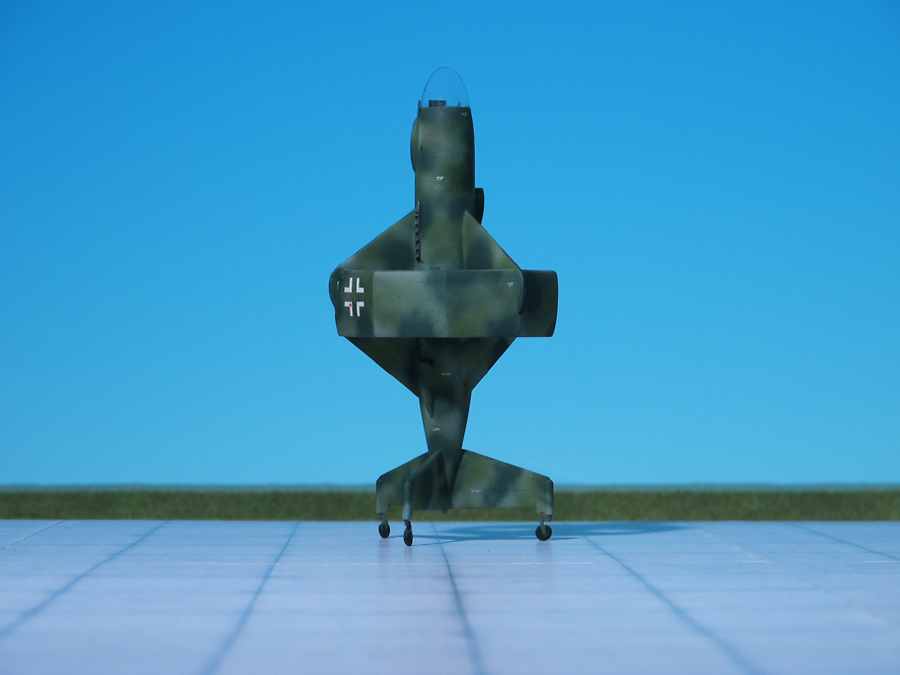
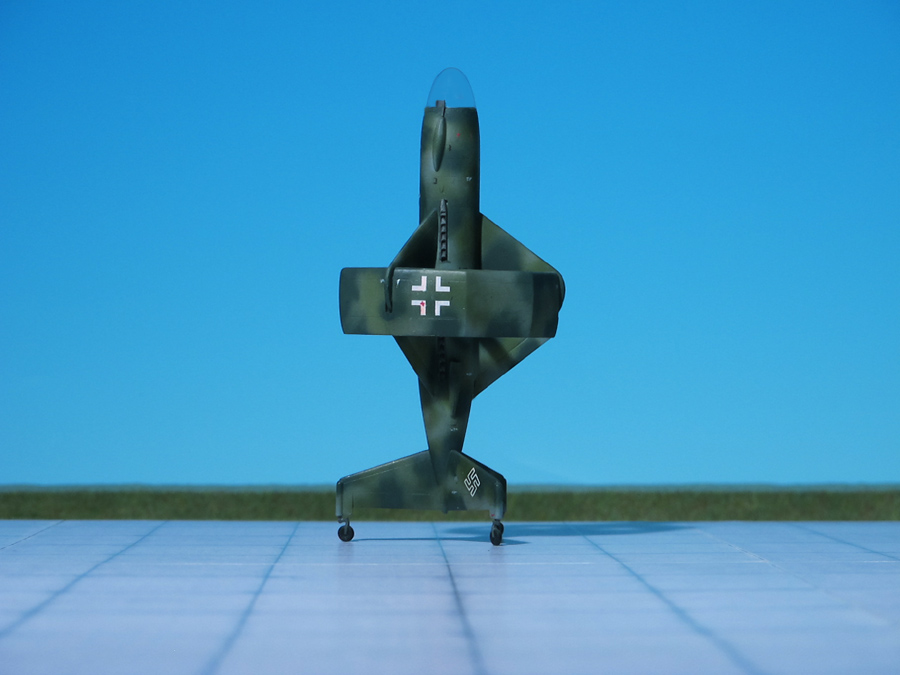
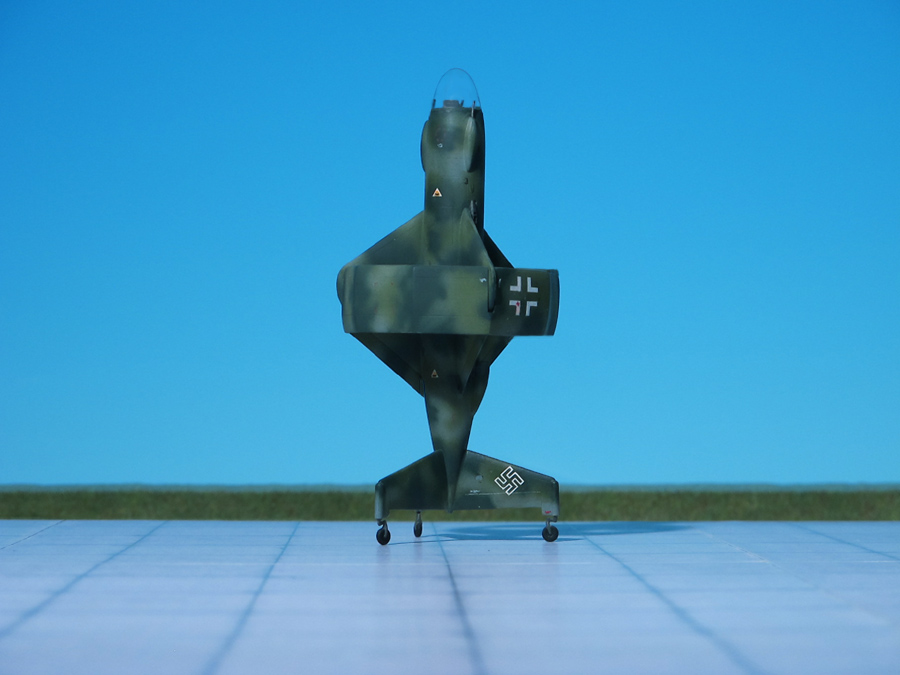
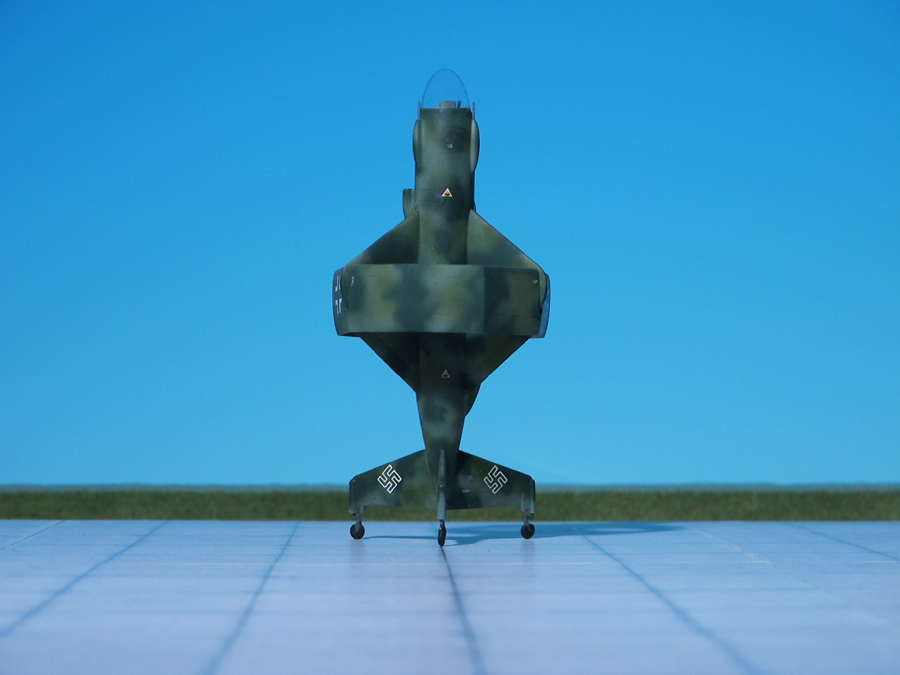
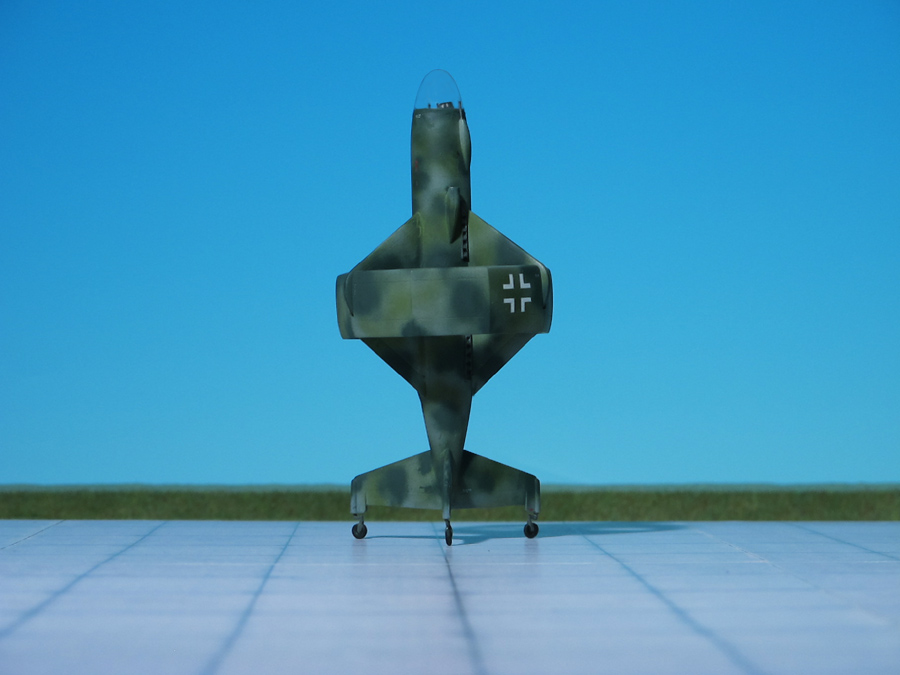
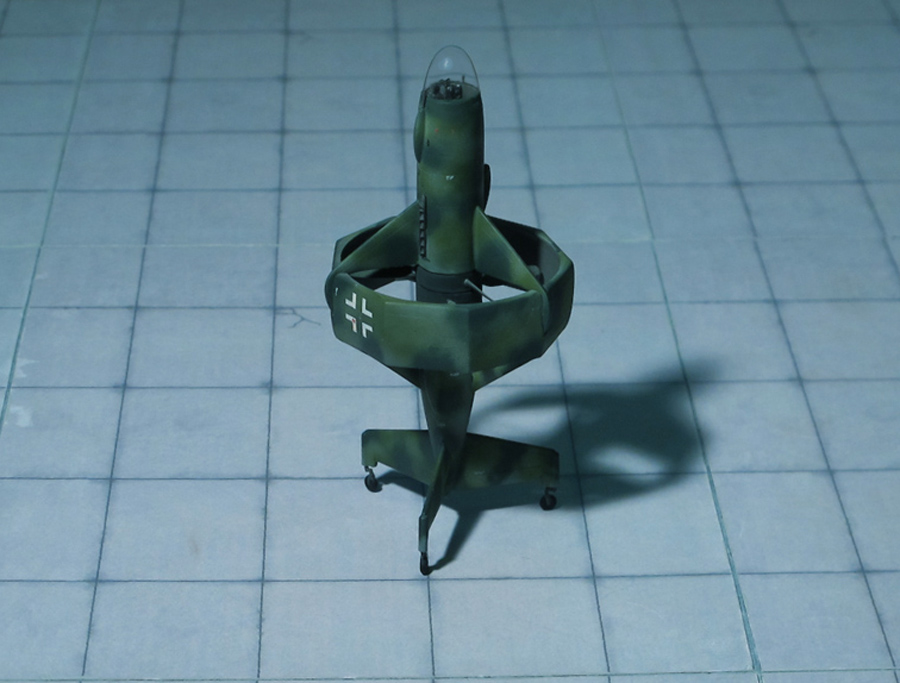
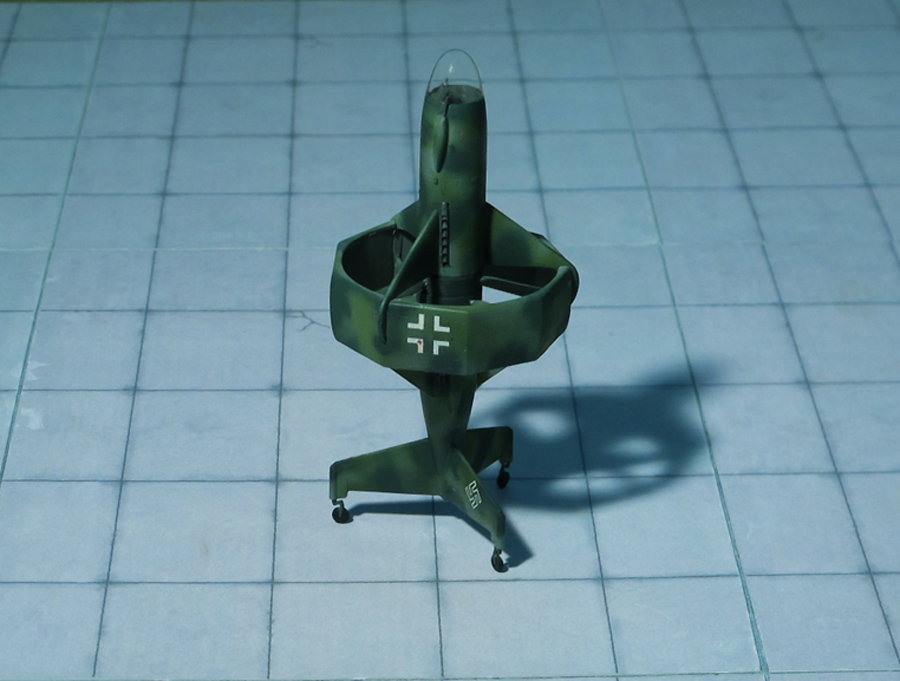
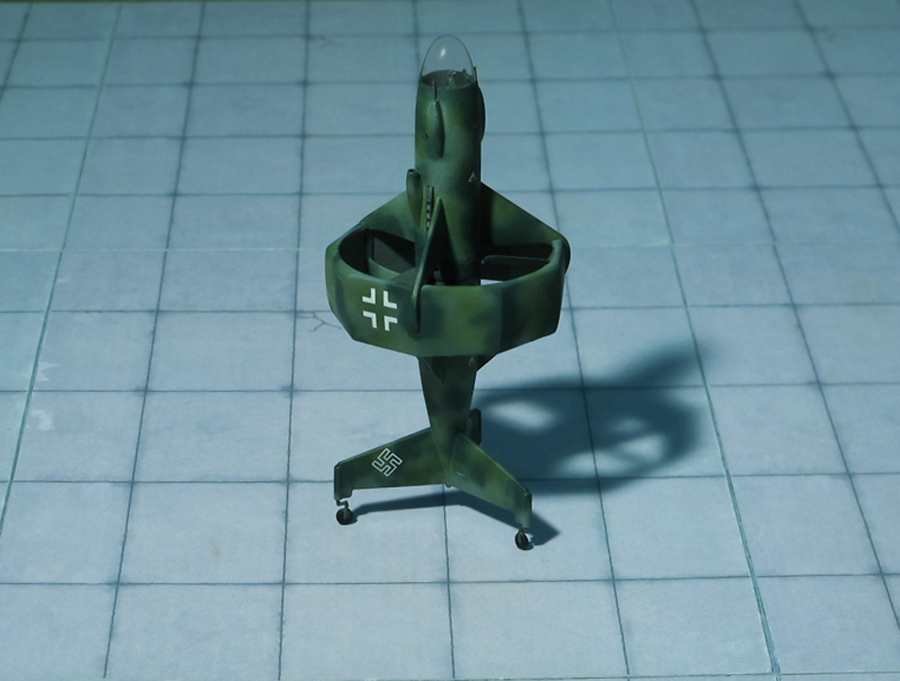
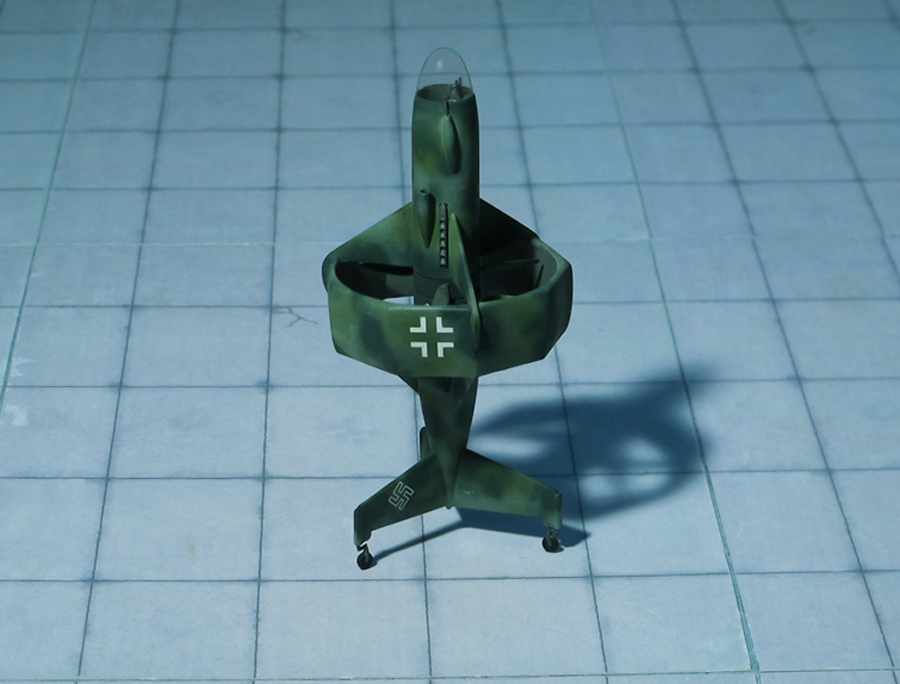
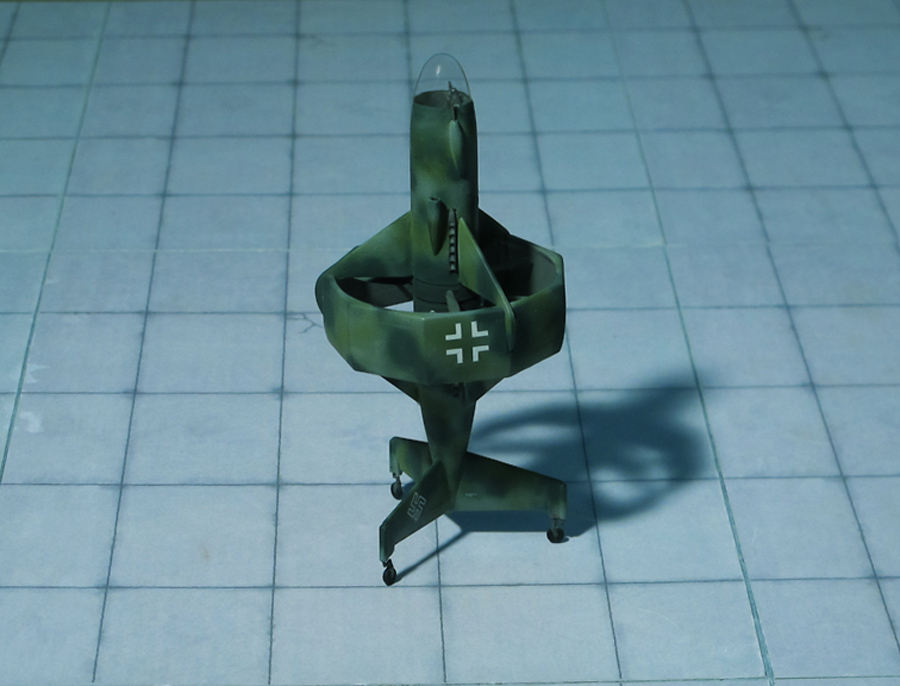
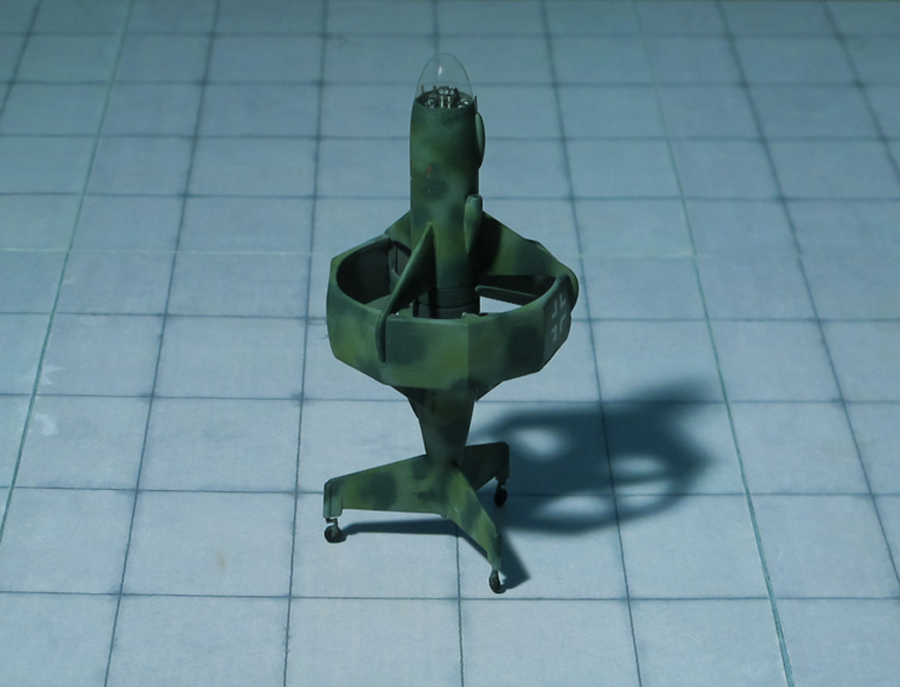
Focke-Wulf Fw “Triebflügeljäger” (“Thrust-wing Fighter”) (Huma)

TYPE: Target defense interceptor. Project.

ACCOMMODATION: Pilot only, in seated position

POWER PLANT: Three Pabst/Lorin ramjets at wingtips, rated at 840 kp thrust each. For starting ramjets Walther 109-500 solid-fuel rockets were fitted to each ramjet, rated at 500 kp for 30 seconds each

PERFORMANCE: 621 mph (estimated)

COMMENT:  This Focke-Wulf Vertical Take-Off and Landing (VTOL) fighter/interceptor project was designed in September 1944, at the same time when the Heinkel Company worked on its VTOL-projects “Lerche” and “Wespe”. But in contrast to the latter two designs the propulsion system of the Focke-Wulf project was radical different. Three untapered wings rotated around the fuselage and had a gradually decreasing pitch towards the wingtips, thus acting like a giant propeller (“Triebflügel”). At the end of each wing was a Pabst ramjet. Since ramjets do not operate at slow speeds, the wing-rotor had to be driven by small Walter rocket engines, fitted to each ramjet pod. When the plane was sitting on its tail in the vertical position, the rotors would have functioned similarly to a helicopter. When flying horizontally, they would function more like a giant propeller. A cruciform empennage at the rear of the fuselage comprised four tail planes, fitted with moving ailerons that would also have functioned as combined rudders and elevators. A single large and sprung wheel in the extreme end of the fuselage provided the main undercarriage. Four small castoring wheels on extensible struts were placed at the end of each tail plane to steady the aircraft on the ground and allow it to be moved. The main and outrigger wheels were covered by streamlined clamshell doors when in flight. When taking off, the rotors would be angled to give lift as with a helicopter or, more accurately, a gyrodyne. Once the aircraft had attained sufficient altitude it could be angled into level flight. This required a slight nose-up pitch to provide some downward thrust as well as primarily forward thrust. Consequently, the four cannons in the forward fuselage would have been angled slightly downward in relation to the center line of the fuselage. The rotors provided the only significant lift in horizontal flight. To land, the aircraft had to slow its speed and pitch the fuselage until the craft was vertical. Power could then be reduced and it would descend until the landing gear rested on the ground. This would have been a tricky and probably dangerous maneuver given that the pilot would be seated facing upward and the ground would be behind his head at this stage. Unlike some other tail sitter aircraft, the pilot’s seat was fixed in the direction for forward flight. The spinning rotor would also obscure rear vision. Although the “Triebflügeljäger” project was not realized, a wind tunnel model was tested up to a speed of Mach 0.9 (Ref.: 17, 18, 23)

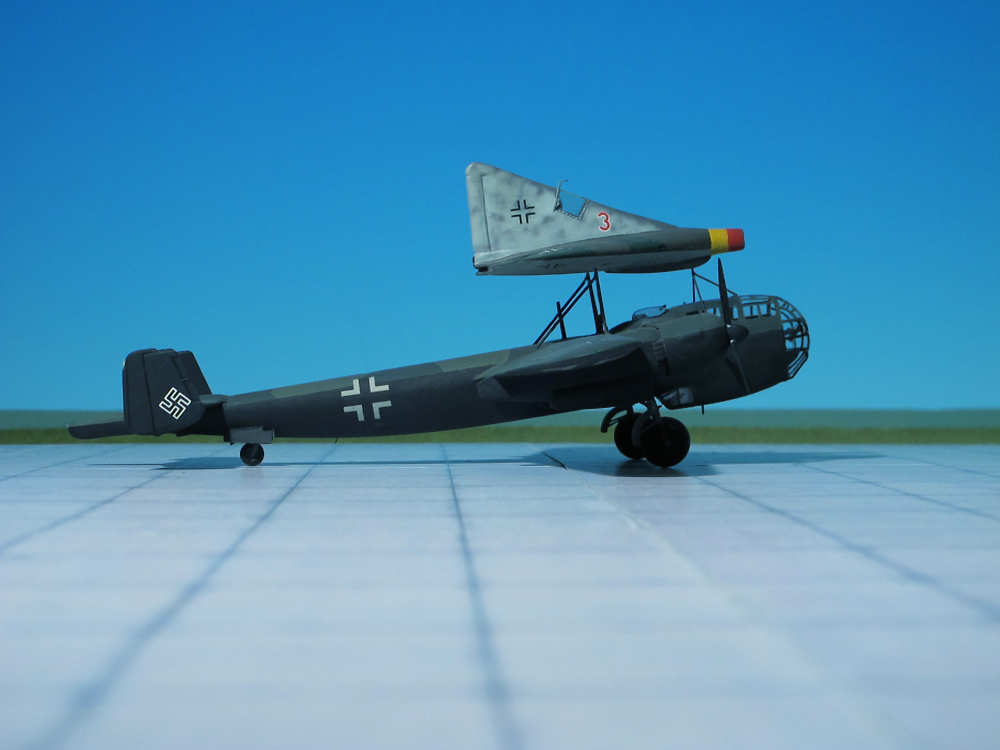
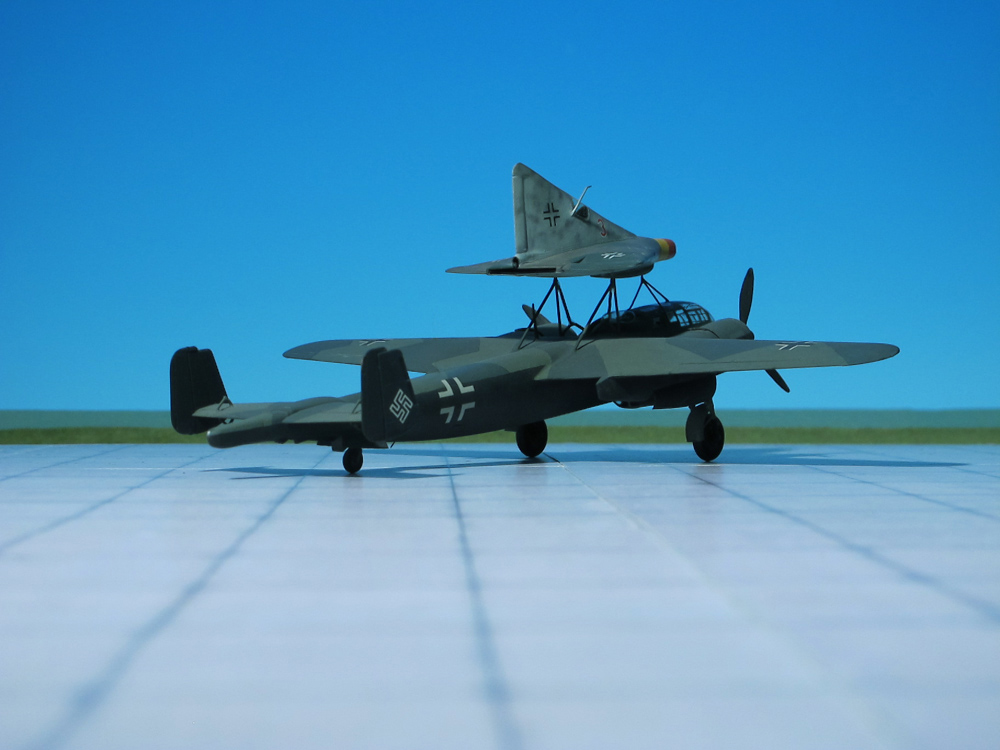
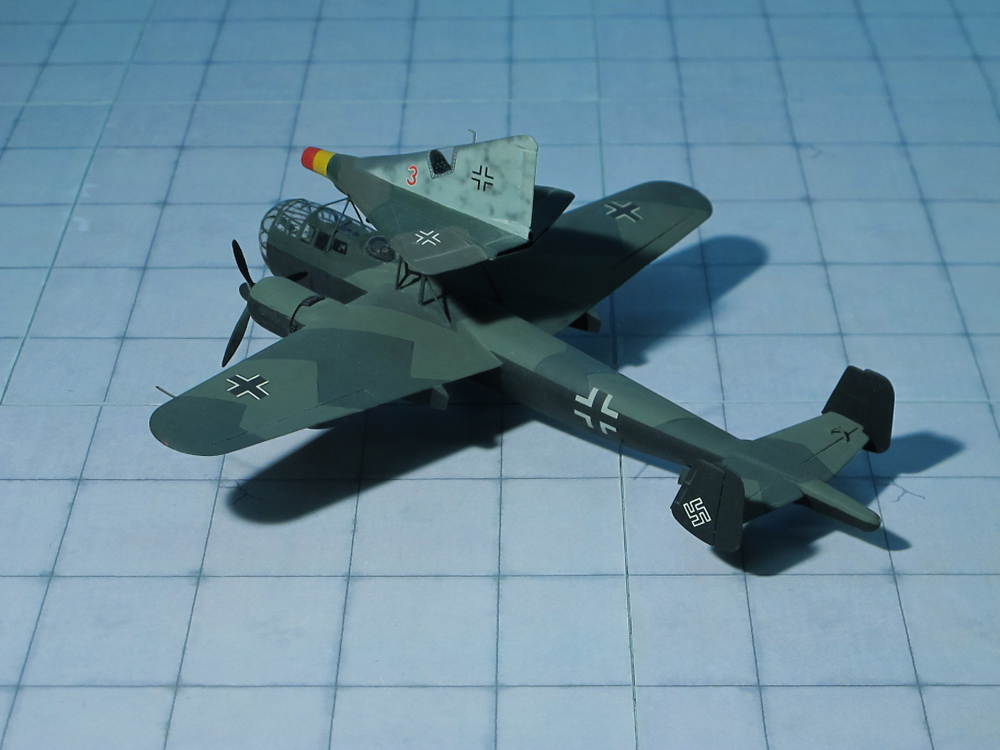
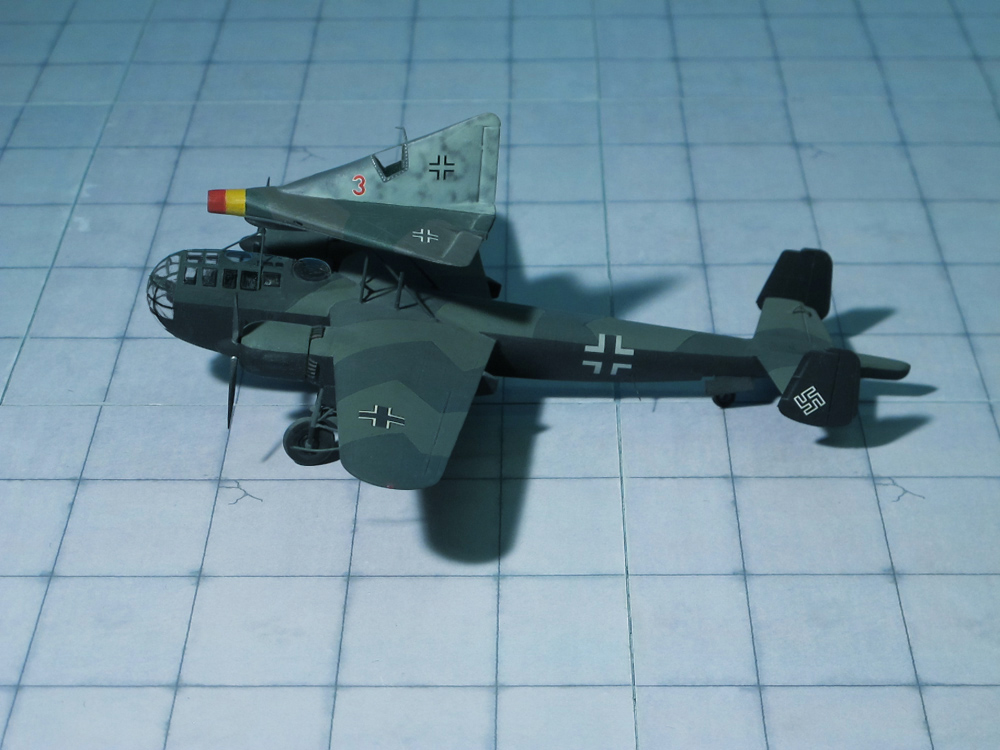
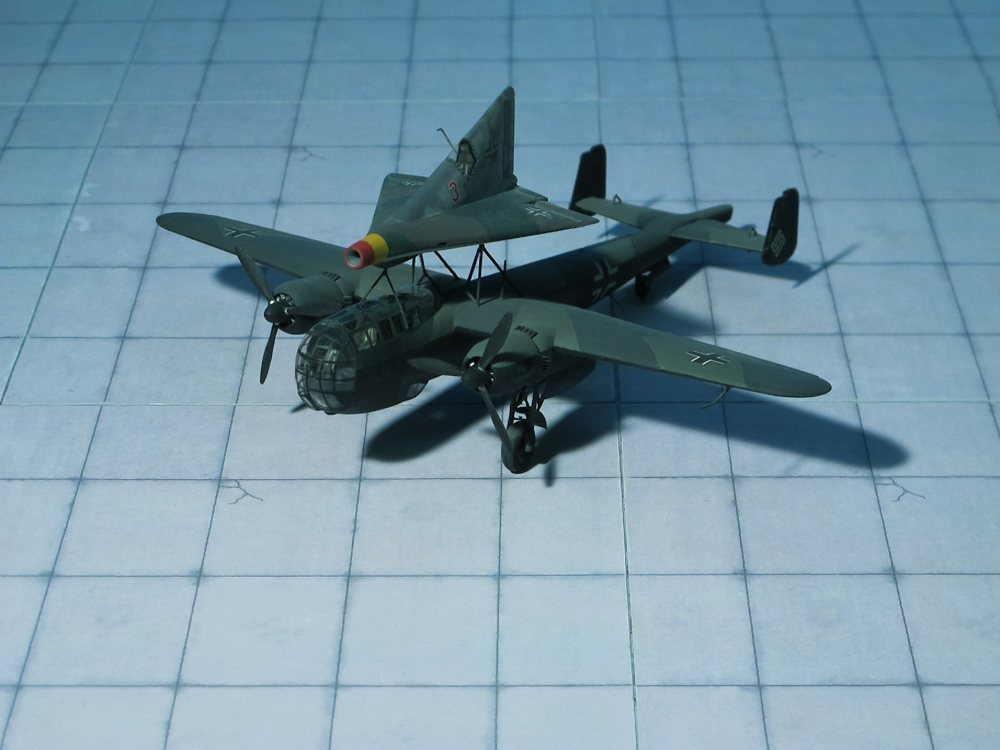
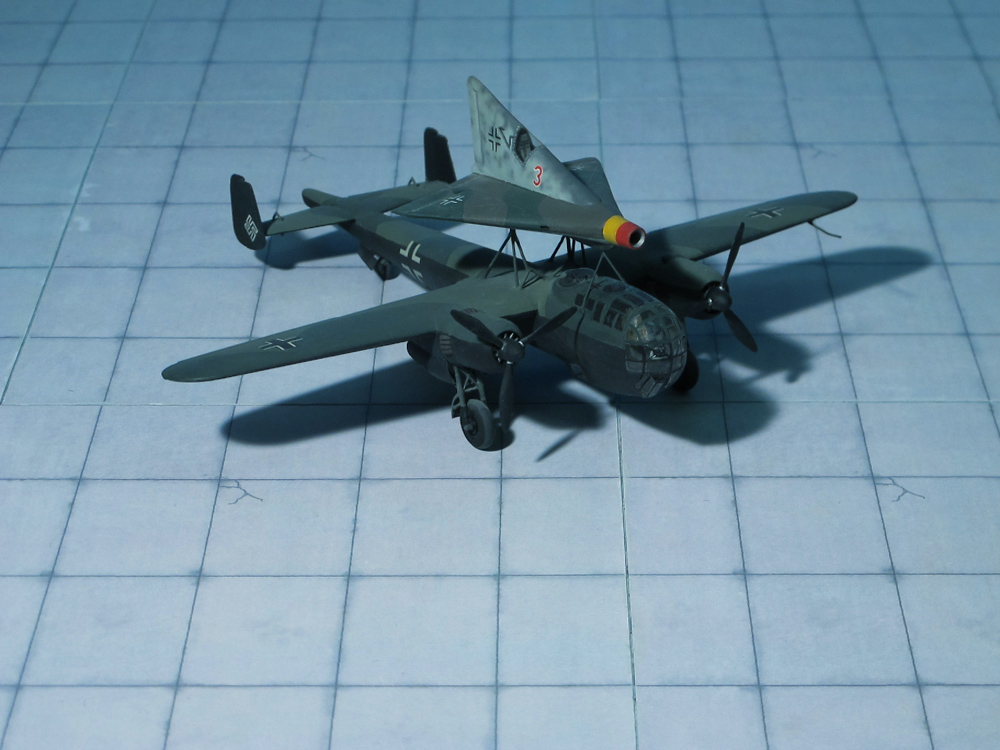
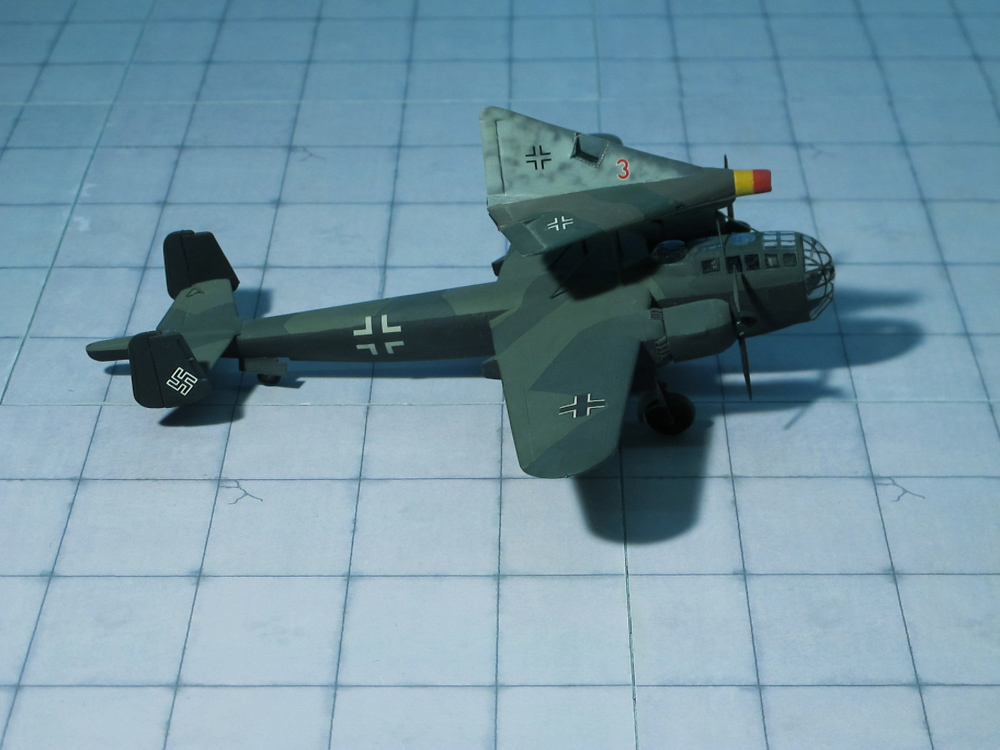
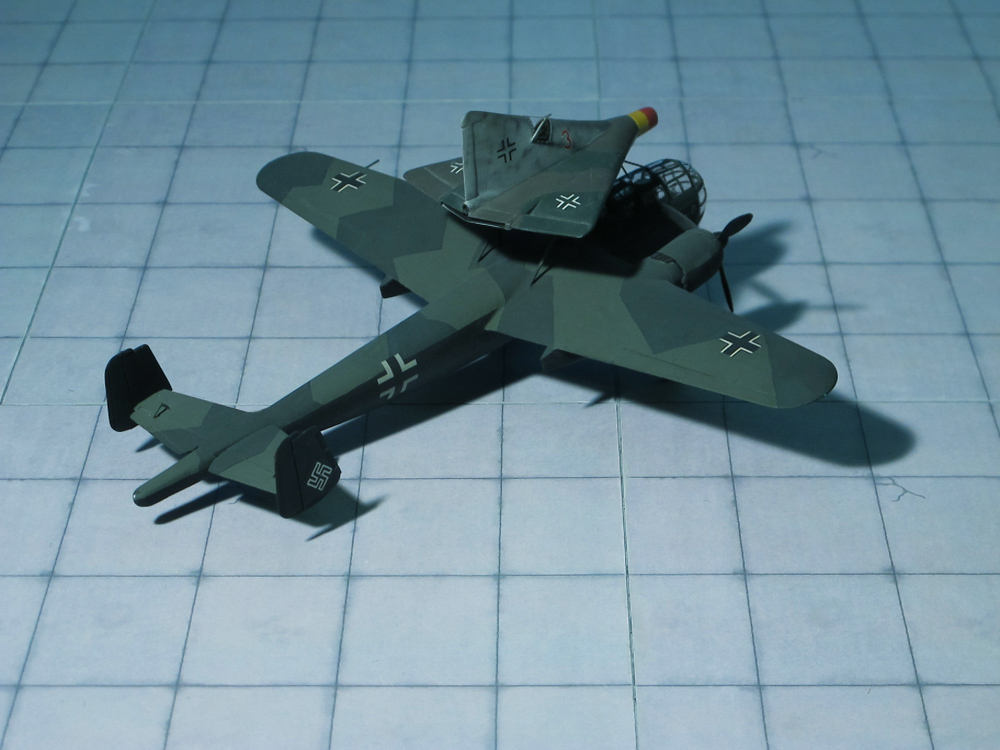
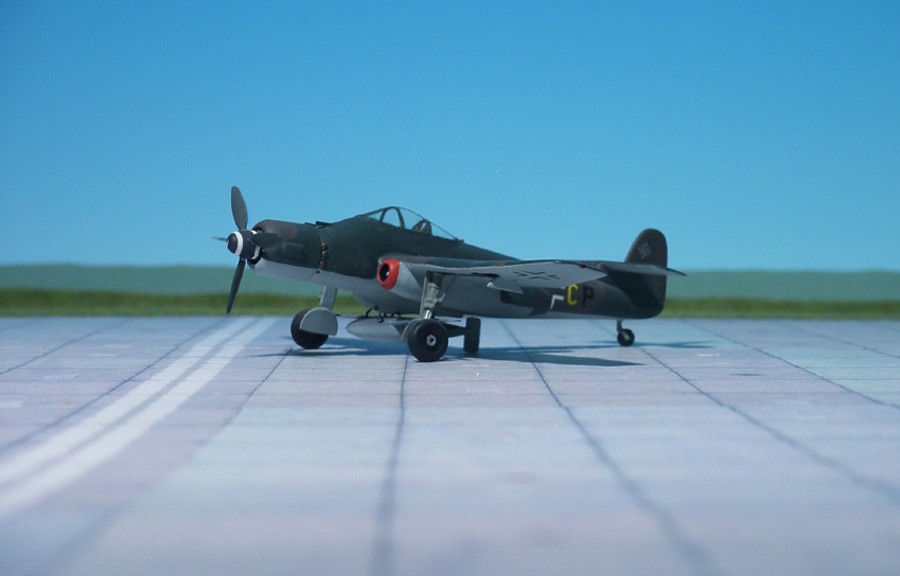
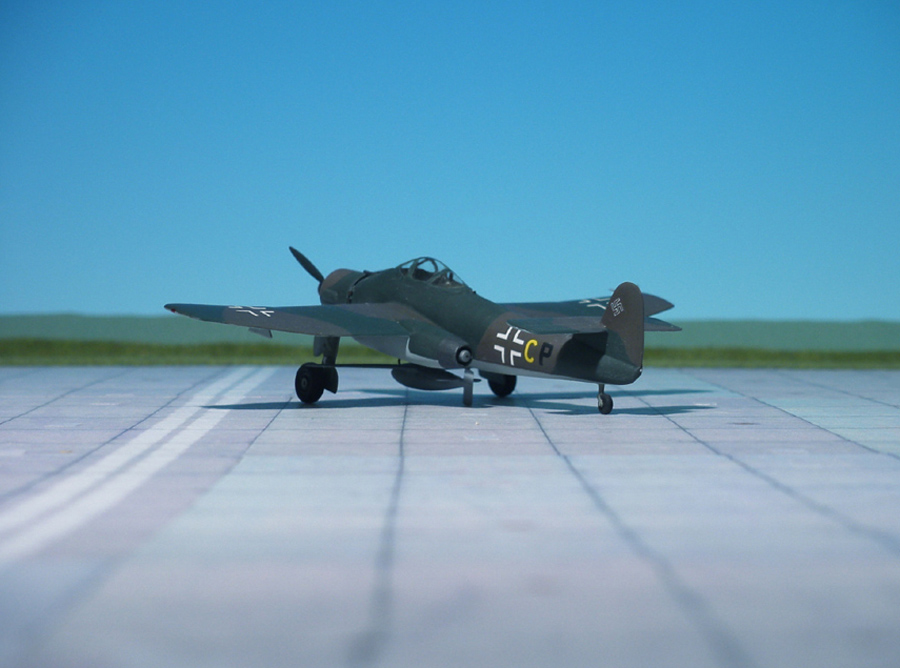
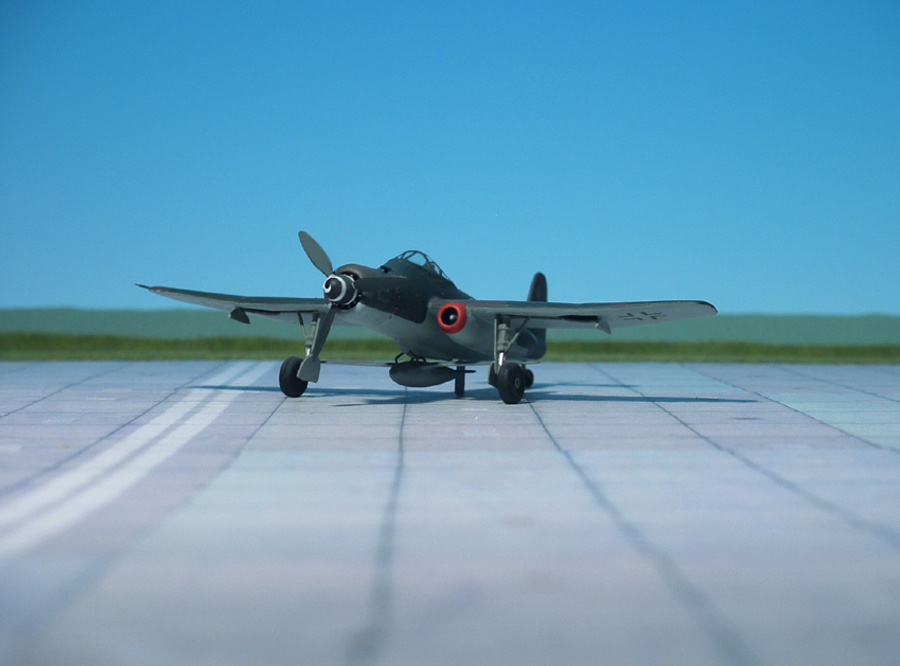
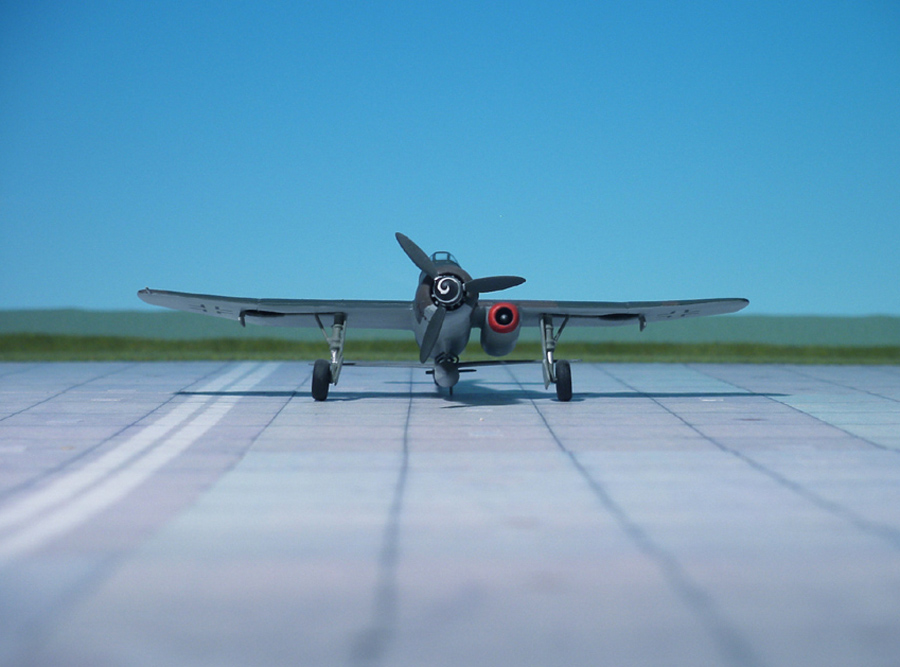
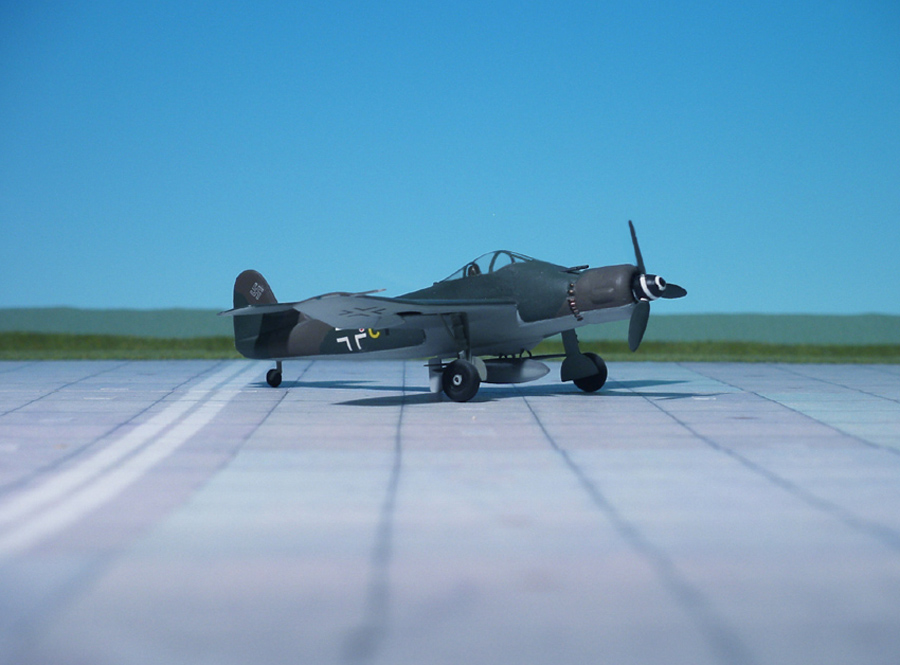
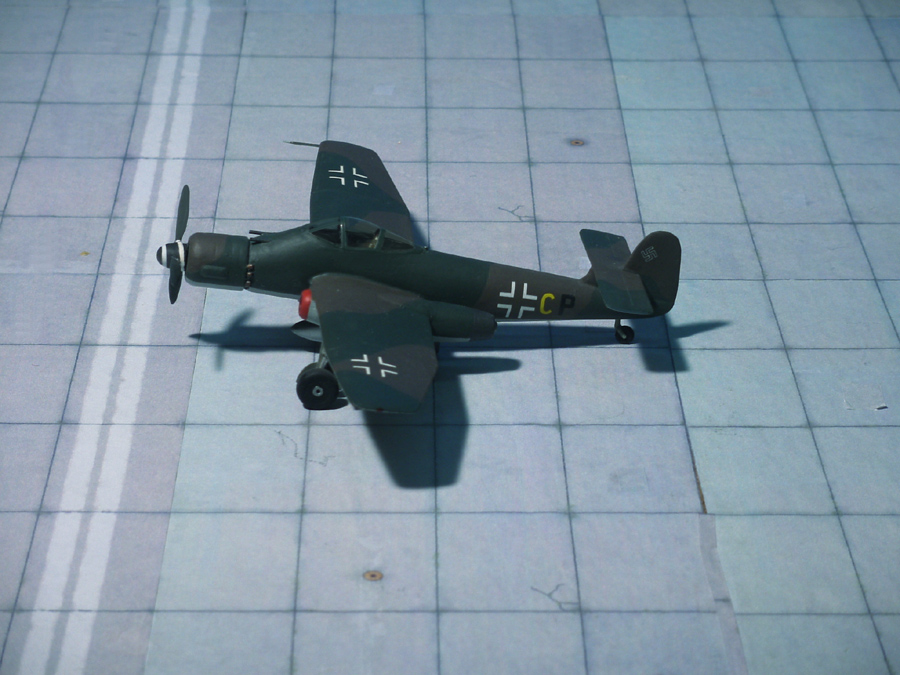
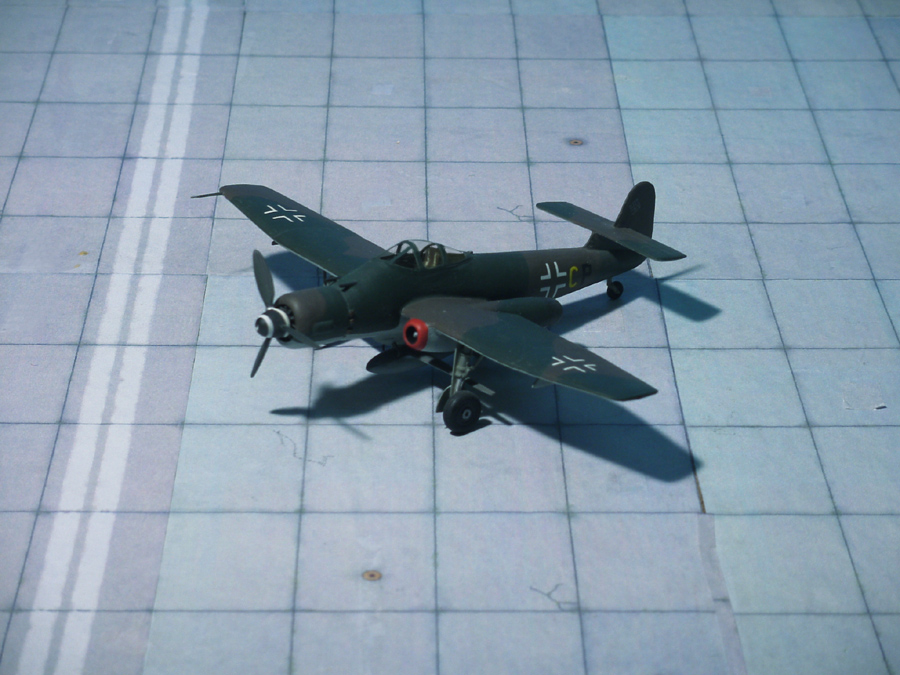
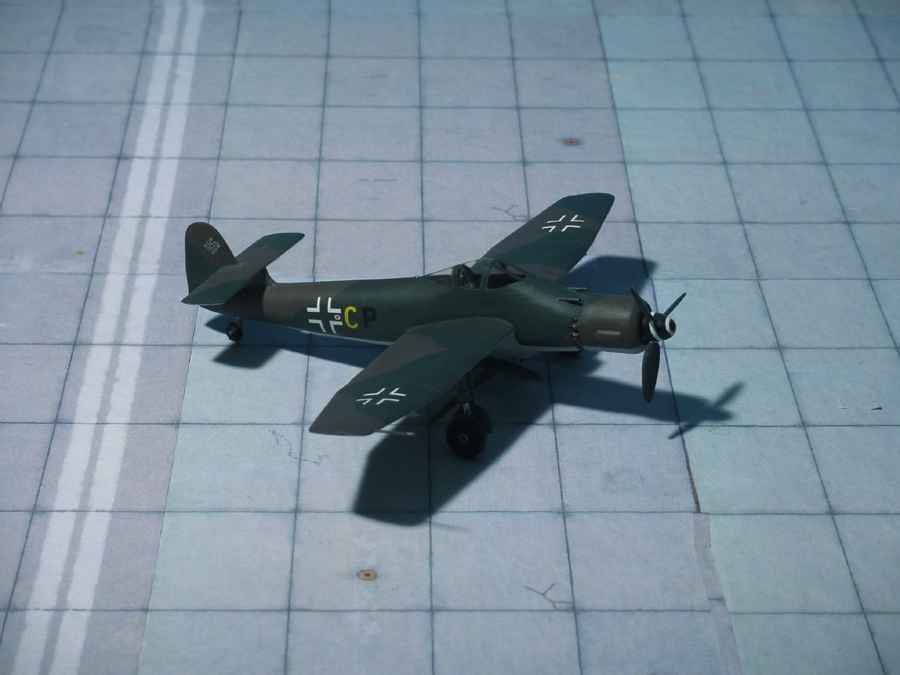
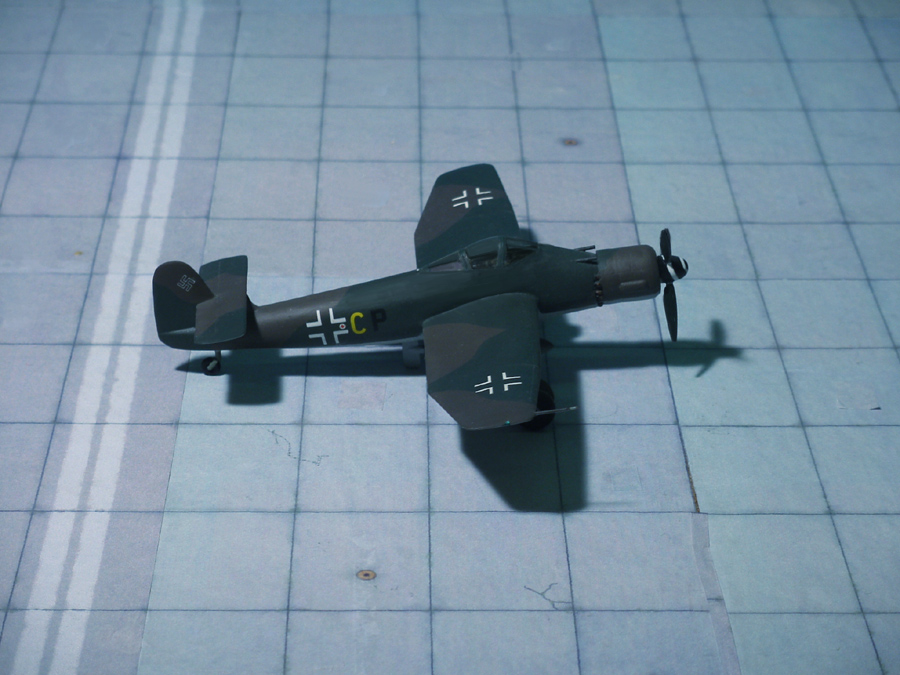
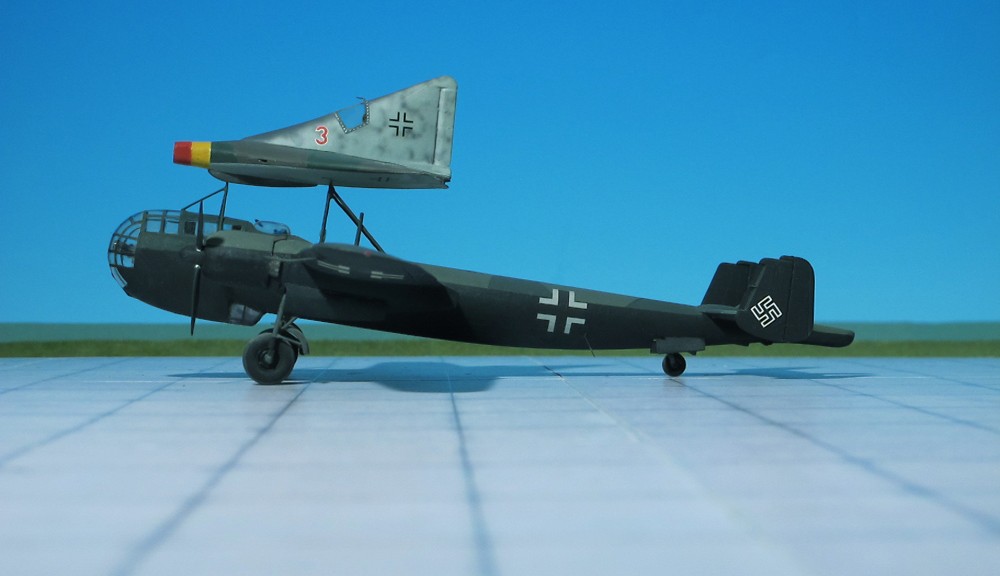
Blohm & Voss Bv P. 204 with Blohm & Voss Bv 246 “Hagelkorn” (Hailstone) (Airmodel, Vacu formed)

TYPE: Ground attack aircraft, dive bomber. Project.

ACCOMMODATION: Pilot only

POWER PLANT: One BMW 301D radial engine, rated at 1,870 hp and one BMW 003A-1 turbojet engine, rated at 900 kp

PERFORMANCE: 472 mph

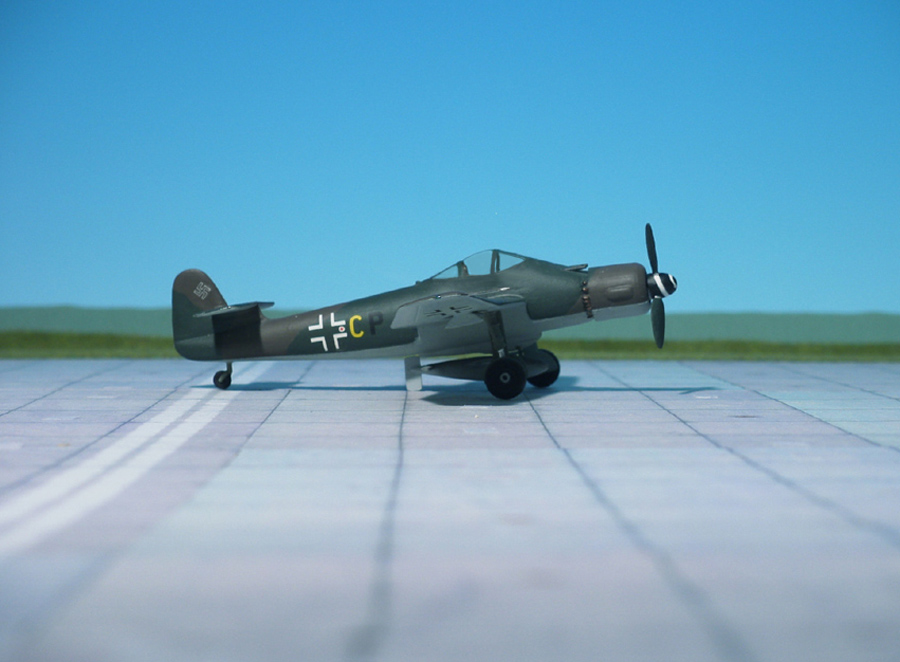
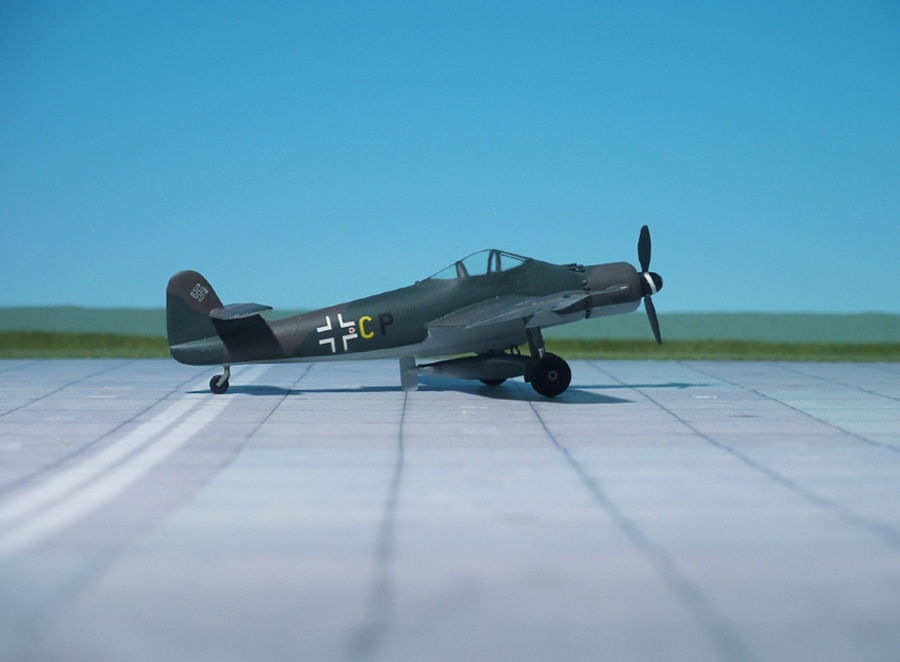
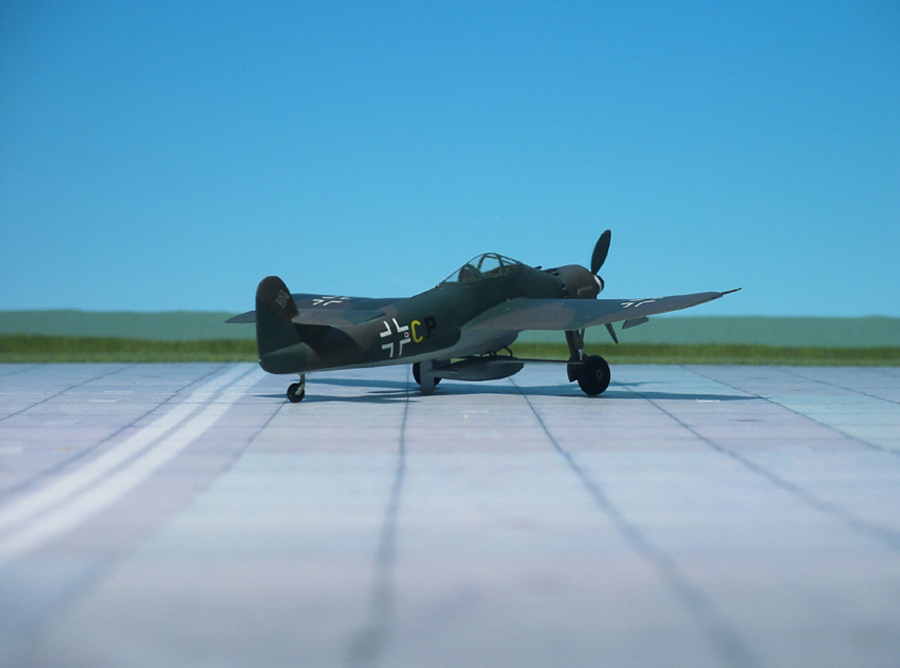
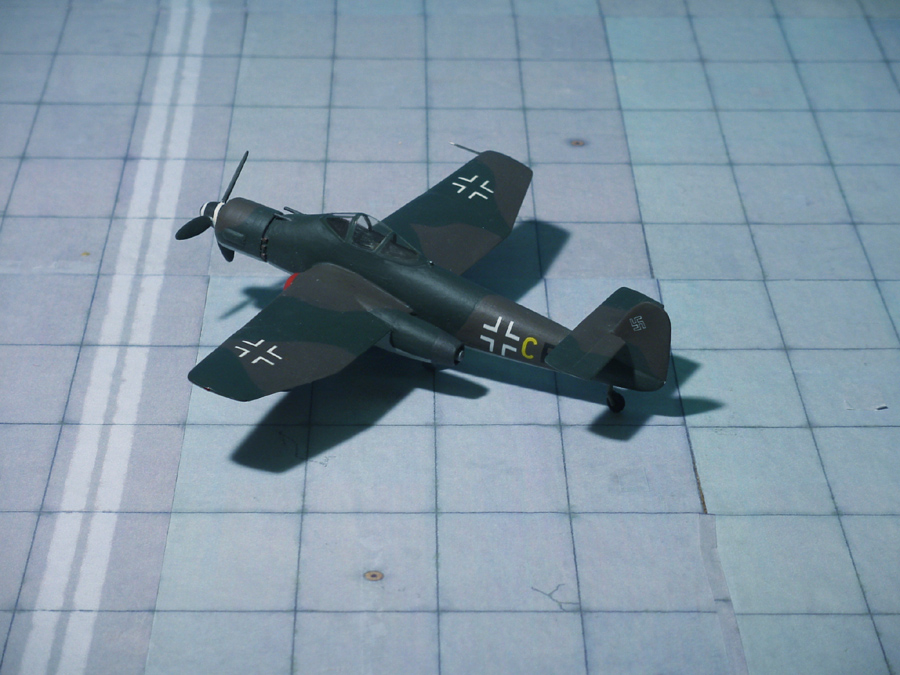
COMMENT: This asymmetric mixed-propulsion ground attack aircraft and dive bomber was designed by Dr. Richard Vogt, Chief engineer of the Blohm & Voss Aircraft Company. The wing was of an unswept, rectangular shape with taper and dihedral on the outer wing panels. The fuselage was slightly offset to the starboard side, to balance the BMW 003A or Heinkel He S 011 turbojet that was slung beneath the port wing. A BMW 801 D radial engine also provided power, this being located in the nose of the fuselage. The tail plane was located forward of the vertical tail on a stepped section of the fin. A conventional landing gear design was chosen for the BV P.204, with the tailwheel retracting backwards into the rear fuselage, while the mail wheels retracted outwards into the wing. Armament consisted of two MG 151/20 20mm cannon with 250 rounds of ammunition located ahead of the cockpit firing through the propeller and two MG 151/20 20mm cannon mounted in the wings firing outside of the propeller arc. There was a provision to mount two MK 103 30mm cannon with 70 rounds of ammunition beneath the wings also. For highly defended targets a Blohm & Voss Bv 246 “Hagelkorn” (“Hailstone”) missile, an automatic guided glide bomb, could be carried externally under the fuselage (Ref.: 16).

Heinkel “Lerche II” (“Lark II”) (Fruitbat, Resin)

TYPE: Target defense interceptor. Project.

ACCOMMODATION: Pilot only, in prone position

POWER PLANT: Two Daimler-Benz DB 603E inline engines, rated at 2.400 hp each, driving contra-rotating propellers

PERFORMANCE: 497 mph

COMMENT: This Heinkel Vertical Take Off and Landing (VTOL) fighter/interceptor project was based on an earlier design, the Heinkel “Wespe” (Wasp). Work on the design started at the Heinkel Company in Vienna on February 25, 1945 and was completed on March 8, 1945. The “Lerche” (Lark) employed a ducted wing planform with contra-rotating propellers, powered by two Daimler-Benz DB 605E engines. This arrangement increased the effectiveness of the airscrews dramatically. During flight the pilot lied in a prone position in the extreme nose, while standing upright during take-off and landing. Projected armament was two MK 108 30mm cannon. The end of the war brought any realization to a termination. After the war this idea of a tail sitter was developed further by the US Navy, e. g. Convair XFY-1 Pogo and Lockheed XFV-1 Salmon (Ref.: 16).

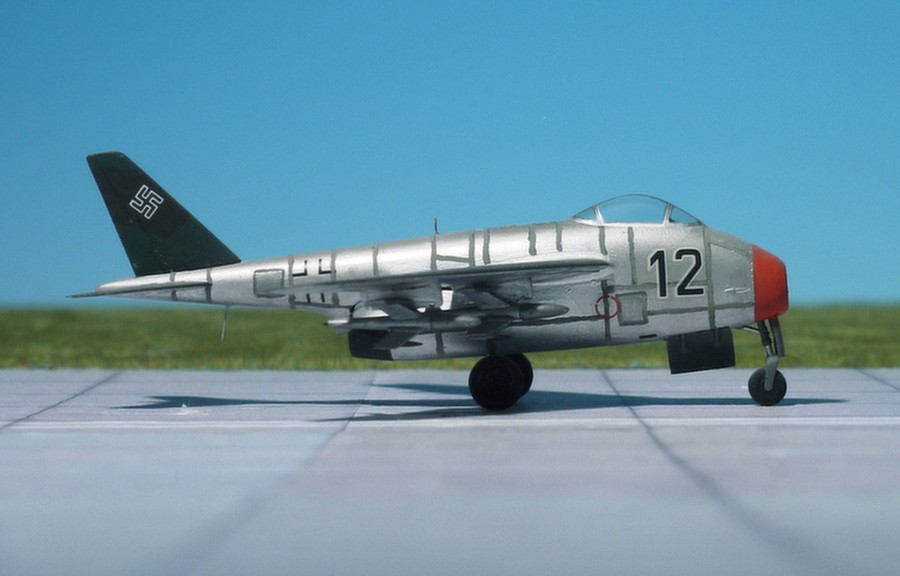
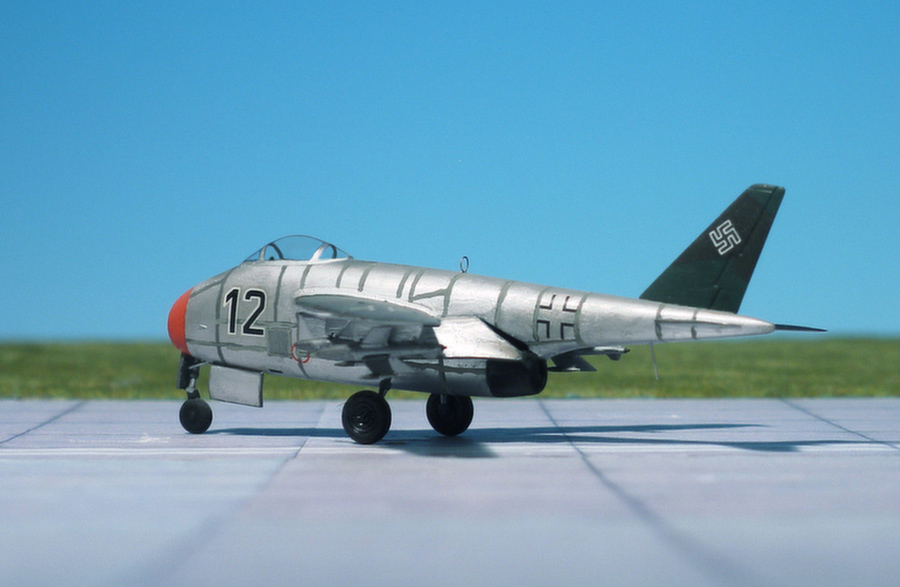
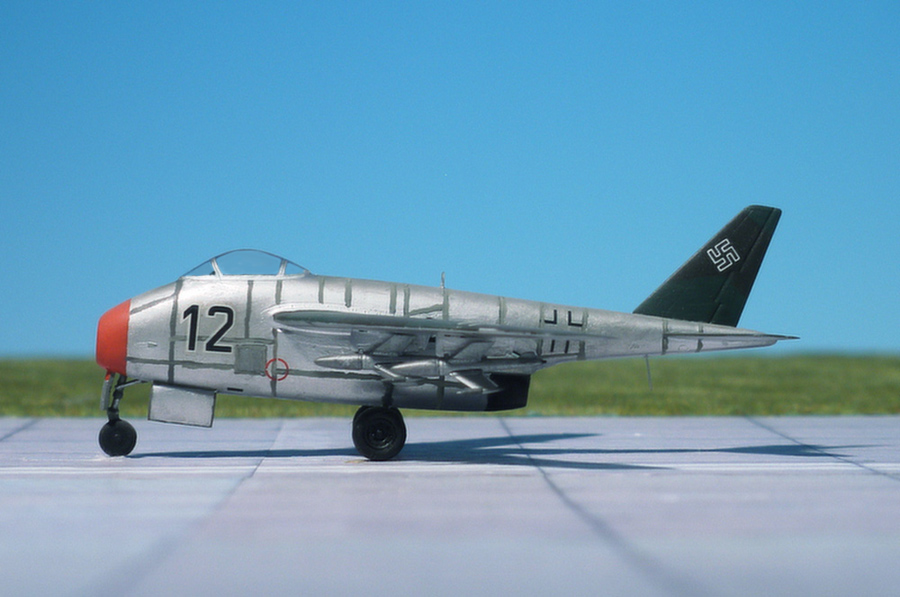
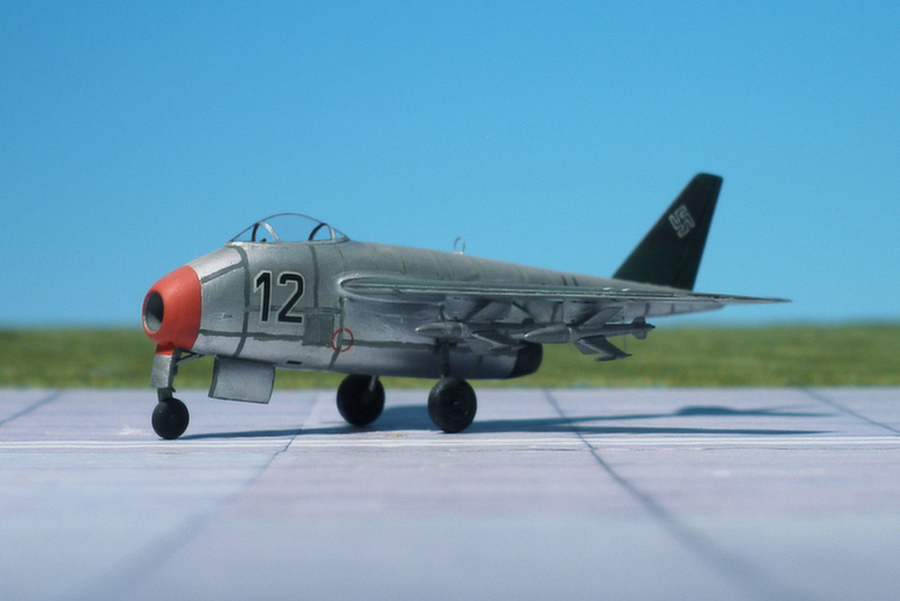
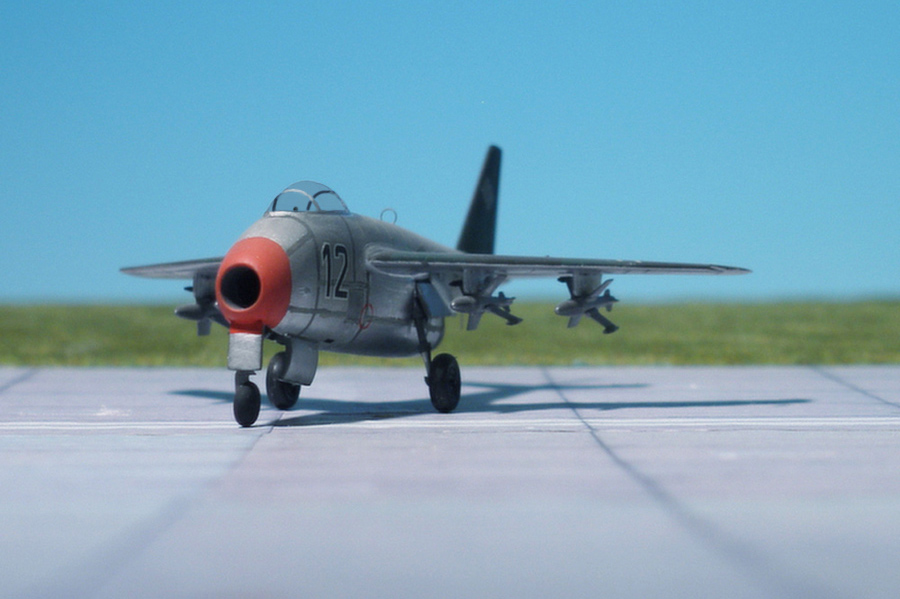
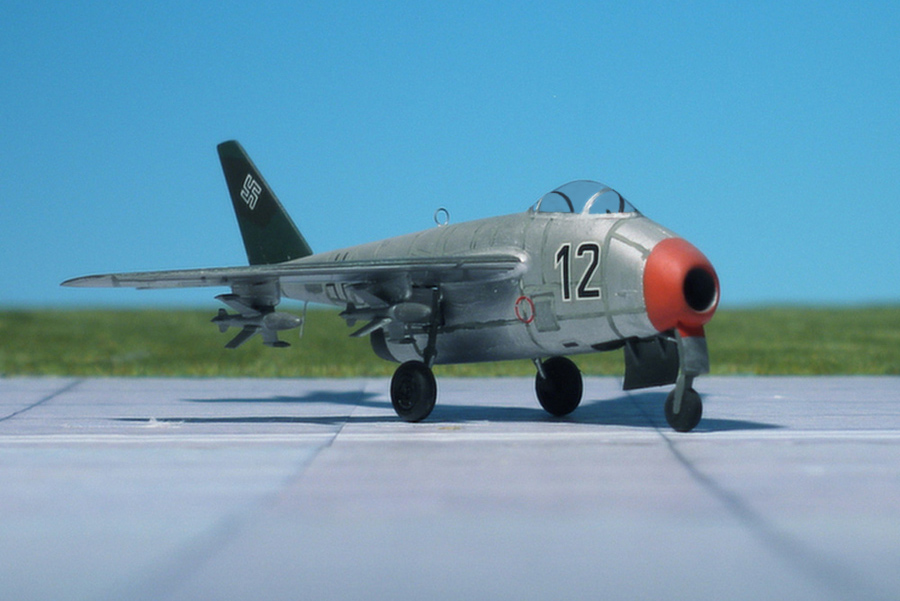
Messerschmitt Me P.1101A-1 with Kramer X-4 missiles (Dragon)

TYPE: Fighter, interceptor. Project.

ACCOMMODATION: Pilot only

POWER PLANT: Heinkel-Hirth HeS 011, rated at 1,300 kp

PERFORMANCE: 612 mph at 22,970 ft

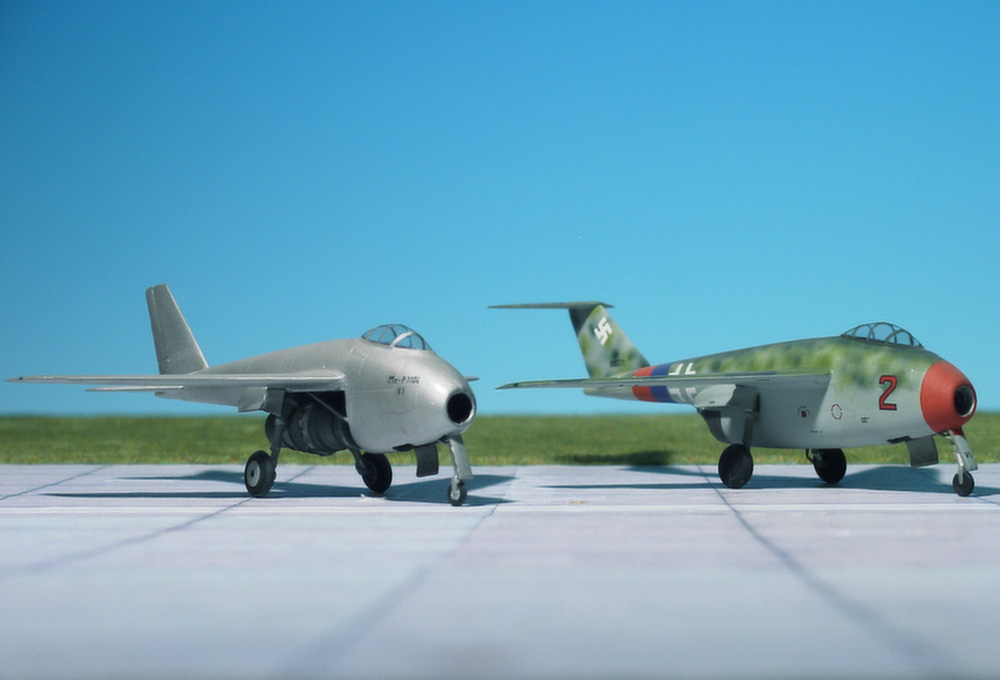
COMMENT: However, there is some evidence that a further production version of the Me P.1101 was on Messerschmitt’s drawing boards. All over dimensions, turbojet engines, tricycle undercarriage etc. are unchanged to its predecessor, the wing was swept back to 40 degree and a normal or horizontal tail unit – “T-Tail” was provided. Cockpit armor was fitted and up to four Kramer X-4 air-to-air guided missiles could be carried.

RUHRSTAHL/KRAMER X-4

The Kramer X-4 was the first air-to-air guided missile that entered the production lines. It featured a tapering, cigar-shaped fuselage, with four small swept wings and four smaller tail fins. At the ends of two of the opposing wings were small pods which held the wires that unwound during the X-4’s flight. On the wing tips of the other two main wings were simple flares to aid the pilot in keeping the X-4 on the intended path. The tail unit contained small spoilers which could control the missiles pitch and yaw. Power was supplied by the BMW 109-548 liquid-fuel rocket engine with 1,600 kp thrust for 33 seconds. A warhead weighing 20 with a destructive blast radius of 25 feet was mounted in the nose of the missile, being detonated by the pilot, impact or by an acoustical proximity fuse, tuned to the pitch of the bomber’s propellers. First air launched test took place on August, 1944 by a Focke-Wulf  Fw 190. Tests continued through early February 1945, also by Junkers Ju 88s as well as by a Messerschmitt  Me 262 jet fighter with two X-4 missiles under the wings outboard of the jet nacelle, but were not launched  (Ref.: 16).

Messerschmitt Me. P.1101A-0 (Huma)

TYPE: Fighter, interceptor. Project

ACCOMMODATION: Pilot only

POWER PLANT: One Heinkel-Hirth HeS 011 turbojet engine, rated at 1,300 kp

PERFORMANCE: 550 mph at 23,000 ft

COMMENT: Although the Messerschmitt Me P.1101 was from the onset designed as an experimental aircraft different production versions were planned, too. One design was very similar to the Me P.1101 V1 as far as all over dimensions, turbojet engines, tricycle undercarriage etc. are concerned, but the wing was in a fixed position at 40 degree and a horizontal tail unit – “T-Tail” was provided. The unconditional surrender of Germany brought all further work on this exceptional aircraft to an end (Ref.: 16).

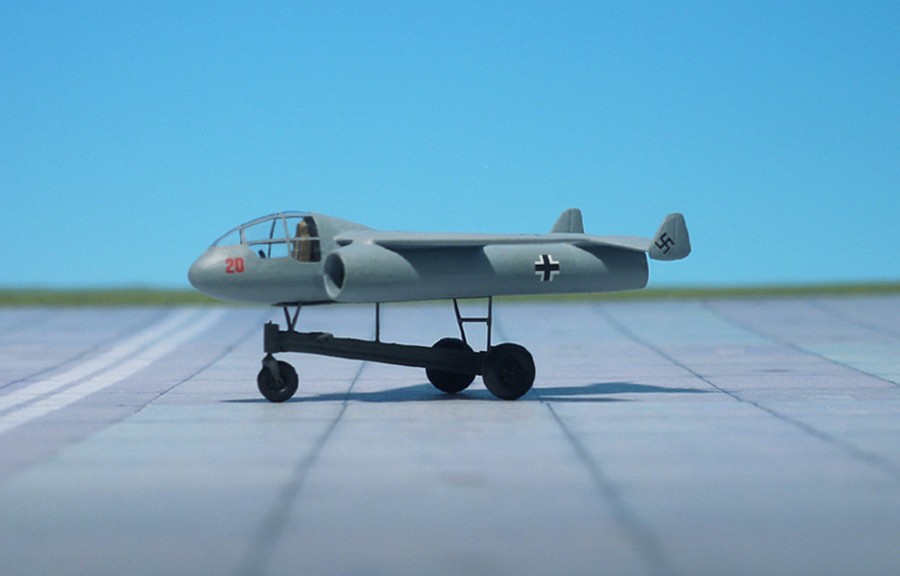
Messerschmitt Me P.1079/13 (Unicraft, Resin)

TYPE: Fighter, interceptor. Project

ACCOMMODATION: Pilot only

POWER PLANT: Two Lorin ramjets, rated at 900 kp each

PERFORMANCE: No data available

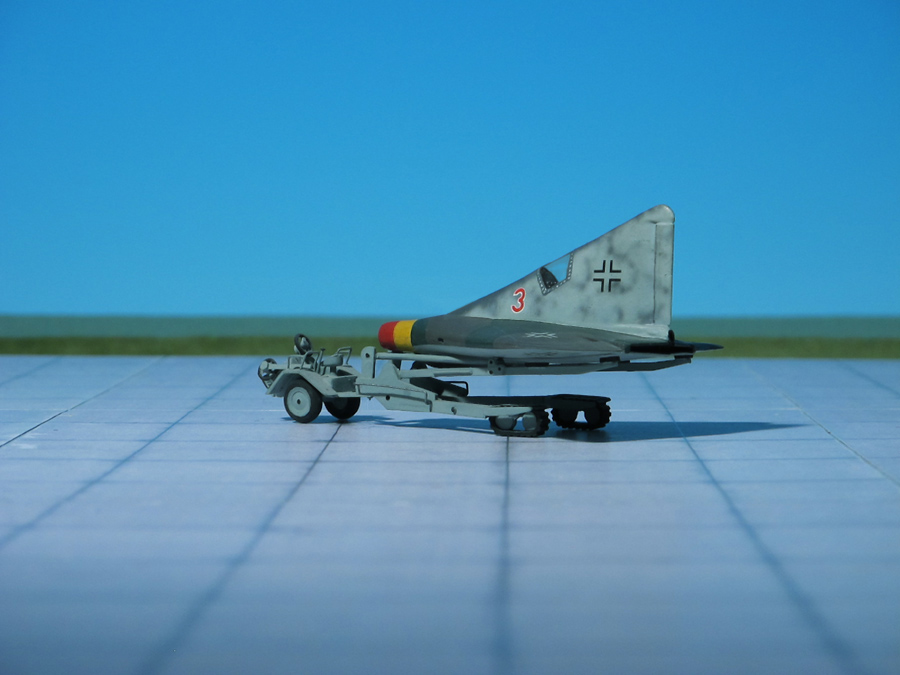
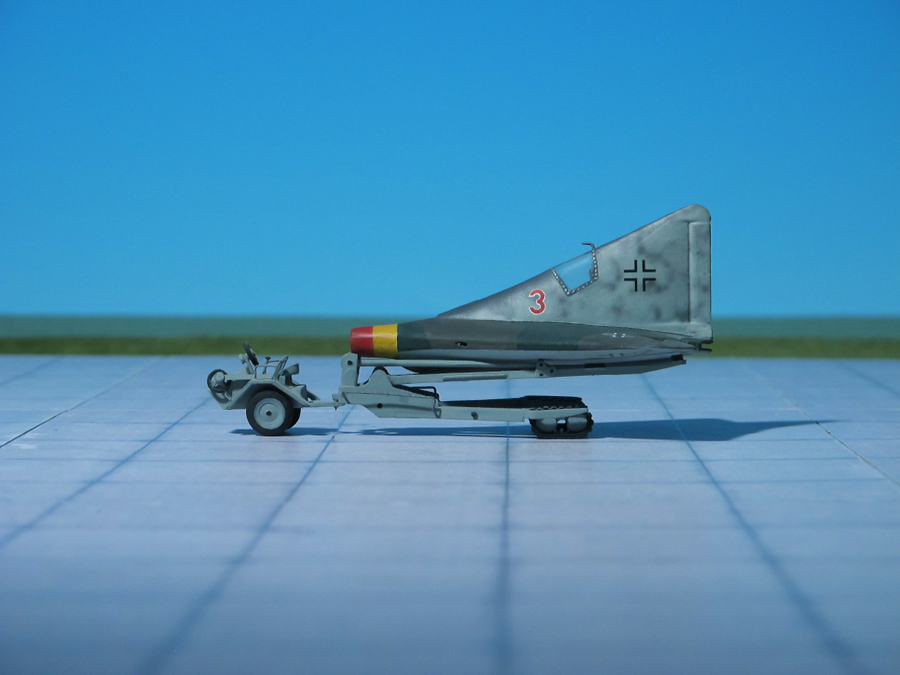
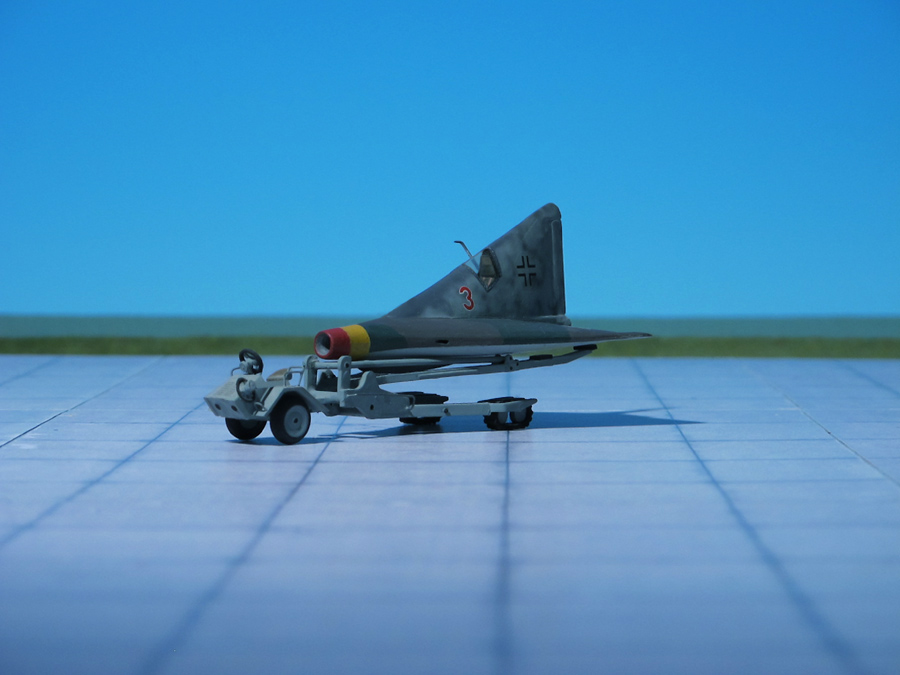
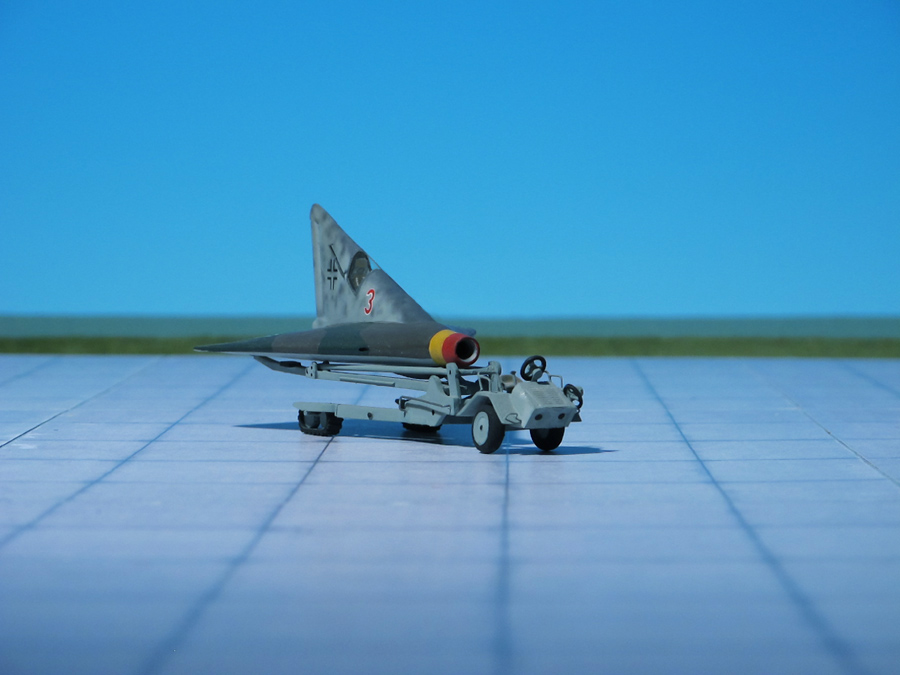
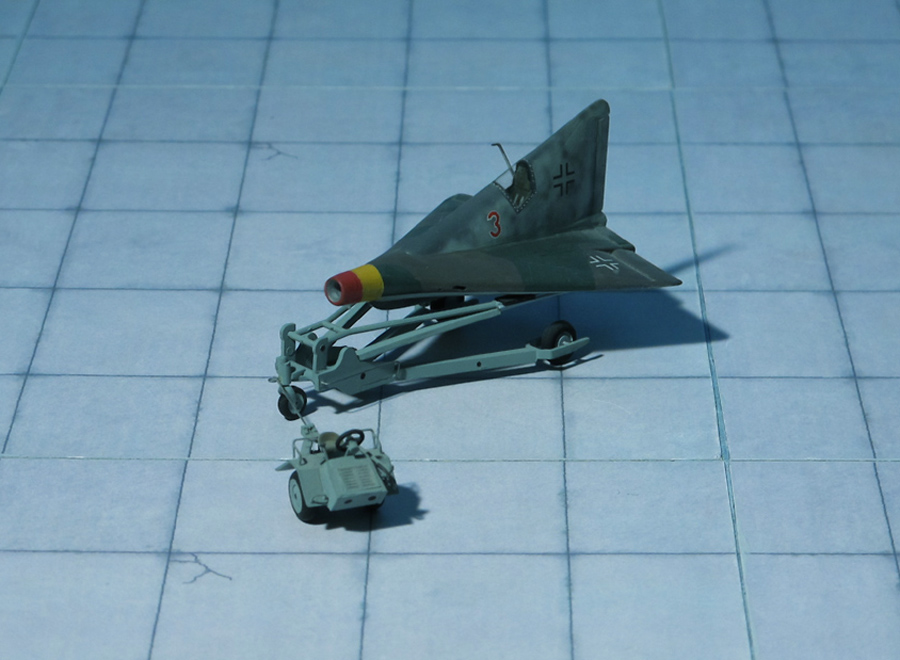
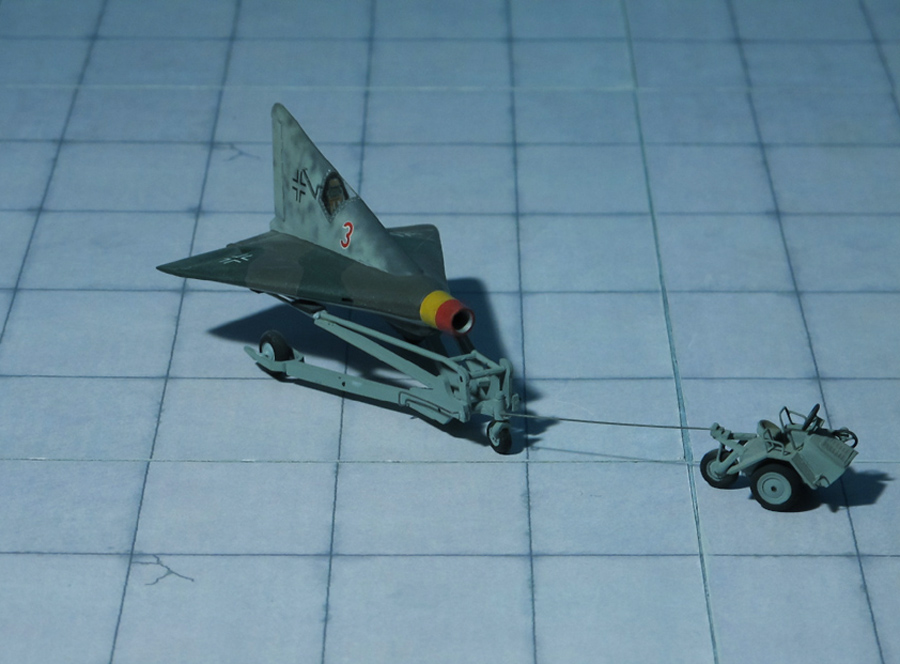
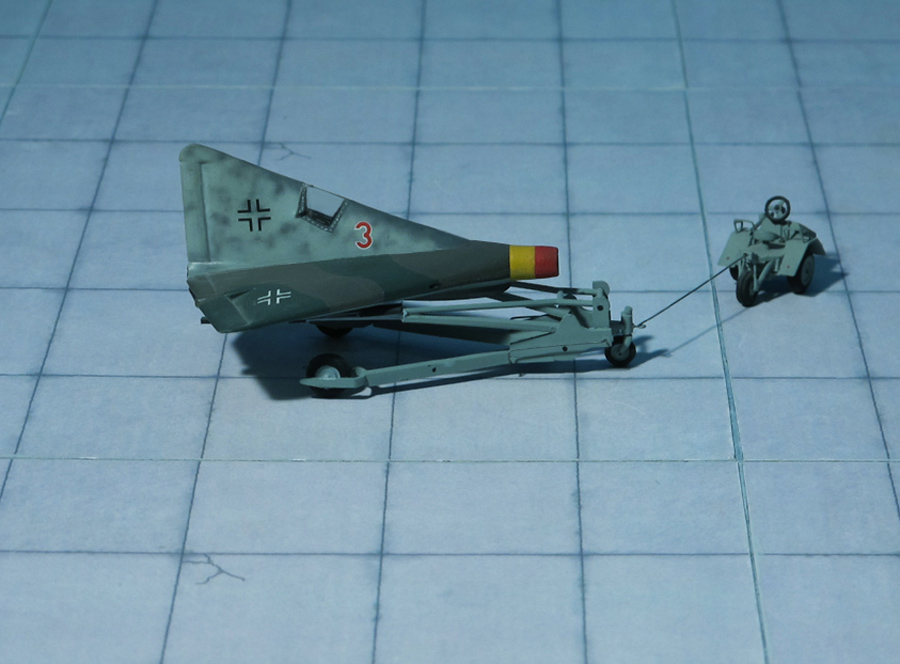
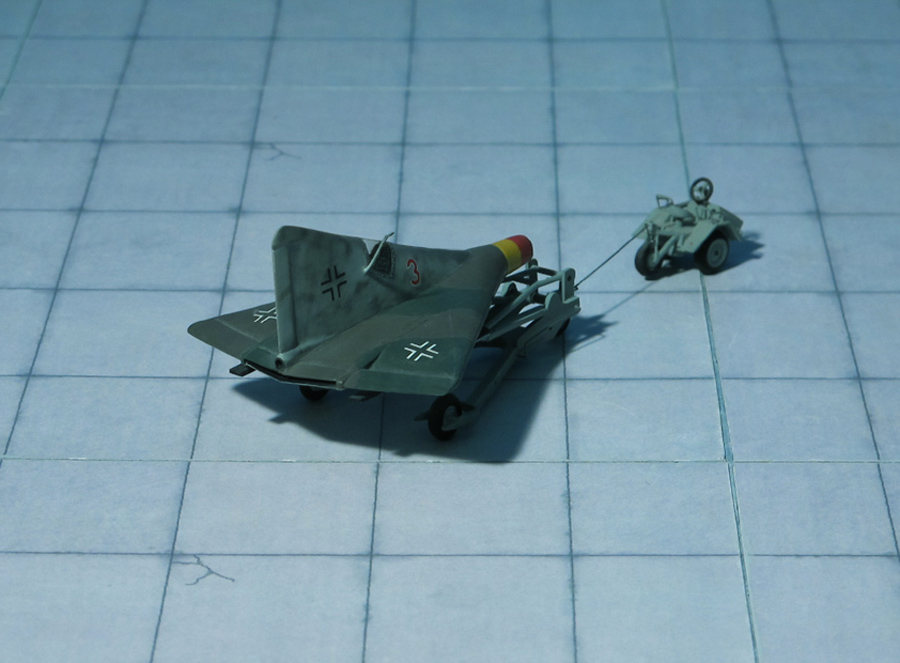
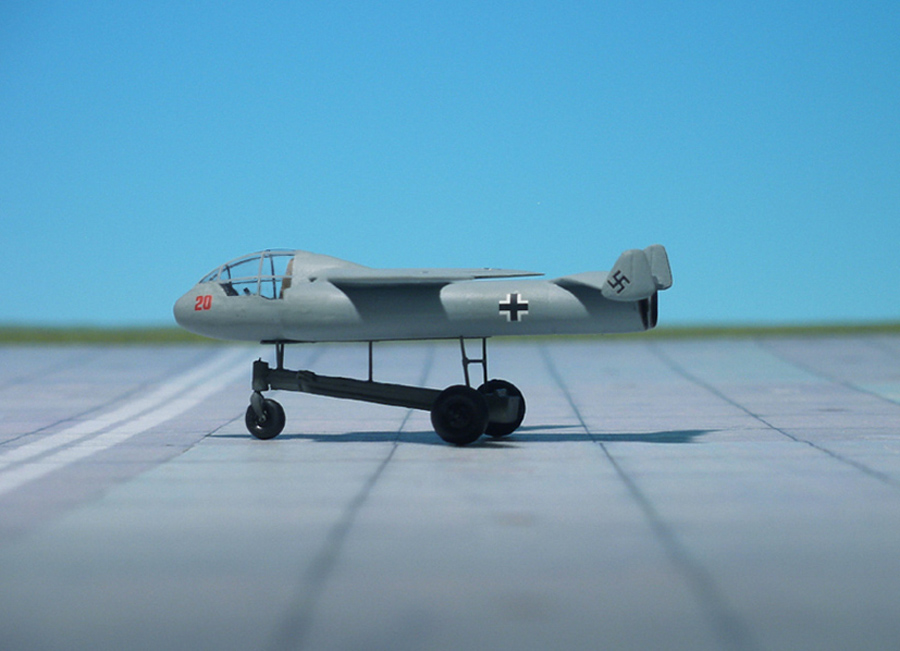
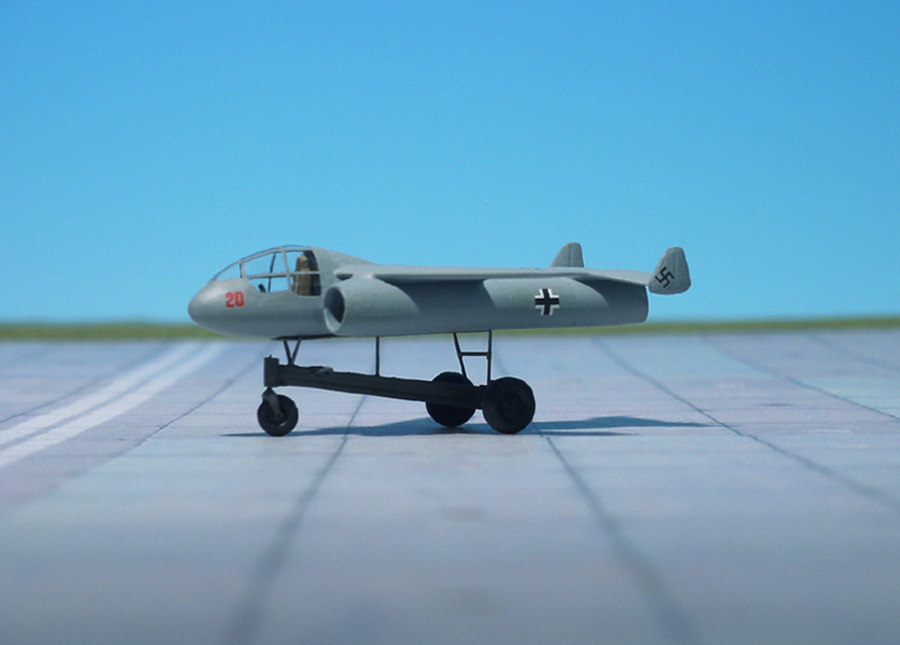
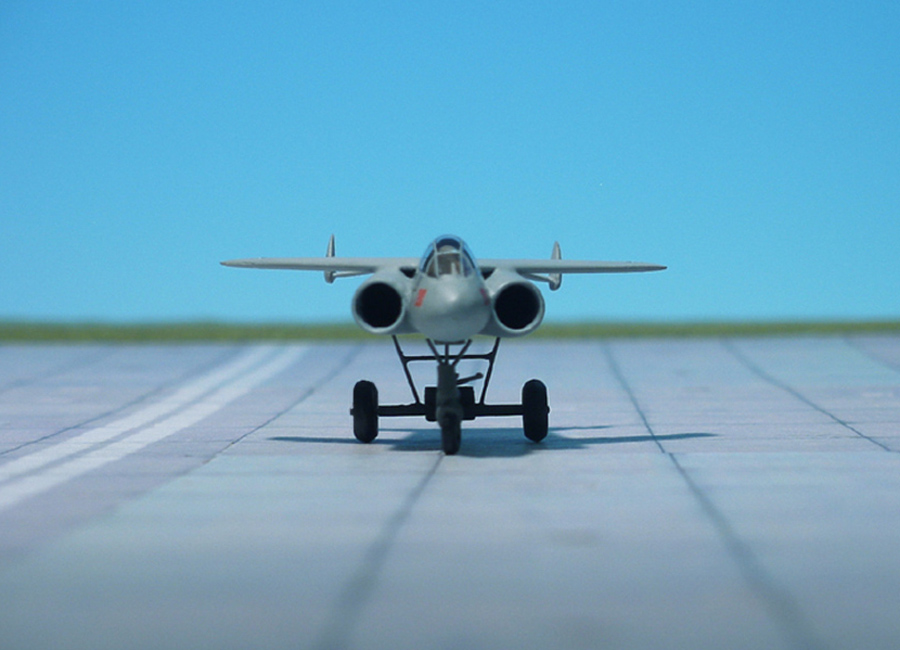
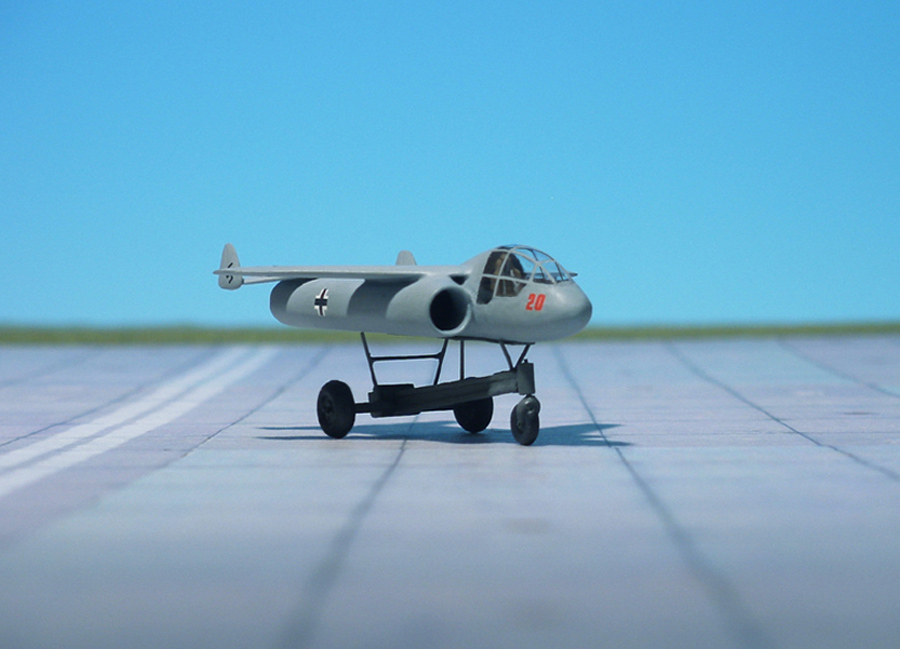
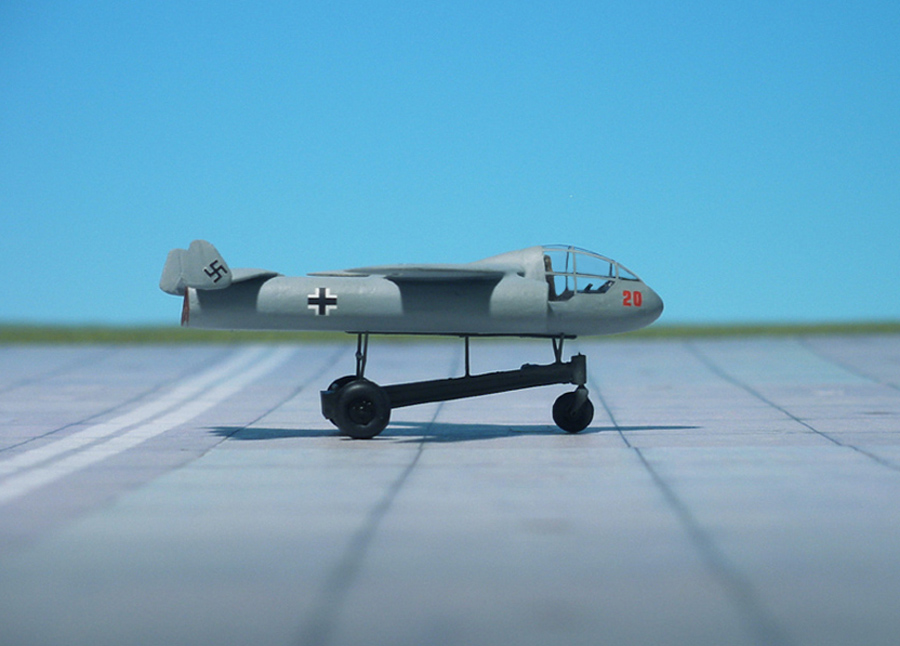
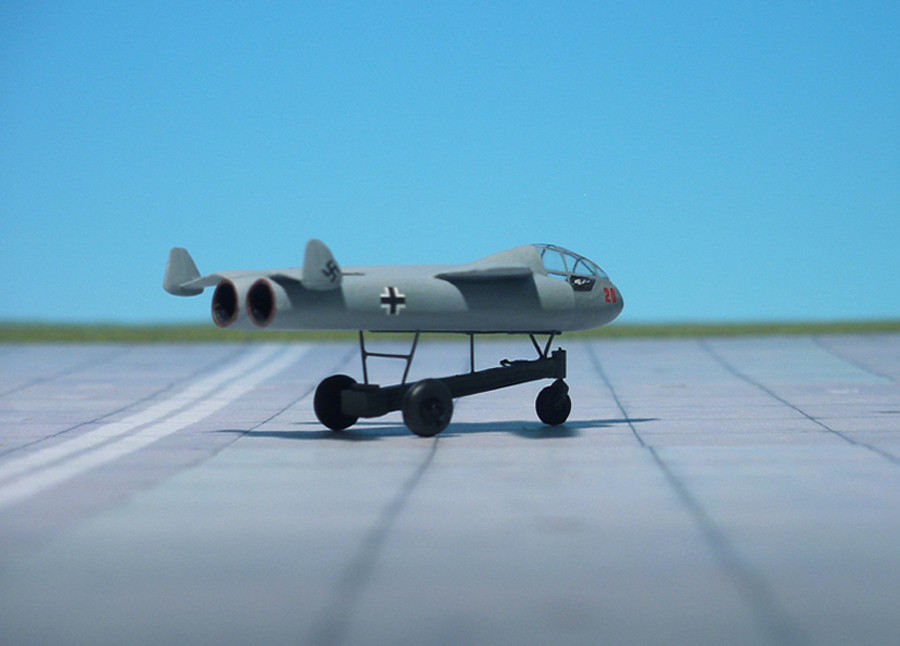
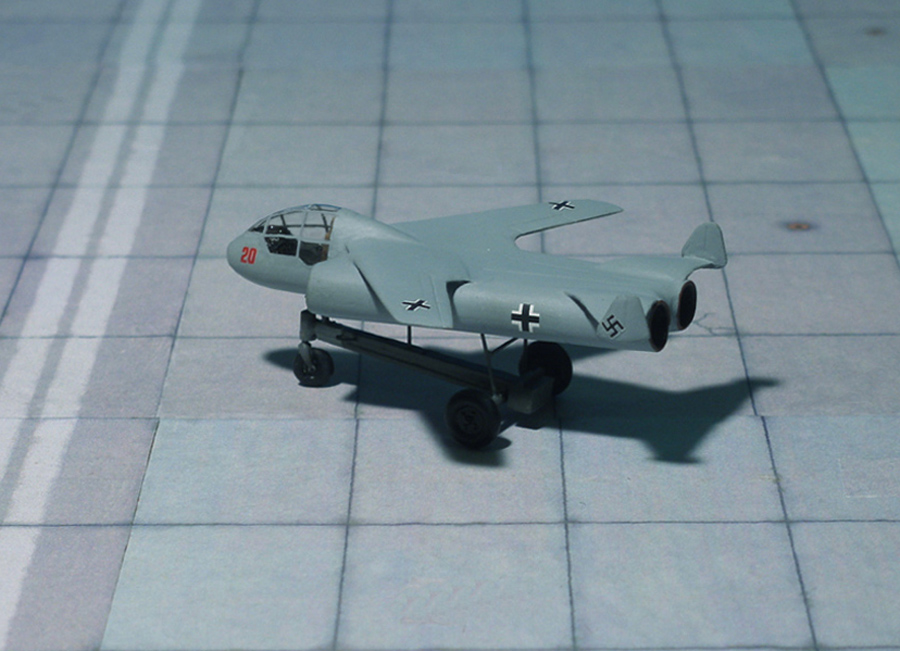
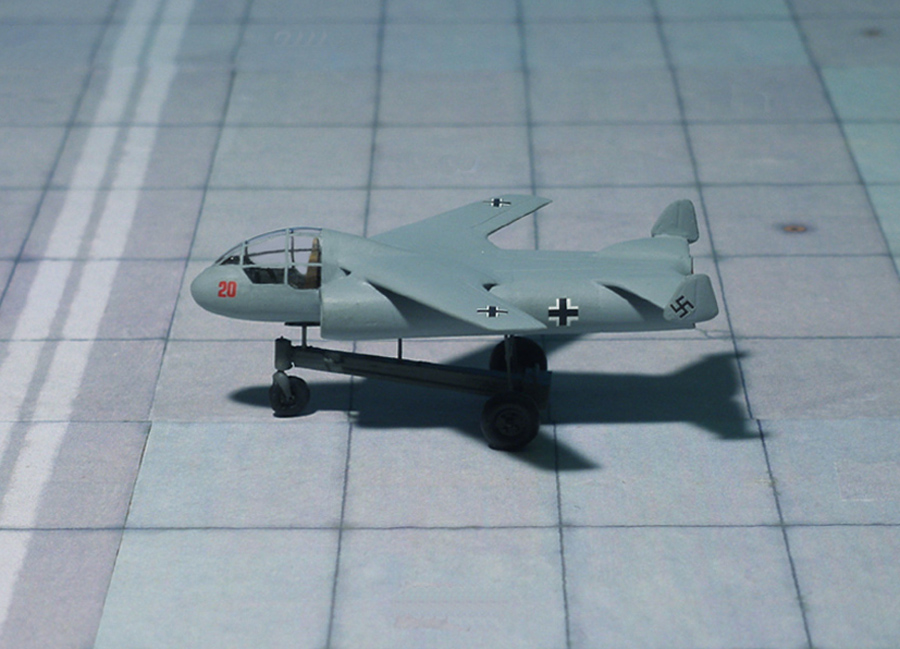
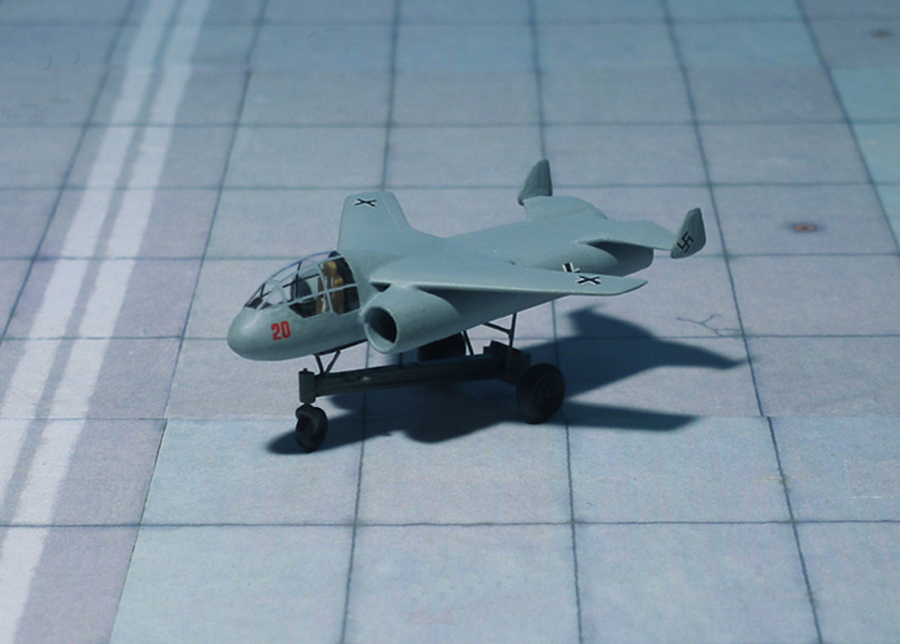
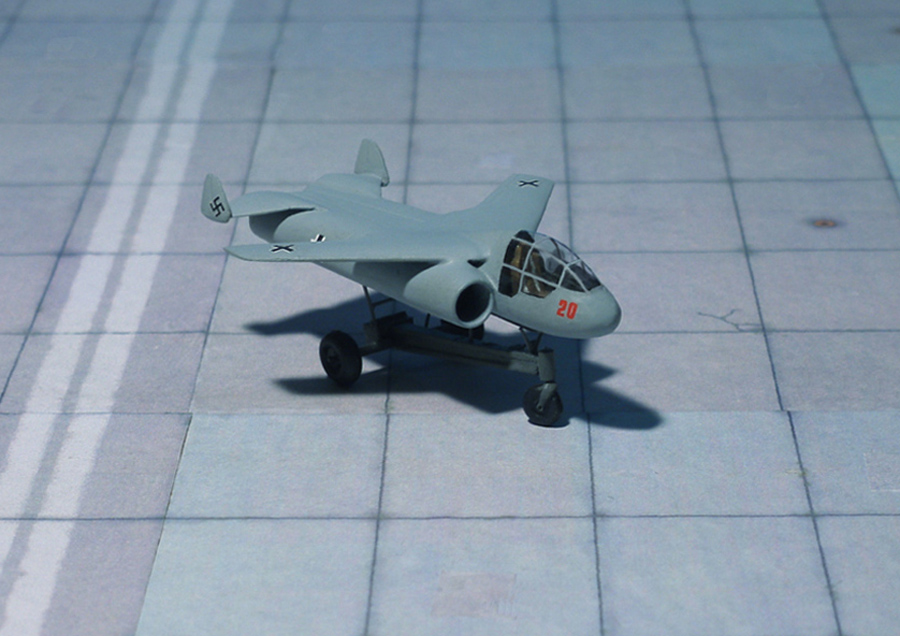
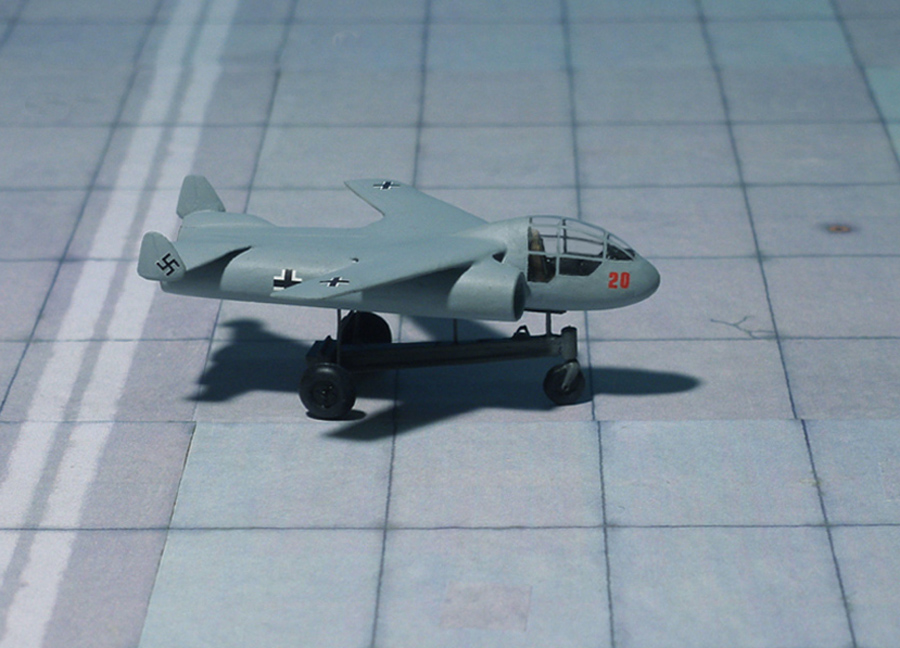
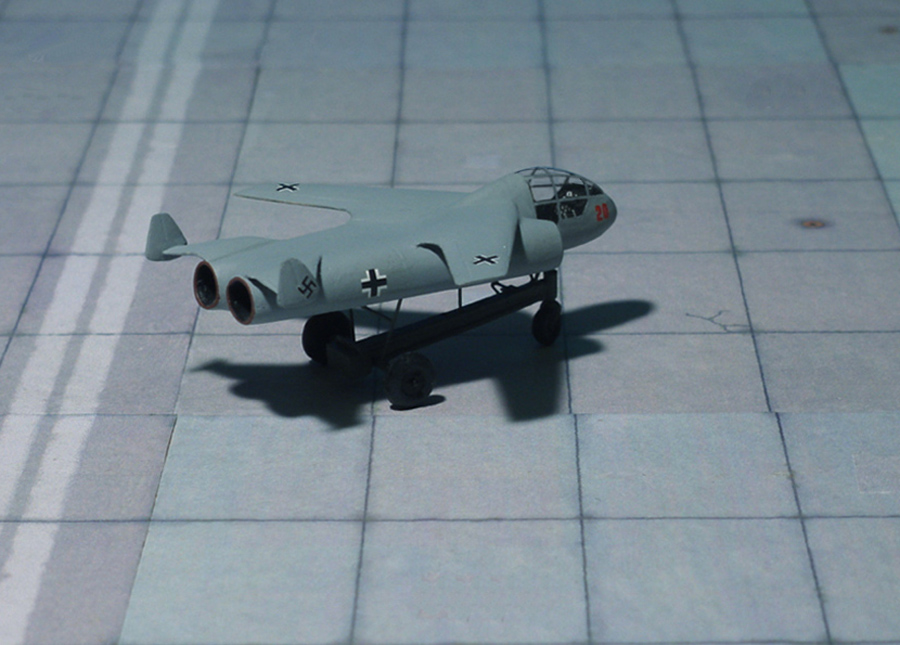
COMMENT: The P.1079/13 was one of several Messerschmitt designs to meet the Luftwaffe’s late-War request for a small, cheap, single-seat target-defense interceptor. This design included two wing-mounted Lorin ramjets or conventional turbojet engines. For take-off a trolley-launch system was provided and solid fuel rockets were used for acceleration until the ramjets will work. After mission the aircraft landed on a skid. No further details are known.

Messerschmitt Me P.1101/13 (Unicraft, Resin)

TYPE: Fighter. Project

ACCOMMODATION: Pilot only

POWER PLANT: One Heinkel-Hirth HeS 011 tubojet engines, rated at 1,300 kp

PERFORMANCE: 652 mph at 19,658 ft

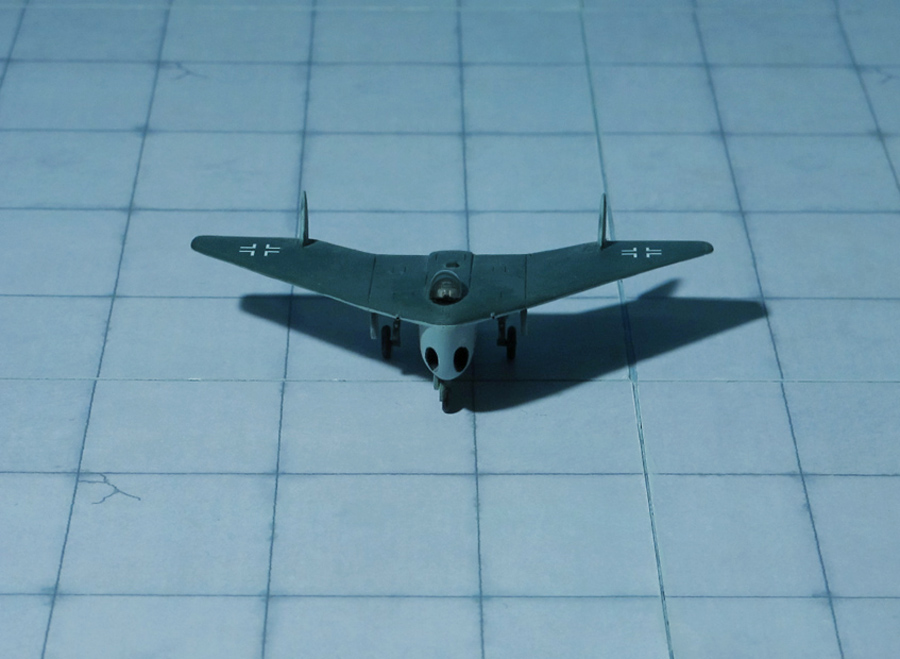
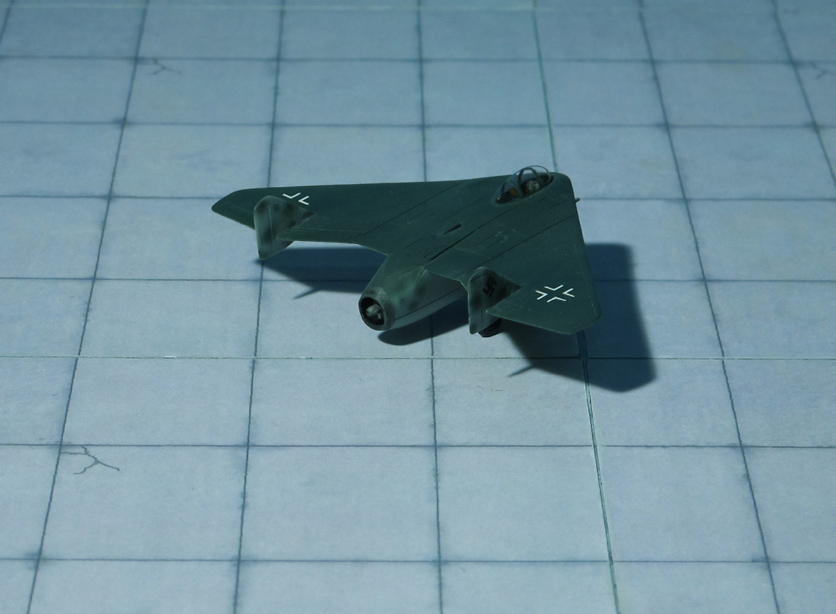
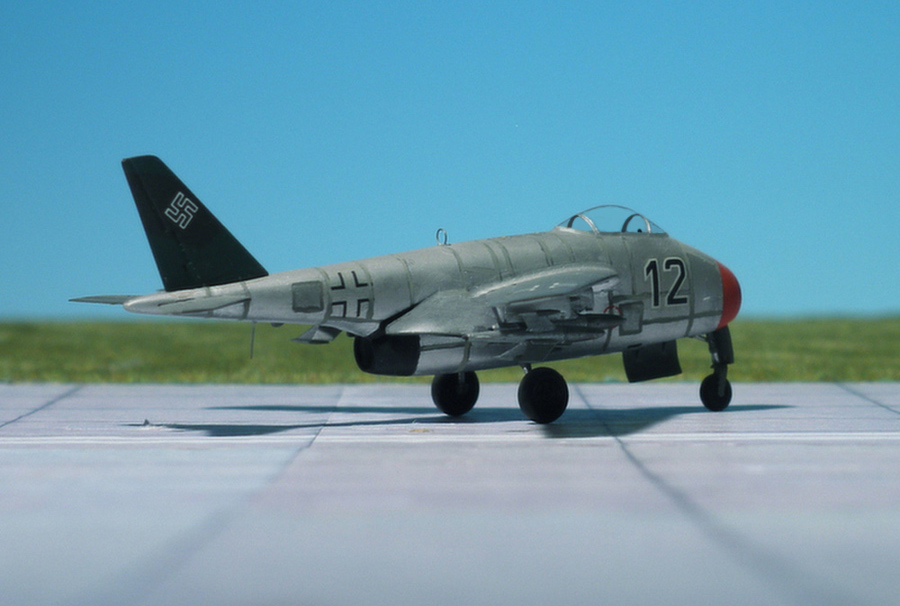
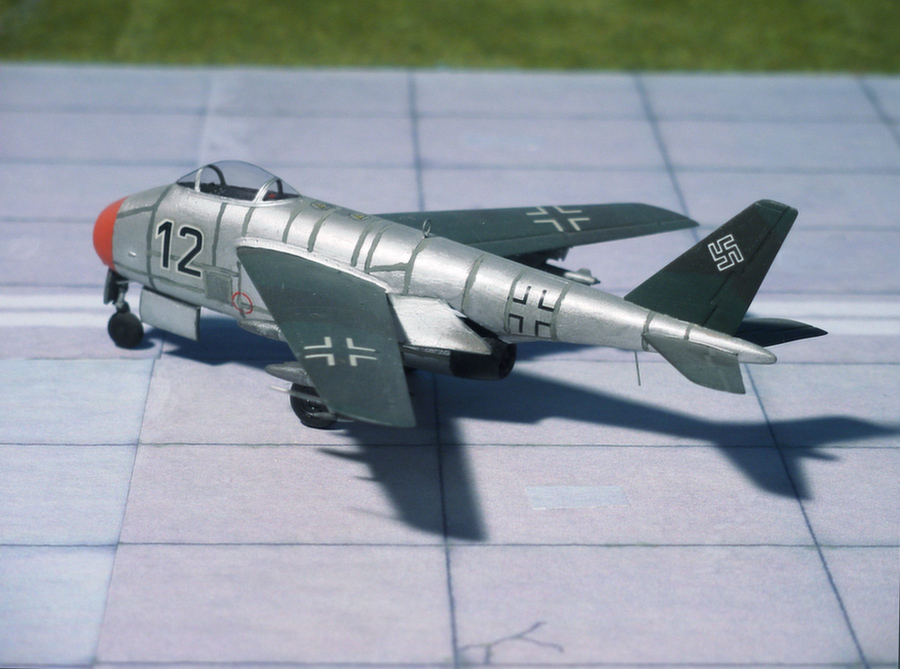
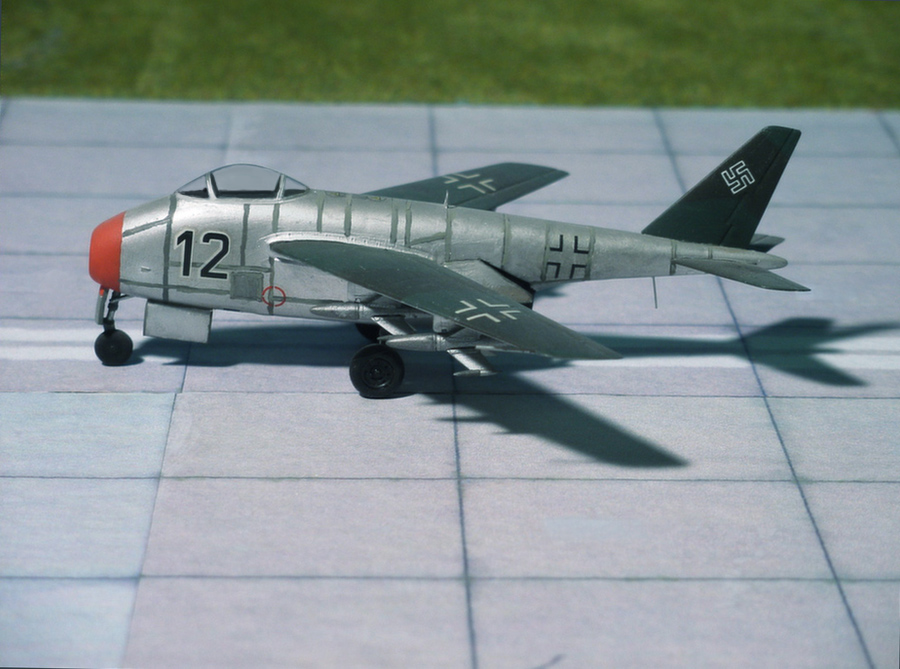
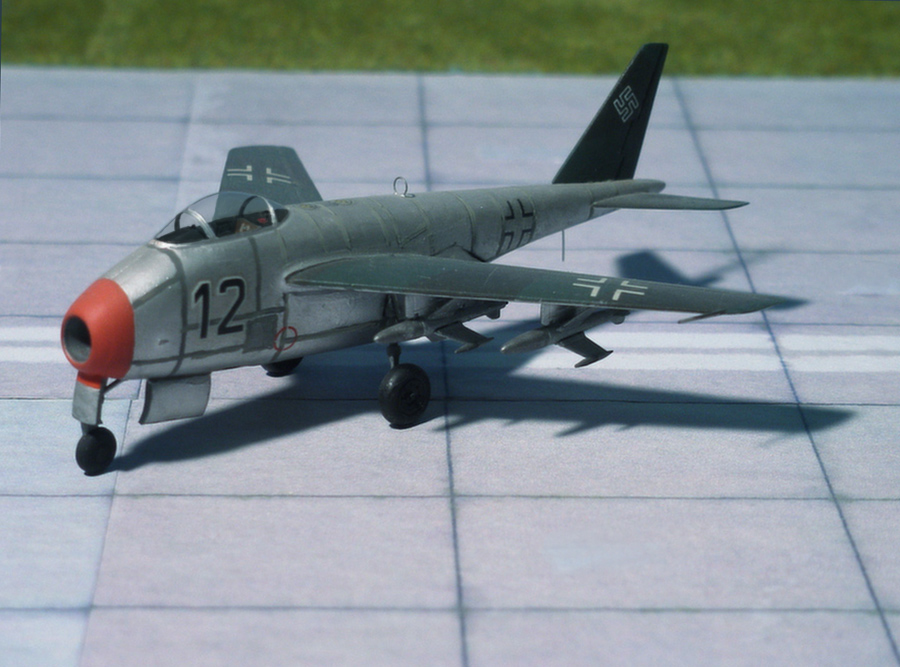
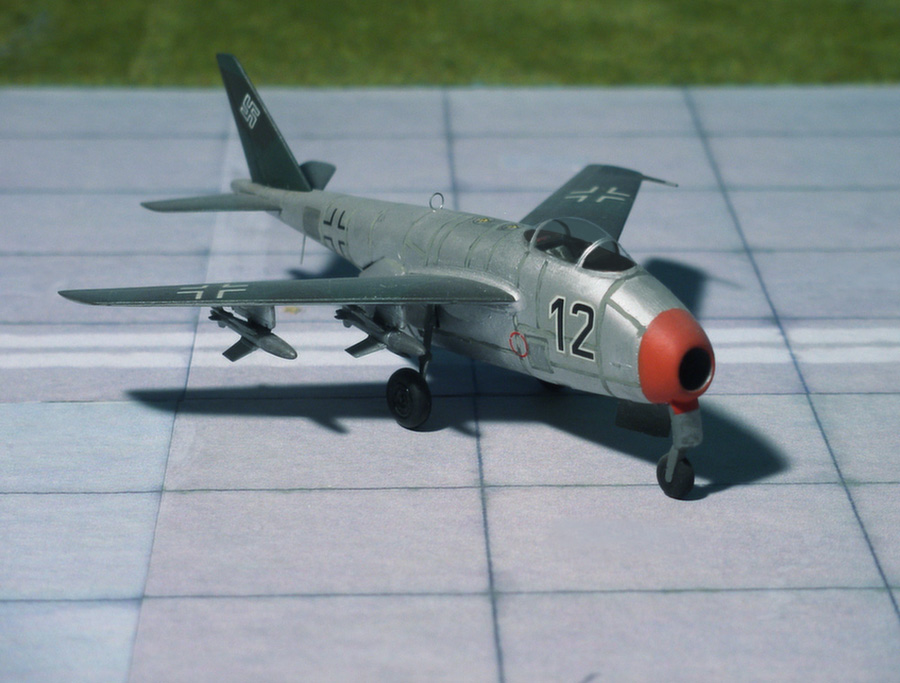
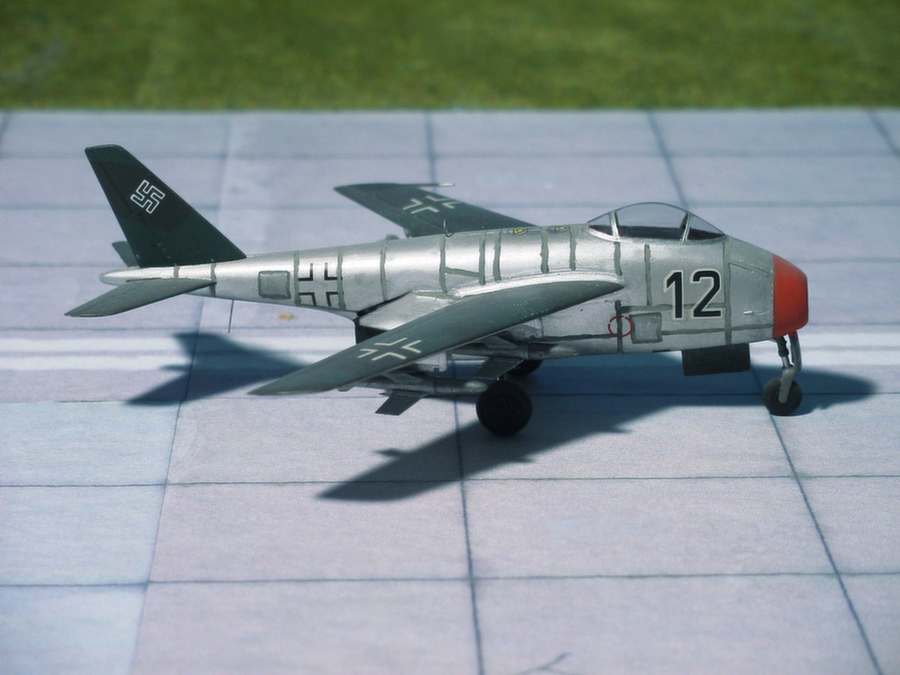
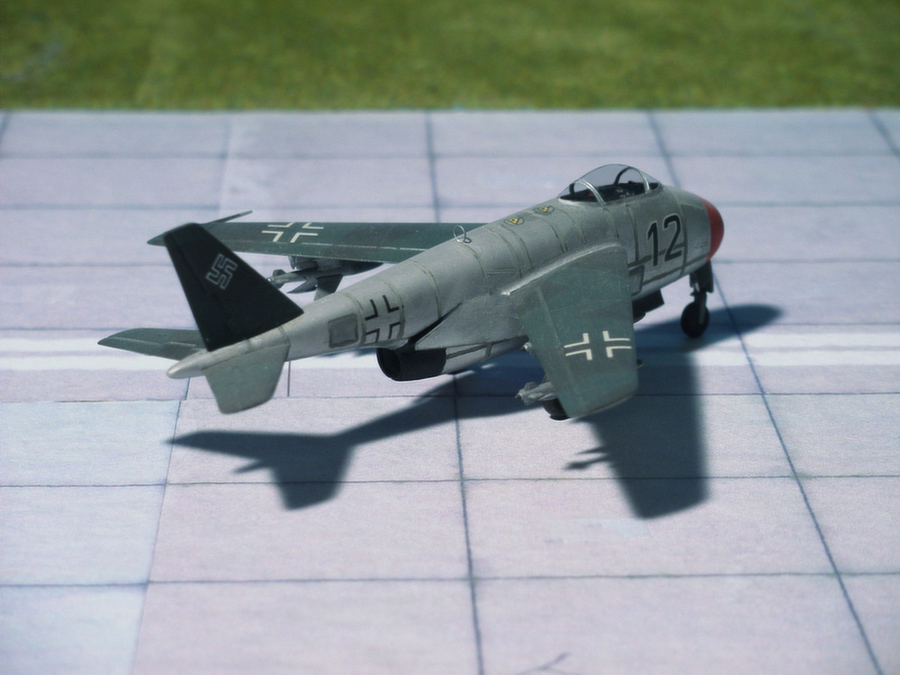
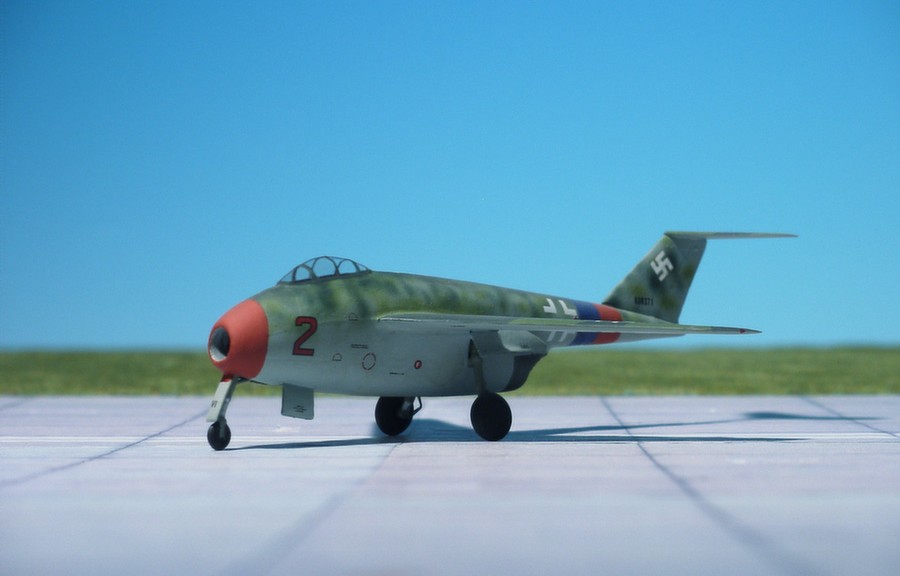
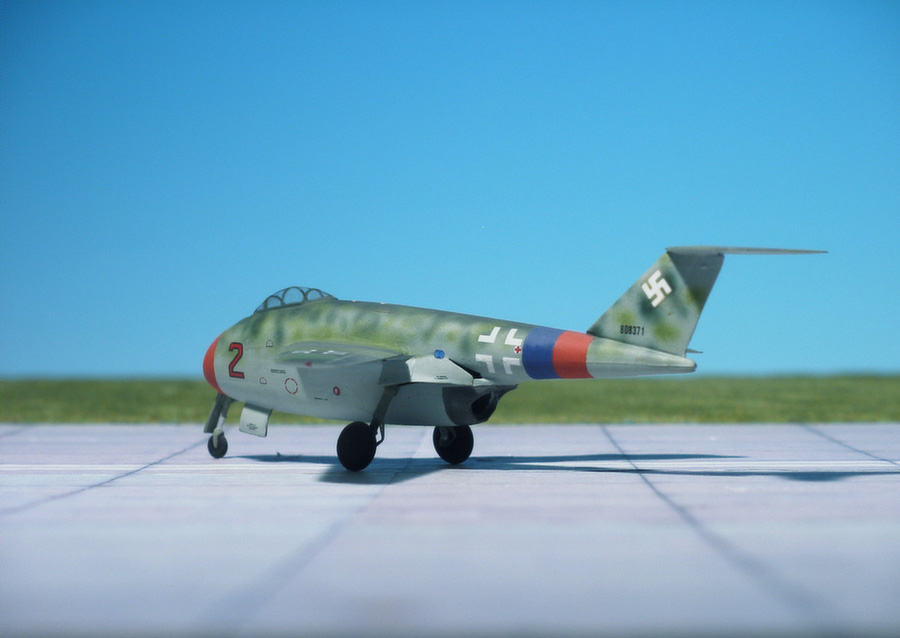
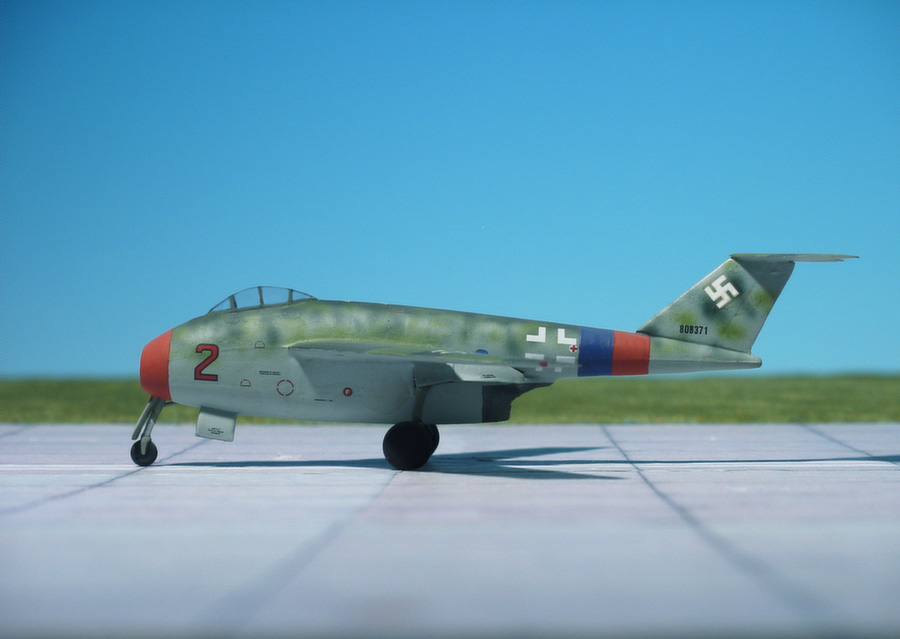
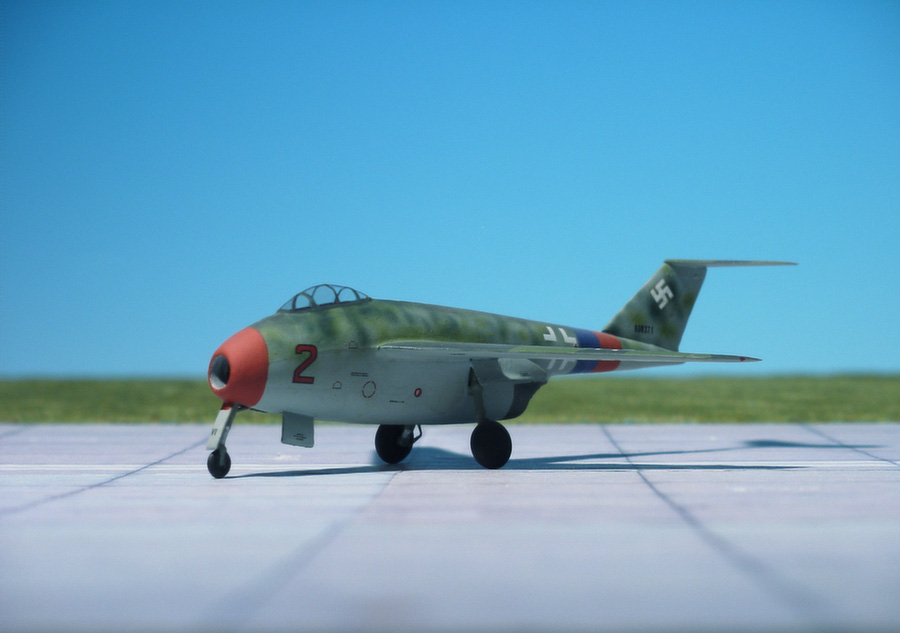
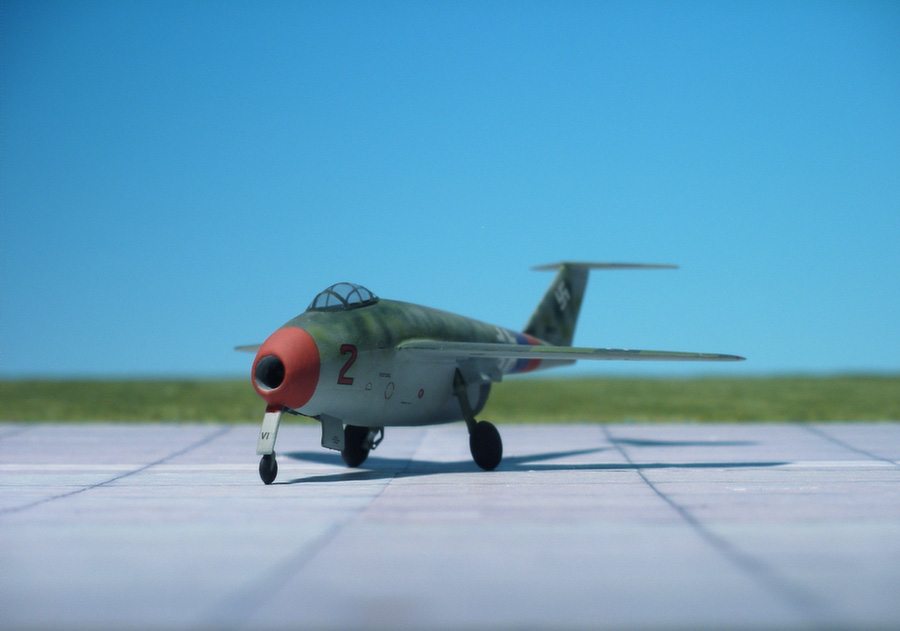
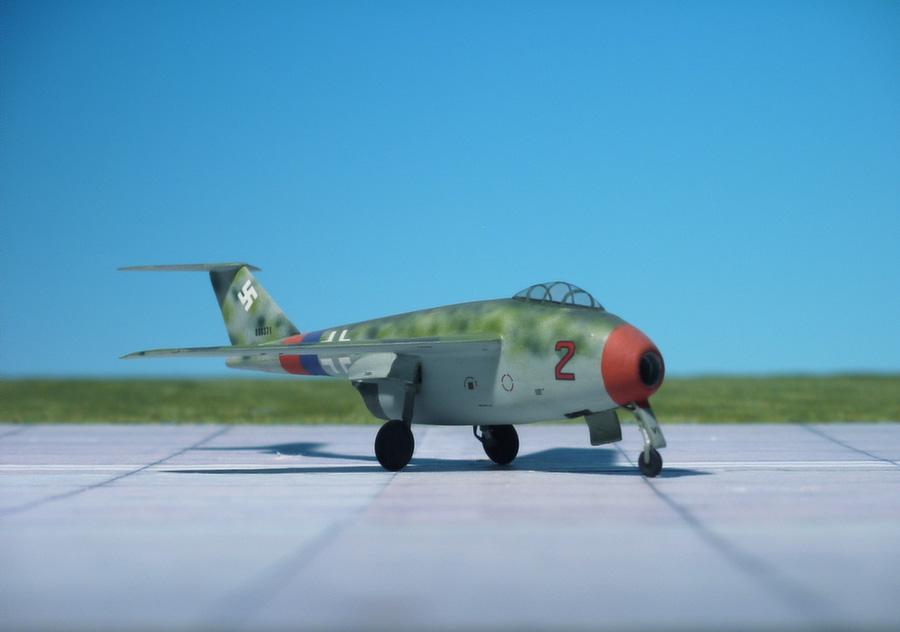
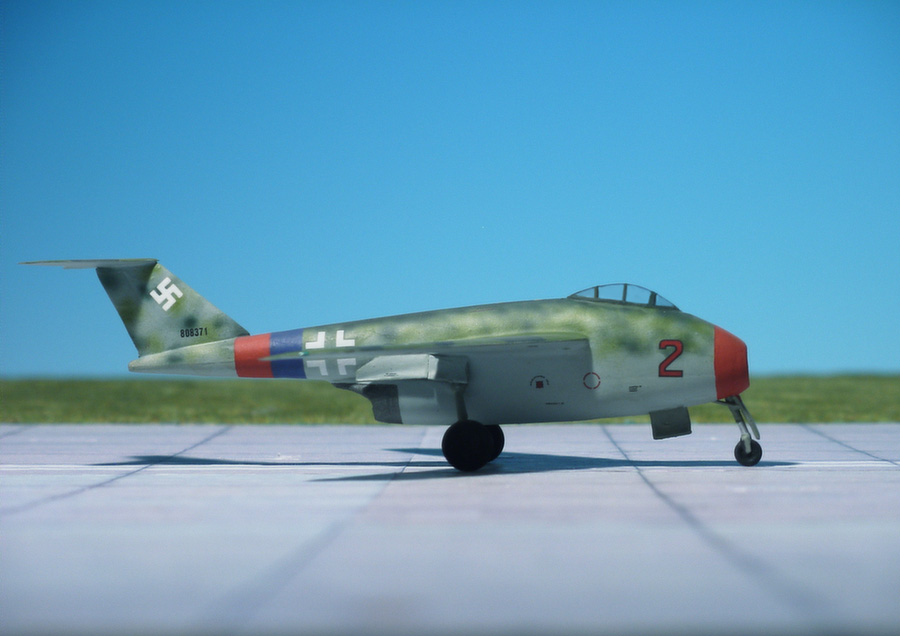
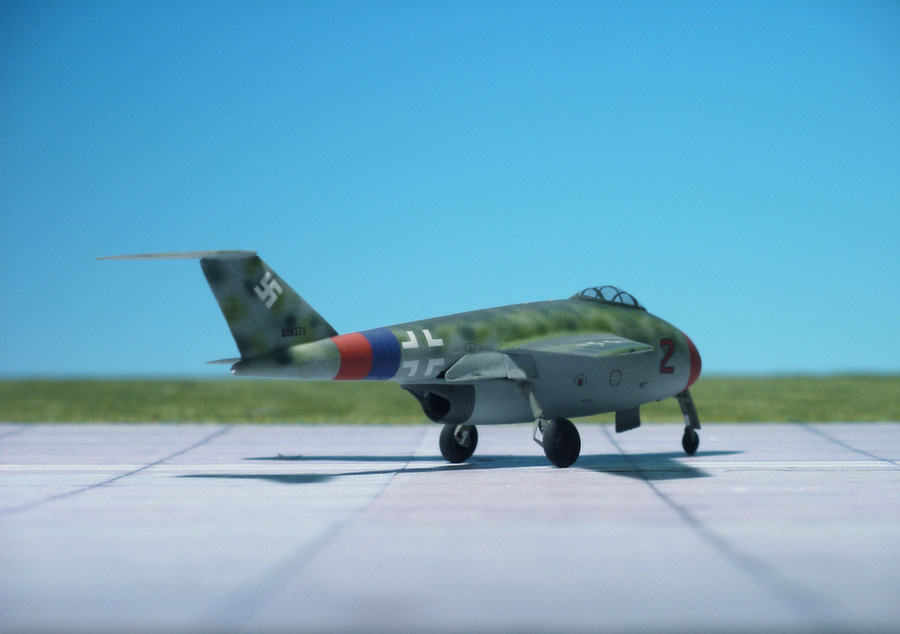
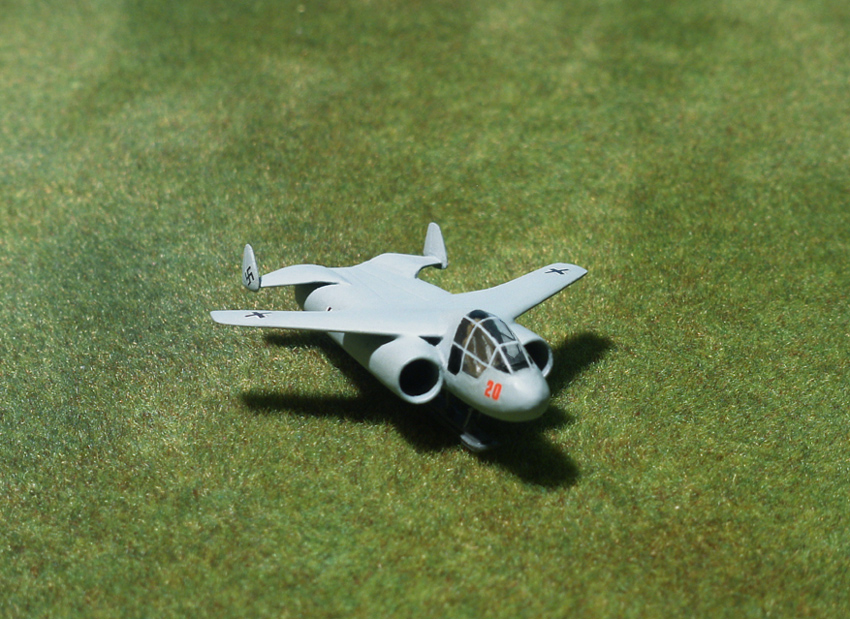
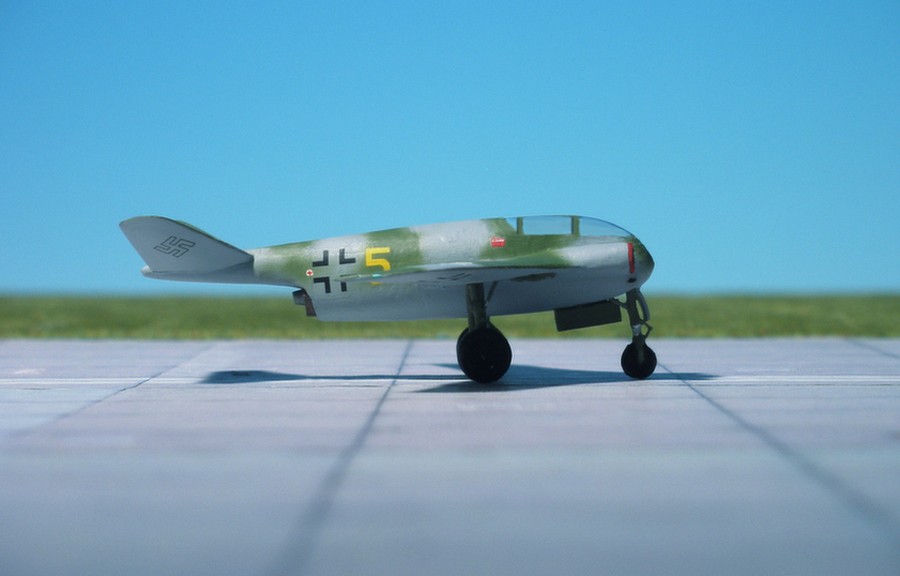
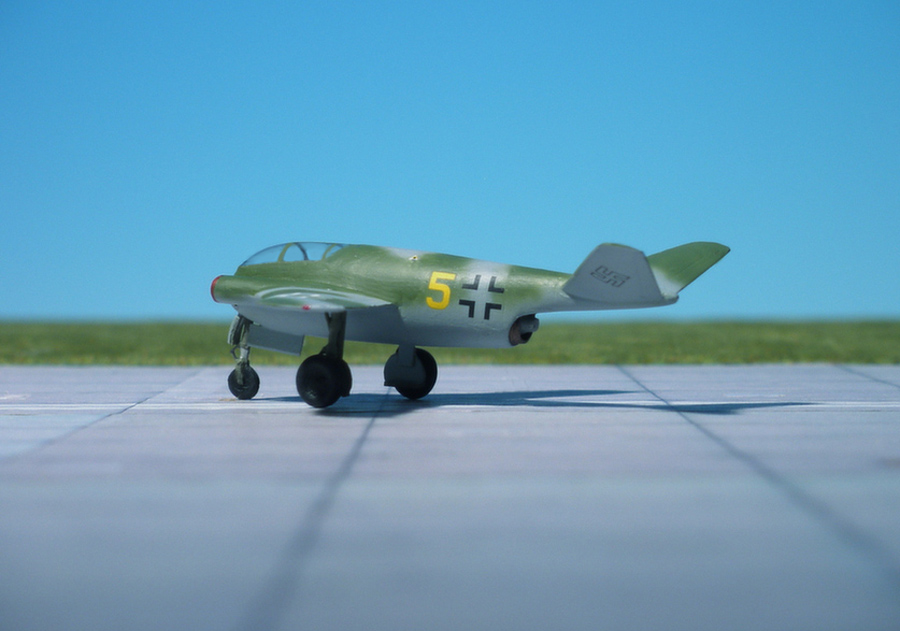
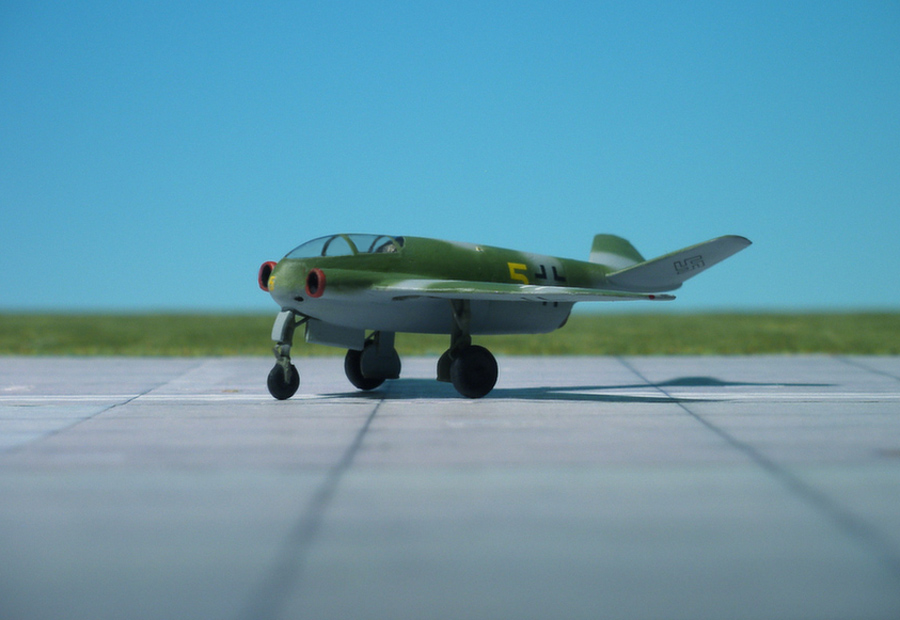
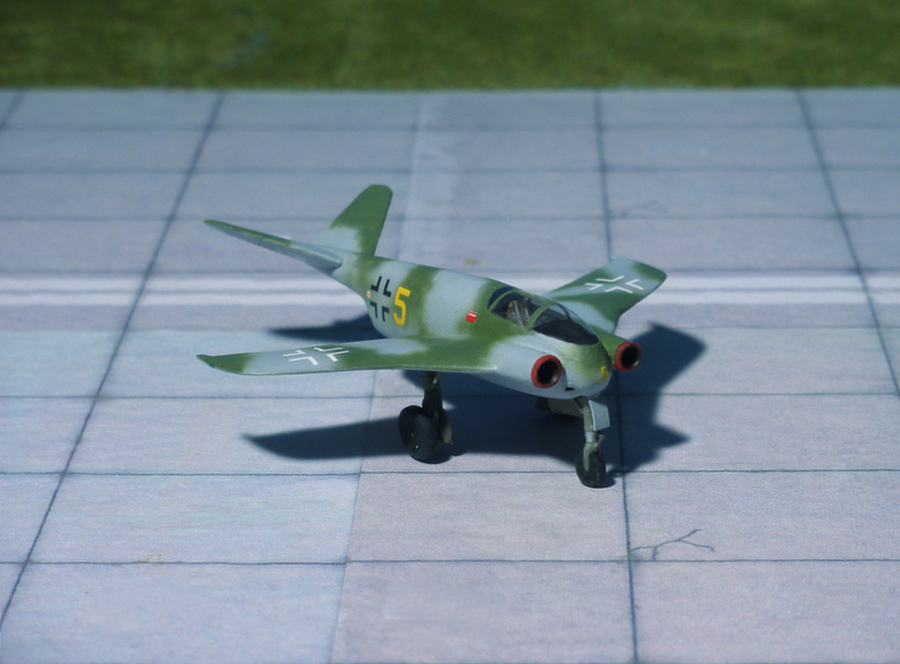
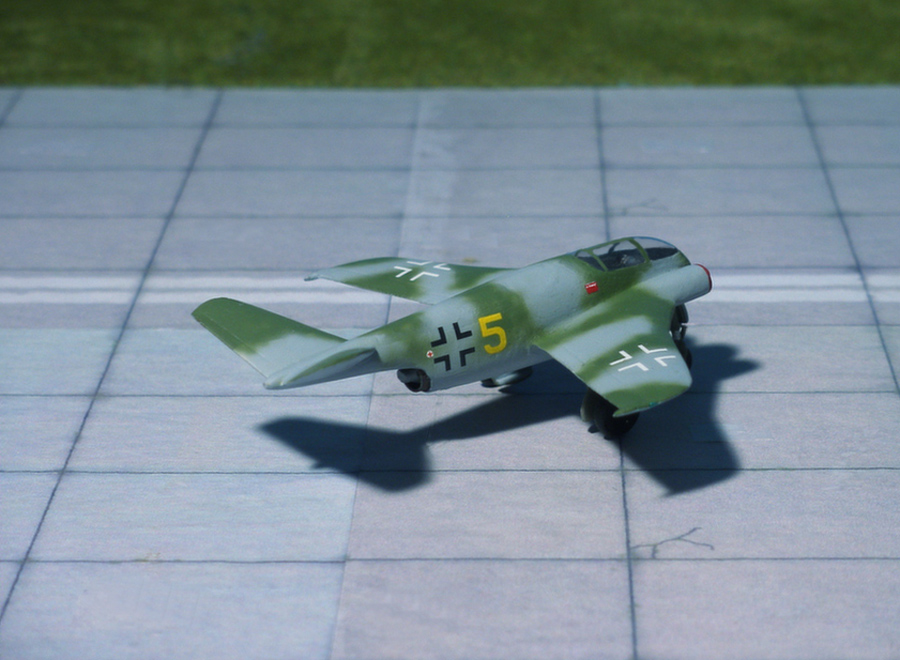
COMMENT: On July 15, 1944, the RLM submitted Proposal 226/II to Germany’s aircraft manufacturers. This “Emergency Fighter Competition” specified the following requirements for the second-generation of jet-powered fighters: powered by a single Heinkel-Hirth He S 011 turbojet, maximum speed of 621 mph at 22,966 feet, fuel capacity 30 minutes of sea level flying time, altitudes up to 45,931 ft, four MK 108 30mm cannon, and pressurized cockpit. Immediately Messerschmitt began to design the project Me P.1101 and nine days later the first blueprints were on the drawing board. The fuselage was short and wide, the cockpit was forward mounted, with the canopy integrated into the fuselage and forming part of the rounded nose of the aircraft. Two round air intakes on either side of the cockpit fed the single Heinkel-Hirth turbojet engine which was located in the lower rear fuselage. Mid-mounted wings had an inner sweep of 40 degree near the fuselage, and a shallower 26 degree outboard. The high tail was of a butterfly configuration, and was mounted on a tapered boom which extended over and past the jet exhaust. A tricycle landing gear was provided and the main armament of four cannon was located in the lower forward fuselage sides. Already on August 30, 1944, a new design was proposed, basically similar to the Me P.1101/13, but sleeker and a more pointed nose. The wing was “borrowed” from the Me 262 outer wing, was swept back at 40 degrees, and a V-tail was also to be fitted. As early as November 1944 the initial design phase of the final variant was started and simultaneously the construction of a prototype began resulting in the Messerschmitt Me P.1101 V1 (Ref.: 16).

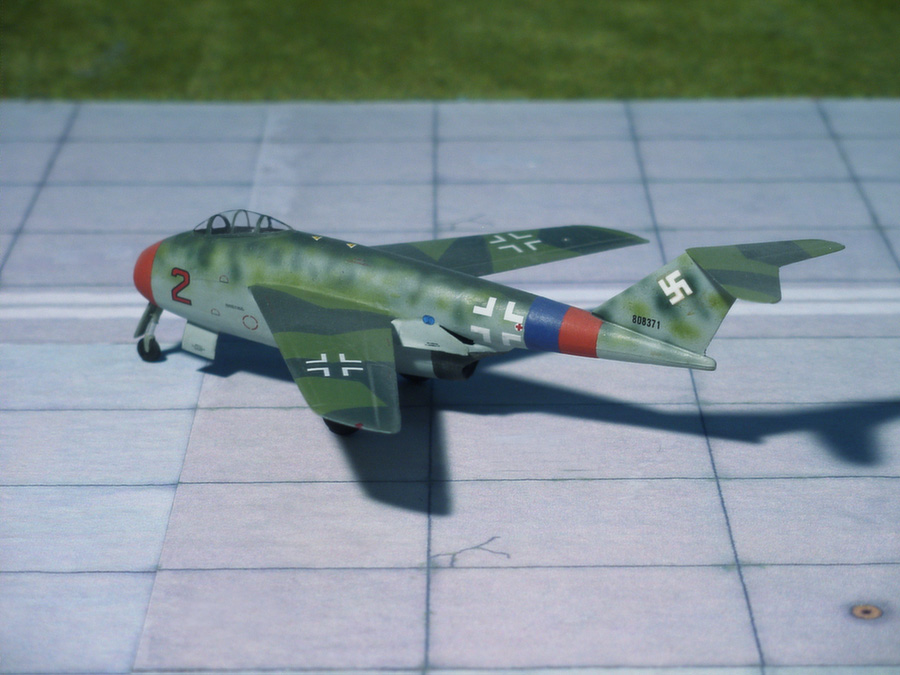
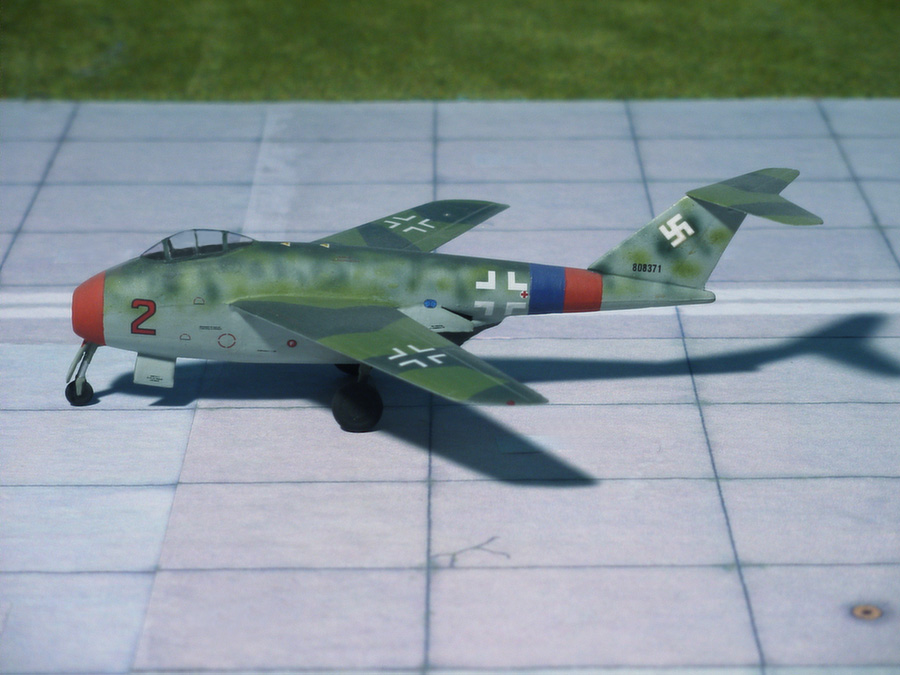
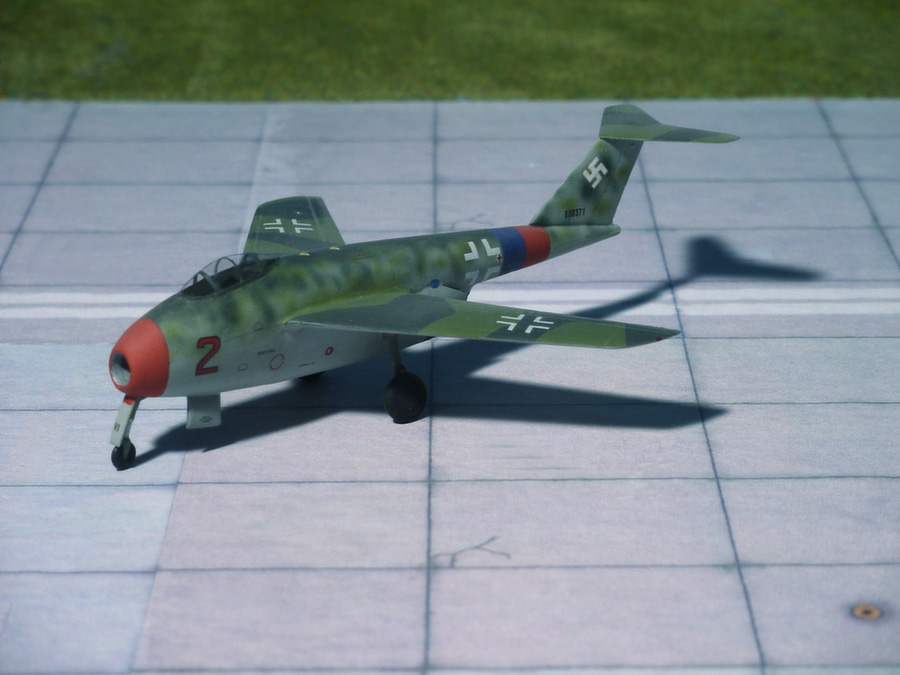
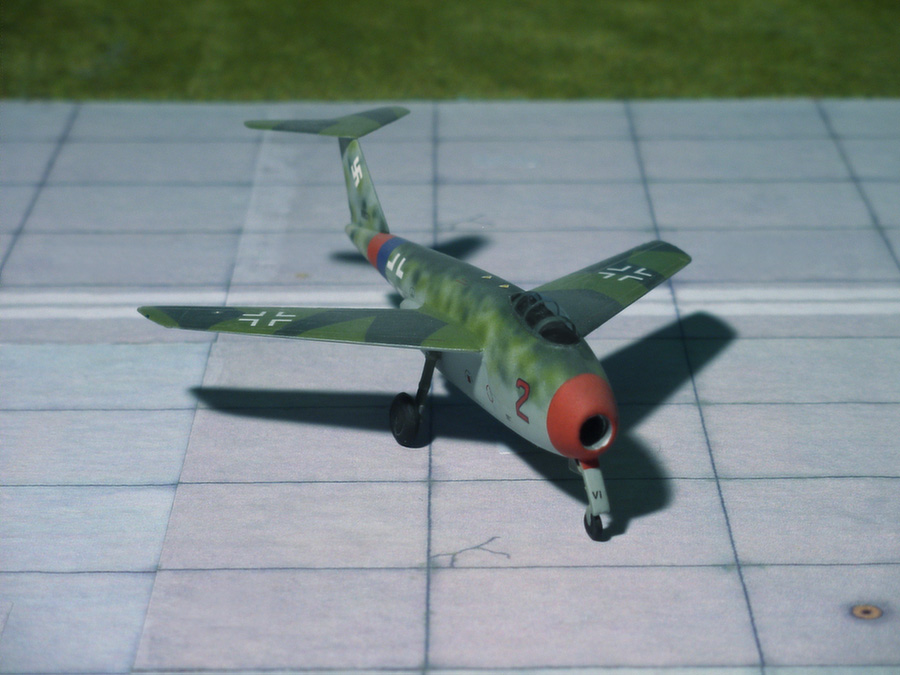
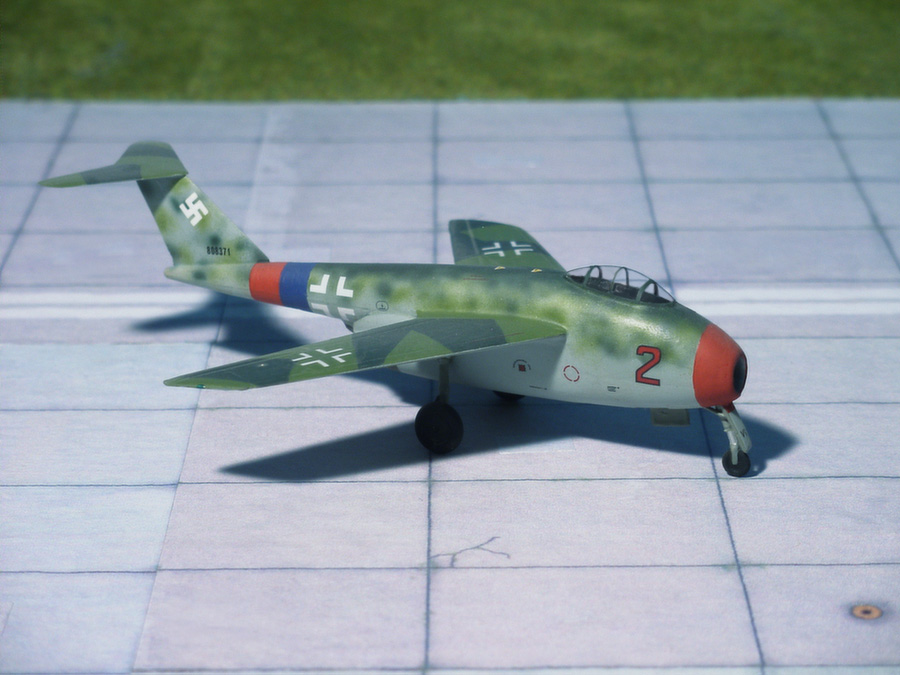
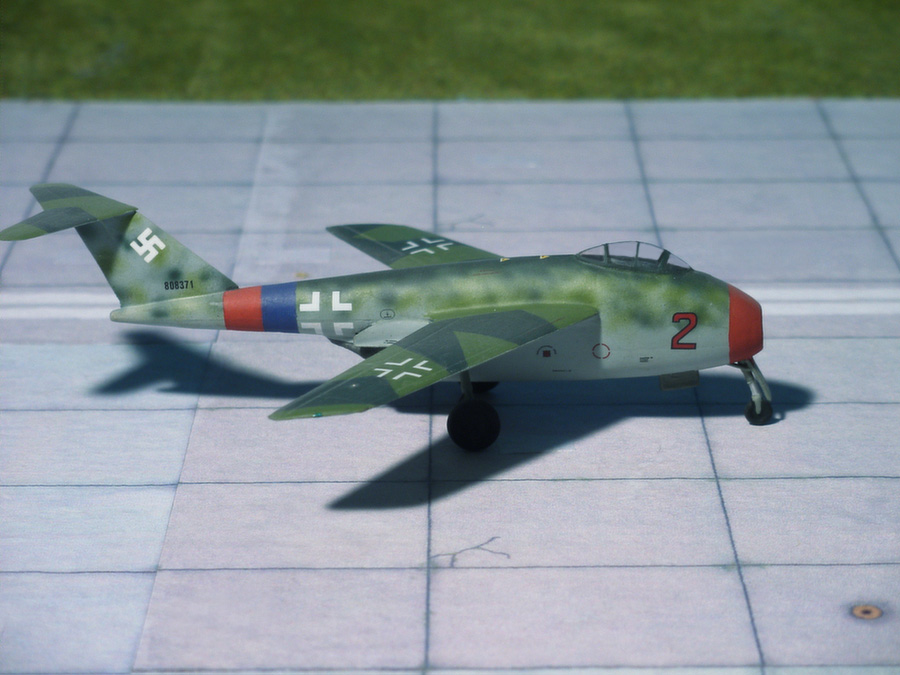
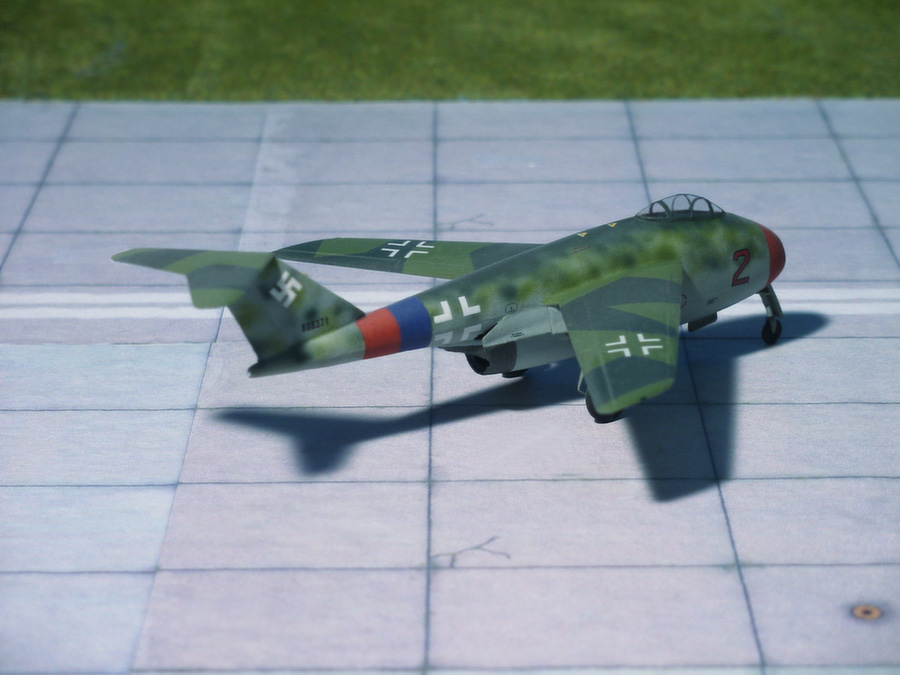
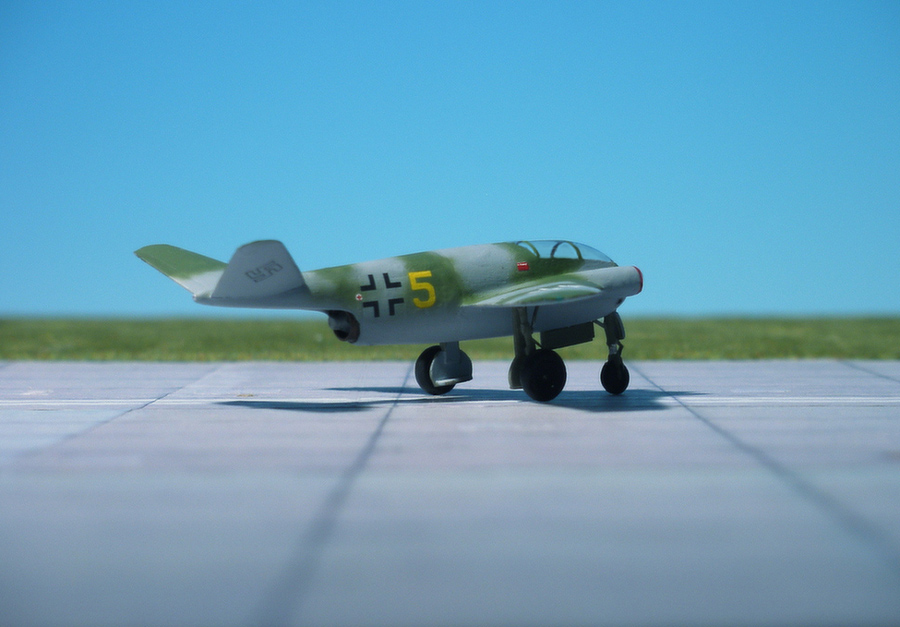
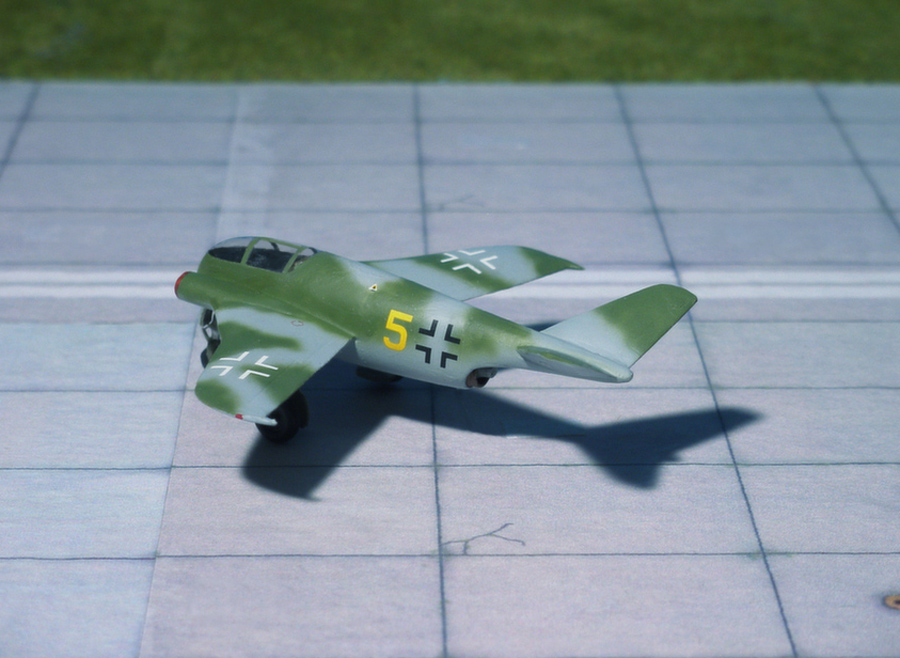
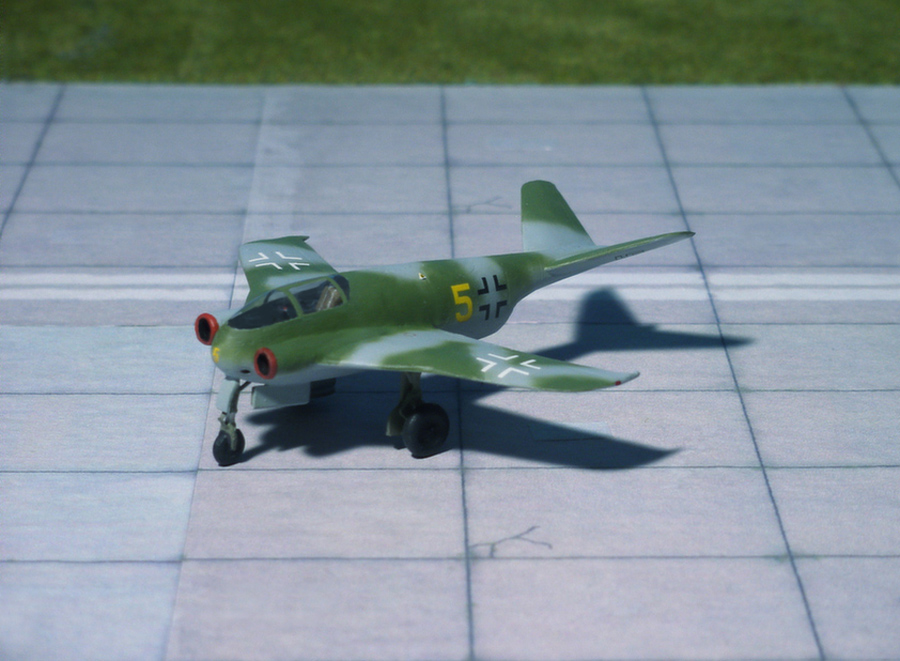
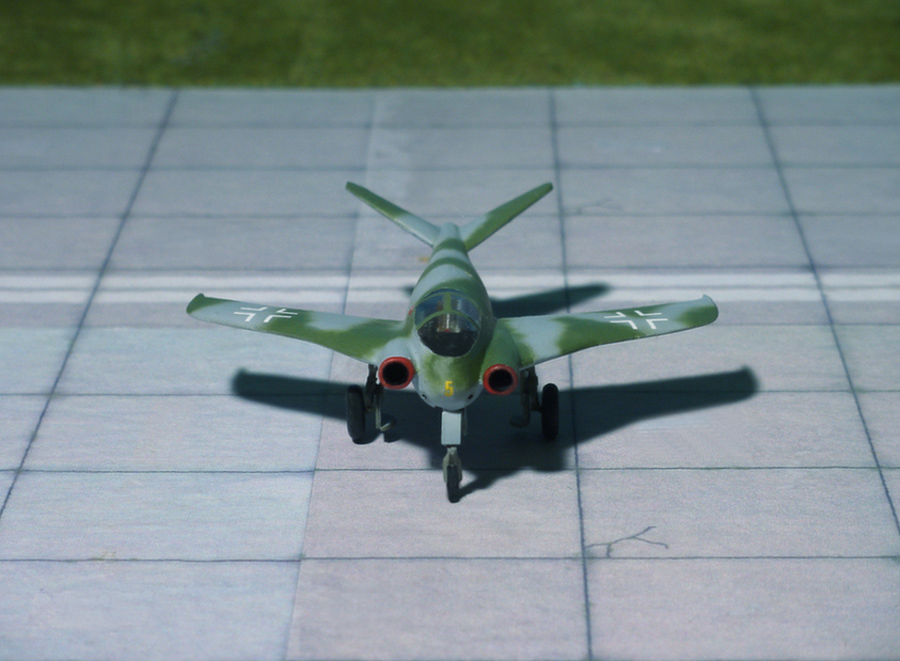
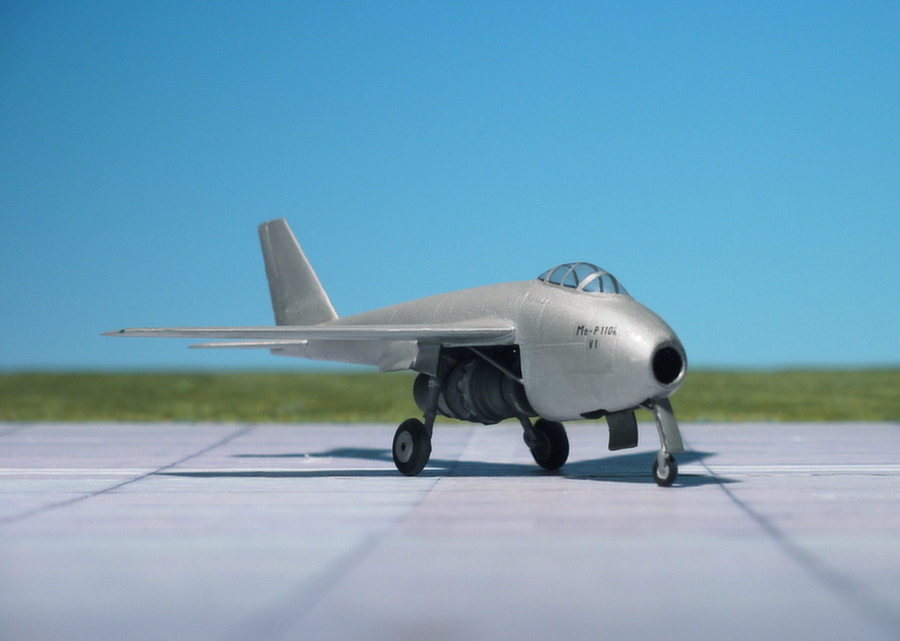
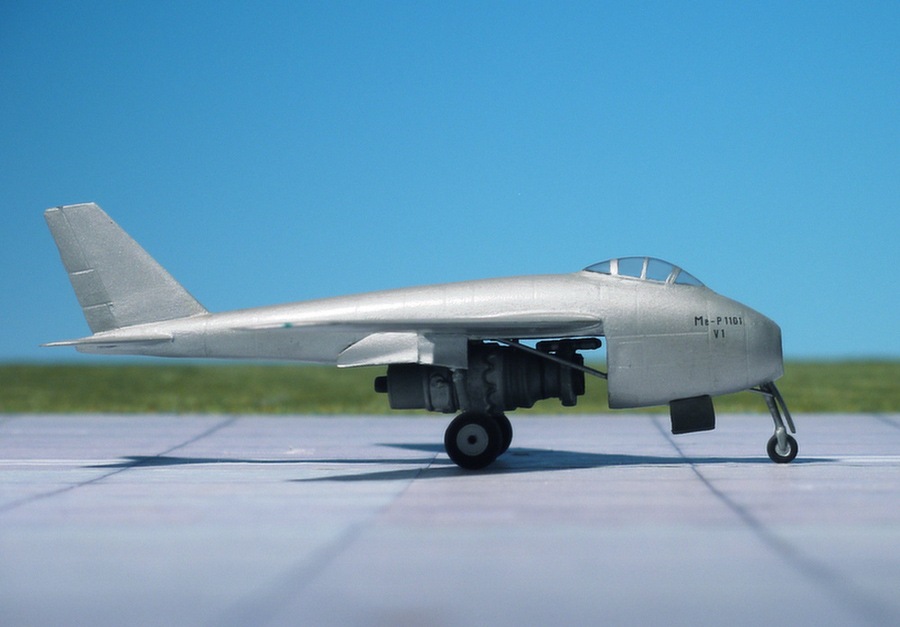
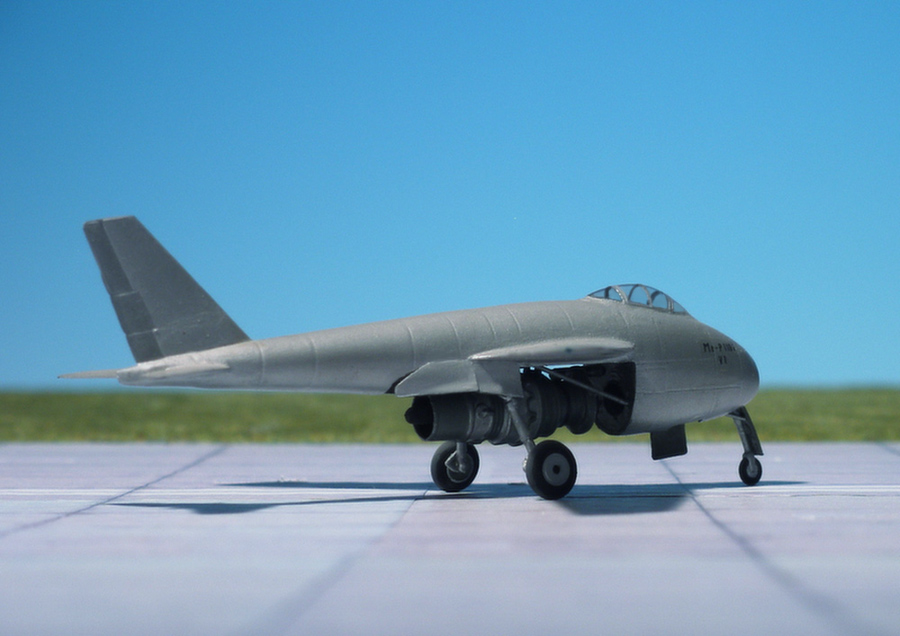
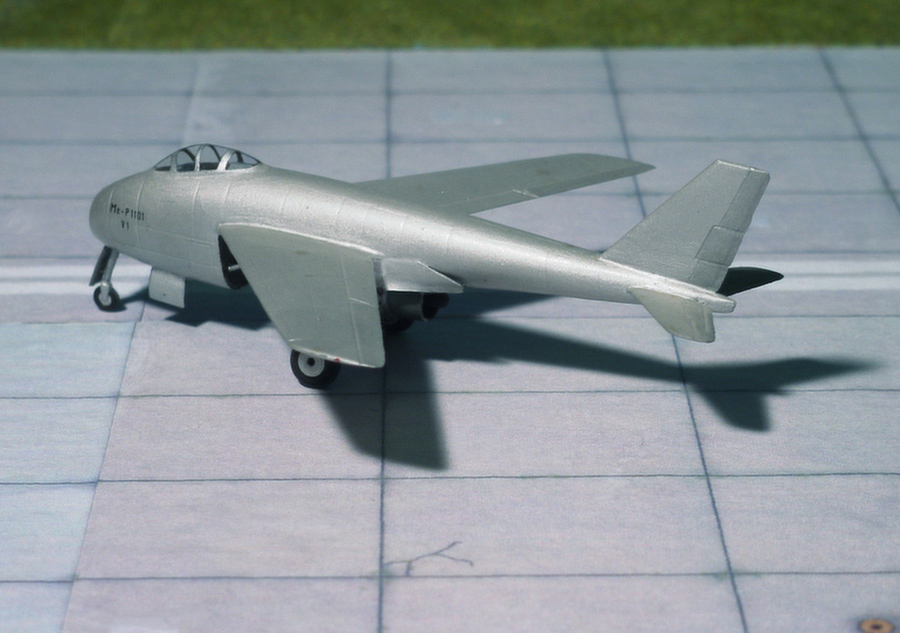
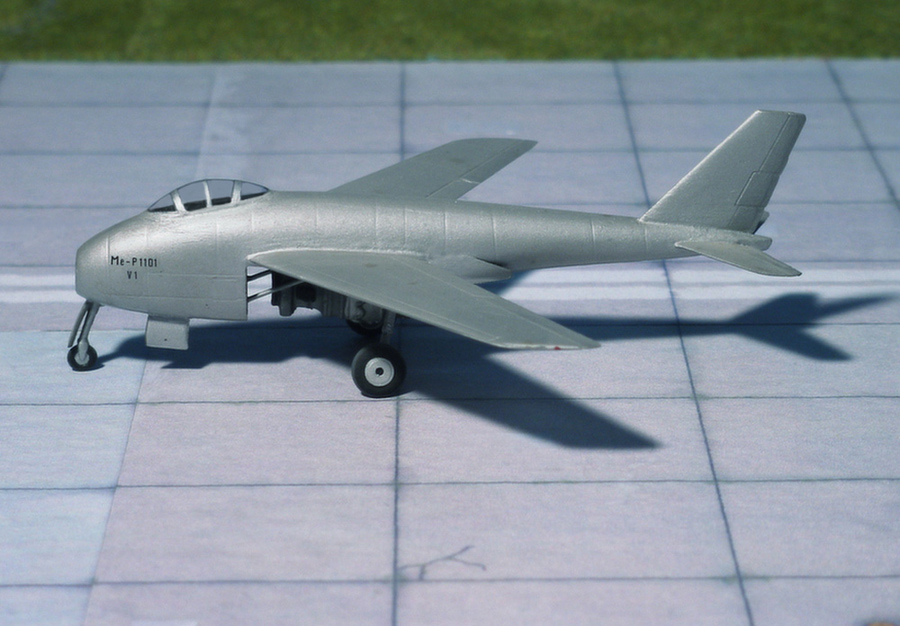
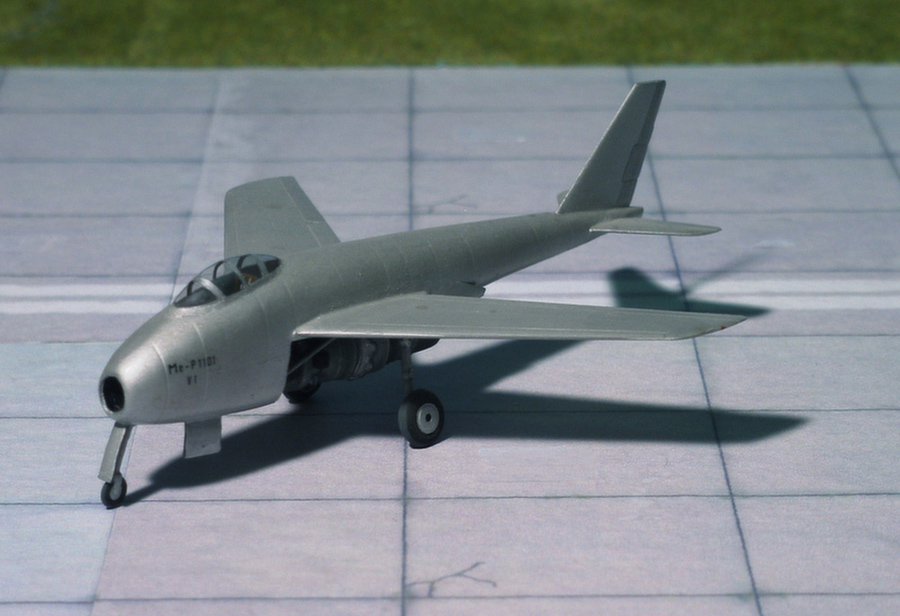
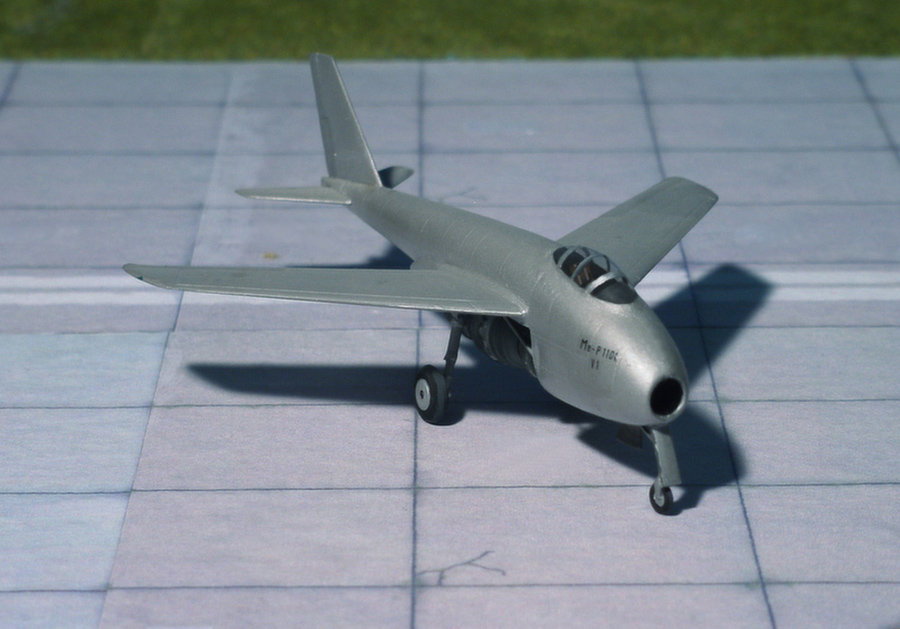
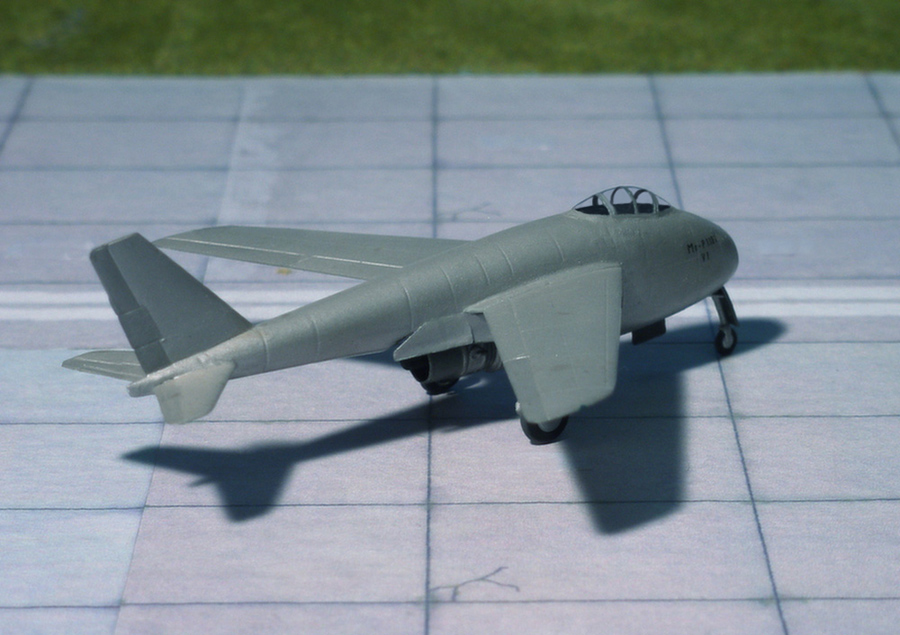
Messerschmitt Me P.1101 V1 (Huma)

TYPE: Fighter

ACCOMMODATION: Pilot only

POWER PLANT: One Heinkel-Hirth HeS 011A turbojet engine, rated at 1,300 kp

PERFORMANCE: 612 mph at 22,970 ft

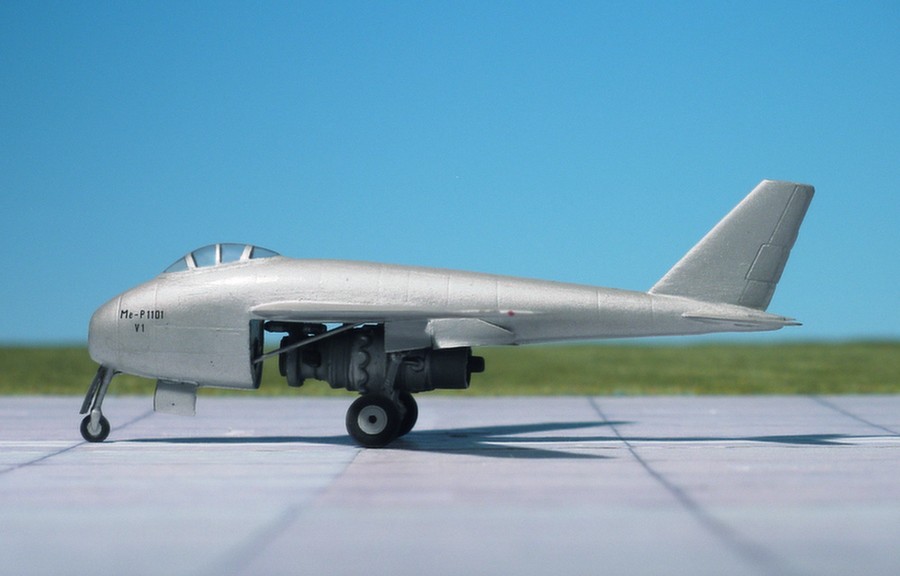
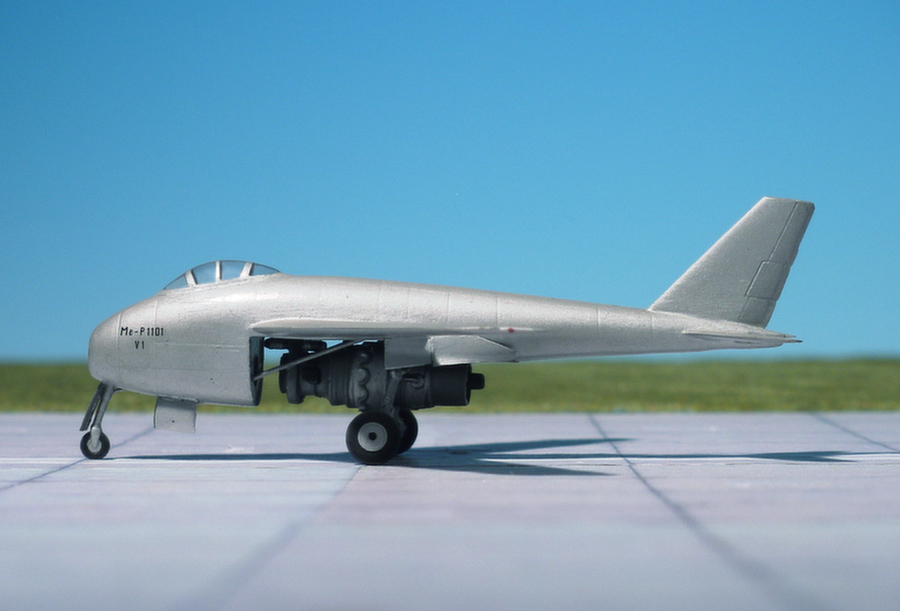
COMMENT: In July 1944 the RLM released specification for second generation of jet fighters in context with the Emergency Fighter Program (Jäger-Notprogramm). Subsequently the Messerschmitt Company proposed a project designated Me P.1101. The initial design (Me P.1101/XIII)  had a short and wide fuselage, tricycle landing gear, and mid-mounted wings with an inner sweep of 40 degree near the fuselage, and a shallower 26 degree outboard. The single HeS 011 jet engine was to be mounted internally within the fuselage, being aspirated by two rounded intakes located on either side of the cockpit. The high tail was of a V configuration, and mounted on a tapered boom which extended over and past the jet exhaust, while the cockpit was forward mounted, with the canopy integrated into the fuselage and forming part of the rounded nose of the aircraft. This design was further developed, including a longer nose, and after the wind tunnel testing of a number of wing and fuselage profiles, the decision was made to undertake the construction of a full-scale test aircraft. This finalized design and associated test data were submitted to the Construction Bureau on 10 November 1944 and the selection of production materials was begun on 4 December 1944. In February 1945, the RLM settled on a competing design, the Focke-Wulf Ta 183, as the winner of the Emergency Fighter Program. Since considerable work had already been done on the P.1101 design, the RLM decided to continue reduced funding in order for Messerschmitt to carry out experimental flights testing the swept back wing at anticipated speeds up to Mach 1. The worsening war situation led to the expedited, but risky, approach of building a full-scale prototype in parallel with detail construction and continuing statistical calculation, while existing components such as the wings of the Messerschmitt Me 262, landing gear, based on that of the Messerschmitt Bf 109, and flight components were utilized where feasible. It was also intended for the test flights to be conducted with 35, 40, and 45 degree wing sweep. Production of the V1 prototype was begun at Messerschmitt’s Bavarian Oberammergau Complex with a projected first flight in June 1945. By the time an American infantry unit discovered the Oberammergau complex on 29 April 1945, the V1 prototype was approximately 80% complete. Wings were not yet attached and appear to have never had skinning applied to their undersides. The airframe was removed from the nearby tunnel in which it was hidden and all associated documents were seized. Later the prototype was shipped to the United States, first to Wright Patterson AFB, then in 1948 to the Bell Aircraft Works. Damage ruled out any possibility for repair although some of the Me P.1101’s design features were subsequently used by Bell as the basis for the Bell X-5, which was the first aircraft capable of varying its wing geometry while in flight (Ref.: 23).
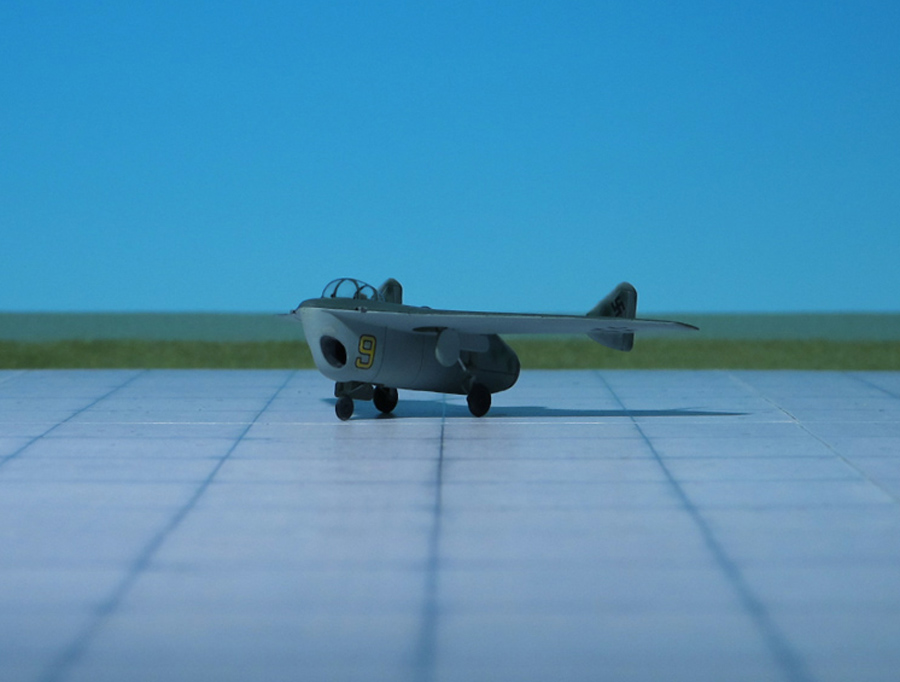
Messerschmitt Me P. 1101/99 (Unicraft)

TYPE: Fighter, ground-attack fighter, destroyer. Project

ACCOMMODFATION: Pilot and observer

POWER PLANT: Four Heinkel-Hirth HeS 011 turbo-engines, rated at 1,300 kp each

PERFORMANCE: 567 mph

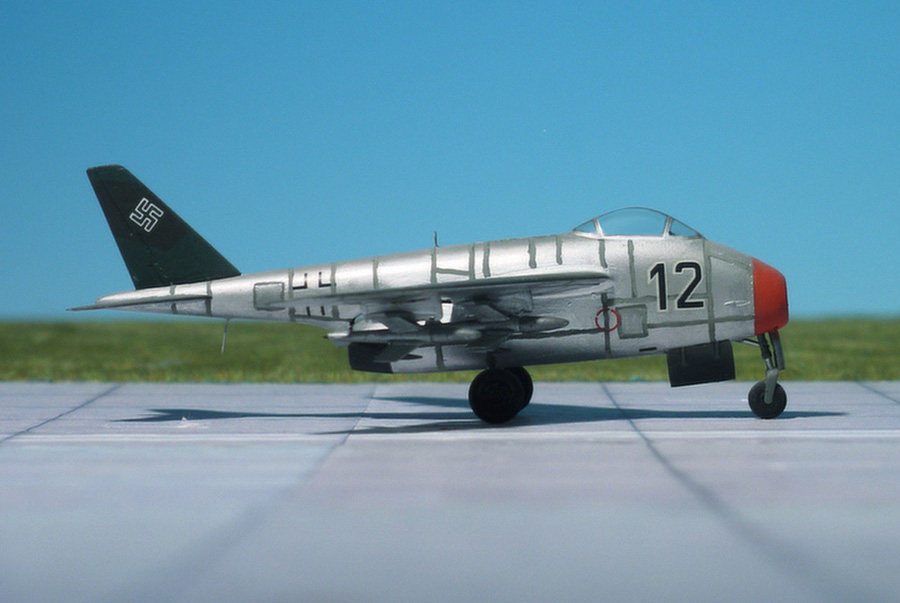
COMMENT: The design of another Messerschmitt P.1101 project series, the P.1101/99, dates back to mid 1944. The wings were swept back at 45 degrees, with four Heinkel-Hirth He S 011 turbojets, were buried in the thickened wing roots. Each pair of turbojets was fed by an air intake in the leading edge of the wing. The main landing gear retracted inwards into the fuselage, and the front gear retracted backwards beneath the cockpit. A two man crew sat staggered side-by-side in the cockpit, which was located in the extreme nose of the aircraft. Armament consisted of one 75 mm PaK 40 cannon (PanzerabwehrKanone, anti-tank gun) in the nose and five MK 112 55mm machine cannon, one in the right wing root, four in the center fuselage firing obliquely upwards (Schräge Musik, Oblique or Jazz Music). It was expected that the prototype would be in the air by 1948.  Because of the worsening war situation in Germany, the design did not progress past the drawing board (Ref.: 16).
Blohm & Voss Bv P.205 (RS Models, Resin)

TYPE: High altitude interceptor

ACCOMMODATION: Pilot only, in pressurized cockpit

POWER PLANT: One Daimler-Benz DB603V inverted V-12 liquid-cooled piston engine with Hirth TJ KL 15 turbo-charger, rated at 1,609 hp at 32,808 ft

PERFORMANCE:  435 mph at 52,493 ft

COMMENT: : Immediately after transfer of the Messerschmitt Me 155-project from Messerschmitt to Blohm & Voss the layout and the arrangement of the radiator was a topic of intensive discussion between both companies. Dr. Vogt from Blohm & Voss Company suggested a solution to delete the unpopular complex underwing radiators. As a result the Bv P.205, as the designation was officially given to that design, the aircraft was quite different in appearance to the Blohm & Voss Bv 155 V1. The clumsy wing-mounted radiators were eliminated, and the main landing gear leg attachment points were moved inboard to retract inwards. The cooling was provided by an annular frontal radiator as in the Focke-Wulf Ta 152. Large circular intakes were attached to the fuselage sides above the wing roots. The engine cowling and turbocharger were unchanged. With the wings now free of clutter, they were considerably simpler and were reduced in span. This also had the side effect of reducing the track, which would later prove to be a welcome change. The new design would be simpler, lighter and faster, and plans were made to make it the standard version of the aircraft. The project never left the drawing board, but further development led to the Blohm & Voss Bv 155C “Spezial Höhenjäger” (Special high altitude fighter) where all radiators were located underneath the engine, allowing an aerodynamically clean airfoil. A mock-up was under construction when the war ended (Ref.: 17, 24).