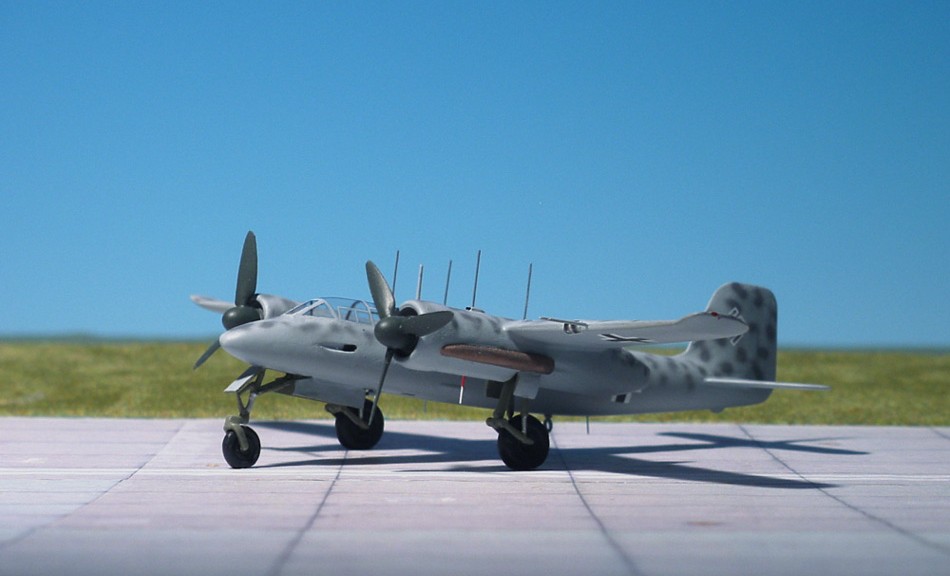
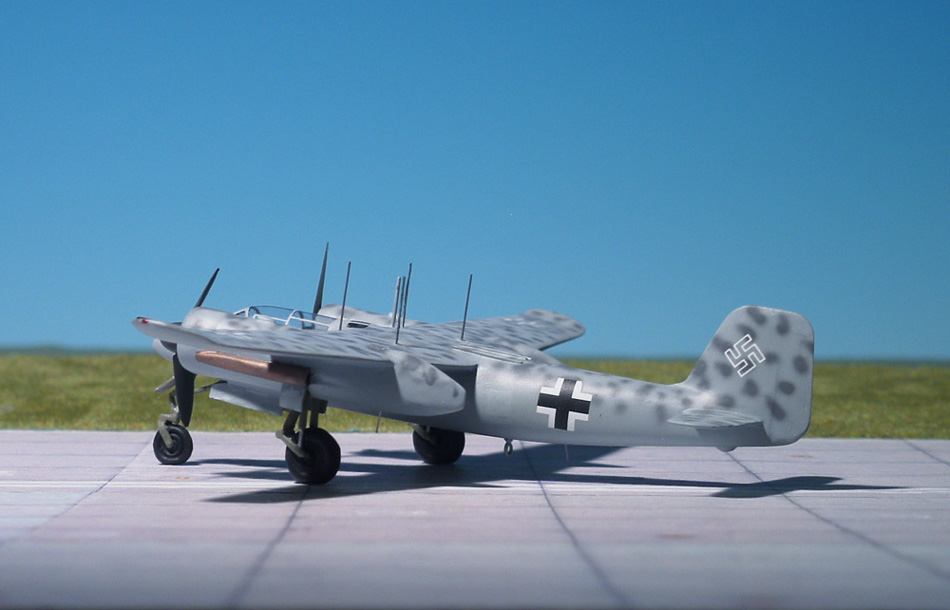
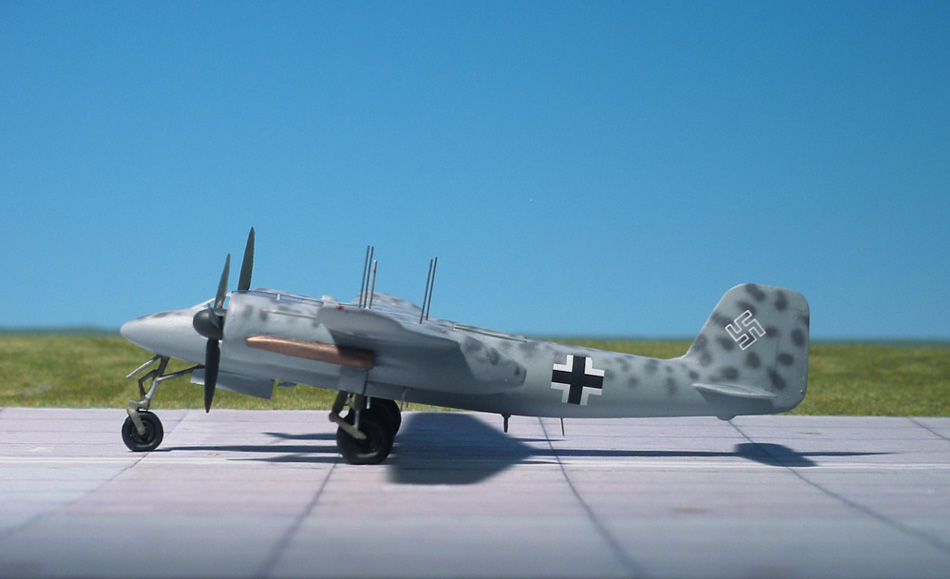
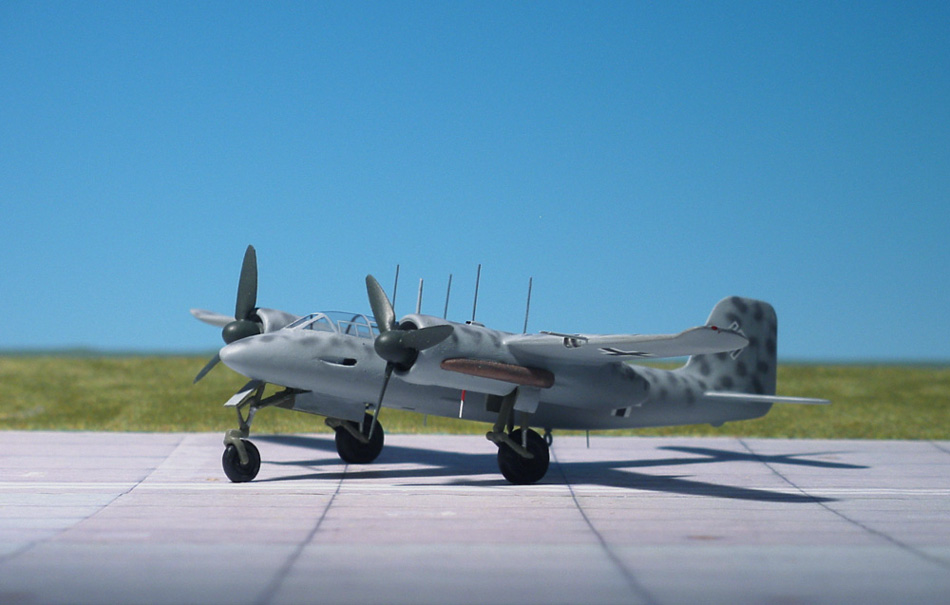
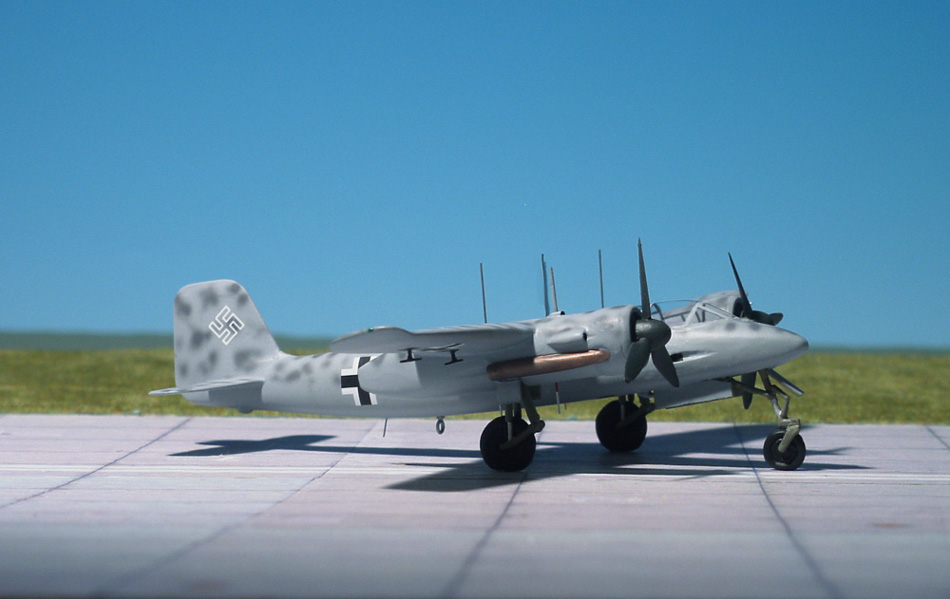
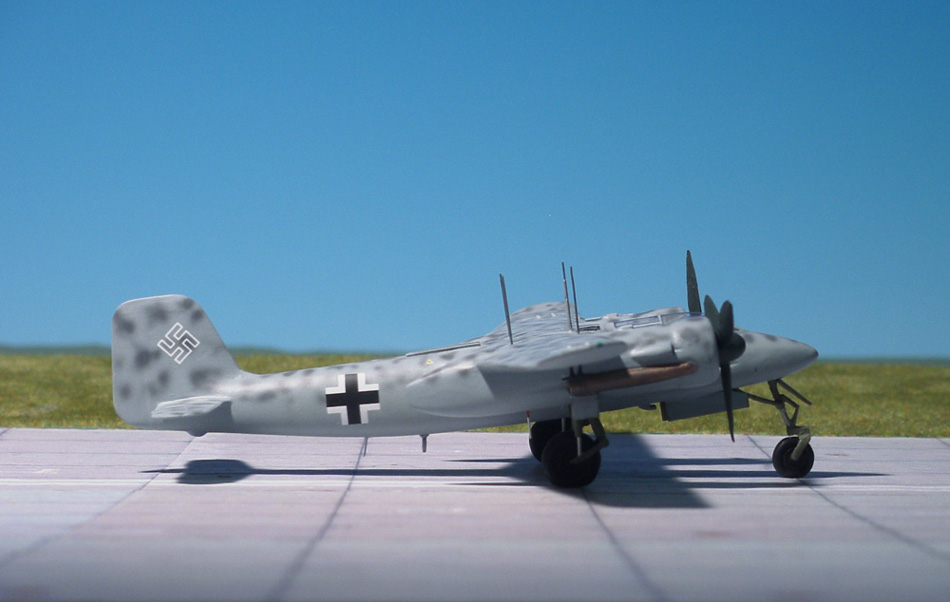
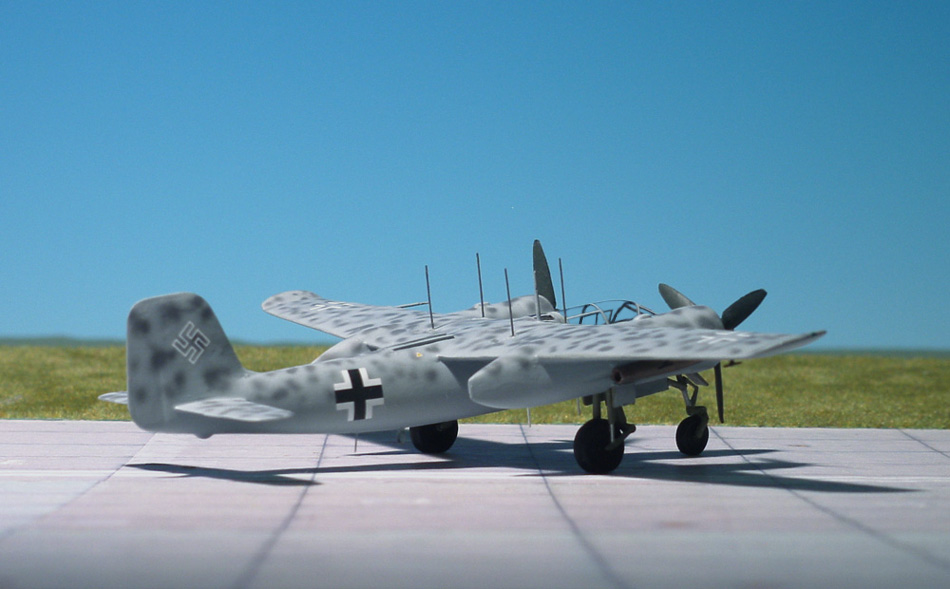
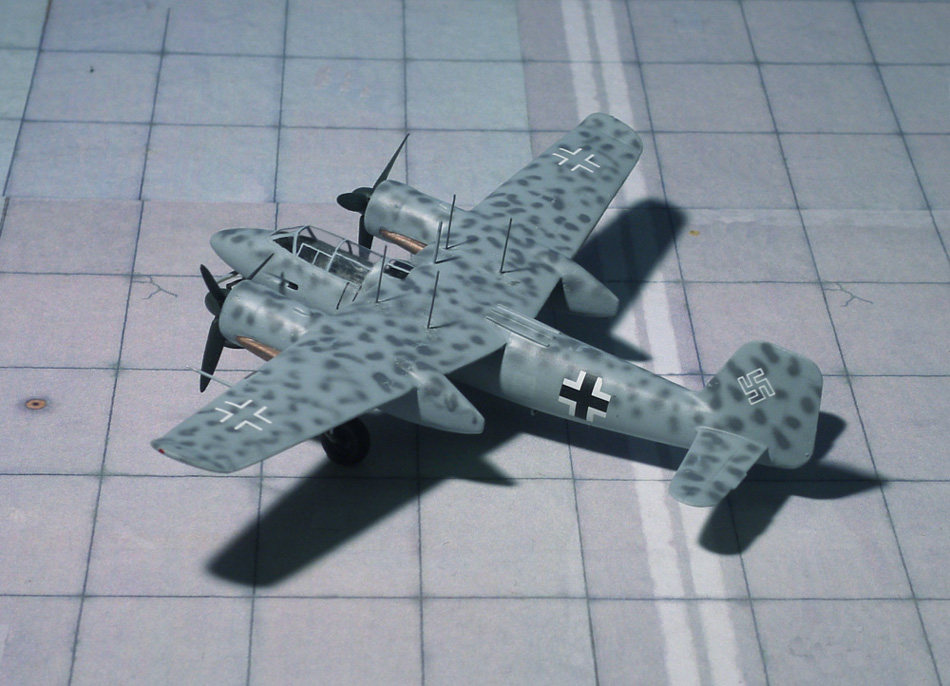
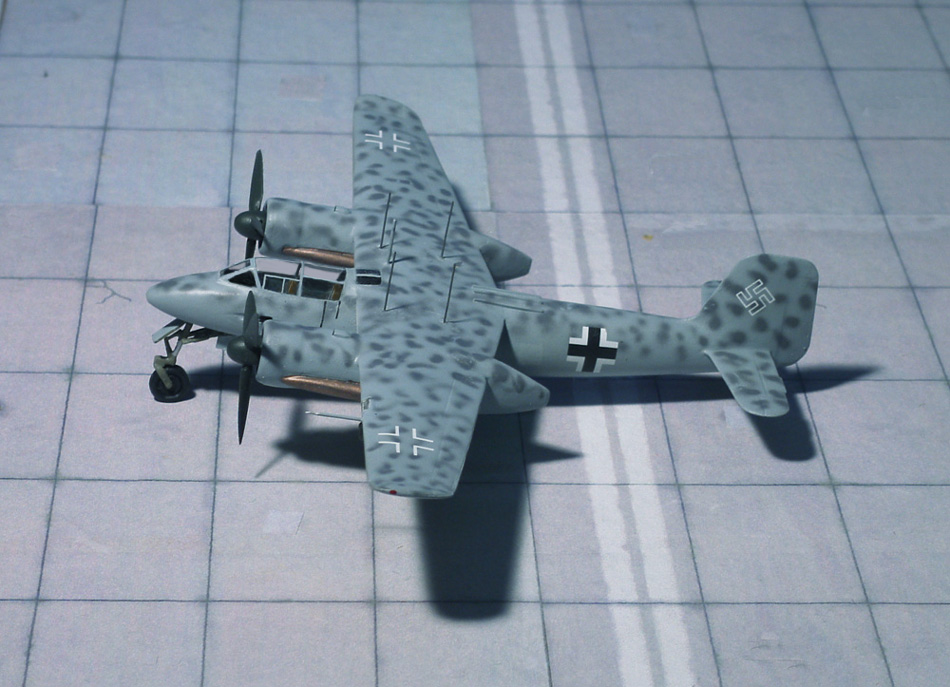
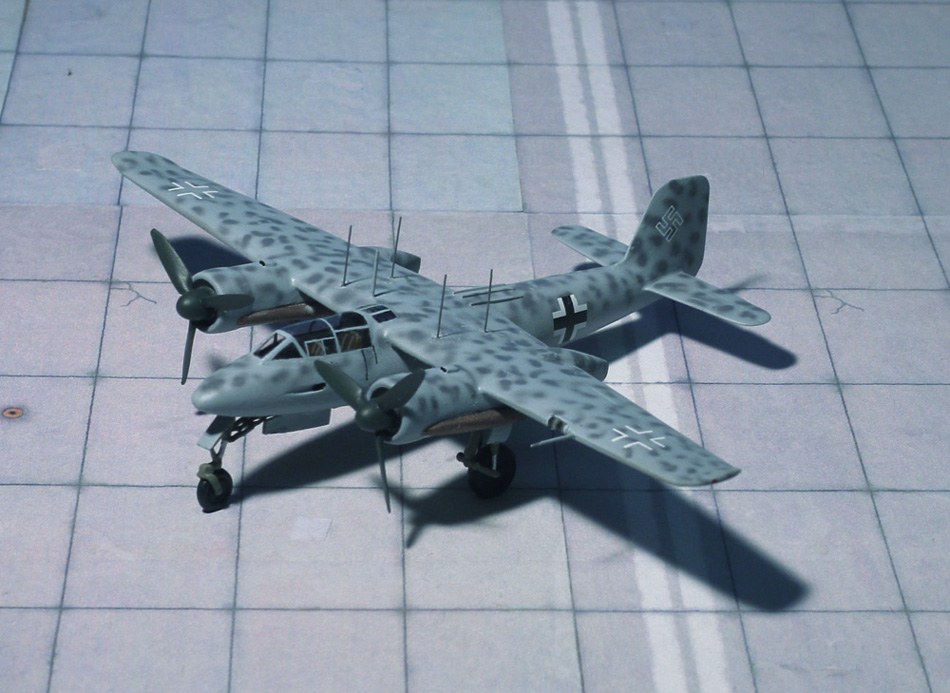
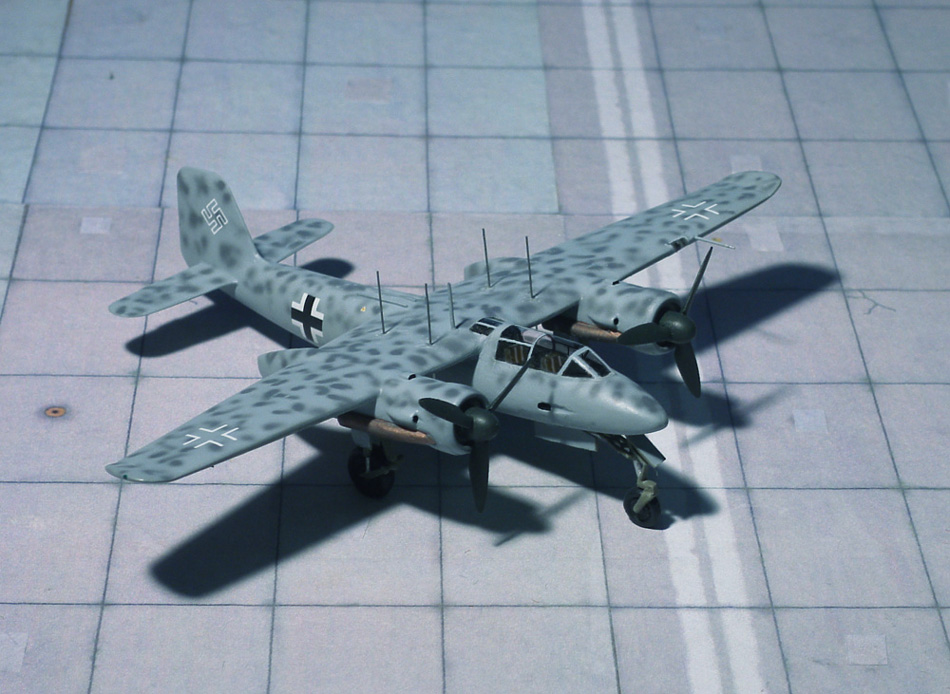
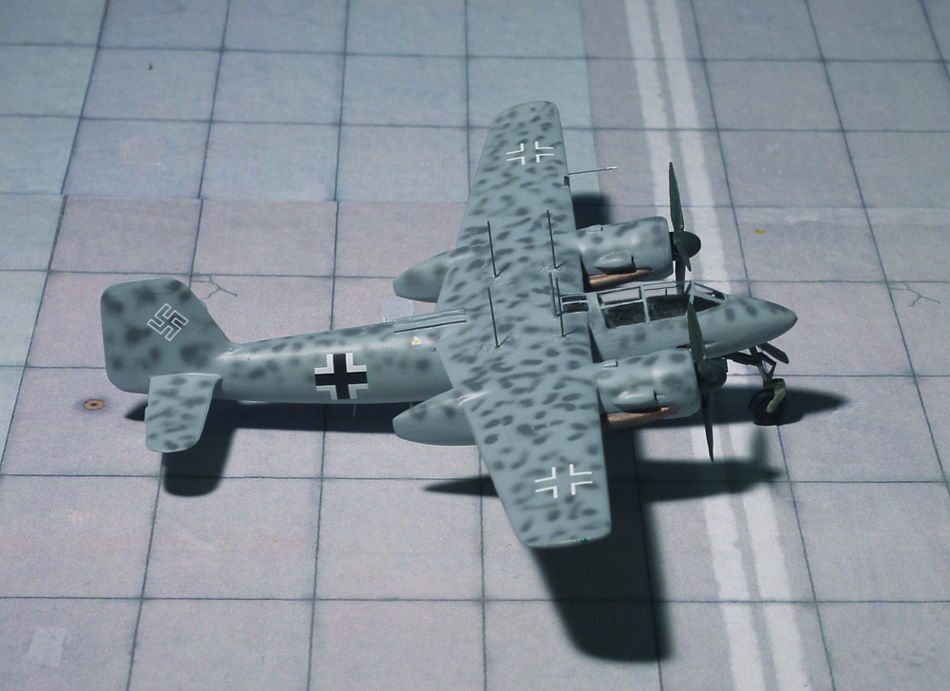
TYPE: Fast attack bomber, Night and Bad-weather Fighter. Project.
ACCOMMODATION: Pilot and Radar-observer
POWER PLANT: Junkers Jumo 211R, rated at 1,322 h.p. each
PERFORMANCE: 400 m.p.h. (estimated)
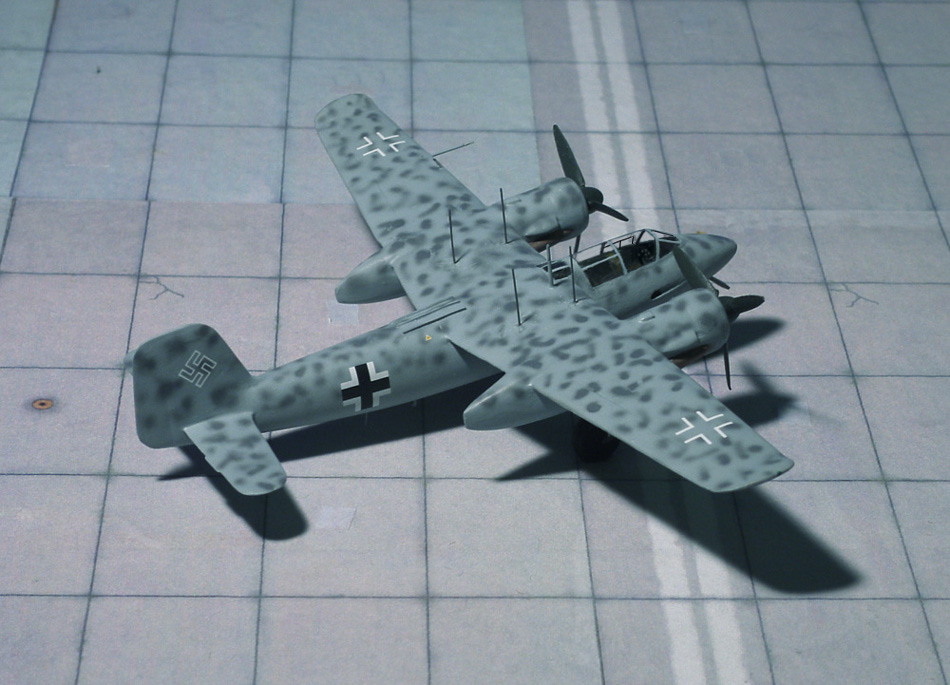
COMMENT: The Focke-Wulf Ta 211, designed by Prof. K. Tank and his team and what was named after the Jumo 211R engine to be used, was the first design what later became the Focke-Wulf Ta 154. The idea was to design a plane that was comparable or even better than the de Havilland “Mosquito”. In the form shown here, equipped with FuG 217 Neptune radar, it never flew (Ref.: 19).
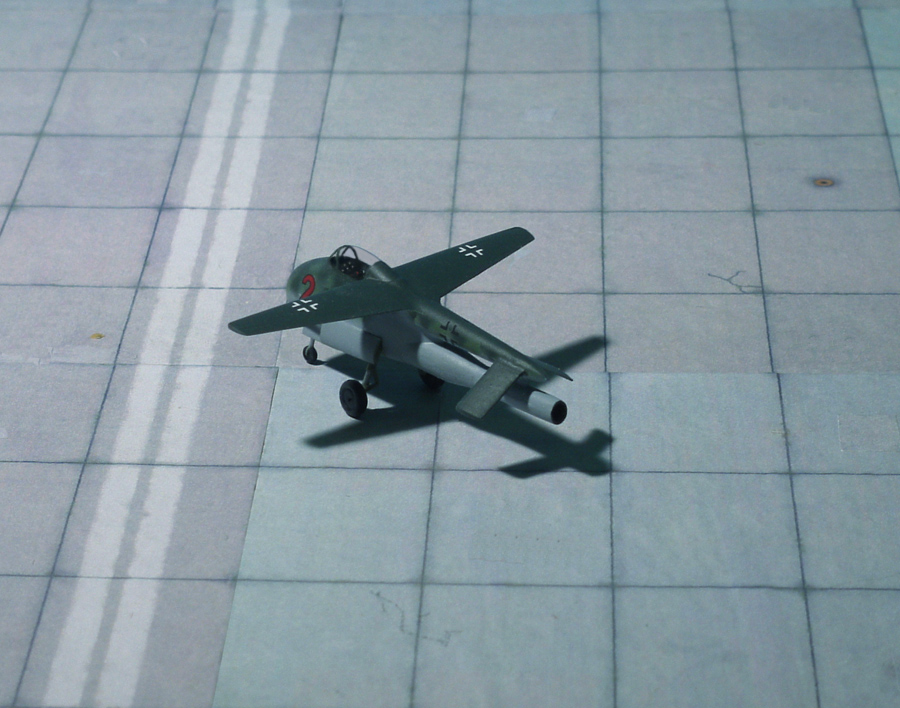
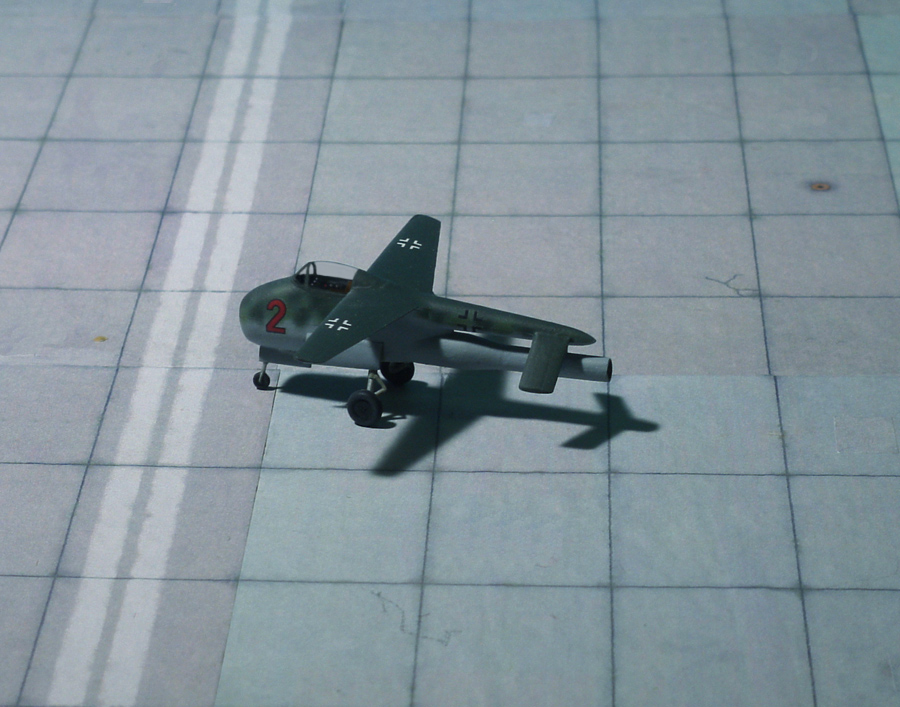
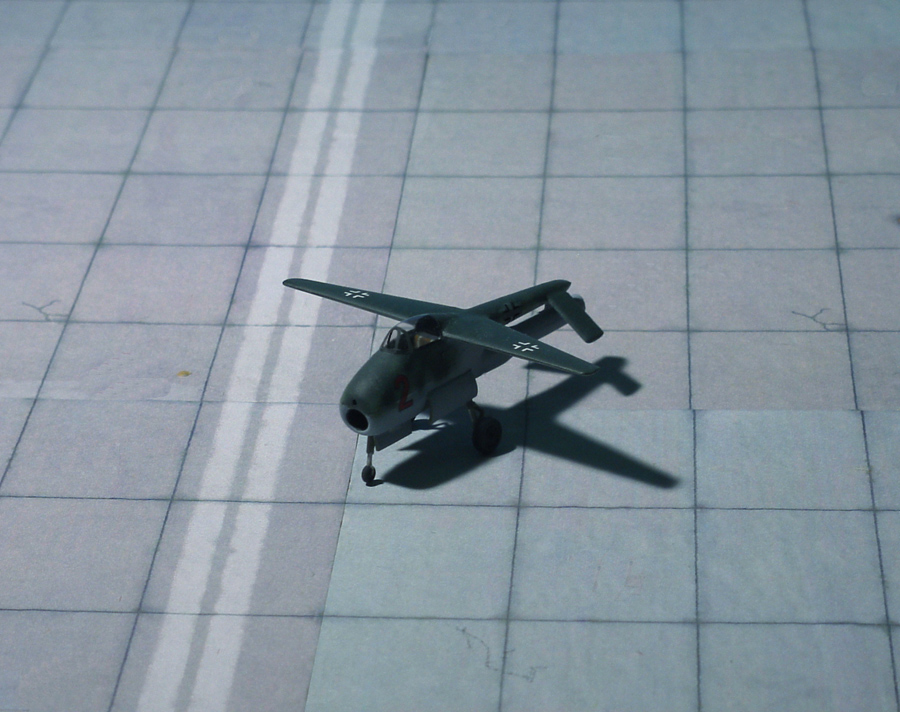
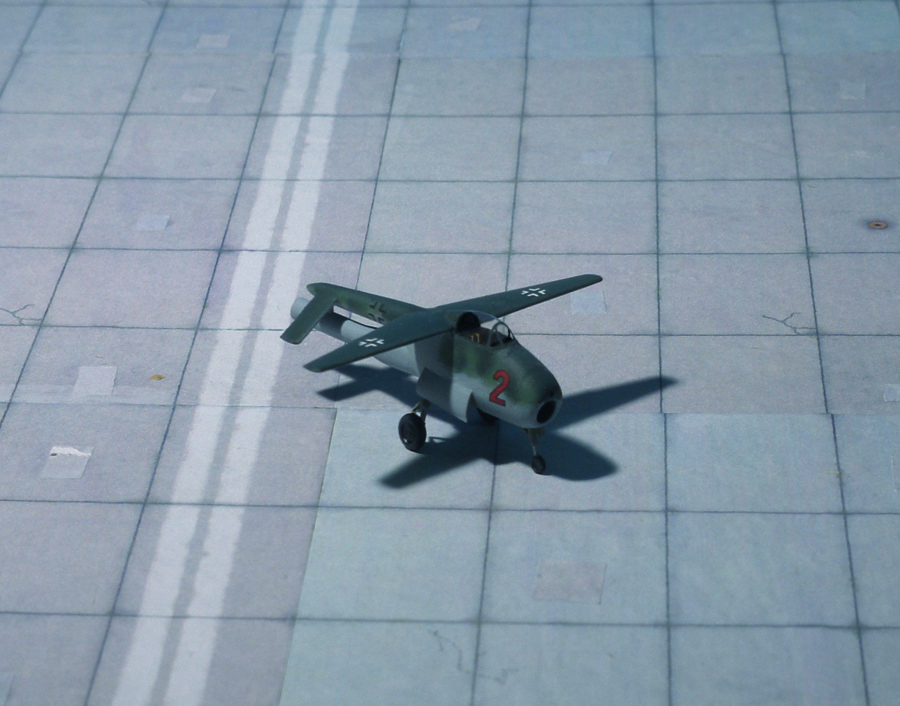
POWER PLANT: Argus As 014 pulsejet, rated at 333 kp
PERFORMANCE: 388 m.p.h. at 19,700 ft
COMMENT: Blohm & Voss design for the “Miniaturjäger” (Miniature fighter) competition from November 1944. It called for a cheap and easy to built interceptor, powered by an Argus pulsejet. Two more companies, Heinkel and Junkers submitted their designs, Heinkel He162B Single Argus and Junkers EF 126. No orders were given, the program was cancelled in December 1944
POWER PLANT: Heinkel HeS 011 turbojet, rated at 1,500 kp
PERFORMANCE: 642 mph., endurance 4 h with wing drop tanks (estimated)
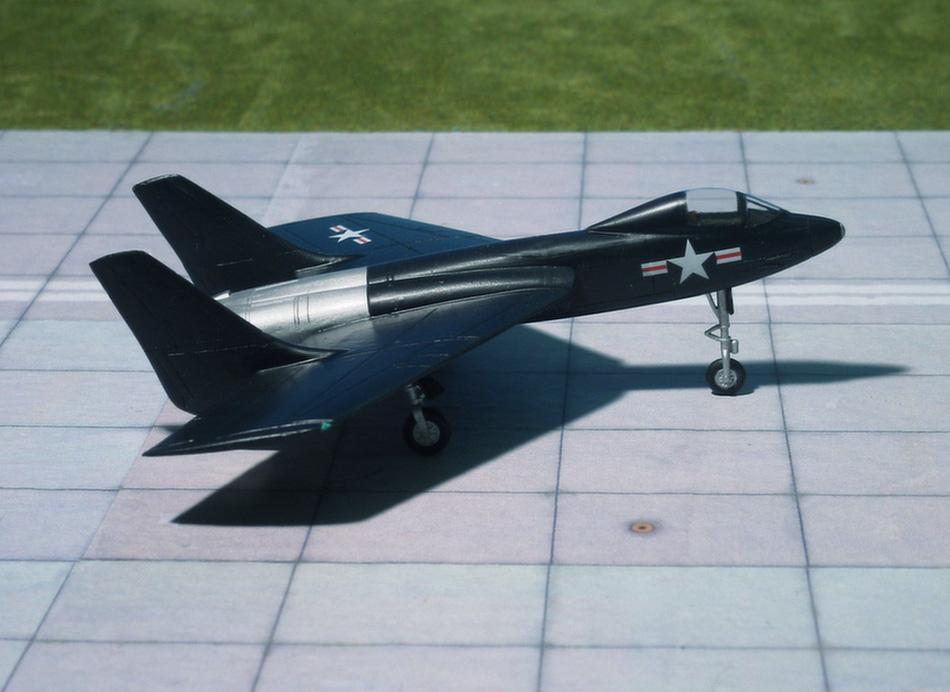
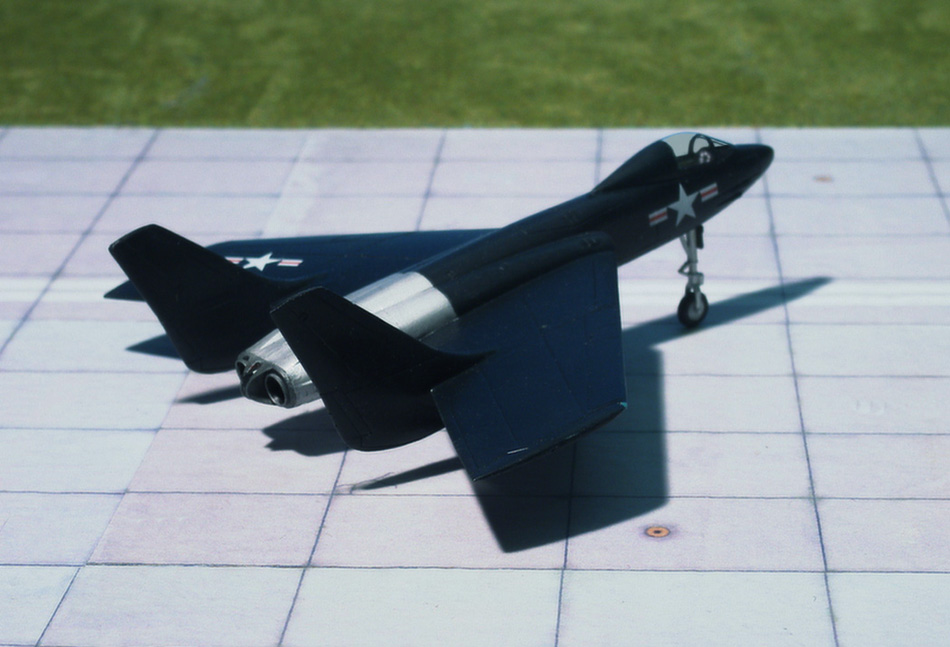
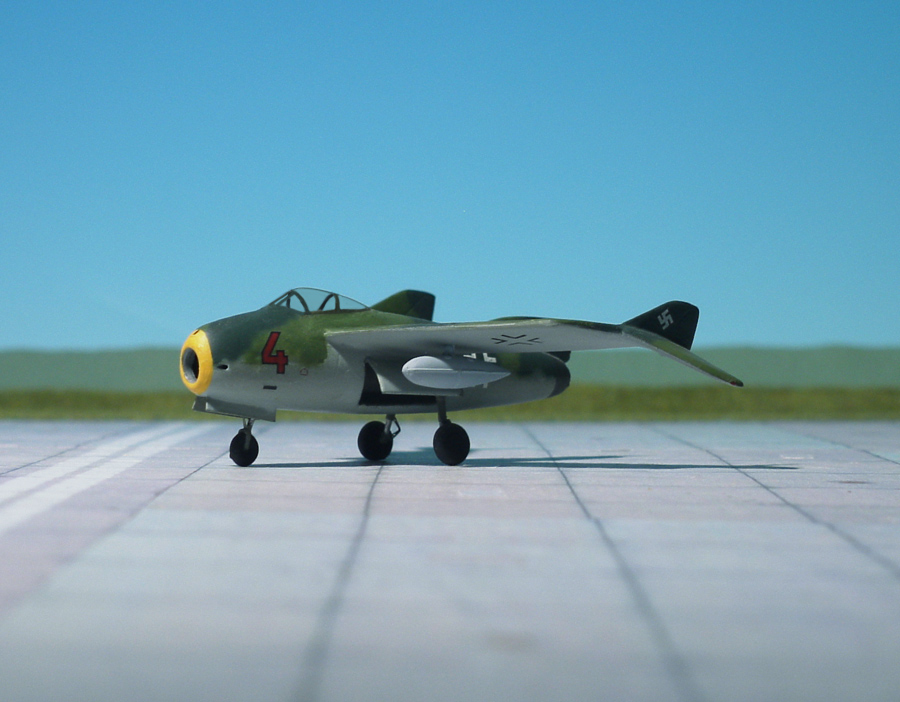
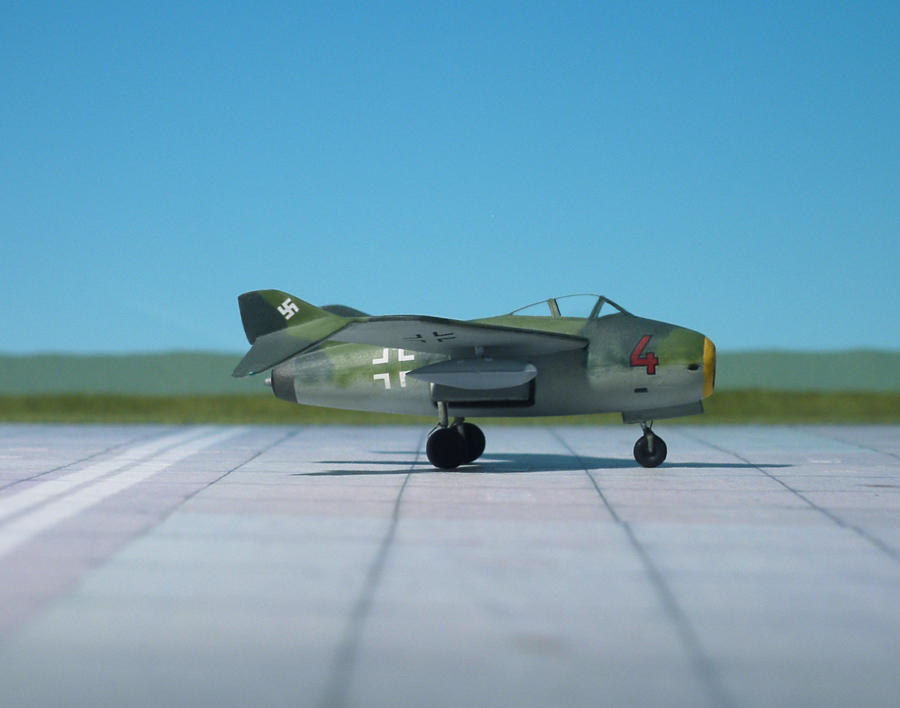
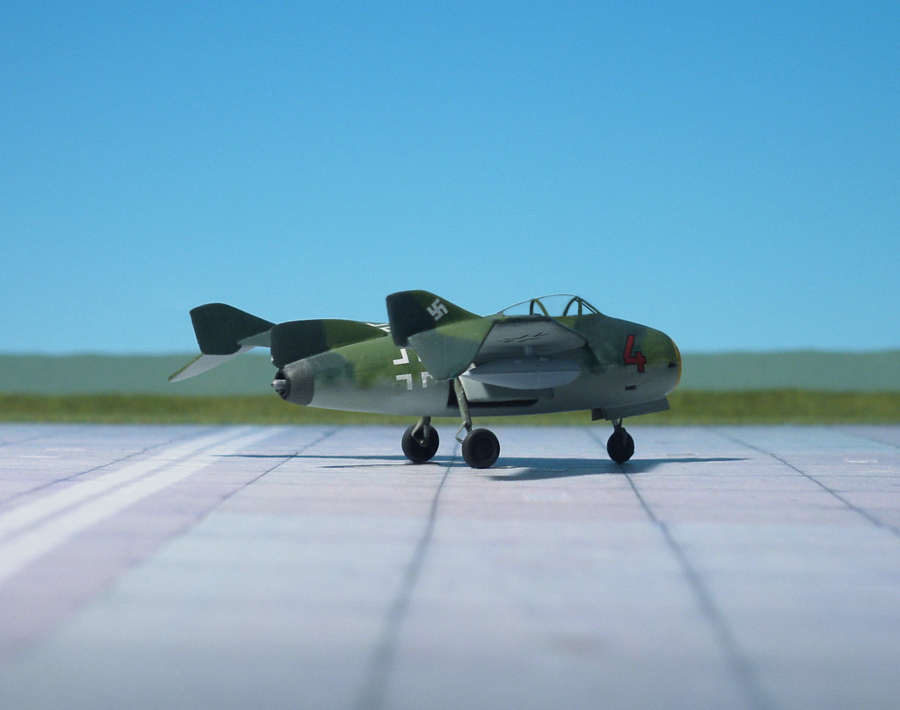
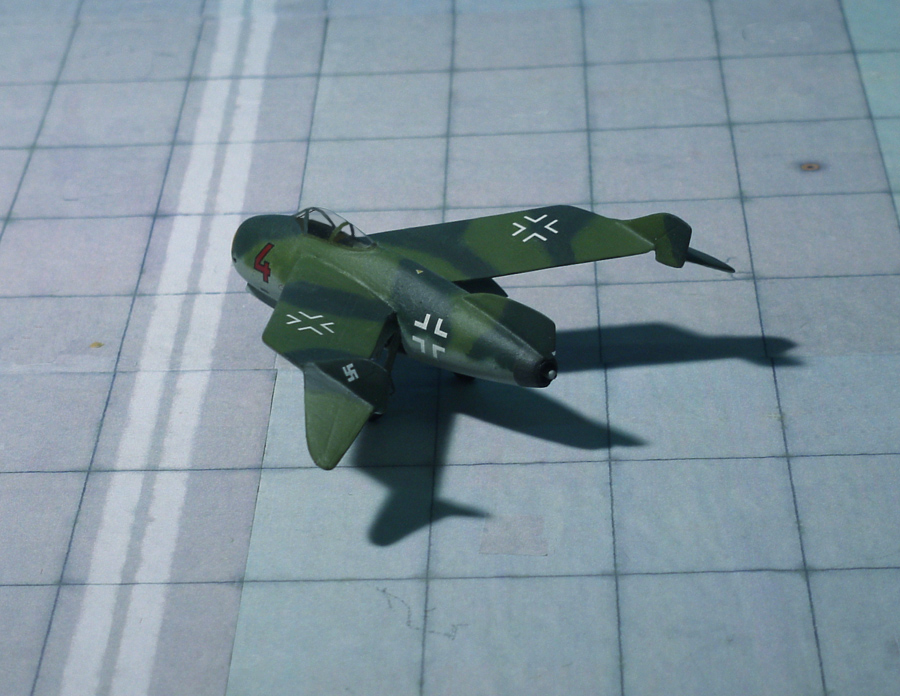
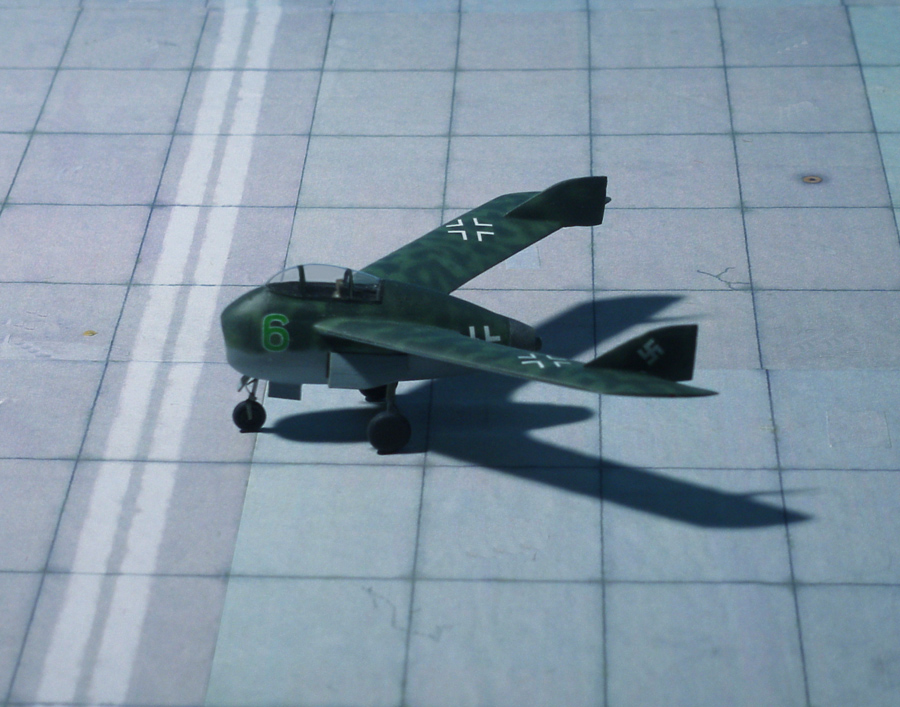
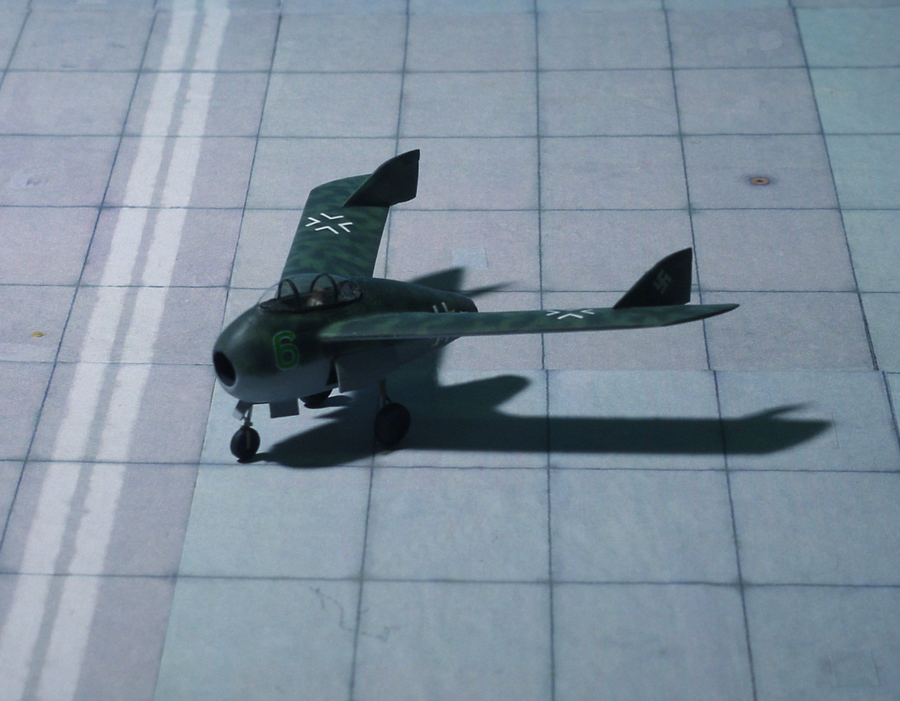
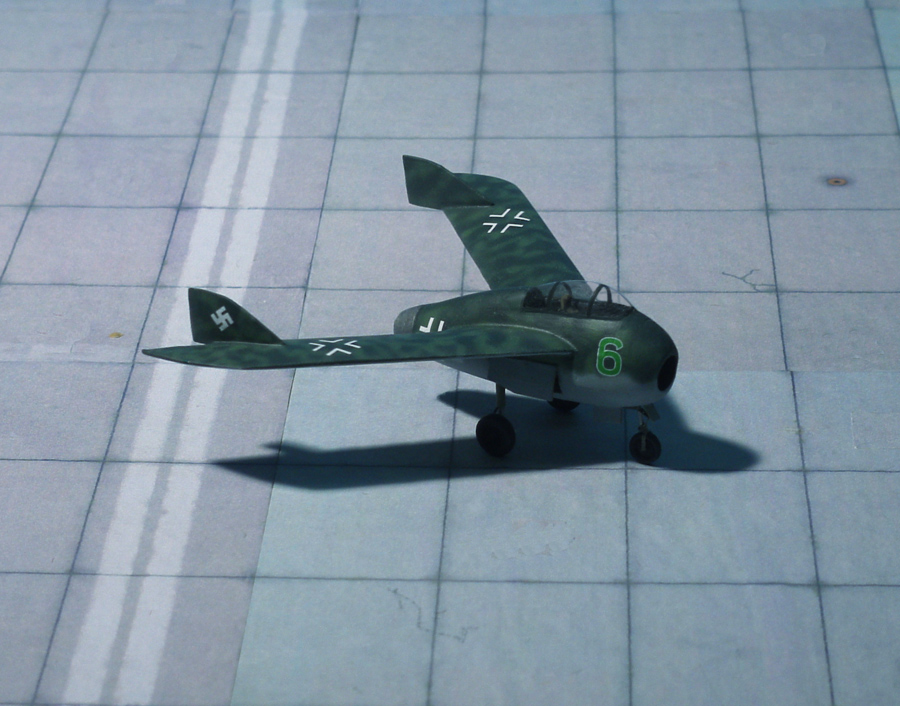
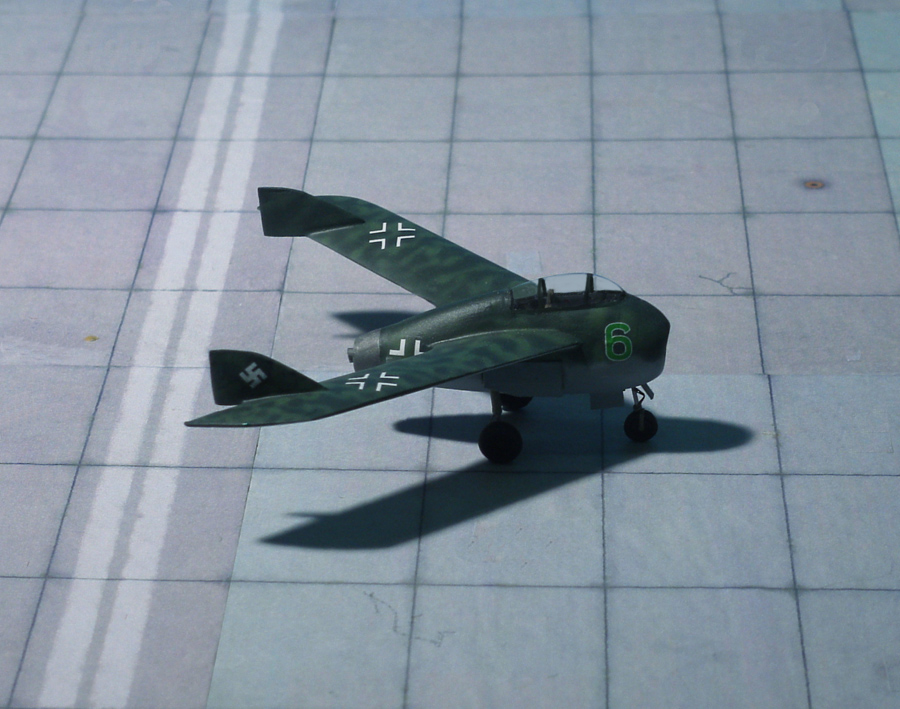
COMMENT: The Blohm & Voss Bv P.212 was a proposed jet fighter designed by Blohm & Voss for the Jägernotprogramm (Emergency Fighter Program) Luftwaffe design competition during the Second World War.
In early 1945, a replacement was sought for the Heinkel He 162 Volksjäger (Peoples fighter) under the continuing Emergency Fighter Program, challenging engeneers to develop a new aircraft built around the Heinkel-Hirth HeS 011, a new turbojet engine which was being developed, in order to create a better high-altitude fighter jet. By February 1945, the Luftwaffe had received several proposals. Three proposals had been received from Messerschmitt, two from Focke-Wulf and one each from Heinkel, Junkers and Blohm & Voss respectively. The competition was won by the Junkers EF 128, a broadly similar design
Three iterations of the Bv P.212 were studied, all featuring a similar general layout of a short fuselage with nose intake leading to a single buried Heinkel-Hirth HeS 011 jet engine, and a tailless swept wing. Bv P.212.01: The first design had a short, squat fuselage and a short air intake for the He S 011 jet engine. Its wings were swept at a 45-degree angle.
Bv P.212.02 was the second design and featured a slightly lengthened fuselage and was seen as a refined version of the original.
Bv P.212.03 was the third version and boasted a further lengthened fuselage with a pressurized cockpit and larger internal fuel tanks. Its wings were swept back at forty degrees. Uniquely, the wings were designed to be made out of either wood, steel or luminium as available. With an ideal fuel weight, the aircraft could fly for up to four hours at a time. This was the model presented to the Luftwaffe (Ref.: 24).
POWER PLANT: Heinkel HeS 011 turbojet, rated at 1,500 kp
PERFORMANCE: +600 mph (estimated)
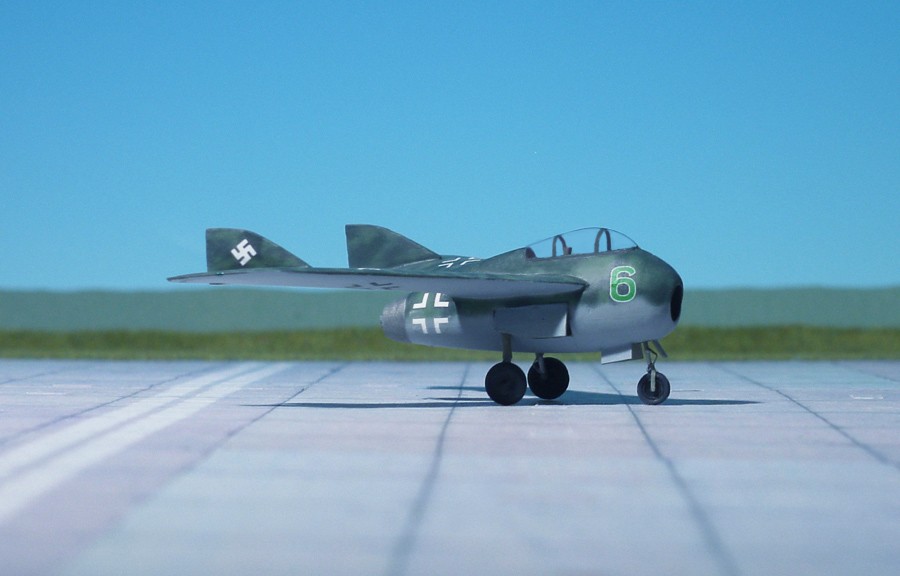
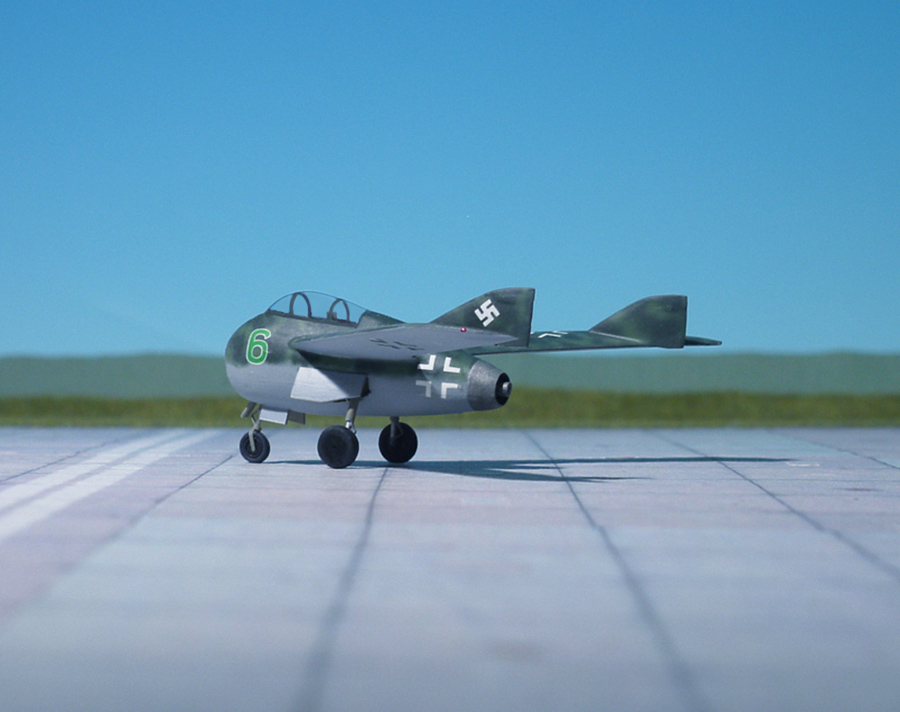
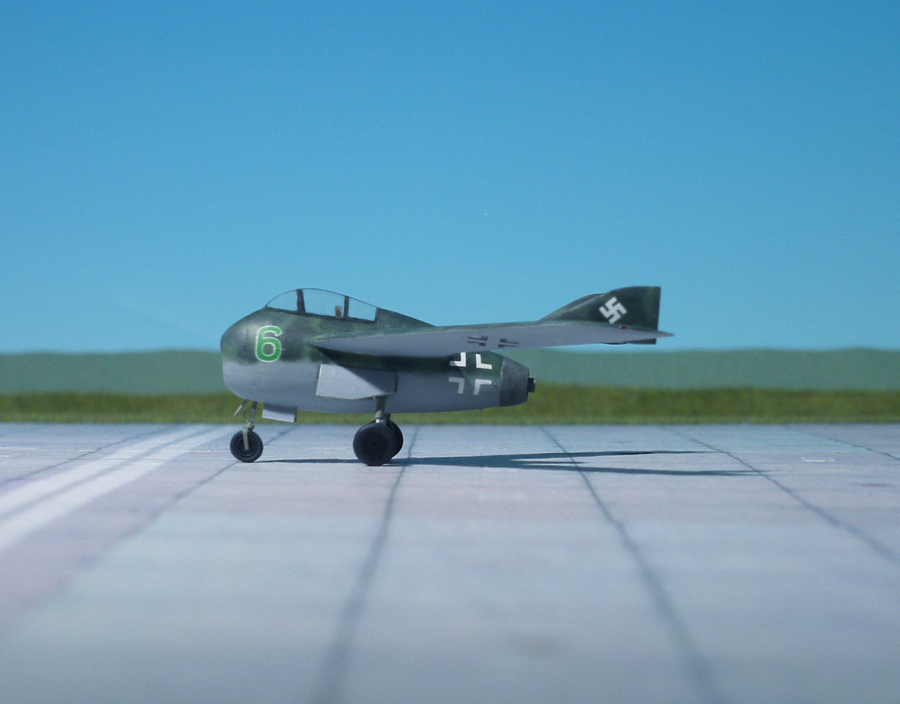
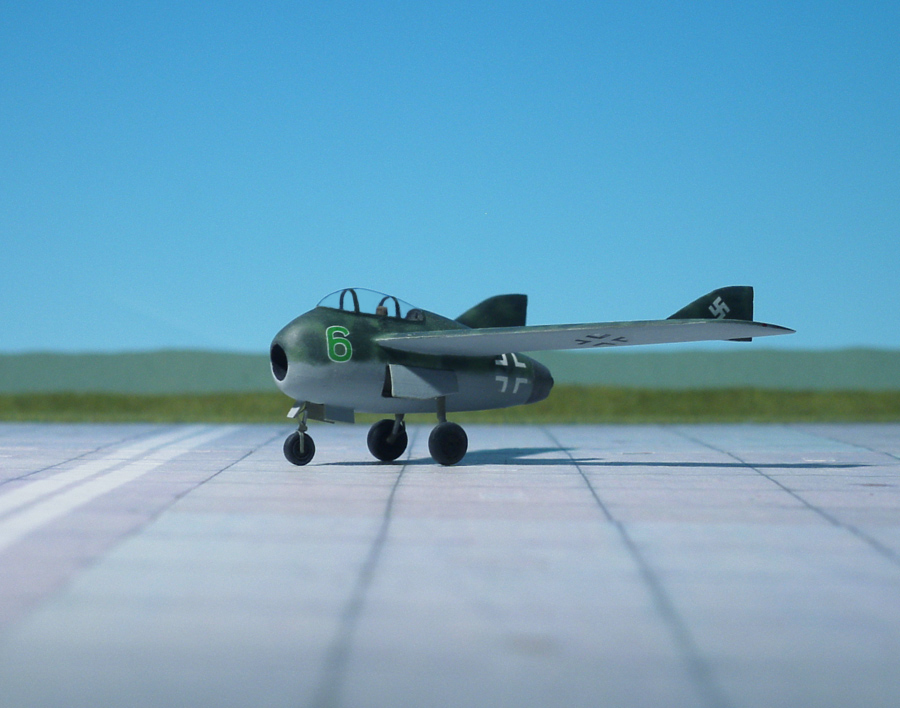
COMMENT: The Blohm & Voss Bv P.212 was a proposed jet fighter designed by Blohm & Voss for the Jägernotprogramm (Emergency Fighter Program) Luftwaffe design competition during the Second World War.
In early 1945, a replacement was sought for the Heinkel He 162 Volksjäger (Peoples fighter) under the continuing Emergency Fighter Program, challenging engeneers to develop a new aircraft built around the Heinkel-Hirth HeS 011, a new turbojet engine which was being developed, in order to create a better high-altitude fighter jet. By February 1945, the Luftwaffe had received several proposals. Three proposals had been received from Messerschmitt, two from Focke-Wulf and one each from Heinkel, Junkers and Blohm & Voss respectively. The competition was won by the Junkers EF 128, a broadly similar design
Three iterations of the Bv P.212 were studied, all featuring a similar general layout of a short fuselage with nose intake leading to a single buried Heinkel-Hirth HeS 011 jet engine, and a tailless swept wing.
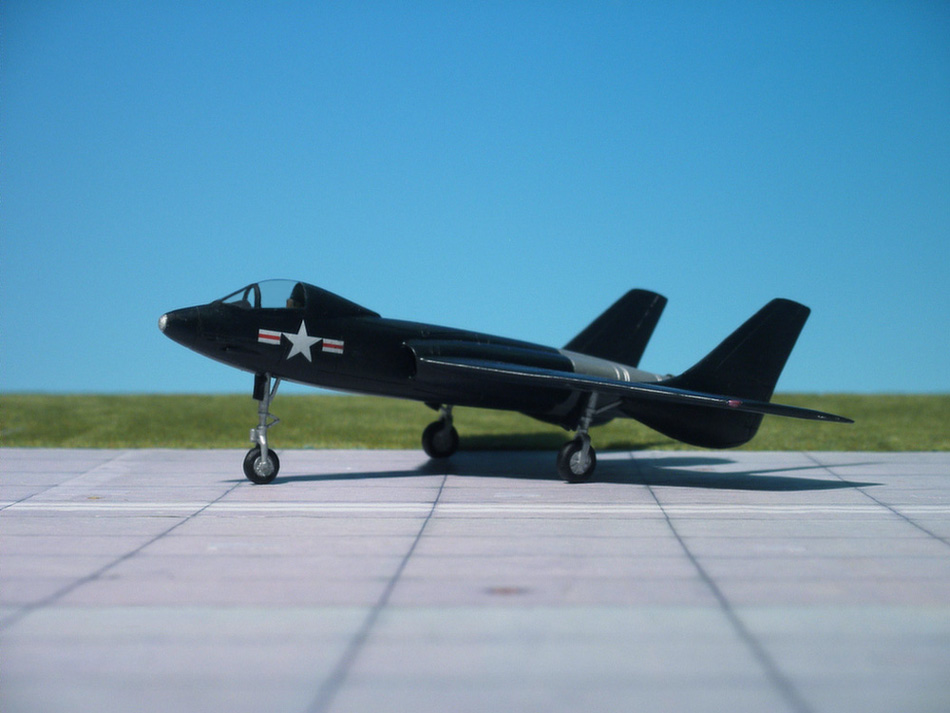
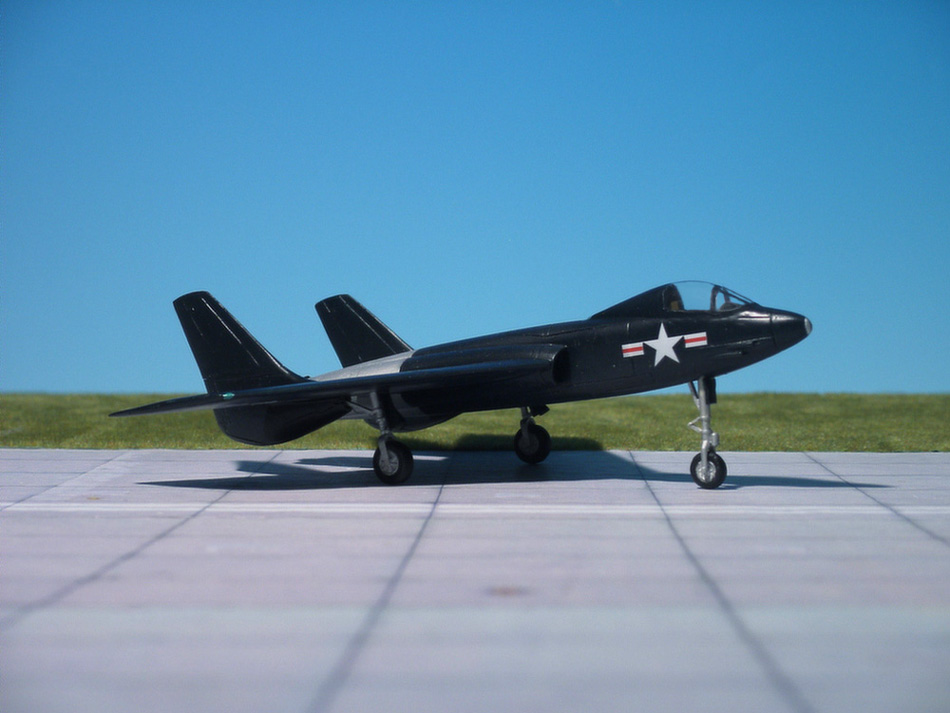
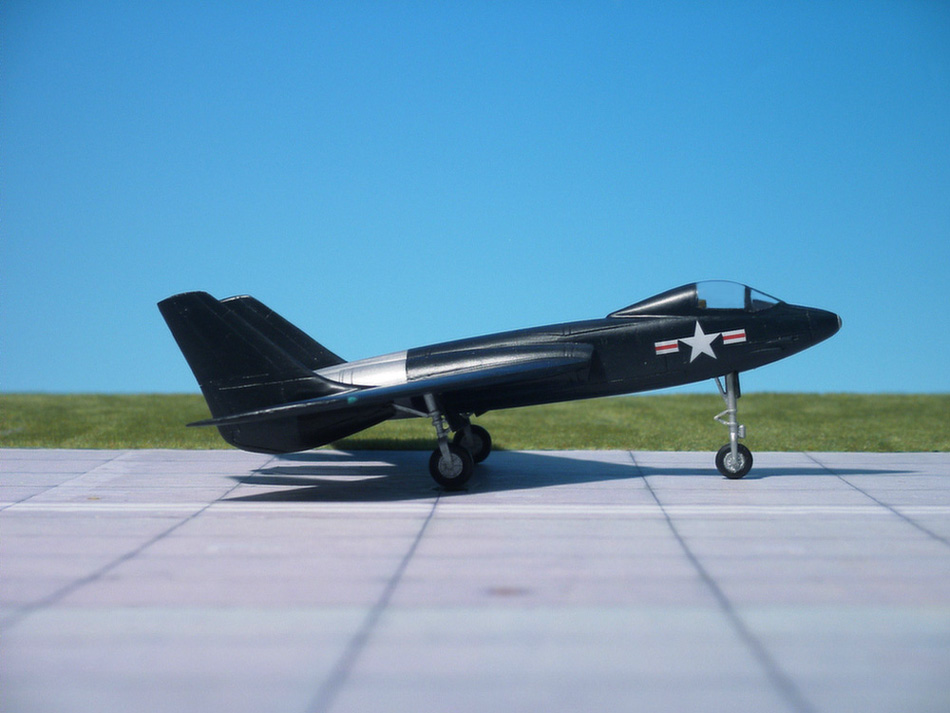
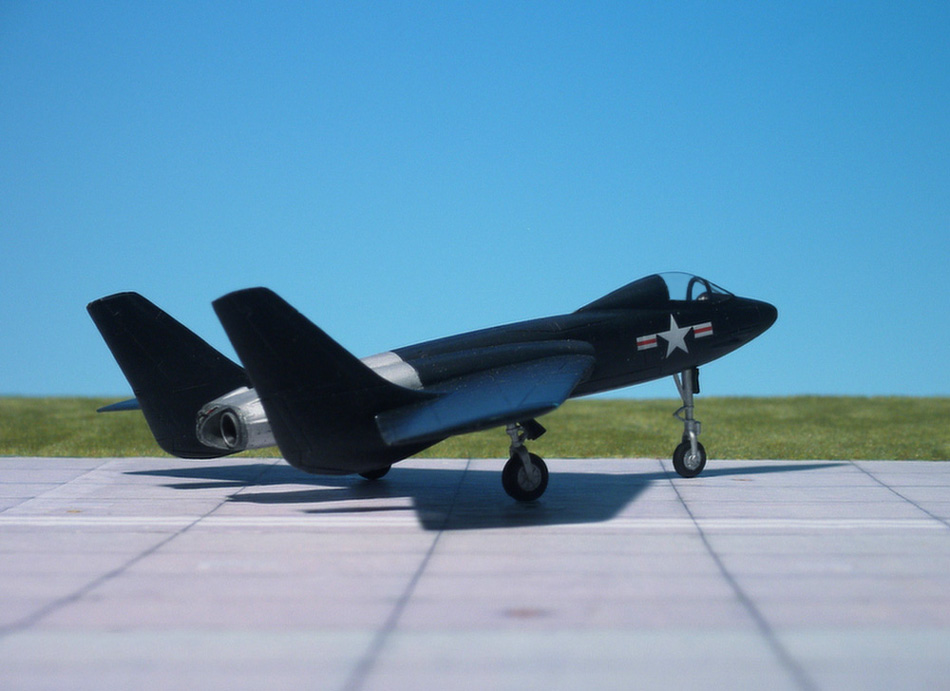
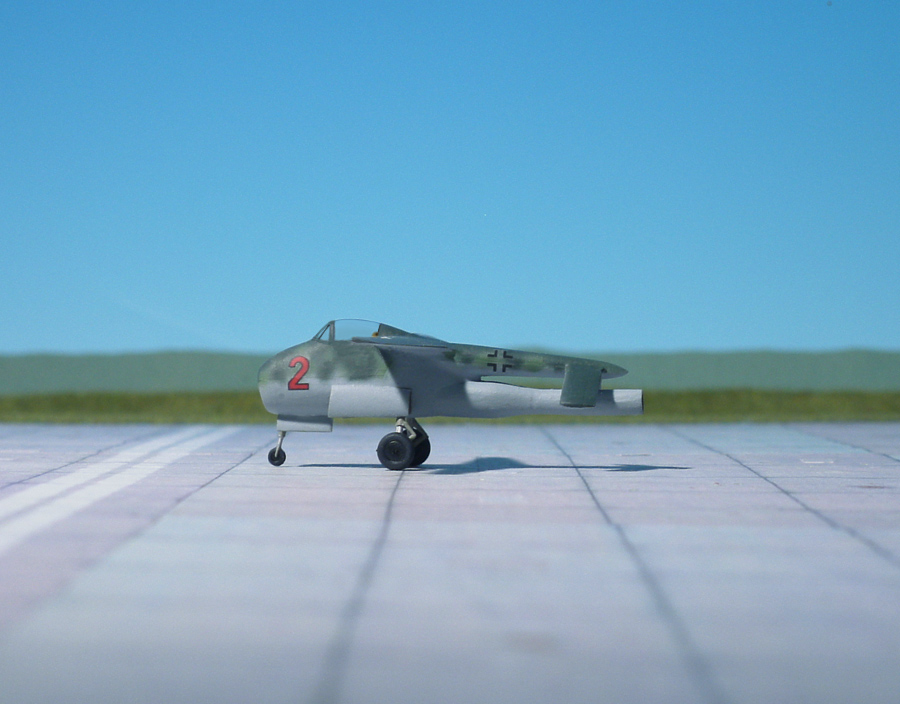
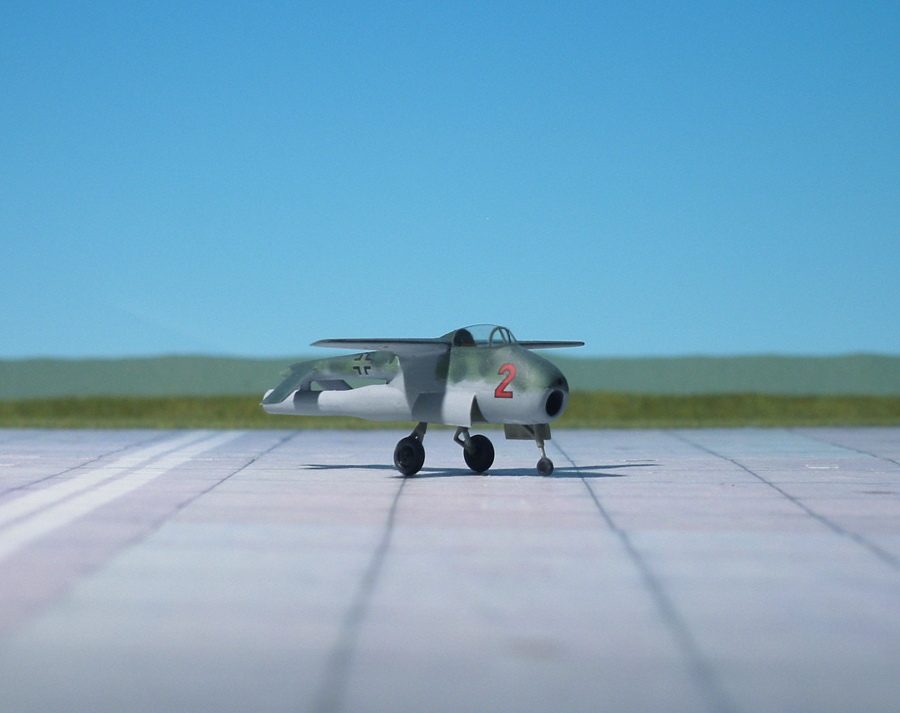
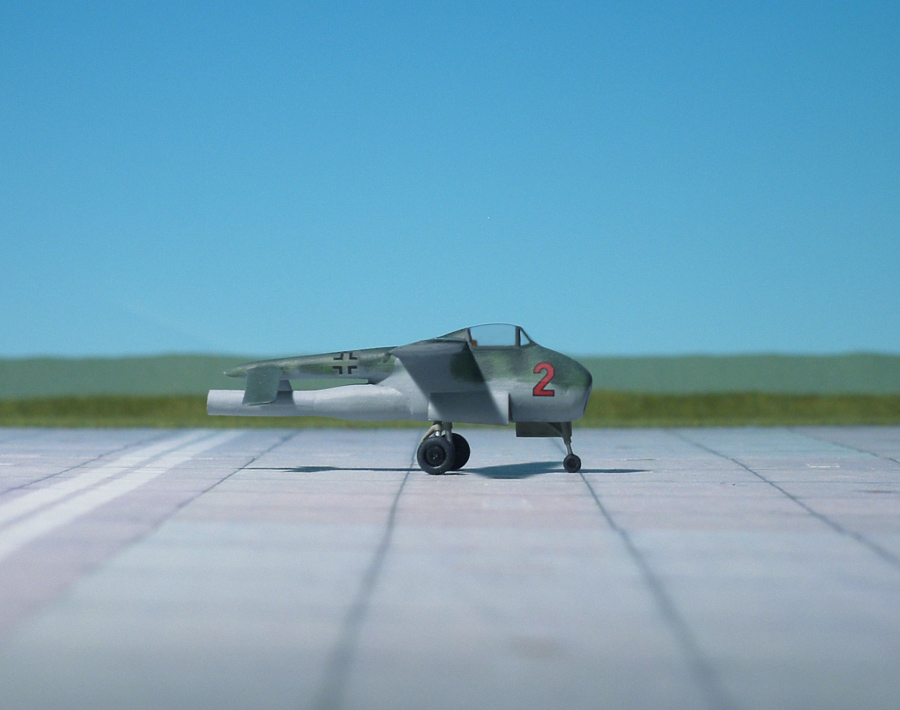
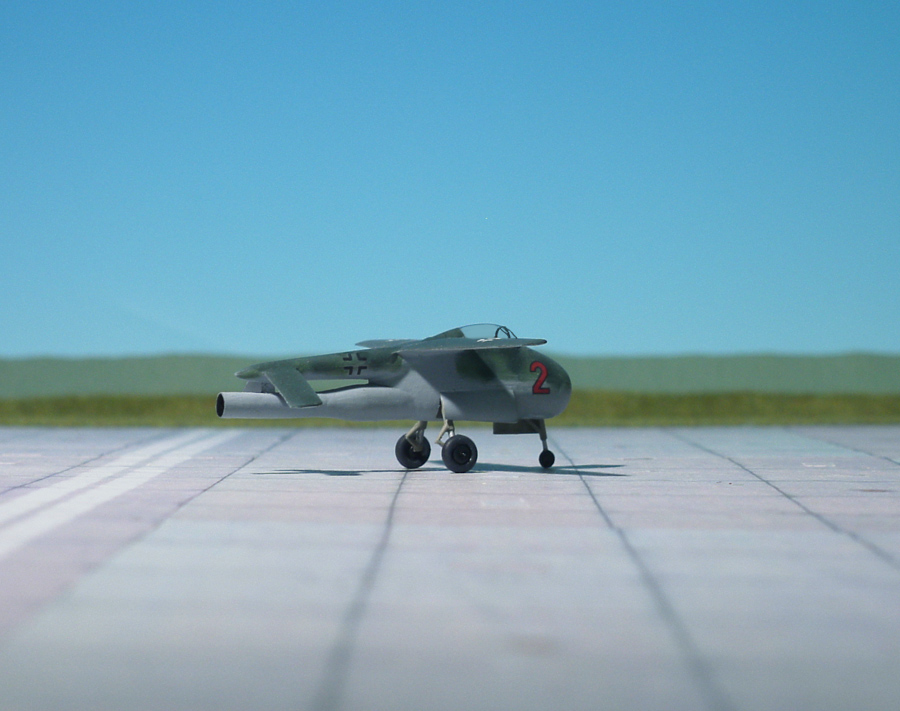
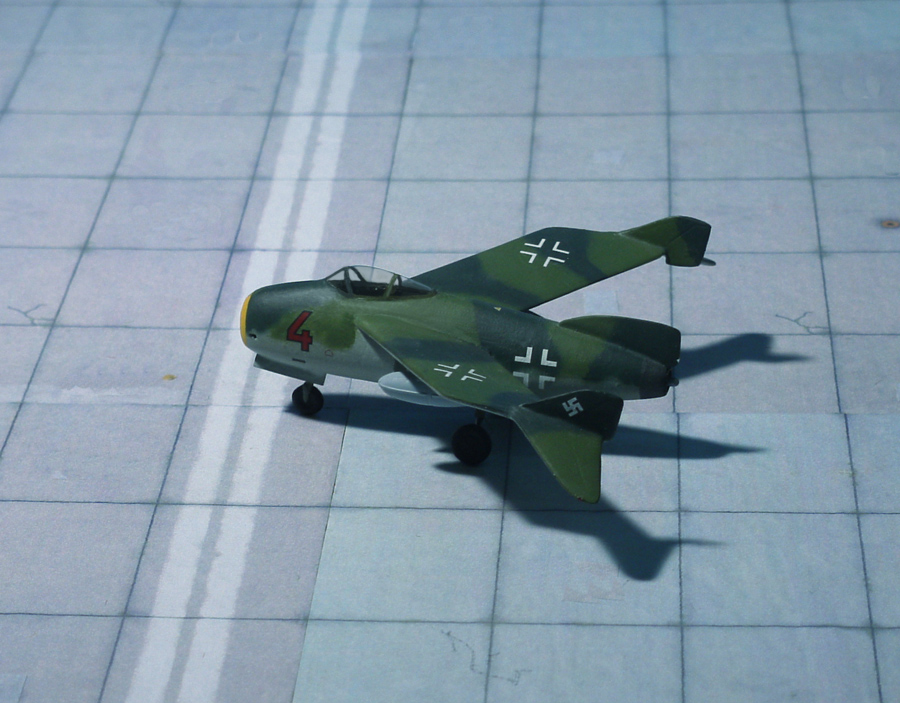
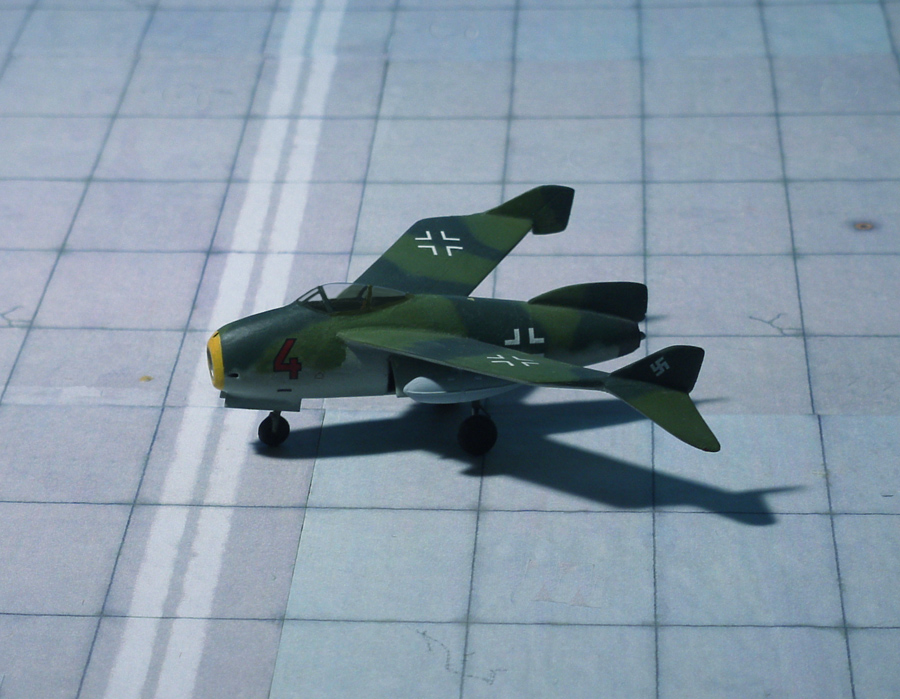
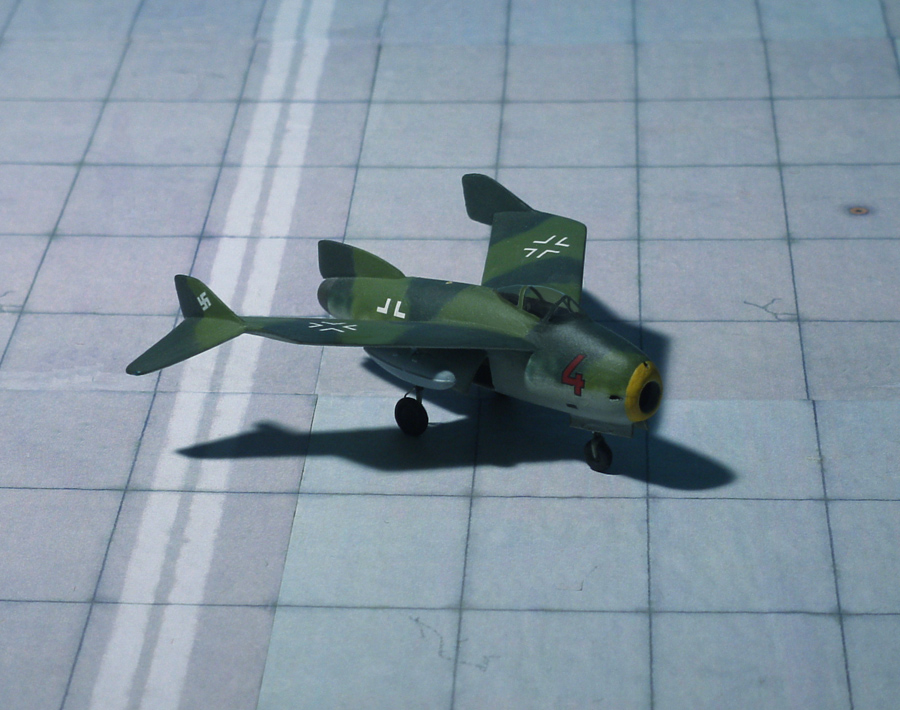
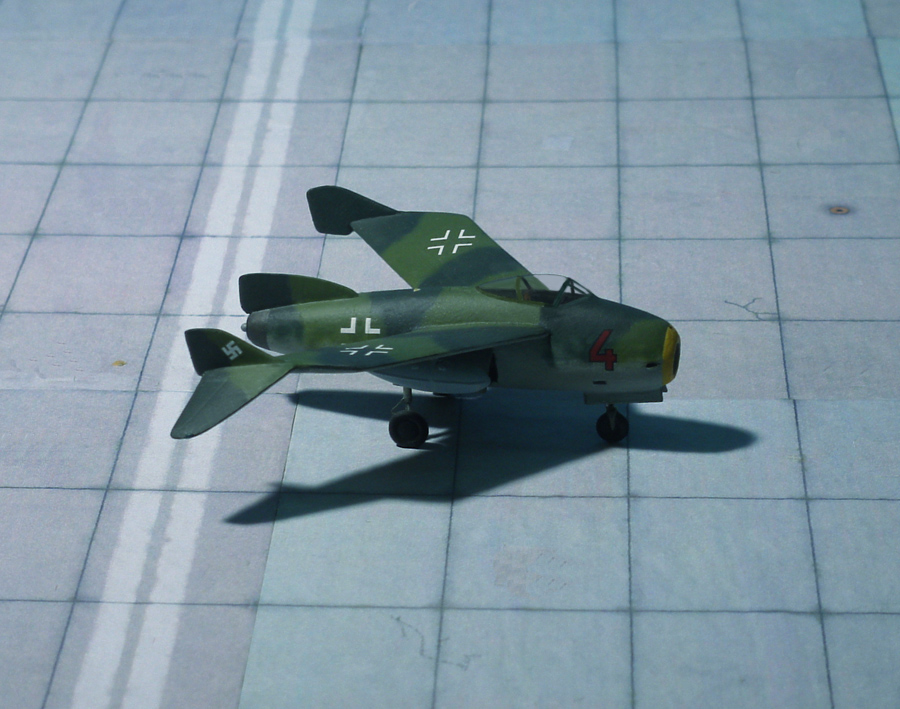
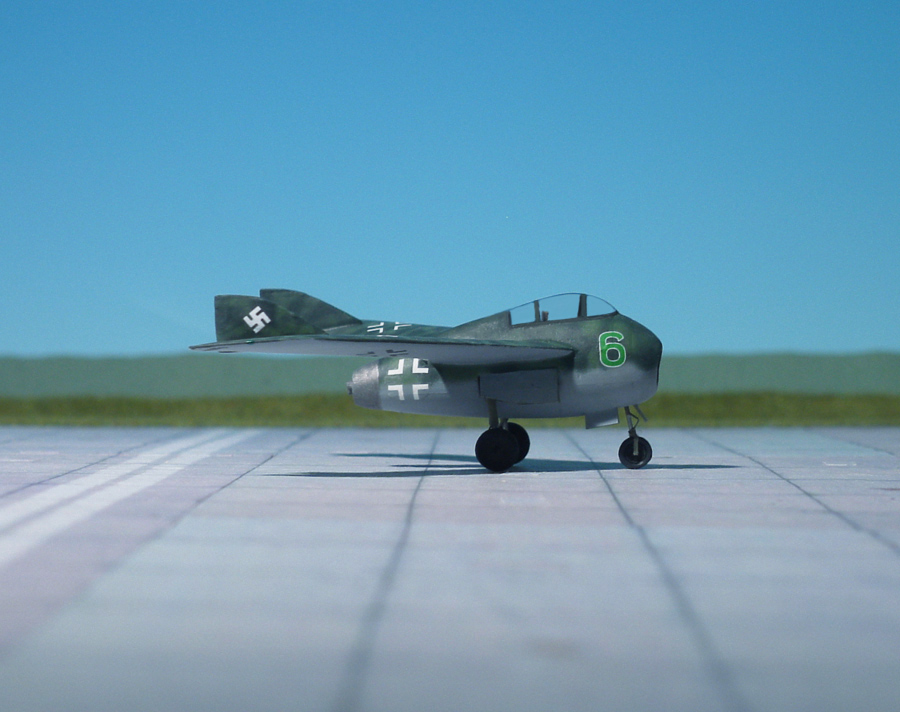
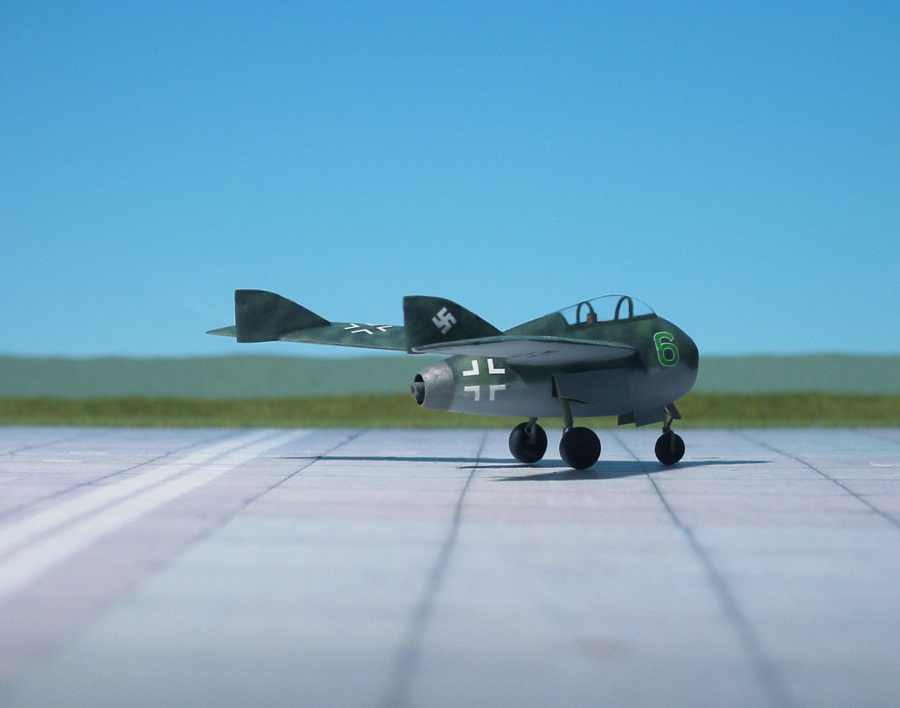
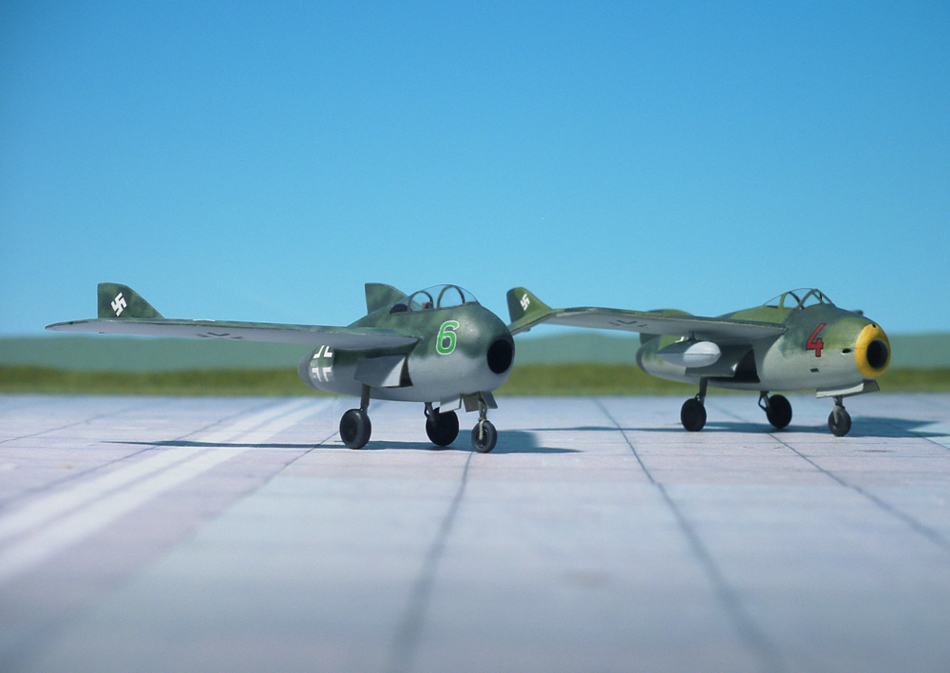
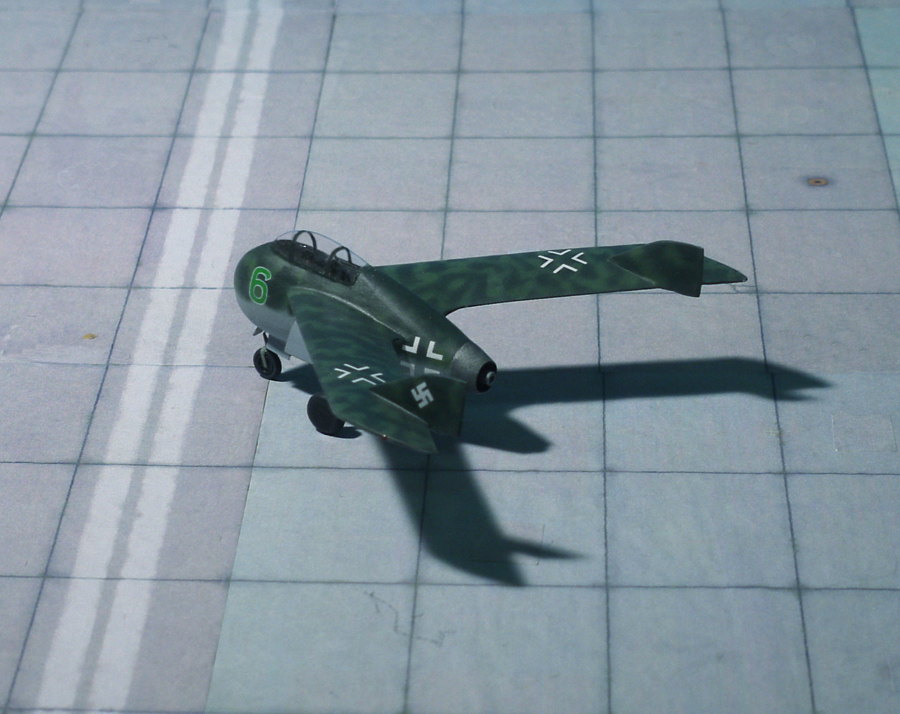
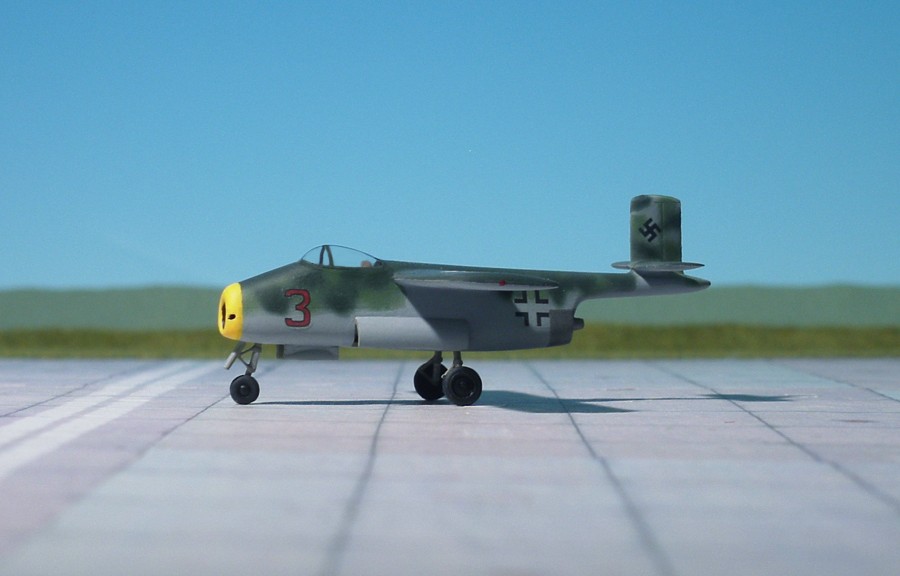
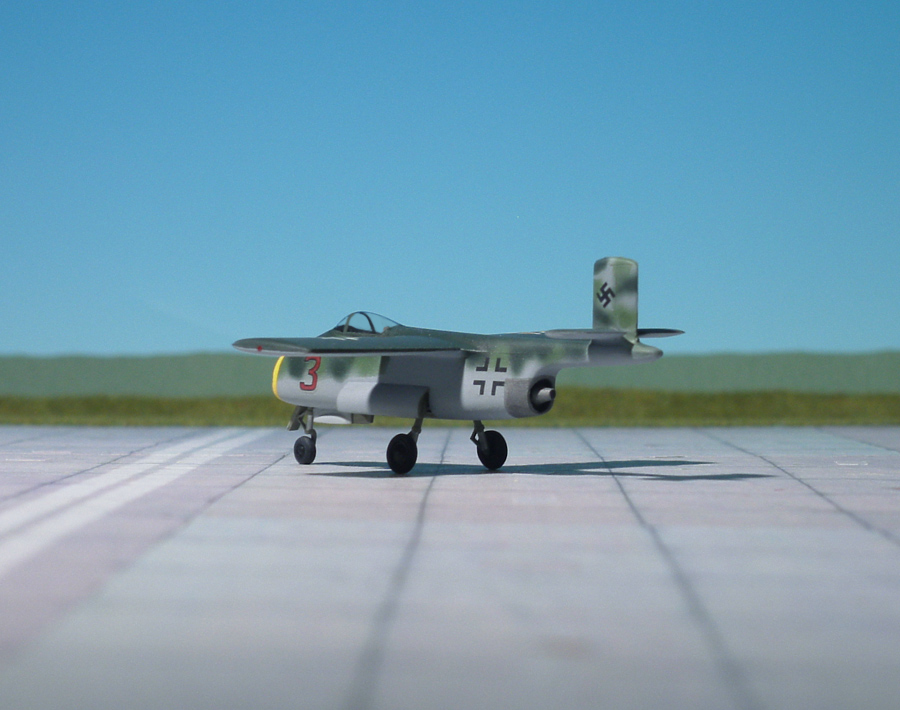
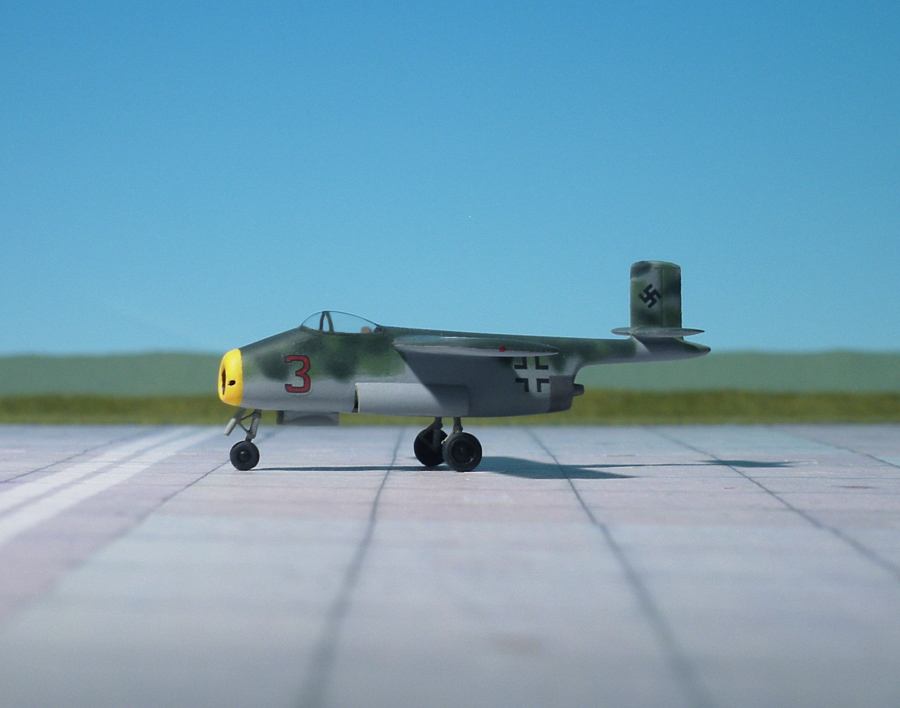
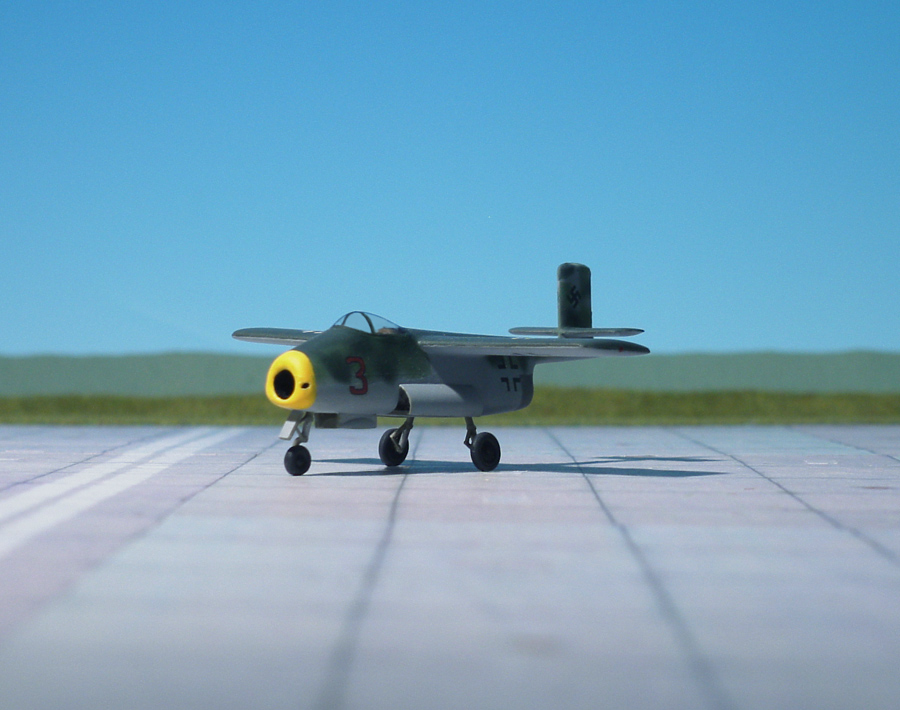
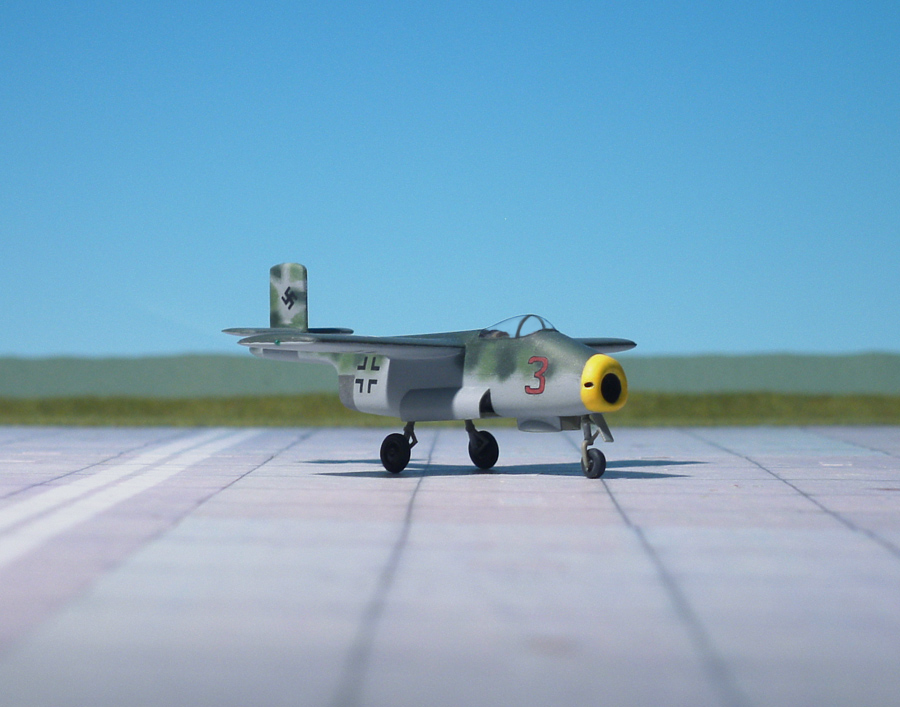
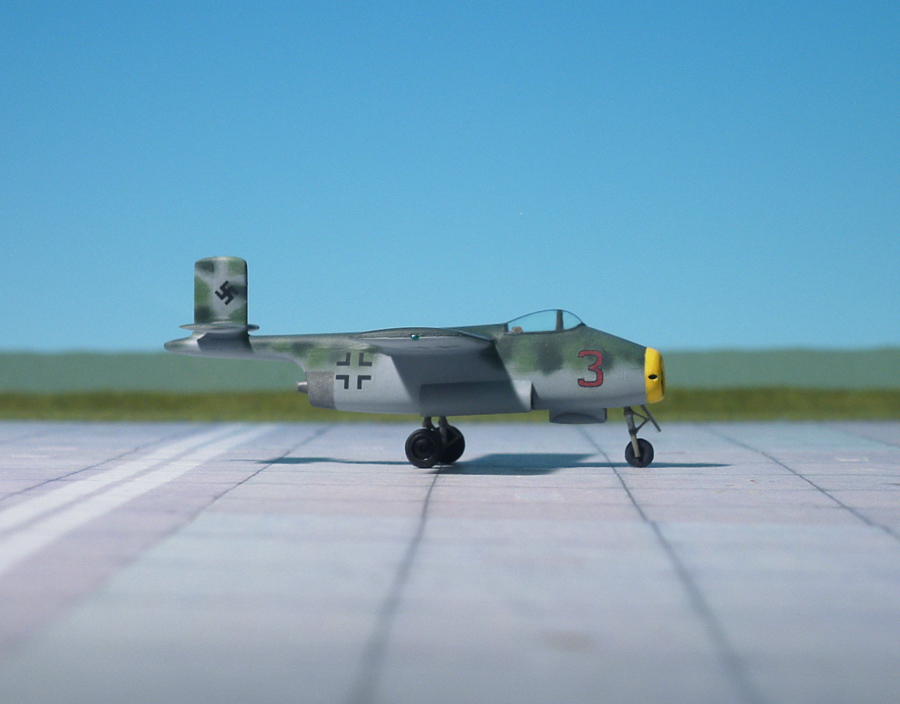
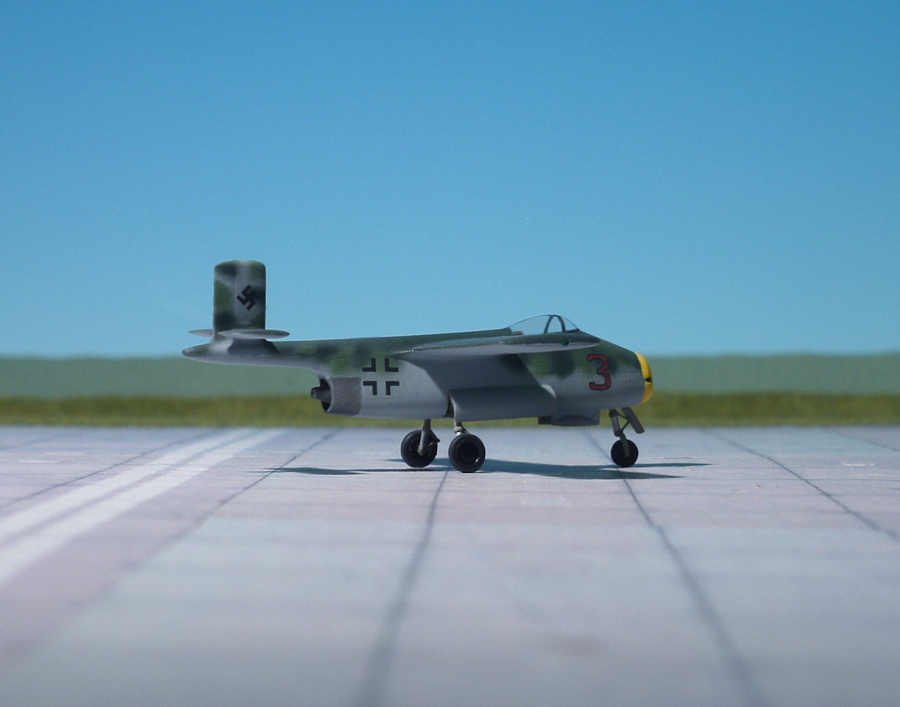
Bv P 212.01 presented here was the first design. It had a short, squat fuselage and a short air intake for the He S 011 jet engine. Its wings were swept at a 45-degree angle.
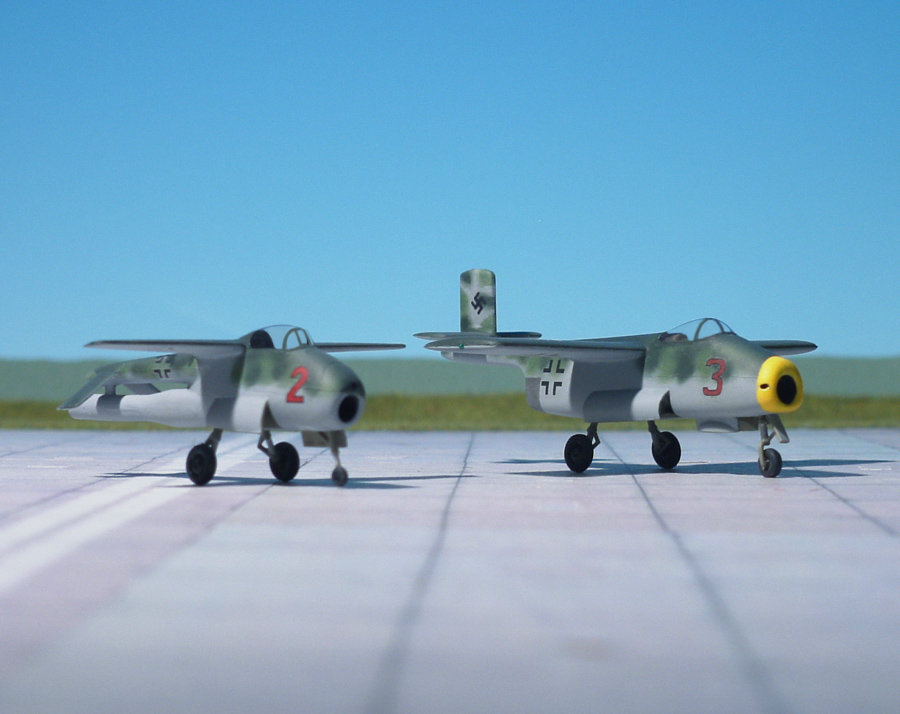
Bv P.212.02 was the second design and featured a slightly lengthened fuselage and was seen as a refined version of the original. Bv P.212.03 was the third version and boasted a further lengthened fuselage with a pressurized cockpit and larger internal fuel tanks. Its wings were swept back at forty degrees. Uniquely, the wings were designed to be made out of either wood, steel or luminium as available. With an ideal fuel weight, the aircraft could fly for up to four hours at a time. This was the model presented to the Luftwaffe (Ref.: 24).
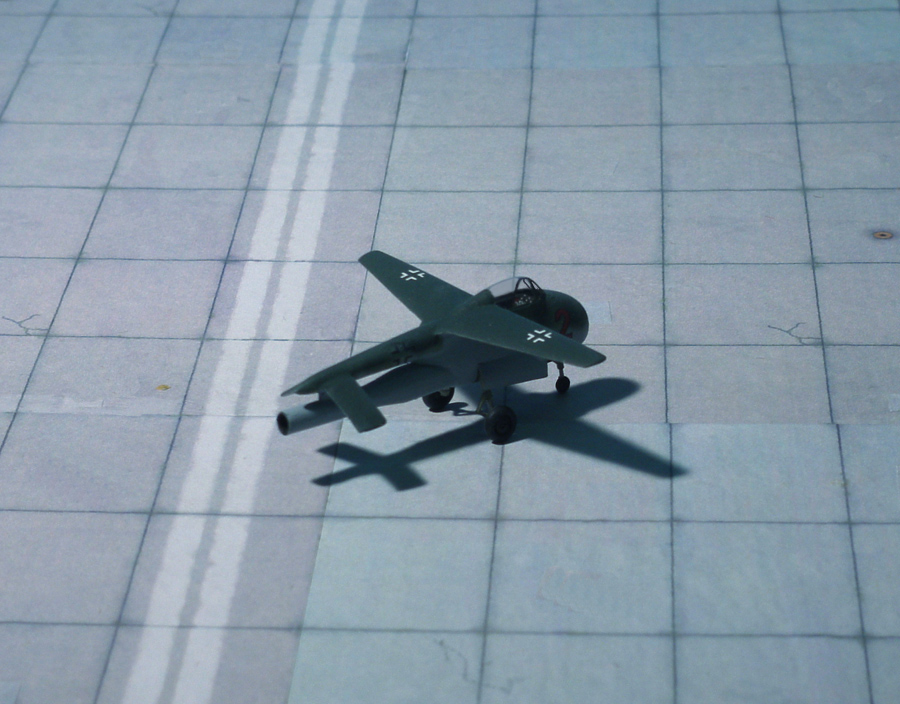
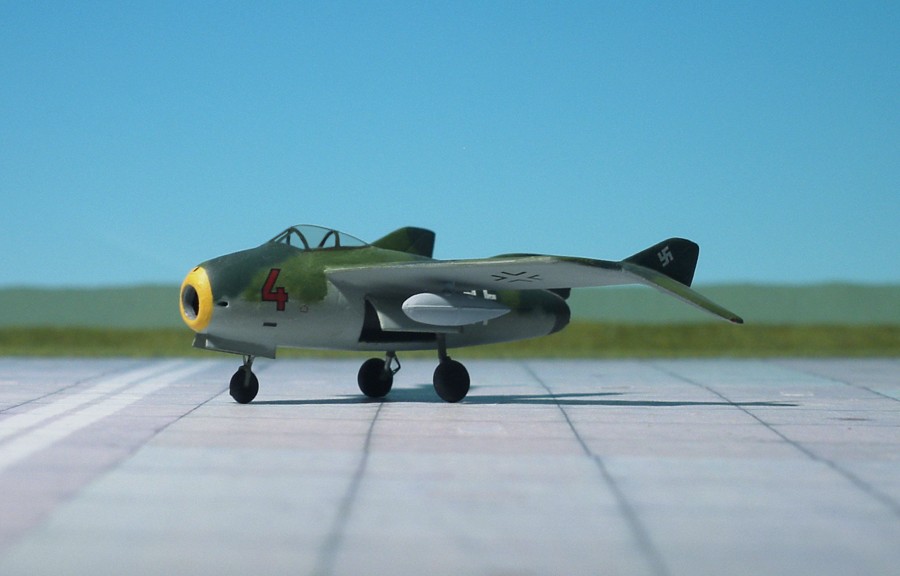
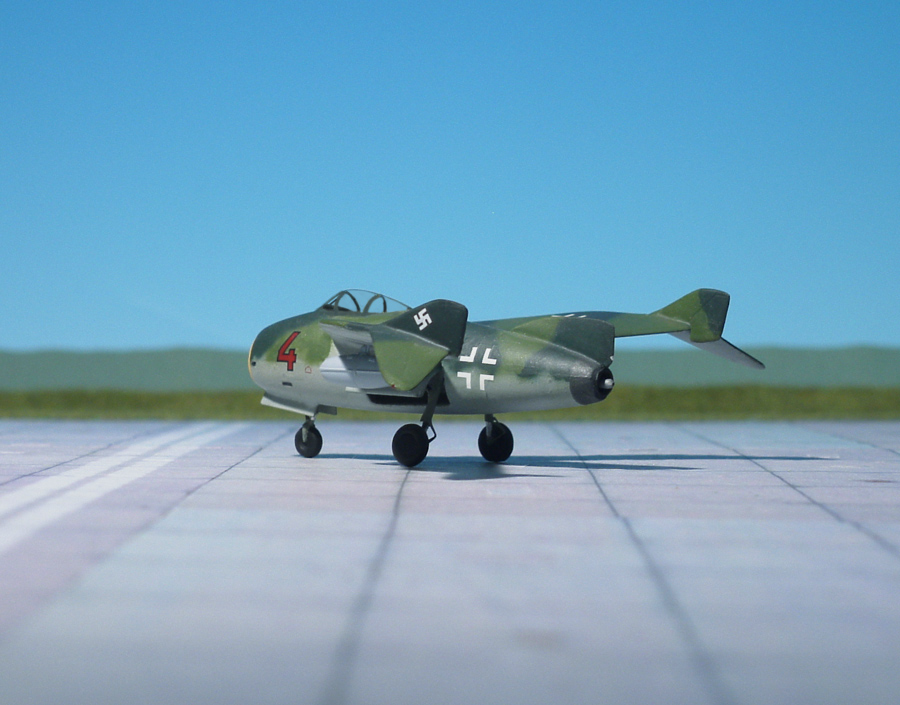
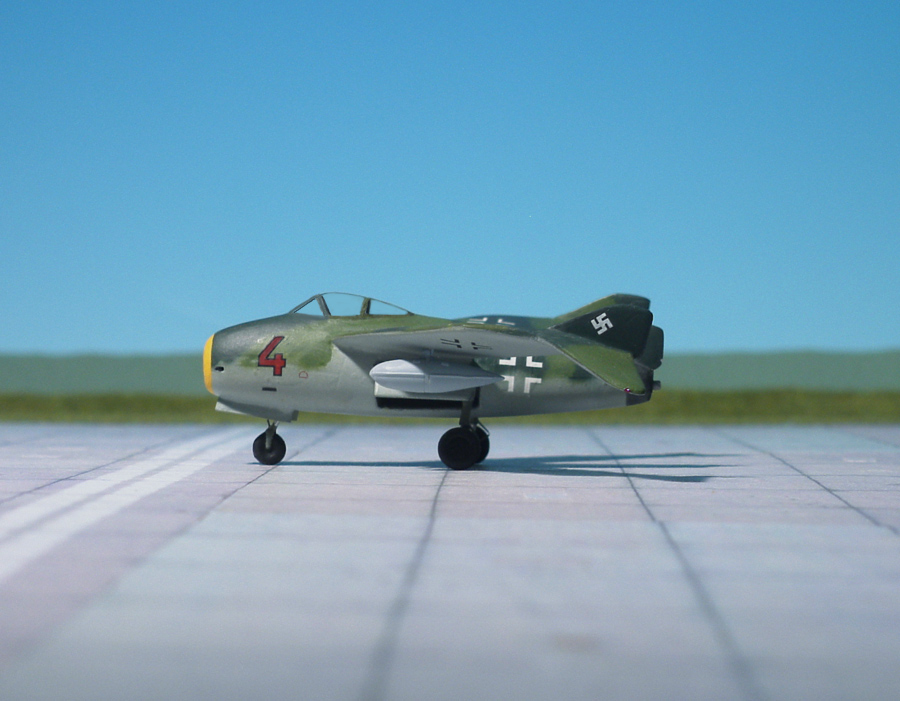
Blohm & Voss Bv P. 212.01
Blohm & Voss Bv P. 212.01
Blohm & Voss Bv P. 212.01
Blohm & Voss Bv P. 212.01
Blohm & Voss Bv P. 212.01
Blohm & Voss Bv P. 212.01
Blohm & Voss Bv P. 212.01 and Blohm & Voss Bv P. 212.03
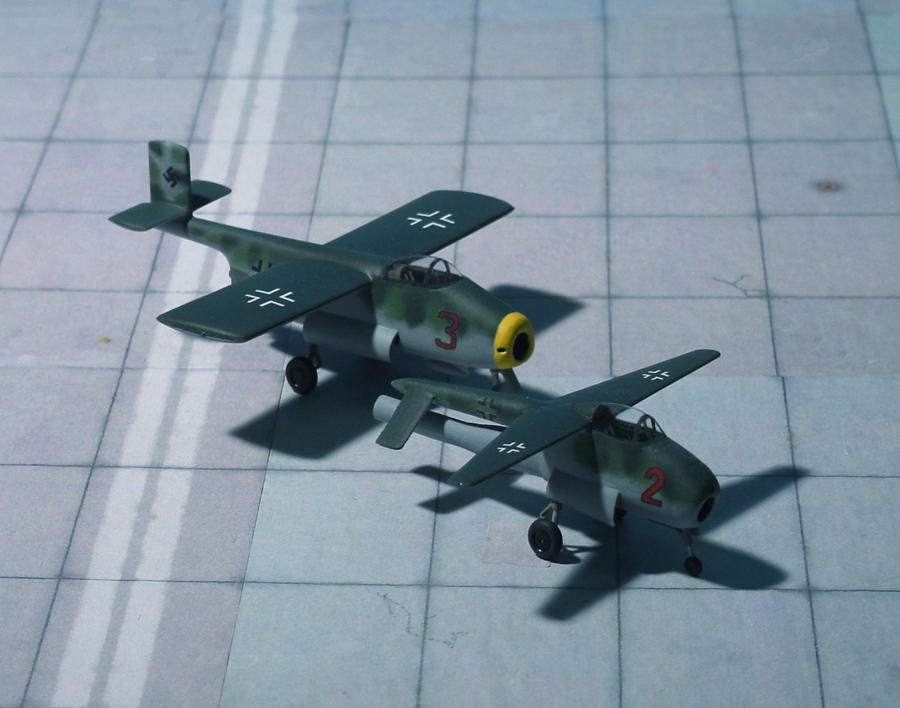
COMMENT: The Blohm & Voss Bv P 211 was a design proposal submitted by Blohm & Voss to the Volksjäger jet fighter competition of the Luftwaffe Emergency Fighter Program towards the end of the Second World war.
During the latter part of 1944, when the High Command of the Luftwaffe saw that there was a dire need to put up a strong defense against the devastating Allied bombing raids. On September 1944 the aircraft manufacturers Messerschmitt, Arado, Focke-Wulf, Heinkel, Junkers and Blohm & Voss were asked to propose designs for single-engined light fighters weighing no more than 2000 kg that would use one BMW 003 jet engine per unit.
Owing to the war-related scarcity of strategic matrials such as aluminium, the jets were required to be simplified in order to be built using a strict minimum, as well as to be built in adequate quantities as quickly as possible in underground factories. Despite these requirements that would impinge on the overall quality of the new planes, their performance was required to surpass that of the best piston-engined fighters, being able to reach a maximum speed of 470 mph with a minimum combat action time of 30 minutes.
Blohm & Voss submitted two preliminary designs, the Bv P 210 tailless swept wing jet and the more conventional, tailed P 211. Only the Bv P 211 was progressed further in two variants.
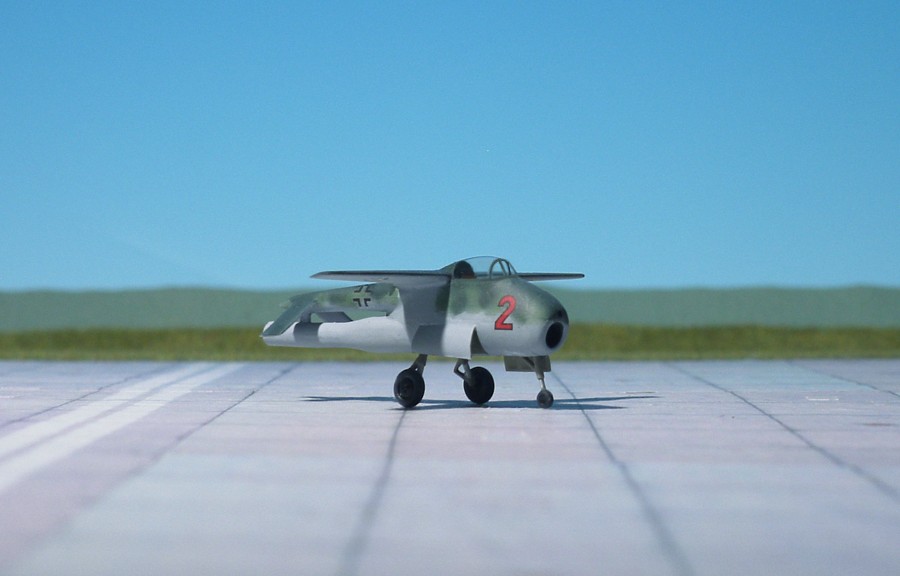
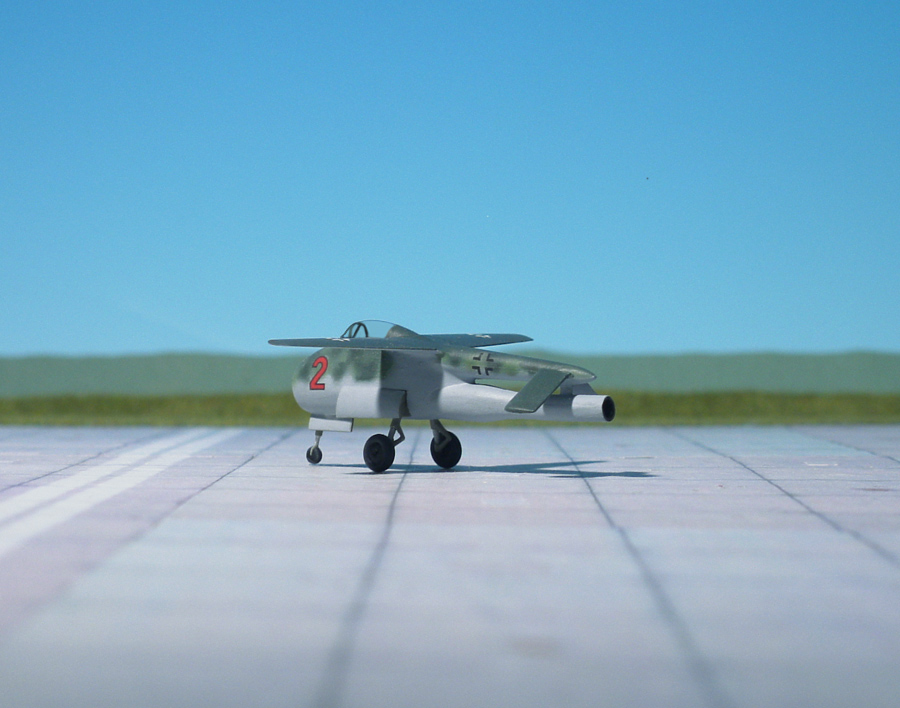
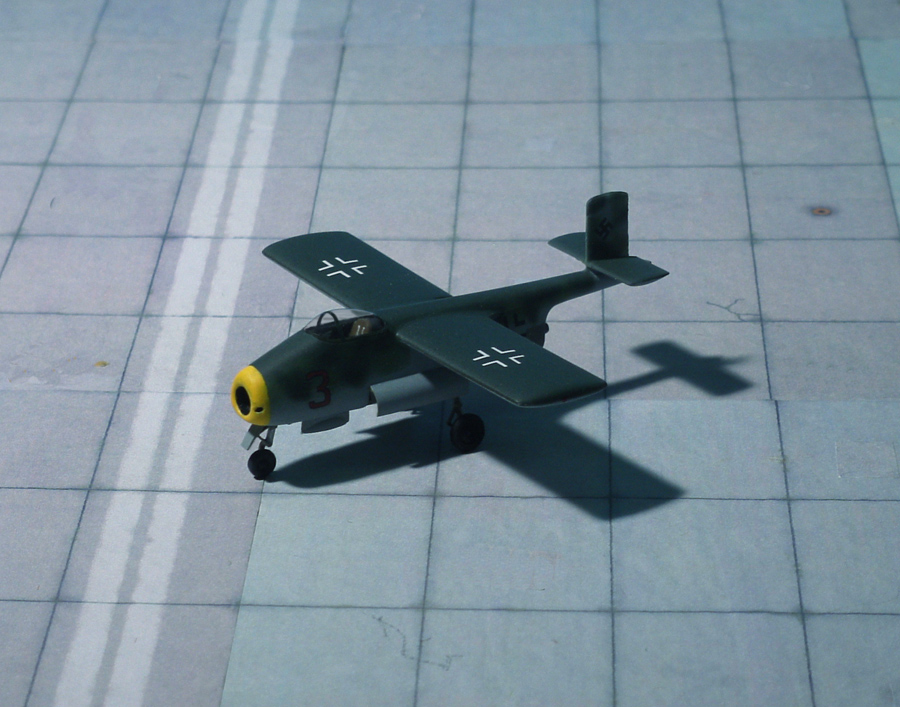
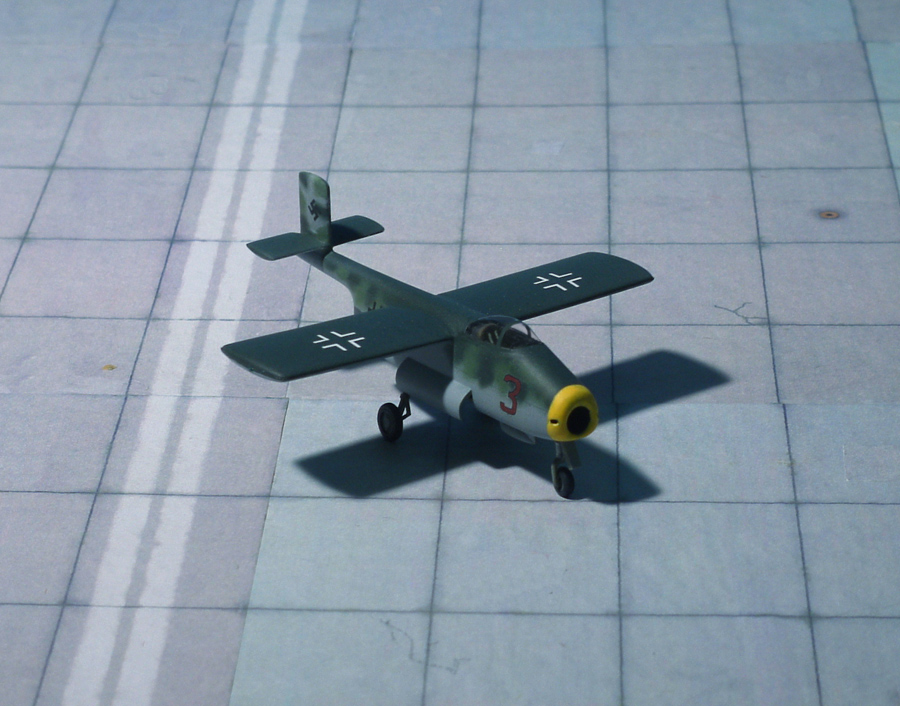
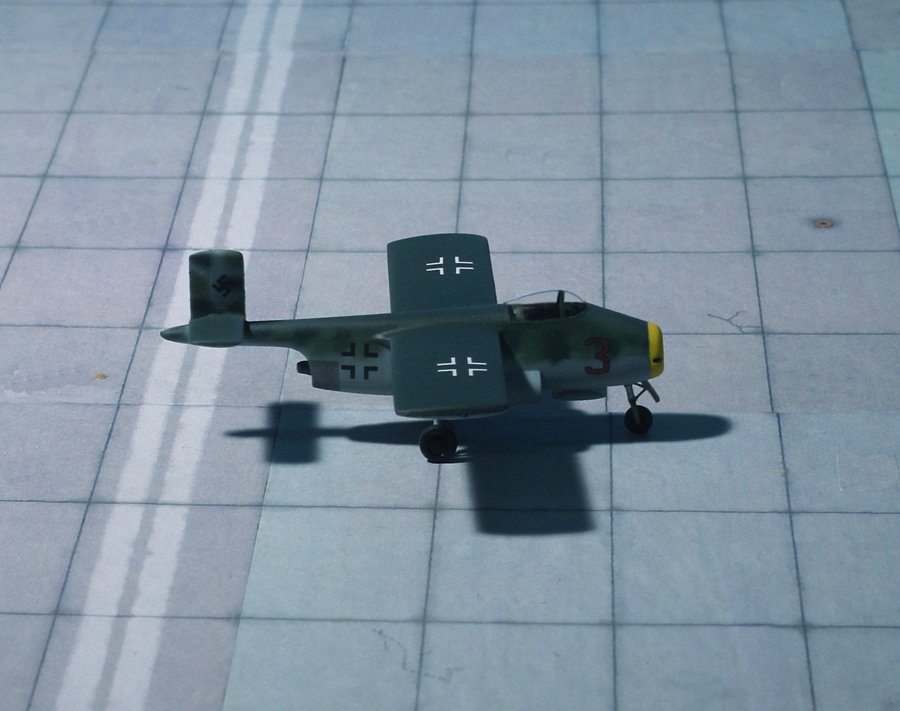
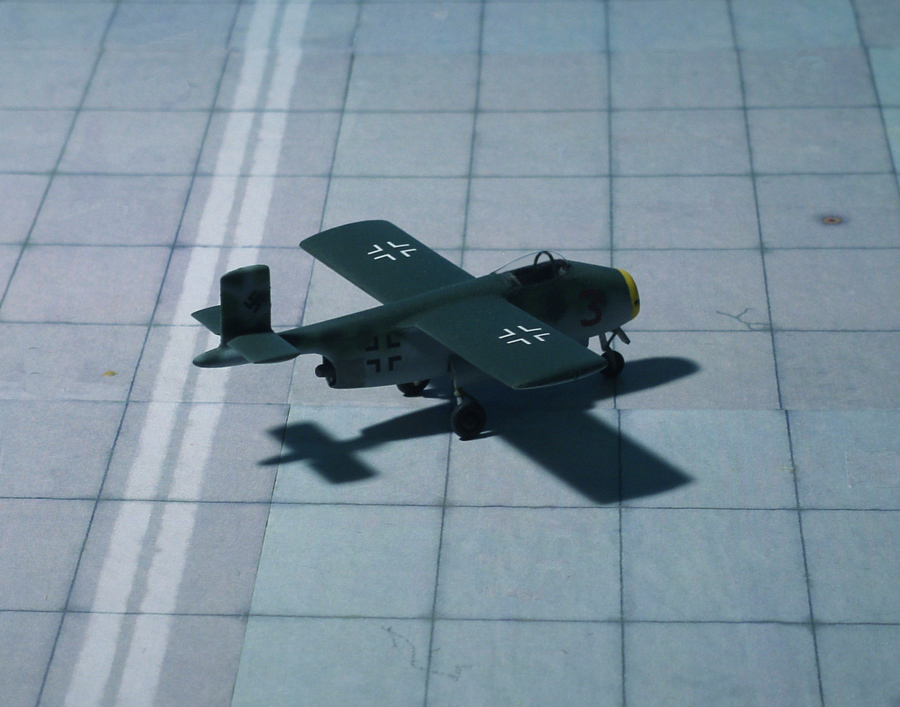
The Blohm & Voss Bv P. 211.01 had a low swept wing but with a conventional tail. The single BMW 003A-1 engine was located amidships in the lower fuselage, with a tail boom extending above and behind it. Although it had good aerodynamic properties and was praised by officials, it did not go into production.
The second variant, The Blohm & Voss Bv P 211.02 was similar to the P 211.01 but, since low cost and ease of manufacture were important, had a simpler straight, unswept wing. The wing was placed in the shoulder position, slightly below the top of the fuselage. The P 211.02 included wood in its construction. Parts of the plane were built, such as the steel air-intake/fuselage load-bearing structure for the single BMW 003A-1 engine. However, the P 211.02 didn’t go past the project stage for the project was finally awarded to Heinkel whose He 162 Spatz went into mass-production (Ref.: 24).
Blohm & Voss Bv P. 211.02
Blohm & Voss Bv P. 211.02
Blohm & Voss Bv P. 211.02
Blohm & Voss Bv P. 211.02
Blohm & Voss Bv P. 211.02
Blohm & Voss Bv P. 211.02
Blohm & Voss Bv P. 211.02 and Blohm & Voss Bv P.213
Blohm & Voss Bv P. 211.02
Blohm & Voss Bv P. 211.02
Blohm & Voss Bv P. 211.02
Blohm & Voss Bv P. 211.02
Blohm & Voss Bv P. 211.02
Blohm & Voss Bv P. 211.02
Blohm & Voss Bv P. 211.02 and Blohm & Voss Bv P.213
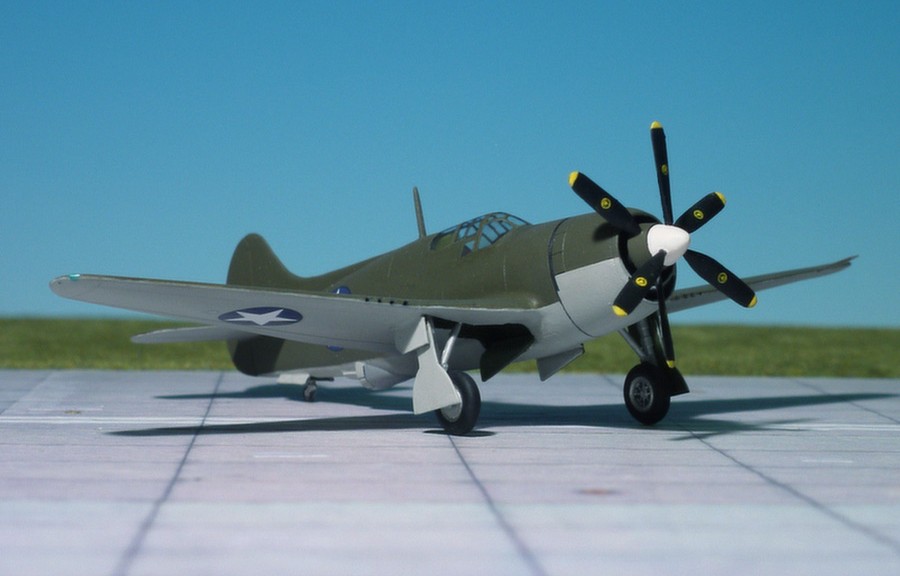
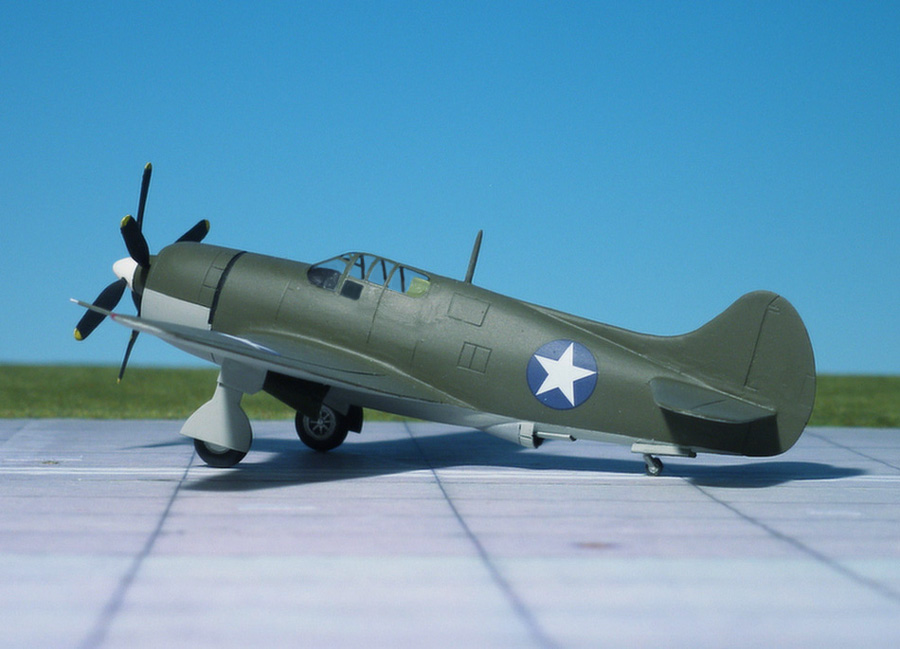
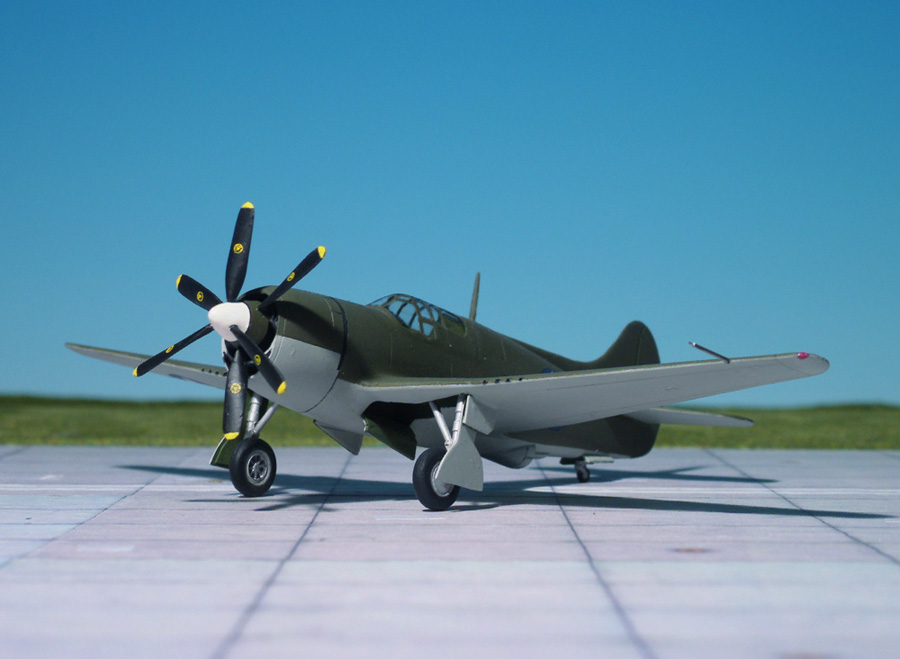
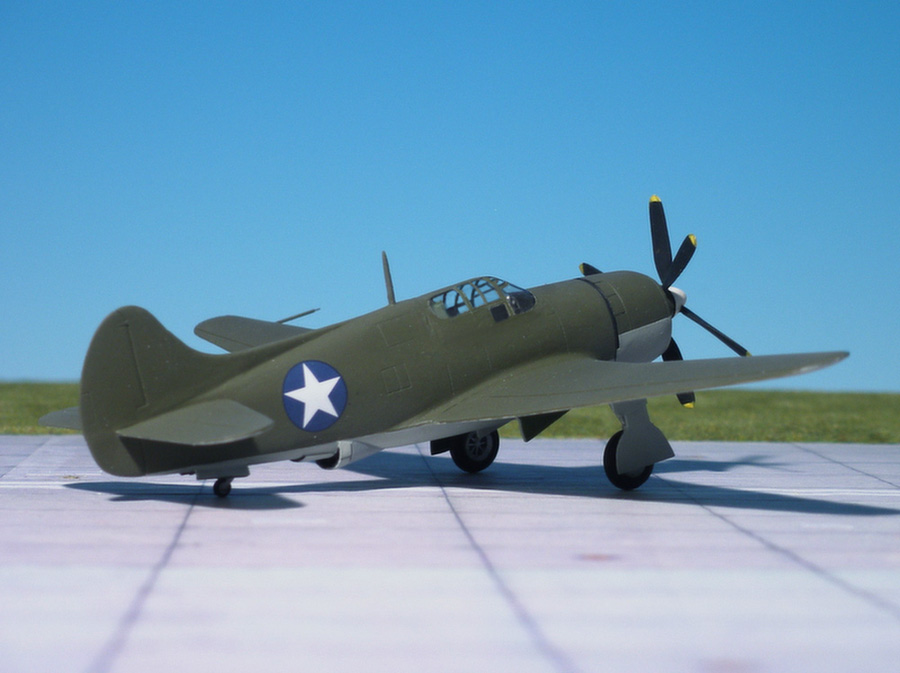
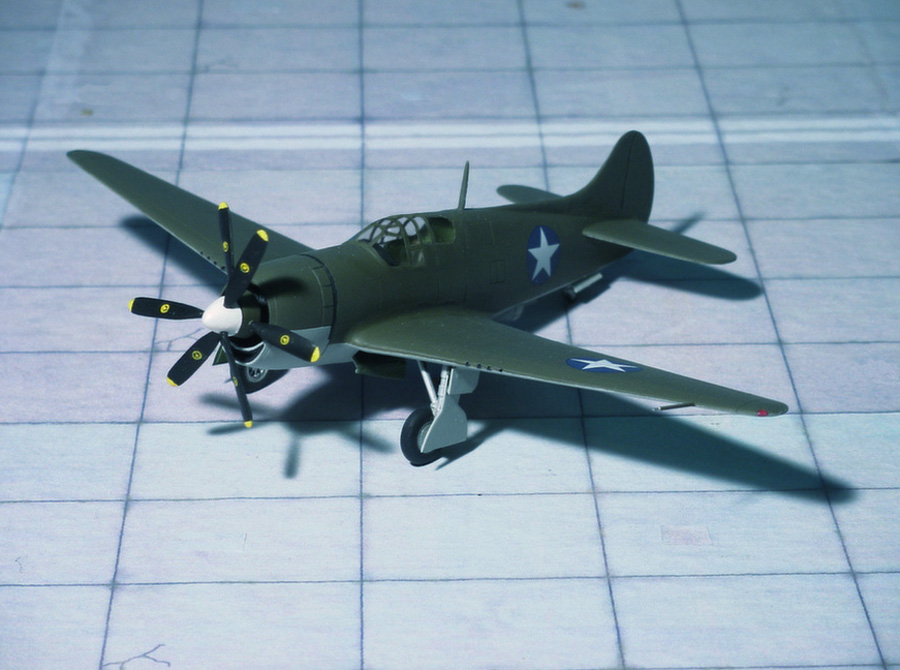
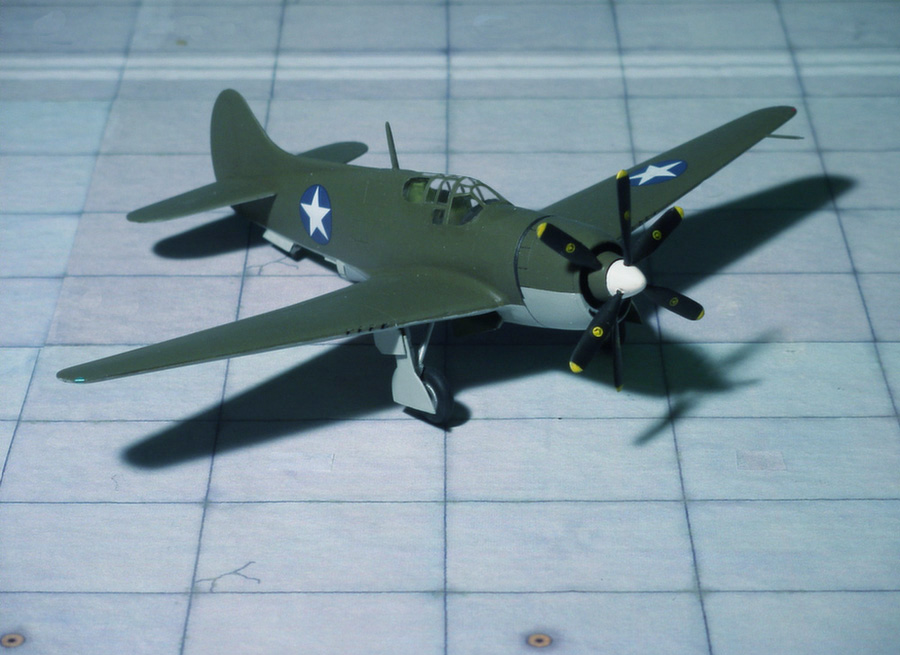
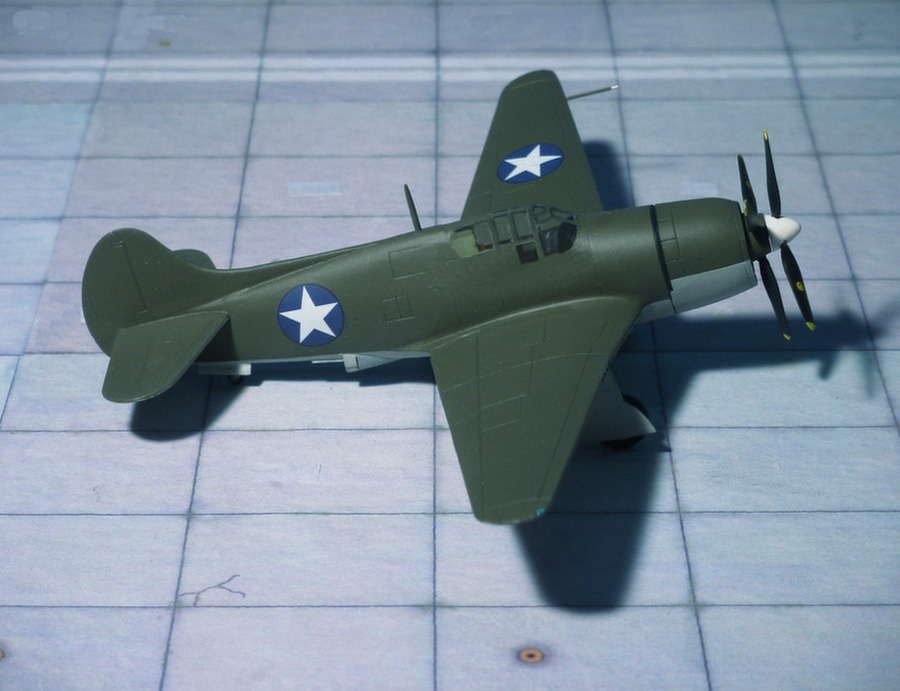
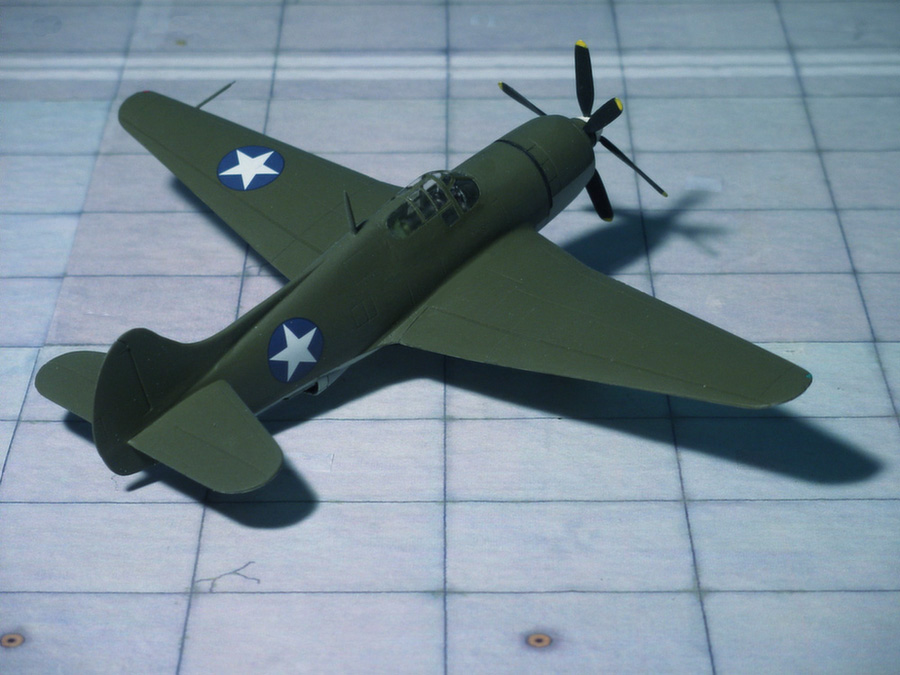
POWER PLANT: One Wright R-3350-17 Duplex Cyclone radial piston engine, rated at 2,300 hp, and driving six-bladed contra-rotating constant-speed propellers
PERFORMANCE: 448 mph at 27,000 ft
COMMENTS: The Curtiss XP-62 was a prototype single-engine interceptor aircraft, that was built for the United States Army Air Forces, by the Curtiss-Wright Corporation. It first flew in 1943.
The design sought to have an improved high-altitude performance and higher speeds, at all altitudes, which was to be assisted by the 18-cylinder Wright R-3350 Duplex-Cyclone engine. It was to be armed with four 0.79 in autocannons, a heavier armament than contemporary USAAF fighter aircraft, and was fitted with a pressurized cockpit.
The terms of the contract proposal of 29 April 1941 called for the first flight within fifteen months of the award and meet the following objectives:
Maximum level flight speed at 27,000 ft had to exceed 468 mph, it was to feature an air-conditioned pressurized cockpit , armament to be either eight 0.79 in cannons or twelve 0.50 in machine guns, mounted in the wings.
Two prototypes were ordered; the first designated XP-62 and the second designated XP-62A.
On 2 August 1941, the specifications were amended for the XP-62, reducing the maximum speed to 448 mph with eight 0.79 in cannons, and increasing the loaded weight by 1,537 lb (697 kg).
During a project review of 1 January 1942, the specification was again revised, with the loaded weight reduced by eliminating four cannons and removing the propeller de-icing equipment.
On 25 May 1942 a contract for 100 P-62 fighters was awarded. However, on July 1942, before production could begin, the contract for the P-62 was terminated by the USAAF because of the effect on deliveries of Curtiss-built Republic P-47G-CU Thunderbolts.
While work on the XP-62A continued, it progressed slowly, owing to its low priority. Delays in delivery of the pressure-cabin supercharger and engine modifications delayed the first flight until 21 July 1943. Only a limited amount of flight testing was carried out before the XP-62A was canceled on 21 September 1943 and full performance characteristics were not obtained. The prototype was scrapped in early 1944 (Ref.: 24).
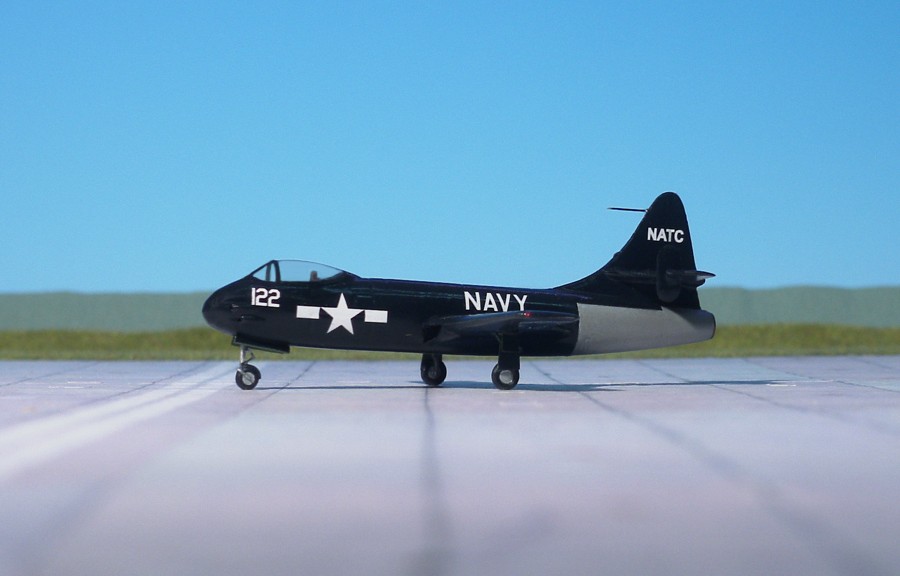
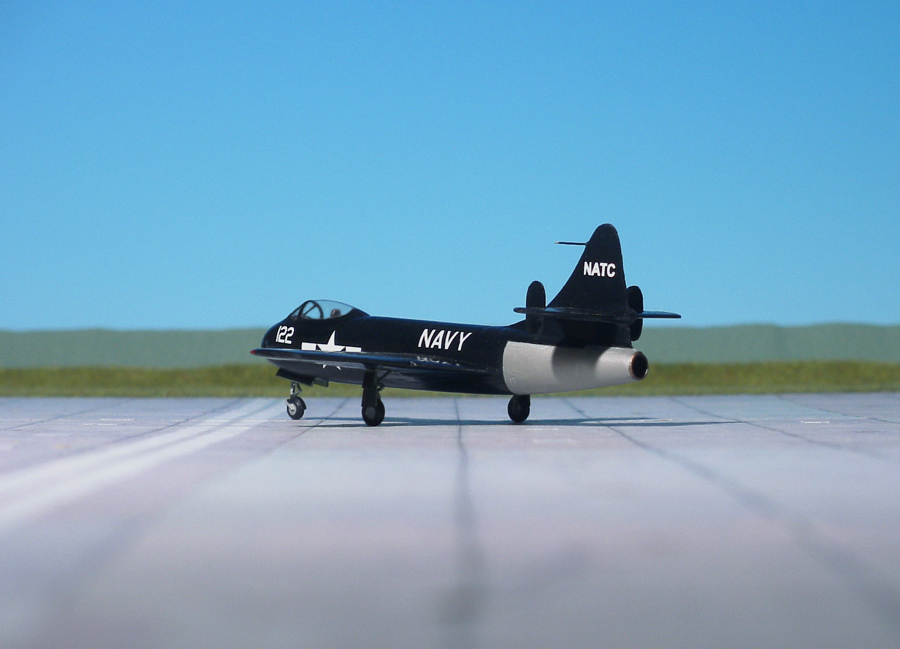
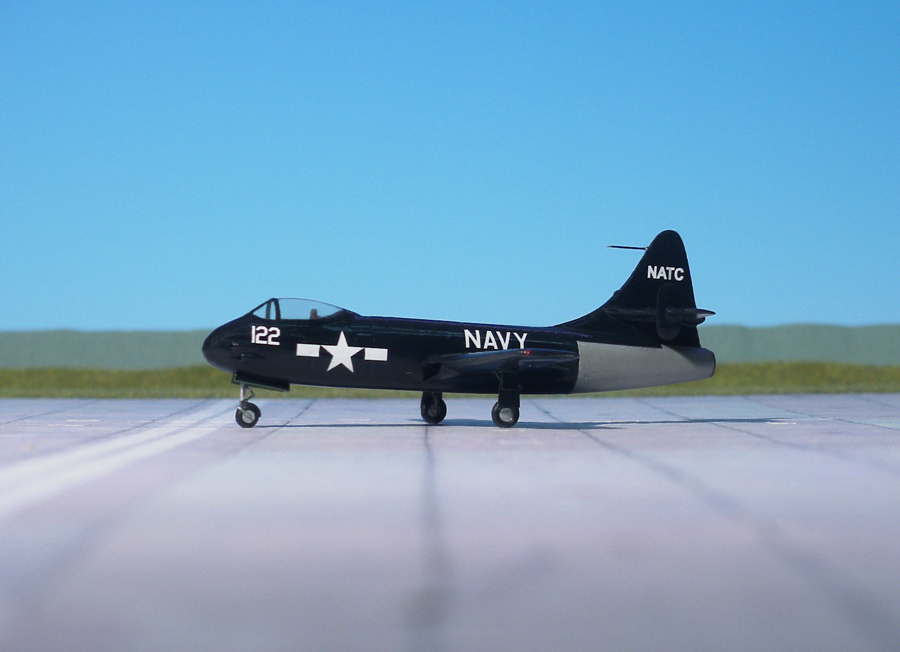
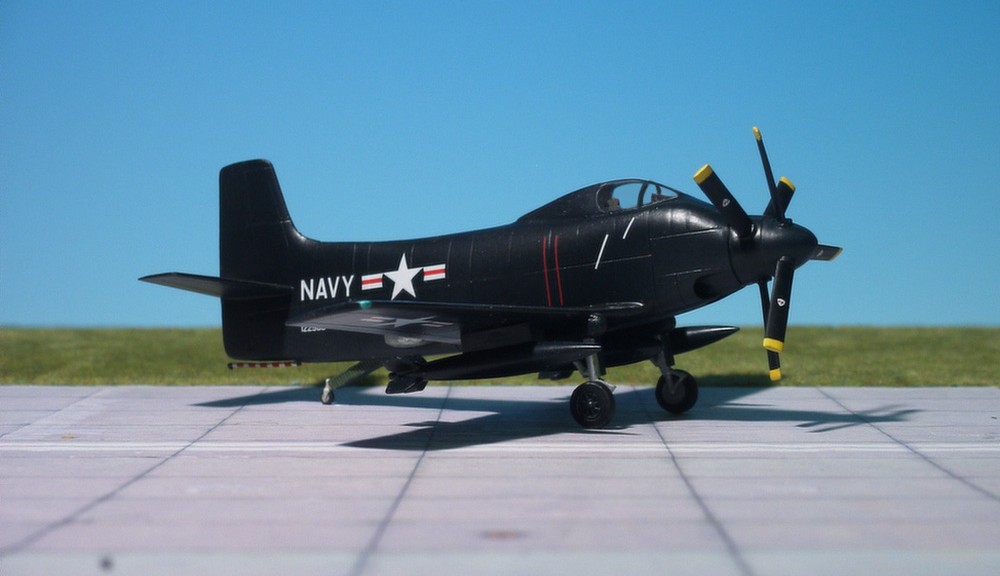
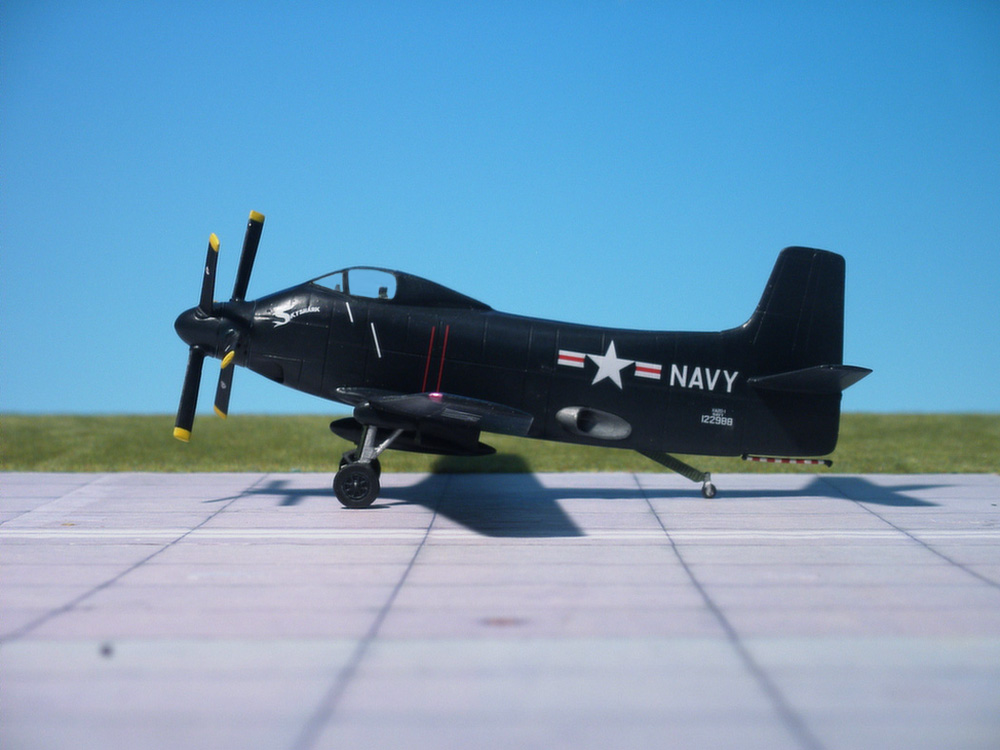
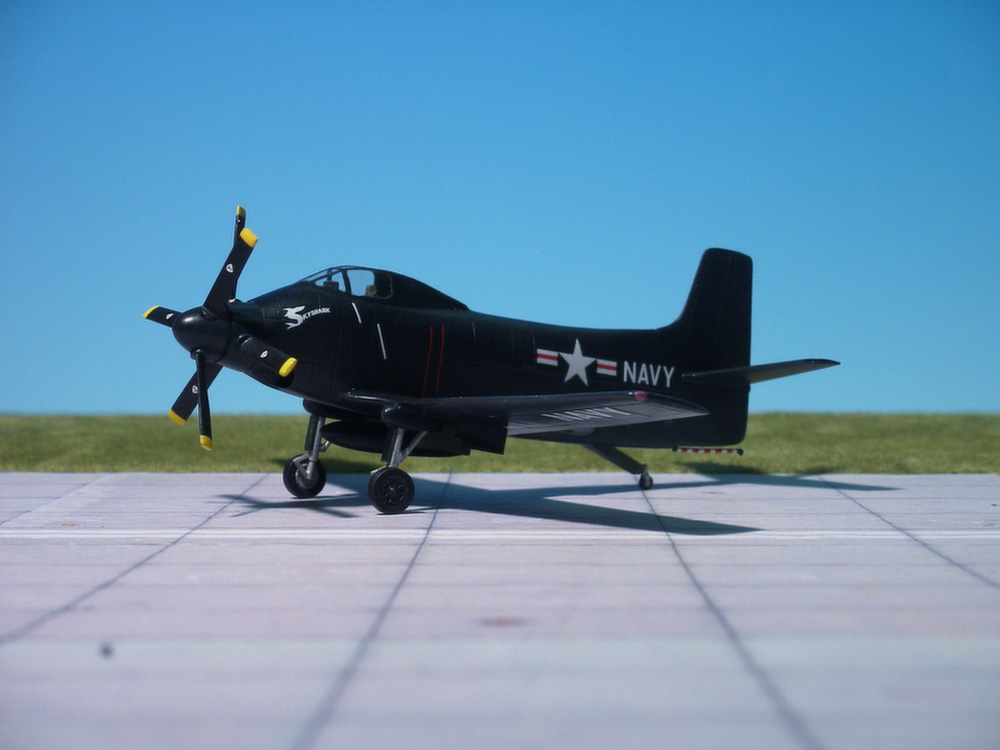
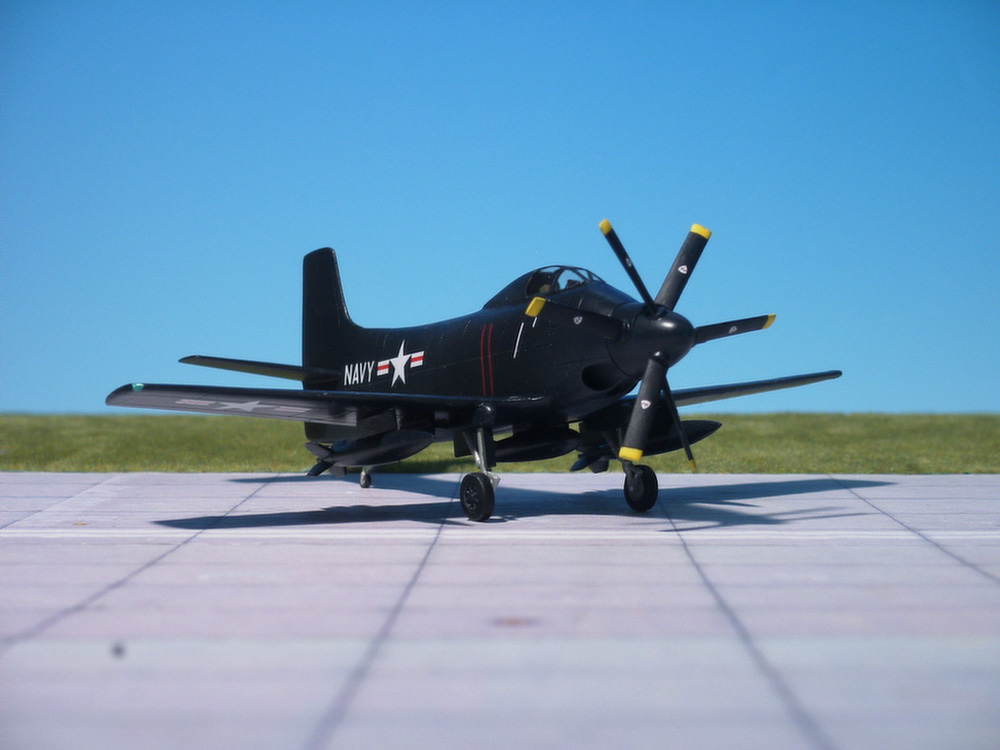
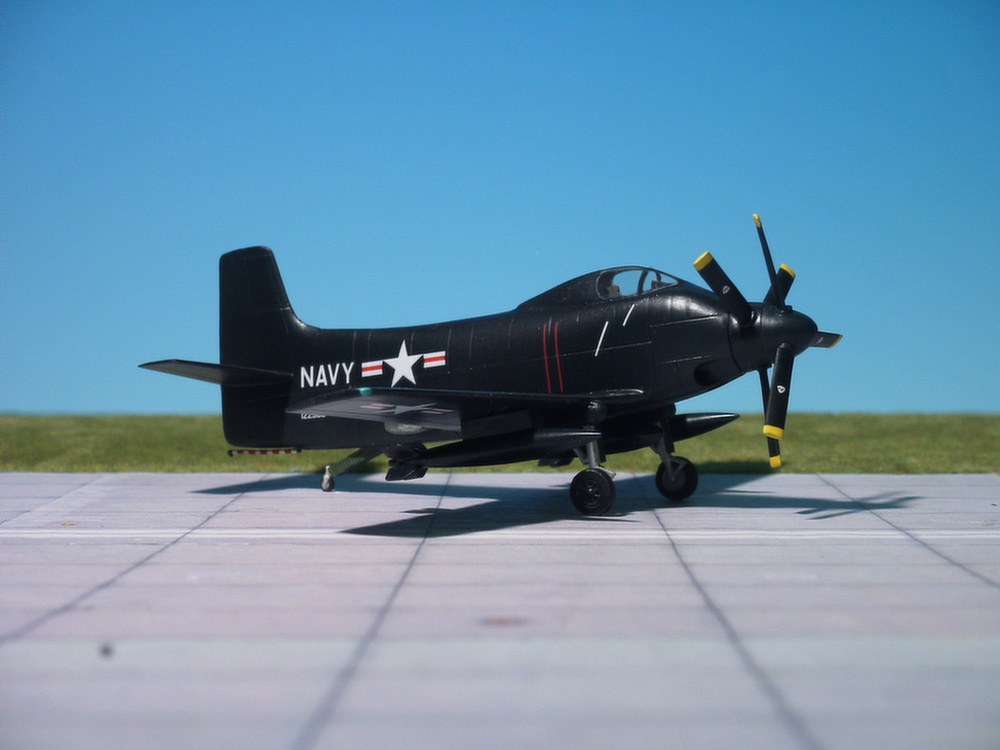
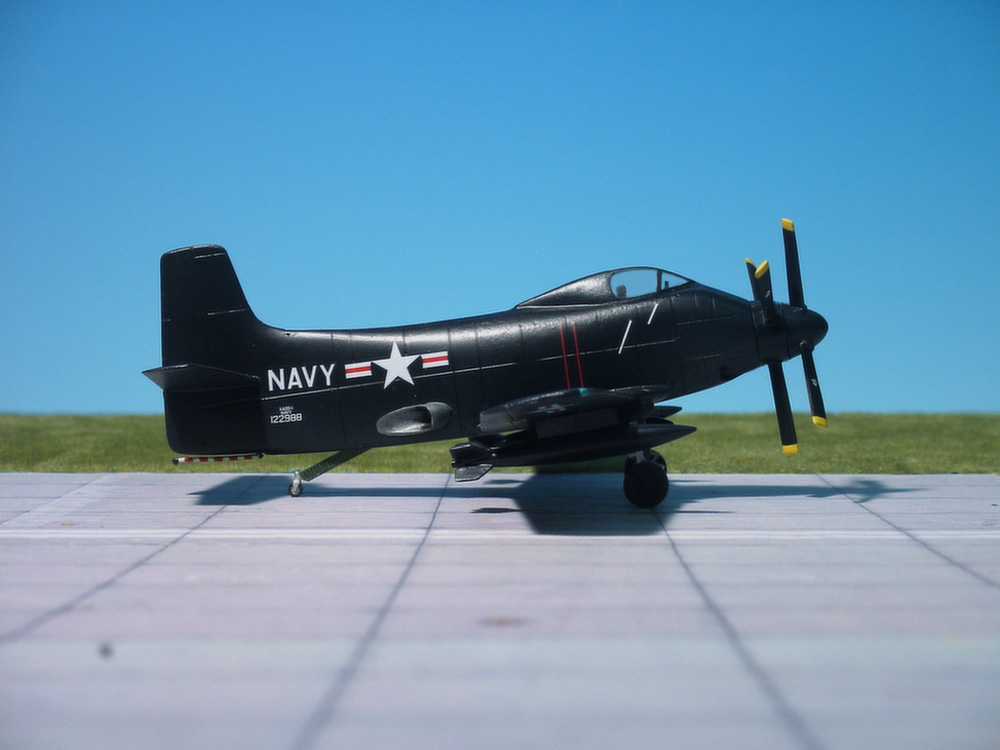
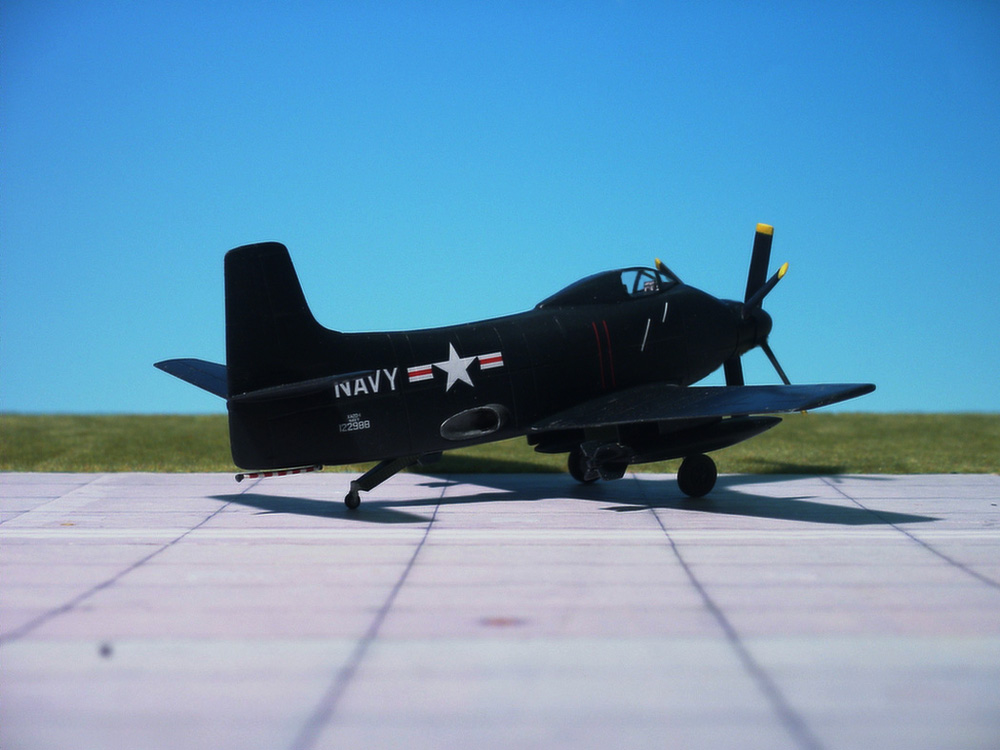
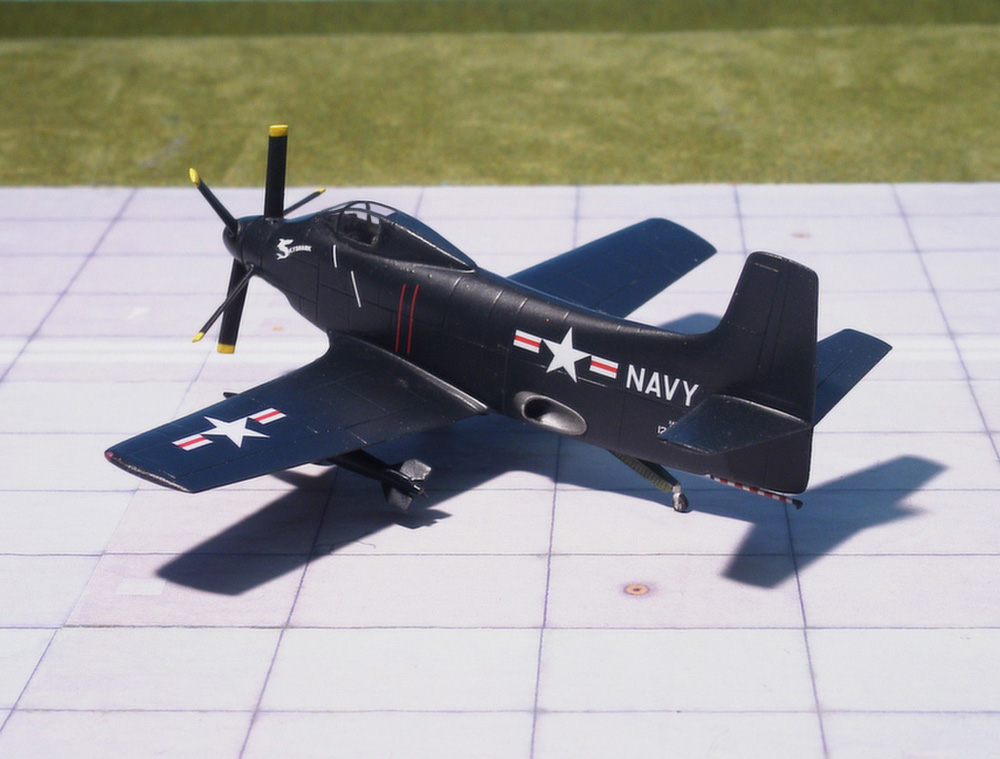
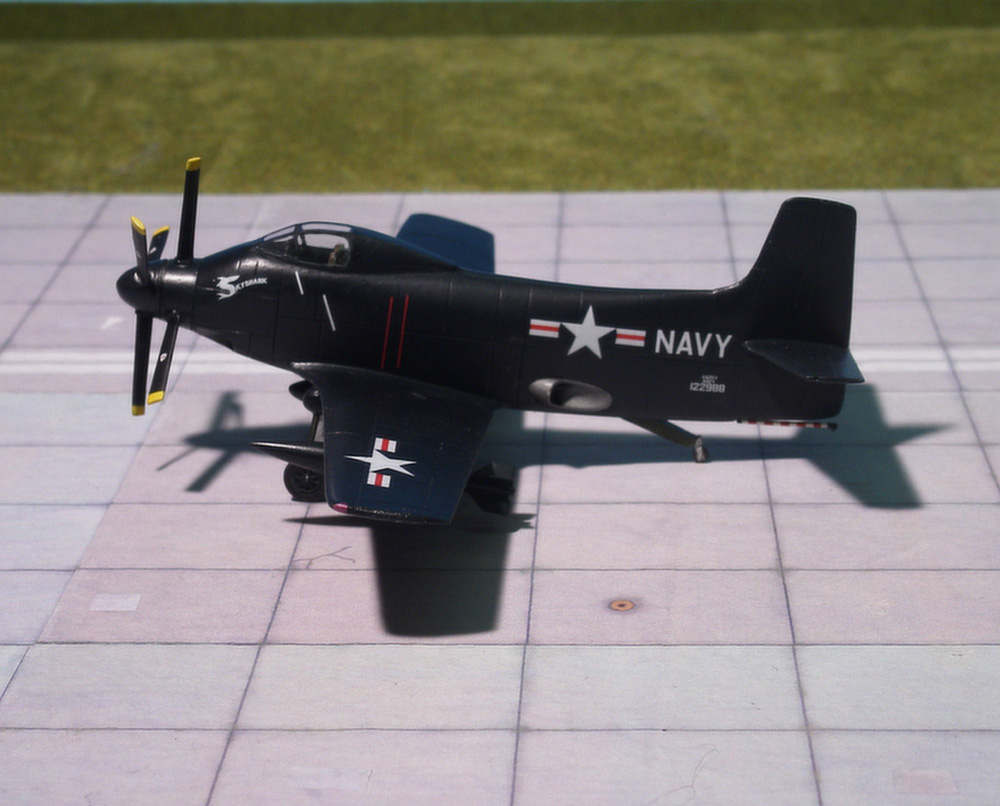
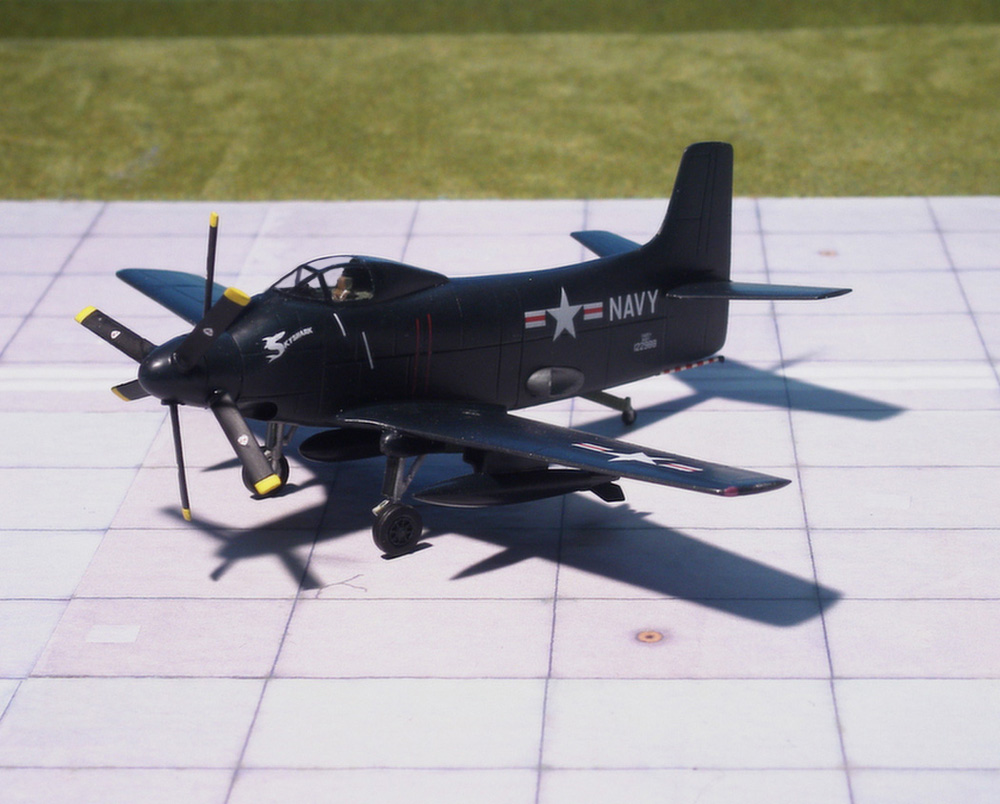
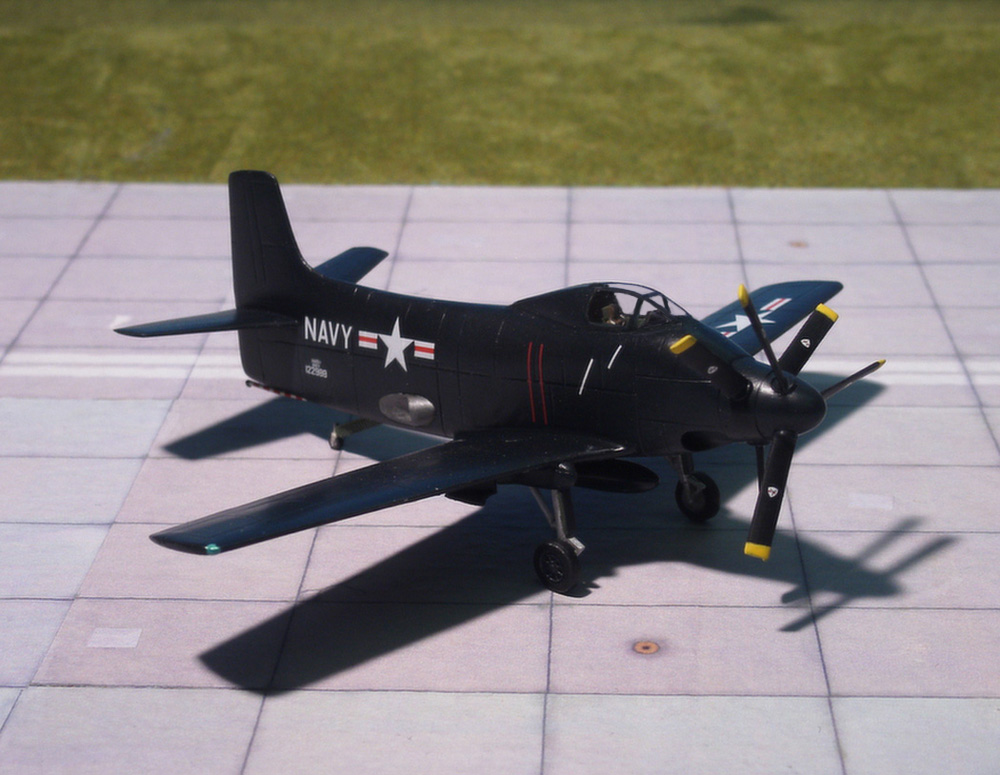
POWER PLANT: Allison XT40-A2 coupled turboprop engine, rated at 5,100 h.p., driving two contra-rotating three-bladed propellers,
PERFORMANCE: 492 mph at 40.000 ft
COMMENT: The Douglas A2D Skyshark was an American carrier-borne turbopropeller-powered attack aircraft built by the Douglas Aircraft Company for the US Navy. The program was substantially delayed by engine reliability problems, and was canceled because more promising turbojet attack aircraft had entered development and the smaller escort carriers the A2D was intended to utilize were being phased out.
On June 1945, the Bureau of Aeronautics (BuAer) asked Douglas Aircraft for a turbine-powered, propeller-driven aircraft. Three proposals were put forth in the next year and a half: the D-557A, to use two General Electric TG-100s (T31s) in wing nacelles; the D-557B, the same engine, with counter-rotating propellers; and the D-557C, to use the Westinghouse 25D. These were canceled due to engine development difficulties, but BuAer continued to seek an answer to the high fuel-consumption of the turbojet powered aircraft.
On June 1947 Douglas received the Navy’s letter of intent for a carrier-based turboprop-powered aircraft. The need to operate from Casablanca-class escort carriers dictated the use of a turboprop instead of turbojet power.
While it resembled the in service Douglas AD Skyraider, the A2D was different in a number of unseen ways. The 5,100 hp rated Allison XT-40-A-2 had more than double the horsepower of the Skyraider’s Wright R-3350 Cyclone air-cooled piston engine. The XT40 installation on the Skyshark used contra-rotating propellers to harness all the available power. Wing root thickness decreased, from 17% to 12%, while both the height of the tail and its area grew.
Engine-development problems delayed the first flight until May 1950 and on December 1950, the first prototype crashed while landing approach killing the pilot. Investigation found the starboard power section of the coupled Allison XT-40-A-2 turboprop engine had failed and did not declutch, allowing the Skyshark to fly on the power of the opposite section, nor did the propellers feather. As the wings’ lift disappeared, a fatal sink rate was induced. Additional instrumentation and an automatic decoupler was added to the second prototype, but by the time it was ready to fly on April 1952, sixteen months had passed, and with all-jet designs being developed, the A2D program was essentially dead. Total flight time on the lost airframe was barely 20 hours.
Allison failed to deliver a “production” engine until 1953, and by the summer of 1954, the new Douglas A4D Skyhawk pure turbojet-powered ground attacker was ready to fly. The escort carriers were being mothballed, and time had run out for the troubled A2D program.
Due largely to the failure of the T40 program to produce a reliable engine, the Skyshark never entered operational service. Twelve Douglas A2D Skysharks were built, two prototypes and ten preproduction aircraft. Most were scrapped or destroyed in accidents, and only one has survived (Ref.: 24).
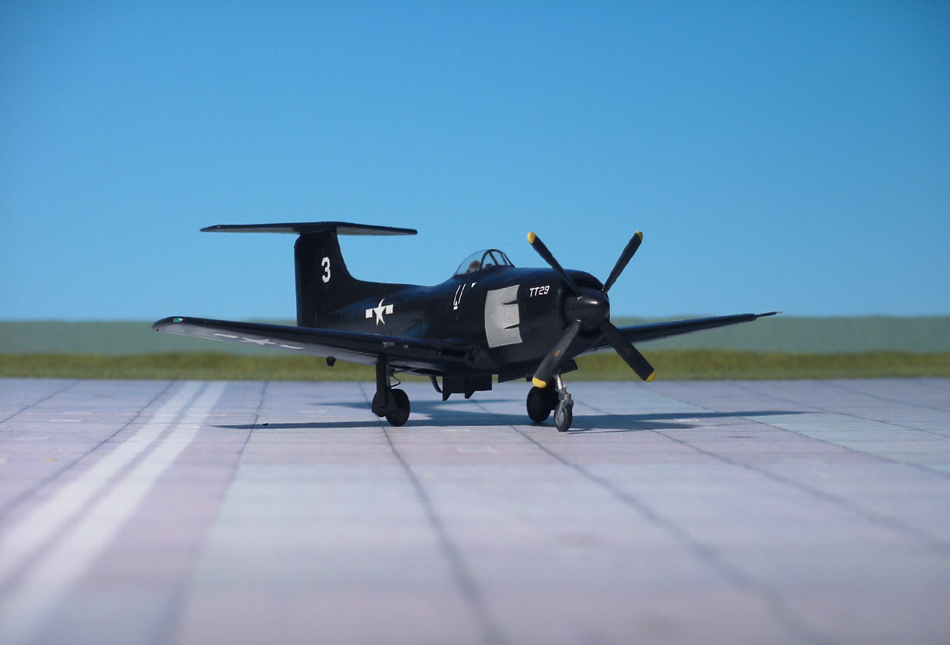
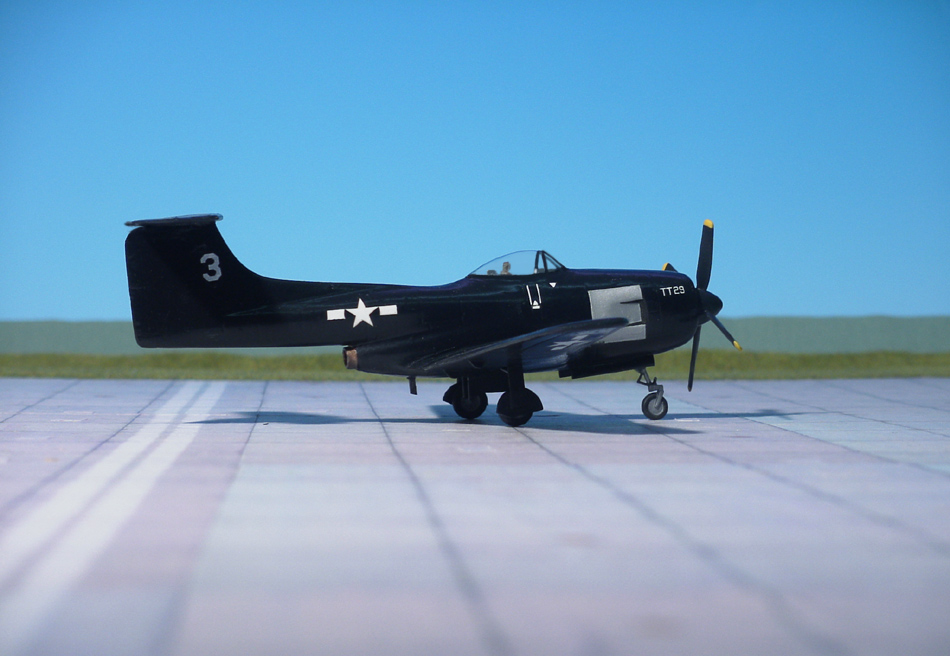
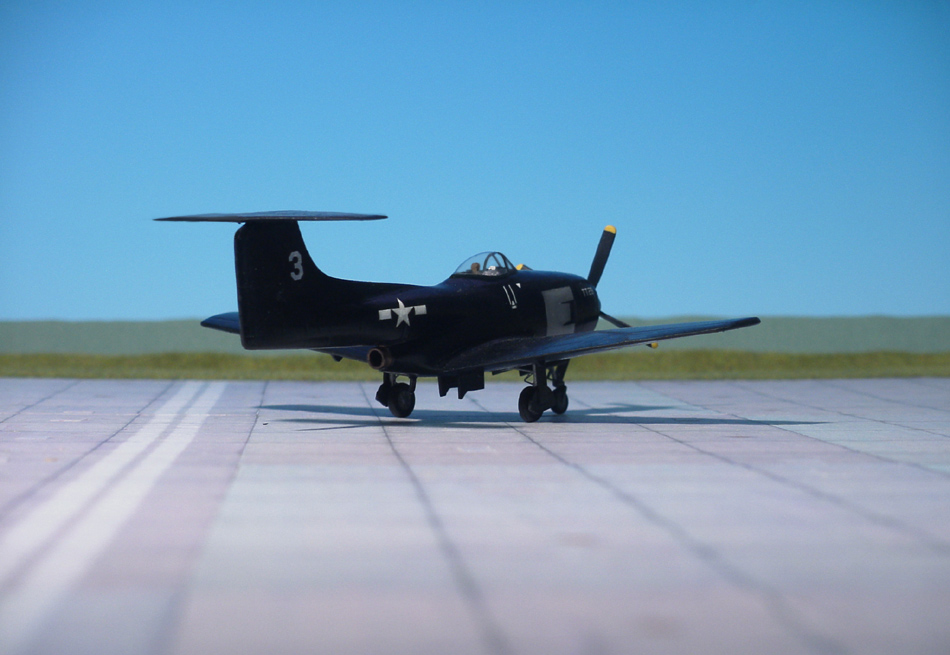
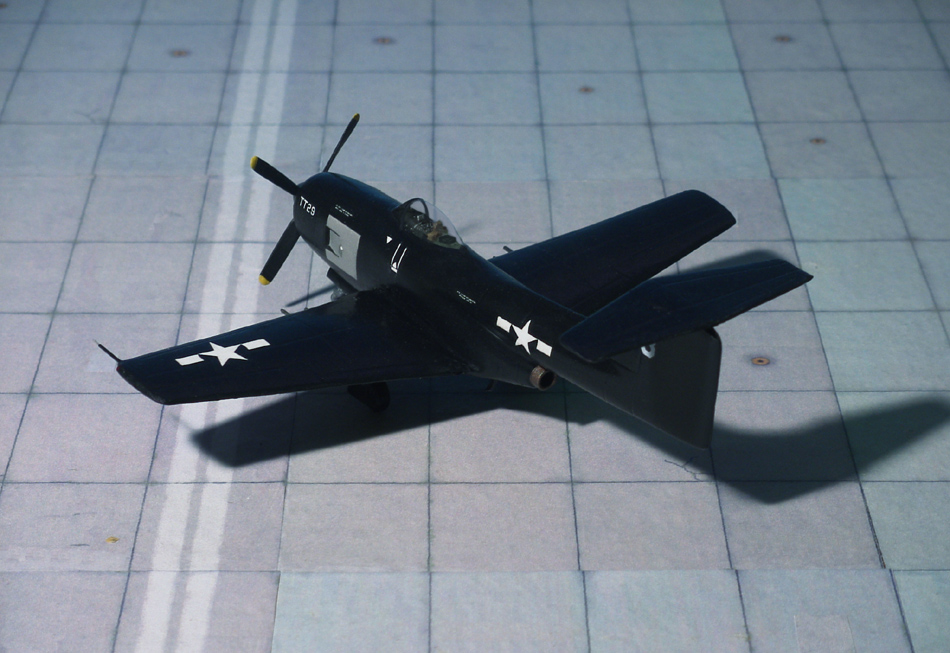
POWER PLANT: One Pratt & Whitney R-2800-34W Double Wasp air-cooled engine, rated at 2,100 hp and one Allis-Chalmers J 36 centrifugal flow turbojet, rated at 1,244 kp thrust
PERFORMANCE: 469 m.p.h. (with both engines) at 25,300 ft
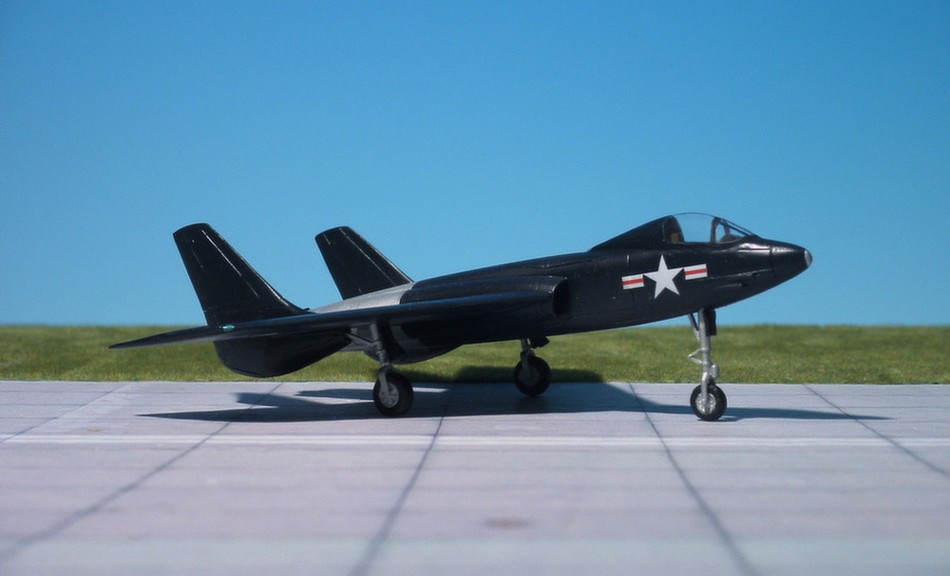
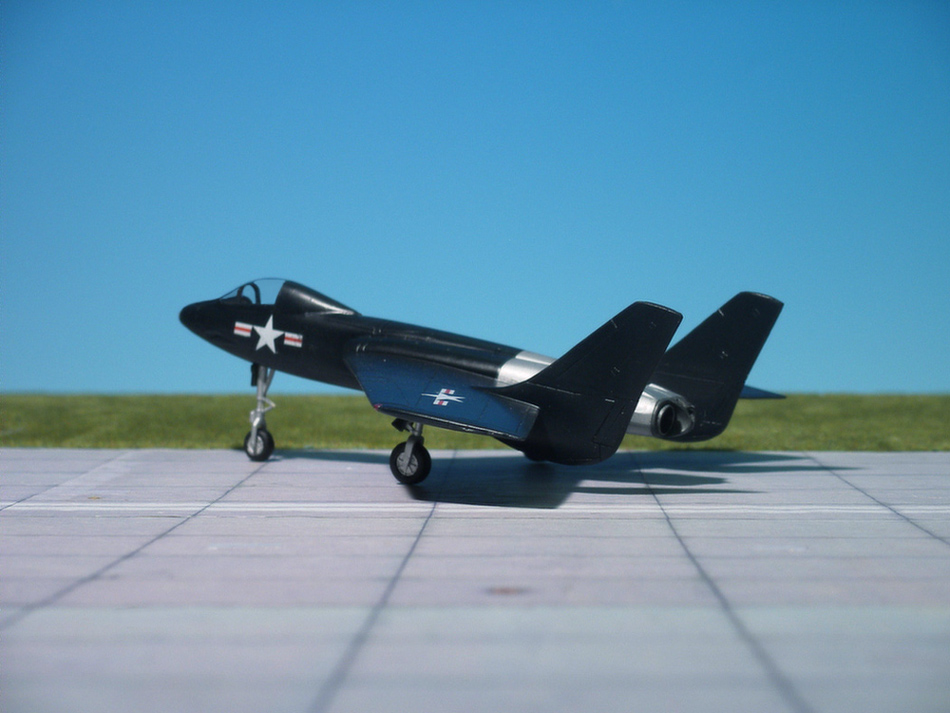
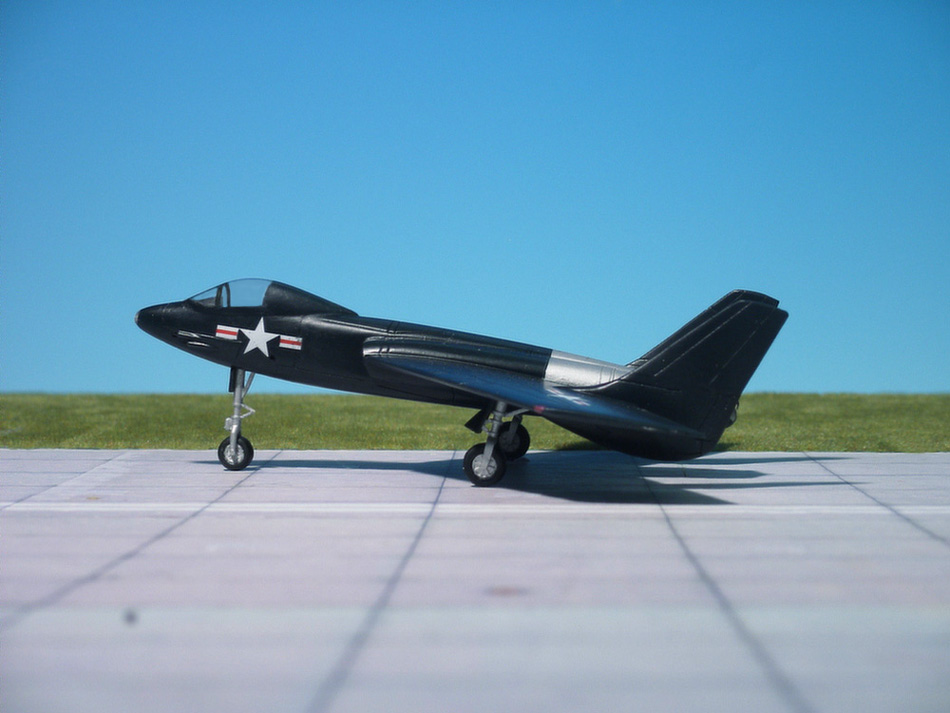
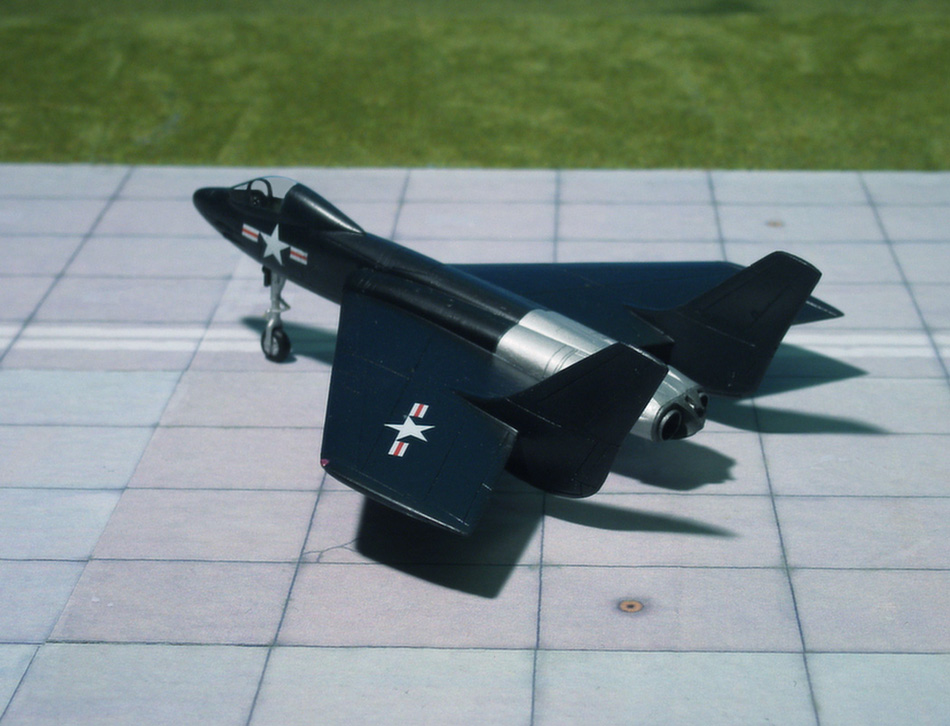
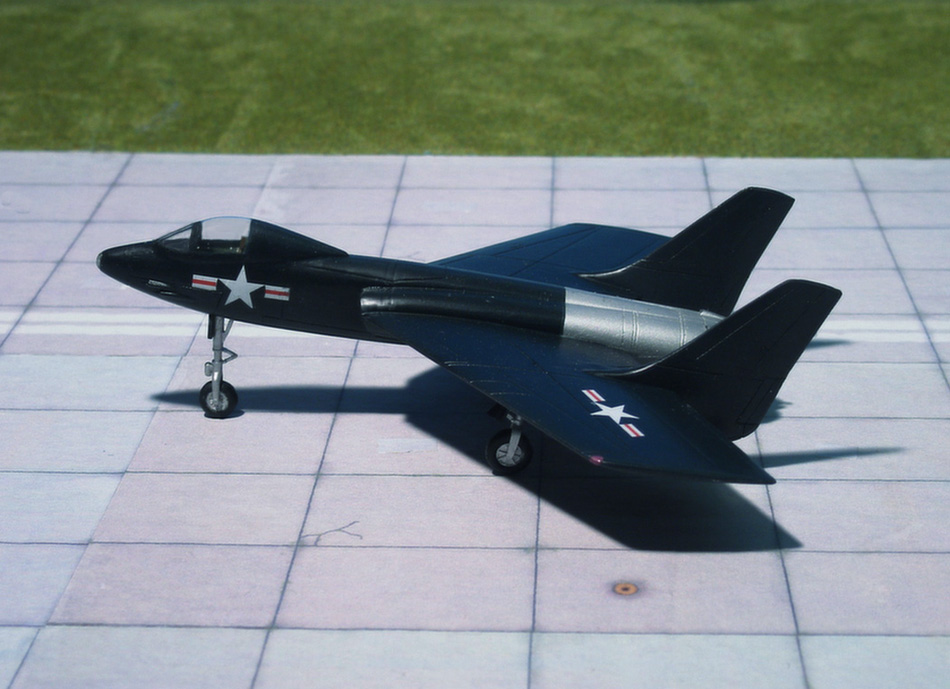
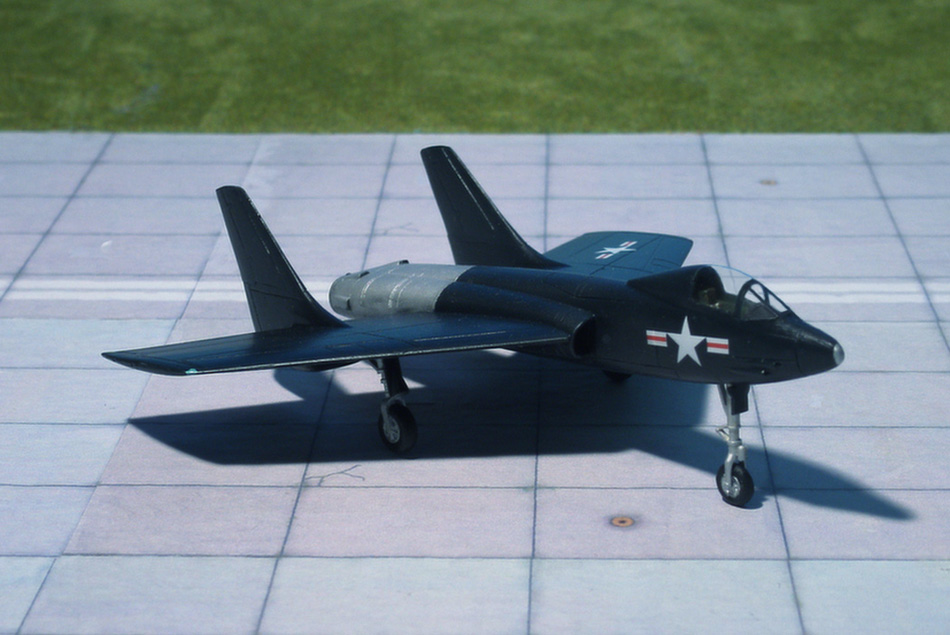
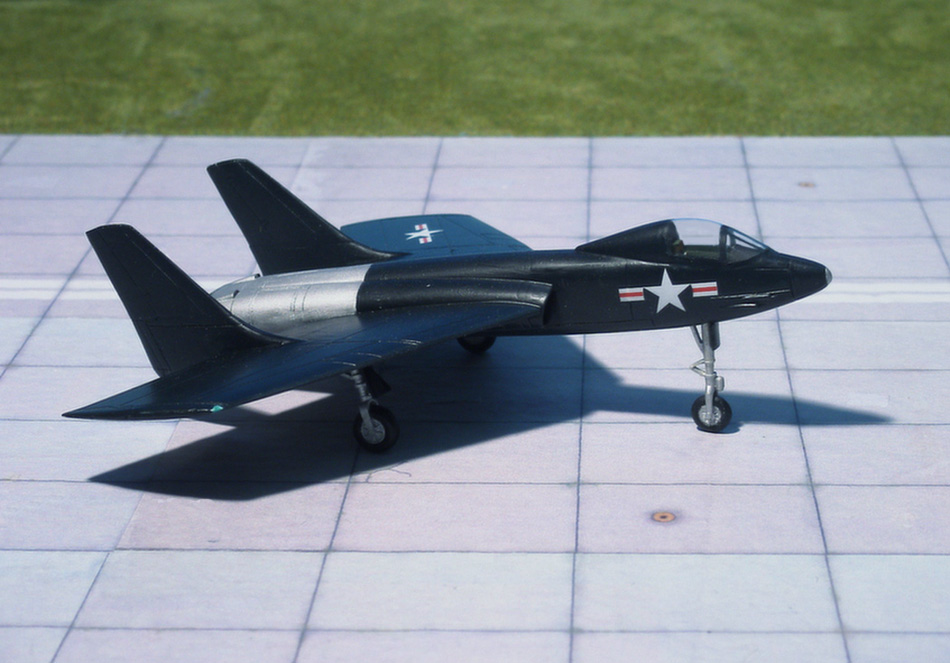
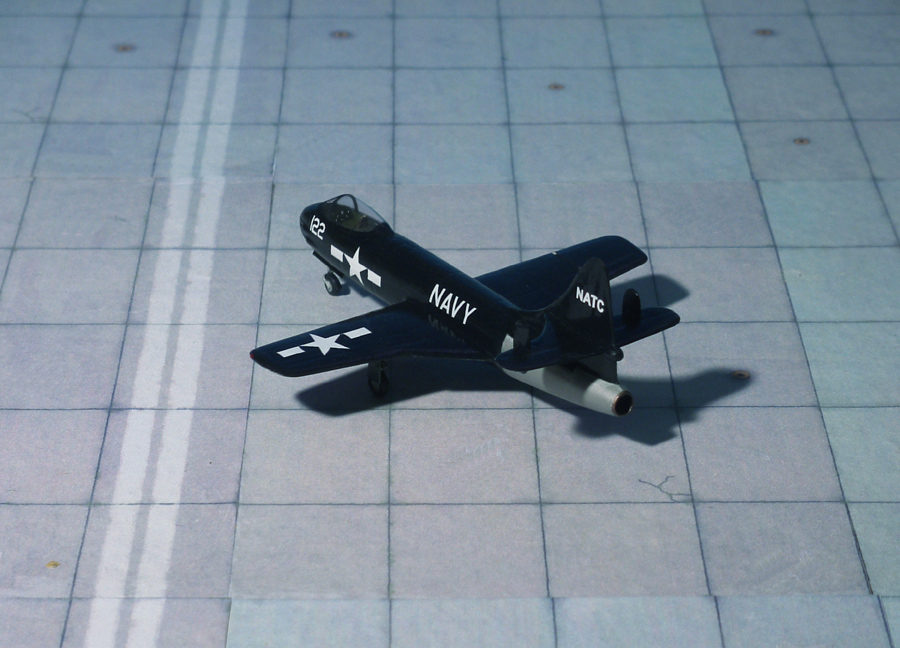
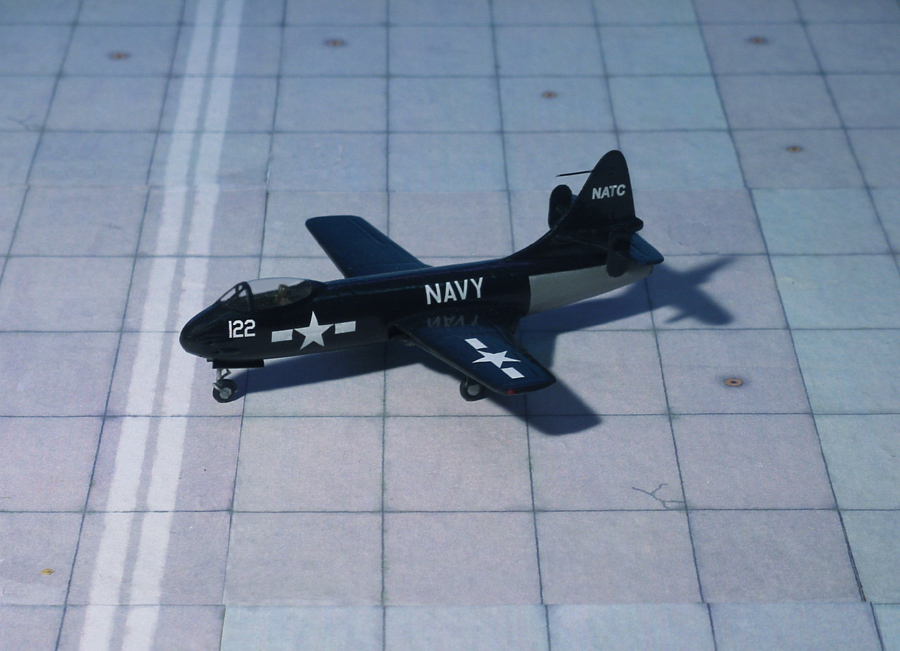
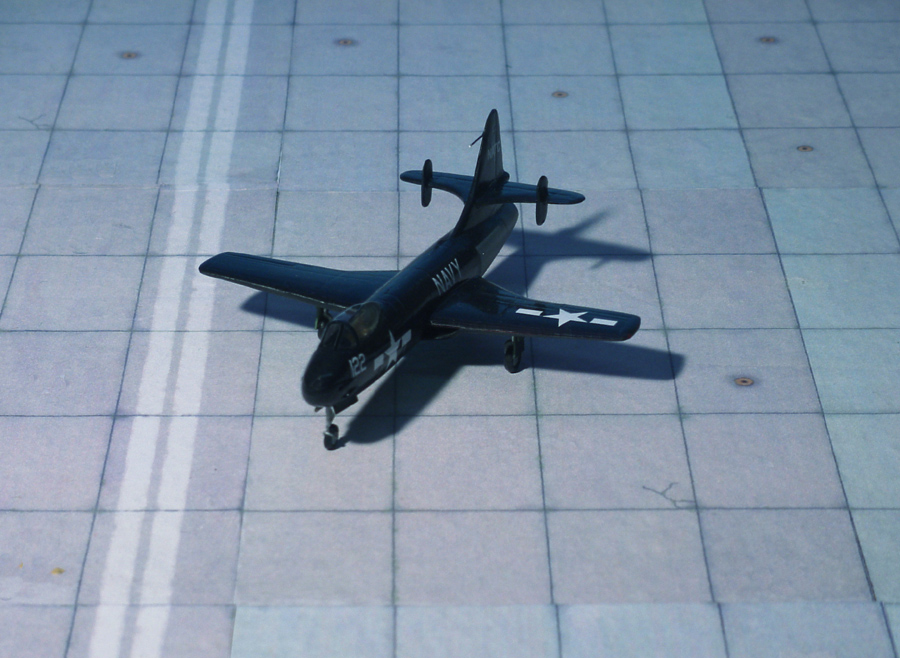
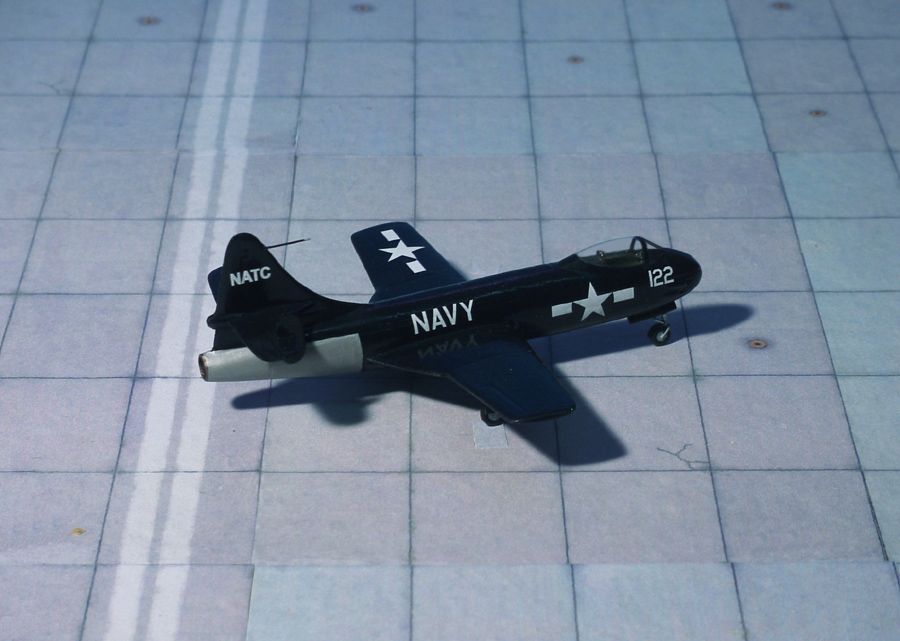
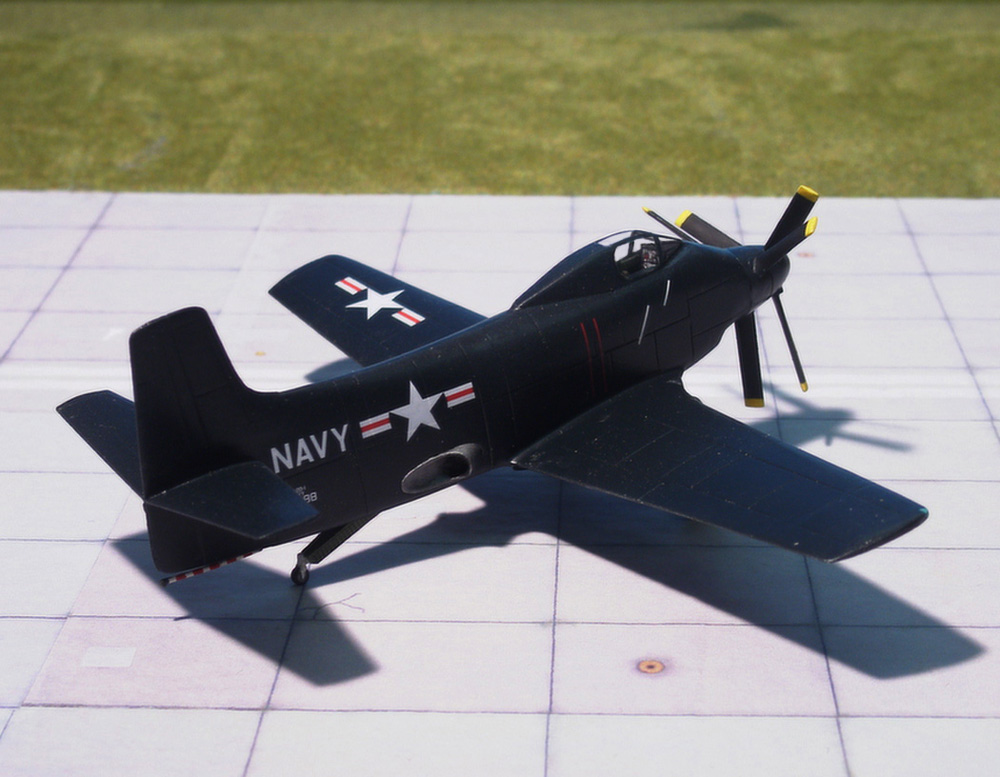
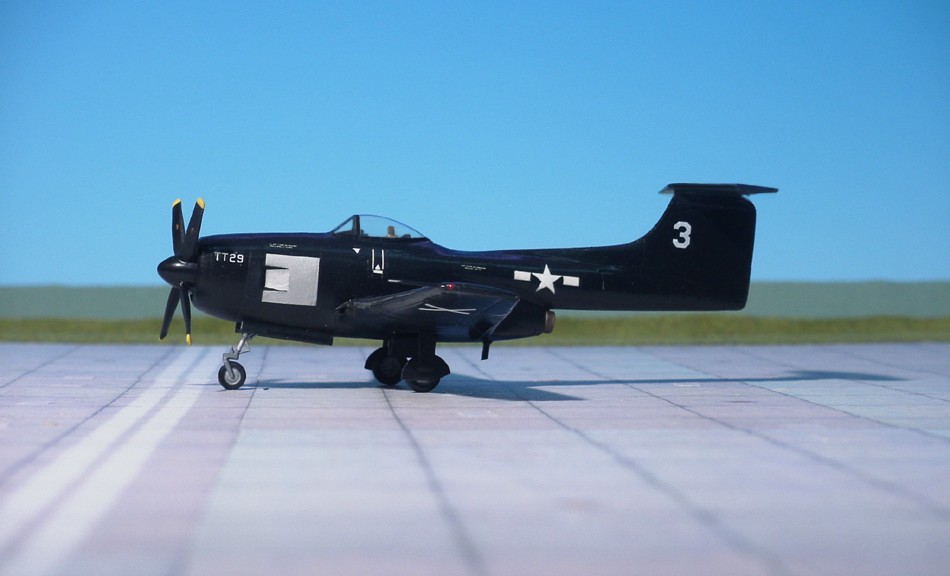
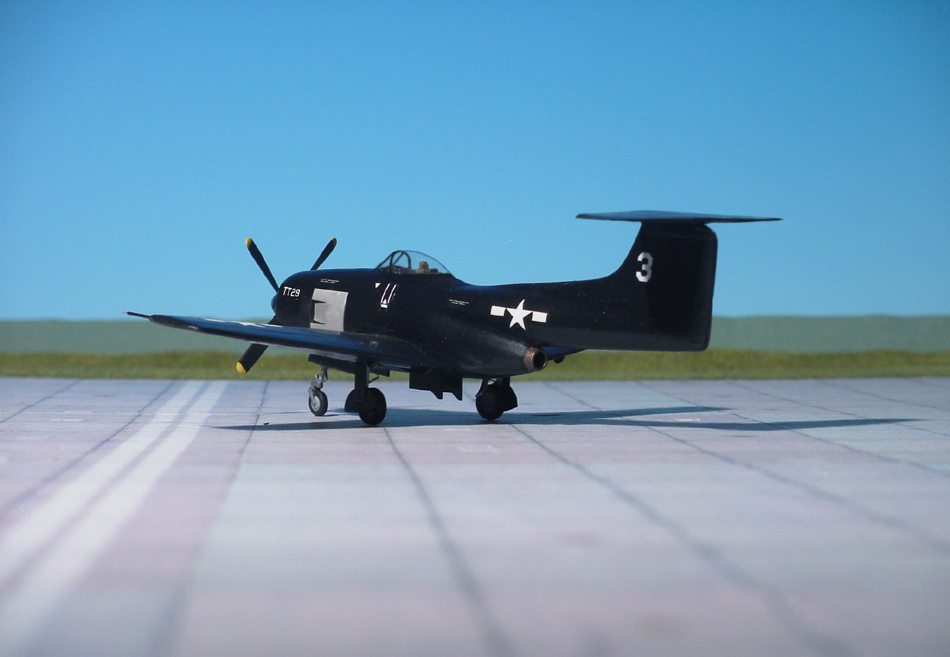
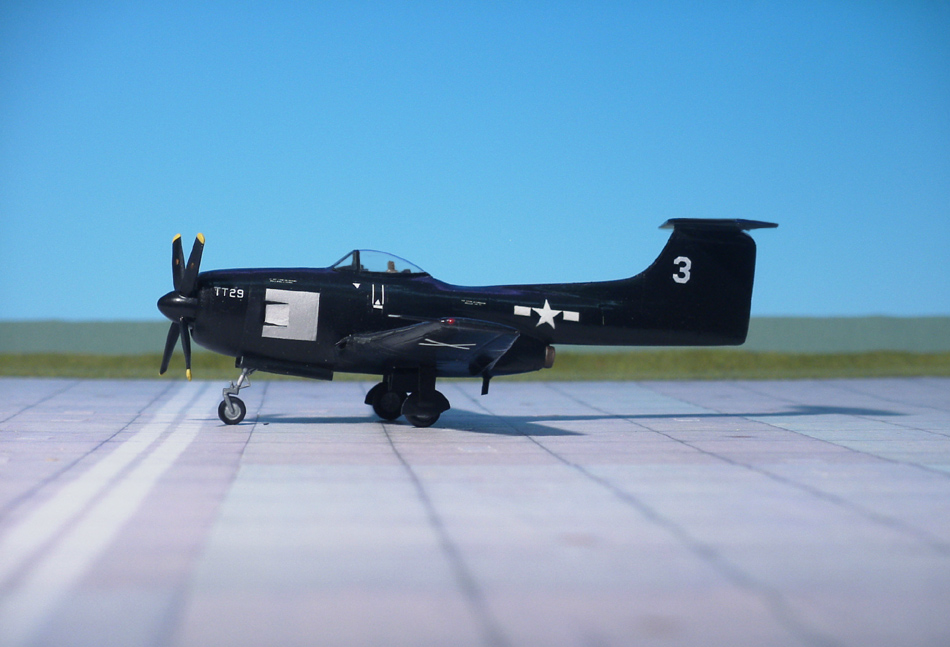
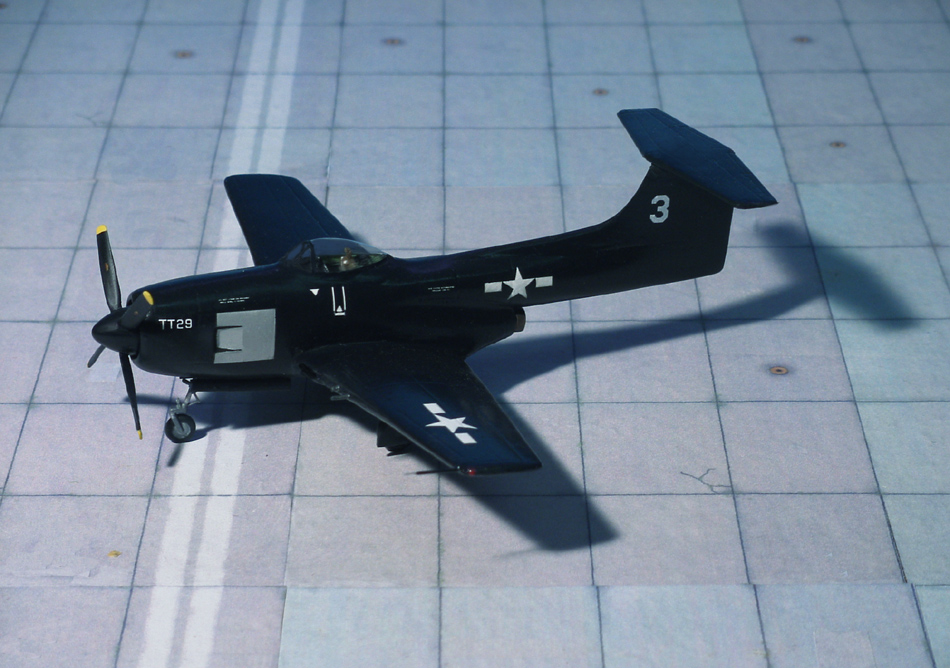
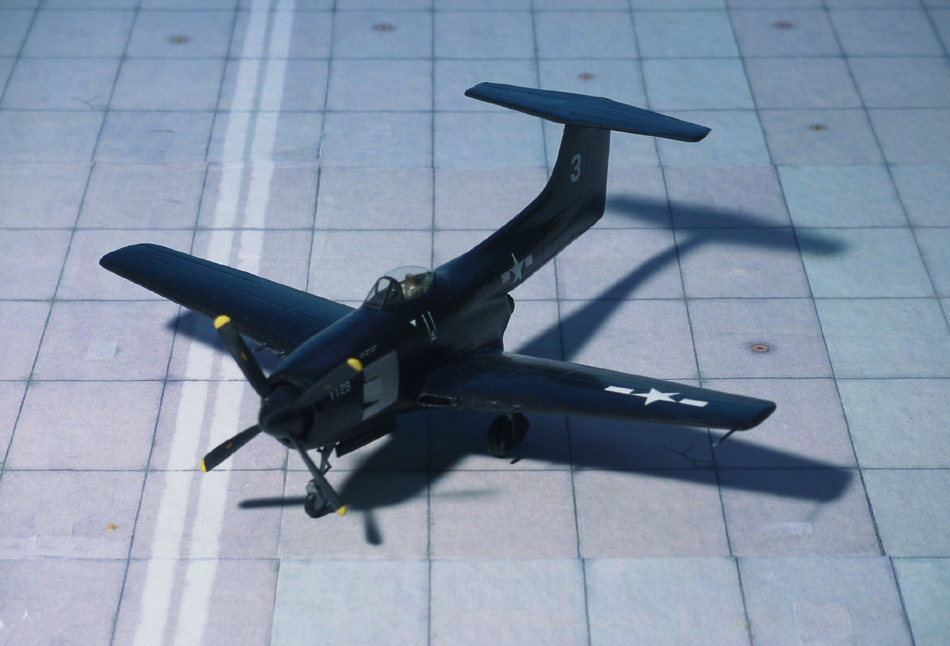
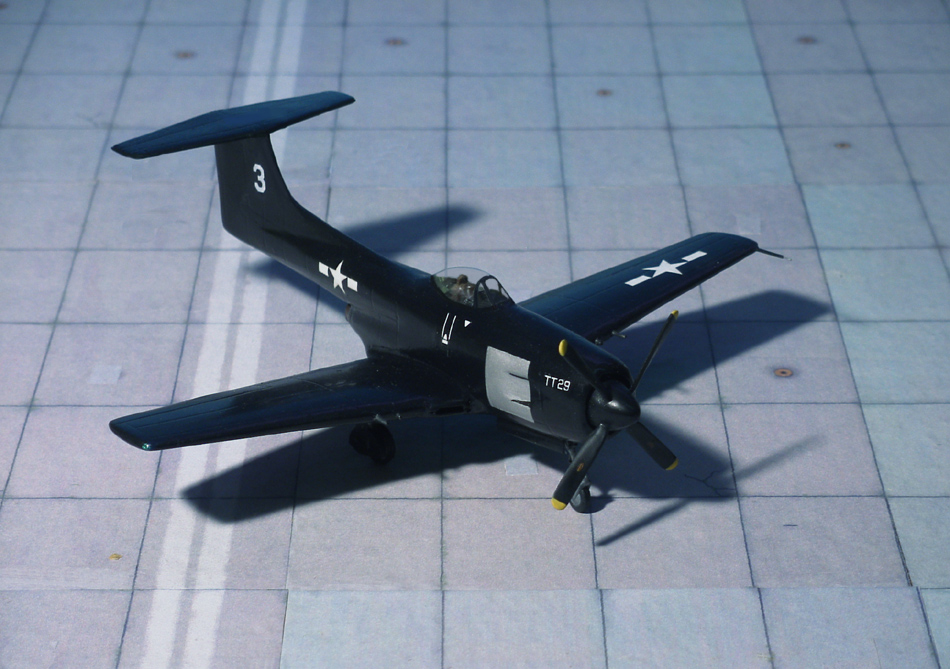
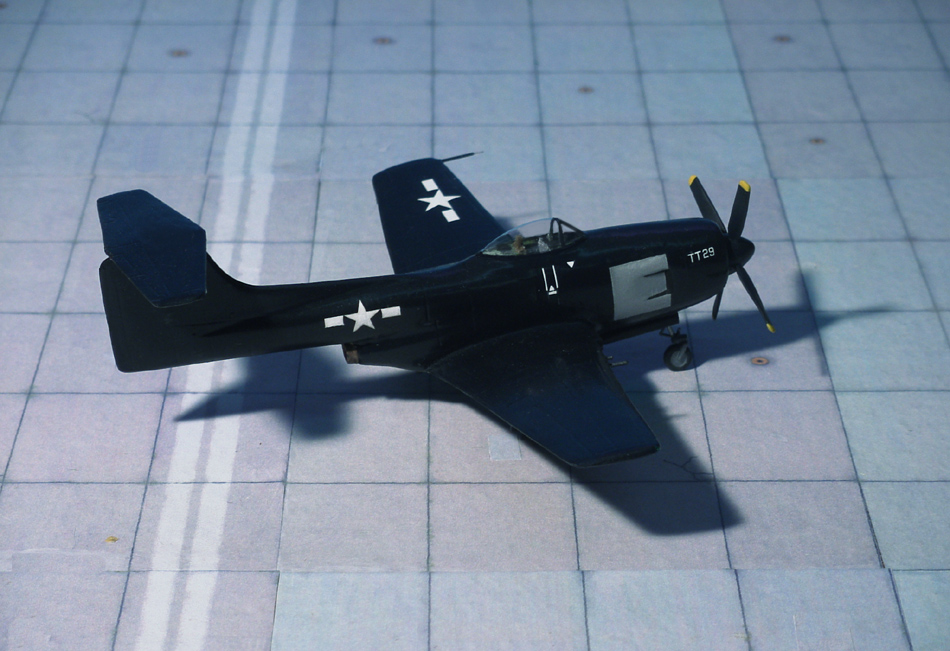
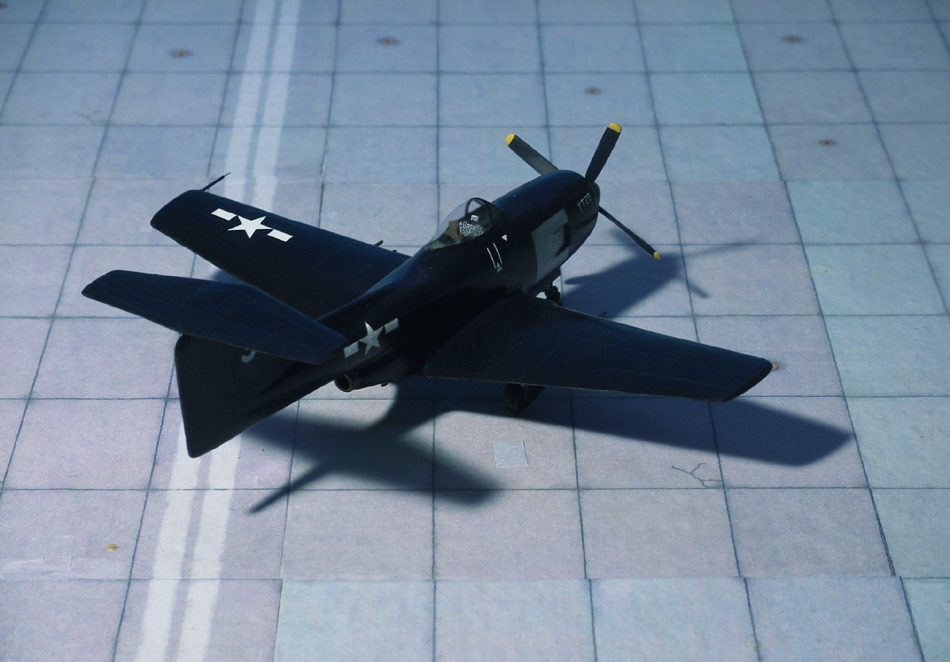
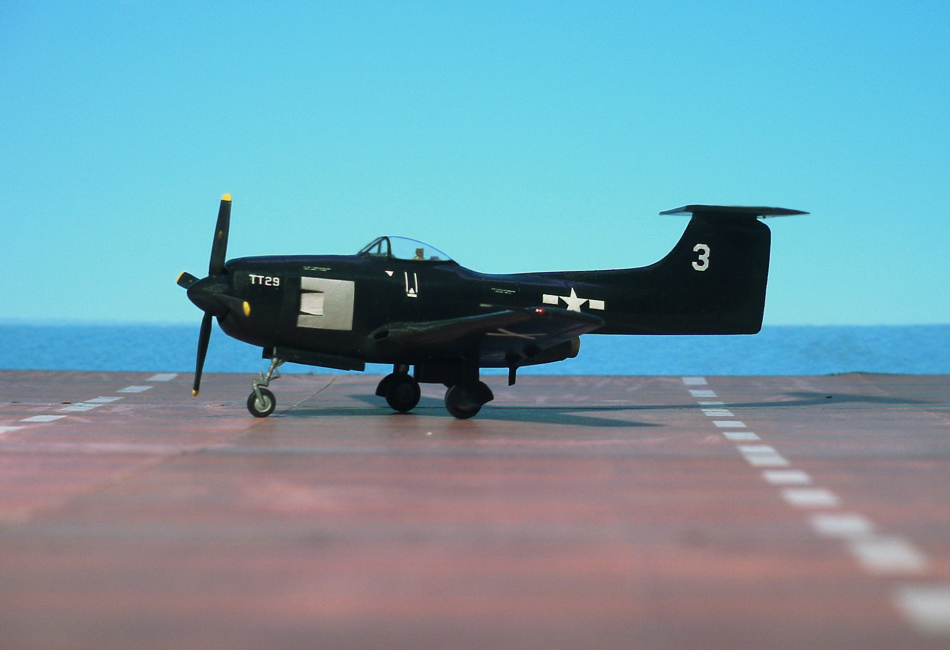
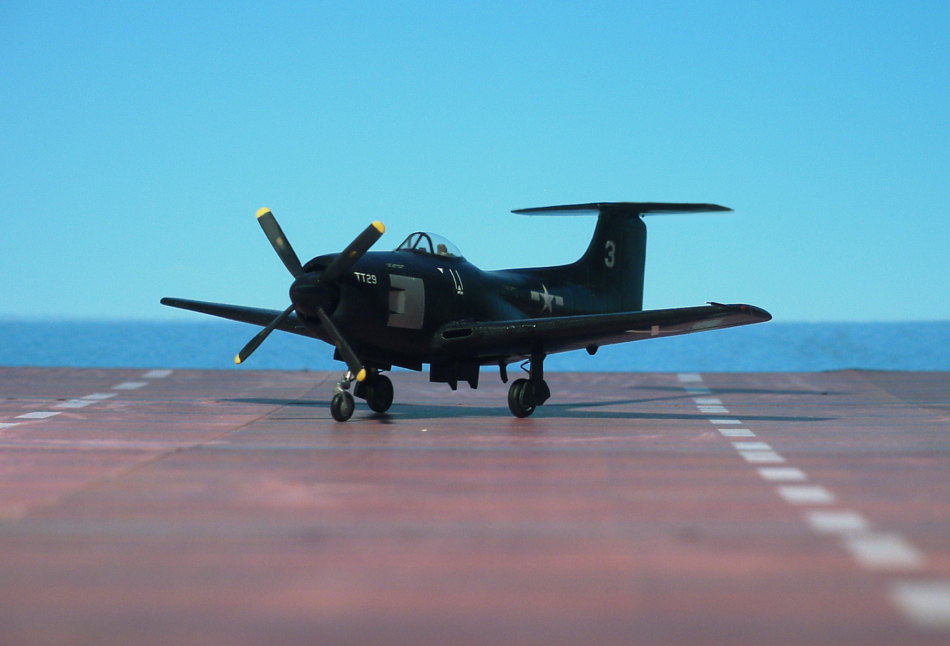
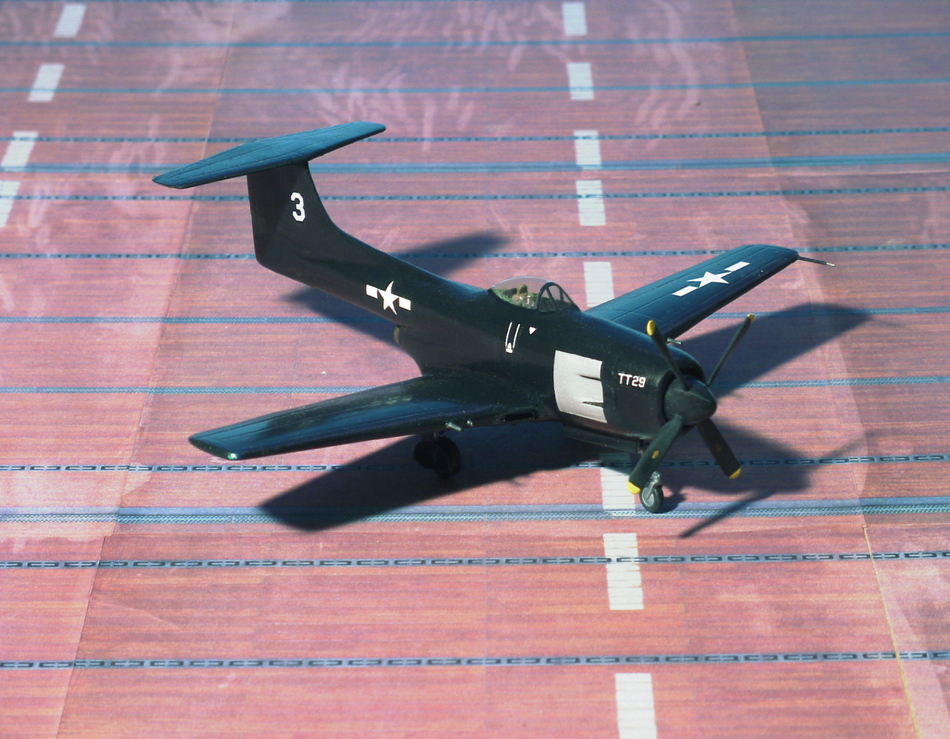
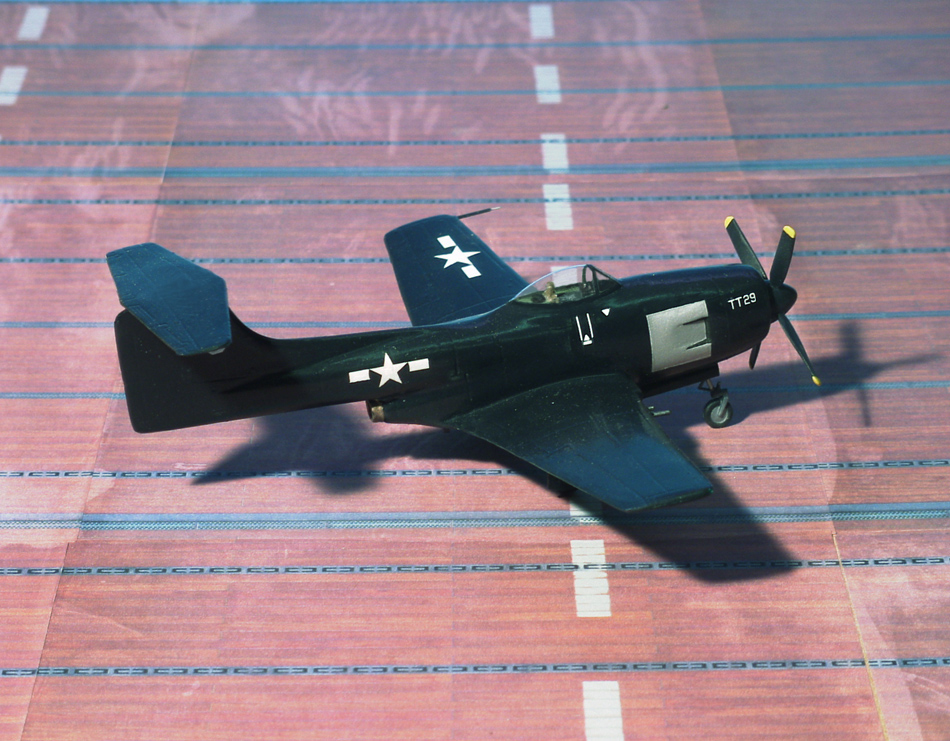
COMMENT: The Curtiss XF15C-1 is a mixed-propulsion fighter prototype of the 1940s. It was among a number of similar designs ordered by the US Navy before pure turbojet powered aircraft had demonstrated their ability to operate from carriers and the mixed-propulsion designs were abandoned. Only three prototypes were constructed, one of which survived to this day.
By the late 1940s, the US Navy was interested in the mixed-power concept for its shipborne fighters. Turbojet engines of that era had very slow throttle response, which presented a safety concern in the case of a missed approach on an aircraft carrier as the aircraft might not be able to throttle up quickly enough to keep flying after leaving the end of the flight deck. This led to orders for a number of mixed-propulsion fighters, including the Ryan FR-1 Fireball.
As such, an order was placed with Curtiss on April 1944 for delivery of three mixed-power aircraft, designated the F15C. Powered by both a 2,100 hp Pratt 6 Whitney R-2800-34W Double Wasp propeller engine, and an Allis-Chalmers J 36 centrifugal flow turbojet, the aircraft was in theory the fastest fighter in the US Navy at that time.
The first flight of the first prototype was on 27 February 1945, without the turbojet installed. When this was completed in April of the same year, the aircraft flew several mixed-power trials, however on May, it crashed on a landing approach. The second prototype flew for the first time on July, again in 1945, and was soon followed by a third prototype. Both aircraft showed promise, however, by October 1946, the Navy had lost interest in the mixed-power concept and cancelled further development (Ref.: 24).
Curtiss XF15C-1
Curtiss XF15C-1
Curtiss XF15C-1
Curtiss XF15C-1
Curtiss XF15C-1
Curtiss XF15C-1
Curtiss XF15C-1
Curtiss XF15C-1
Curtiss XF15C-1
Curtiss XF15C-1
Curtiss XF15C-1
Curtiss XF15C-1
Curtiss XF15C-1
Curtiss XF15C-1
Curtiss XF15C-1
Curtiss XF15C-1
Scale 1:72 aircraft models of World War II
Mit der weiteren Nutzung unserer Webseite erklären Sie sich damit einverstanden, dass wir Cookies verwenden um Ihnen die Nutzerfreundlichkeit dieser Webseite zu verbessern. Weitere Informationen zum Datenschutz finden Sie in unserer Datenschutzerklärung.