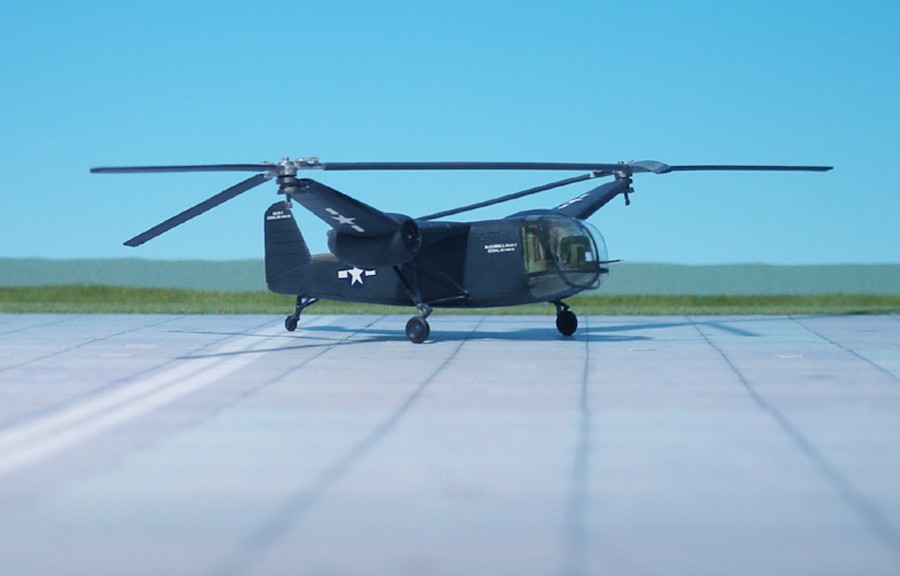
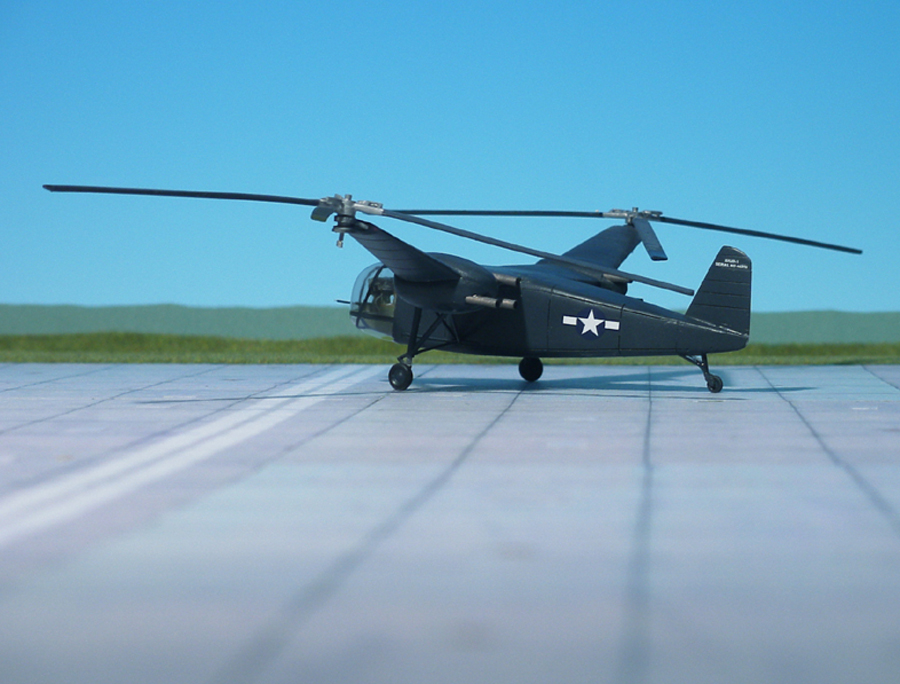
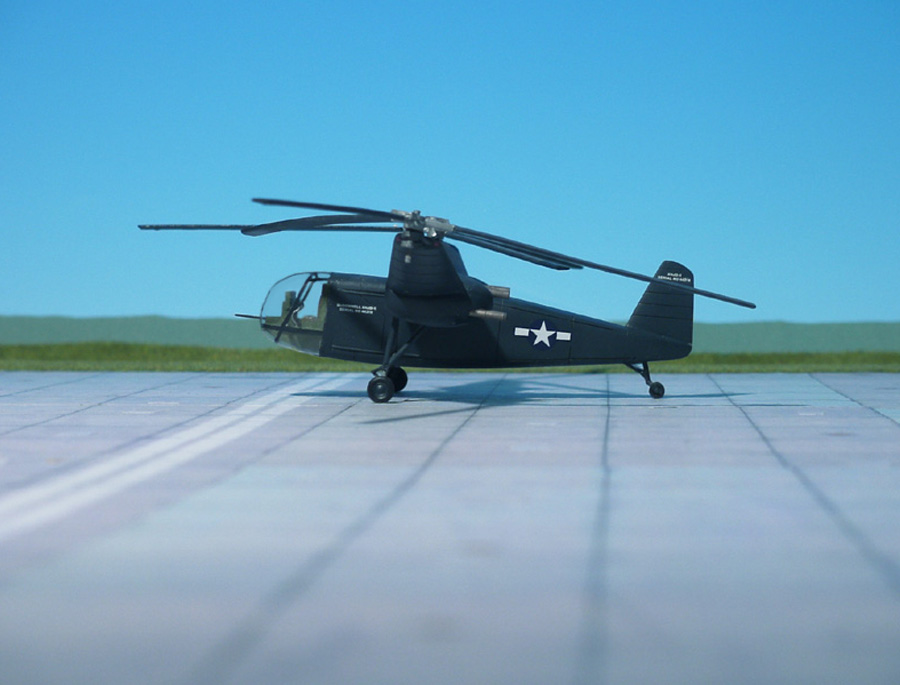
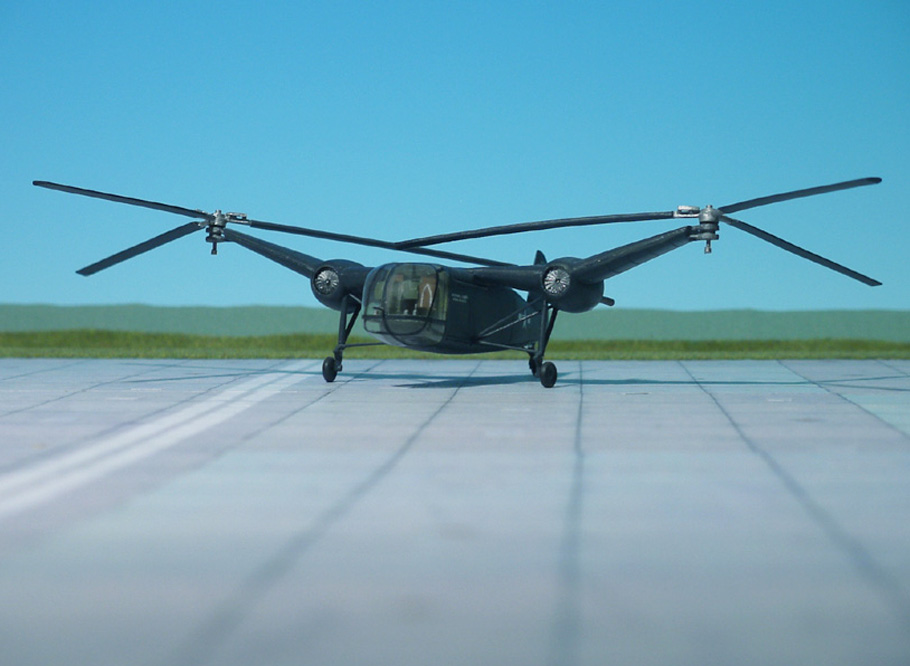
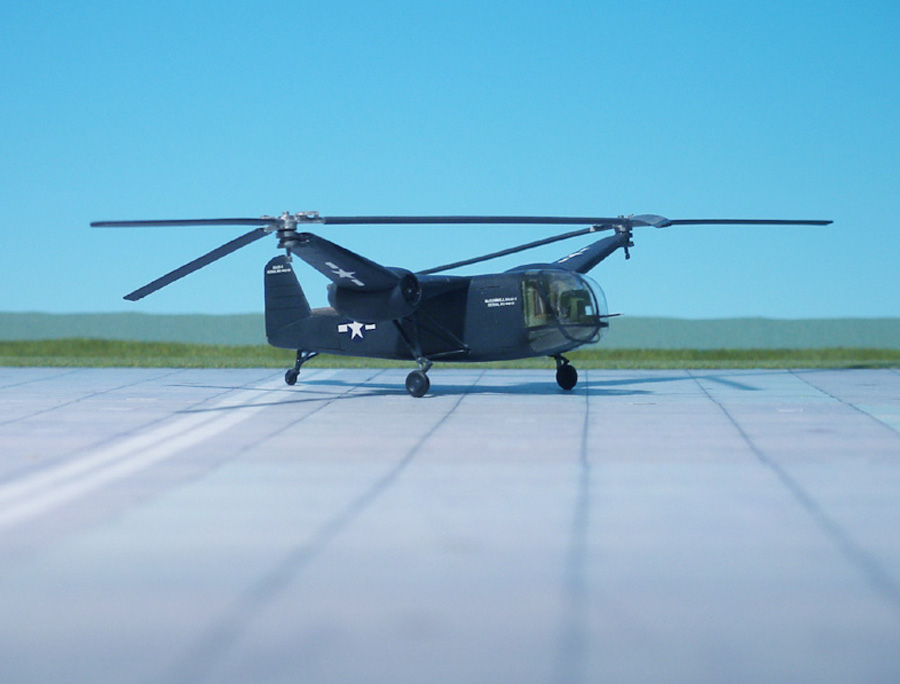
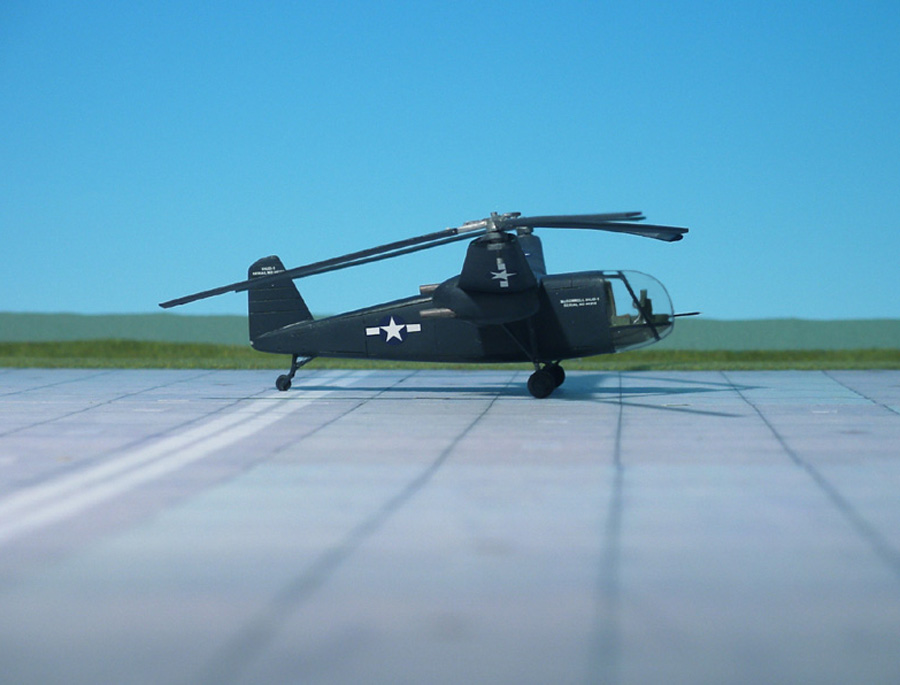
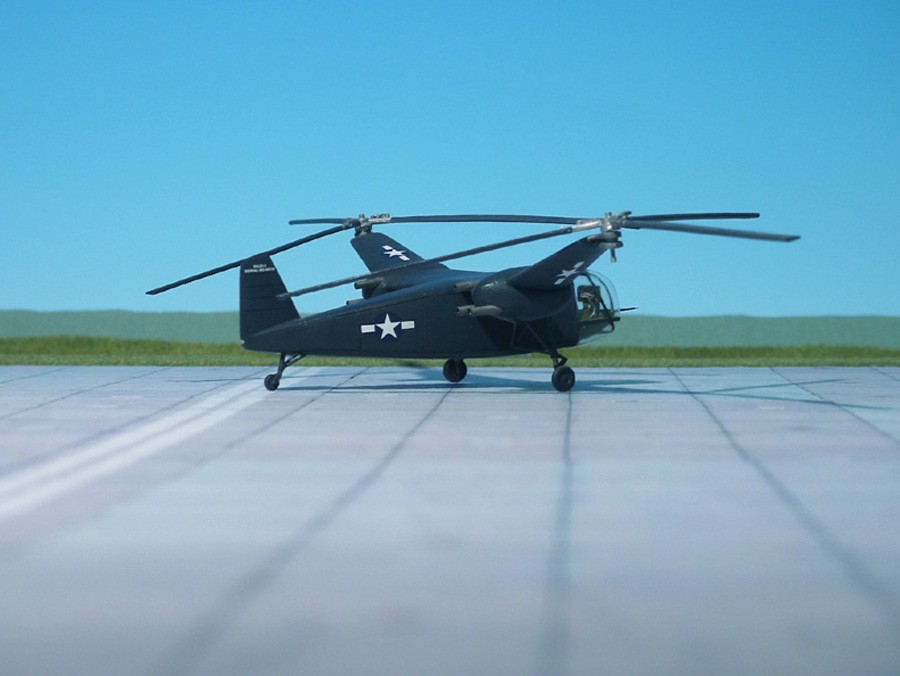
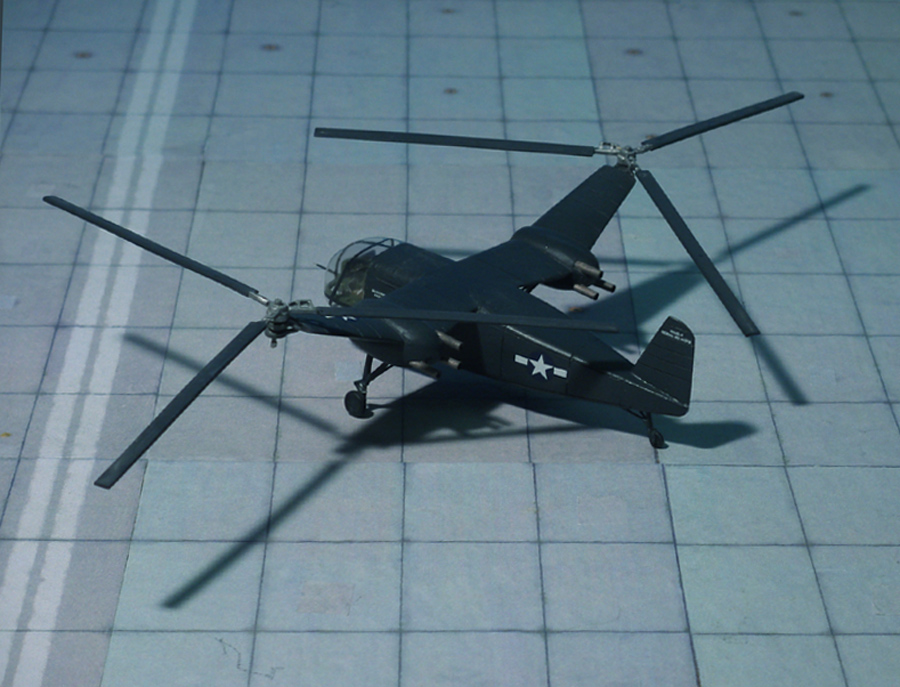
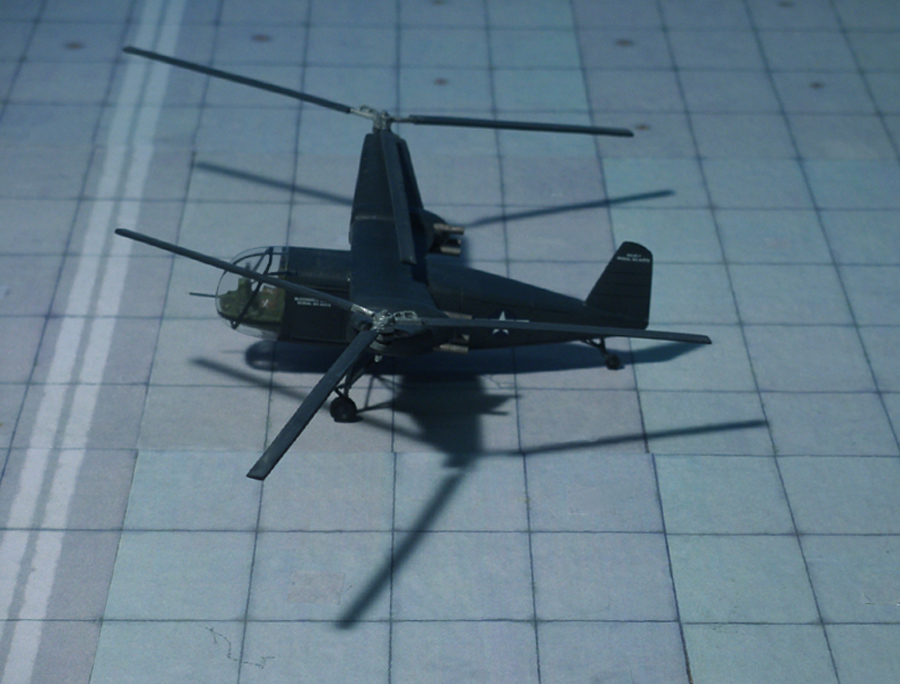
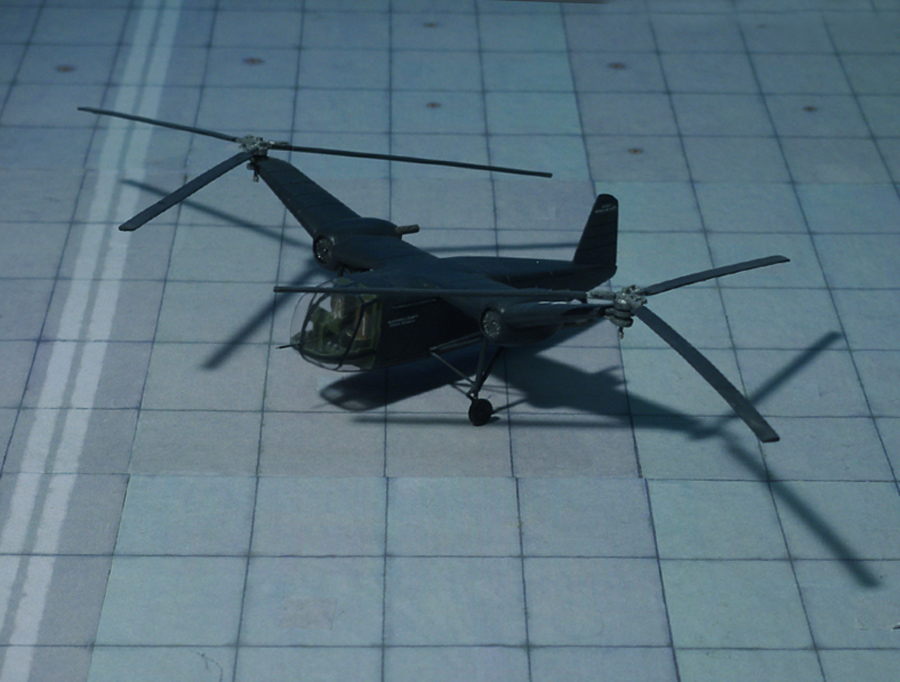
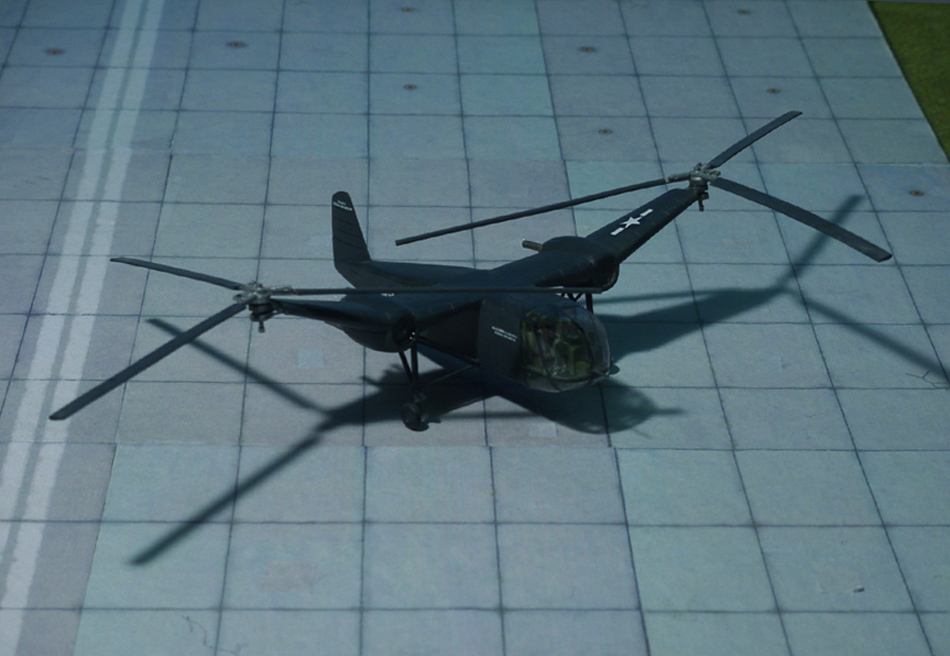
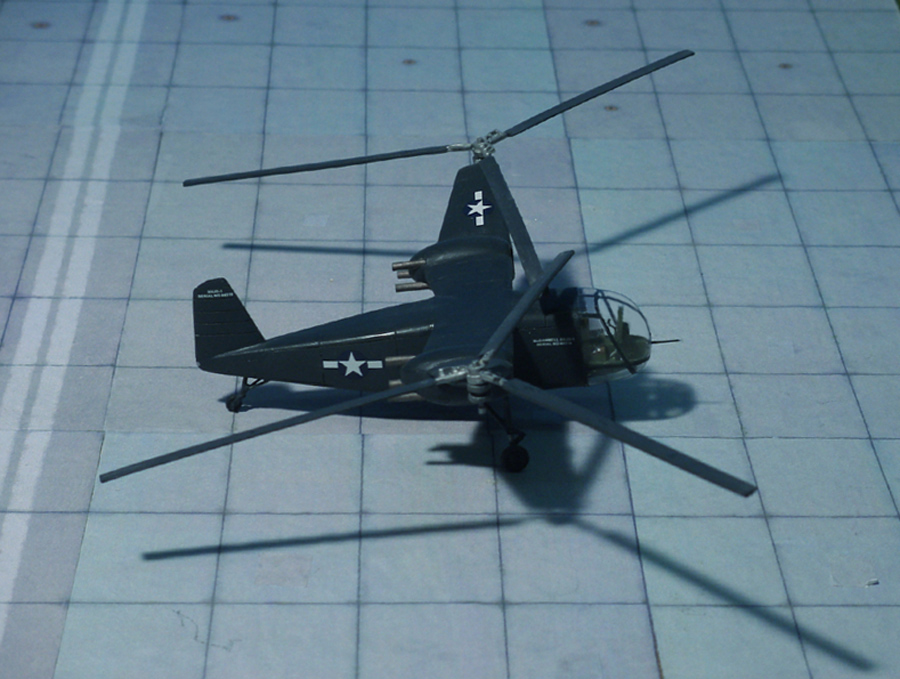
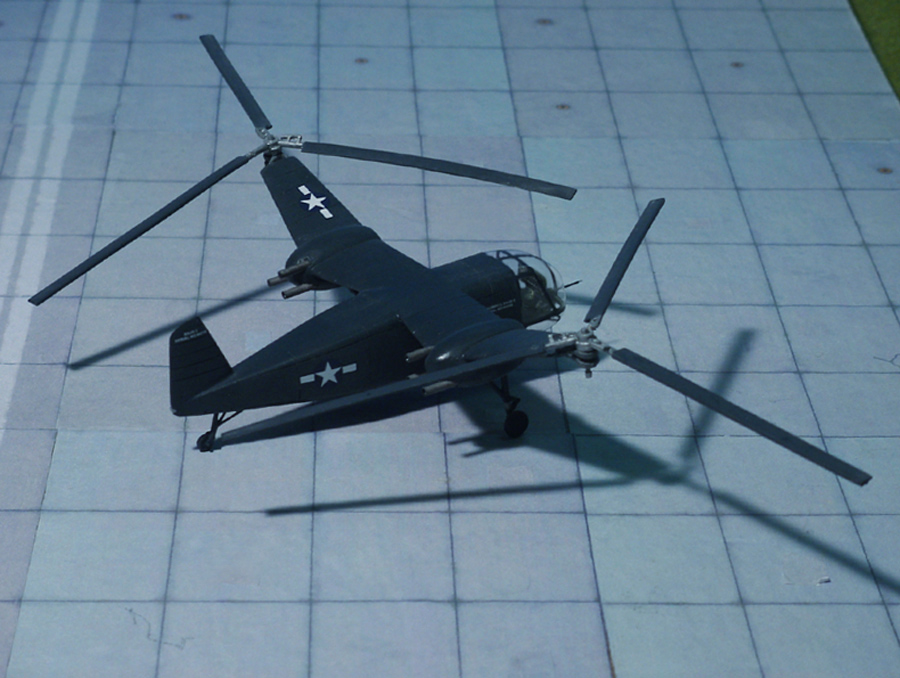
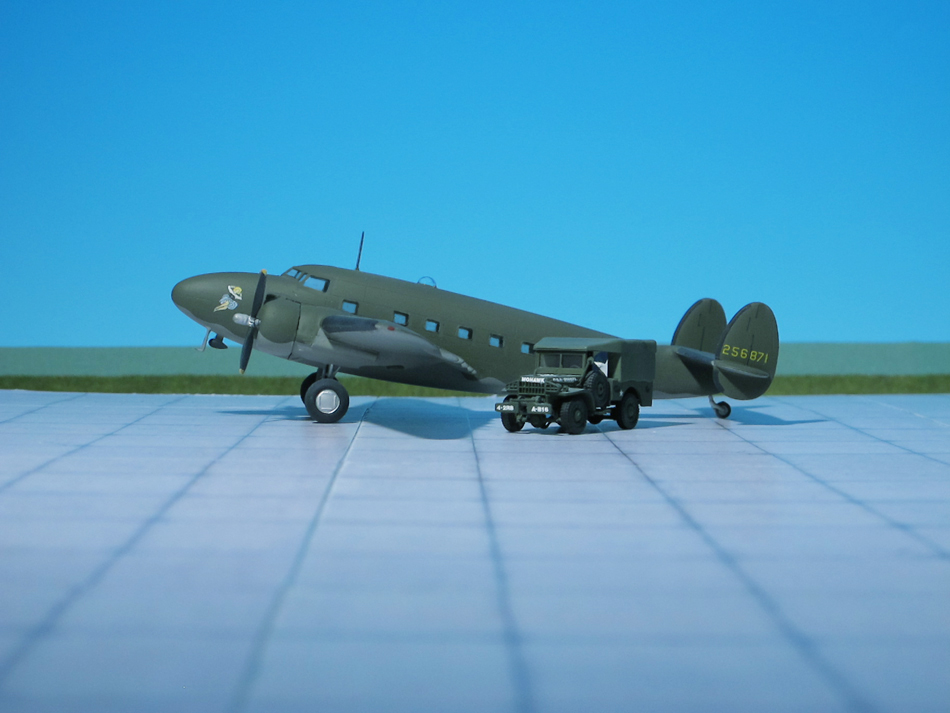
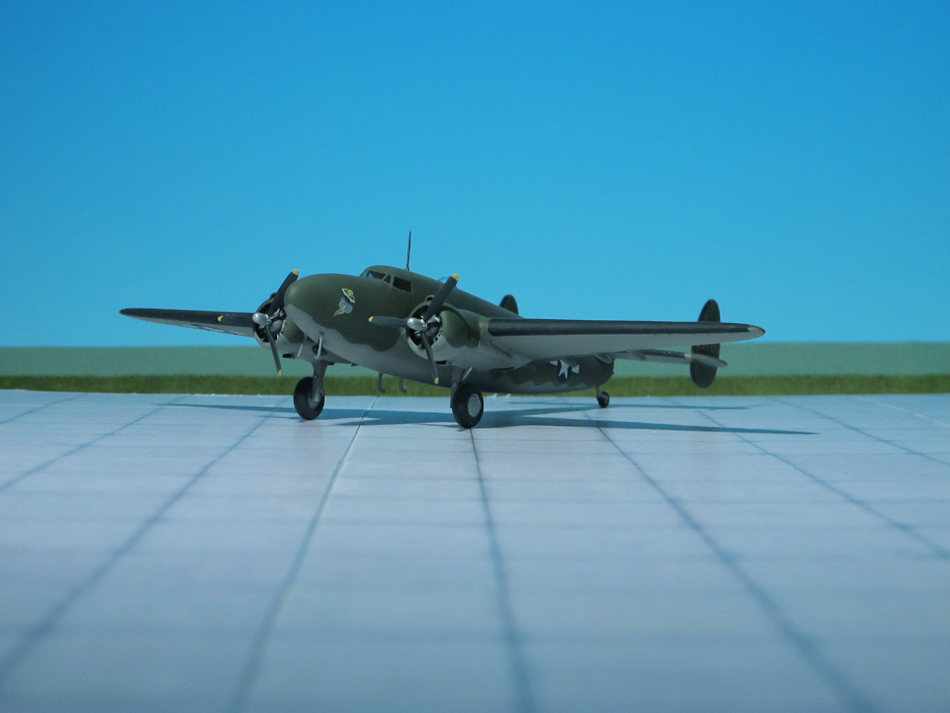
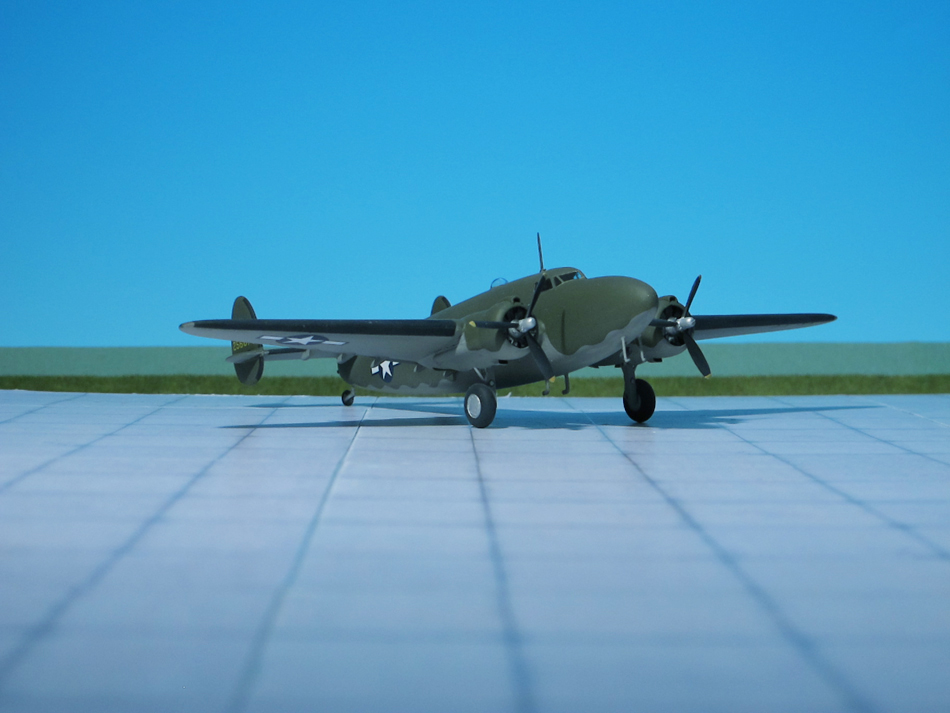
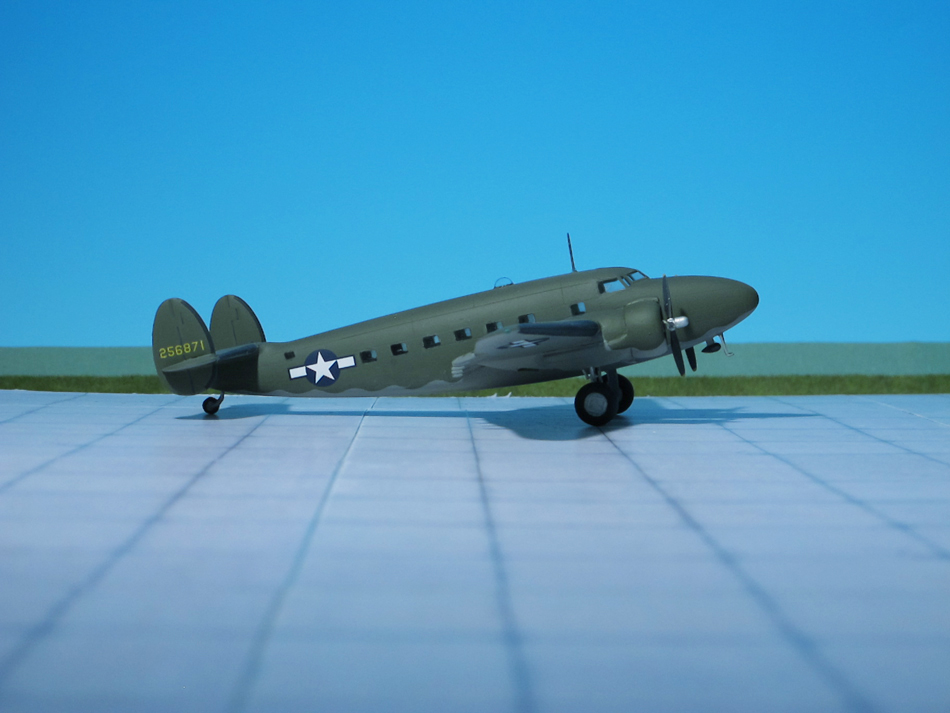
POWER PLANT: Two Pratt & Whitney R-985 engines, rated at 450 hp each
PERFORMANCE: 120 mph
COMMENT: In 1944, U.S. Navy launched a competition that called for a large rescue helicopter which could carry up to 10 occupants. McDonnell was determined to win a new Navy contract as the company only had sub-contract jobs at the war time. With investment in Platt LePage Aircraft Co., McDonnell was allowed to learn helicopter techniques and developed its own design, Model 65. Considering a most suitable configuration for a large helicopter, it was fitted with twin side-by-side rotors mounted at the end of main wings. In 1945, McDonnell proposed the project to Navy and was rewarded contract for construction of one test bed, designated XHJD-1. First flight was made on April 1946. It became the world’s first successful twin-engines, twin rotors helicopter. From 1946 to 1951, XHJD-1 was tested for numerous flying researches peculiar to its twin-rotor configuration. The aircraft never went into production.
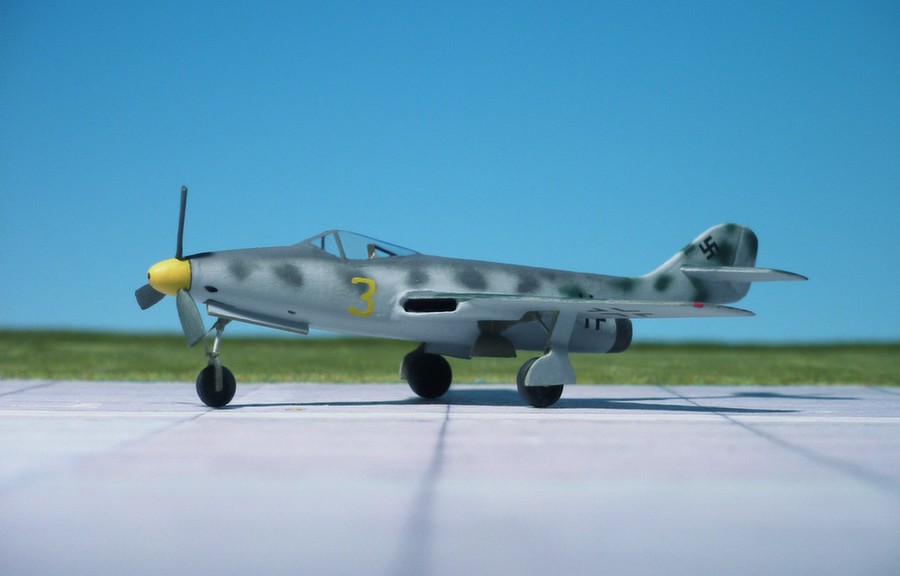
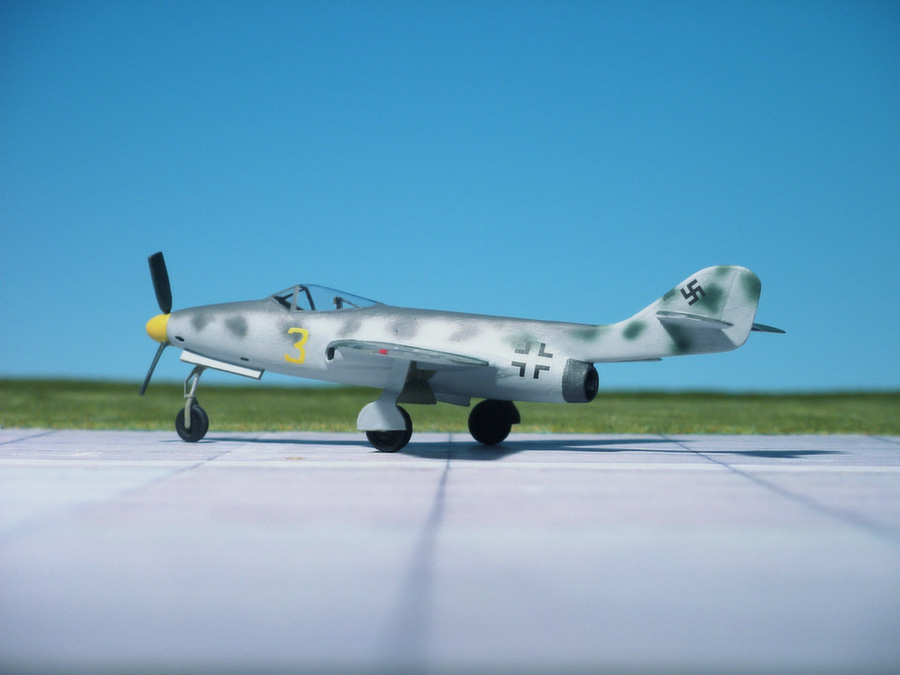
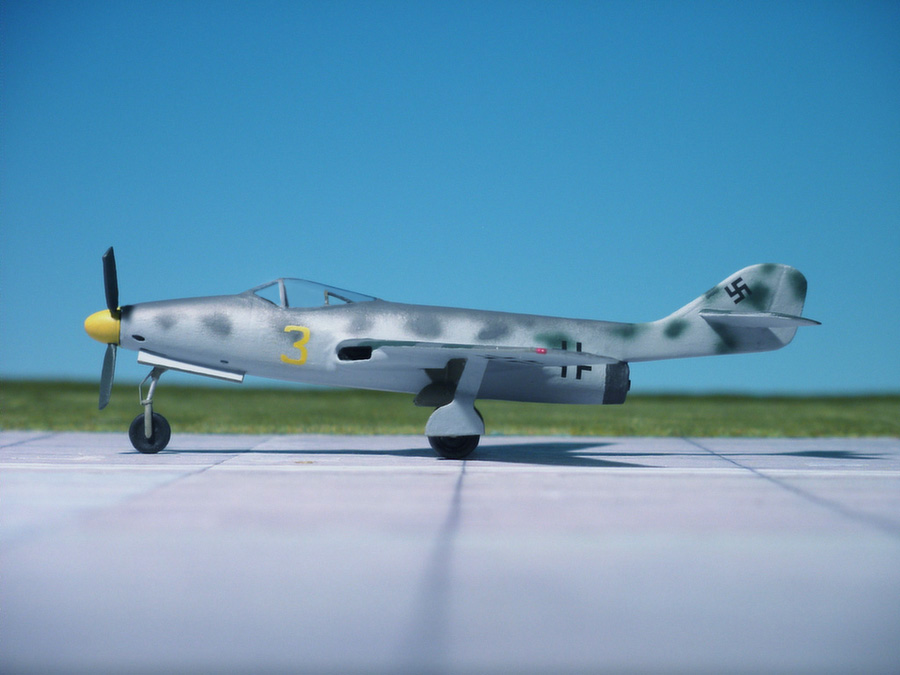
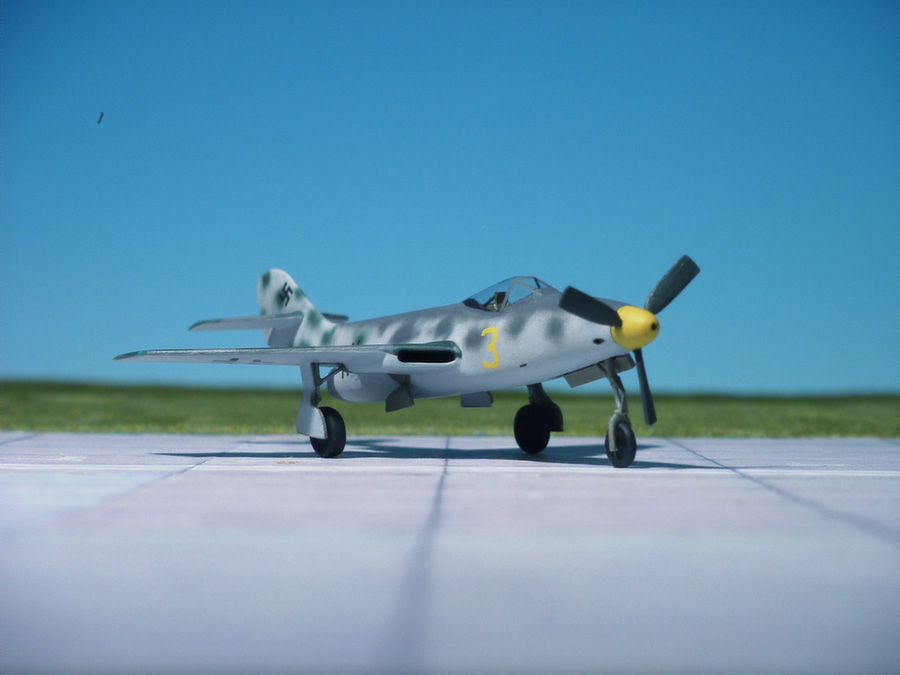
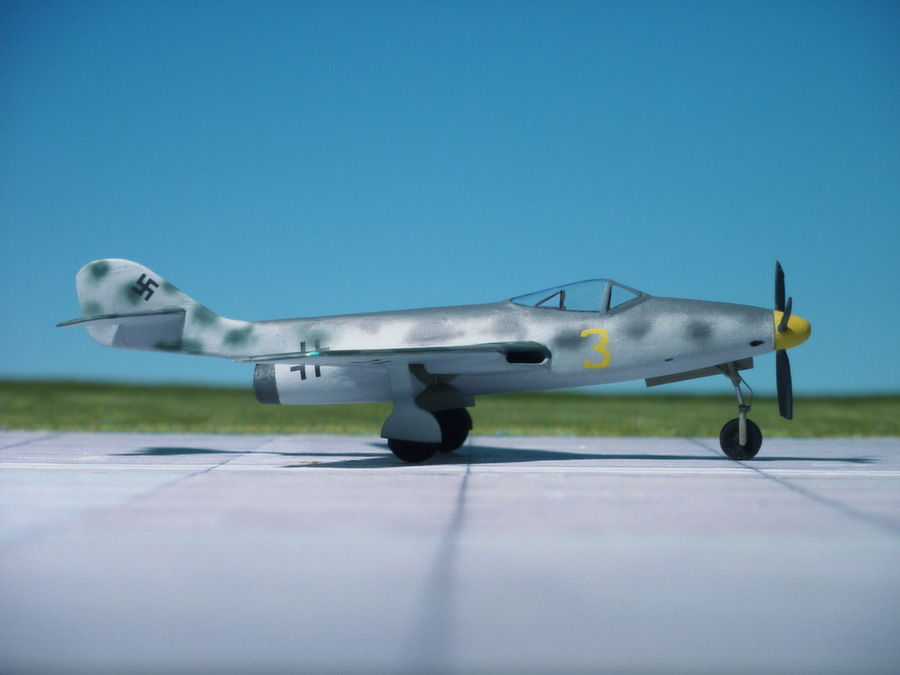
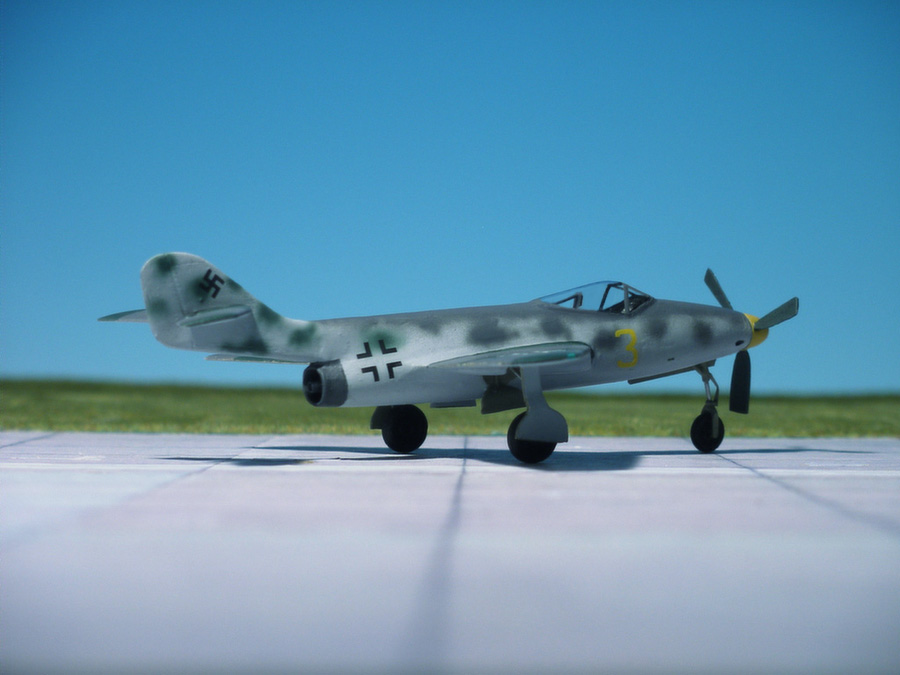
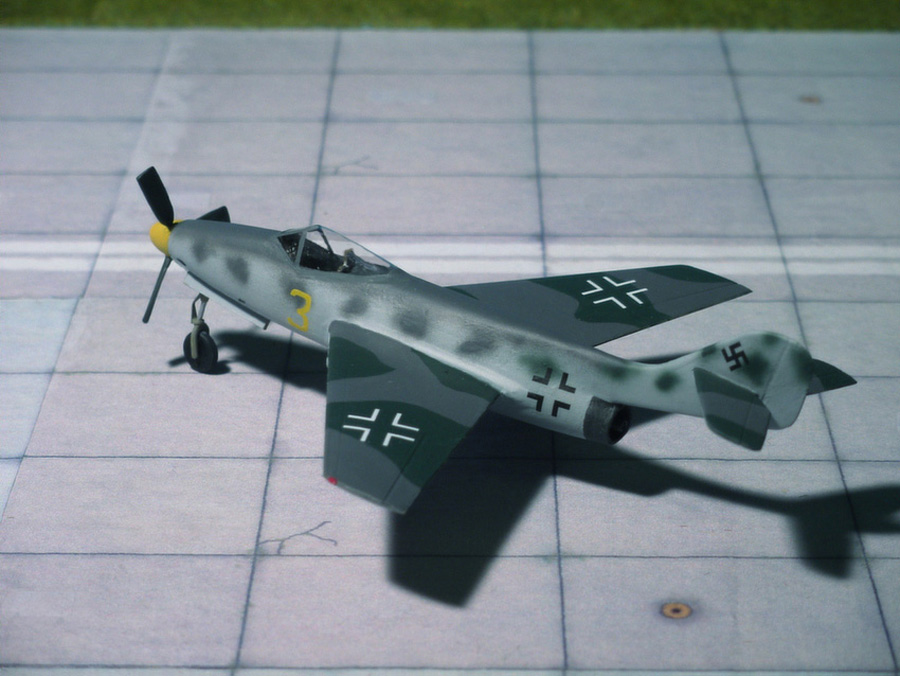
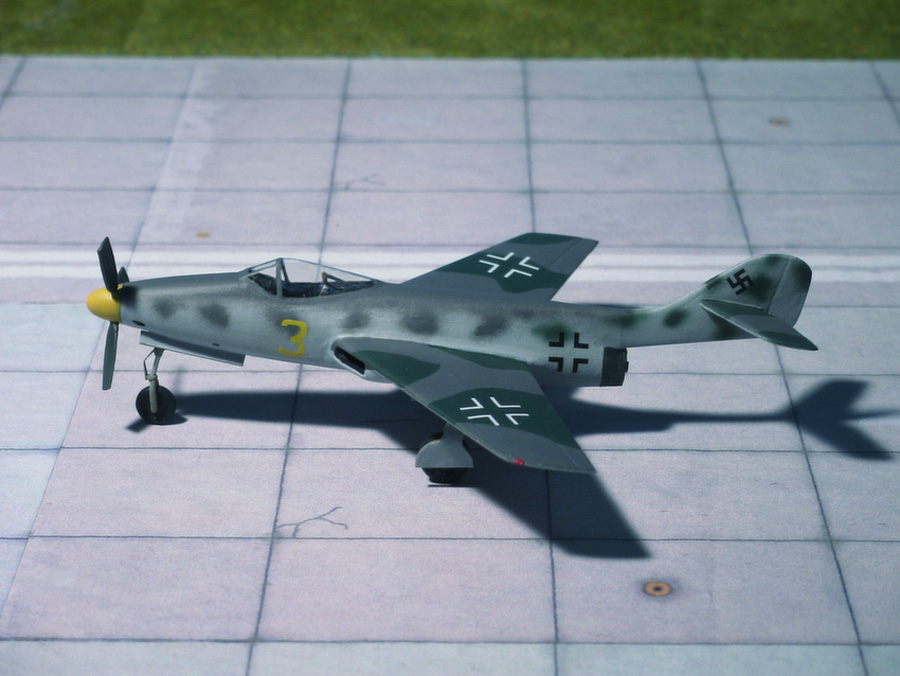
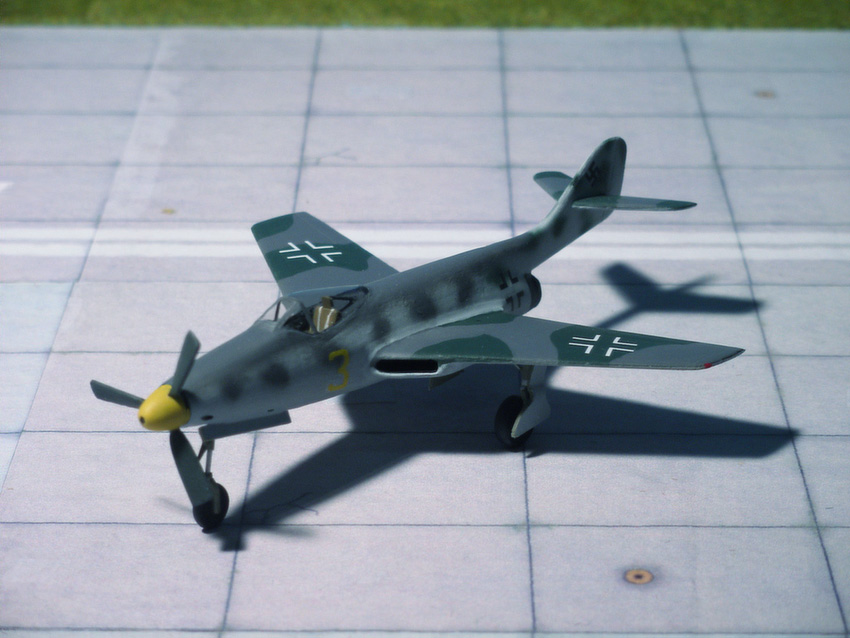
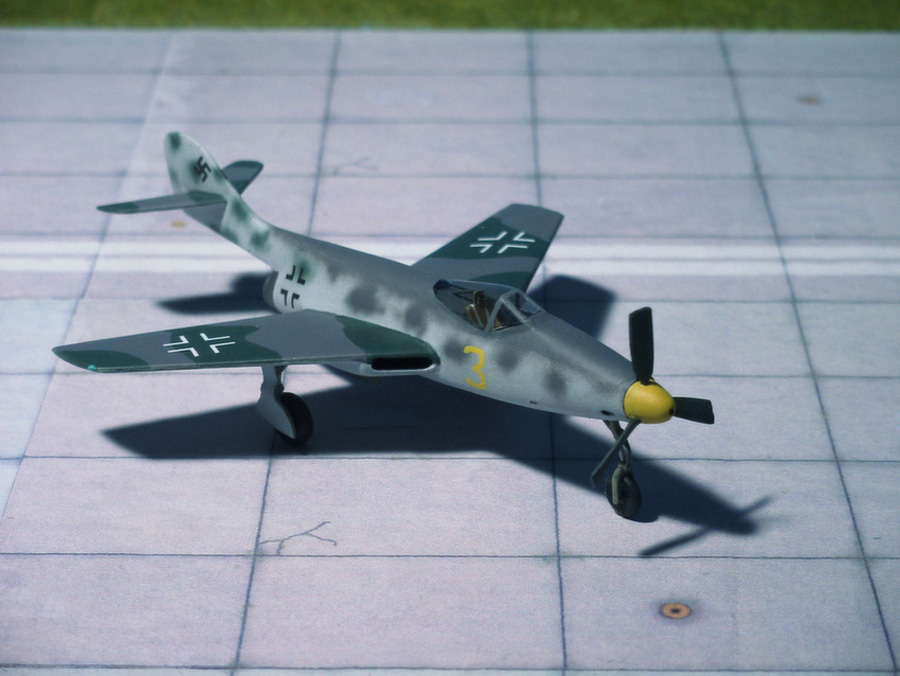
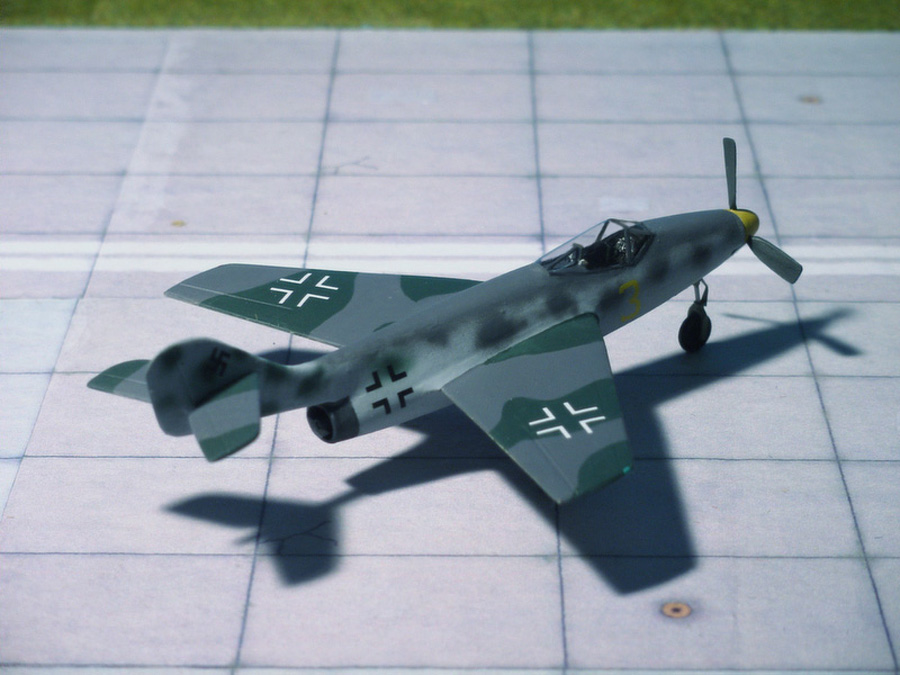
POWER PLANT: One Heinkel-Hirth HeS 021 turboprop engine, rated at 2,000 hp, plus 750 kp thrust
PERFORMANCE: 560 mph in 29,500 ft
COMMENT: This Focke-Wulf design was powered by a He S 021 turboprop, located within the fuselage just behind the cockpit. The jet engine was fed by two air intakes located in each wing root. The wing was swept back 31 degrees and was mounted mid-fuselage, and the tail planes were also swept back. A tricycle landing gear arrangement was fitted. Armament was to be a single MK 103 30mm cannon firing through the propeller hub and two MG 213 20mm cannon in the lower forward fuselage. This project never left the drawing board. As far as the appearance of this project is concerned it definitively has influenced the outline of the post-war development McDonnell XF-88 “Voodoo” (Ref.: 16)
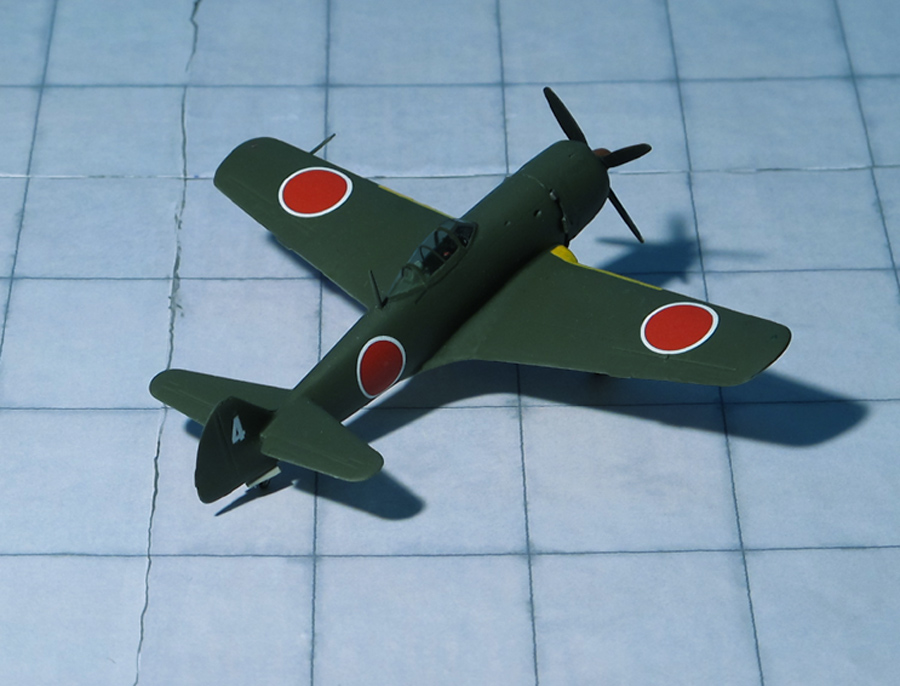
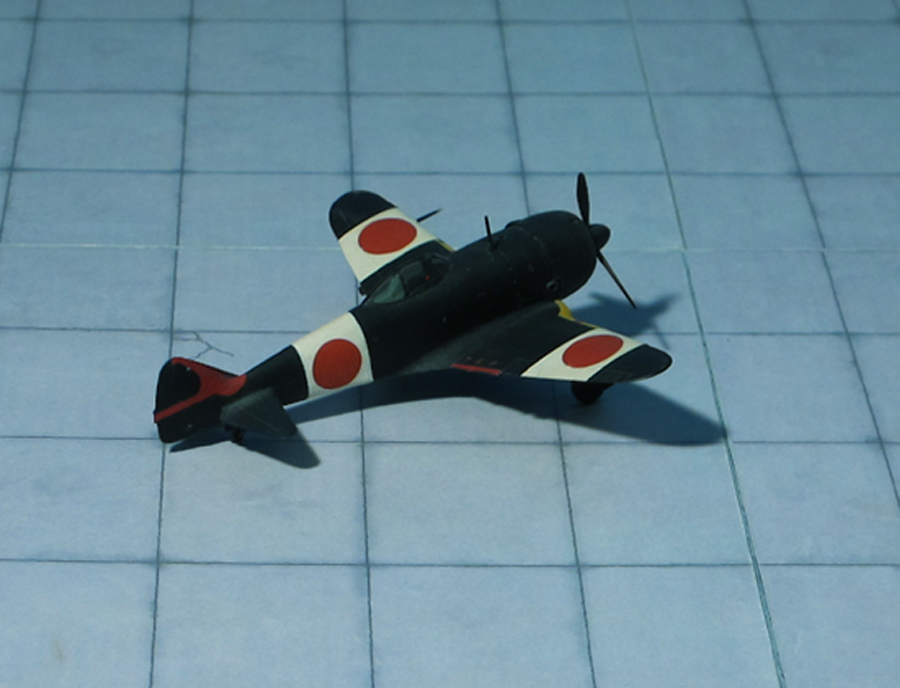
POWER PLANT: One Nakajima Ha-45-21 radial engine, rated at 1,990 hp
PERFORMANCE: 385 mph at 21.325 ft
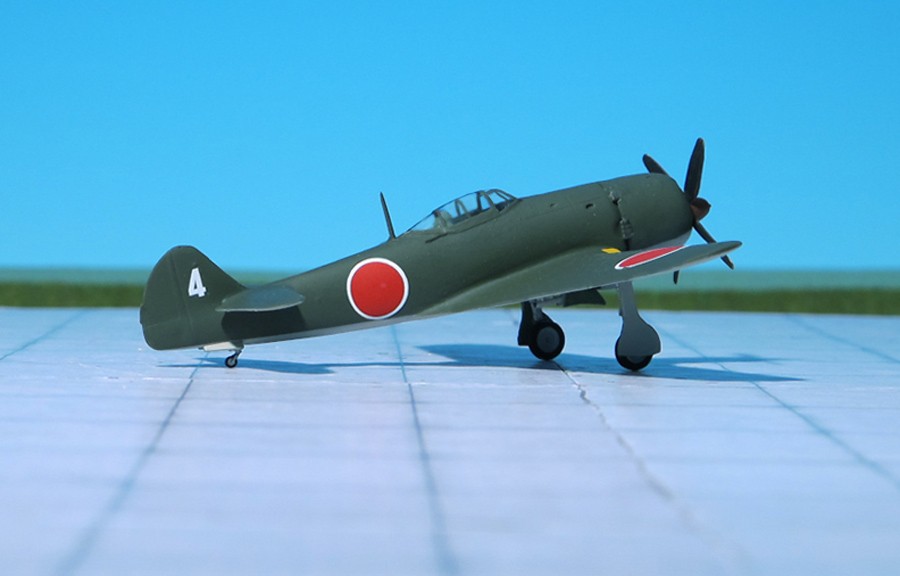
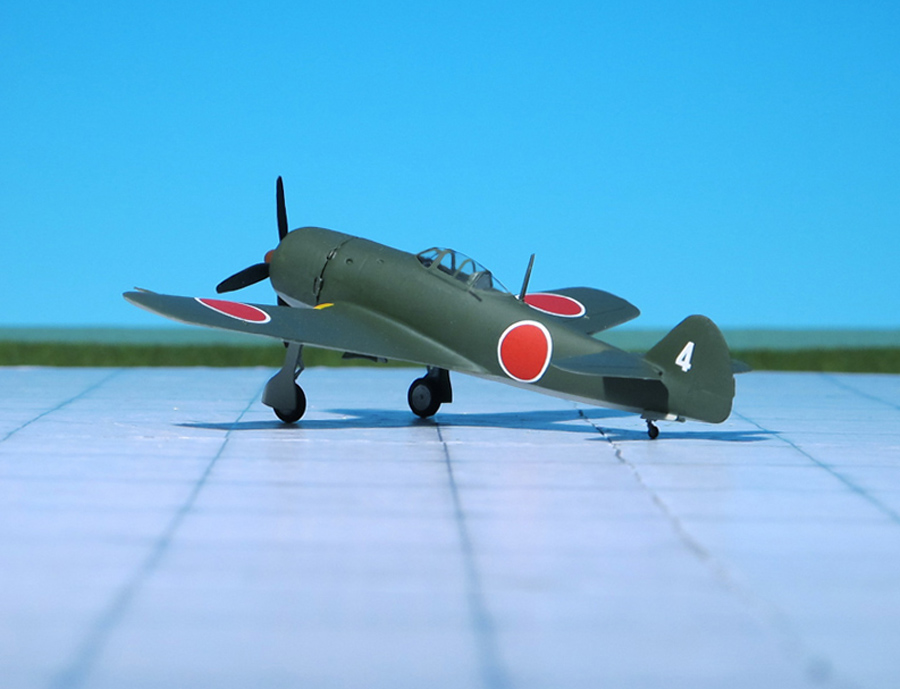
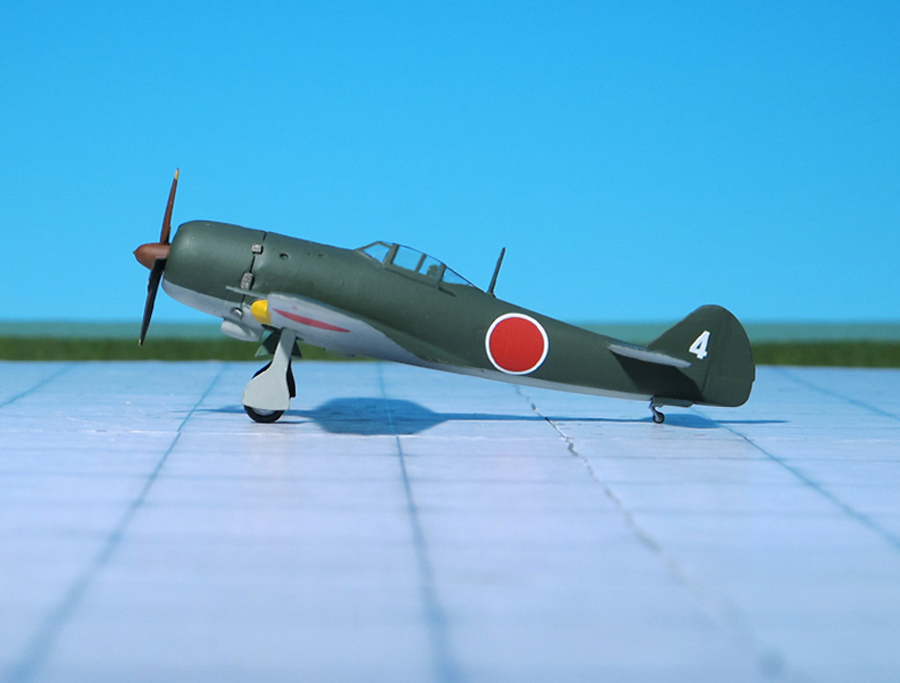
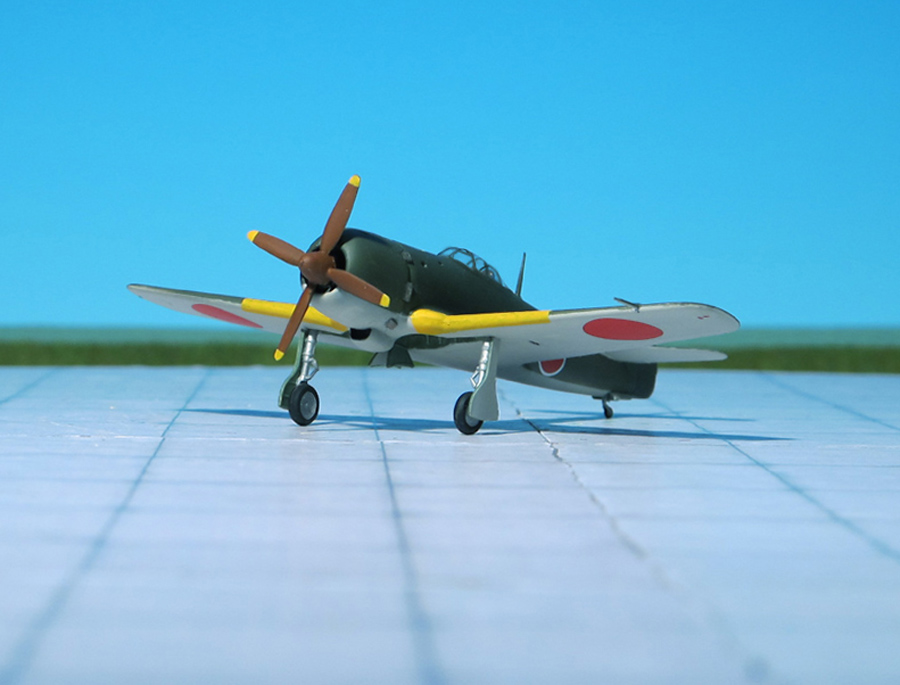
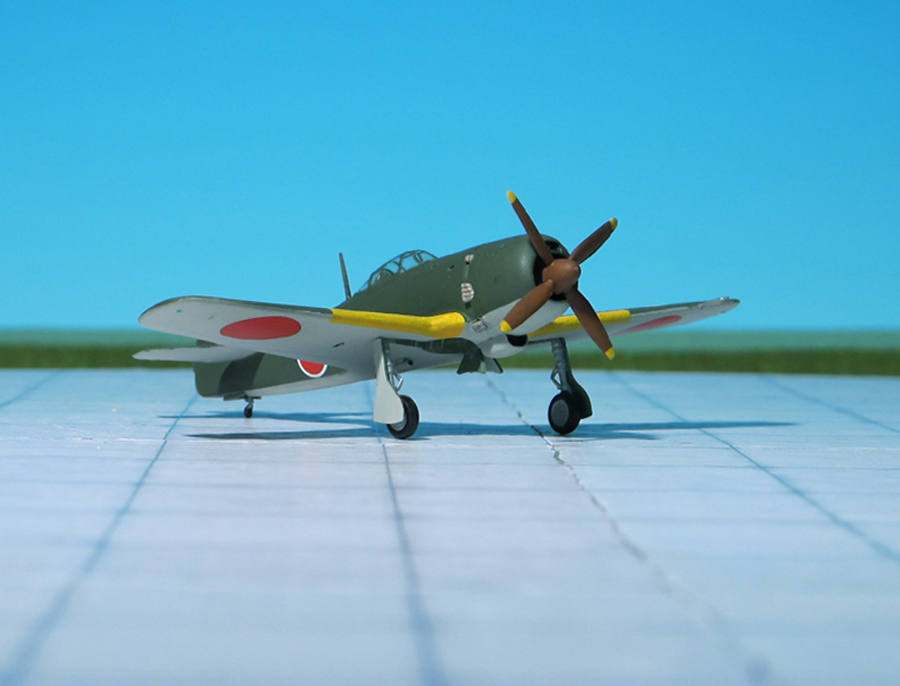
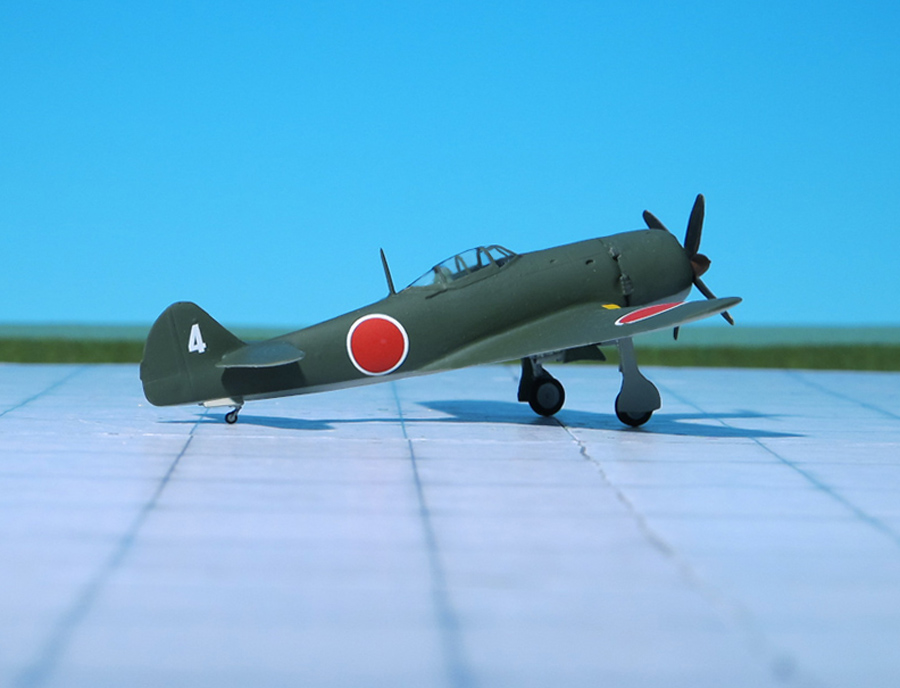
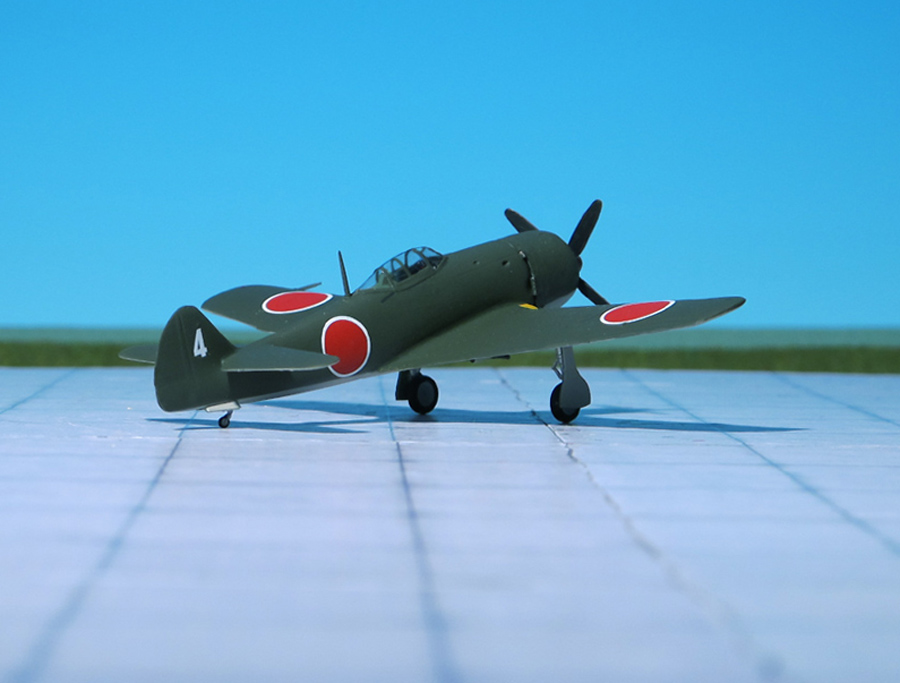
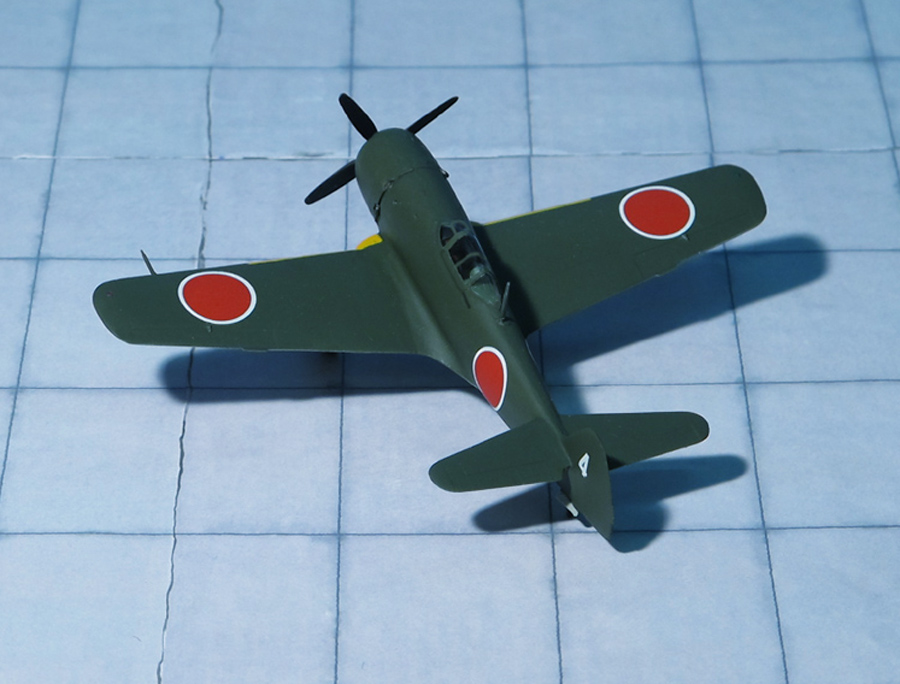
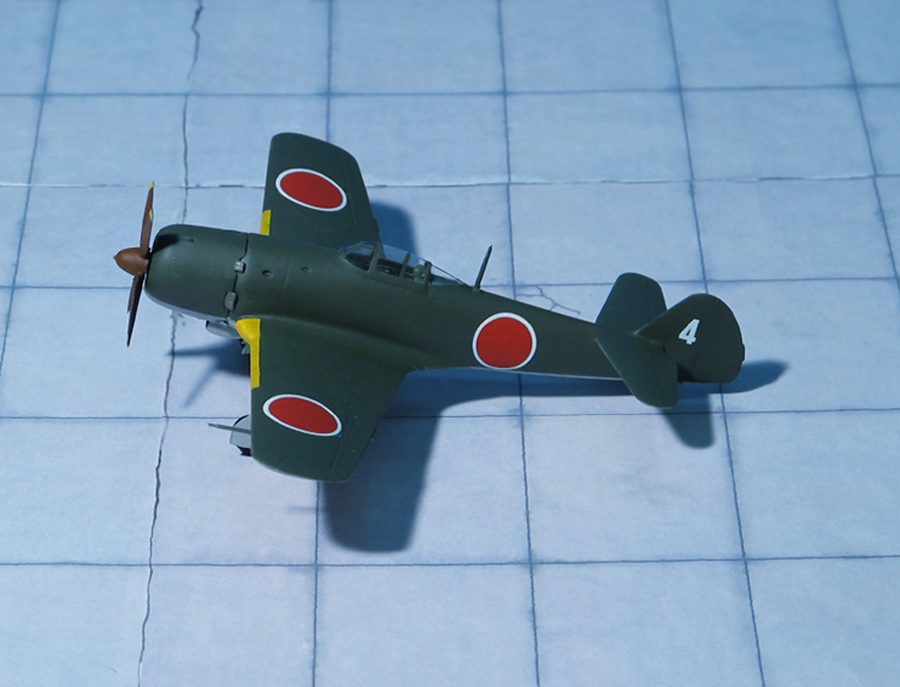
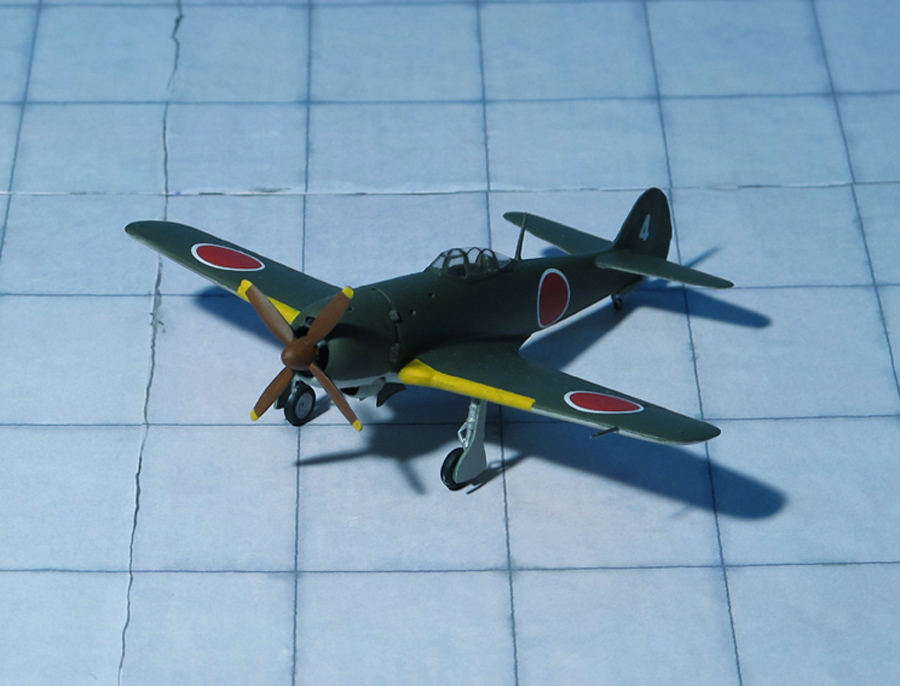
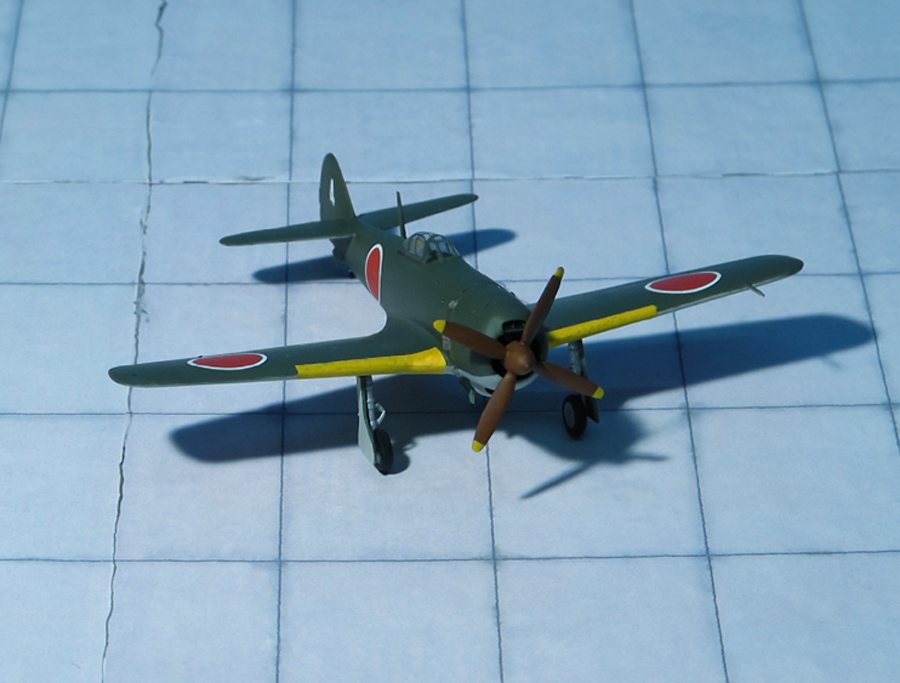
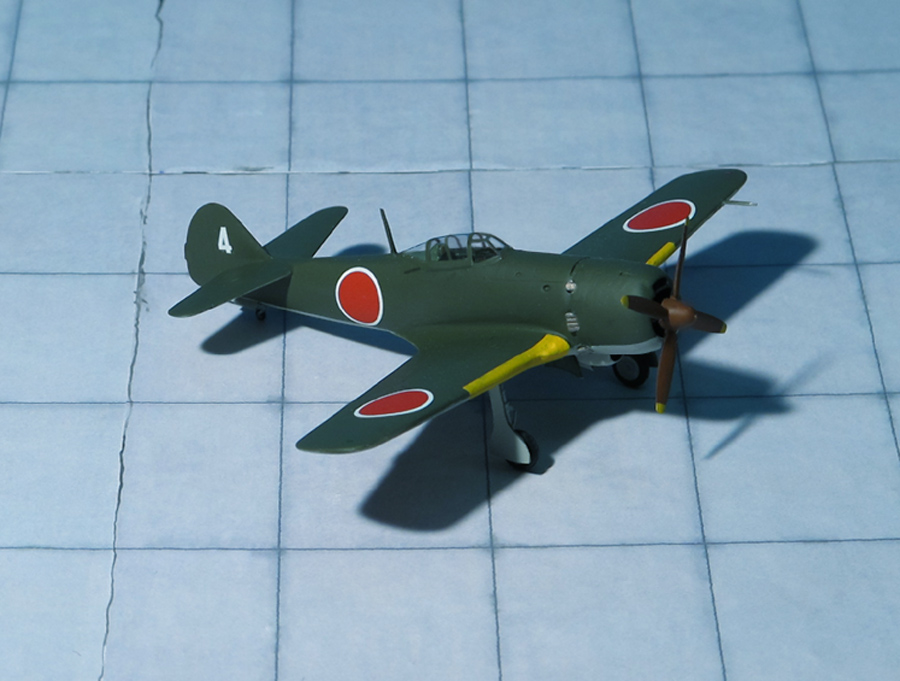
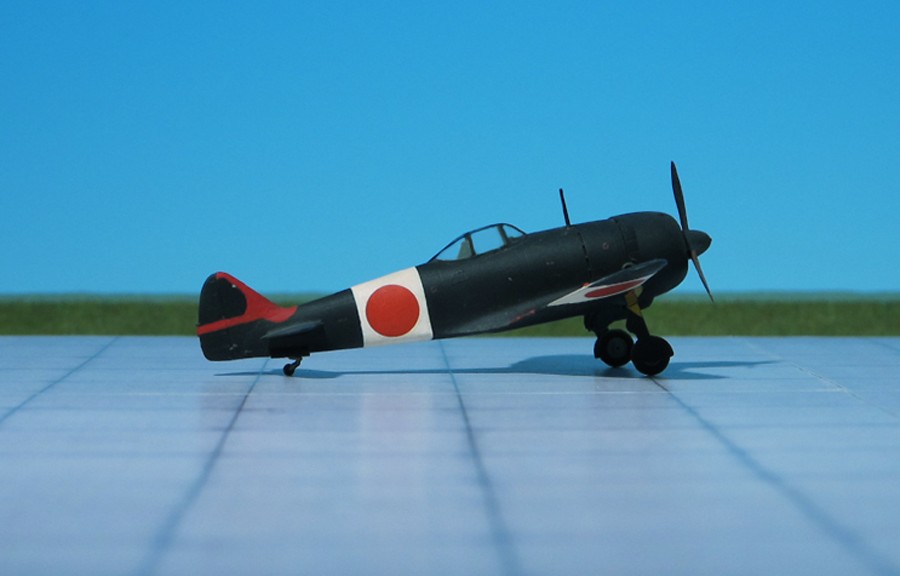
COMMENT: Although the Nakajima Ki-84 Hayate was one of the most successful Japanese aircraft a modified version seemed to be necessary due to the increasingly critical light alloy supply situation as the war progressed. In late 1943 Tachikawa Hikoki K.K. were entrusted by the Ministry of Munitions with the task of designing an all-wood version of the Ki-84. Work on three airframes, designated Ki-106, began in autumn 1944, but various factors delayed the programme and the first of these prototypes was not to be completed and flown until July 1945. The Ki-106 was heavier than the standard Ki-84 what exerted an adverse effect on maneuverability and climb rate, but maximum level speed was virtually unchanged. The end of the war brought the Ki-106 project to a halt. (Ref.: 1., 6.)
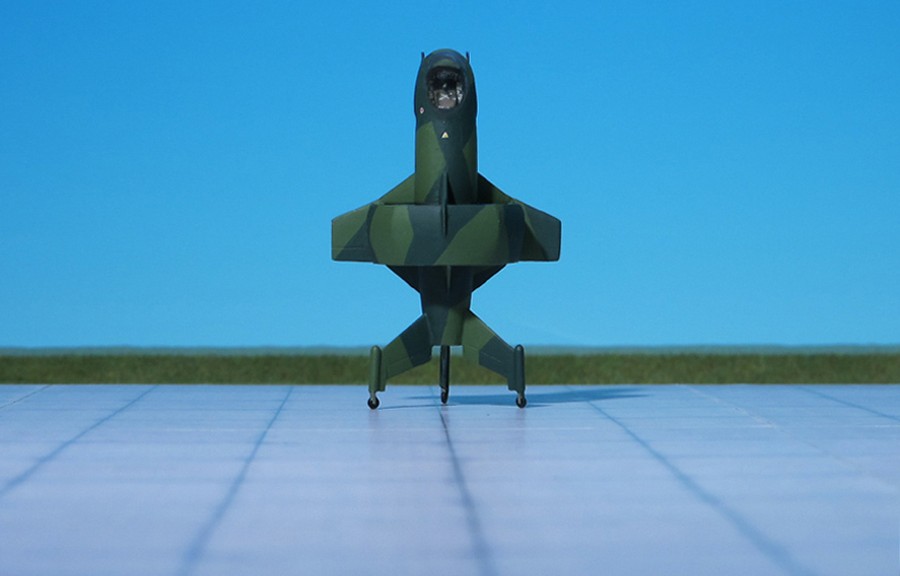
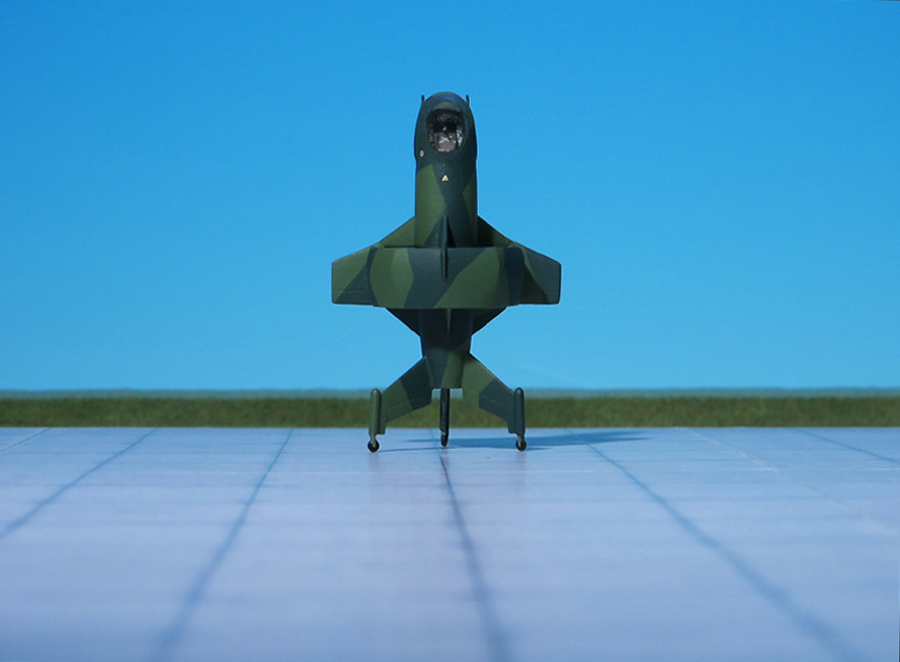
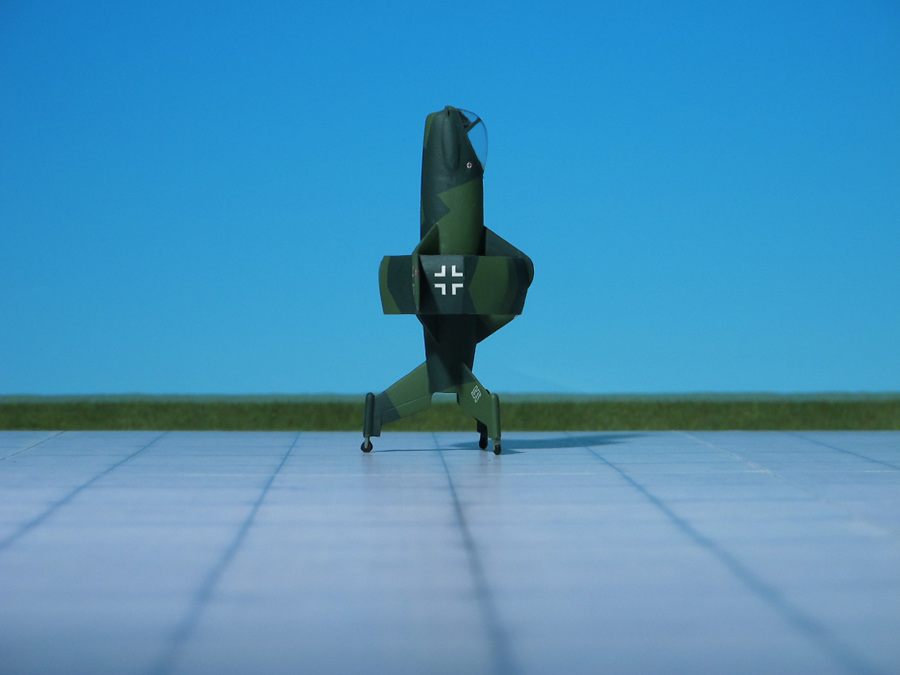
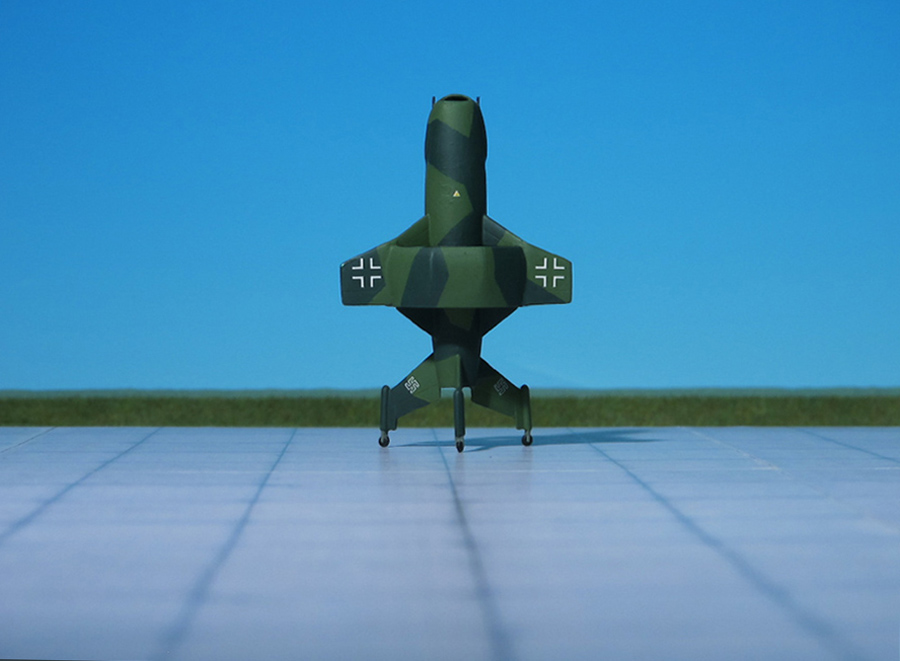
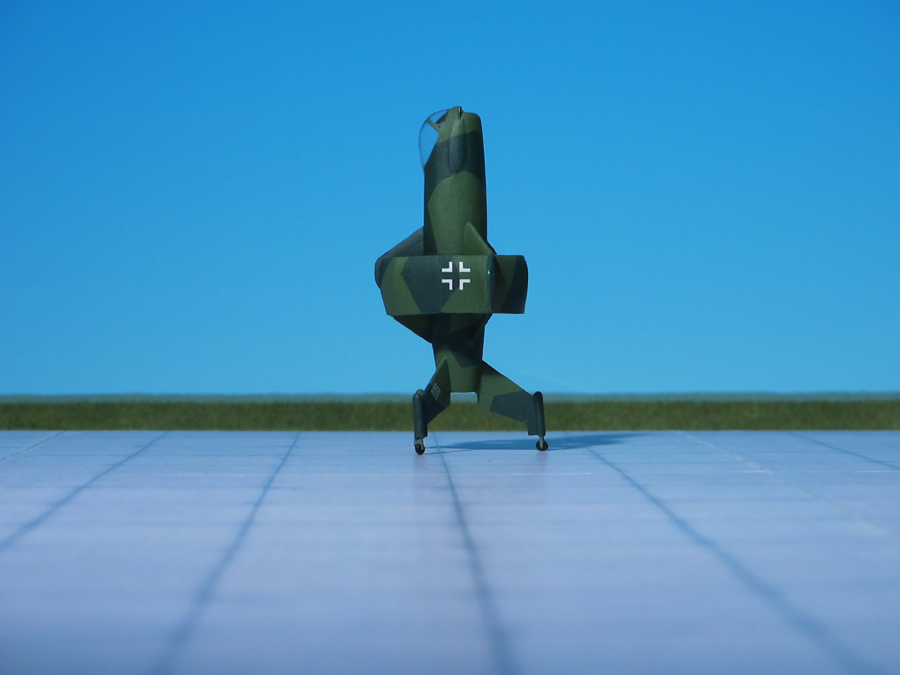
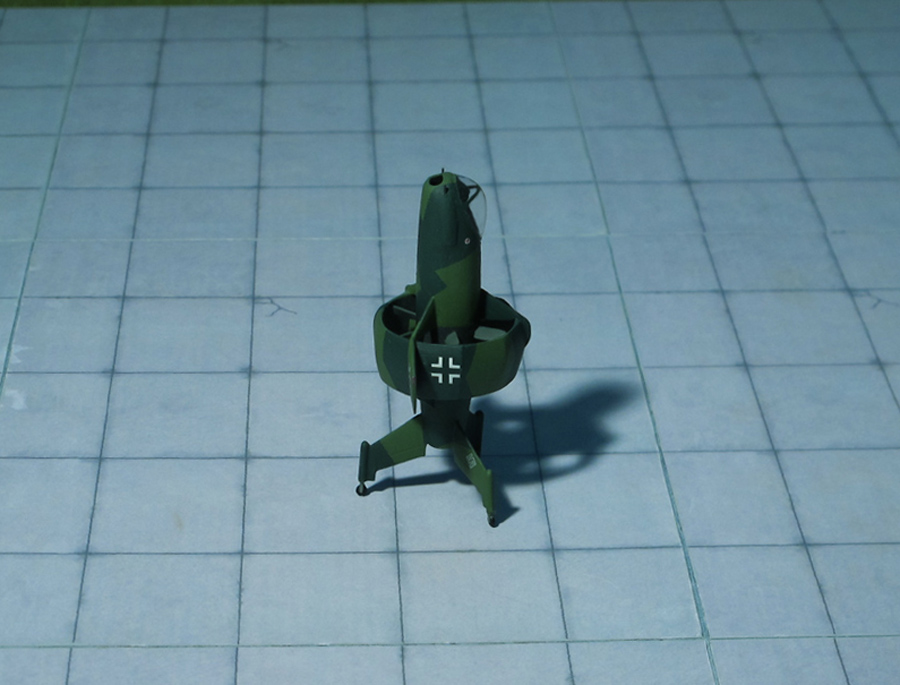
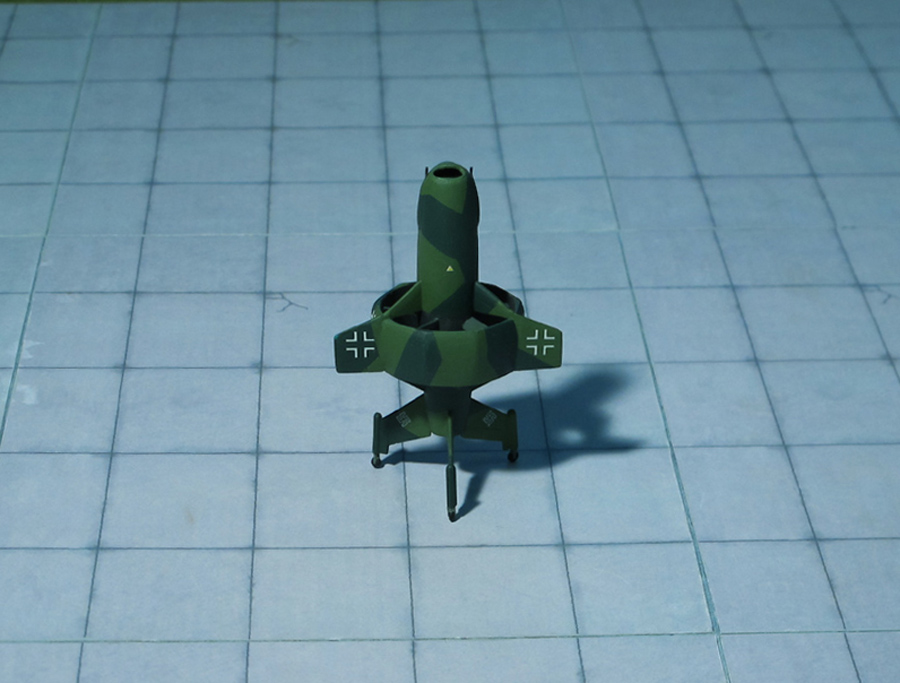
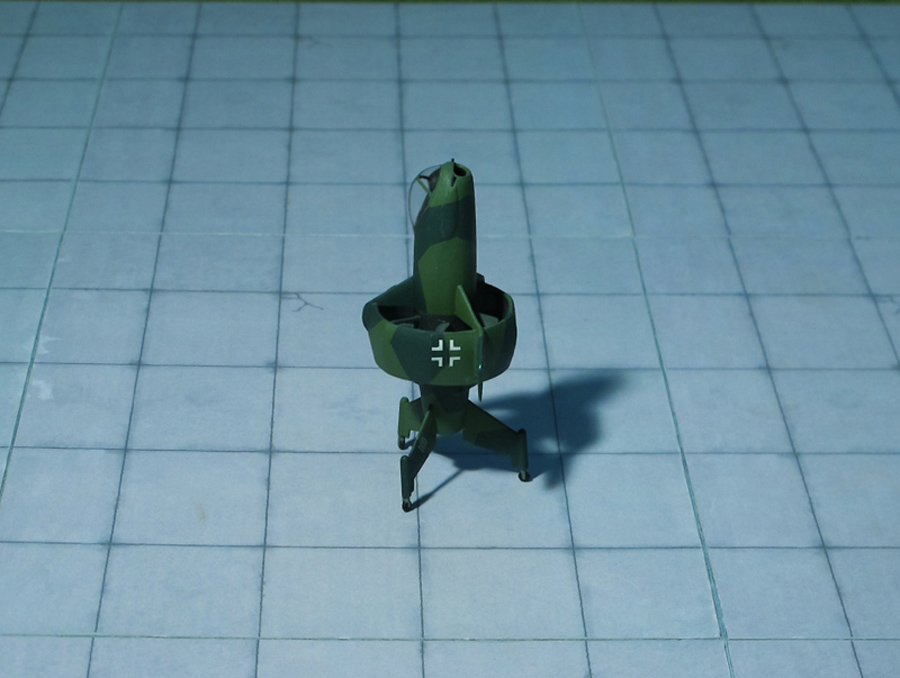
POWER PLANT: One Heinkel-Hirth HeS 021 turboprop engine, rated at 2,000 hp plus 750 kp thrust, driving six-blade propeller within a circular wing
PERFORMANCE: 497 mph
COMMENT: The Heinkel “Wespe” (“Wasp”) was designed in late 1944 as a Vertical Take-Off and Landing (VTOL) interceptor. It should be used as a “Punktverteidiger” (Target defense interceptor) to protect factory complexes and military facilities which only had small or no airfields. The idea goes back to early 1939, when Werner von Braun proposed a rocket driven aircraft (Braun fighter) that should vertically take-off from a truck on two guide rails. Although the scheme was discarded as impracticable by the RLM, later during the war the Fieseler Company prepared a series of interceptor design studies under the generic designation Fieseler Fi 166 (a rocket-driven aircraft on the tip of a Aggregat 4 (A4, better known as V2) as booster. Finally, in late spring 1944, the RLM issued a requirement for a small and inexpensive target-defense interceptor that led to the development of the Bachem Ba 349 “Natter”(Colubrid). Other companies followed such as the Heinkel Company with projects like He P.1077 “Julia I” and “Julia II”, or the propeller-driven VTOL-projects “Wespe” (Wasp) and “Lerche II” (“Lark”), or Focke-Wulf with its Fw “Treibflügeljäger” (thrust-wing fighter).
To the Heinkel “Wespe”. The aircraft was designed around a circular wing, with small wing tips protruding beyond the circular wing at the two lower wing support locations. A single Heinkel-Hirth HeS 021 turboprop, rated at 2,000 horsepower plus 750 kp thrust, was fed by an air intake located below the cockpit. The “Wespe” took off and landed on three landing gear, the pilot sat in a normal seated position in the nose under a huge blown canopy, and two MK 108 30mm cannon mounted in blisters on each side of the cockpit were envisioned for the armament. Further development was abandoned due to the approaching war’s end. A more aerodynamic VTOL interceptor project, the Heinkel “Lerche” (Lark) was on the drawing board (Ref. 16, 17).
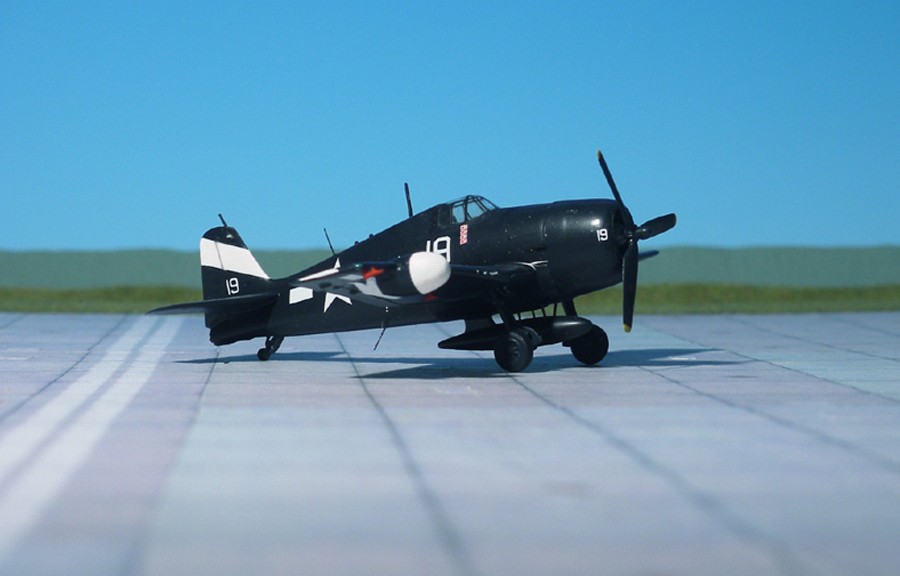
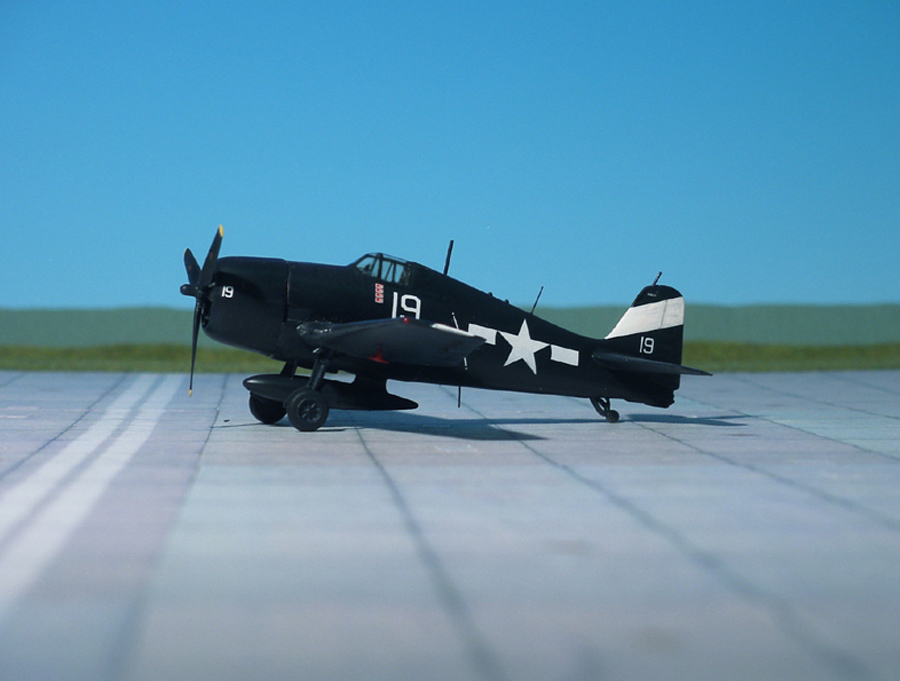
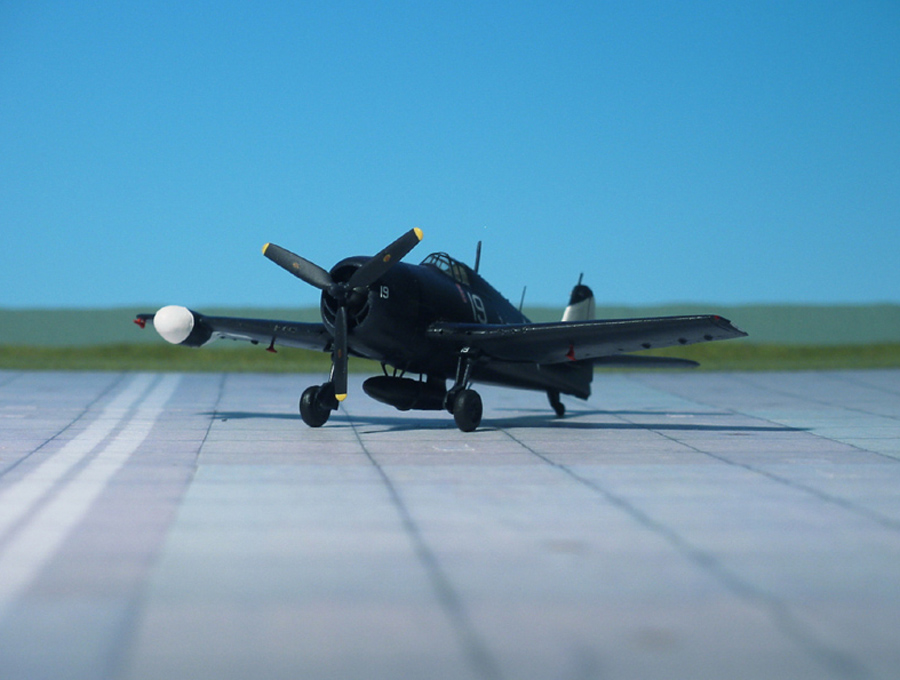
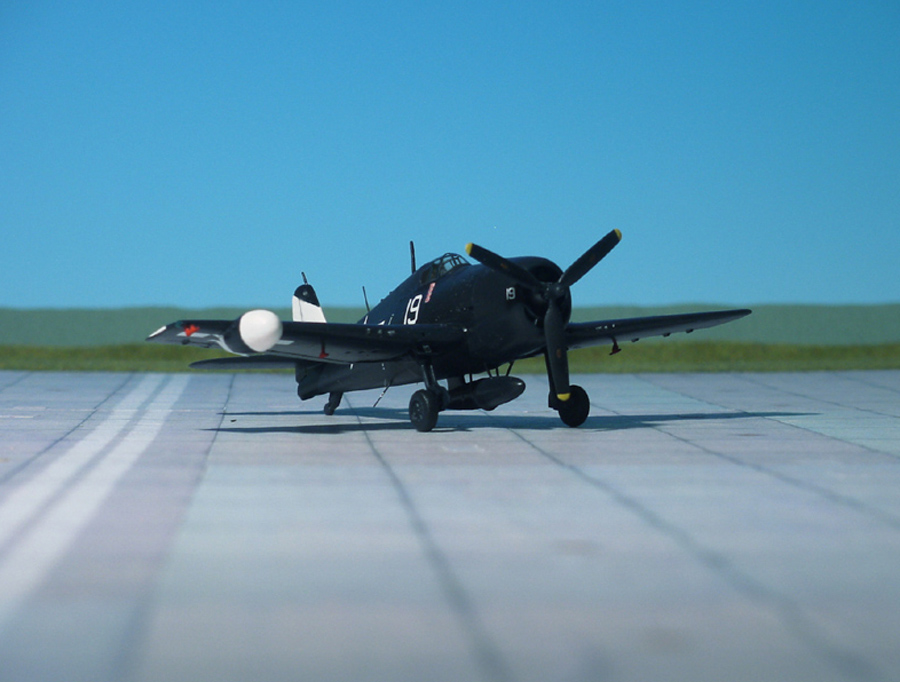
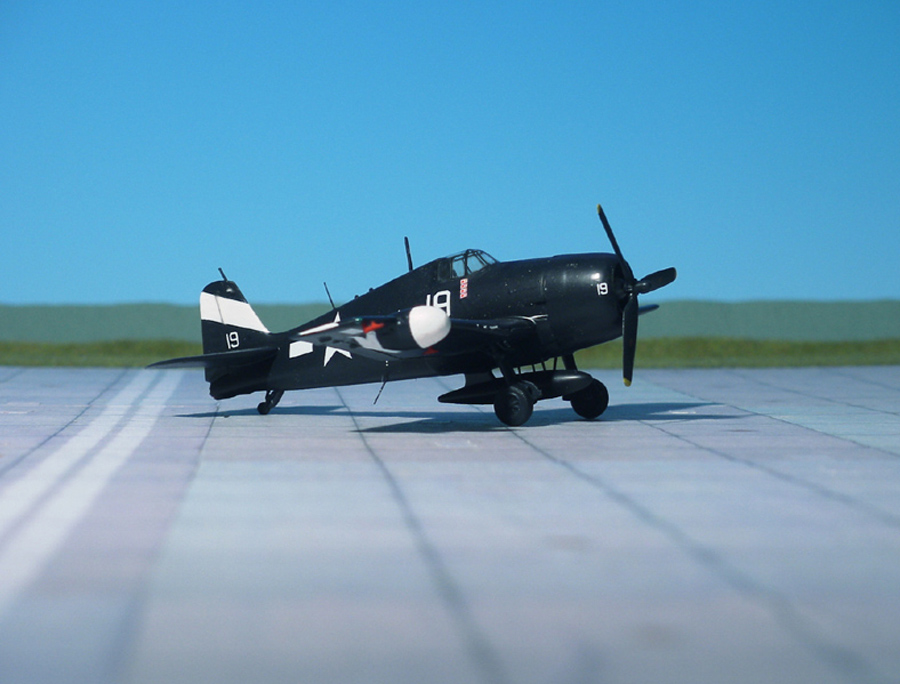
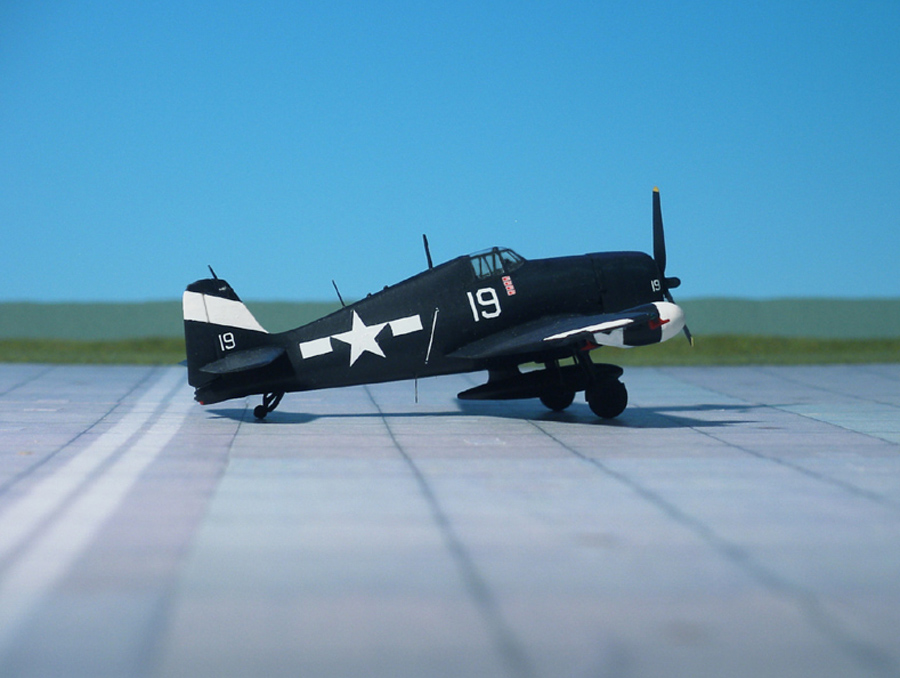
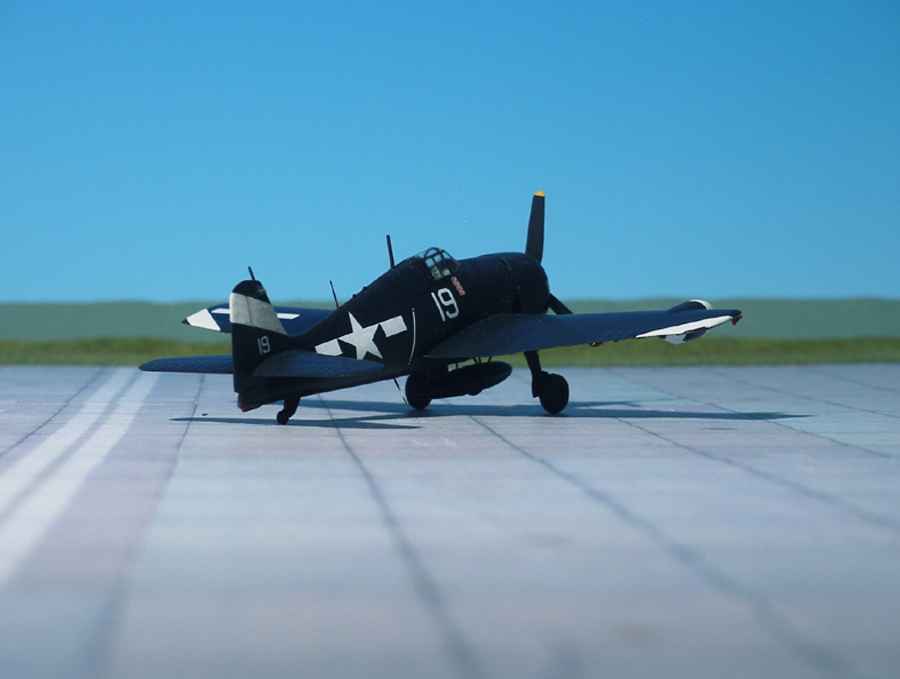
POWER PLANT:One Pratt & Whitney R-2800-10W Double Wasp radial engine, rated at 2,000 hp
PERFORMANCE: 360 mph at 23,400 ft
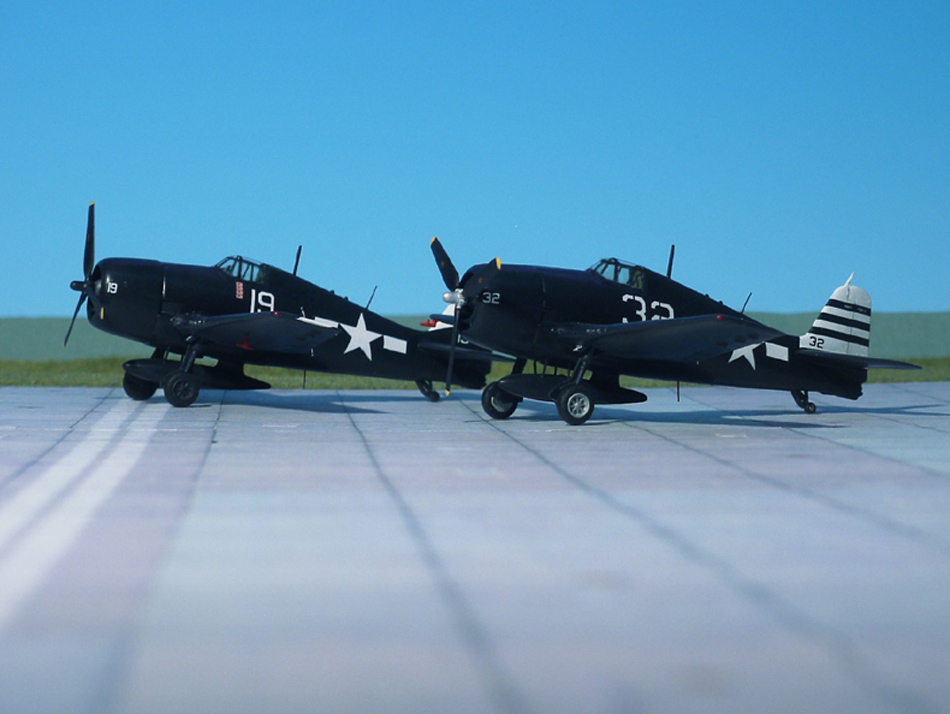
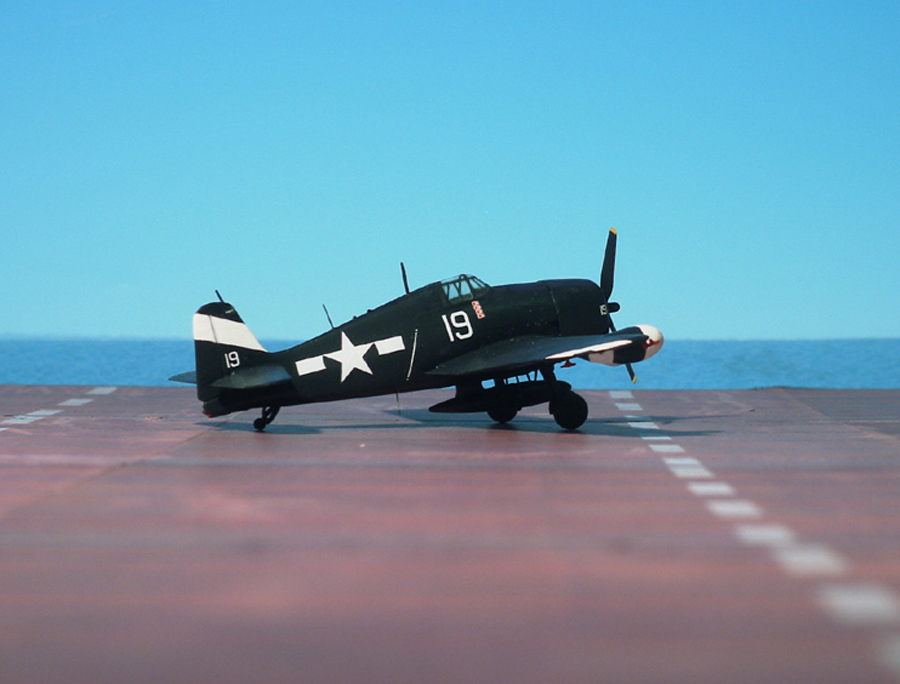
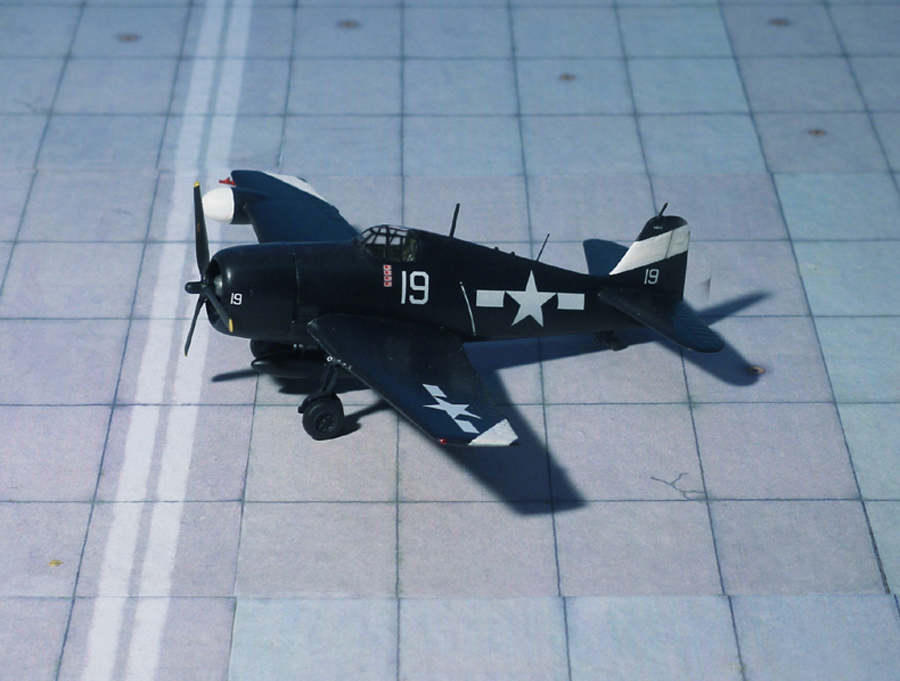
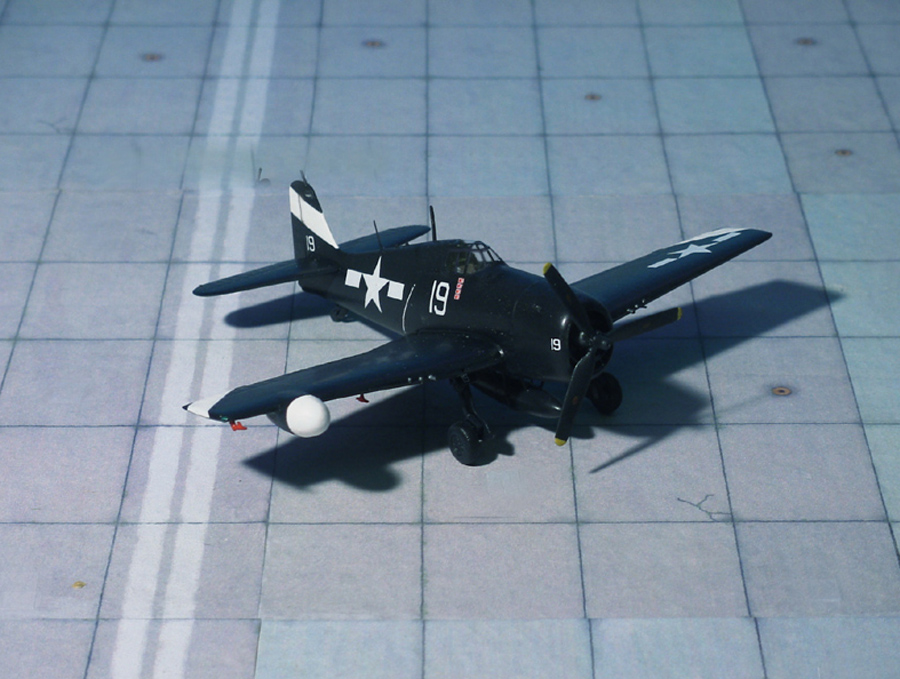
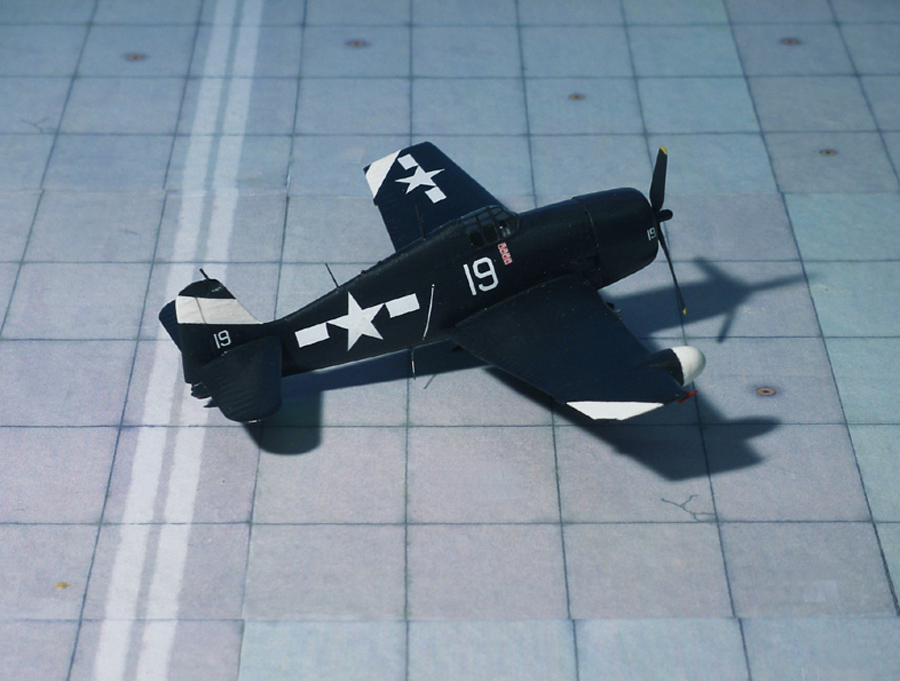
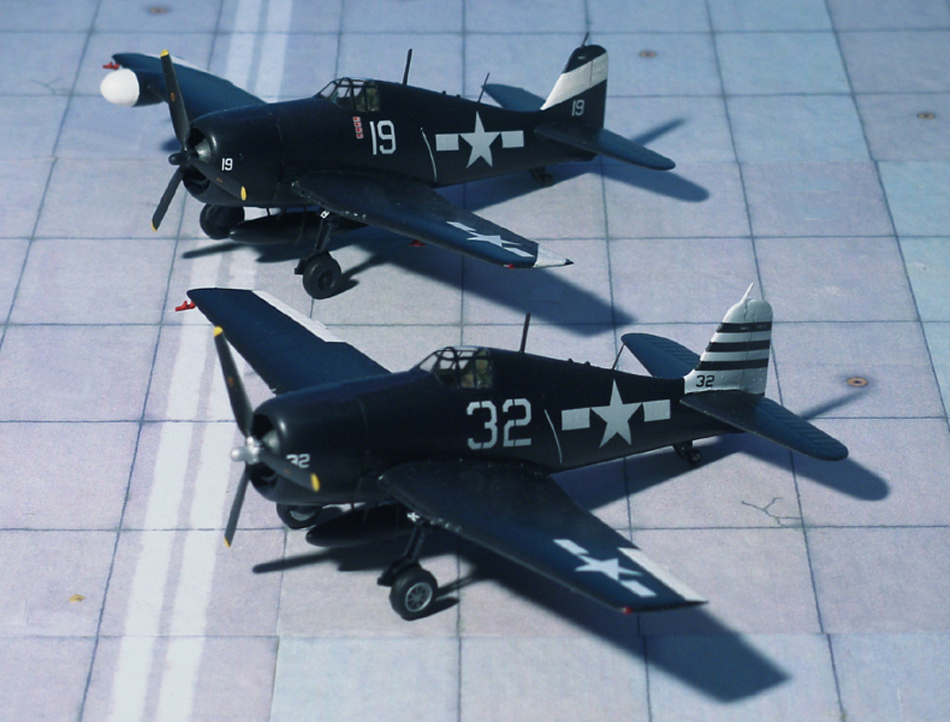
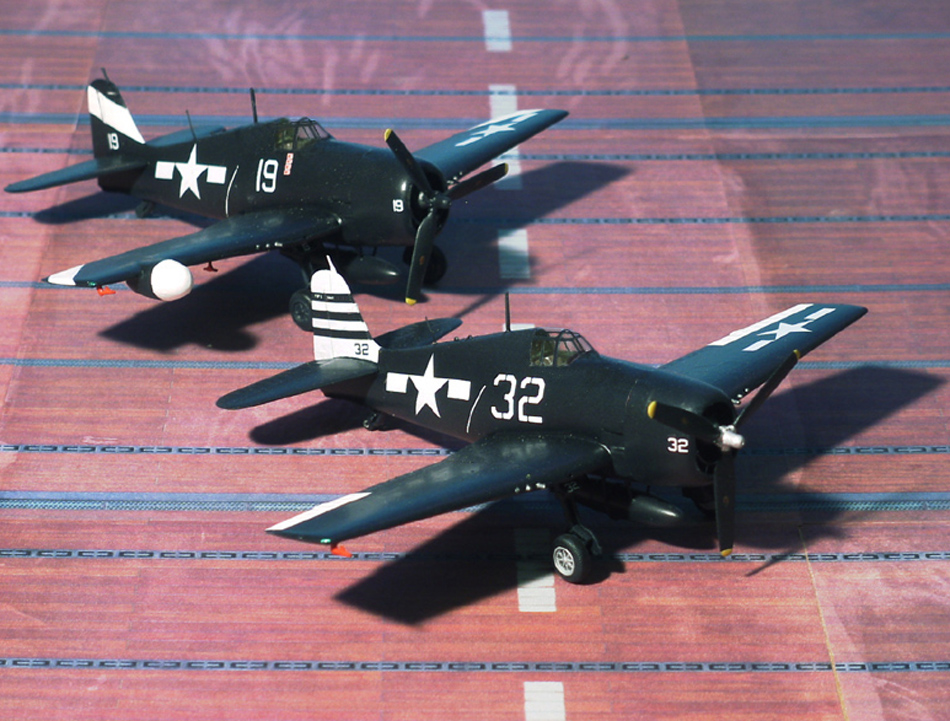
COMMENT: Grumman F6F-3N Hellcat night-fighters entered operation during February 1944, with VF(N)-76 aboard the USS CV-8 Hornet. The Hellcat was adapted to carry the Massachusetts Institute of Technology AN/APS-6 radar with the scanning aerial in a radome pod on the starboard wing. During 1944 deliveries began of a new Hellcat version, the F6F-5 Hellcat, with a number of detail refinements and improvements. Logically, a night-fighter version was F6F-5N was developed, retaining the AN/APS-6 radar in a starboard wing pod. Of the 1,434 F6F-5N Hellcat completed during the war many remained in service for a number of years after the war’s end (Ref.: 1).
Grumman F6F-5N Hellcat, USS CV-19 Lexington
Grumman F6F-5N Hellcat, USS CV-19 Lexington
Grumman F6F-5N Hellcat, USS CV-19 Lexington
Grumman F6F-5N Hellcat, USS CV-19 Lexington
Grumman F6F-5N Hellcat, USS CV-19 Lexington
Grumman F6F-5N Hellcat, USS CV-19 Lexington
Grumman F6F-5N Hellcat, USS CV-19 Lexington
Grumman F6F-5 Hellcat, VF-12, USS CV-15 Randolph and Grumman F6F-5N Hellcat, USS CV-19 Lexington
Grumman F6F-5N Hellcat, USS CV-19 Lexington
Grumman F6F-5N Hellcat, USS CV-19 Lexington
Grumman F6F-5N Hellcat, USS CV-19 Lexington
Grumman F6F-5N Hellcat, USS CV-19 Lexington
Grumman F6F-5N Hellcat, USS CV-19 Lexington
Grumman F6F-5N Hellcat, USS CV-19 Lexington
Grumman F6F-5N Hellcat, USS CV-19 Lexington
Grumman F6F-5 Hellcat, VF-12, USS CV-15 Randolph and Grumman F6F-5N Hellcat, USS CV-19 Lexington
Grumman F6F-5 Hellcat, VF-12, USS CV-15 Randolph and Grumman F6F-5N Hellcat, USS CV-19 Lexington
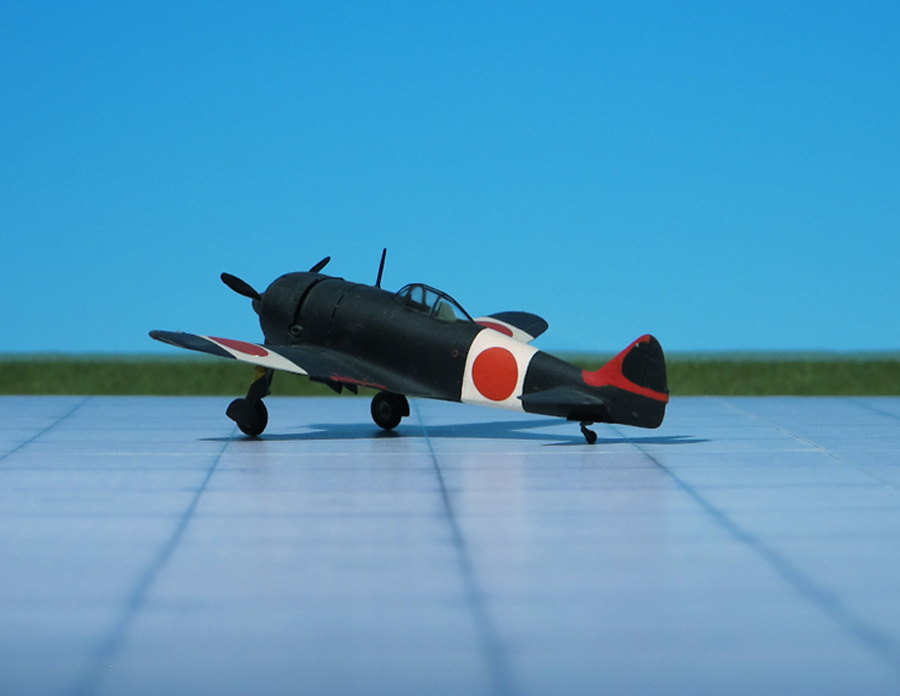
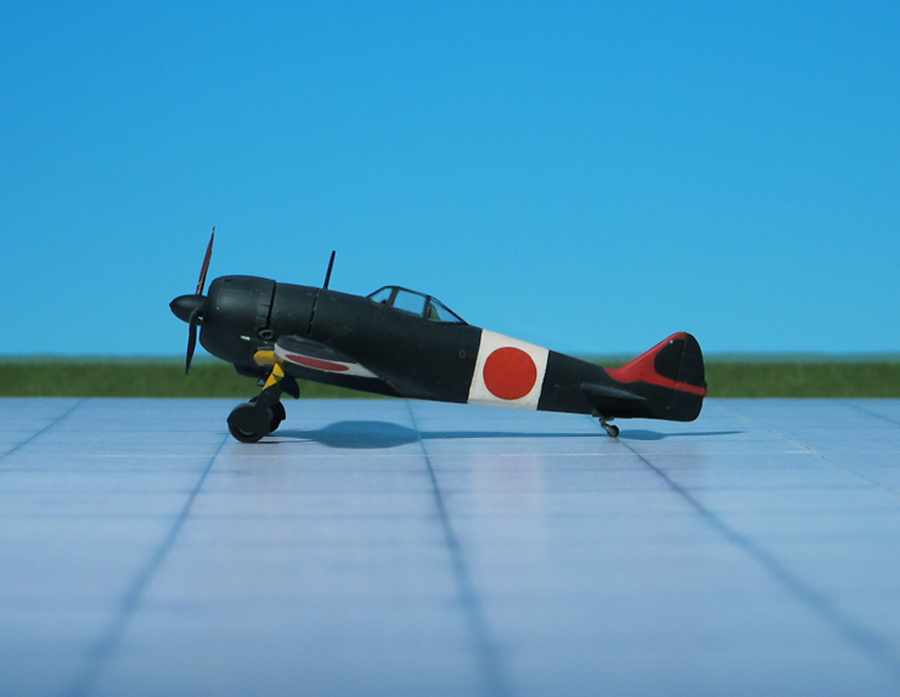
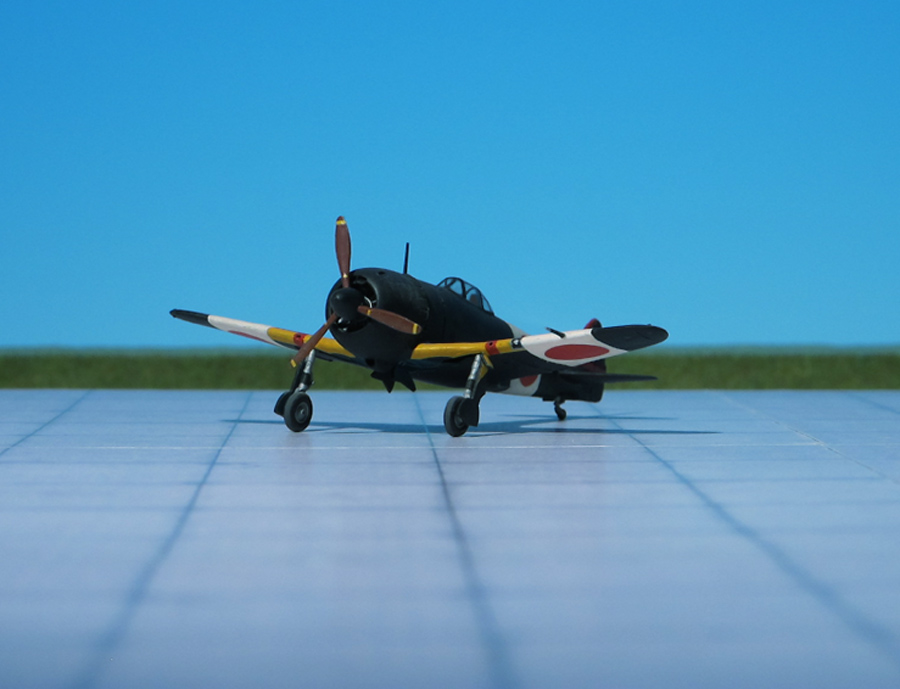
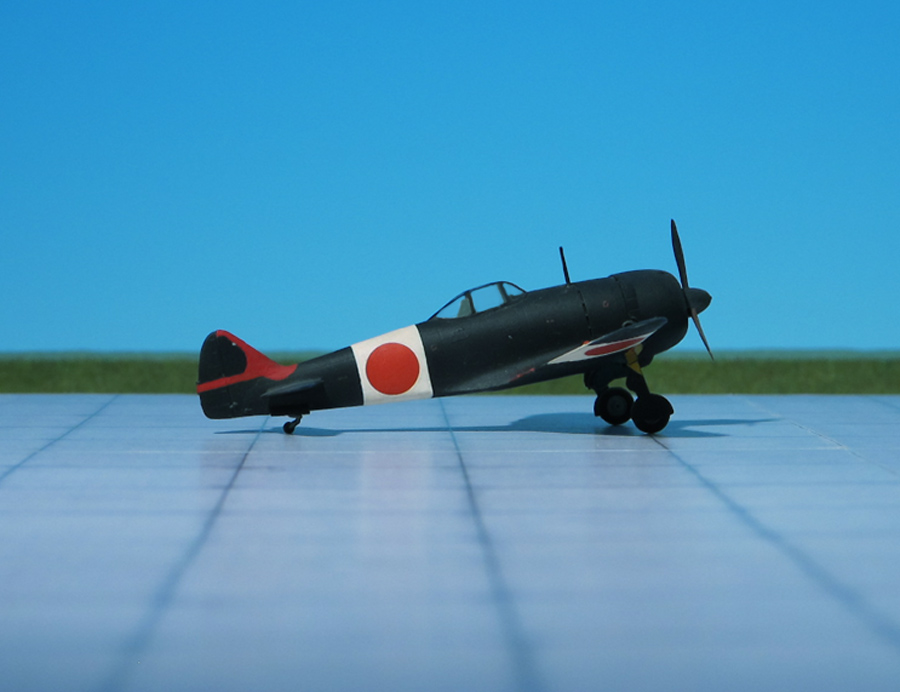
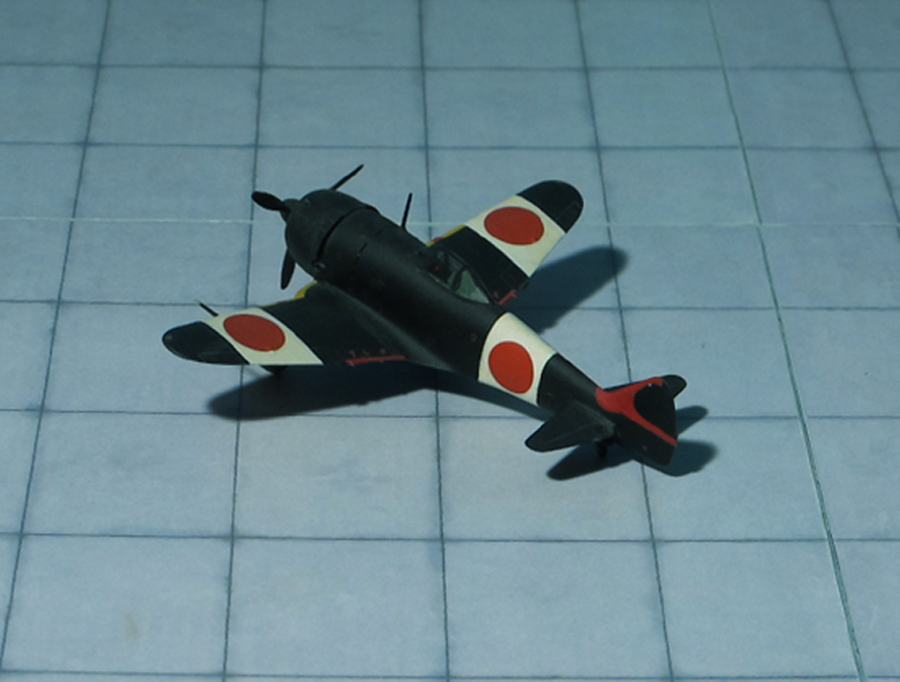
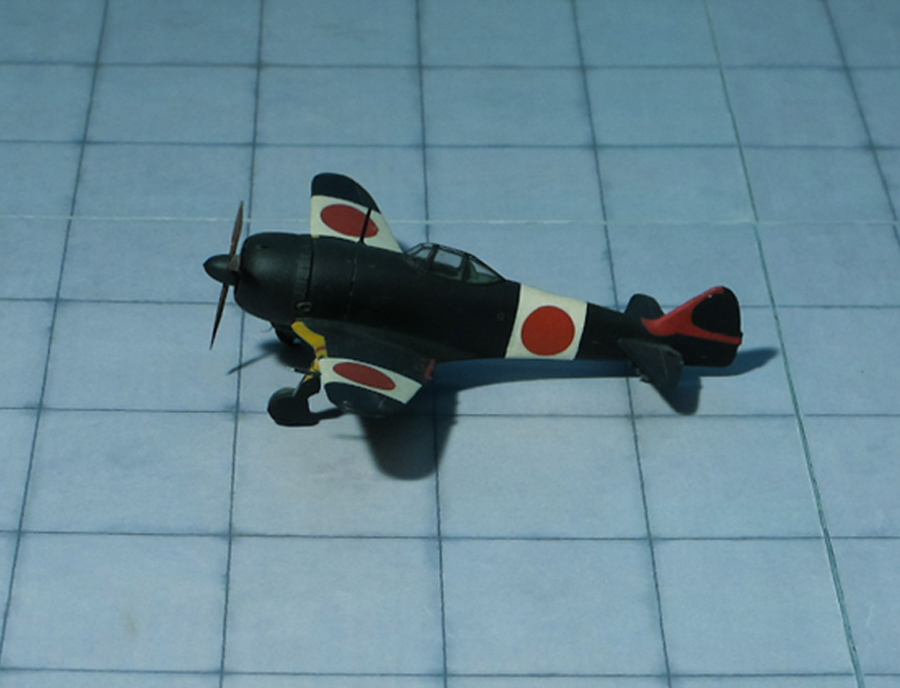
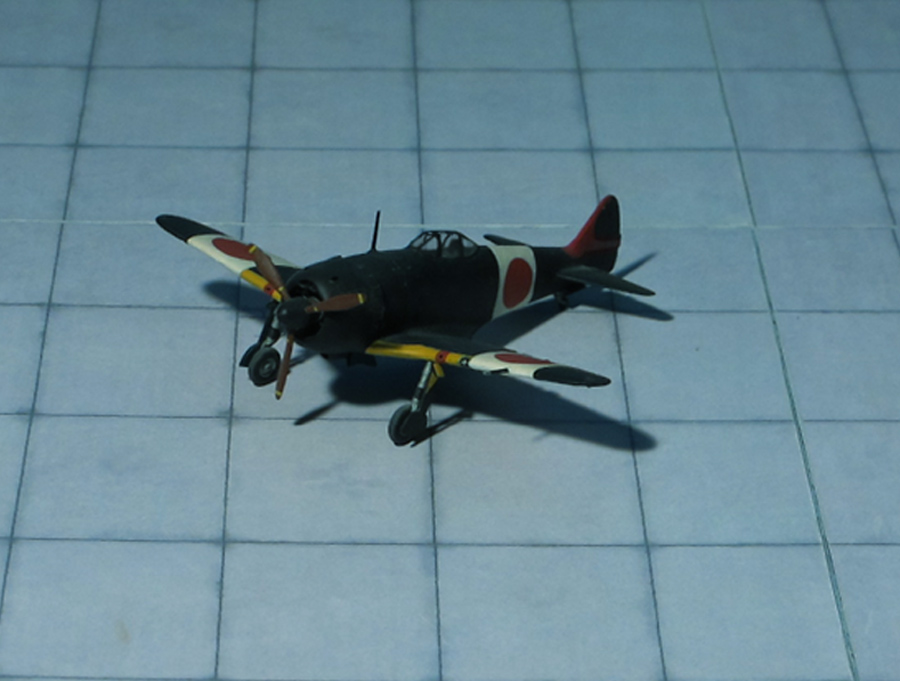
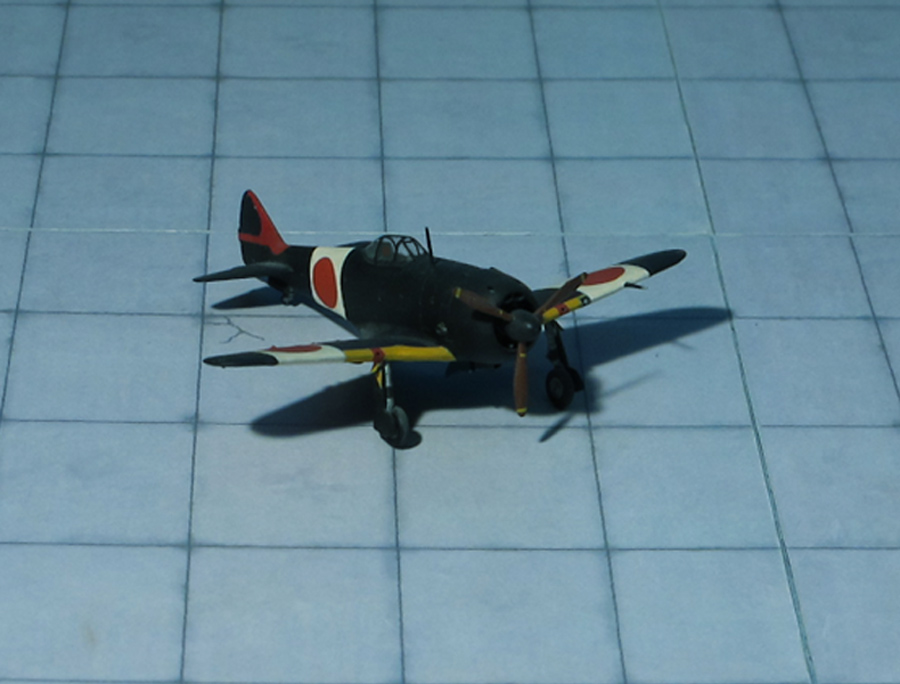
POWER PLANT: One Nakajima Ha-109 radial engine, rated at 1,520 hp
PERFORMANCE: 367 mph at 17,060 ft
COMMENT: When China-based B-29s of the US XX Bomber Command, soon joined by Mariana-based Superfortresses of the XXI Bomber Command, began their bombing raids against Japan homeland, the Japanese Army had only one type of interceptor fighter on strength: The Nakjima Ki-44-IIb Shoki, (Devil-Queller) known as TOYO to Allied personel. The first prototype was completed and flown in August 1940 and production of the Ki-44-I started in in January 1942. As war progressed several variants were produced, so as Ki.44-II and Ki-44-III, all with several subtypes and more than nine Sentais and several Fighter Training Schools were equipped with the Ki-44. In late 1944, Shoki production terminated as the aircraft was replaced by the Nakajima Ki-84 Hayate (Ref.: 1).
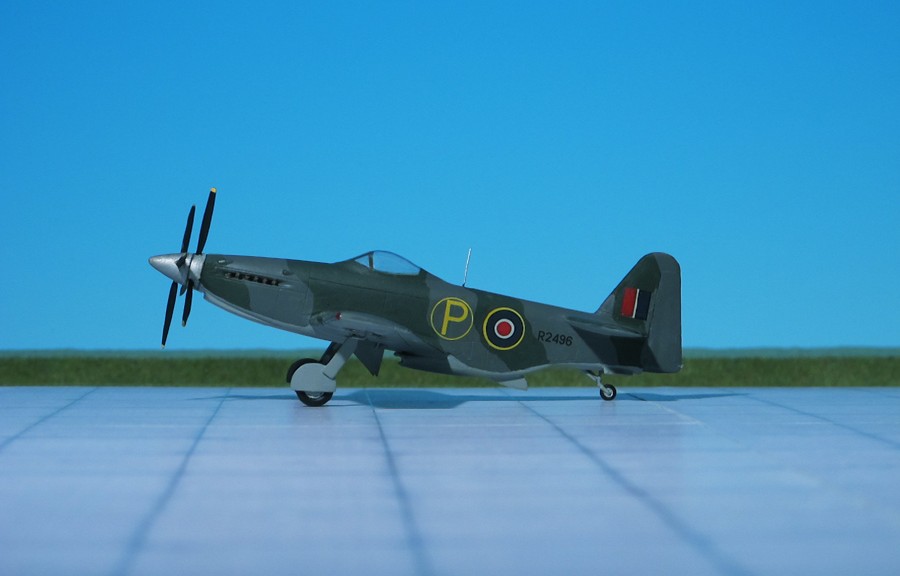
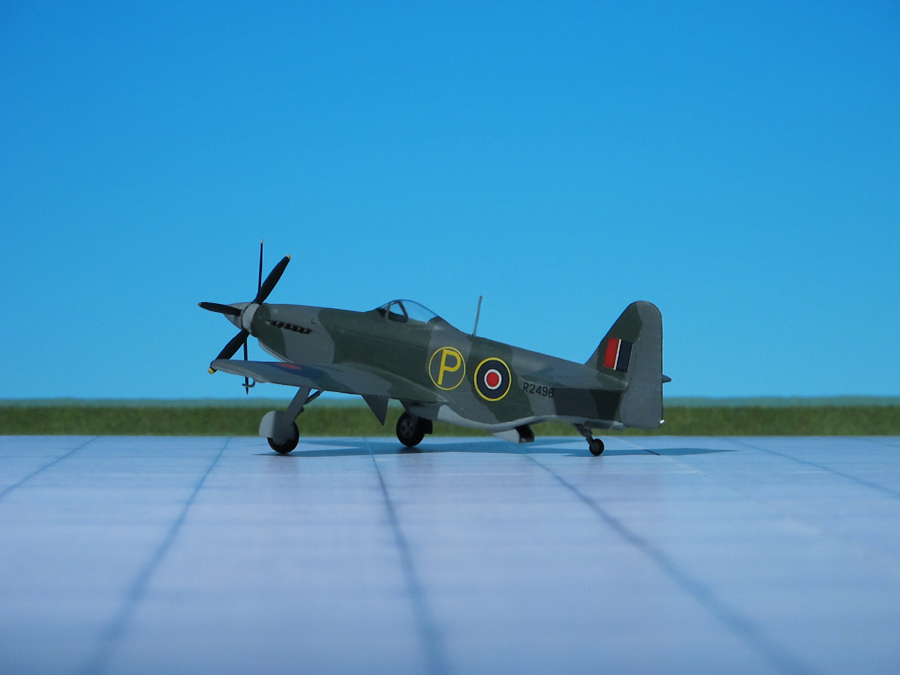
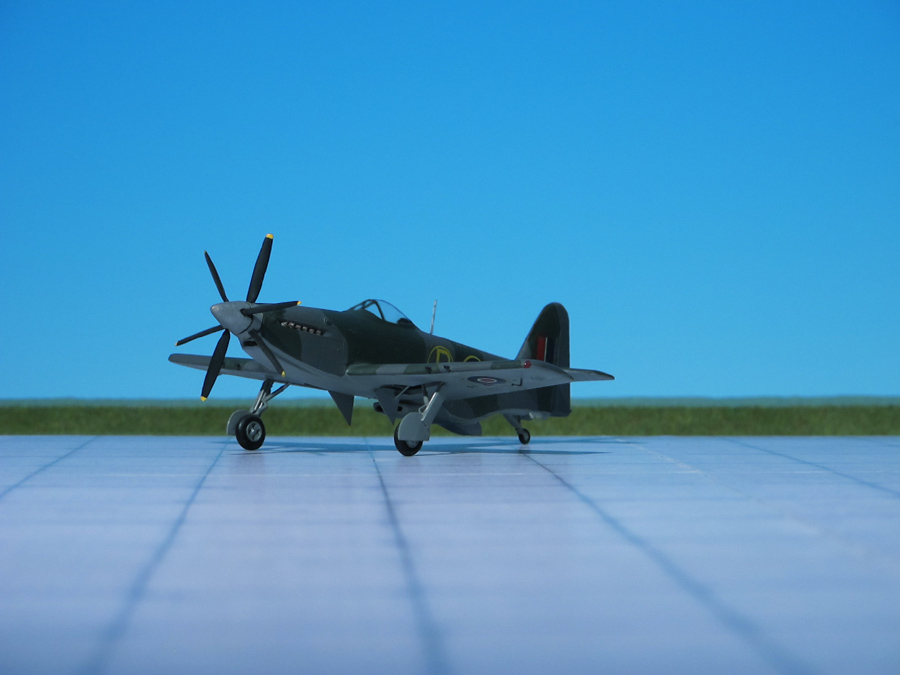
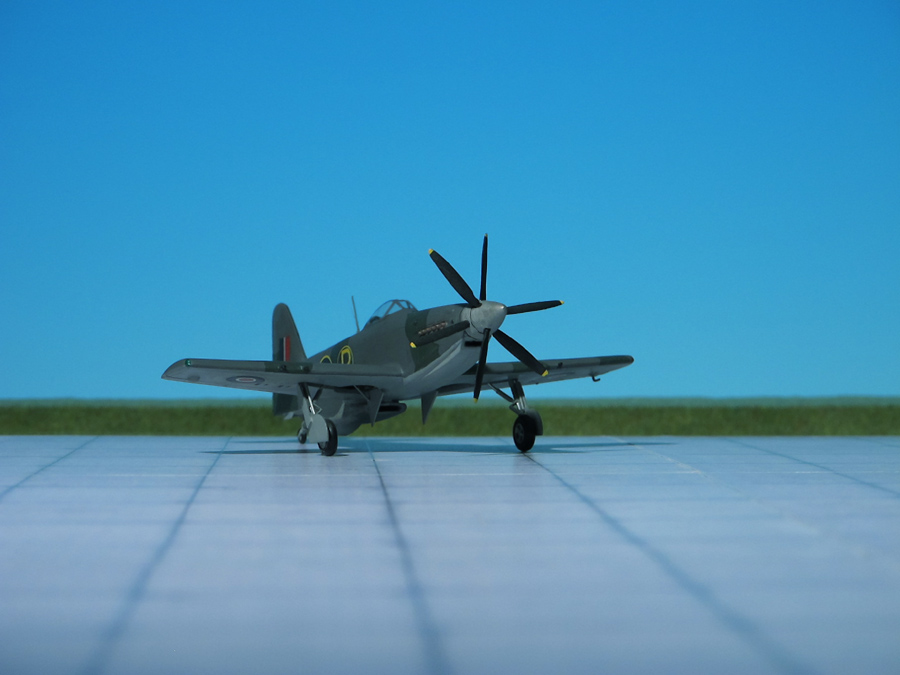
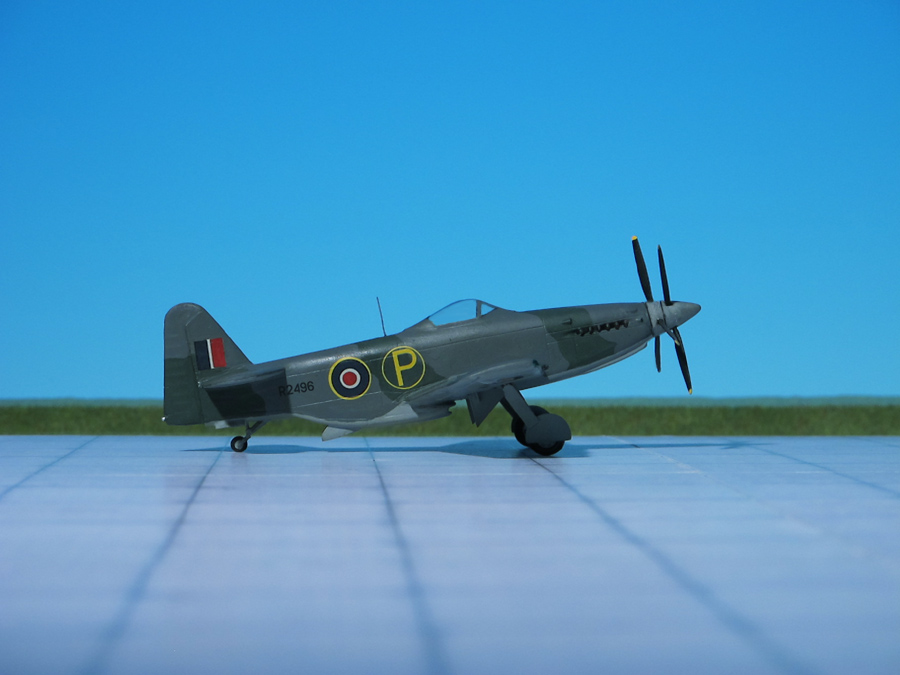
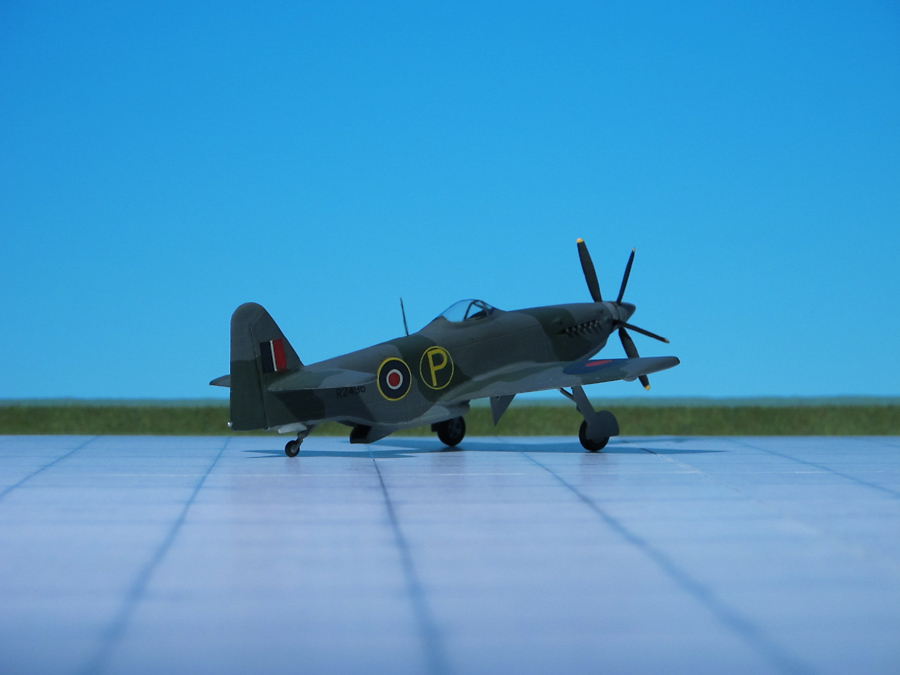
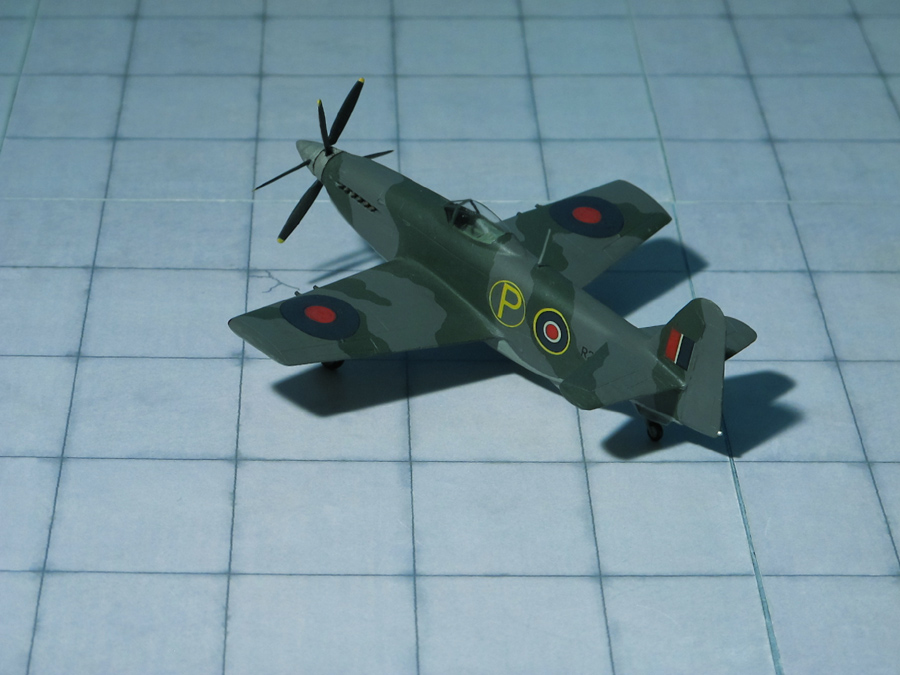
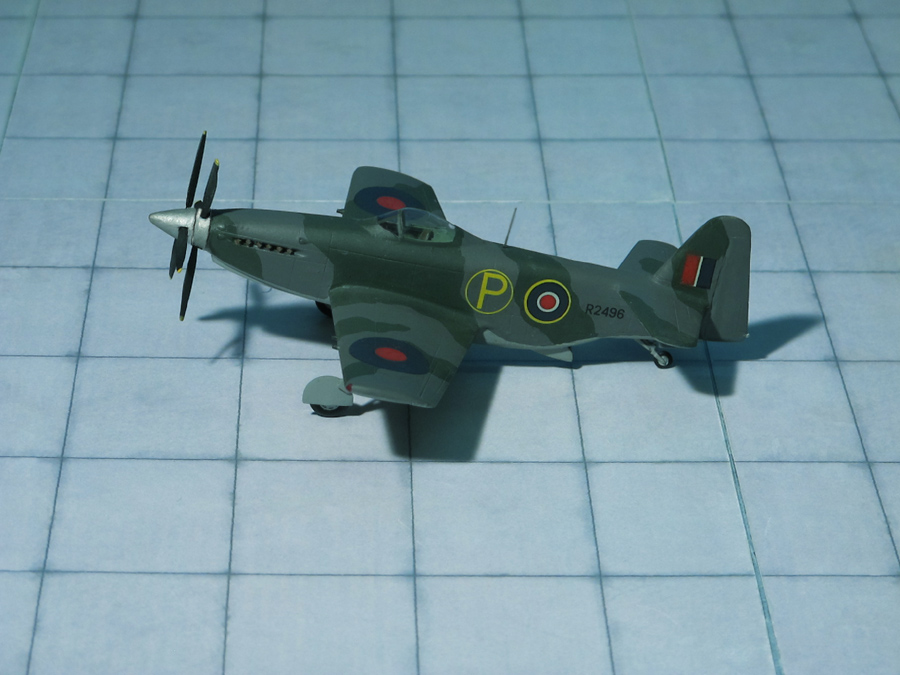
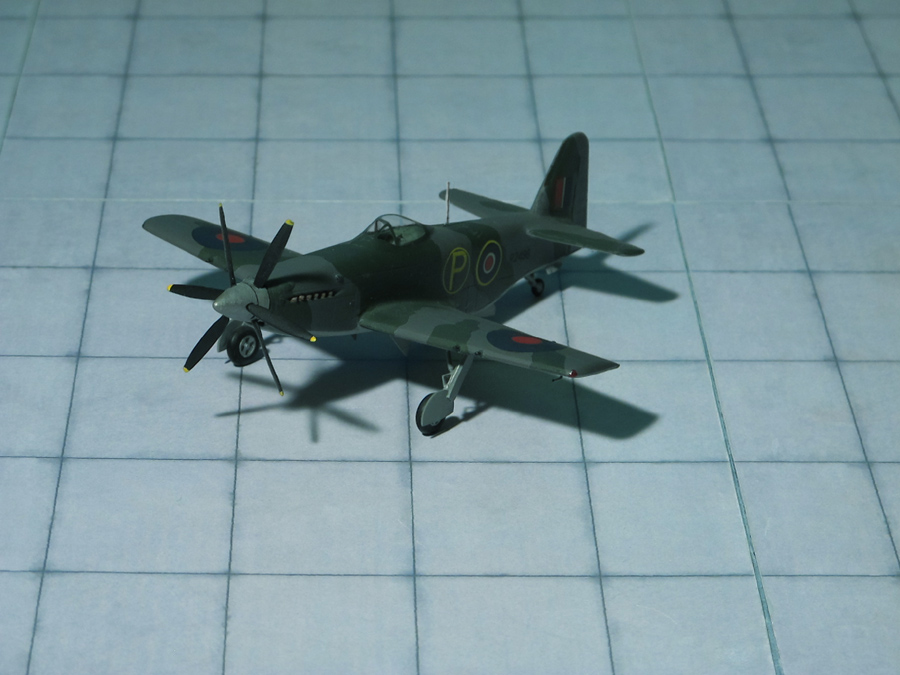
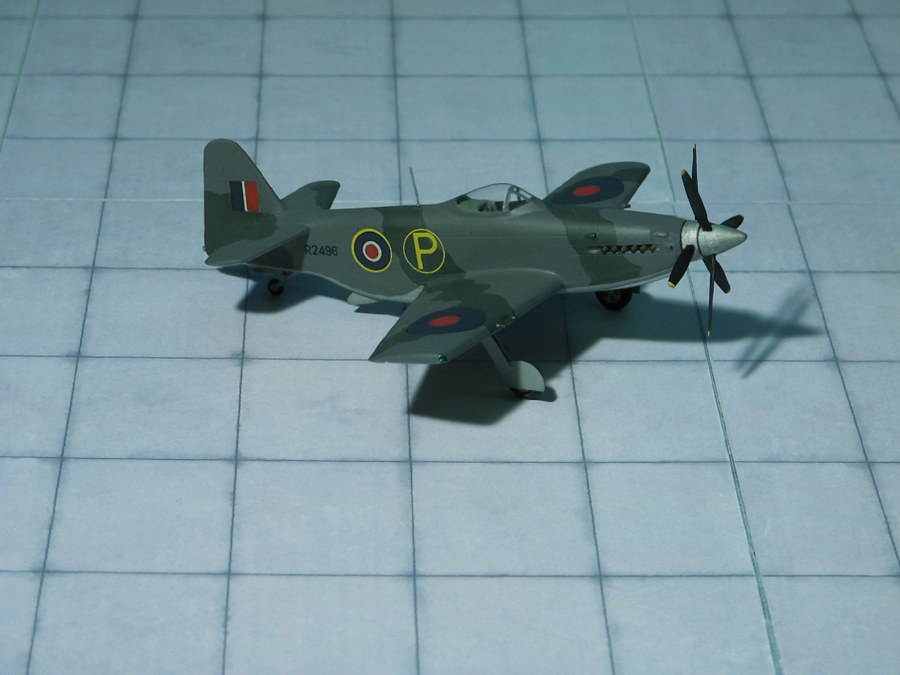
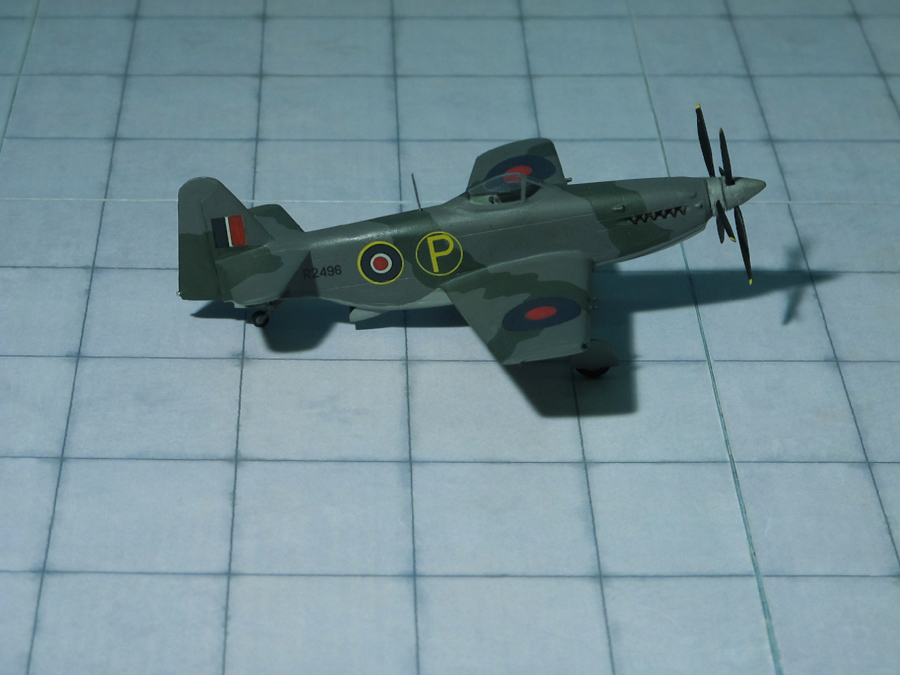
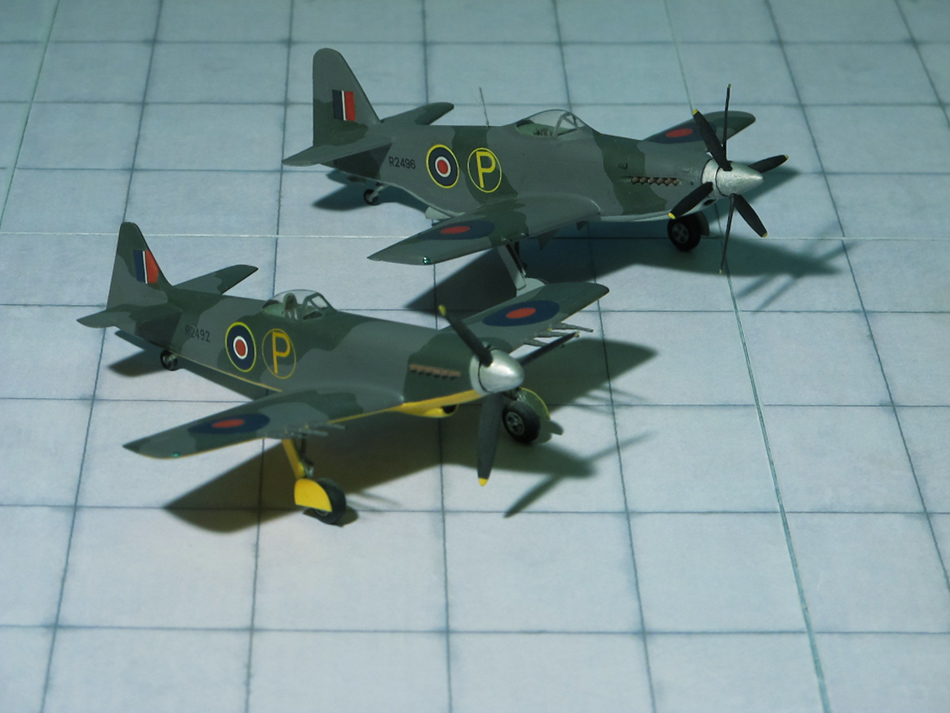
POWER PLANT: One Rolls-Royce Griffon 83 liquid-cooled engine, rated at 2,340 hp, driving a six-blade contra-rotating propeller
PERFORMANCE: 460 mph at 20,000 ft
COMMENT: The Martin-Maker M.B.5, developed on the basis of the Martin-Baker M.B.3, was considered by many to represent the extreme limit of piston-engined fighter development. Apart from its superlative performance and handling characteristics, the M.B.5 had a number of outstanding qualities and the general design and layout was excellent and infinitely better than any other similar type of aircraft. It first took-off into the air on May 1944. Although all pilots who flew the M.B.5 in the following time were fulsome in their praise of its qualities it was not put into production, remaining one of the minor mysteries of the war (Ref: 12).
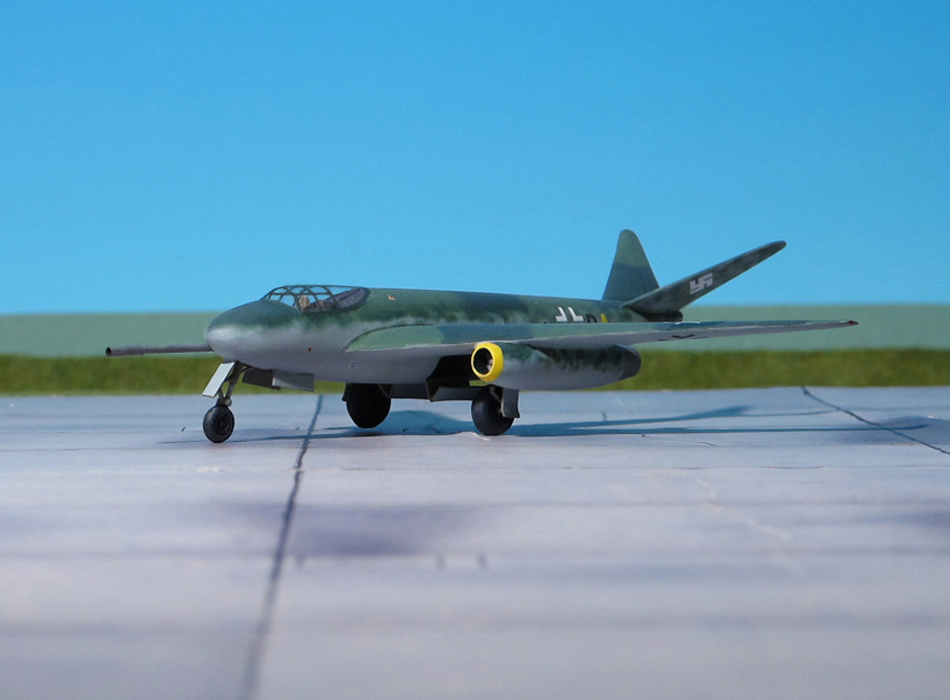
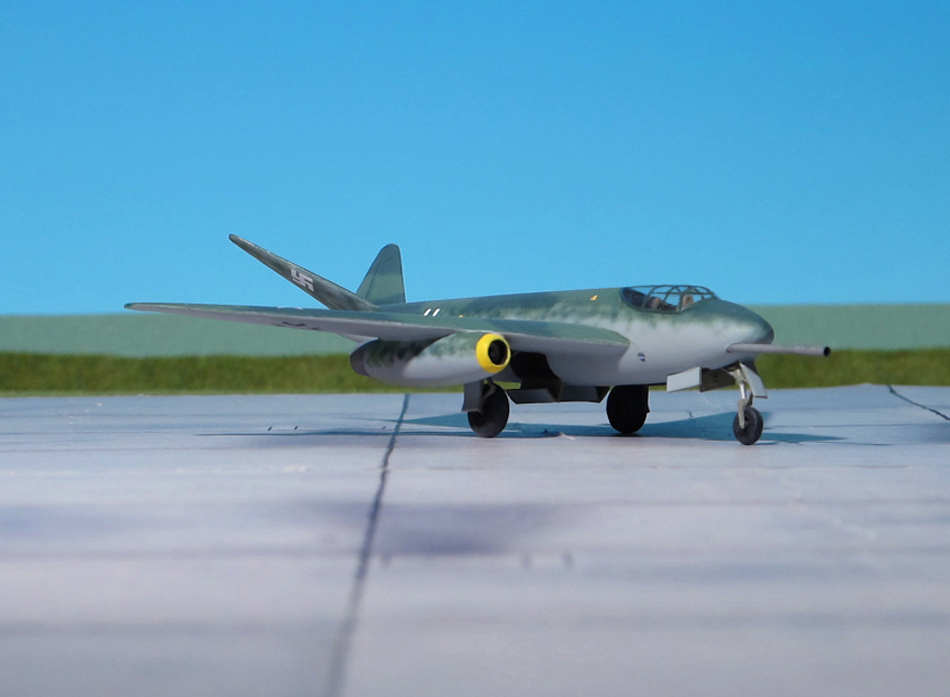
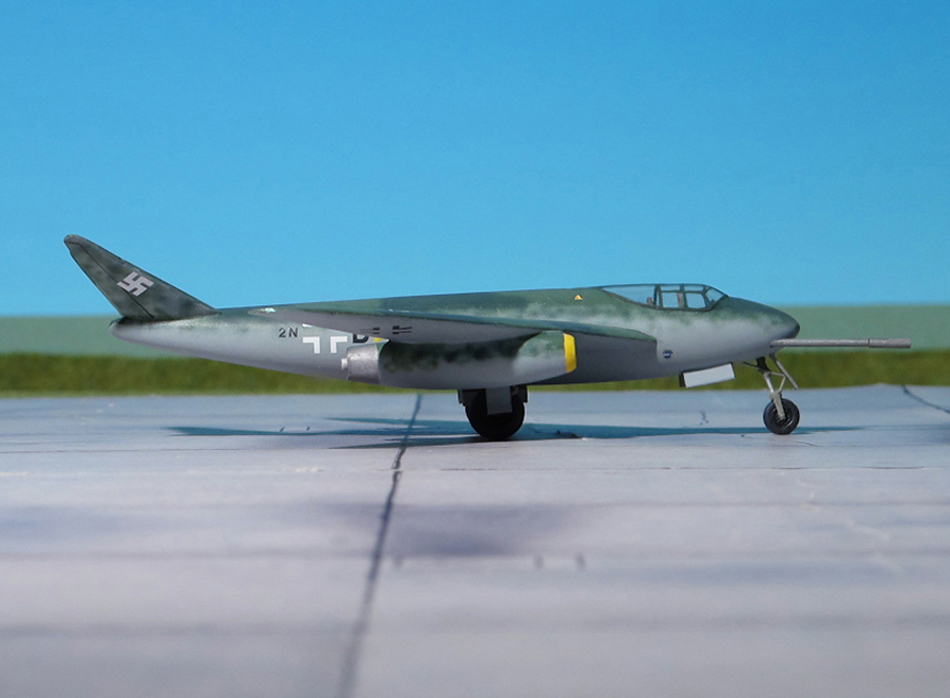
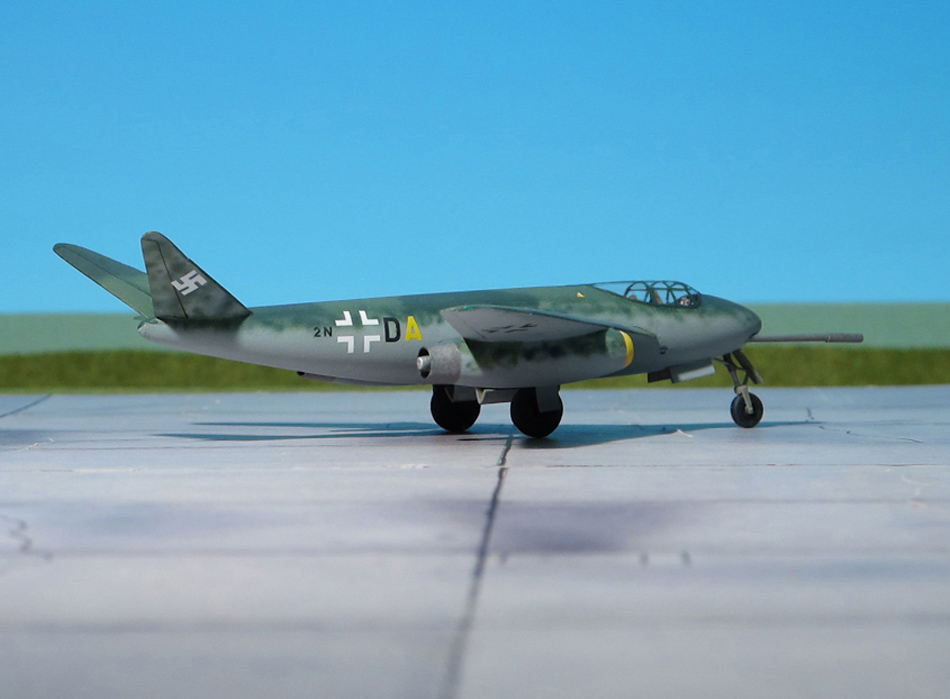
POWER PLANT: Two Heinkel-Hirth HeS 011 turbojet engines, rated at 1,300 kp each
PERFORMANCE: 558 mph
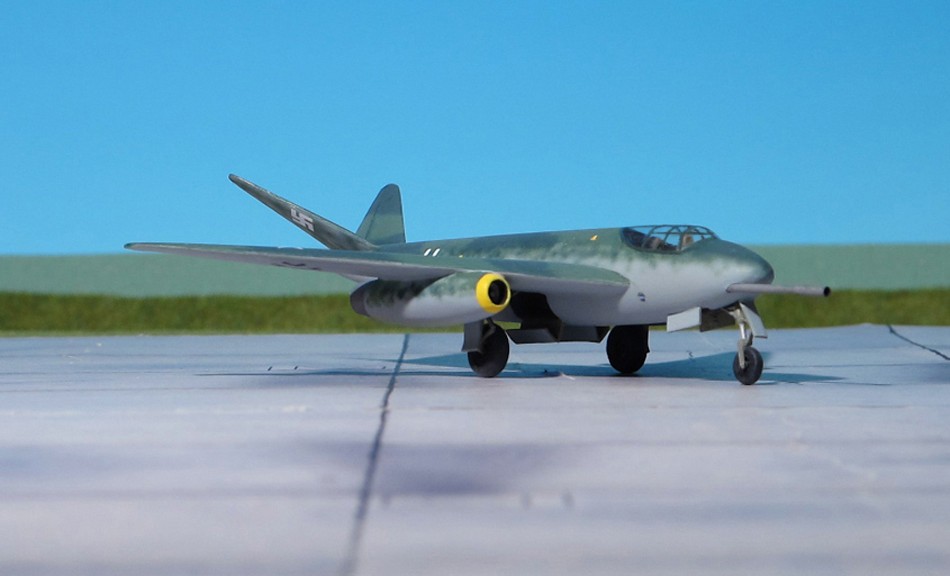
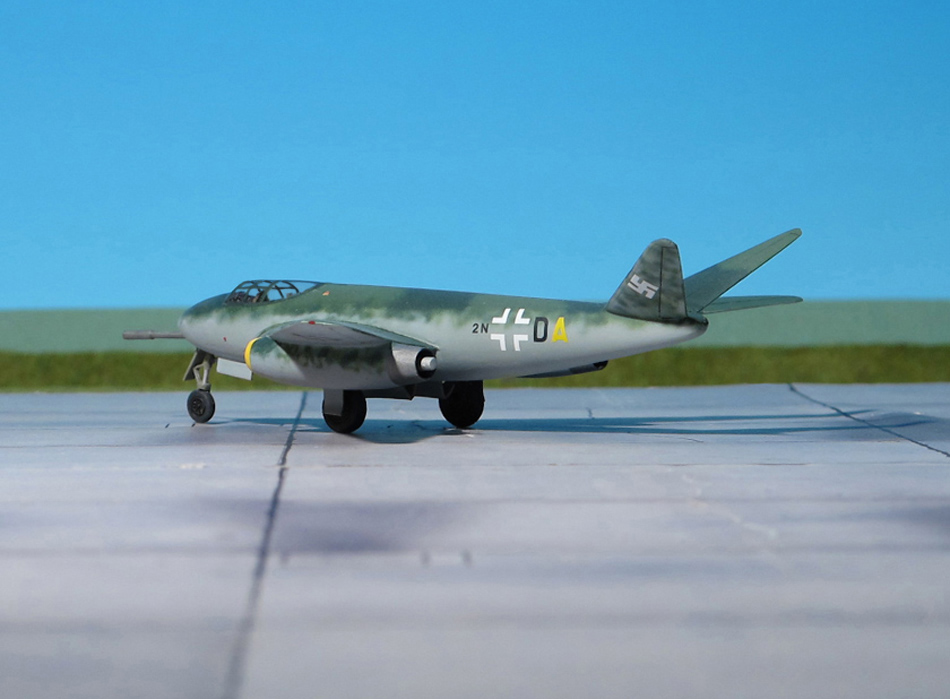
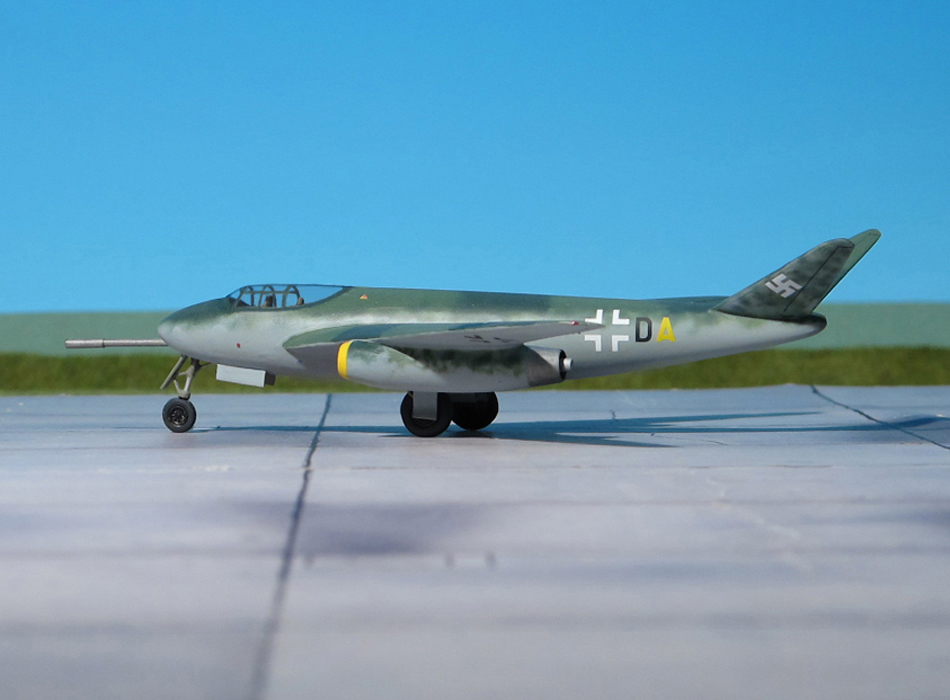
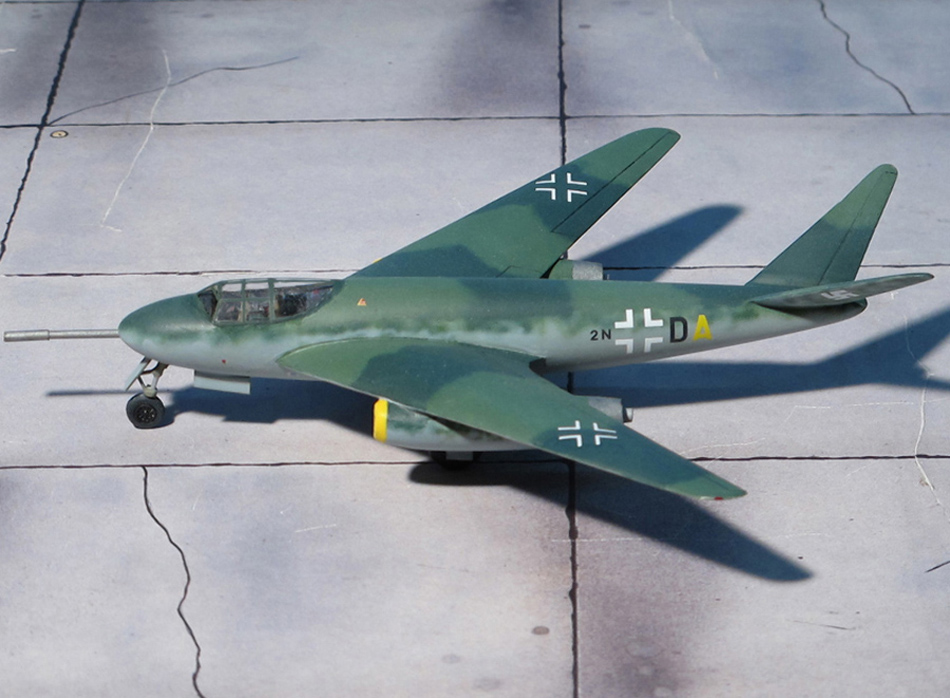
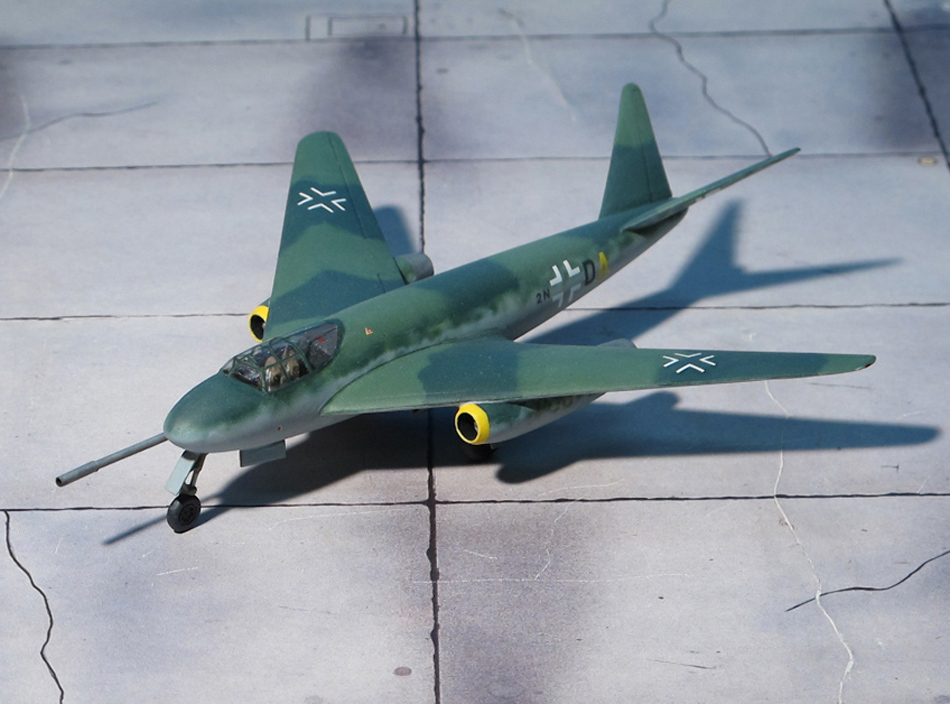
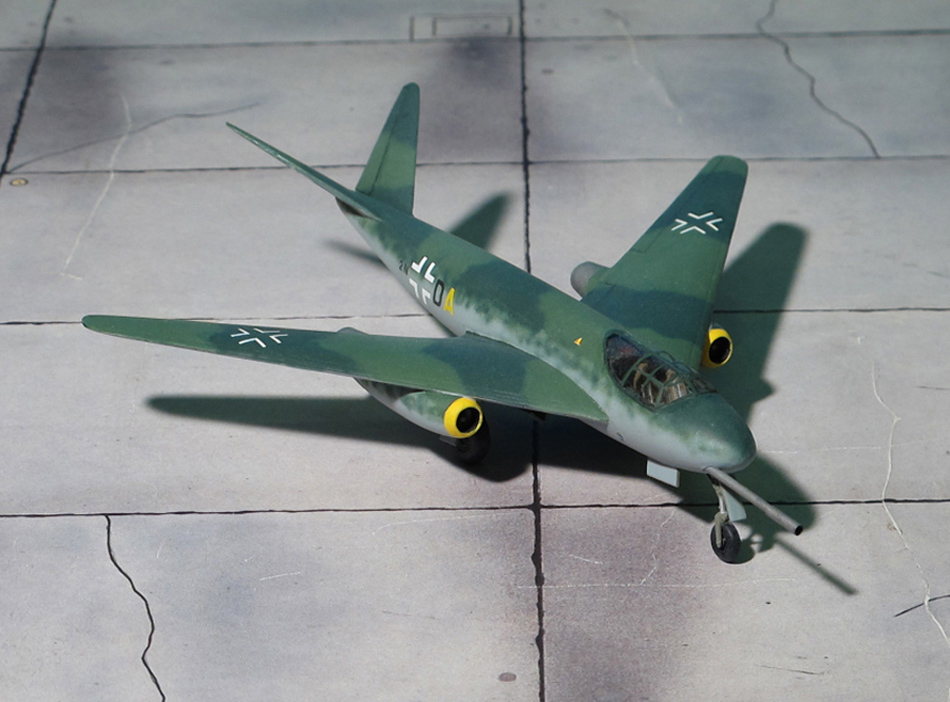
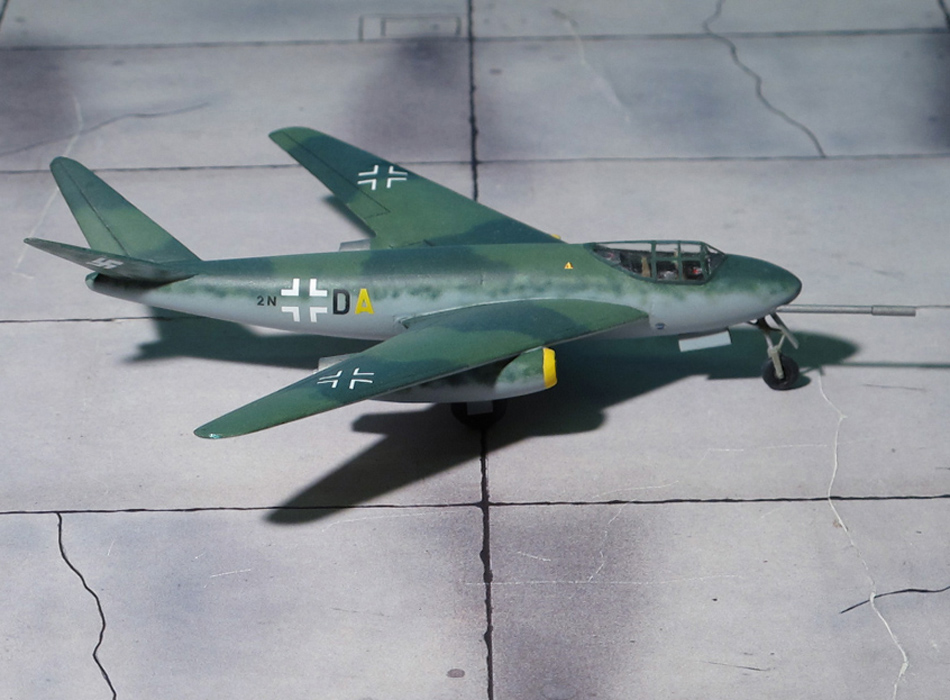
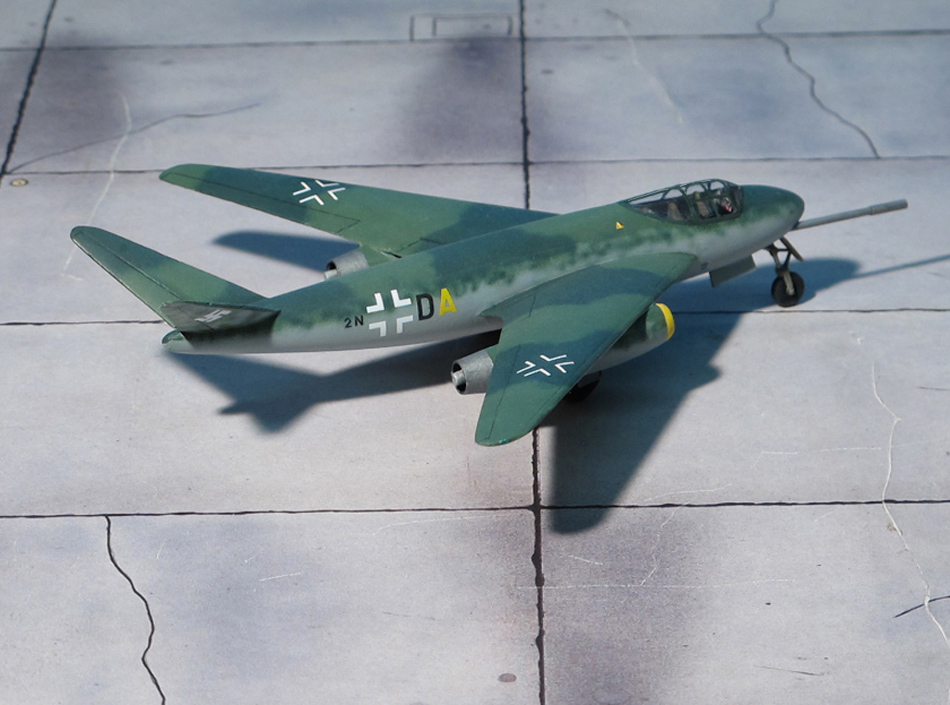
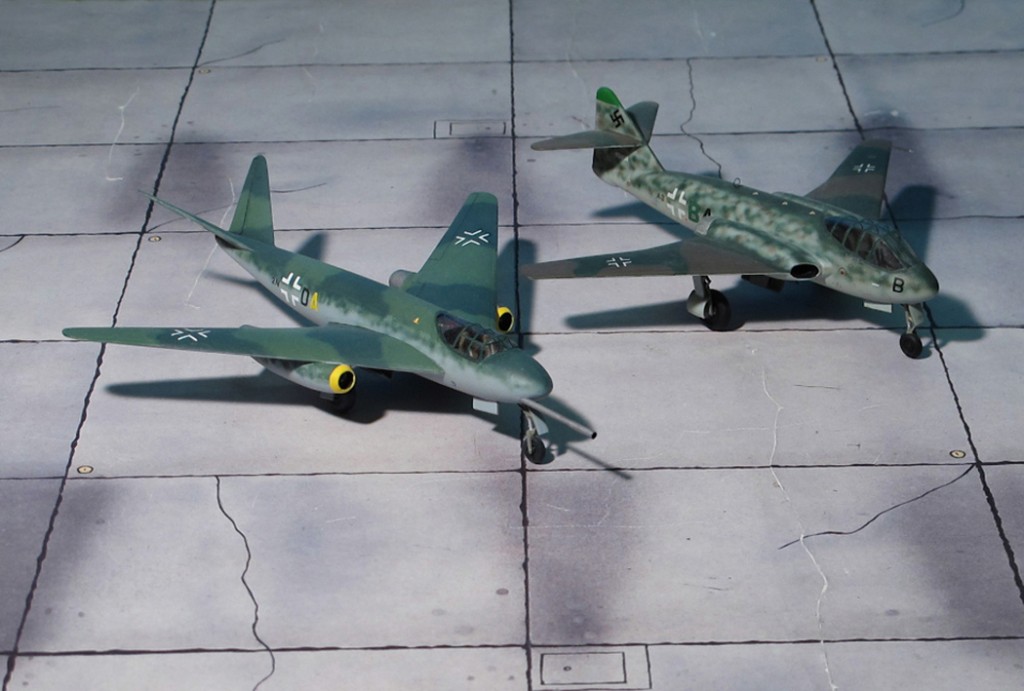
COMMENT: Early in 1944, Messerschmitt undertook various design studies as part of the P.1101 project series. These designs had high speeds as their underlying concept and included aircraft with swing wings that could reach up to a 60 degree sweep back. The most famous of these projects and the one that almost reached flight testing was the Messerschmitt Me P.1101 V1. Among the Messerschmitt project studies was the Me P.1101/92 heavy fighter and destroyer, which was designed to carry a huge 75mm (3 inch) cannon as its main armament. The Me P.1101/92 had a mid-fuselage mounted wing swept back at 40 degrees. Slung beneath each wing was a single Heinkel-Hirth HeS 011 turbojet engine, each developing 1300 kp of thrust. A V tail was mounted in the rear, and a tricycle landing gear arrangement was chosen. The two man crew sat staggered side-by-side. Armament consisted of the single large BK 7.5 cm cannon in the nose, offset to the right side of the aircraft. As a result of production and delivery problems of the engine manufacturer and the imminent collapse of the “Third Reich”, all further development was stopped (Ref.: 16).
Messerschmitt Me P. 1101/92
Messerschmitt Me P. 1101/92
Messerschmitt Me P. 1101/92
Messerschmitt Me P. 1101/92
Messerschmitt Me P. 1101/92
Messerschmitt Me P. 1101/92
Messerschmitt Me P. 1101/92
Messerschmitt Me P. 1101/92
Messerschmitt Me P. 1101/92
Messerschmitt Me P. 1101/92
Messerschmitt Me P. 1101/92
Messerschmitt Me P. 1101/92
Messerschmitt Me P. 1101/92 and Messerschmitt Me P.1100/II
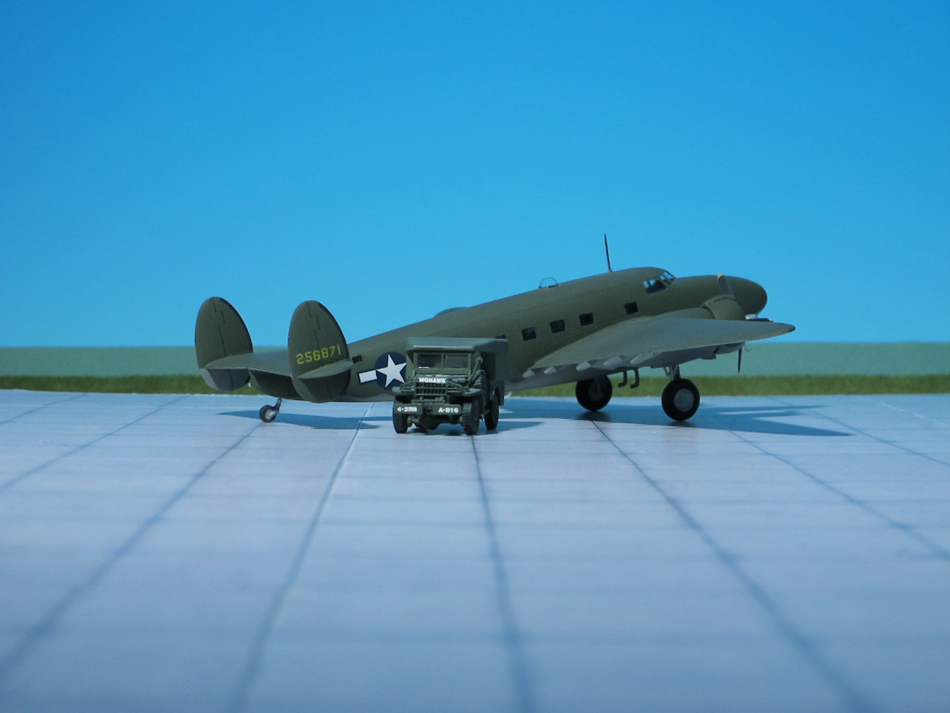
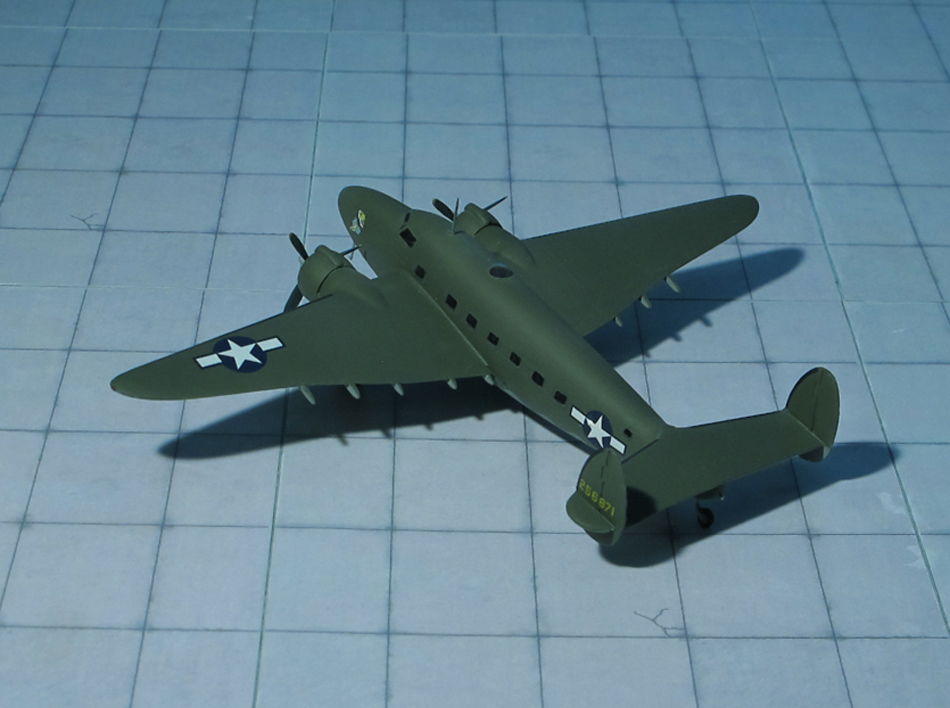
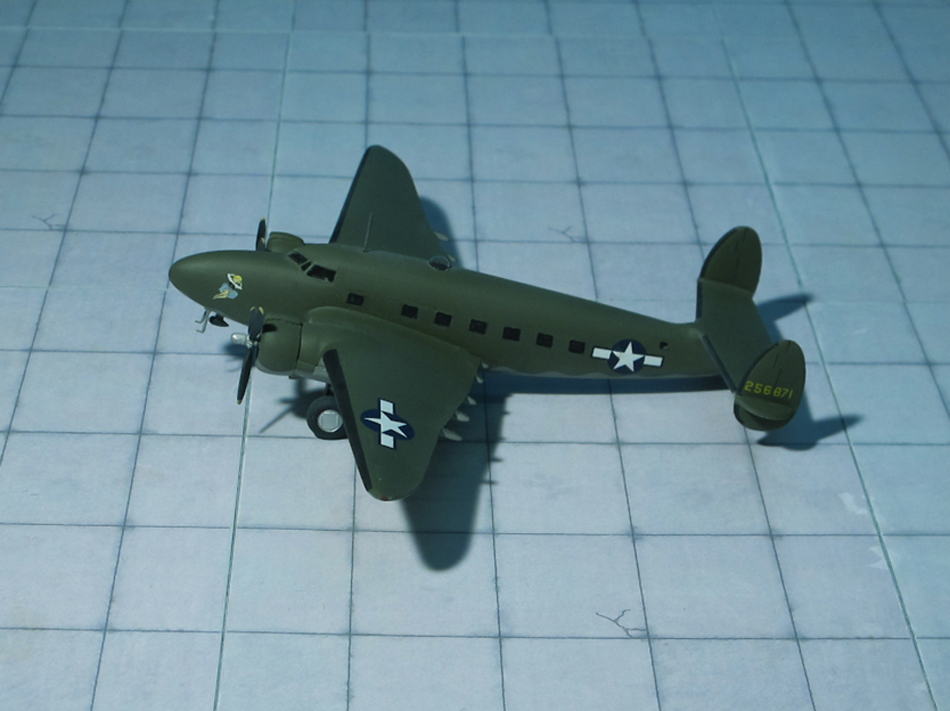
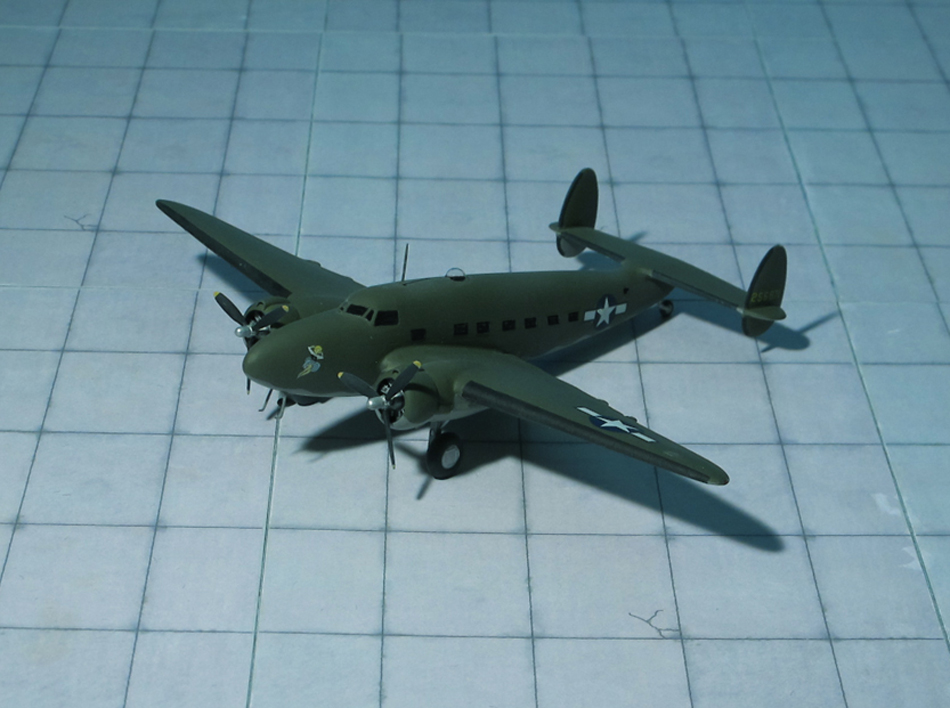
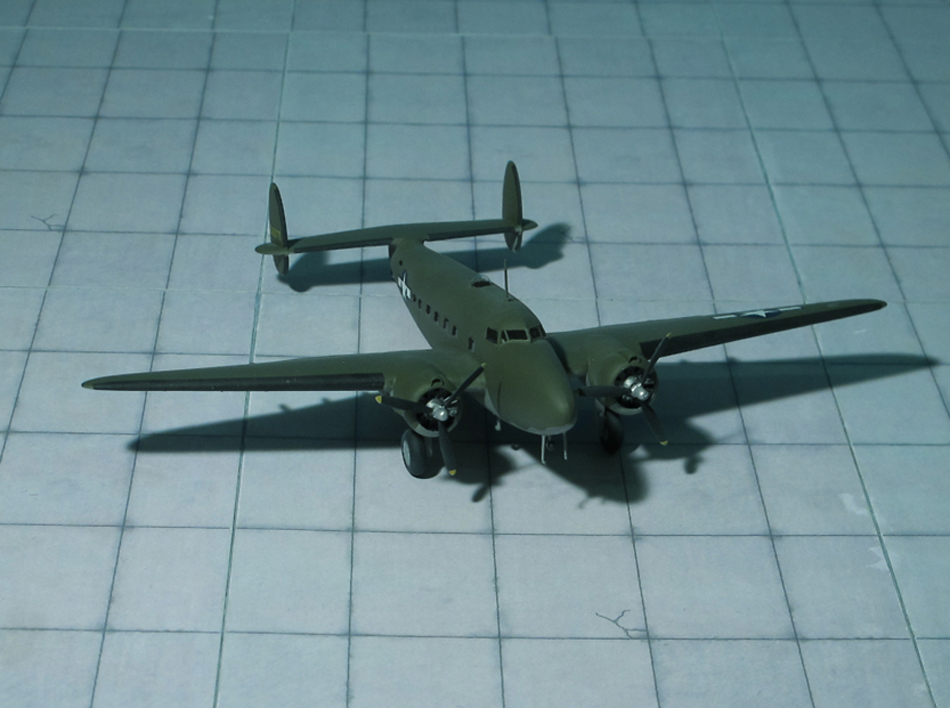
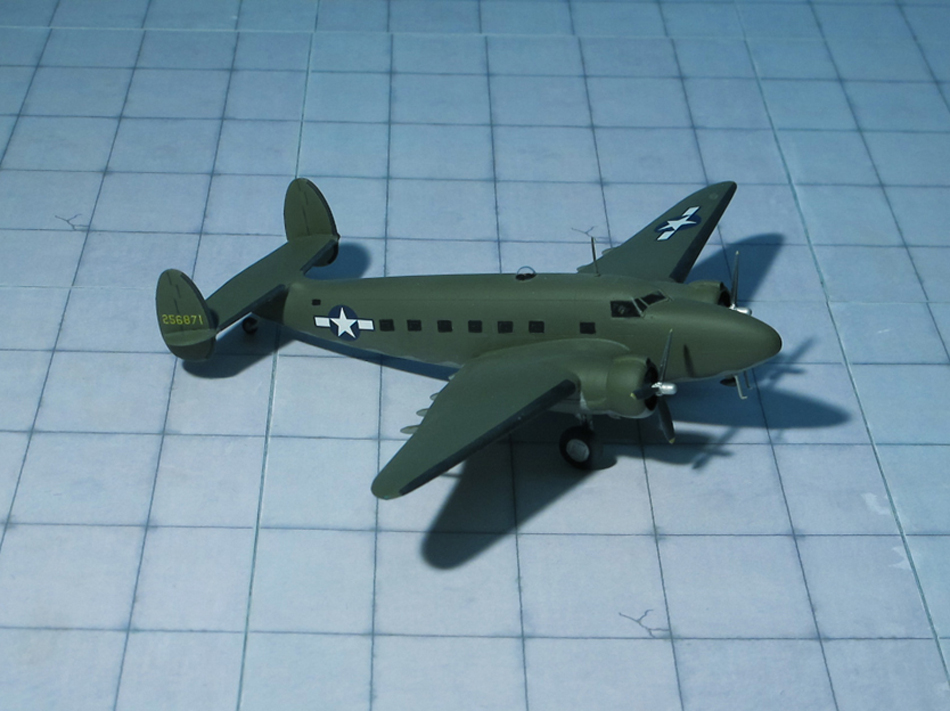
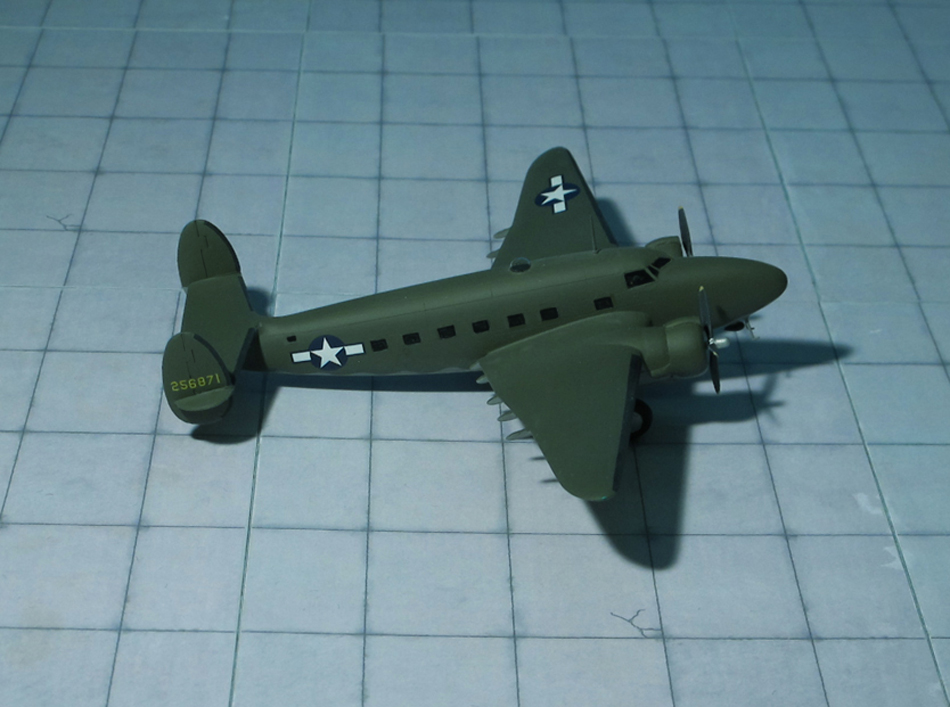
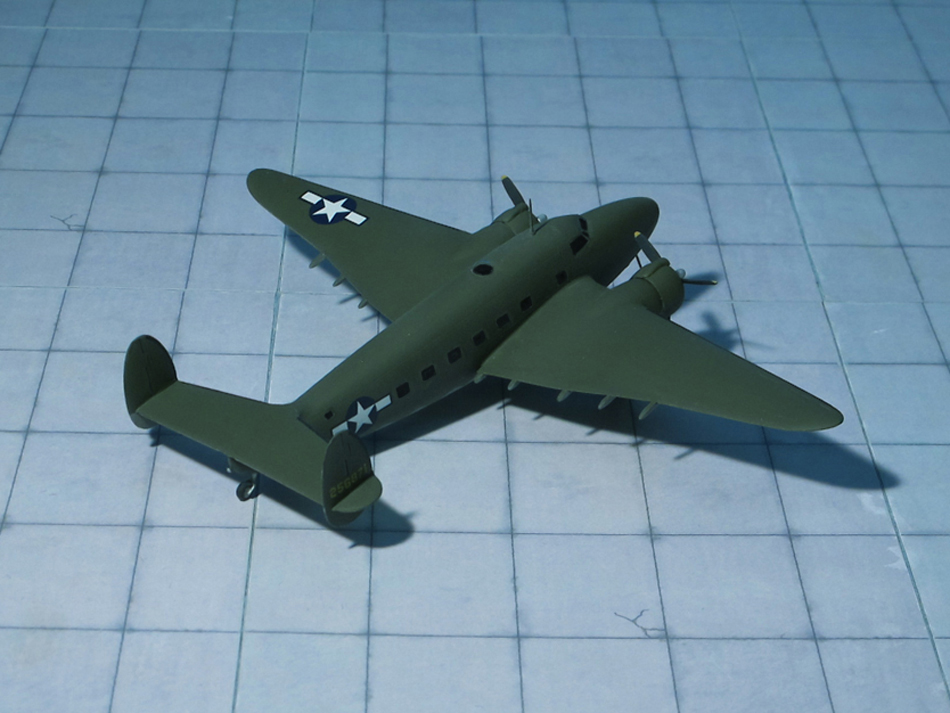
POWER PLANT: Two Wright R-1820-87 Cyclone 9 radial engines, rated at 1,200 hp each
PERFORMANCE: 266 mph at 17,150 ft
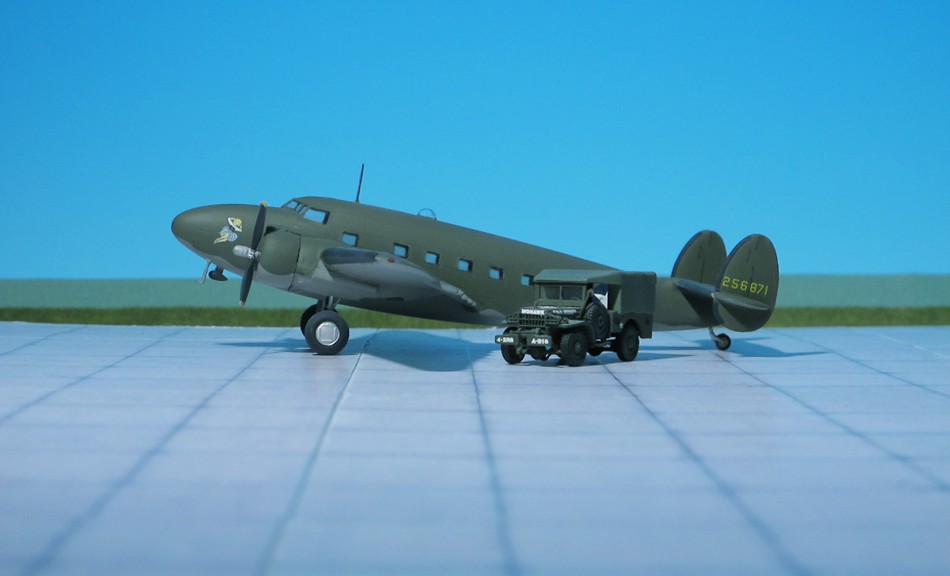
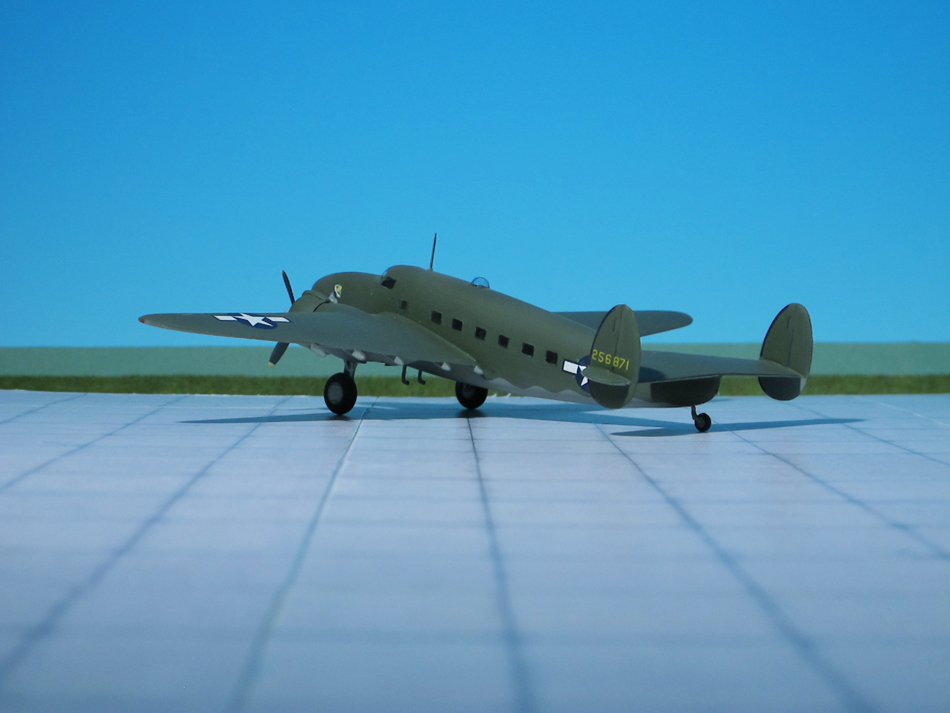
COMMENT: When the United States started to build up its military air strength in 1940–41, the need for transport aircraft became obvious. Besides the well-known Douglas C-47 Skytrain, derived from the civilian DC-3, Lockheed Model 18 Super Electra was chosen by the United States Army Air Force as military transport. The aircraft started its career as C-56 and C-57 Lodestar, but only a few examples were built. A redesign of the original was more successful: As Lockheed C-60A Lodestar the transport was in widespread use in all military campaigns. But it never reached the popularity of the C-47 Skytrain. The Lodestar was also in use with the US Navy as R5O-5 and US Marine Corps as R5O-6. A total of 625 Lodestars of all variants were built (Ref.: 23).
POWER PLANT: One Mitsubishi Ha-104 radial engine, rated at 1,900 hp
PERFORMANCE: 360 mph at 19,685 ft
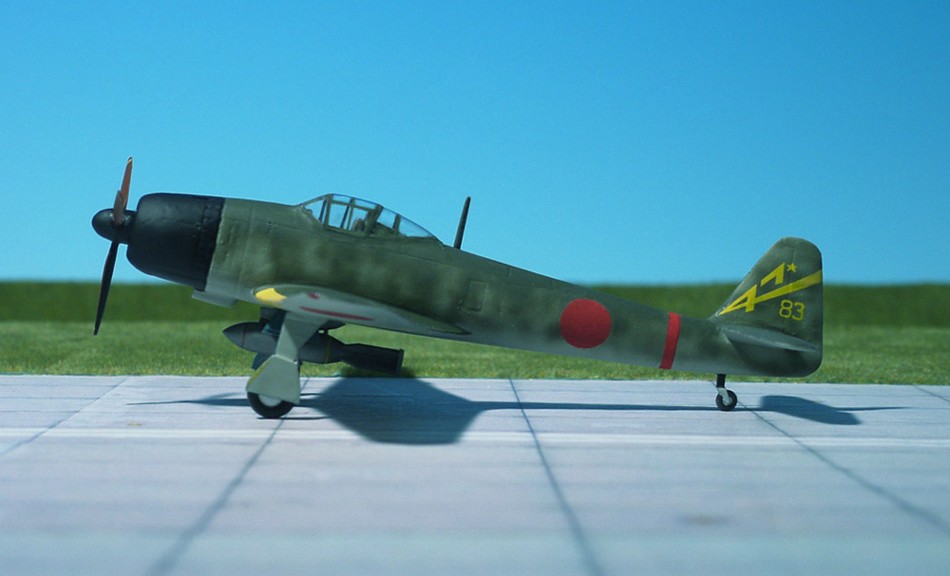
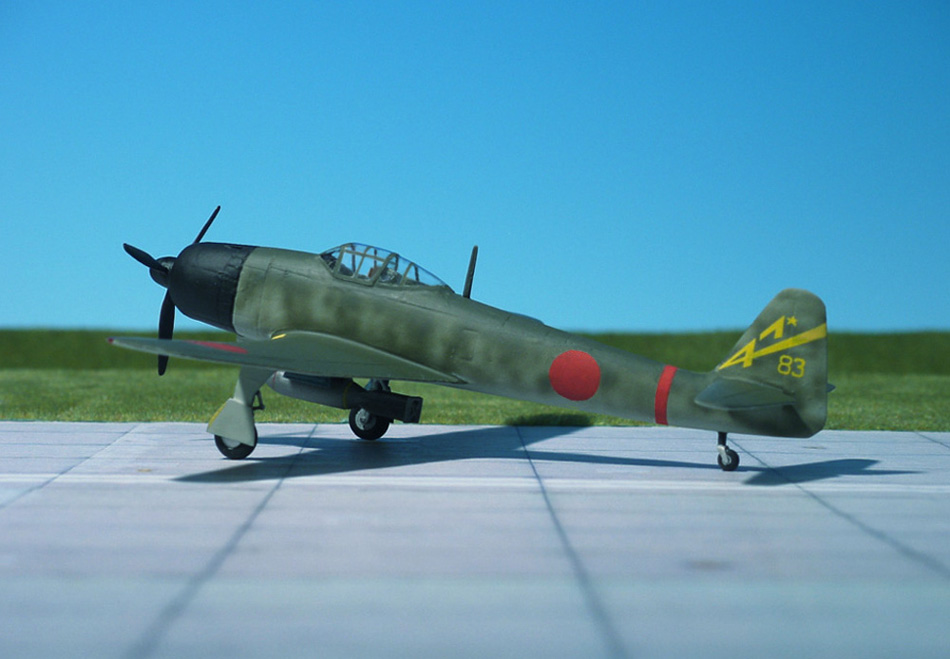
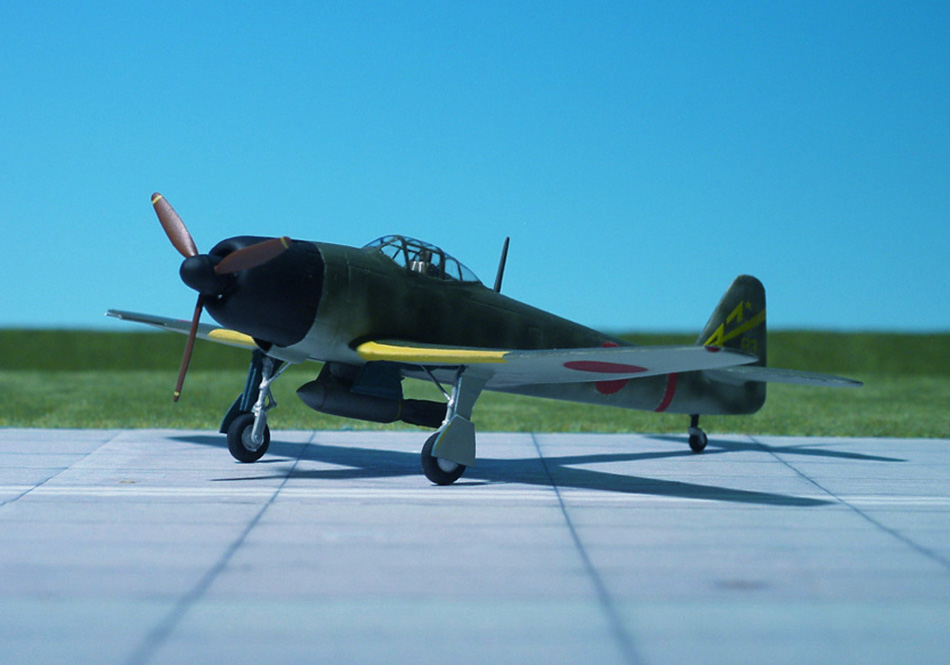
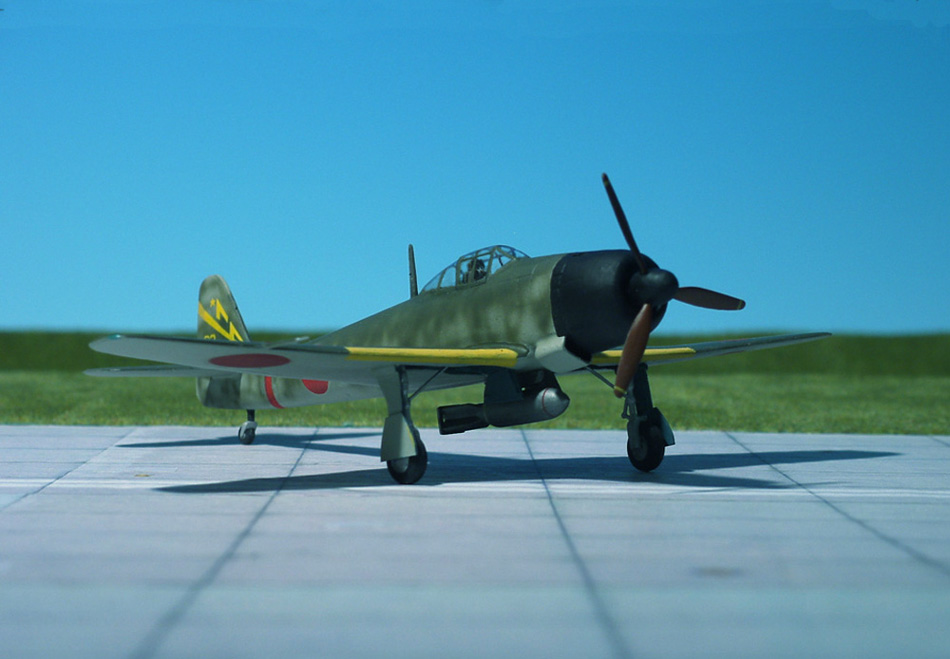
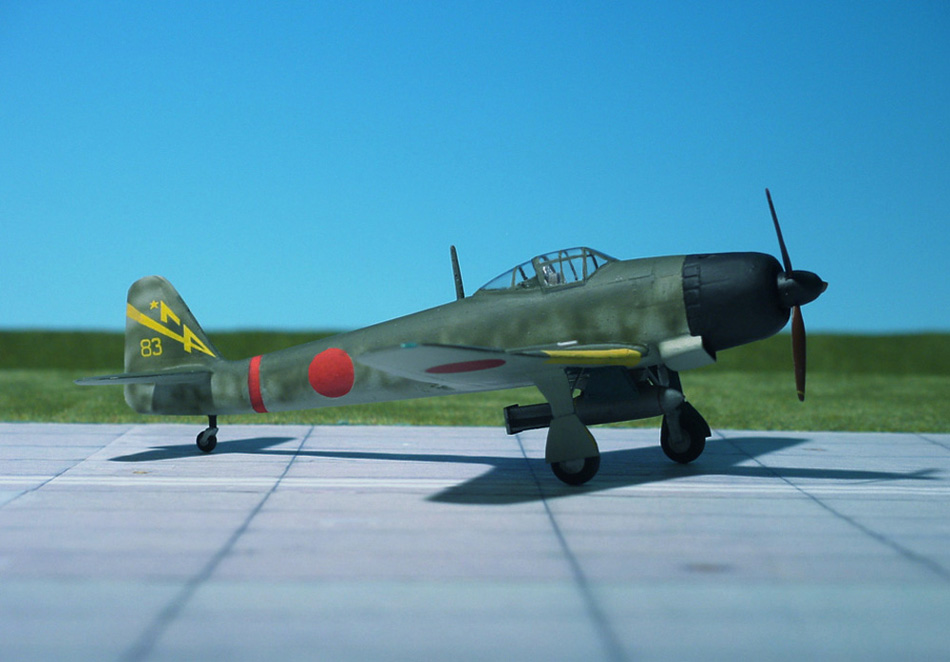
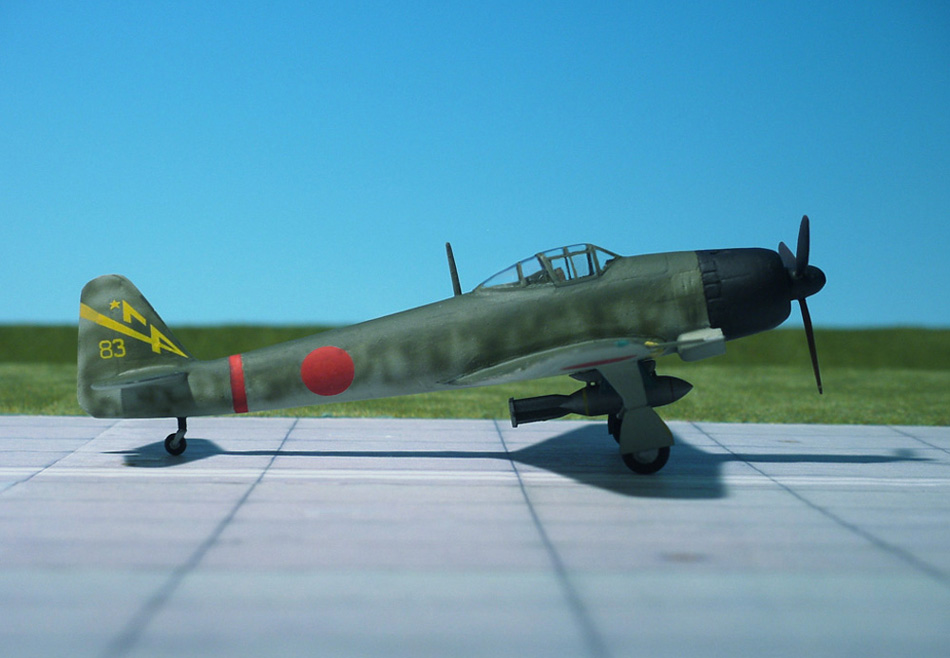
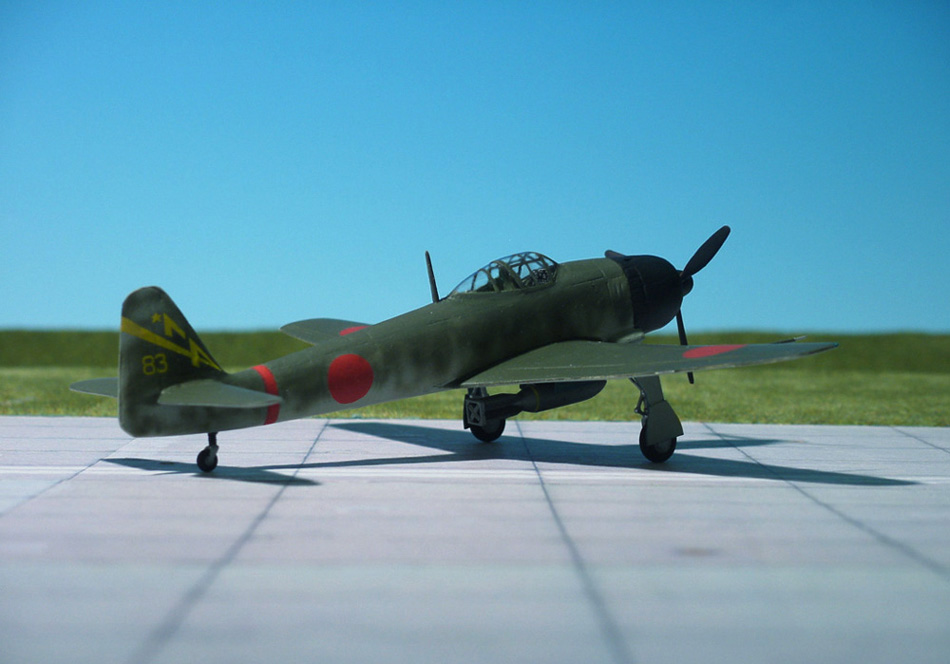
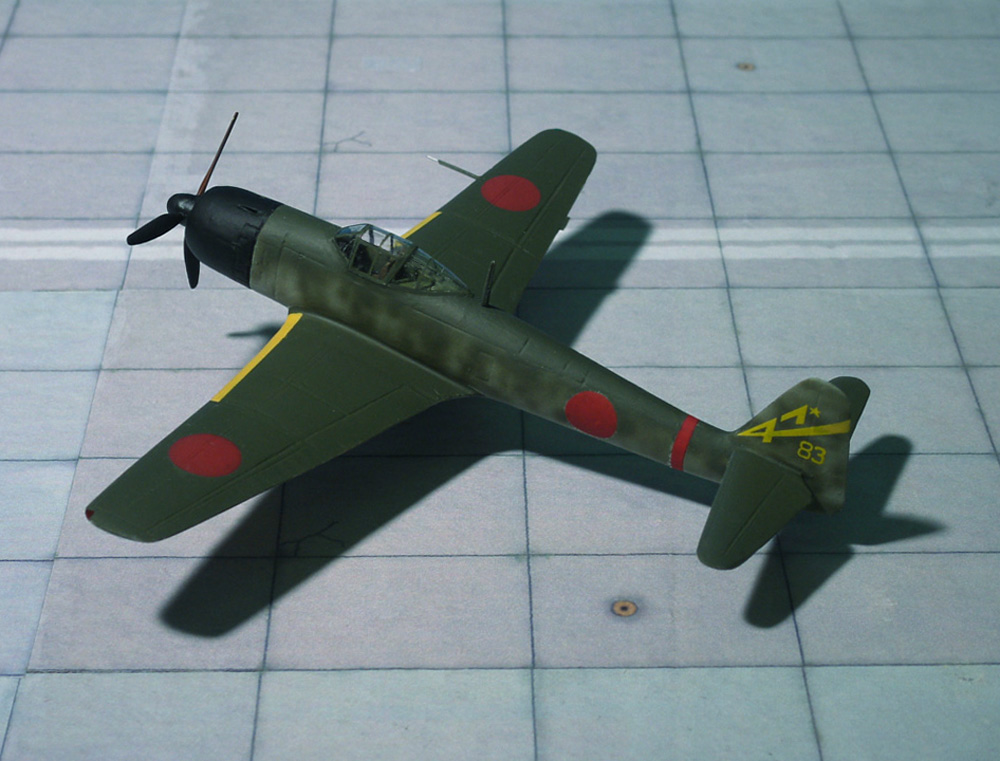
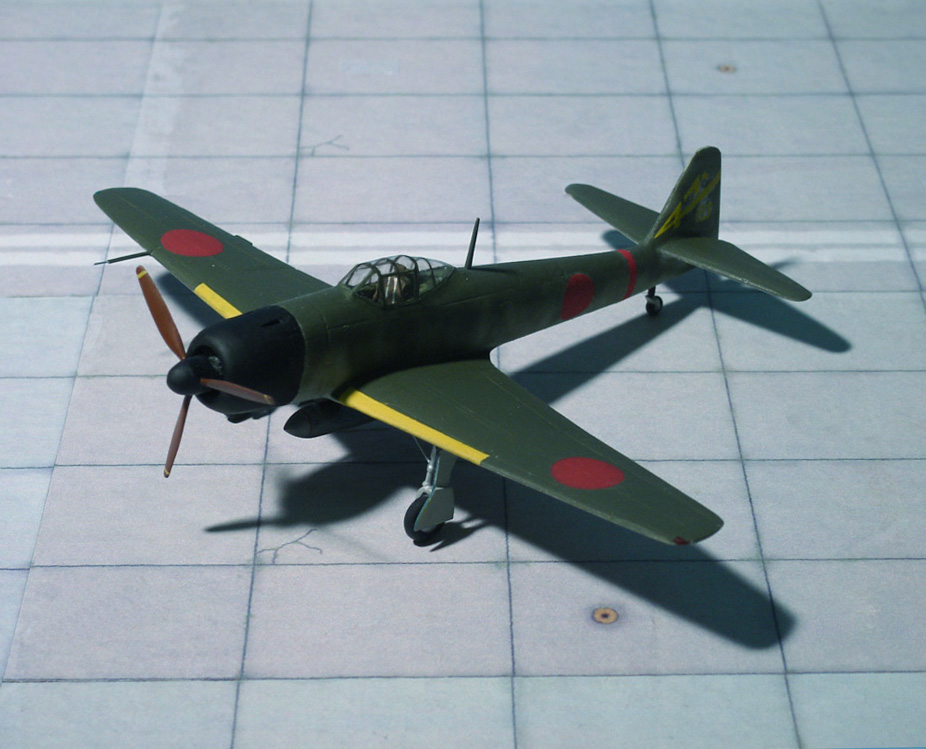
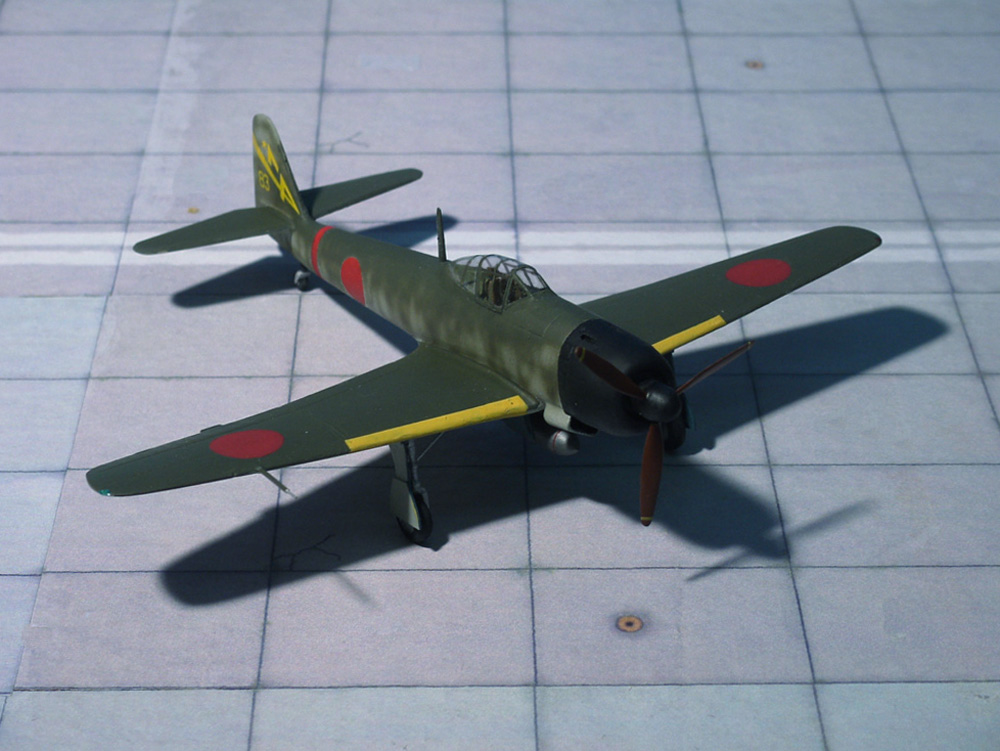
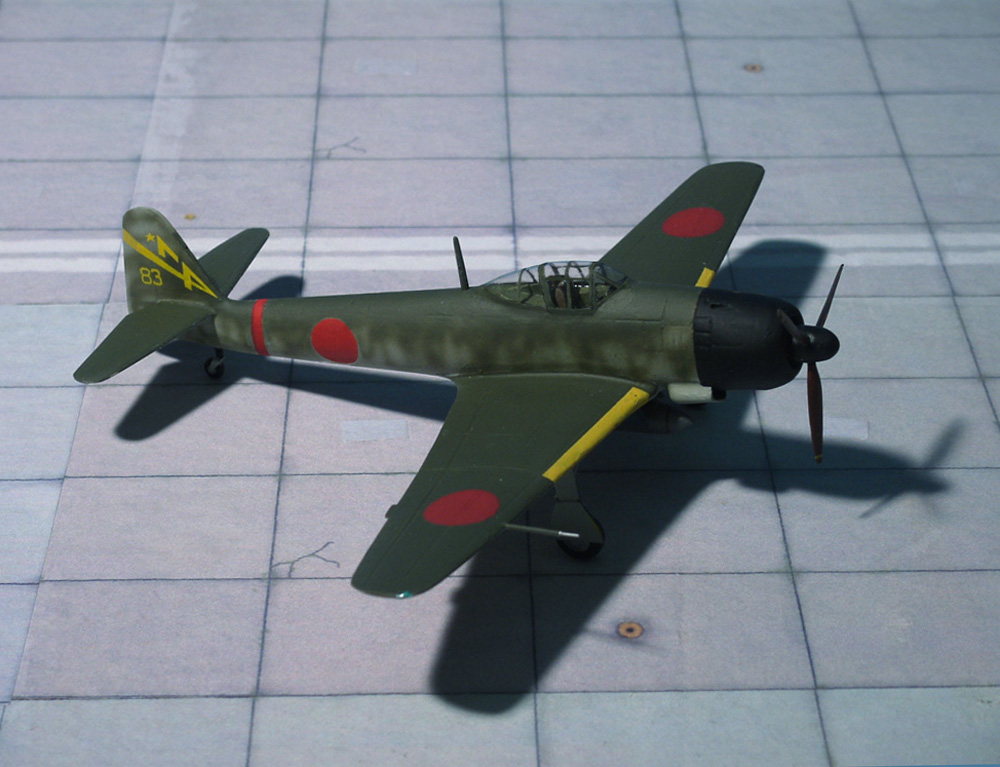
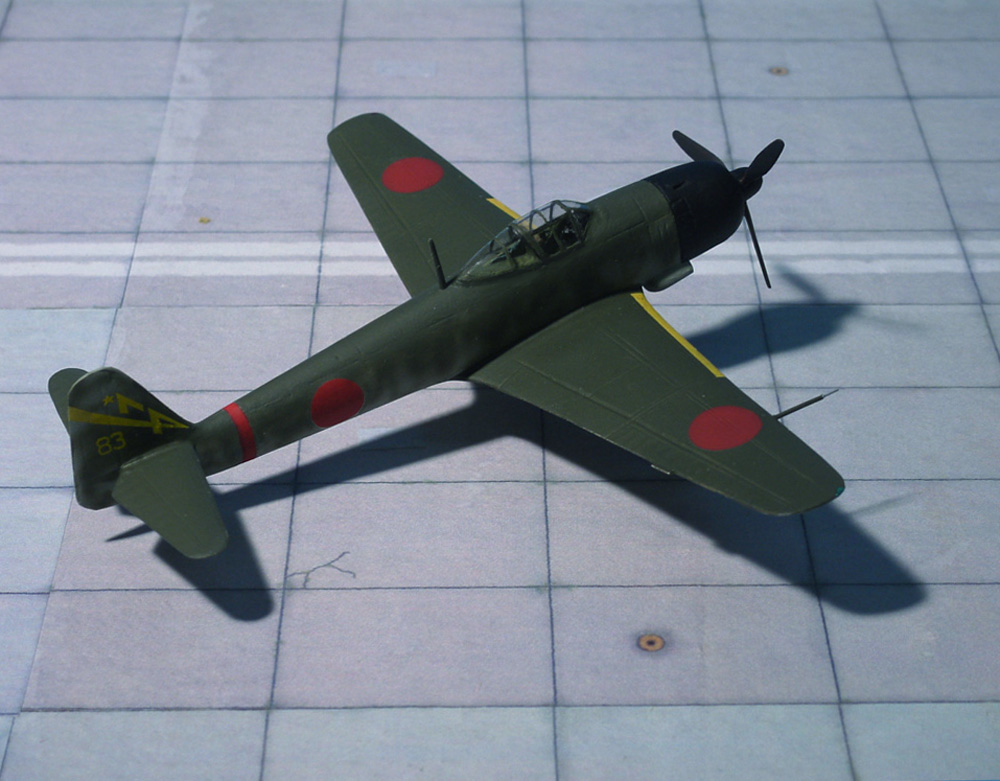
COMMENT: The Kawasaki Ki-119 was a design for a single-engine light bomber that would have been used in the defence of the Japanese homeland. Earlier Japanese bombers had been designed to operate over long distances, either in China or over the Pacific, but by the start of 1945 it was clear that the Japanese army might soon be fighting on home soil. This meant that a short range single-engine bomber would be possible, saving on the limited supply of both engines and trained air crew.
In March 1945 the Imperial Japanese Army Air Force issued Kawasaki with orders to produce a single seat bomber that could carry 1,764lb of bombs to targets 373 miles (600km) from its base, armed with two 20mm cannon and powered by one 1,900ph Army Type 4 18-cylinder radial. Unlike many new aircraft being developed in Japan in 1945 the Ki-119 was not designed to be used in suicide attacks.
Takeo Doi and his team produced a design and a mock-up in three months. The fuselage was based on that of the Kawasaki Ki-100 radial-engine fighter. The aircraft was made as easy to fly as possible – a wide track undercarriage with good shock absorbers was chose to make the aircraft easy to handle on the ground, and large wings with a high aspect-ratio were designed, to make it easy to handle in the air. The aircraft was designed to carry three different sets of armament. In its basic light bomber role it was to be armed with two 20mm cannon and one 1,764lb bomb. It could also serve as a fighter escort, with no bombers but two extra 20mm cannons, or as a dive bomber with two 551lb bombs.
The impressively rapid development of the Ki-119 came to a halt in June 1945 when the detailed drawings were destroyed when American air raids damaged Kawasaki’s factory at Kagamigahara. This pushed back the expected delivery date for the prototype from September until November, with production expected in time for the new aircraft to take part in the fighting of 1946. The unexpectedly sudden end to the war meant that the prototype was never completed (Ref. 1, 24).
Kawasaki Ki-119
Kawasaki Ki-119
Kawasaki Ki-119
Kawasaki Ki-119
Kawasaki Ki-119
Kawasaki Ki-119
Kawasaki Ki-119
Kawasaki Ki-119
Kawasaki Ki-119
Kawasaki Ki-119
Kawasaki Ki-119
Kawasaki Ki-119
Kawasaki Ki-119
Scale 1:72 aircraft models of World War II
Mit der weiteren Nutzung unserer Webseite erklären Sie sich damit einverstanden, dass wir Cookies verwenden um Ihnen die Nutzerfreundlichkeit dieser Webseite zu verbessern. Weitere Informationen zum Datenschutz finden Sie in unserer Datenschutzerklärung.