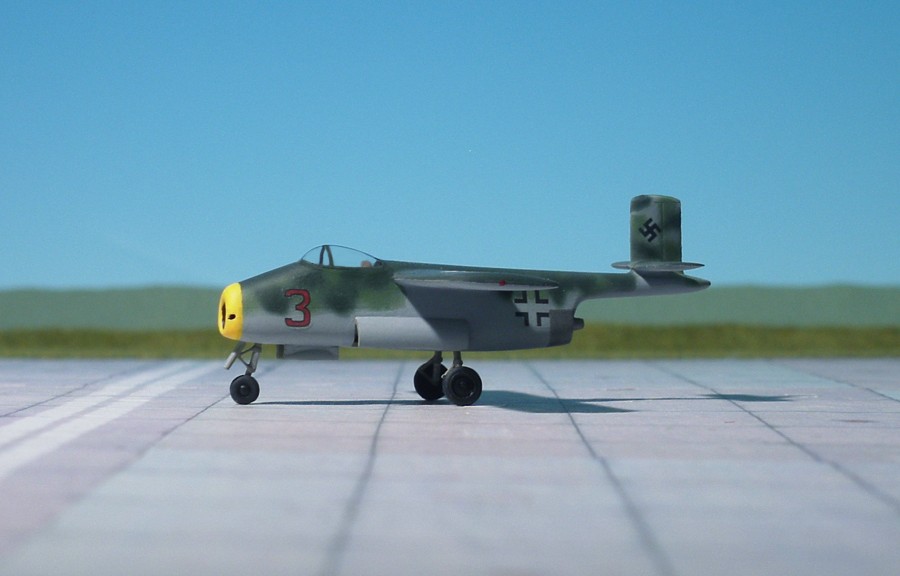
Type: Interceptor fighter
ACCOMMODATION: Pilot only
POWER PLANT: BMW 003 turbojet, rated at 800 kp
PERFORMANCE: 477 m.p.h. at 19.500 ft (estimated)
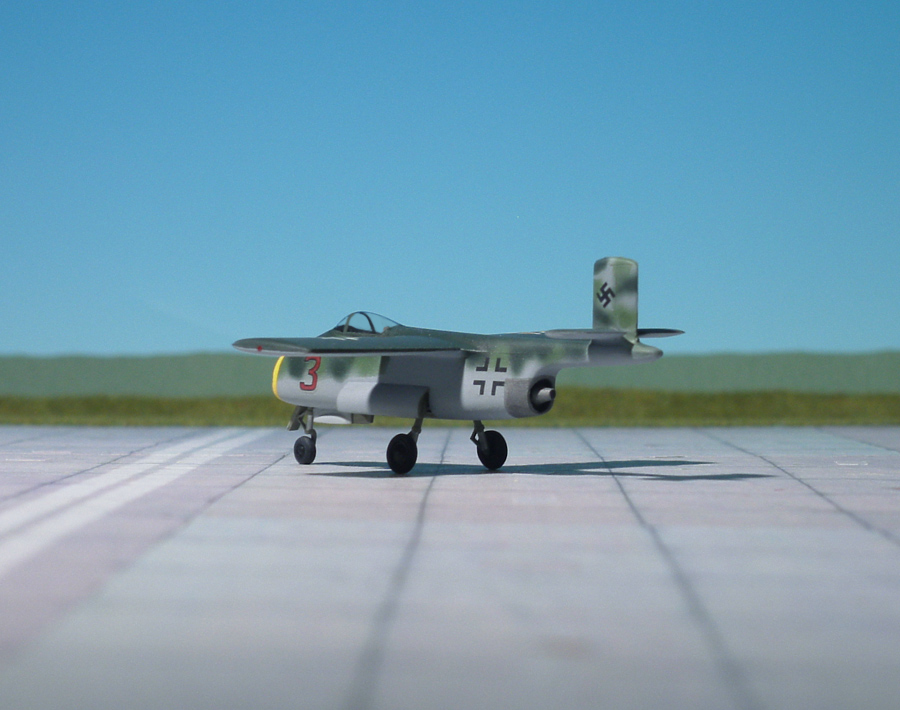
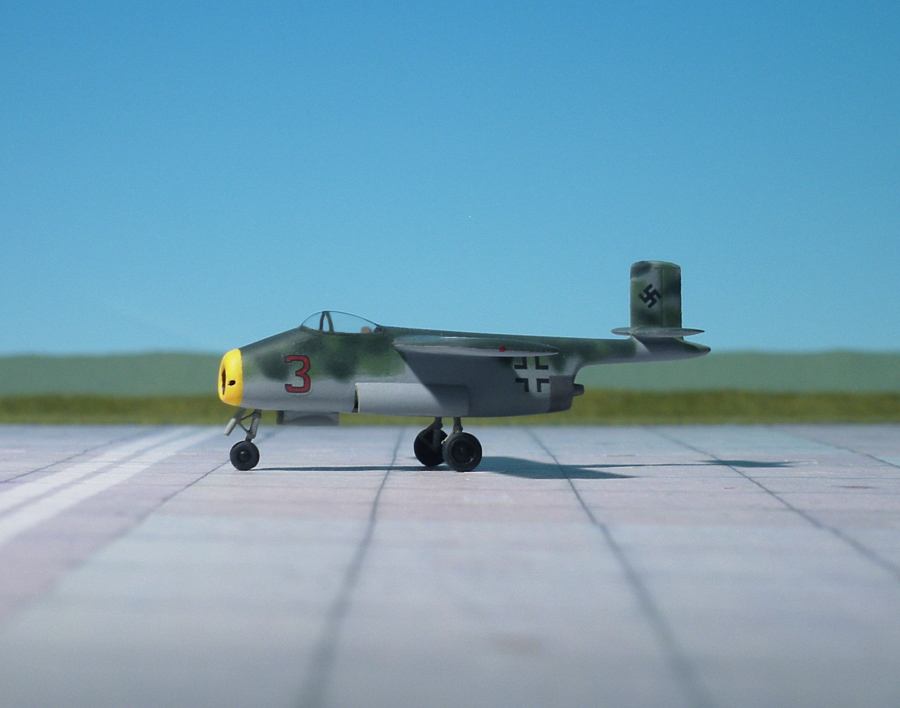
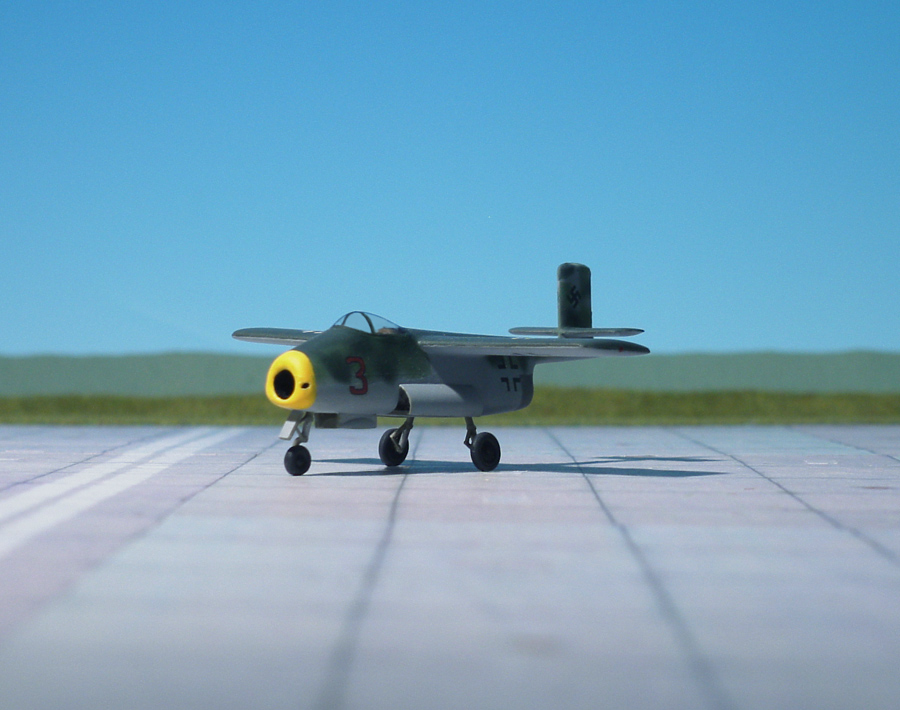
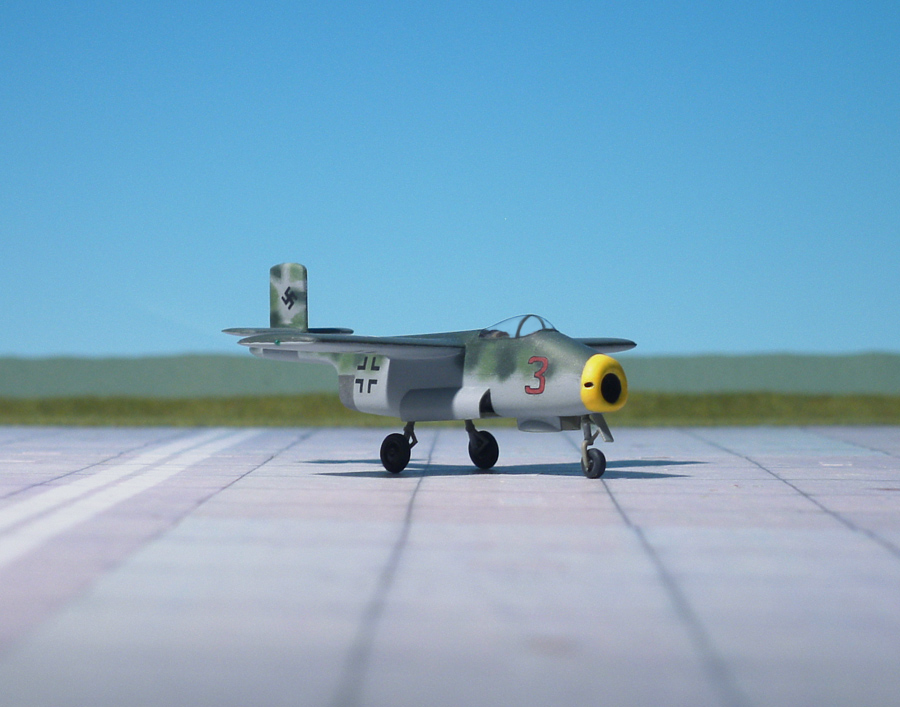
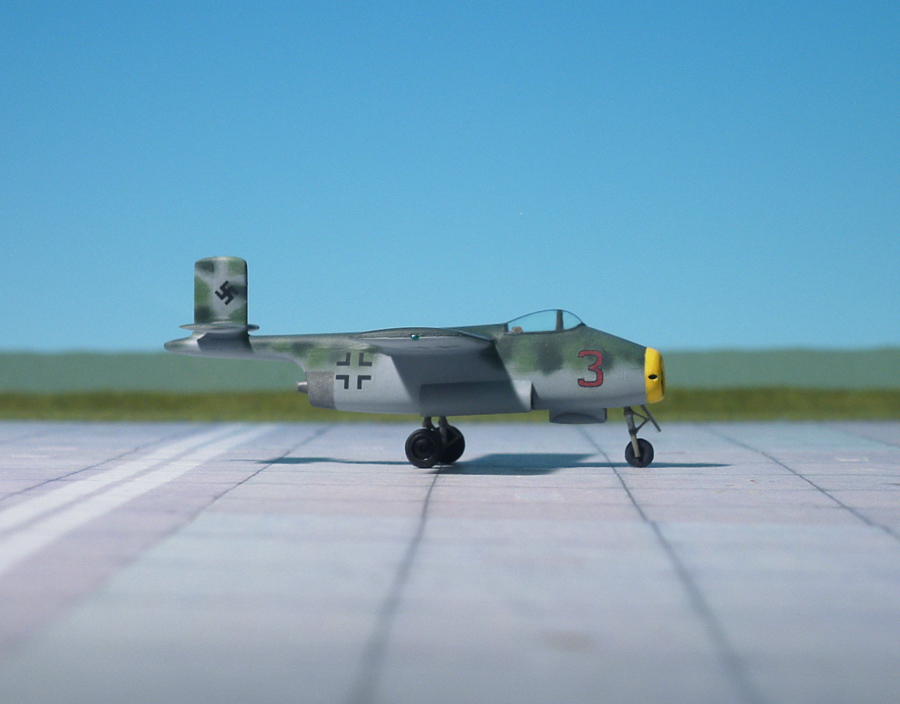
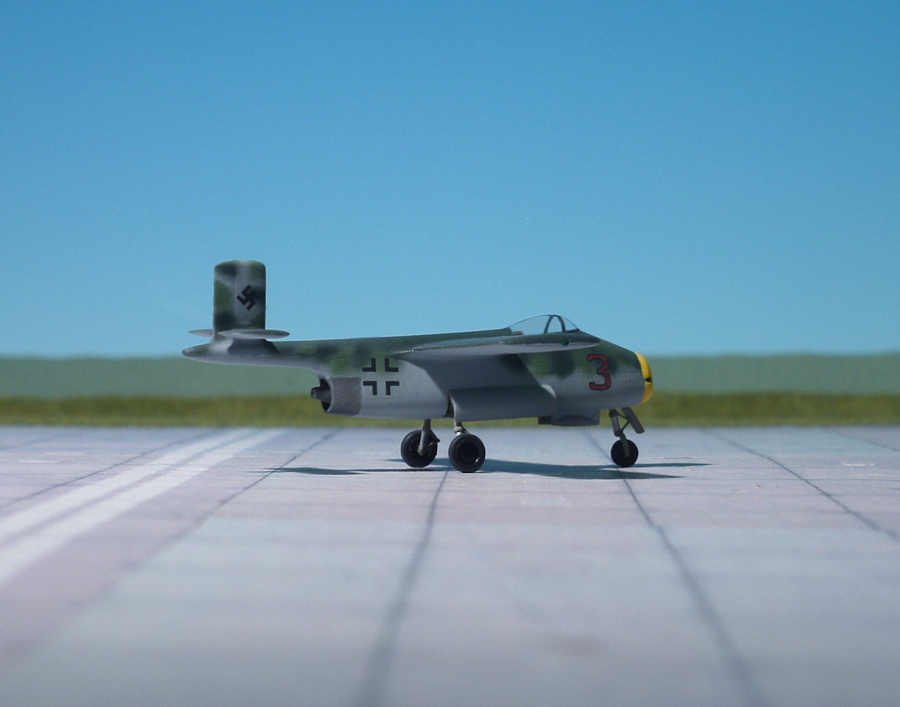
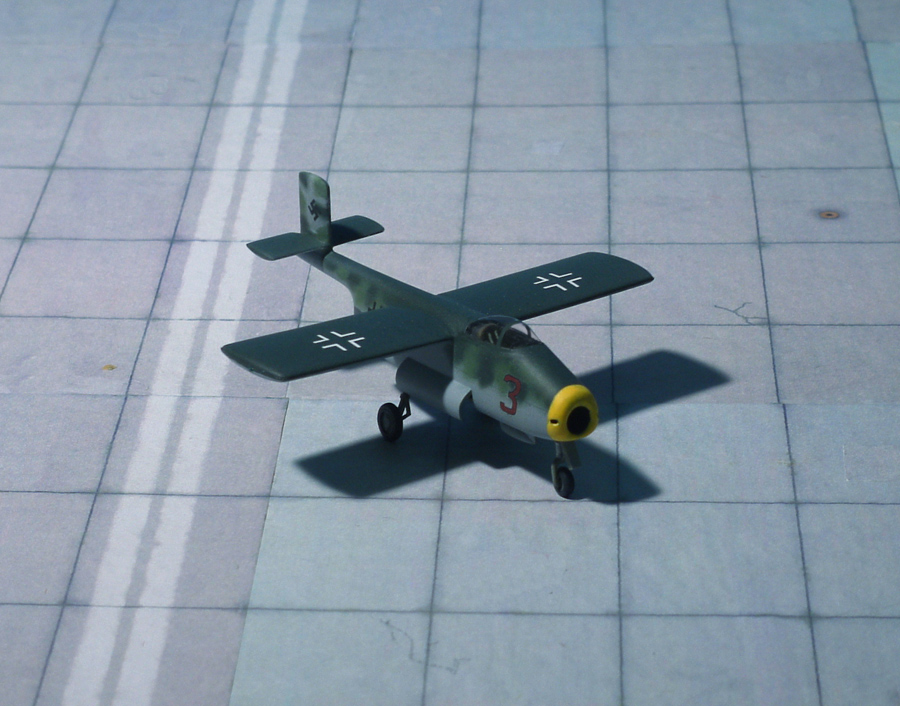
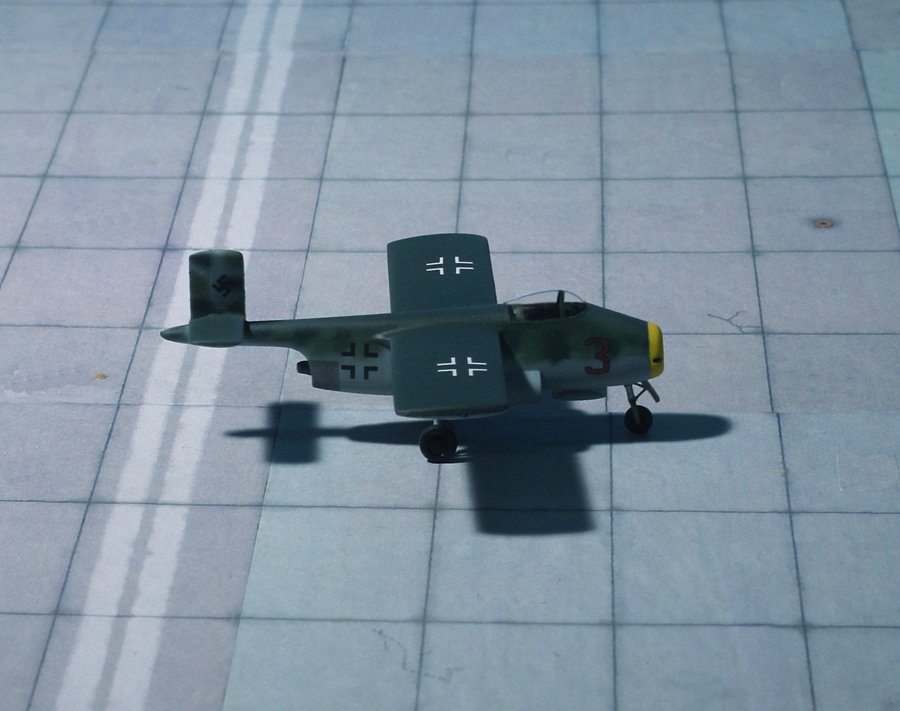
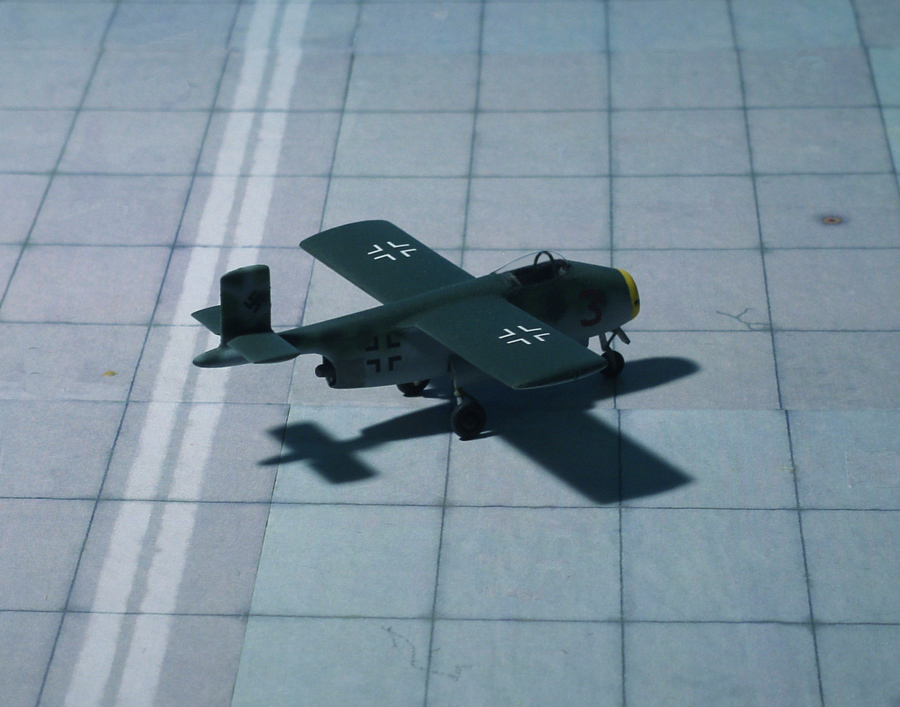
COMMENT: The Blohm & Voss Bv P 211 was a design proposal submitted by Blohm & Voss to the Volksjäger jet fighter competition of the Luftwaffe Emergency Fighter Program towards the end of the Second World war.
During the latter part of 1944, when the High Command of the Luftwaffe saw that there was a dire need to put up a strong defense against the devastating Allied bombing raids. On September 1944 the aircraft manufacturers Messerschmitt, Arado, Focke-Wulf, Heinkel, Junkers and Blohm & Voss were asked to propose designs for single-engined light fighters weighing no more than 2000 kg that would use one BMW 003 jet engine per unit.
Owing to the war-related scarcity of strategic matrials such as aluminium, the jets were required to be simplified in order to be built using a strict minimum, as well as to be built in adequate quantities as quickly as possible in underground factories. Despite these requirements that would impinge on the overall quality of the new planes, their performance was required to surpass that of the best piston-engined fighters, being able to reach a maximum speed of 470 mph with a minimum combat action time of 30 minutes.
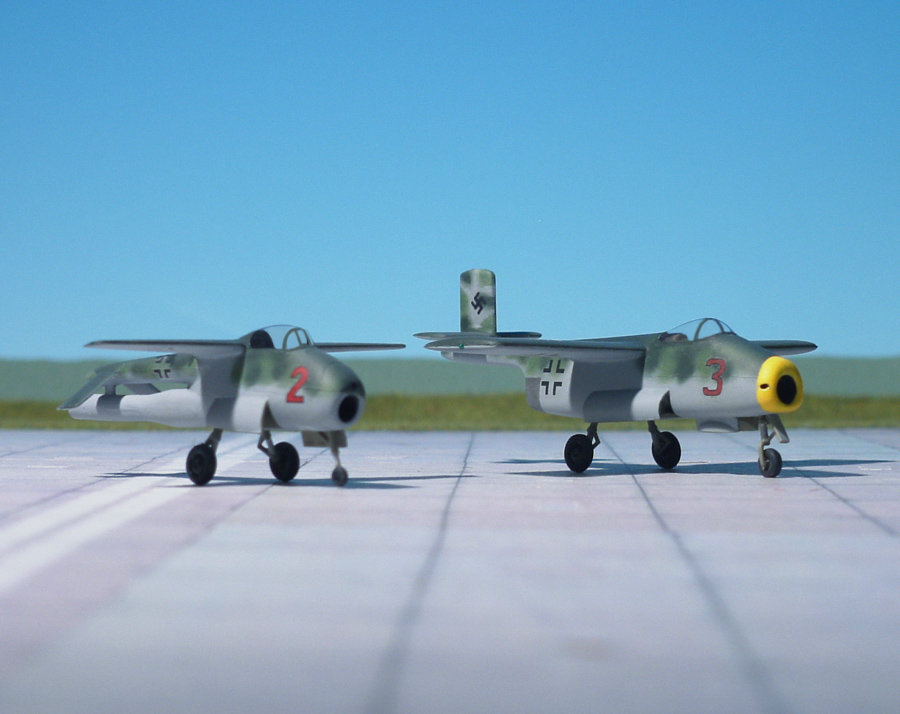
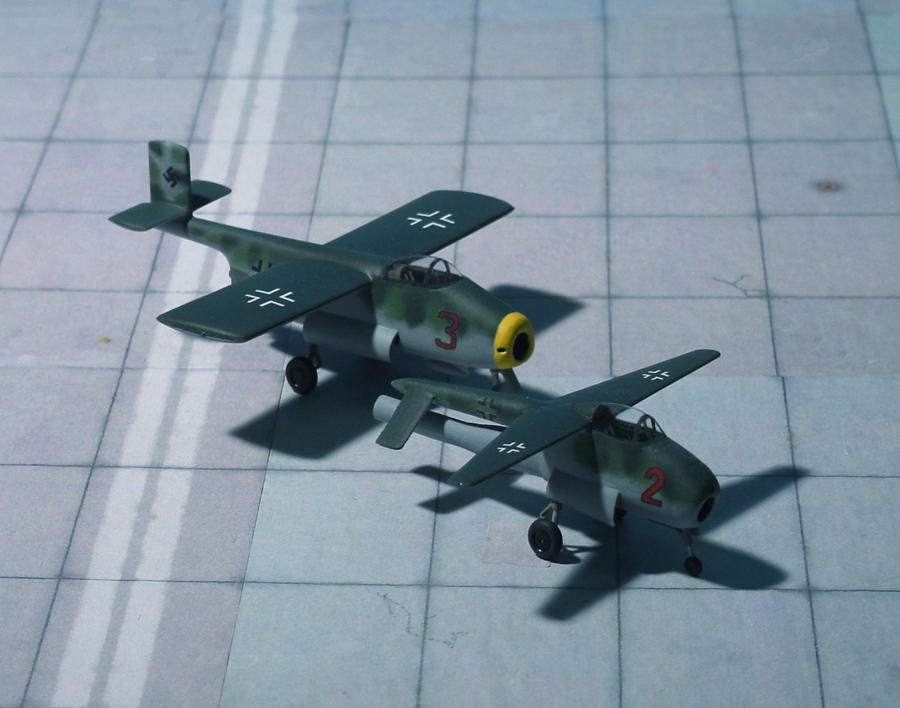
Blohm & Voss submitted two preliminary designs, the Bv P 210 tailless swept wing jet and the more conventional, tailed P 211. Only the Bv P 211 was progressed further in two variants.
The Blohm & Voss Bv P. 211.01 had a low swept wing but with a conventional tail. The single BMW 003A-1 engine was located amidships in the lower fuselage, with a tail boom extending above and behind it. Although it had good aerodynamic properties and was praised by officials, it did not go into production.
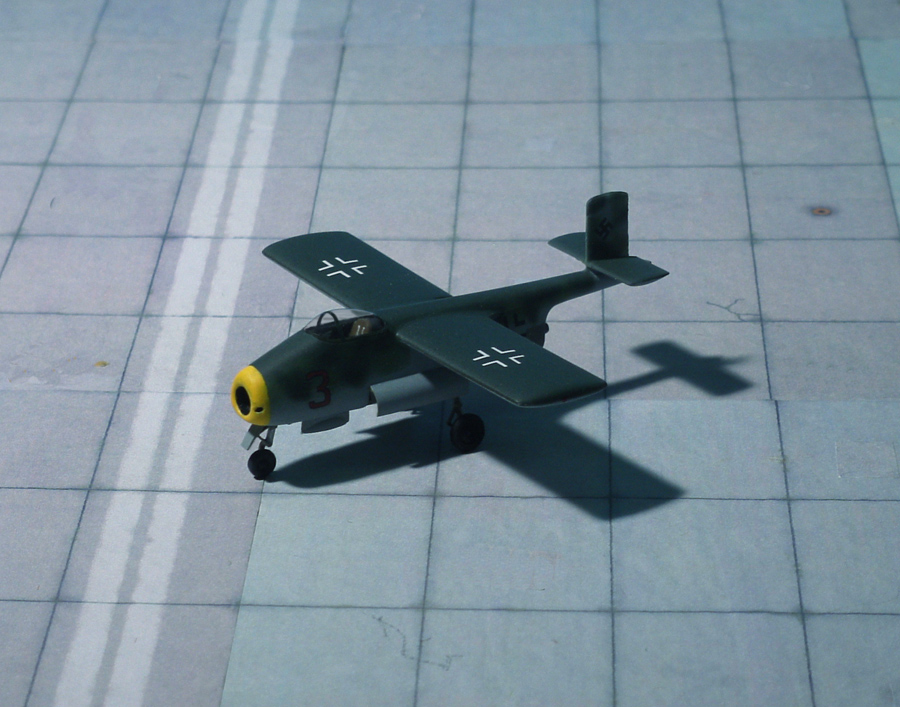
The second variant, The Blohm & Voss Bv P 211.02 was similar to the P 211.01 but, since low cost and ease of manufacture were important, had a simpler straight, unswept wing. The wing was placed in the shoulder position, slightly below the top of the fuselage. The P 211.02 included wood in its construction. Parts of the plane were built, such as the steel air-intake/fuselage load-bearing structure for the single BMW 003A-1 engine. However, the P 211.02 didn’t go past the project stage for the project was finally awarded to Heinkel whose He 162 Spatz went into mass-production (Ref.: 24).