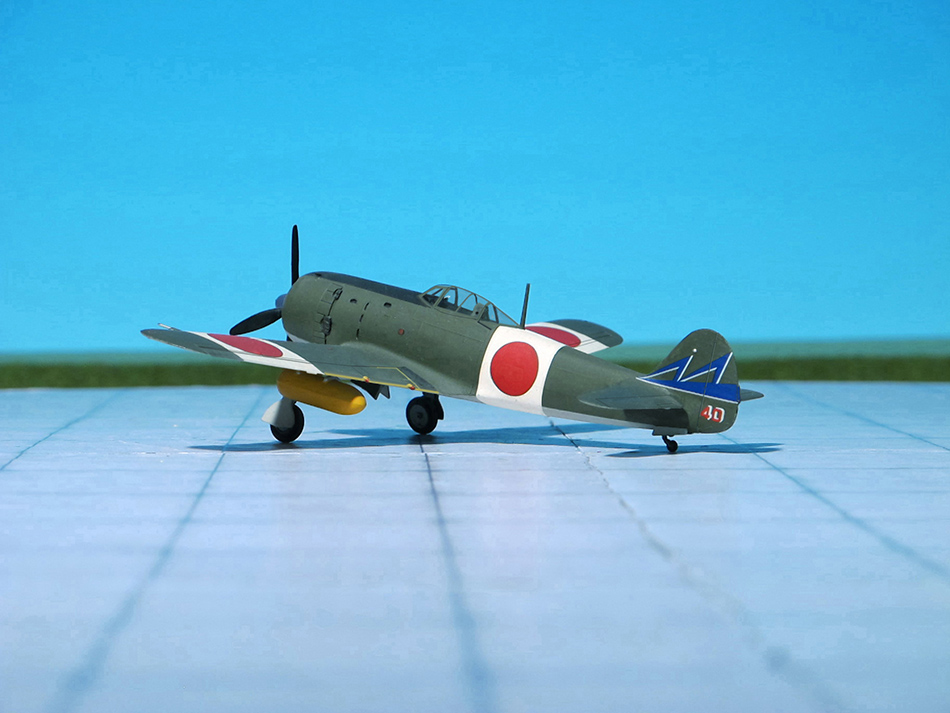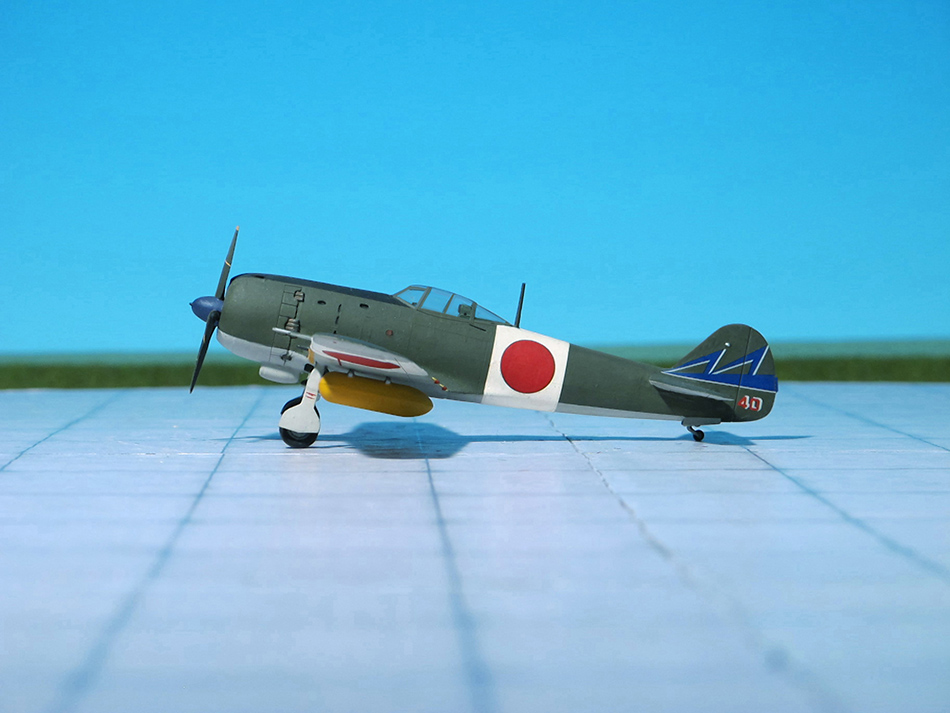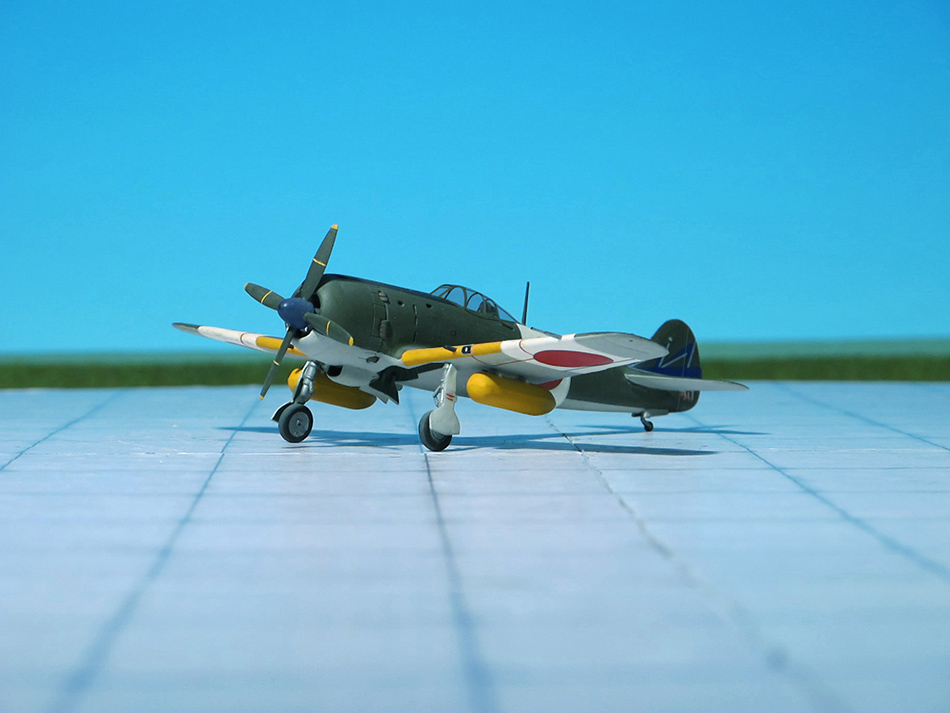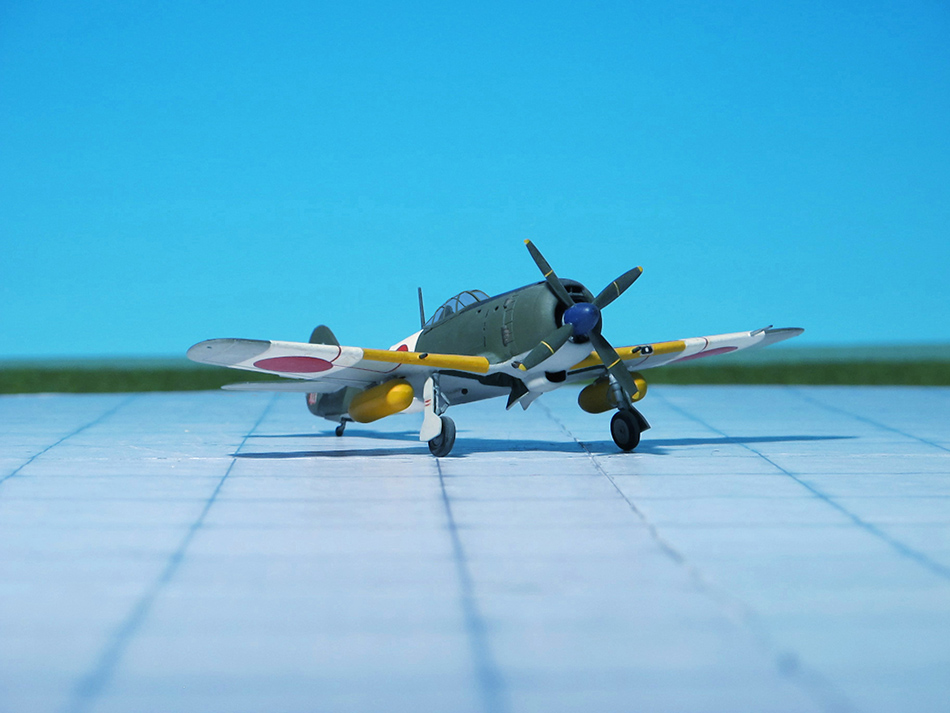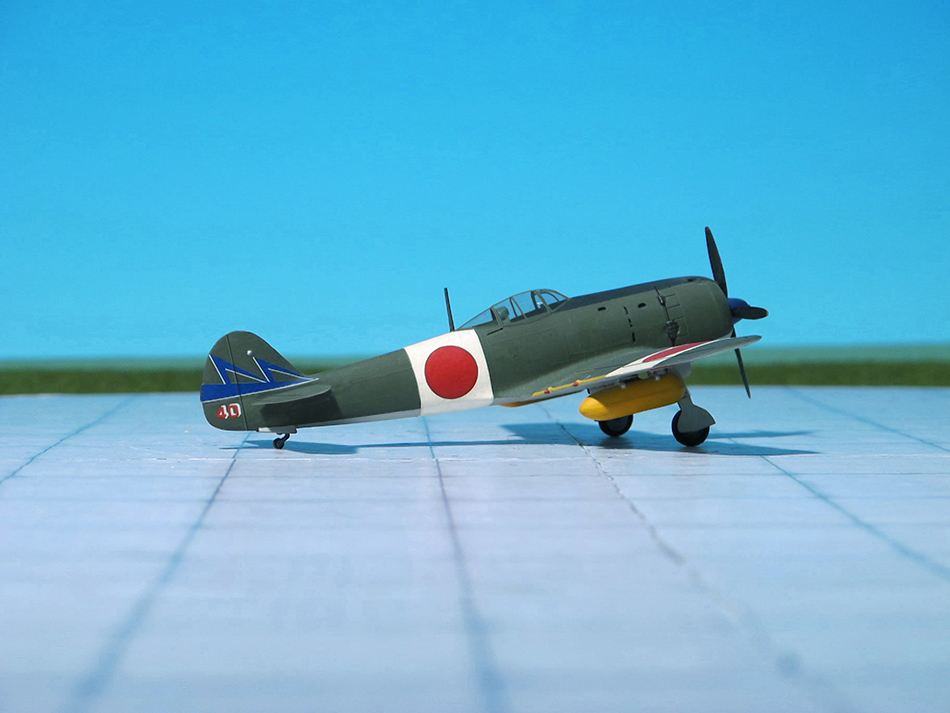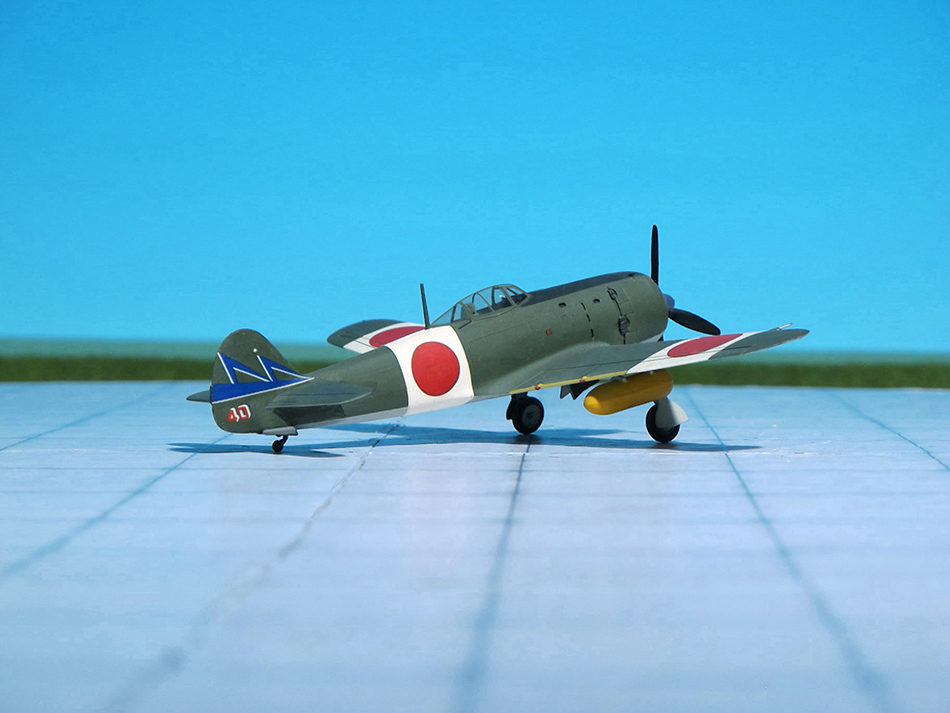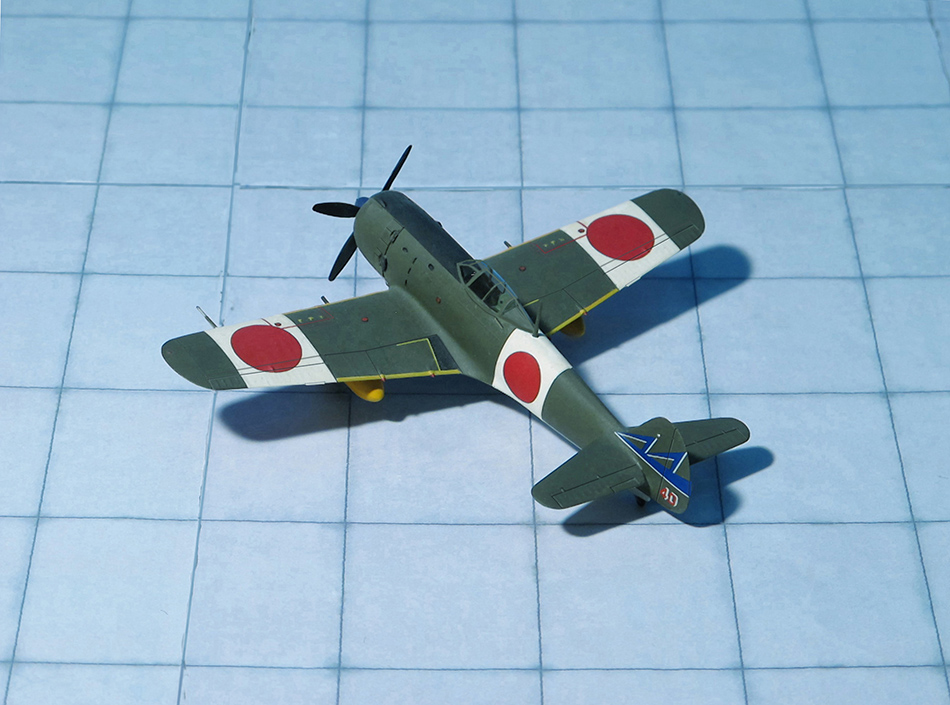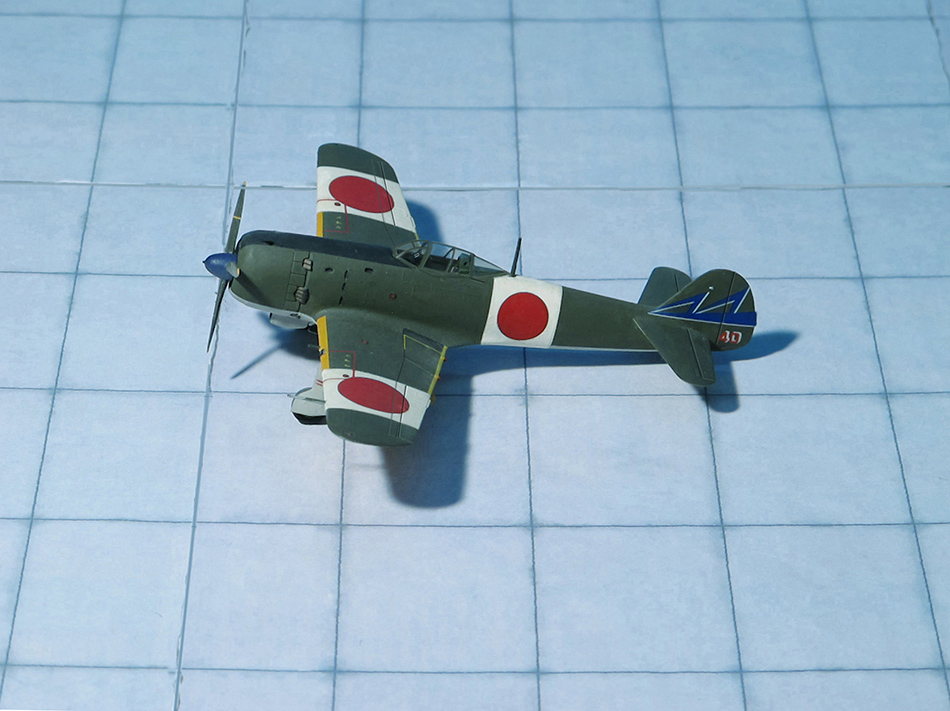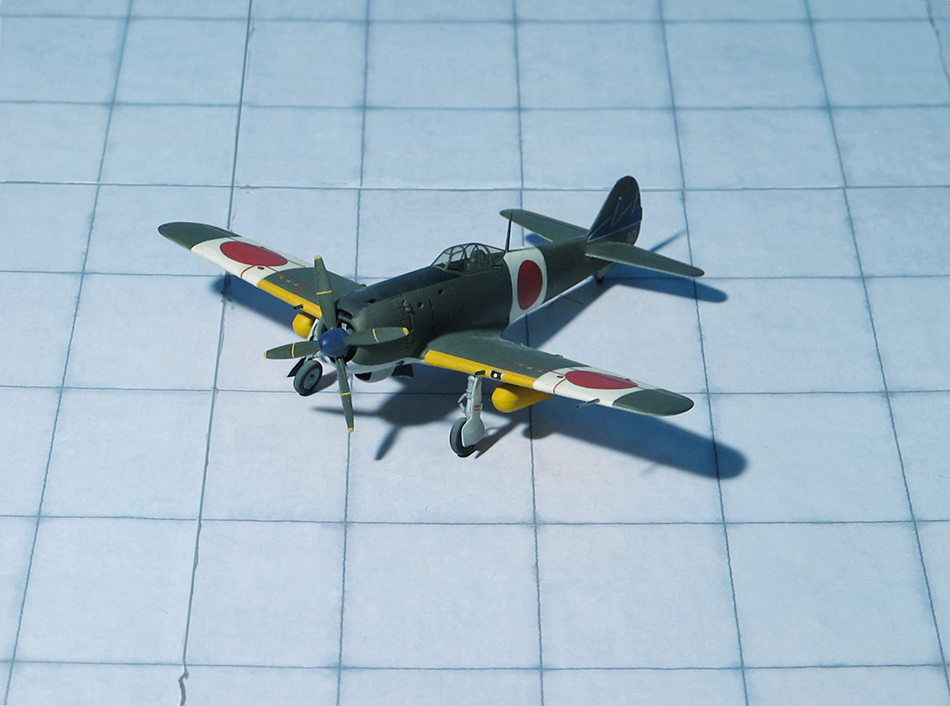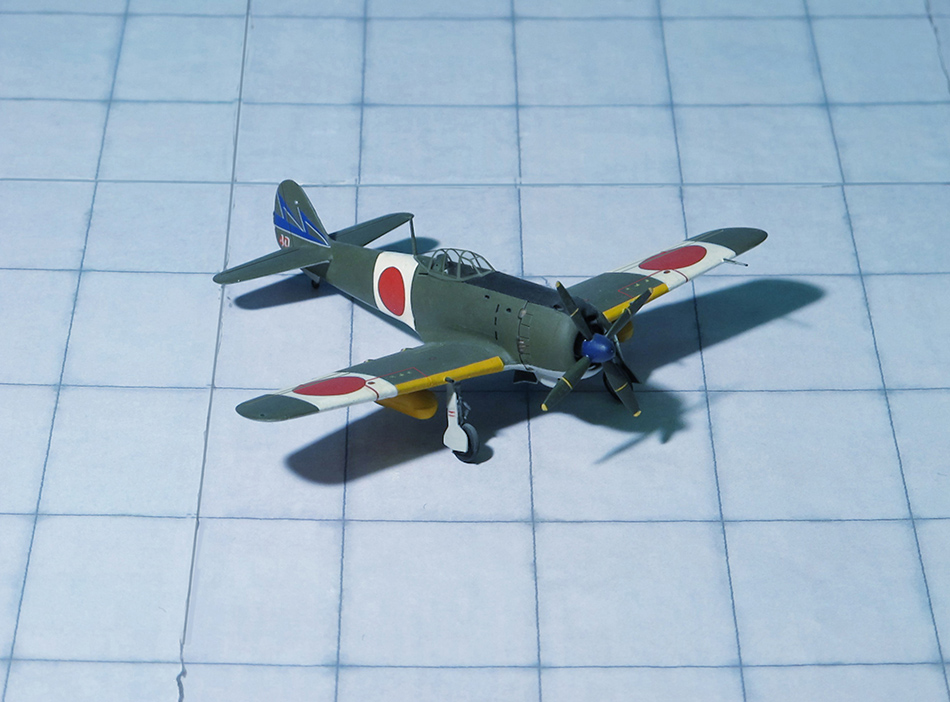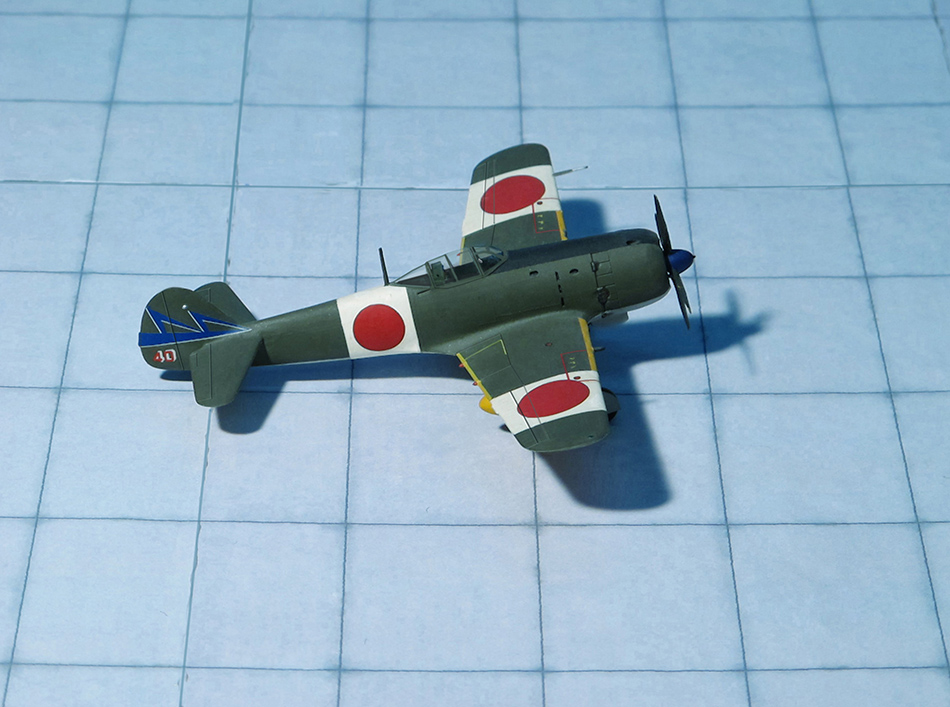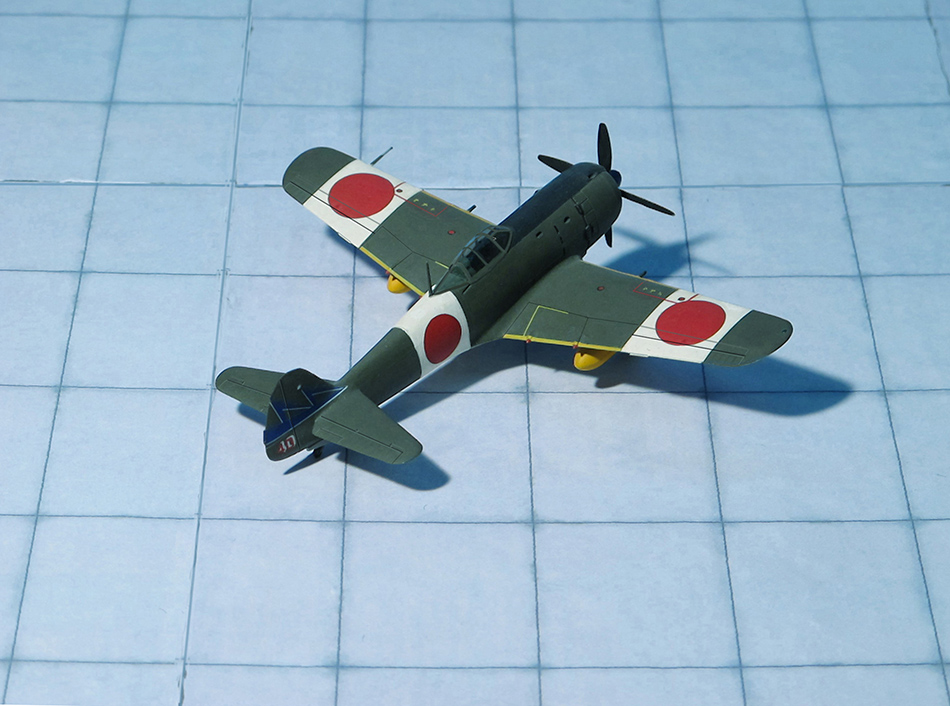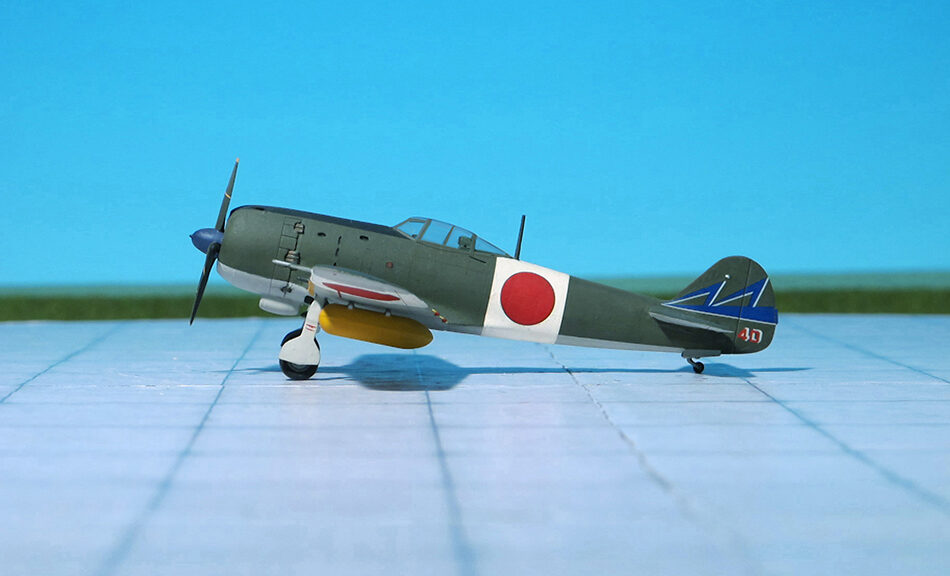
TYPE: Fighter
ACCOMMODATION: Pilot only
POWER PLANT: One Nakajima Homare Model Ha-45-21 air-cooled radial piston engine, rated at 1,820 hp at 17,900 ft
PERFORMANCE: 427 mph at 23,000 ft
COMMENT: The Nakajima Ki-84 Hayate (“Gale”) was a single-seat fighter flown by the Imperial Japanes Army Air Service in the last two years of World War II. The Allied reporting name was “Frank”; the Japanese Army designation was Army Type 4 Fighter (yon-shiki-sentō-ki). The Ki-84 was generally considered the best Japanese fighter to operate in large numbers during the conflict. The aircraft boasted high speed and excellent maneuverability. With an armament up to two 30 mm and two 20 mm cannon the fighter had a formidable firepower.
The Ki-84’s performance matched that of any single-engine Allied fighter it faced, and its operational ceiling enabled it to intercept high-flying Boeing B-29 Superfortress bombers. Pilots and crews in the field learned to take care with the plane’s high-maintenance Nakajima Homare engine and landing gear prone to buckling.
The difficulties of Japans’s situation late in the war took a toll on the aircraft’s field performance as manufacturing defects multiplied, good quality fuel proved difficult to procure, and experienced pilots grew scarce. Nevertheless, a well-maintained Ki-84 was Japan’s fastest fighter. A total of 3,514 aircraft were built.
Design of the Ki-84 commenced in early 1942 to meet an Imperial Japanese Army Air Service requirement for a replacement to Nakajima’s own, earlier Ki-43 Hayabusa fighter, then just entering service. The specification recognized the need to combine the maneuverability of the Ki-43 with performance to match the best western fighters, and heavy firepower. The Ki-84 first flew in March 1943 and deliveries from Nakajima’s Ota factory commenced the following month. Although the design was itself solid, growing difficulties in securing skilled pilots, proper fuel and construction materials, and adequate manufacture often prevented the aircraft from reaching its full potential in the field.
The design of the Ki-84 addressed the most common complaints about the popular and highly maneuverable Ki-43: insufficient firepower, poor defensive armor, and lack of climbing speed. The Ki-84 was a cantilever low-wing monoplane of all-metal construction, except for the fabric-covered control surfaces, with conventional landing gear. Armament comprised two fuselage-mounted, synchronized .50 in machine guns — these proved challenging to synchronize properly with the Hayate’s four-blade propeller — and two wing-mounted 20 mm cannon, a considerable improvement over the two 12.7 mm machine guns used in the Ki-43 Hayabusa. Defensive armor offered Hayate pilots better protection than the unsealed wing tanks and light-alloy airframe of the Ki-43. In addition, the Ki-84 used a 2.56 in armor-glass canopy, .51 in of head and back armor, and multiple bulkheads in the fuselage, which protected both the methanol-water tank (used to increase the effectiveness of the supercharger) and the centrally located fuel tank.
The Hayate used several versions of the Homare engine, including the carbureted model 21 and the fuel-injected model 23 versions of the engine. Most Homare engines used water injection to aid the supercharger in giving the Ki-84 a rated 2,000 hp at takeoff. This combination theoretically gave it a climb rate and top speed roughly competitive with the top Allied fighters. The complicated Ha-45-21 carbureted engine was a compact design (only 1.18 in larger in diameter than the Nakajima Ki-43‘s 1,700 cu in 14-cylinder Nakajima Sakae radial) that required a great deal of care in construction and maintenance and it became increasingly difficult to maintain the type’s designed performance as the Allies advanced toward the Japanese homeland. To compound reliability problems, the Allied submarine blockade prevented delivery of crucial components, such as the landing gear. Many landing gear units were compromised by the poor-quality heat treatment of late-war Japanese steel. As a result, many Hayates suffered strut collapses on landing. Further damage was caused by inadequately trained late war pilots, who sometimes found it difficult to transition to the relatively “hot” Ki-84 from the comparatively docile Ki-43, which had a significantly lower landing speed.
The first major operational involvement of Hayate fighters was during the Battle of Leyte at the end of 1944, and, from that moment until the end of the Pacific War, the Ki-84 was deployed wherever the action was intense. Though it lacked sufficient high-altitude performance, it performed well at medium and low levels. Seeing action against the USAAF 14th Air Force, it quickly gained a reputation as a combat aircraft to be reckoned with. Fighter-bomber models also entered service. On April 15, 1945, eleven Hayates attacked US airfields on Okinawa, destroying many aircraft on the ground.
In the final year of the war, the Ki-84 Hayate (Frank), the Kawasaki Ki-100 Goshikisen (essentially a radial-engined version of the inline-powered Kawasaki Ki-61 Hien (Tony), and Kawanishi’s N1K2-J Shiden-Kai (George) were the three Japanese fighters best suited to combat the newer Allied fighters (Ref.: 24).