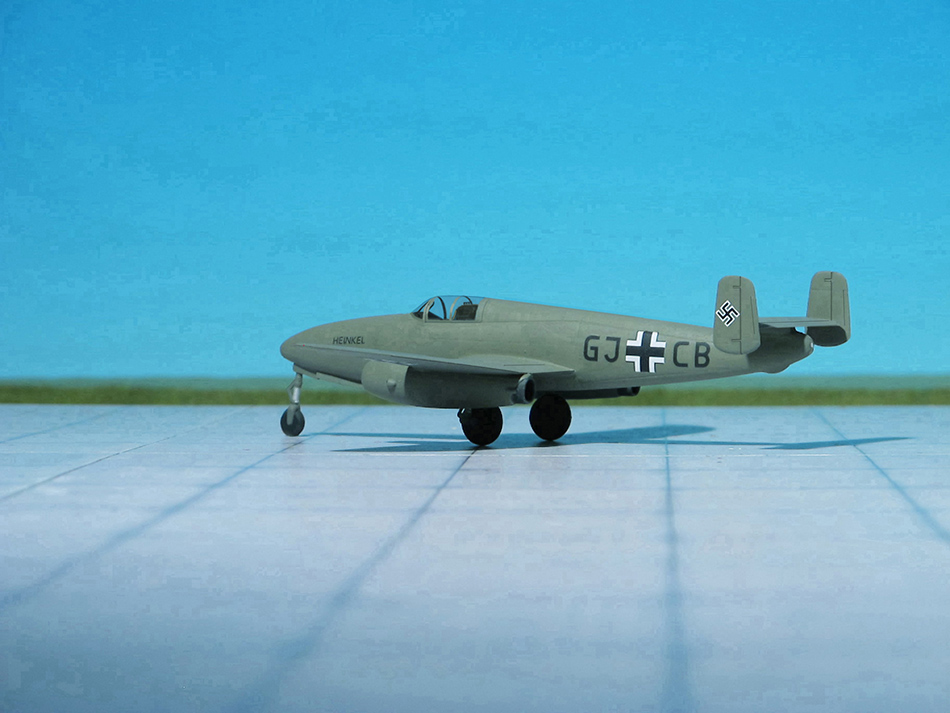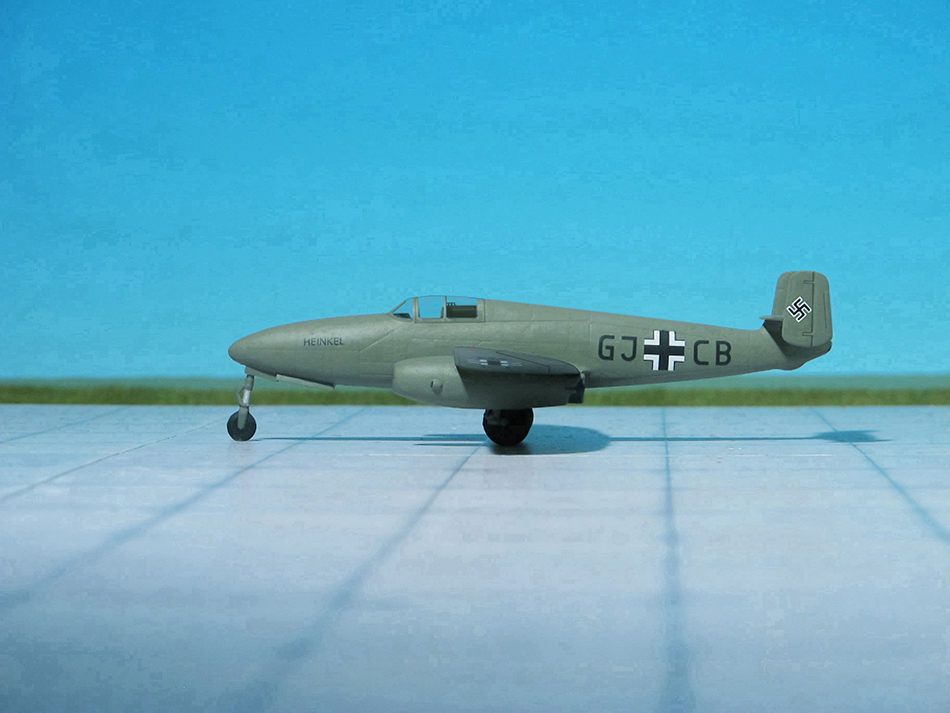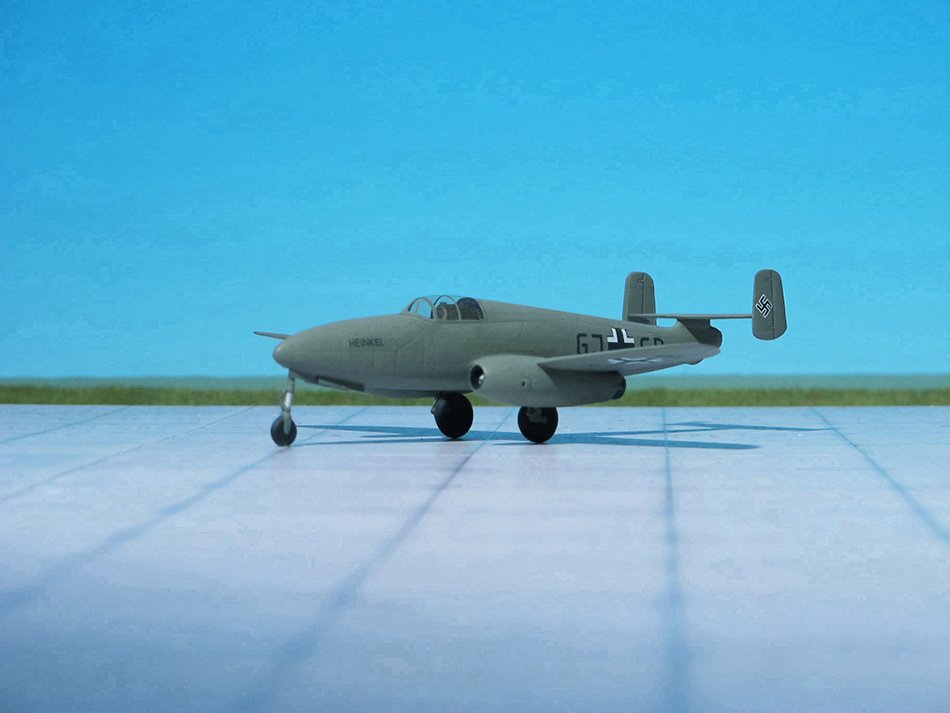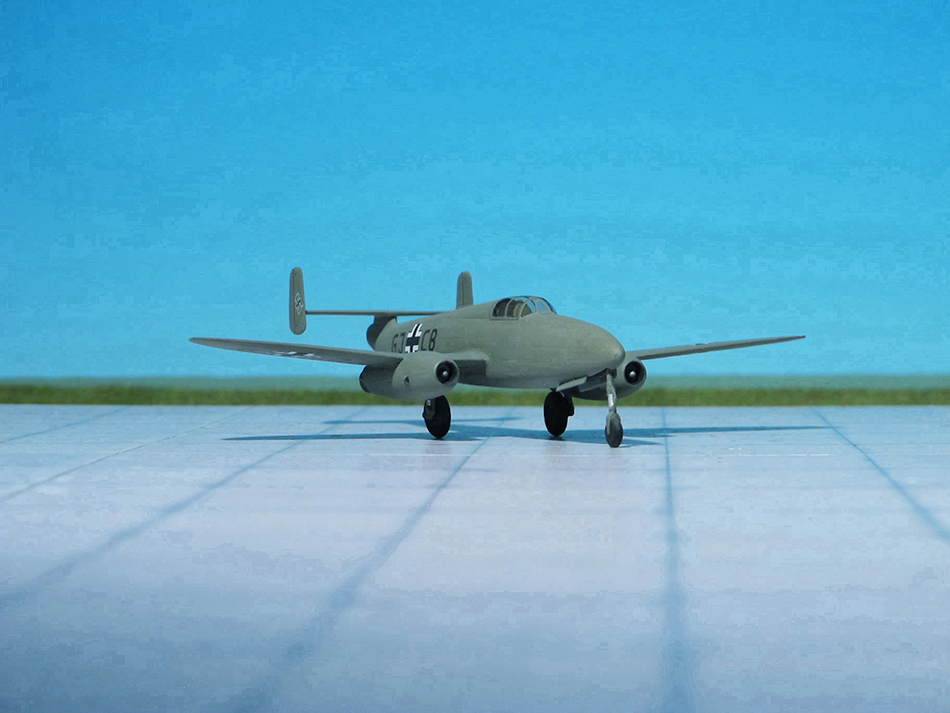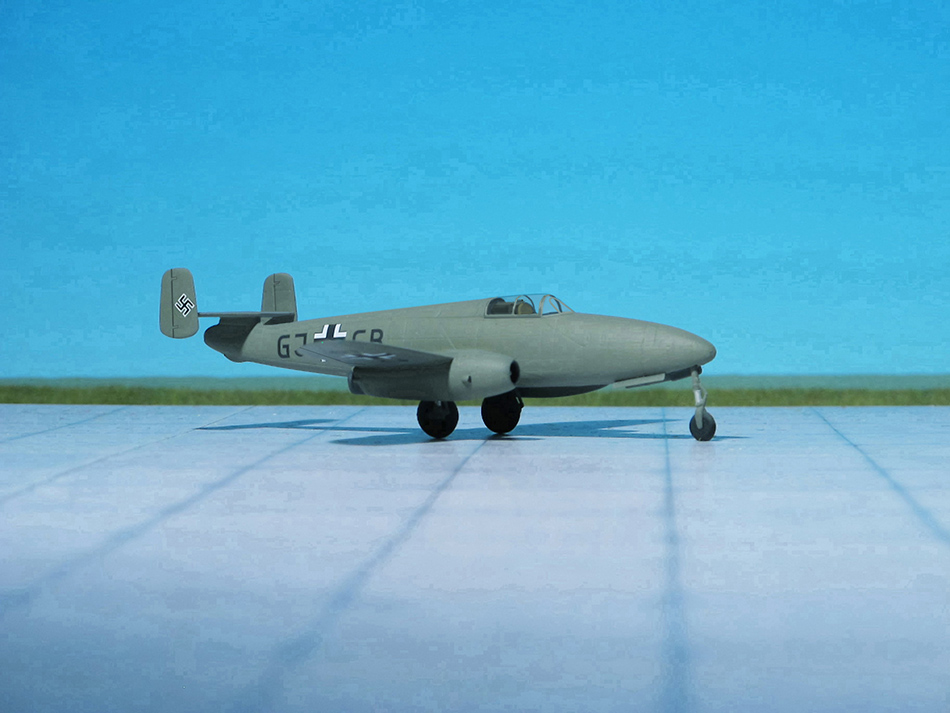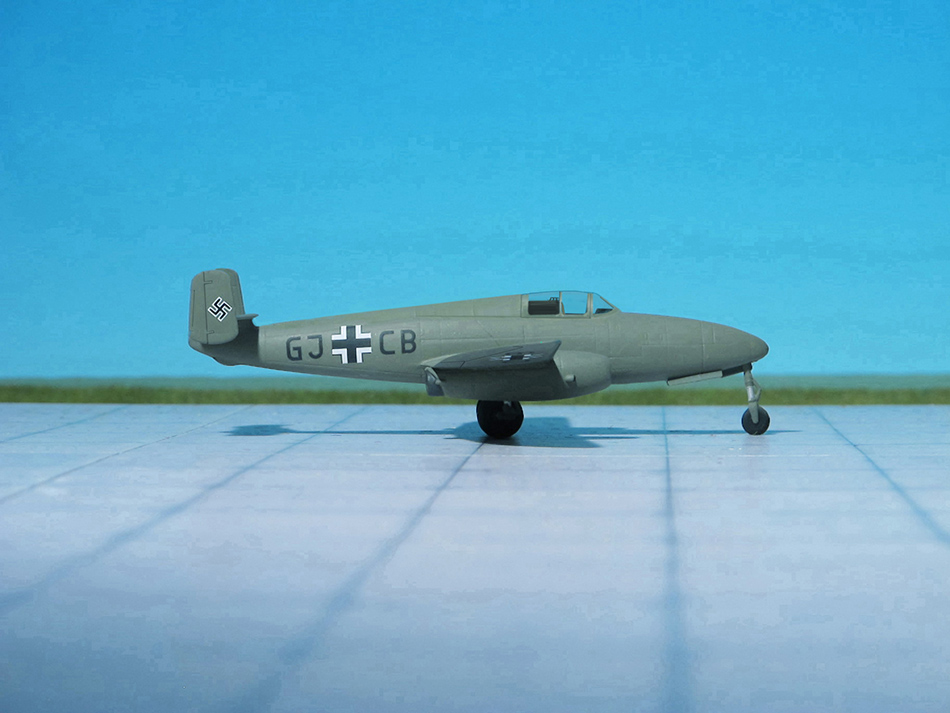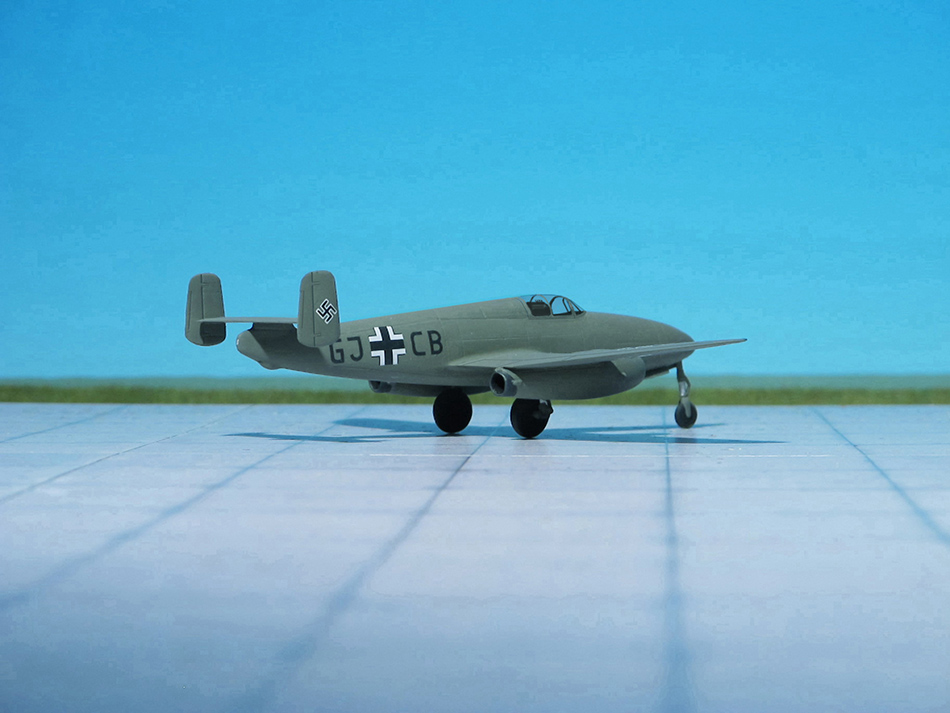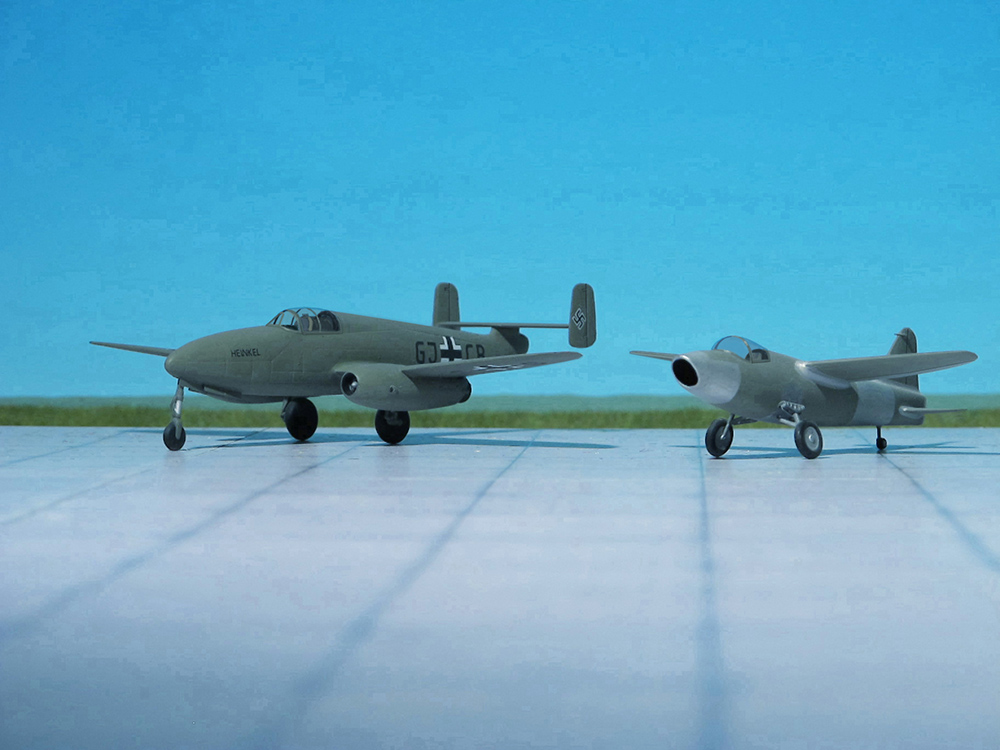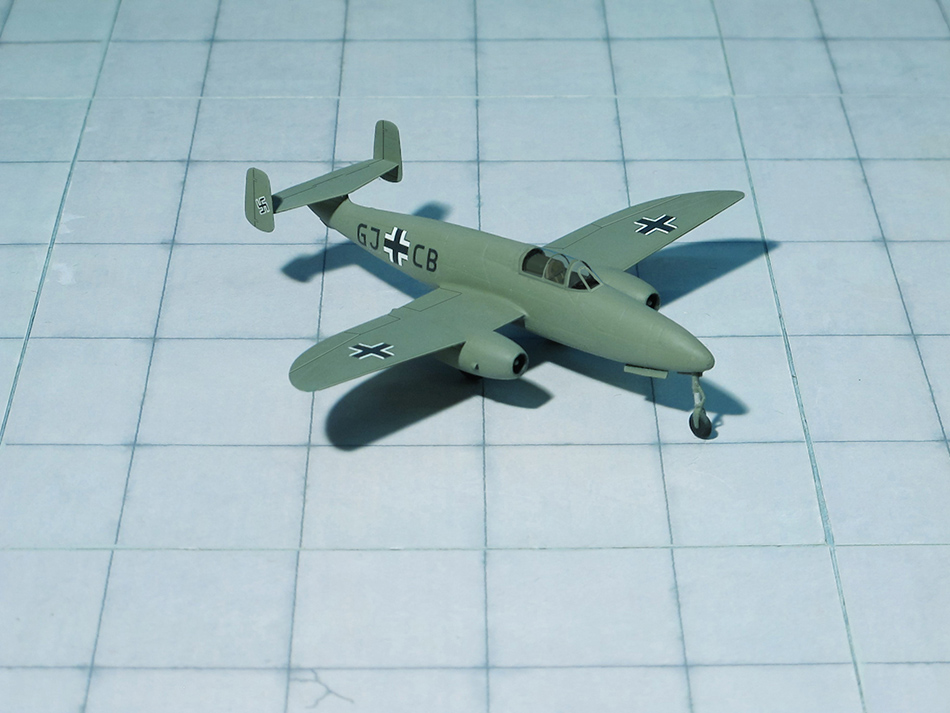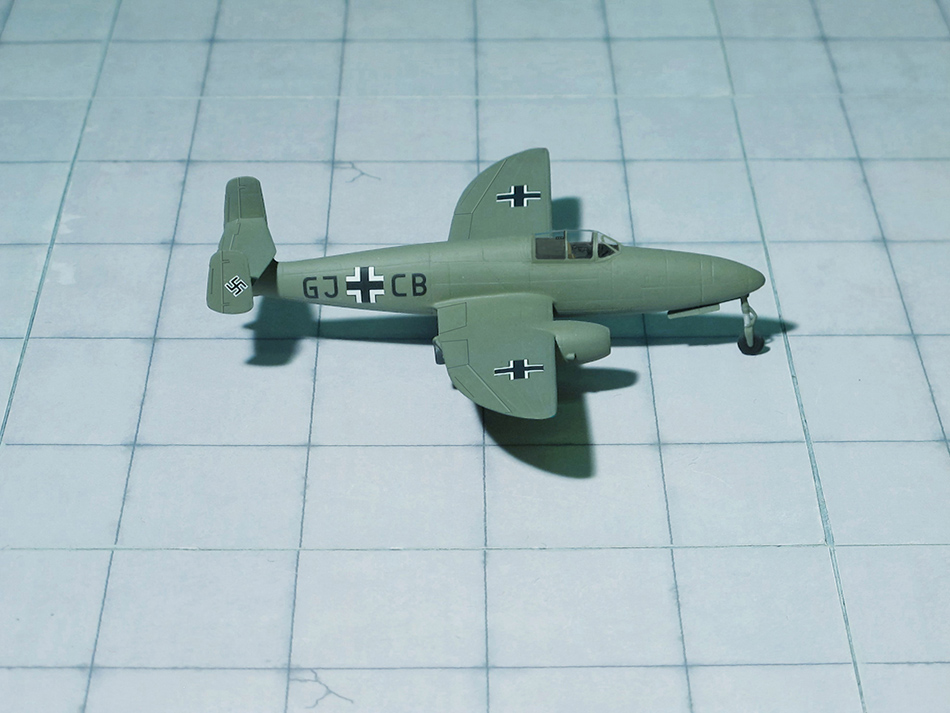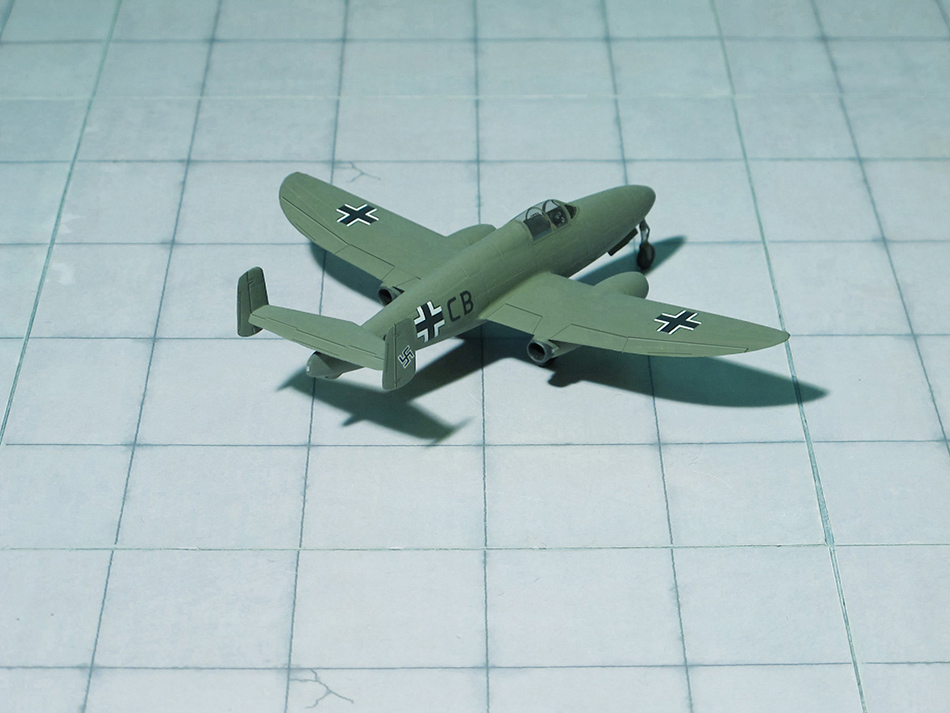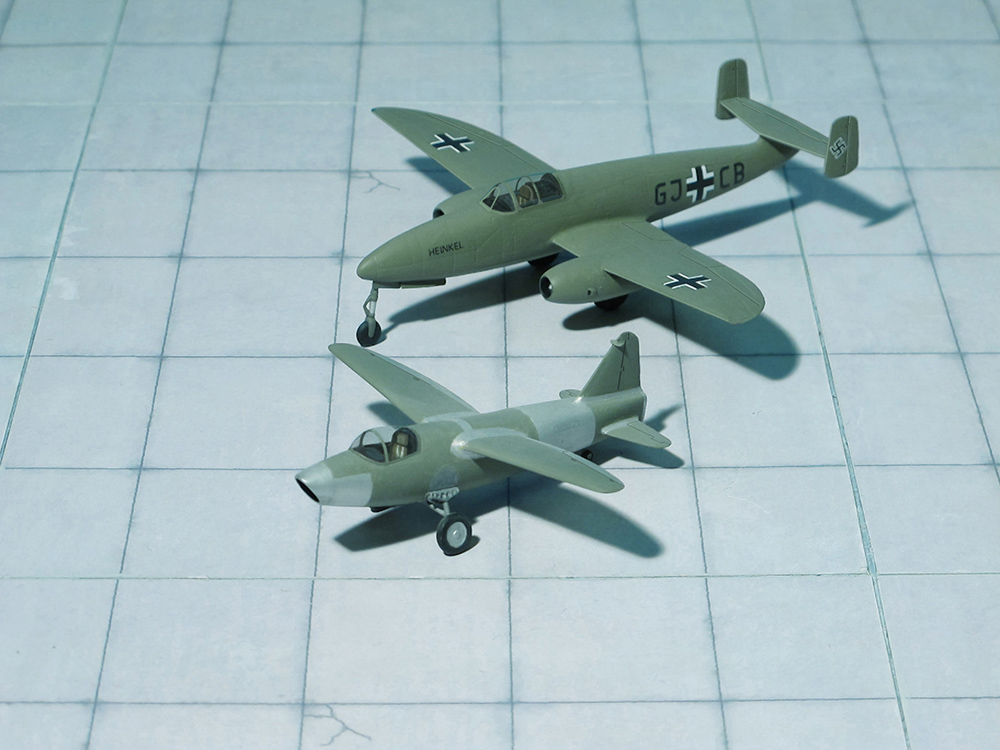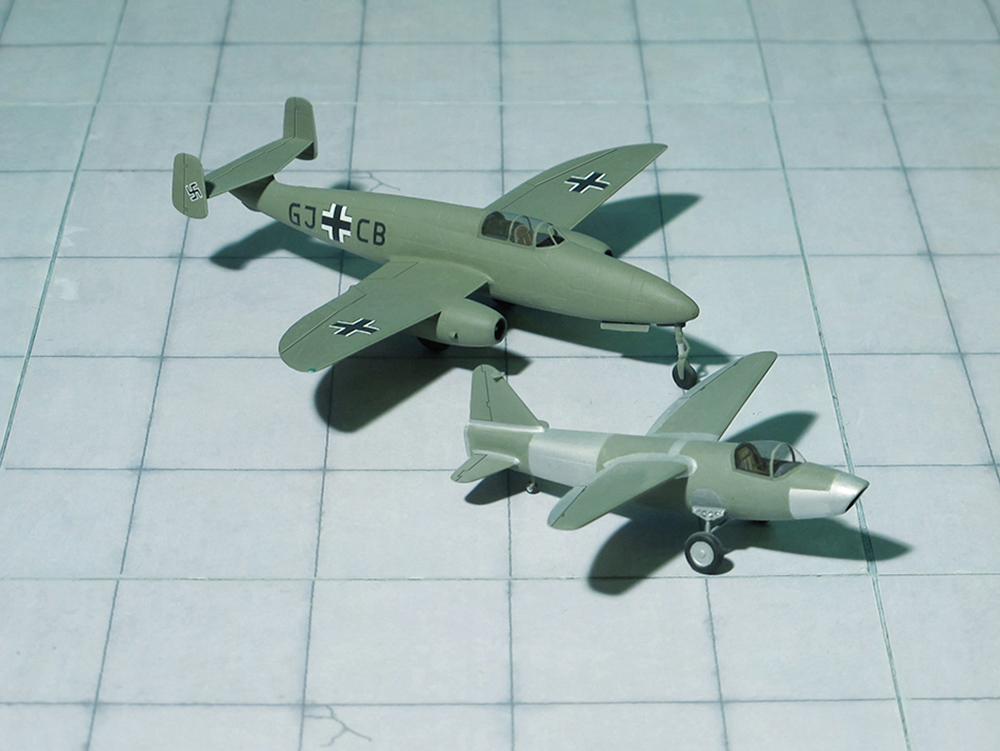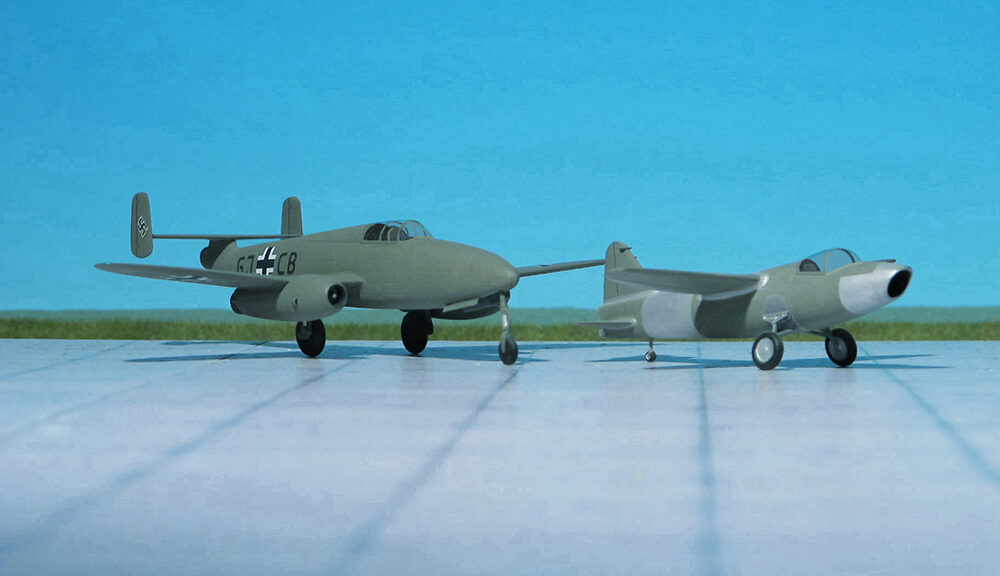
TYPE: Turbojet fighter
ACCOMMODATION: Pilot only
POWER PLANT: Two Heinkel/Hirth HeS 8A turbojet engines, rated at 750kp thrust each
PERFORMANCE: 528 mph in 19.585 ft
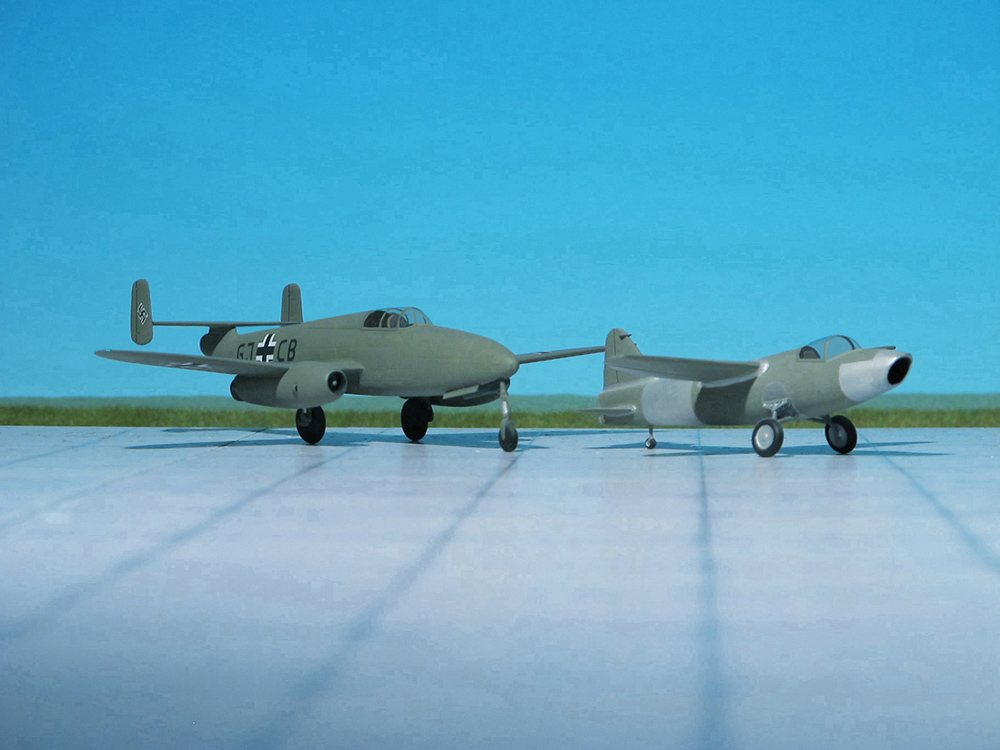
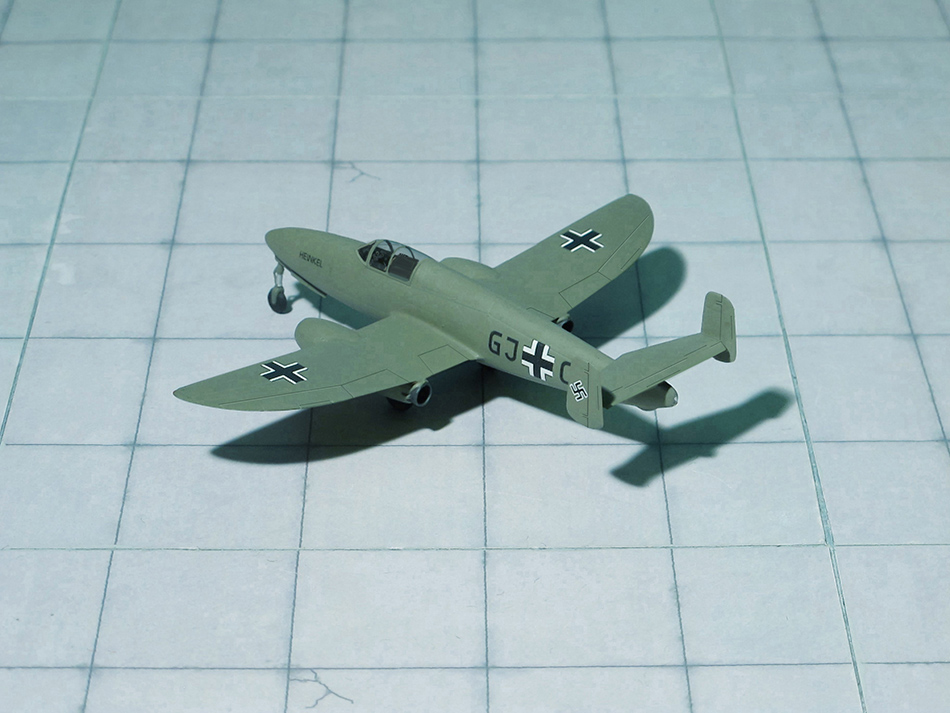
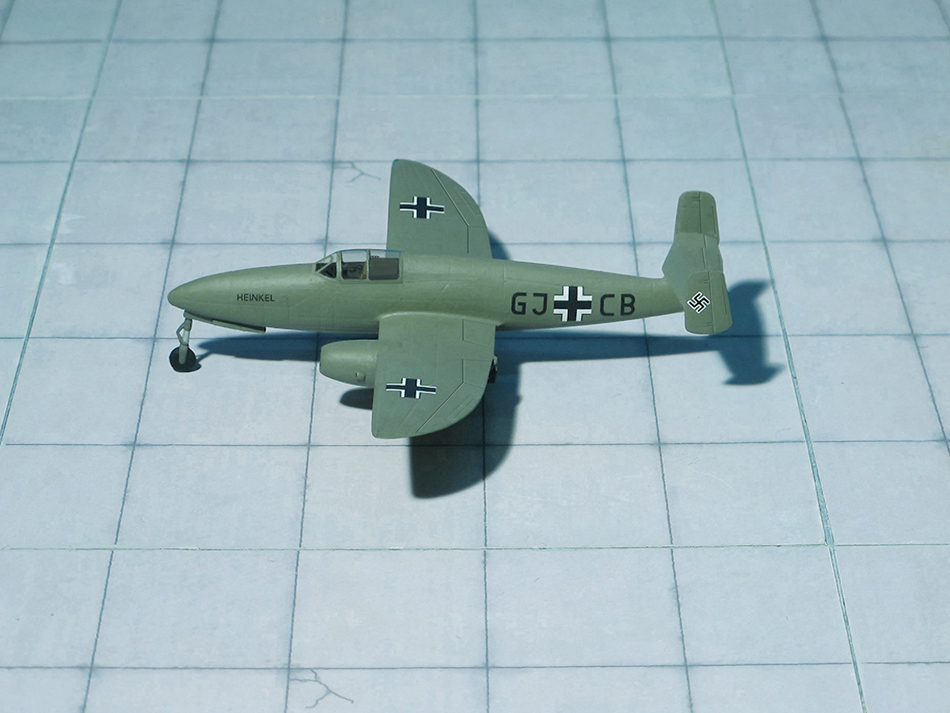
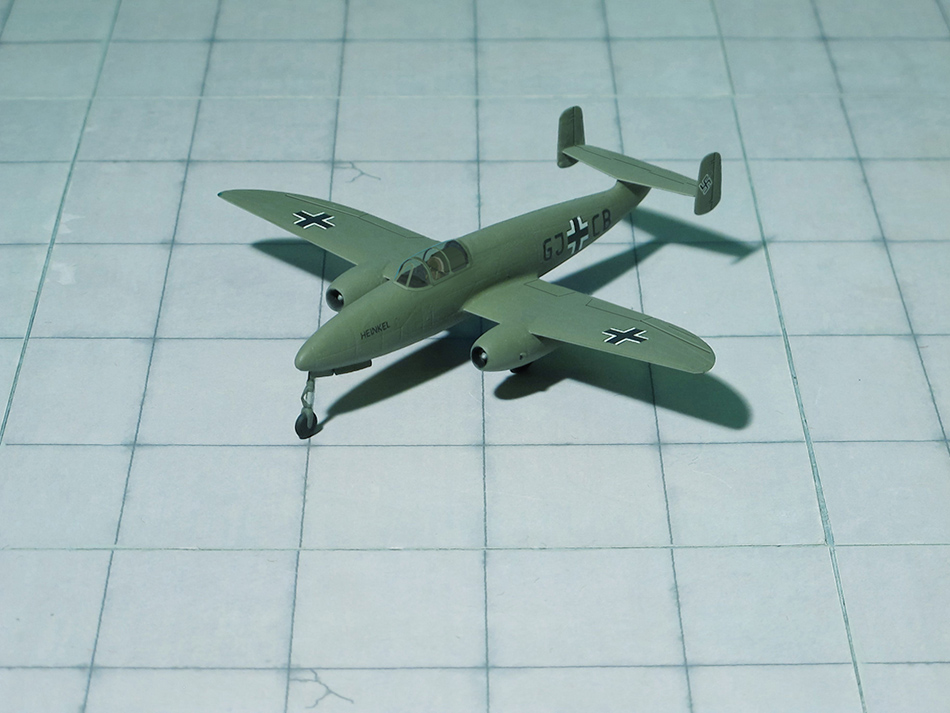
COMMENT: Originally called He 180, the Heinkel He 280 was an early turbojet-powered fighter aircraft designed and produced by the German aircraft manufacturer Ernst Heinkel. It was the first jet fighter to fly in the world.
The He 280 harnessed the progress made by Hans von Ohain’s novel gas turbine propulsion and by Ernst Heinkel’s work on the He 178, the first jet-powered aircraft in the world. Heinkel placed great emphasis on research into high-speed flight and on the value of the jet engine; after the Heinkel He 178 had met with indifference from the Reichsluftfahrtministerium (RLM, German Reich Aviation Ministry), the company opted to start work on producing a jet fighter during late 1939. Incorporating a pair of turbojets, for greater thrust, these were installed in a mid-wing position. It also had a then-uncommon tricycle undercarriage while the design of the fuselage was largely conventional.
During the summer of 1940, the first prototype airframe was completed; however, it was unable to proceed with powered test flights due to development difficulties with the intended engine, the Heinkel/Hirth HeS 8. Thus, it was initially flown as a glider until suitable engines could be made available six months later. The lack of state support delayed engine development, thus setting back work on the He 280; nevertheless, it is believed that the fighter could have been made operational earlier than the competing Messerschmitt Me 262, and offered some advantages over it. On December 1942, a mock dogfight performed before RLM officials saw the He 280 demonstrate its vastly superior speed over the piston-powered Focke-Wulf Fw 190. Shortly thereafter, the RLM finally opted to place an order for 20 pre-production test aircraft to precede a batch of 300 production standard aircraft.
However, engine development continued to hinder the He 280 program. During 1942, the RLM had ordered Heinkel to abandon work on both the HeS 8 and HeS 30 to focus on the much more powerful HeS 011. As the HeS 011 was not expected to be available for some time, Heinkel selected the rival BMW 003 powerplant; however, this engine was also delayed. Accordingly, the second He 280 prototype was re-engined with Junkers Jumo 004s. On March 1943, Erhard Milch, Inspector-general of the Luftwaffe, ordered Heinkel to abandon work on the He 280 in favour of other efforts. The reason for this cancellation has been attributed to a combination of both technical and political factors; the similar role of the Me 262 was certainly influential in the decision. Accordingly, only the nine test aircraft were ever built, and at no point did the He 280 ever attain operational status or see active combat.
For the He 280, a pair of turbojets were used, each one installed in a mid-wing position, which was viewed as a more straightforward arrangement. Despite its novel propulsion, the design had adopted numerous relatively orthodox features, such as a typical Heinkel fighter fuselage, semi-elliptical wings, and a dihedralled tailplane with twin fins and rudders. The He 280 was furnished with a tricycle undercarriage that had very little ground clearance. This arrangement was considered by some officials to be too frail for the grass or dirty airfields of the era; however, the tricycle layout eventually gained acceptance. One particularly groundbreaking feature incorporated onto the He 280 was its ejection seat, which was powered by compressed air, it was not only the first aircraft to be equipped with one but would also be the first aircraft to successfully employ one in a genuine emergency. In contrast to the Messerschmitt Me 262, another German jet fighter, the He 280 had a smaller footprint and is believed to have been more maintainable.
Engine problems continued to plague the project. During 1942, the RLM had ordered Heinkel to focus all development on a follow-on engine, the HeS 011, which proved to be a more advanced design. Meanwhile, the first He 280 prototype was re-equipped with pulsejets, and towed aloft to test them. Bad weather caused the aircraft to ice up before the jets could be tested; the situation led to the test pilot becoming the first person to put an ejection seat to use. While the seat worked perfectly, the aircraft was lost and never recovered.
As the HeS 011 was not expected to be available for some time, Heinkel selected the rival BMW 003 powerplant; however, this engine also suffered problems and delays. Accordingly, the second He 280 prototype was re-engined with Junkers Jumo 004 The following three airframes were earmarked for the BMW motor which would never become available in actuality. The Jumo engines were considerably larger and heavier than the HeS 8 that the aircraft had been designed for, and while it flew well enough on its first powered flights from March 1943, it was clear that this engine was unsuitable. The aircraft was slower and generally less efficient than the Me 262.
Less than two weeks later, on March, Inspector-General of the Luftwaffe, ordered Heinkel to abandon work on the He 280 to instead focus his company’s attention on bomber development and construction. The termination of the project has been attributed to multiple factors. A major contributor was competition from the Jumo 004-powered Me 262, which appeared to possess most of the qualities of the He 280, but had the advantage of being better matched to its engine. Yet it was believed that the He 280 could have been in service sooner and may have been useful even just as a stopgap measure for the Me 262. Heinkel remained interested in jet propulsion and sought out other opportunities to design aircraft harnessing such engines; this led to the single-engined Heinkel He 162 that was selected as the winner of the Volksjäger (Peoples Fighter) design competition Emergency Fighter Program (“Peoples’ Fighter”) design competition in October 1944 (Ref.: 24).