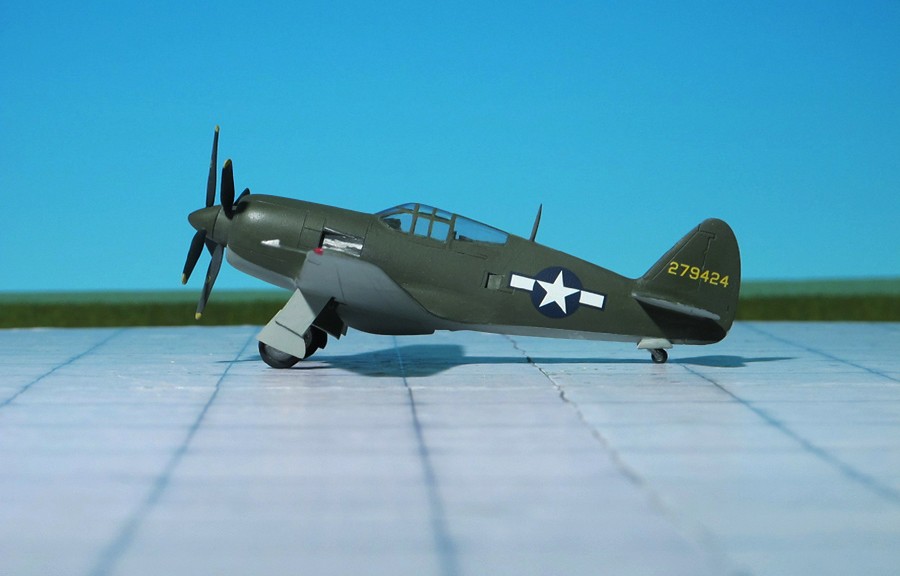
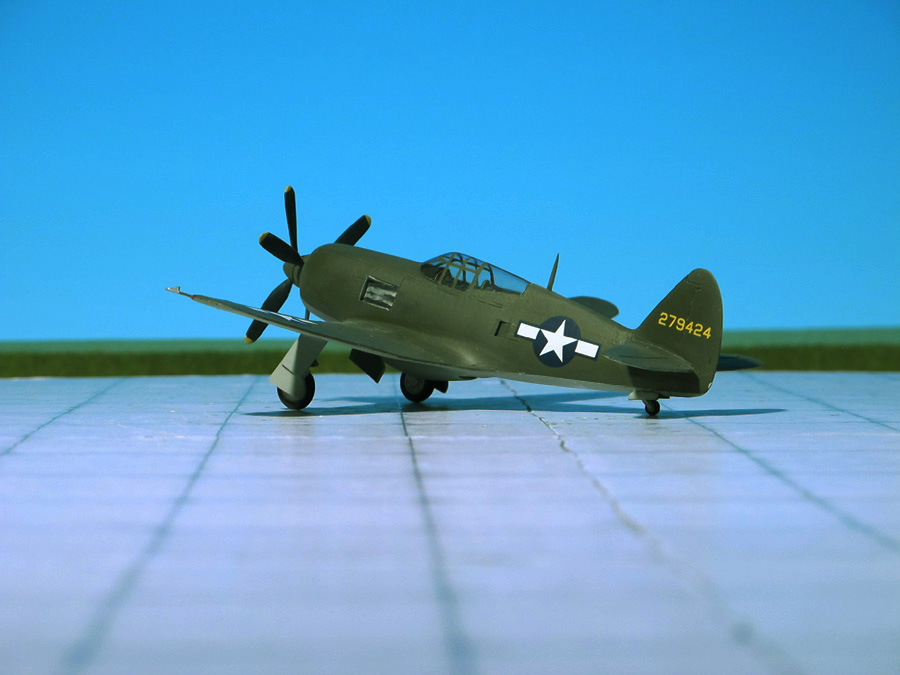
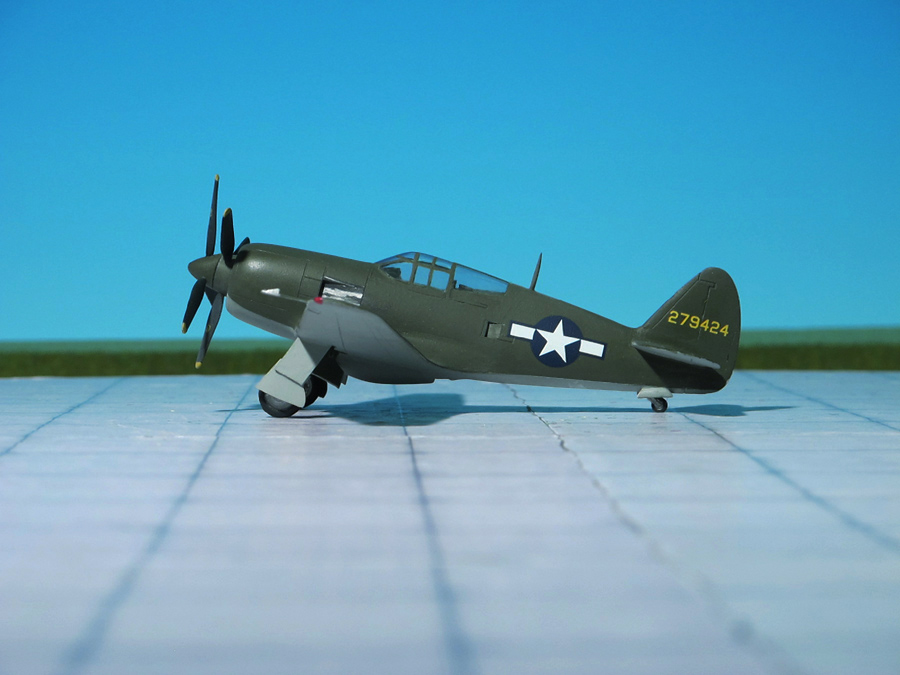
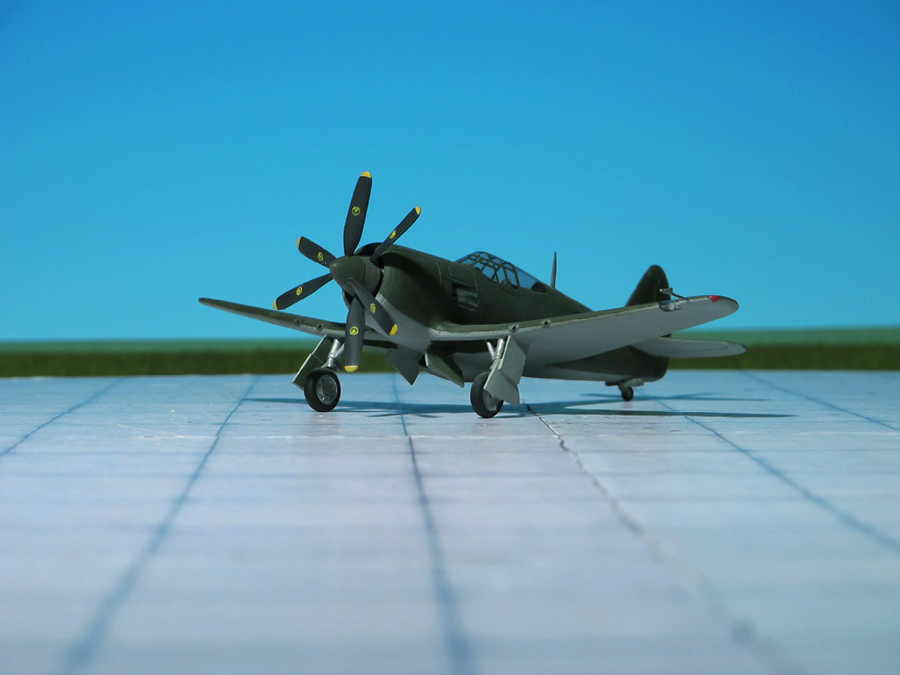
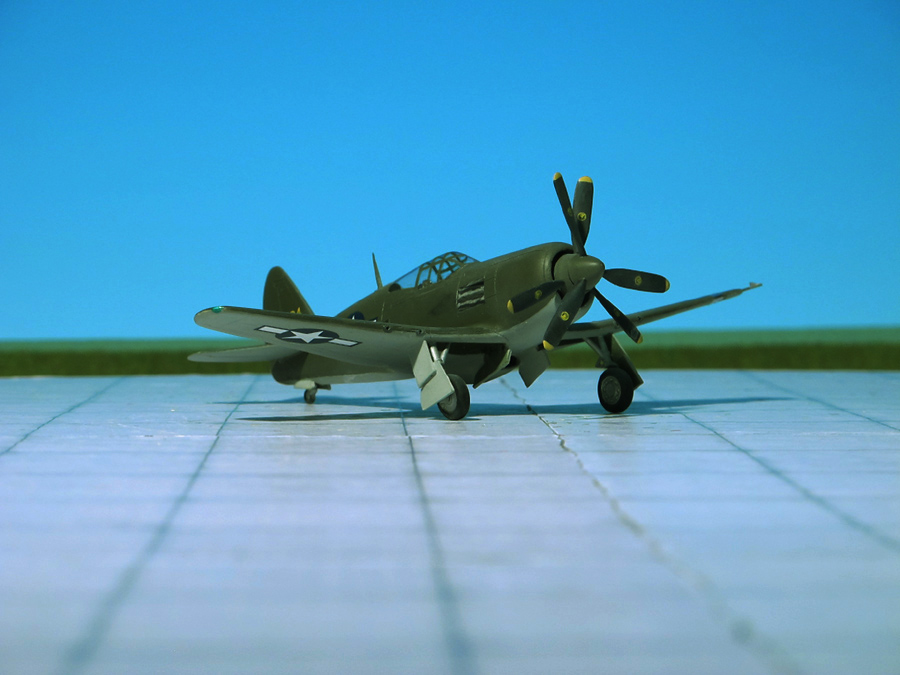
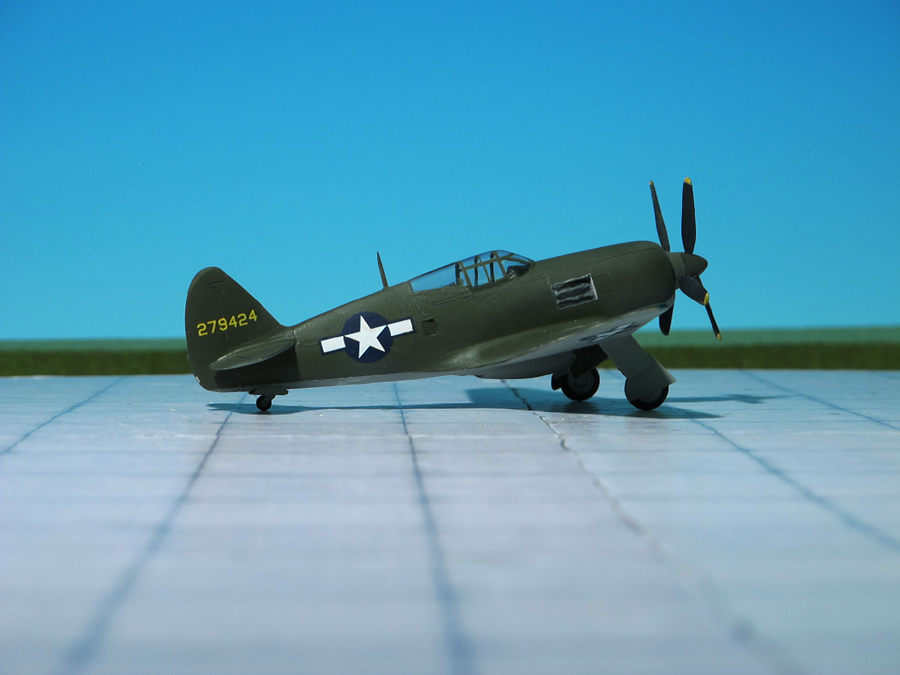
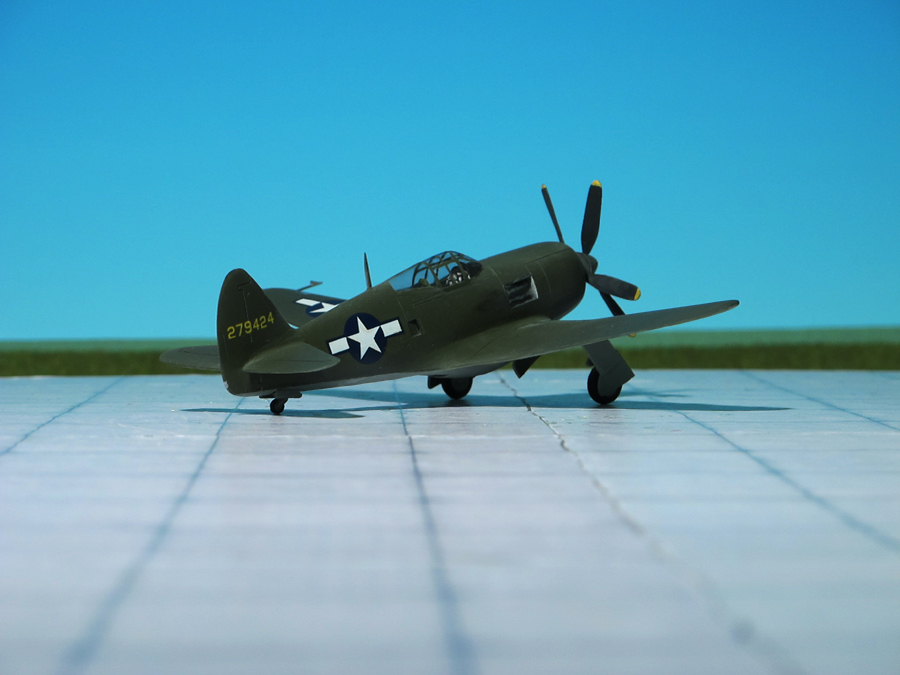
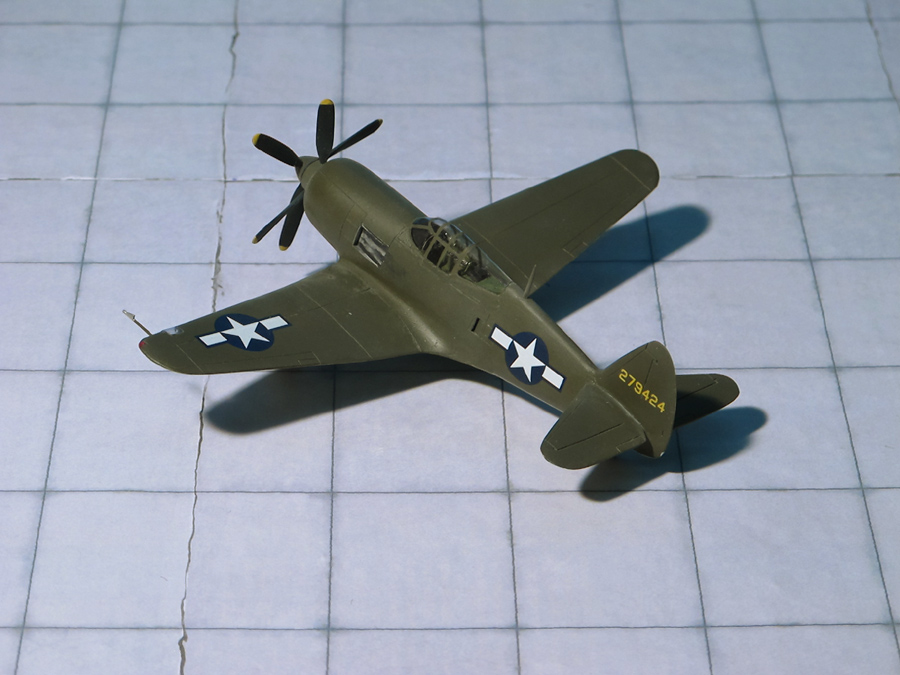
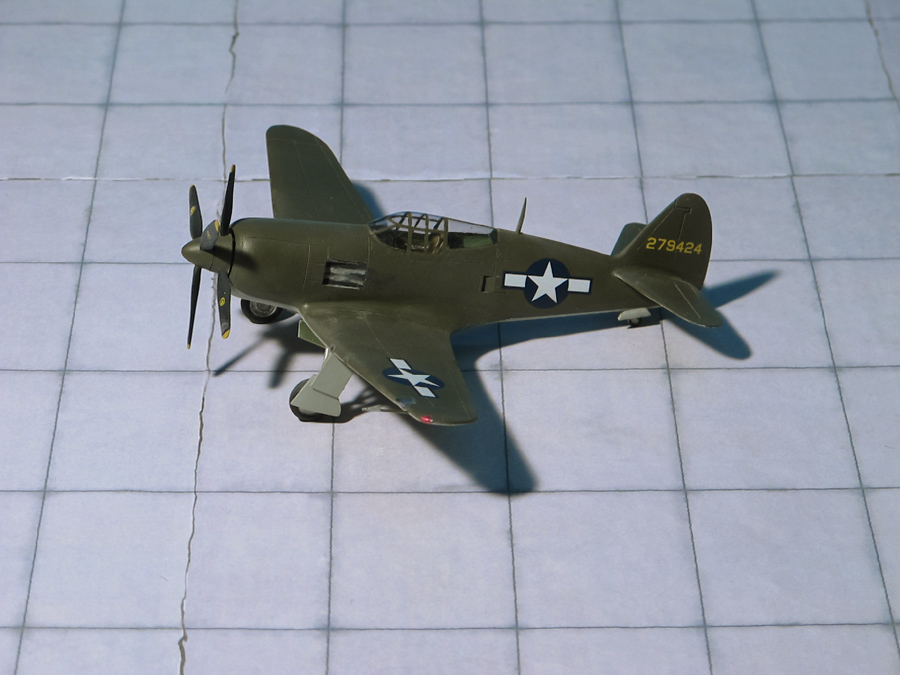
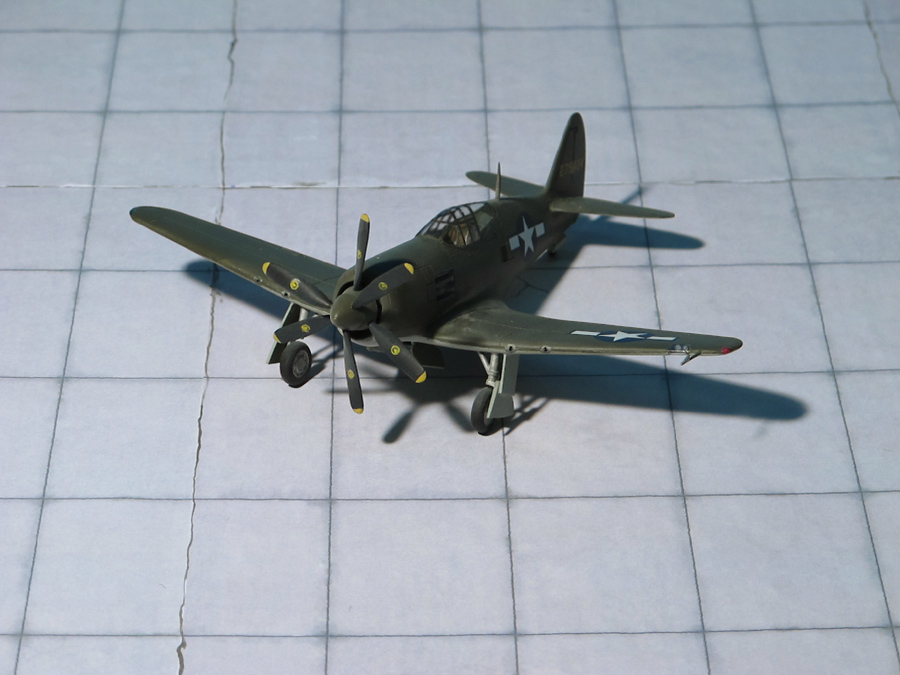
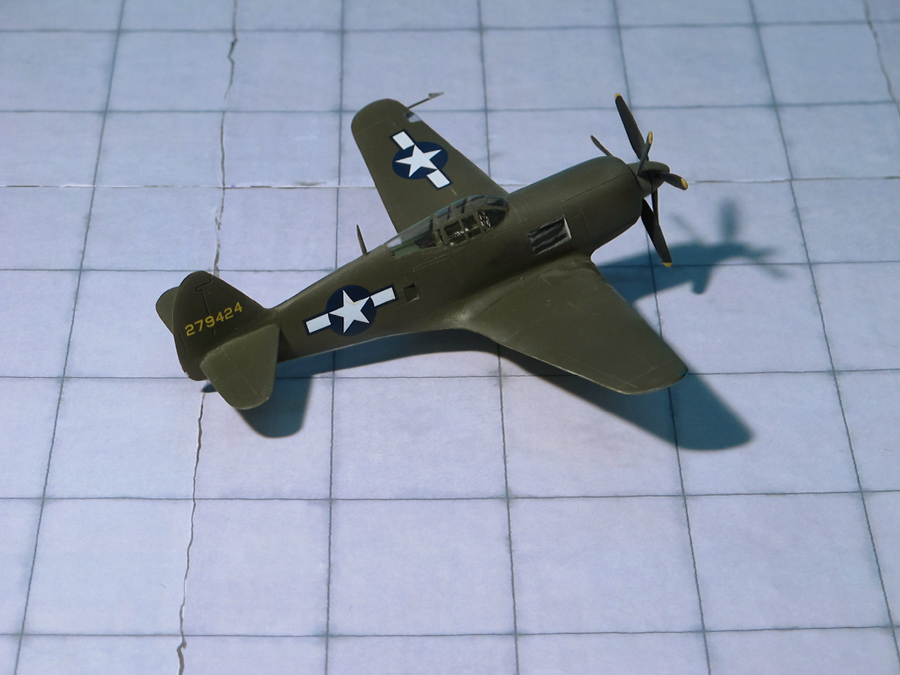
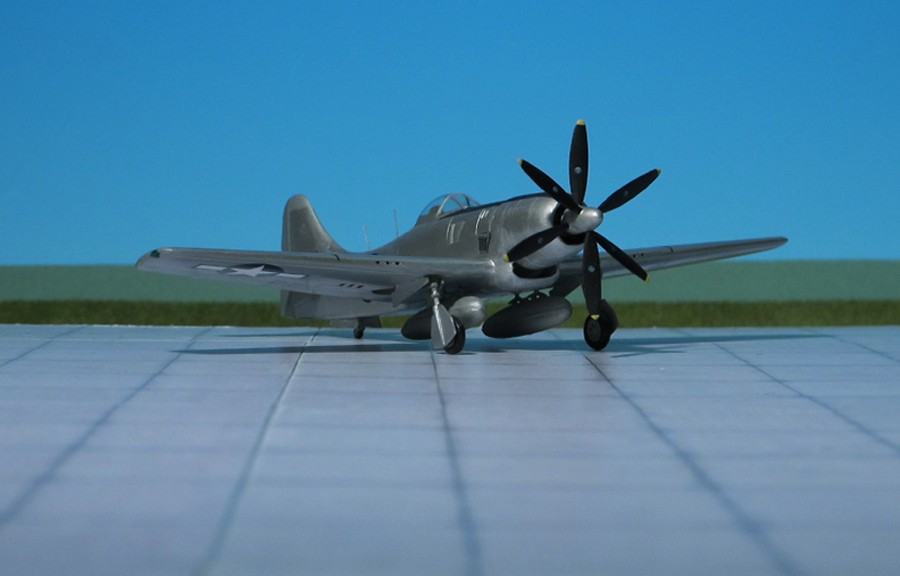
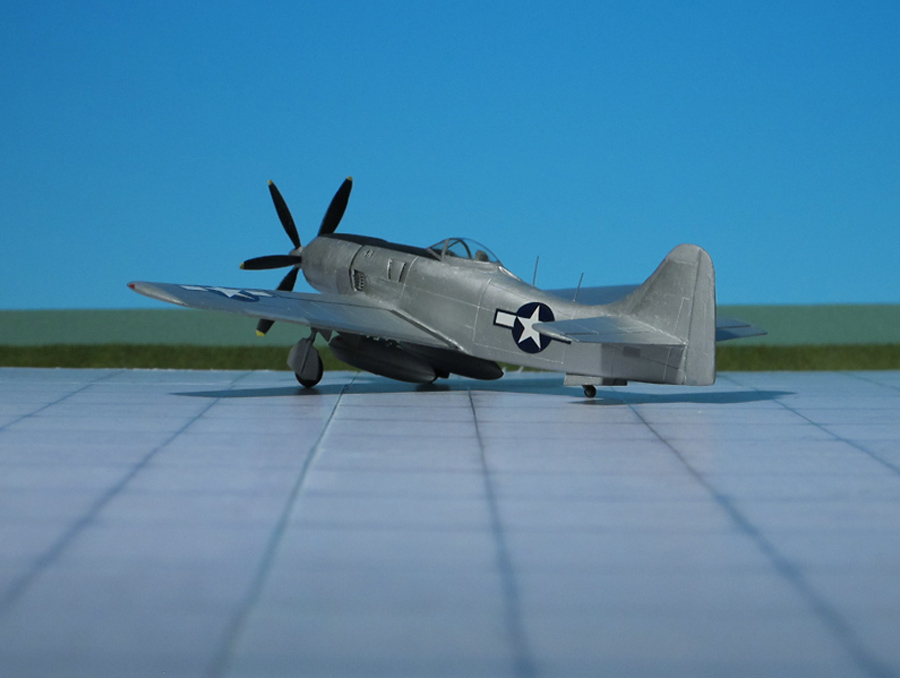
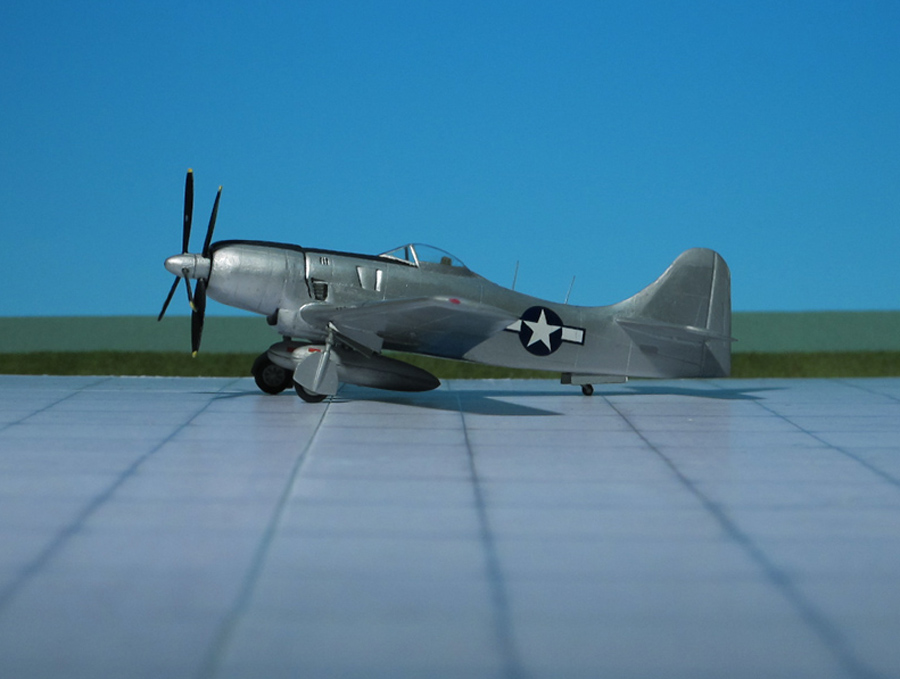
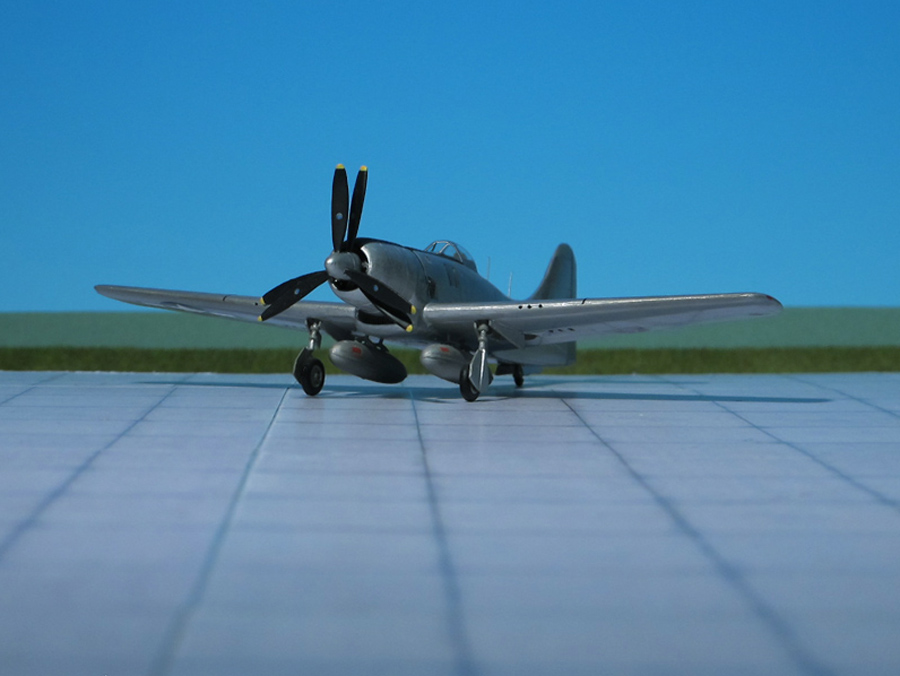
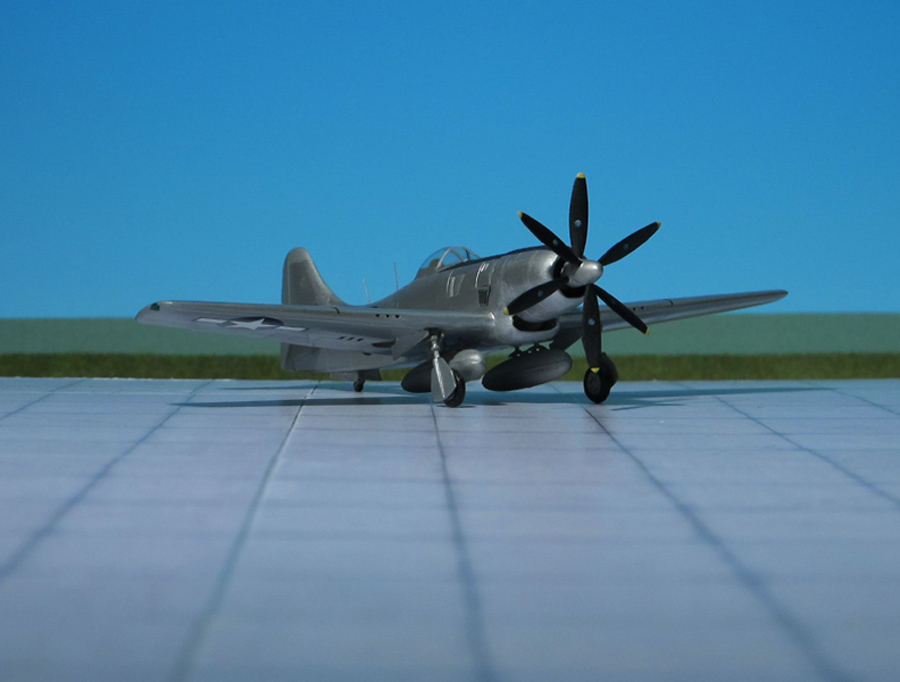
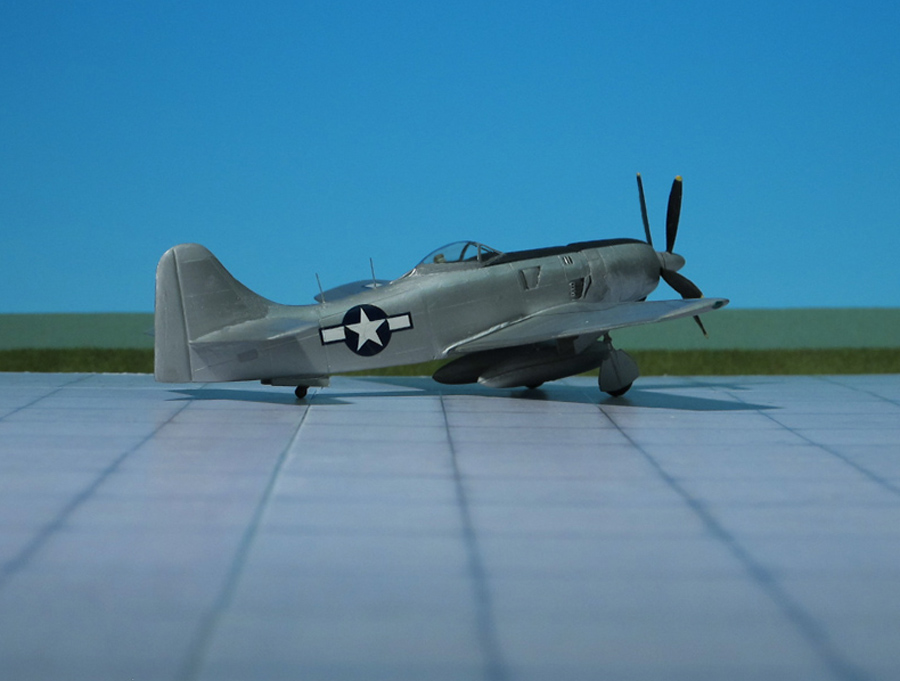
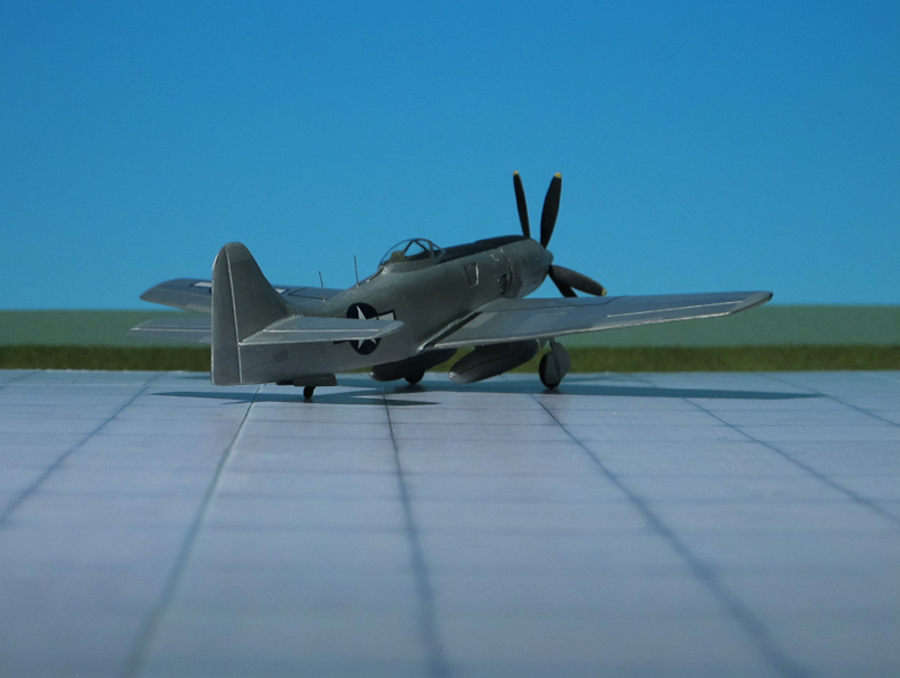
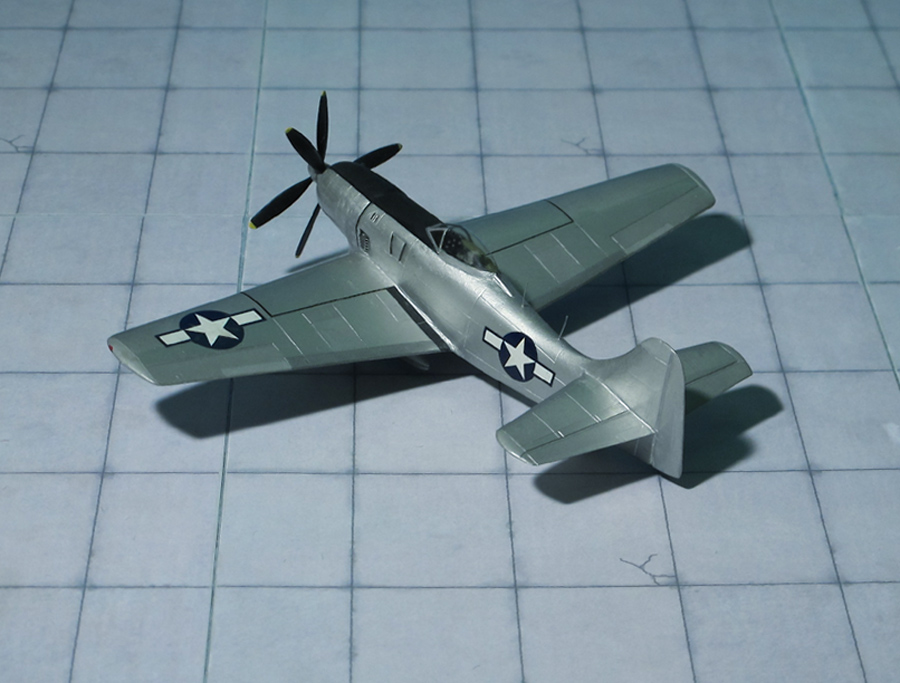
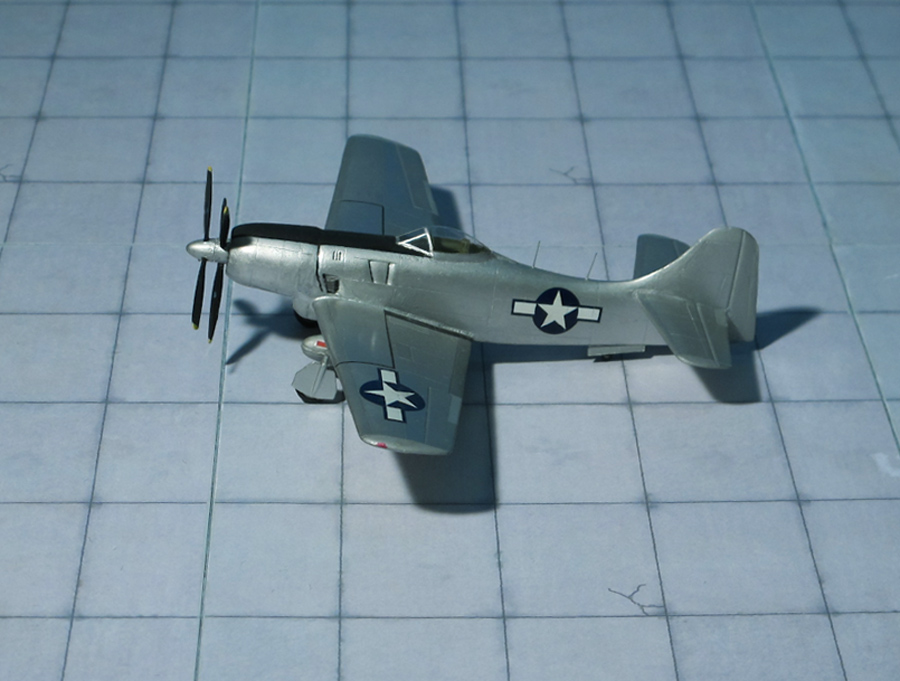
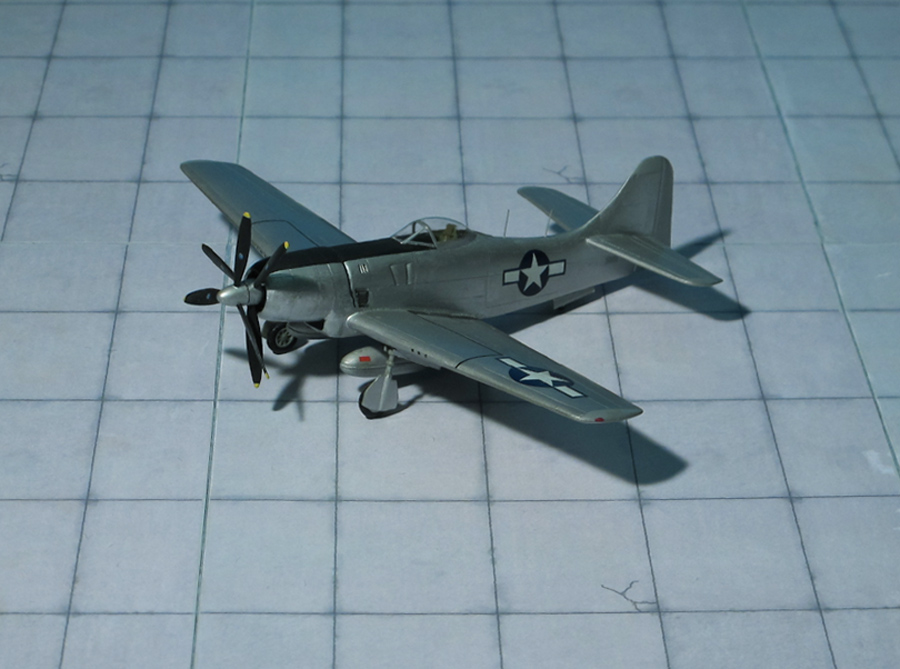
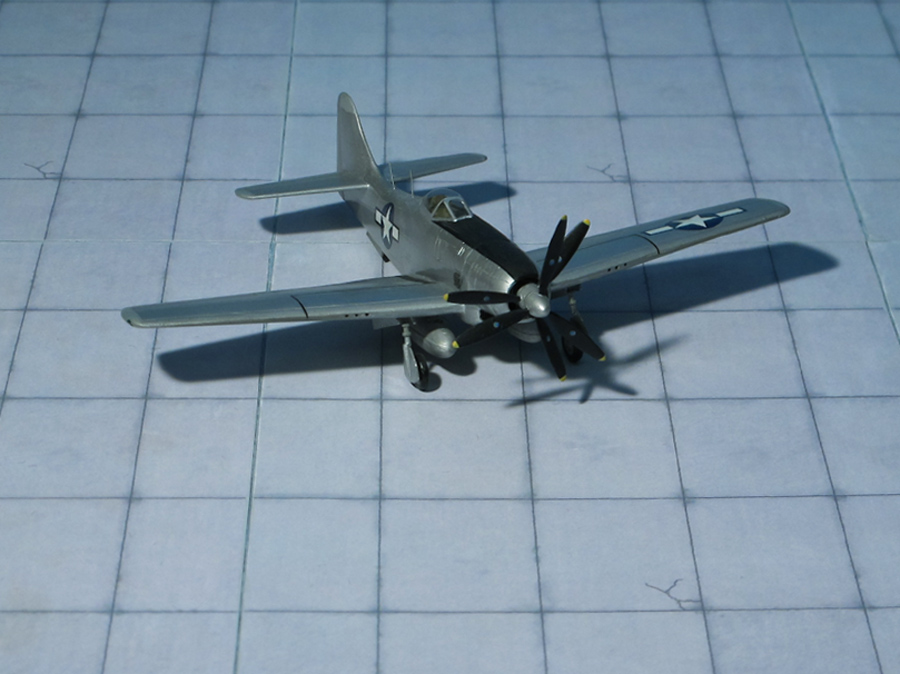
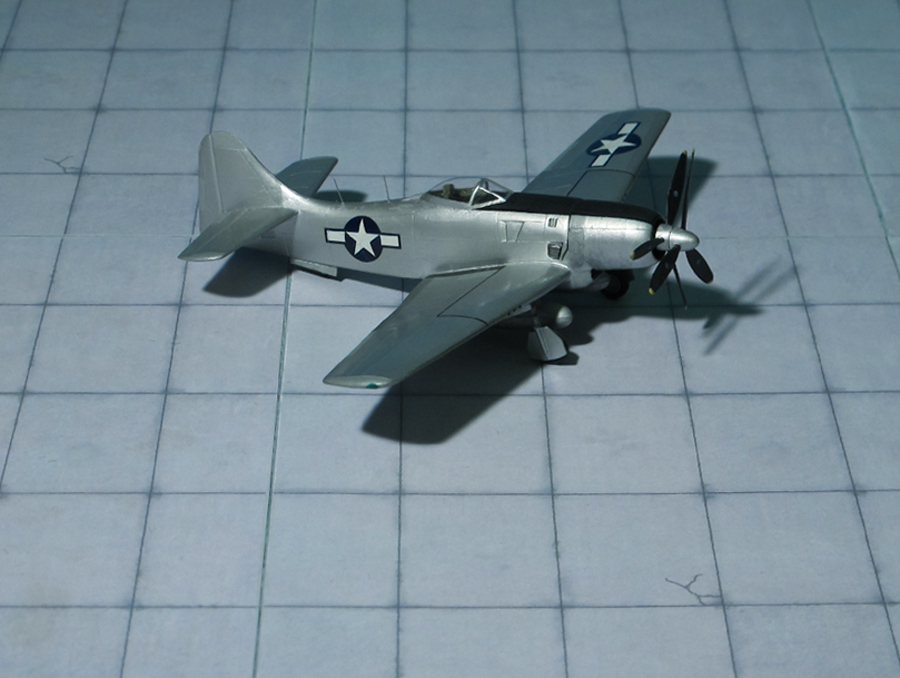
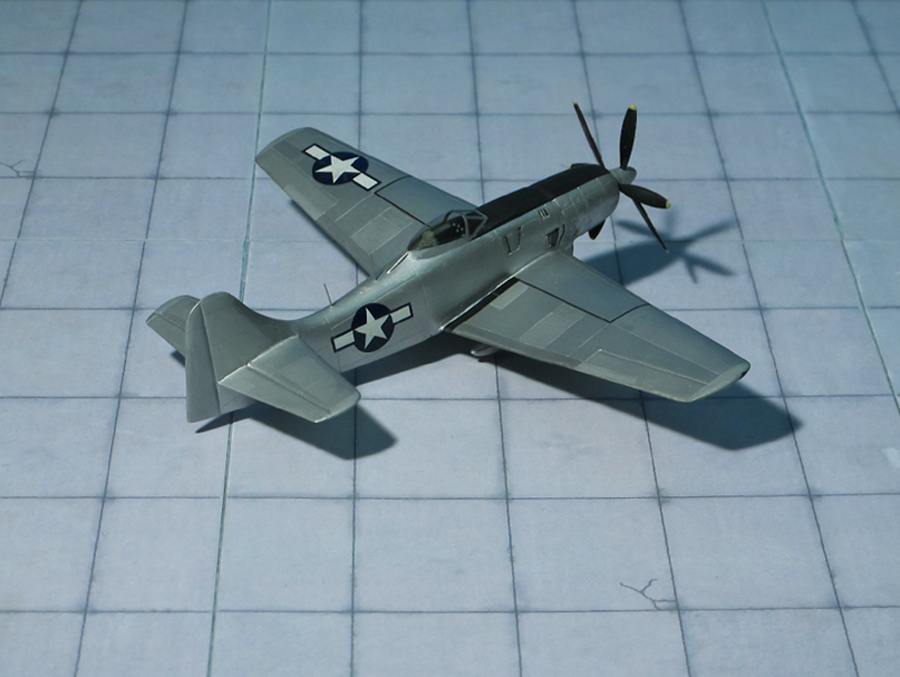
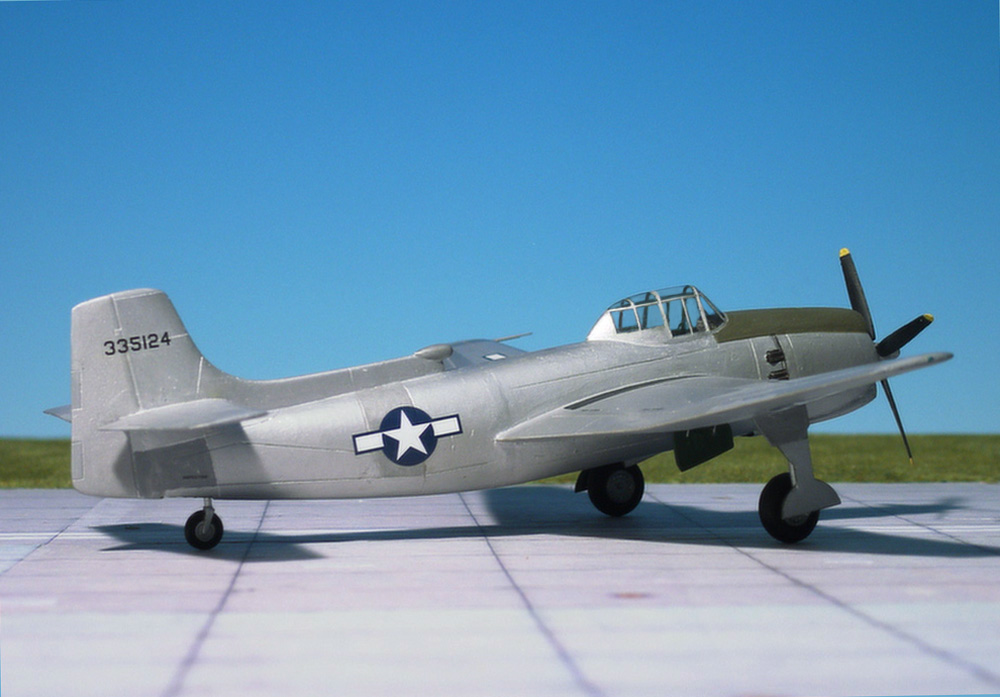
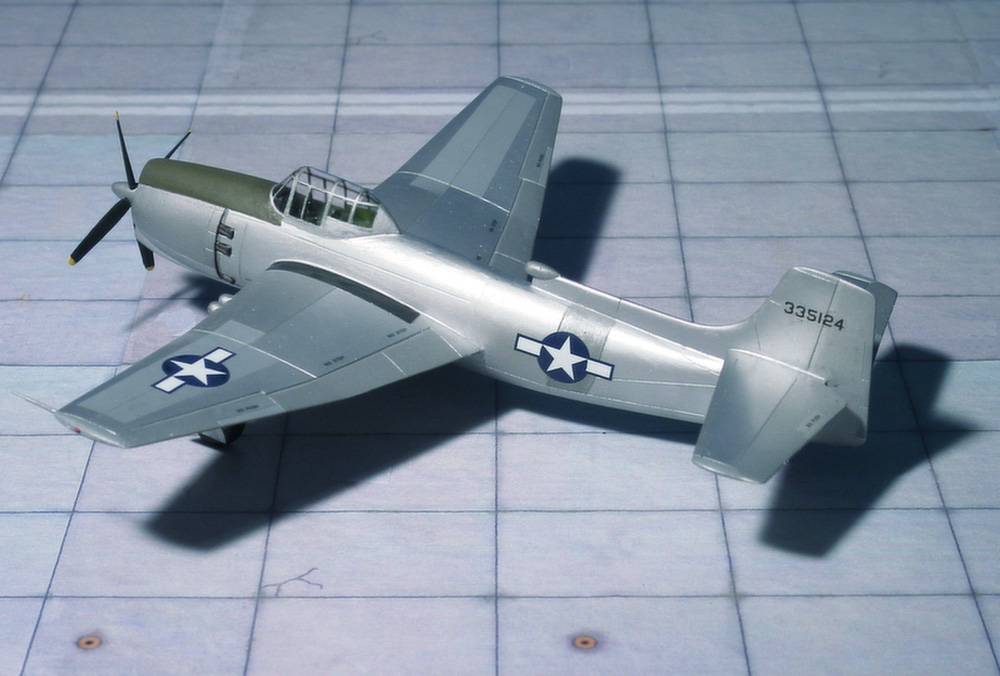
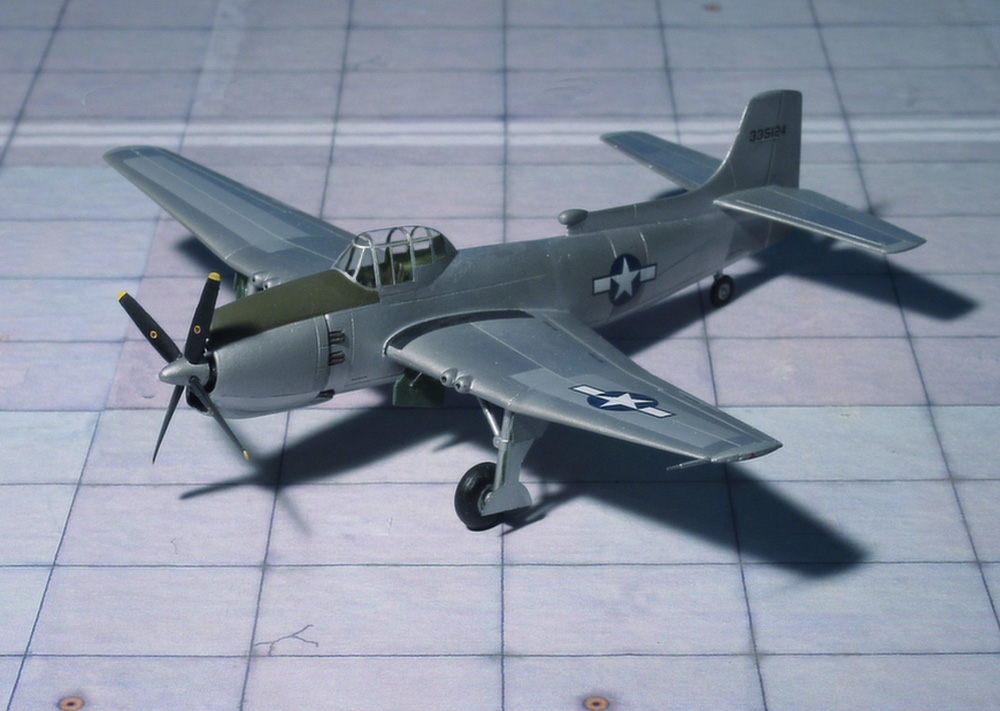
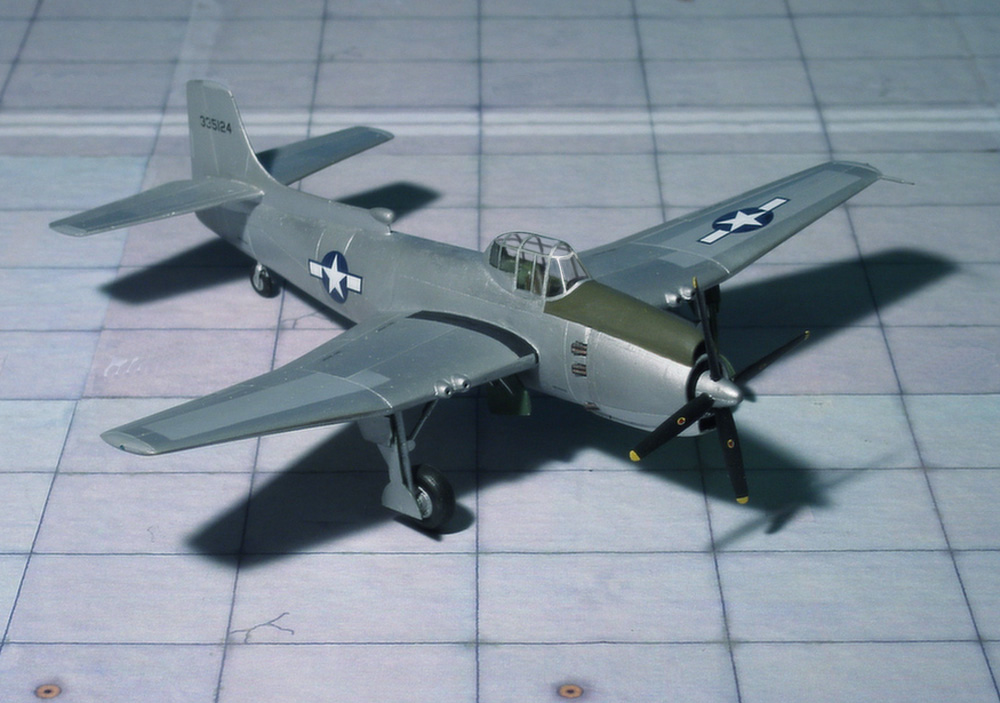
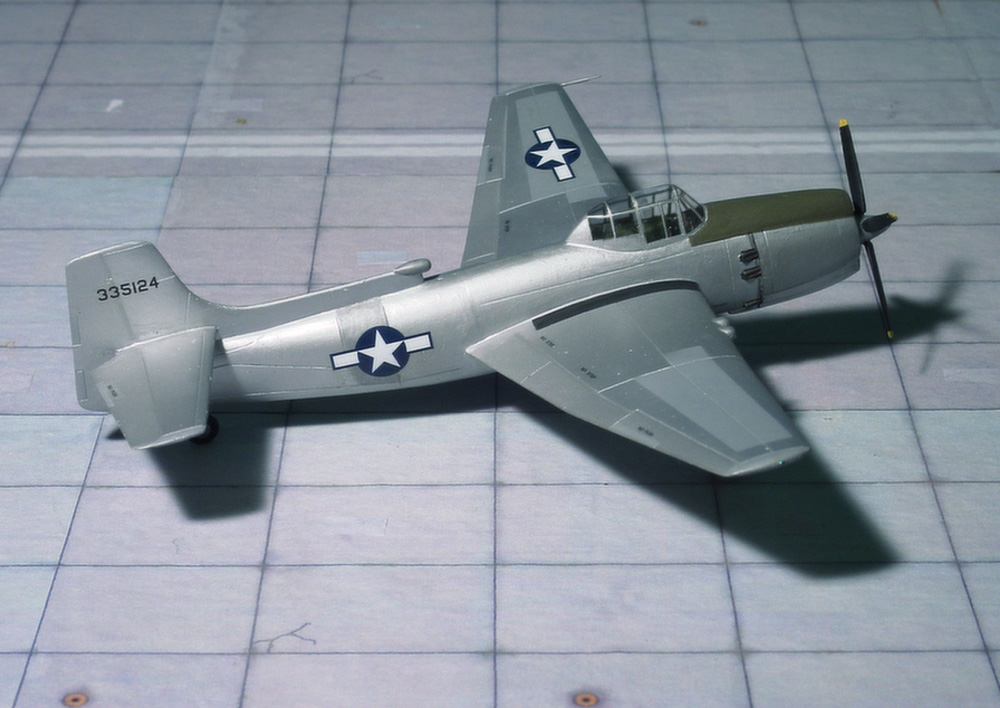
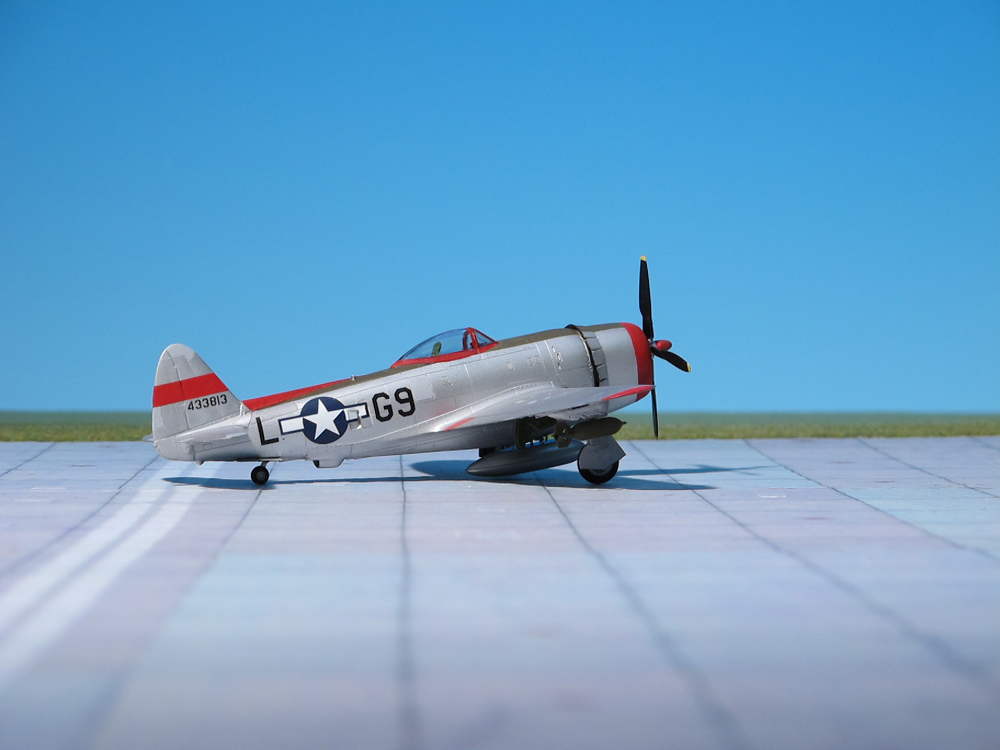
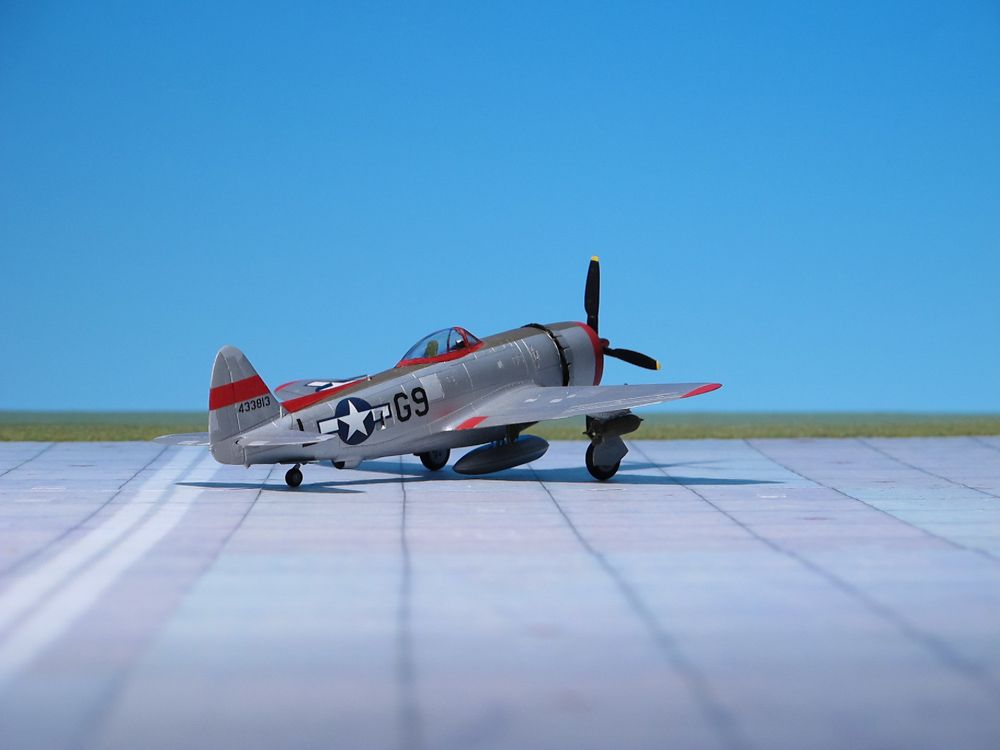
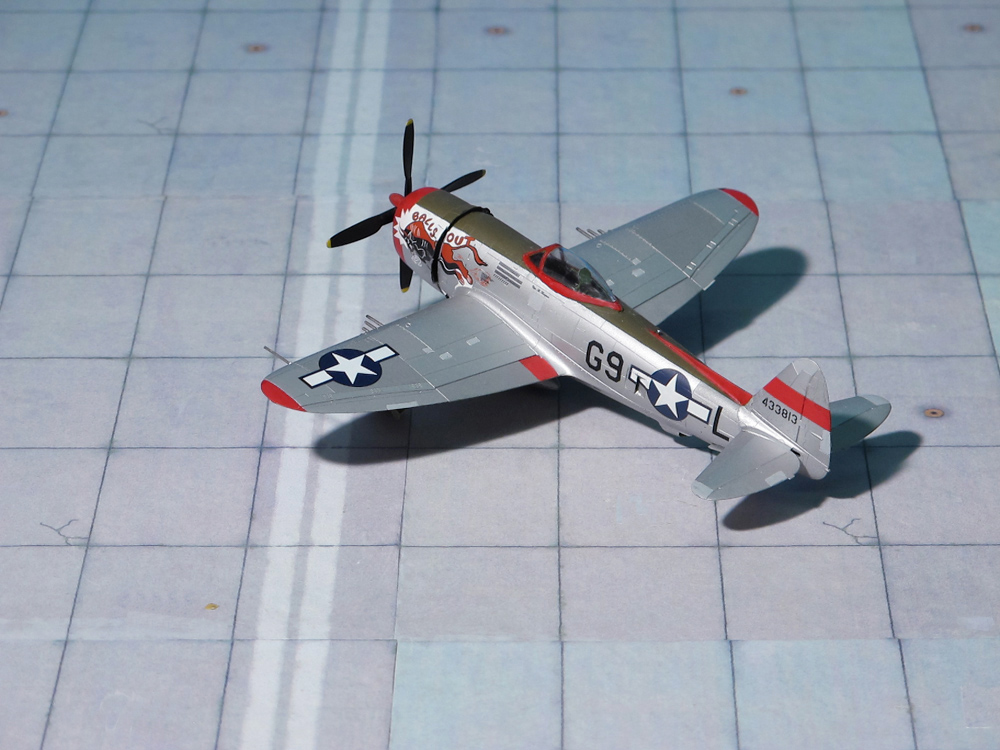
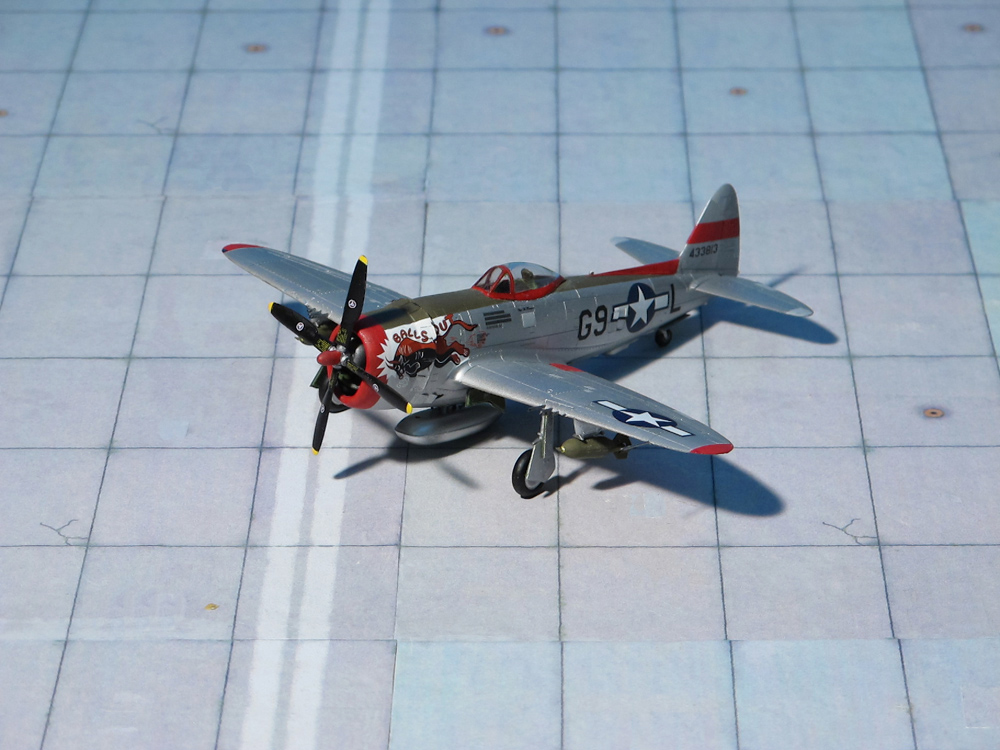
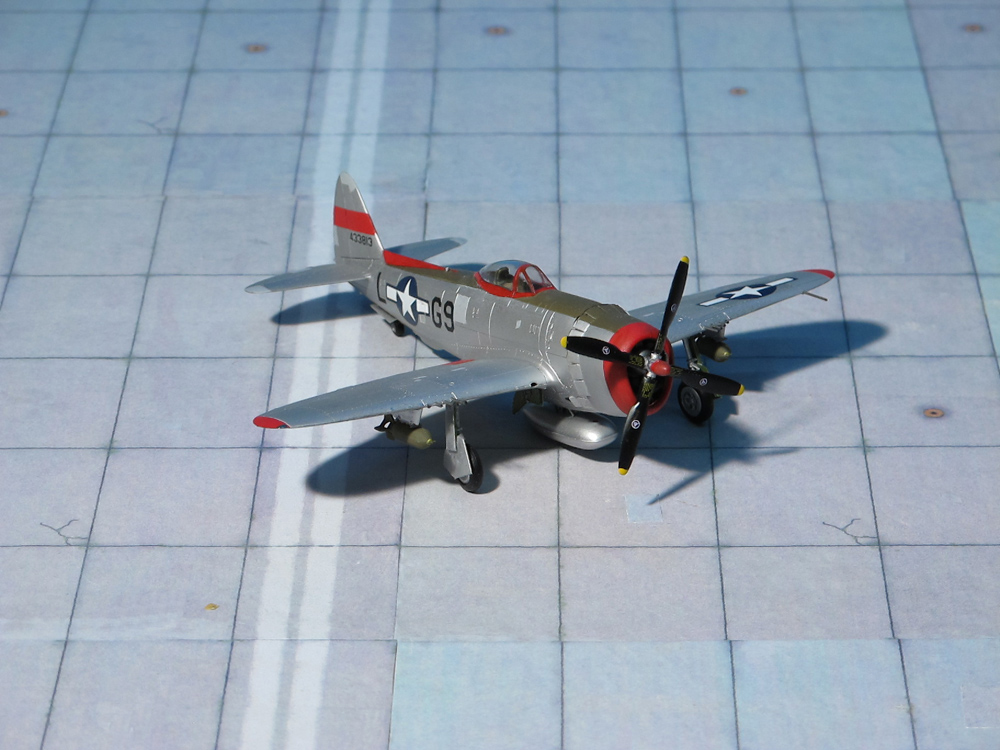
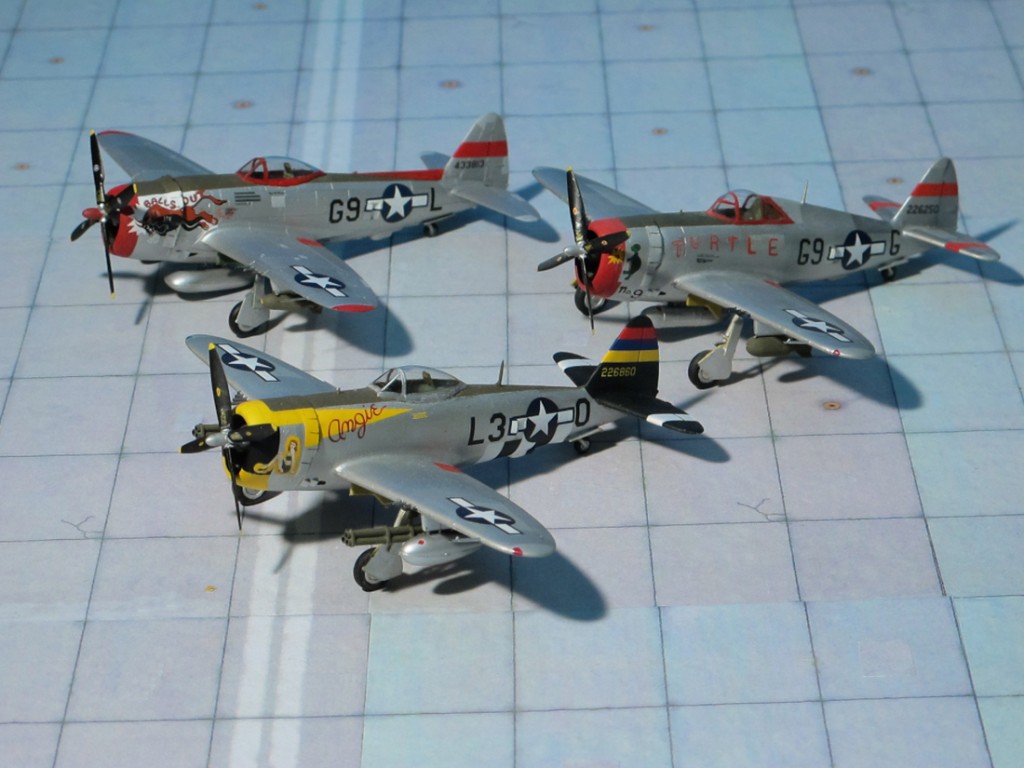
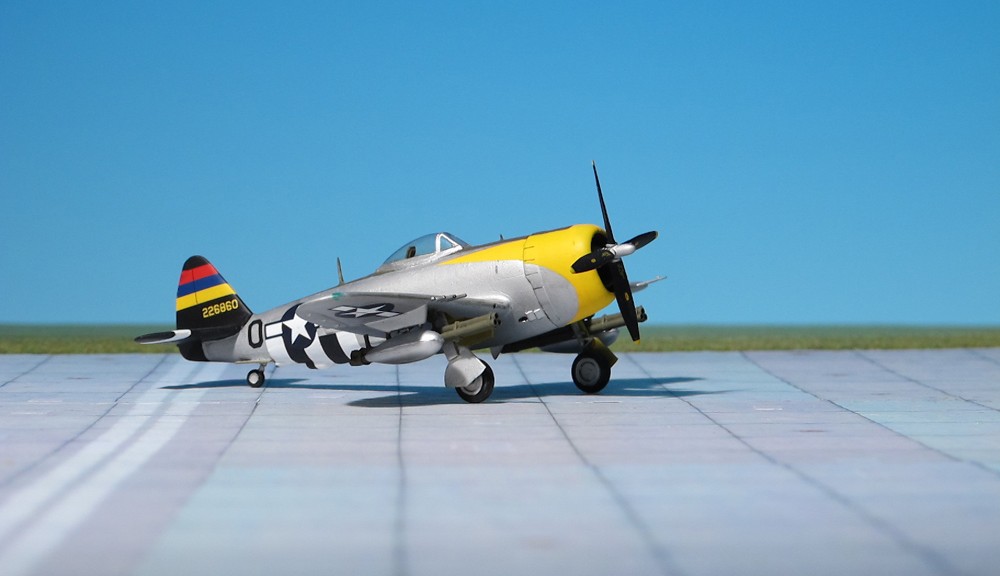
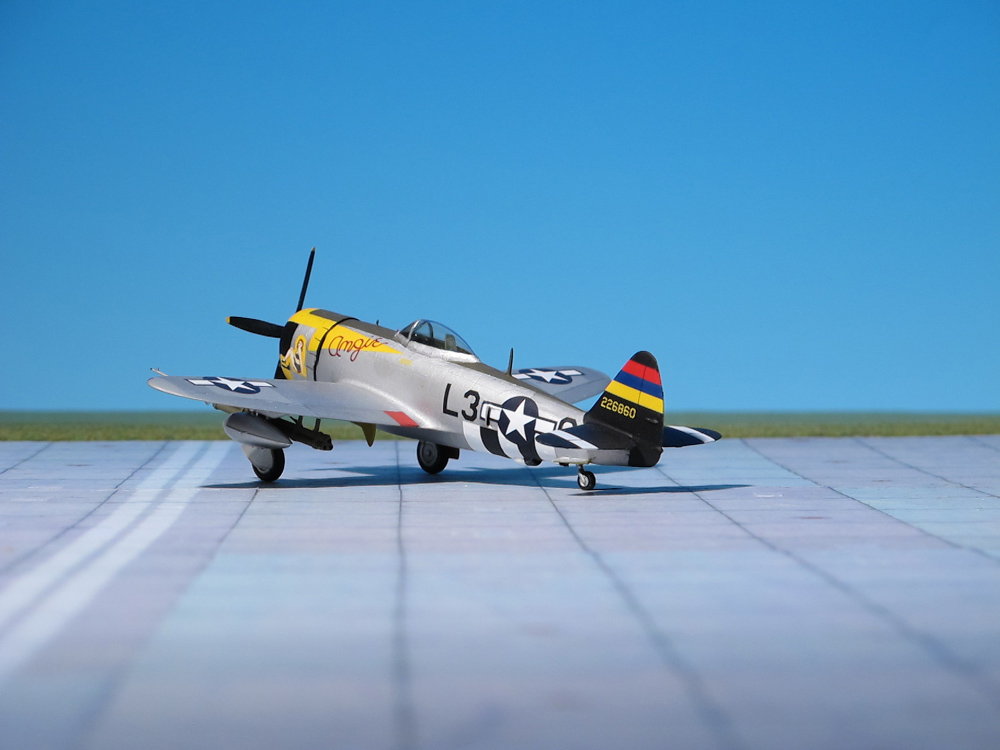
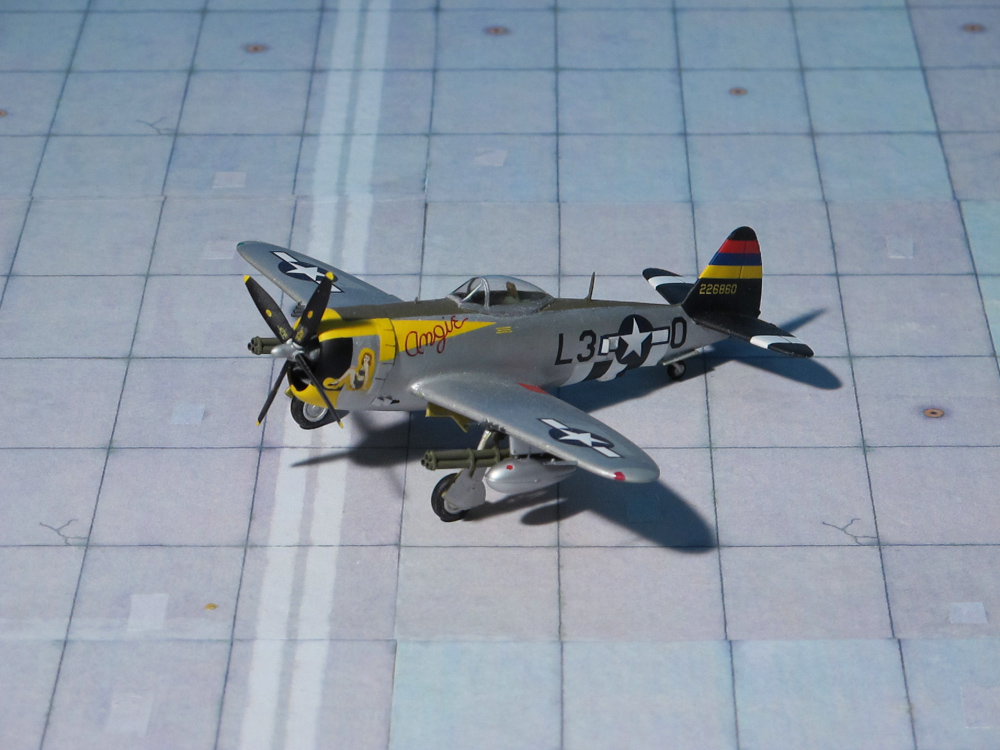
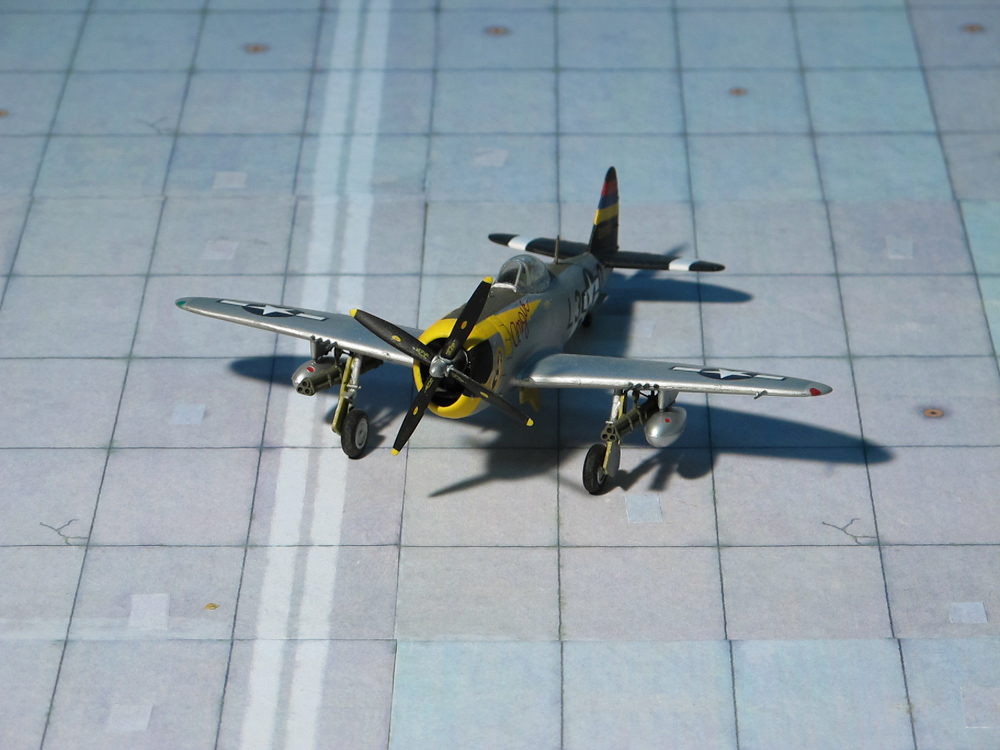
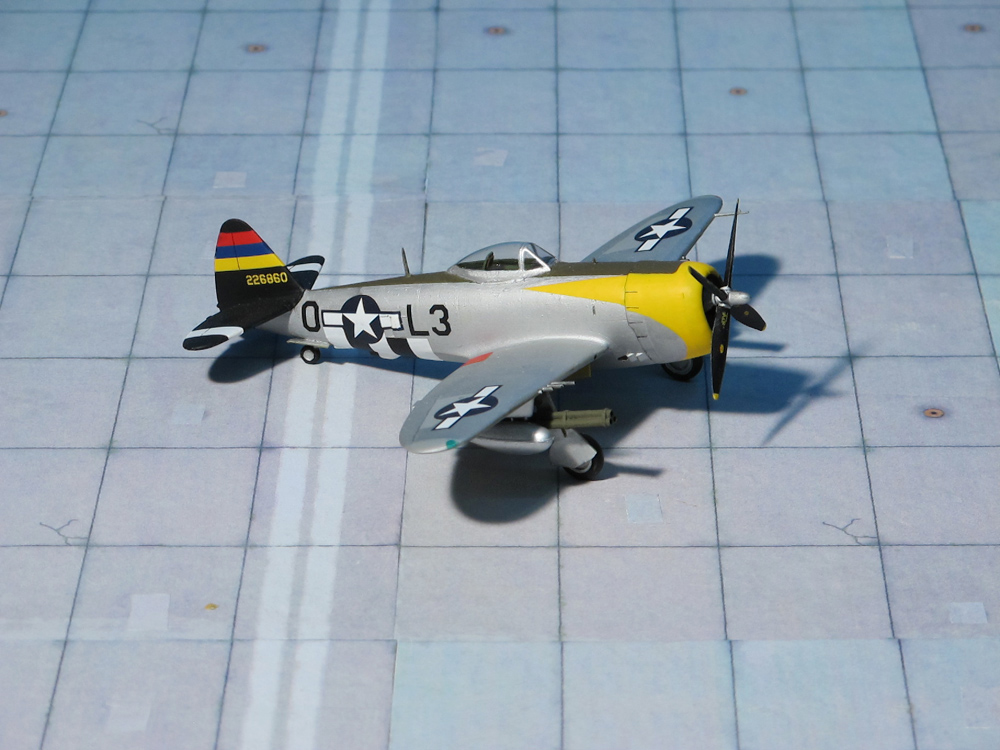
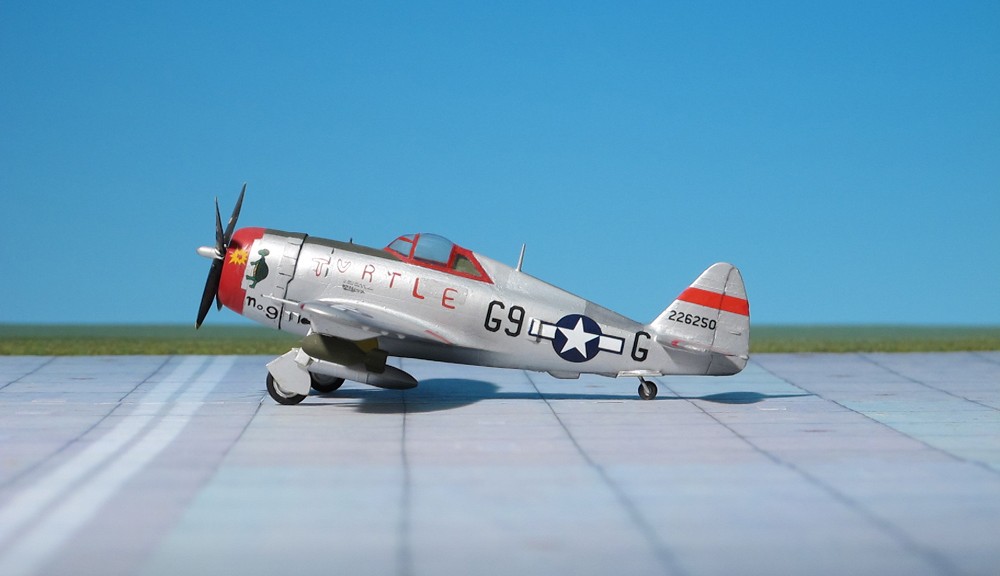
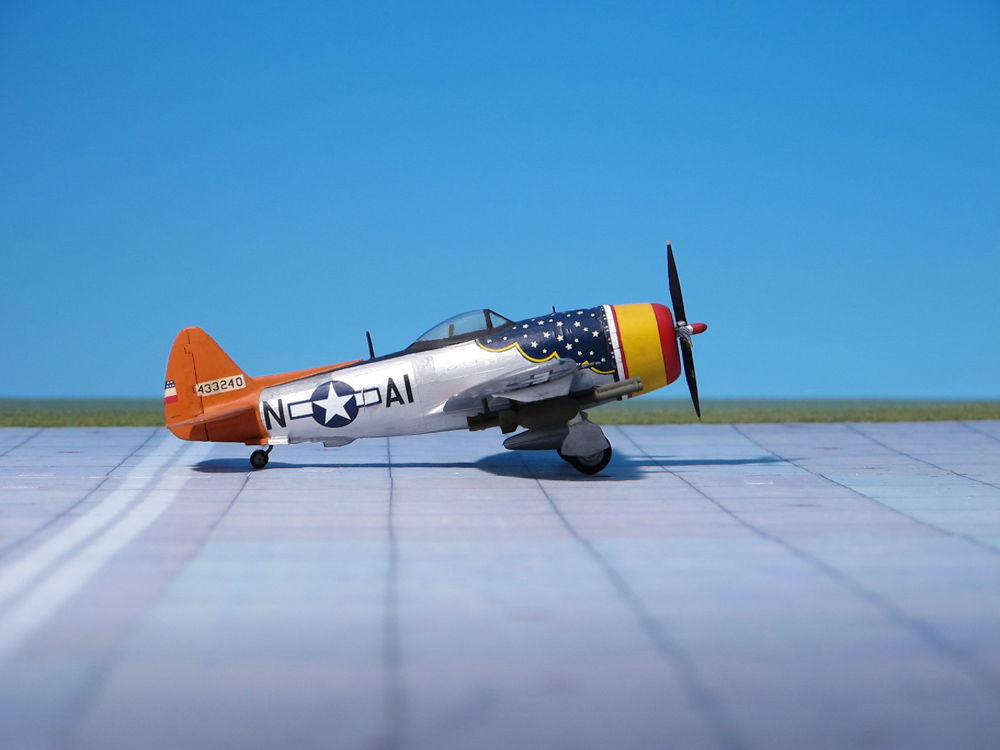
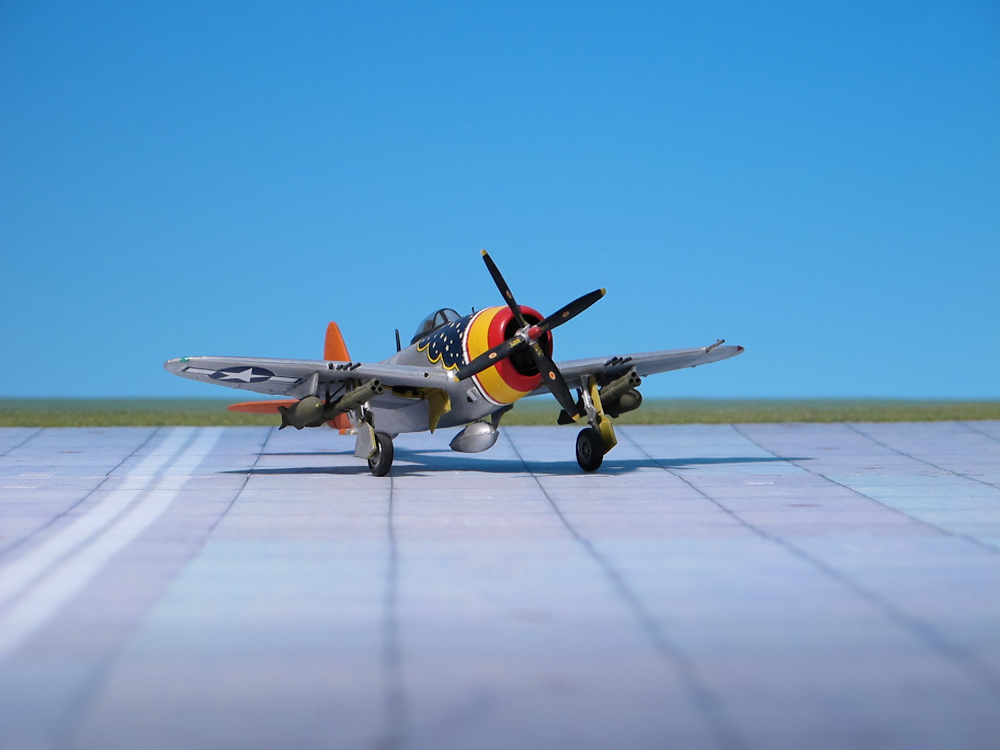
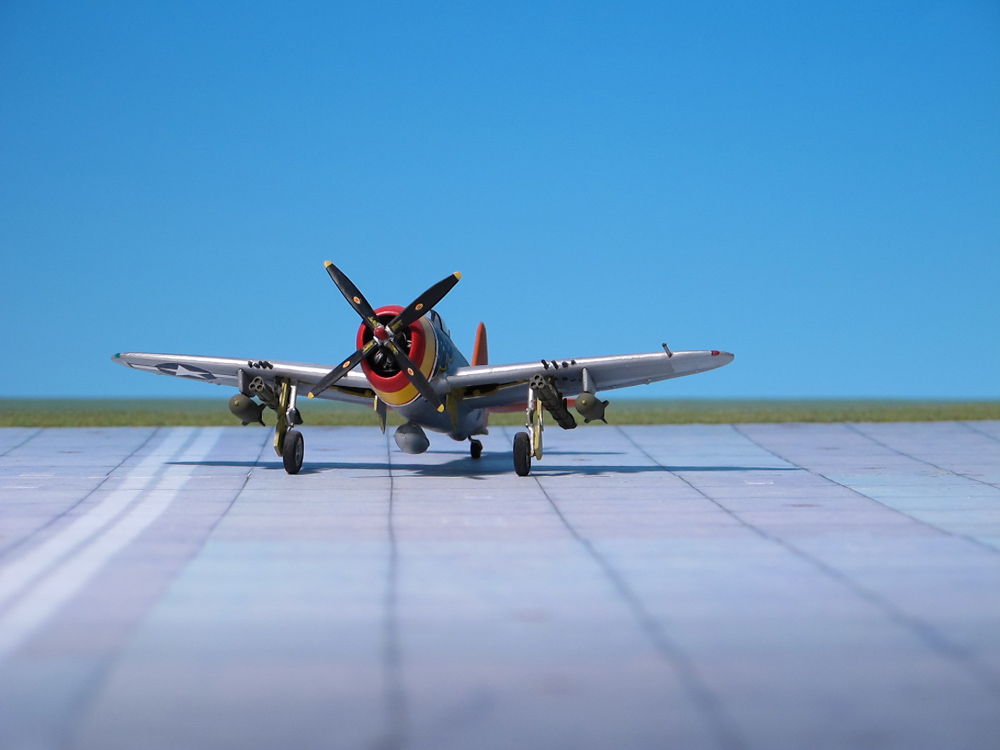
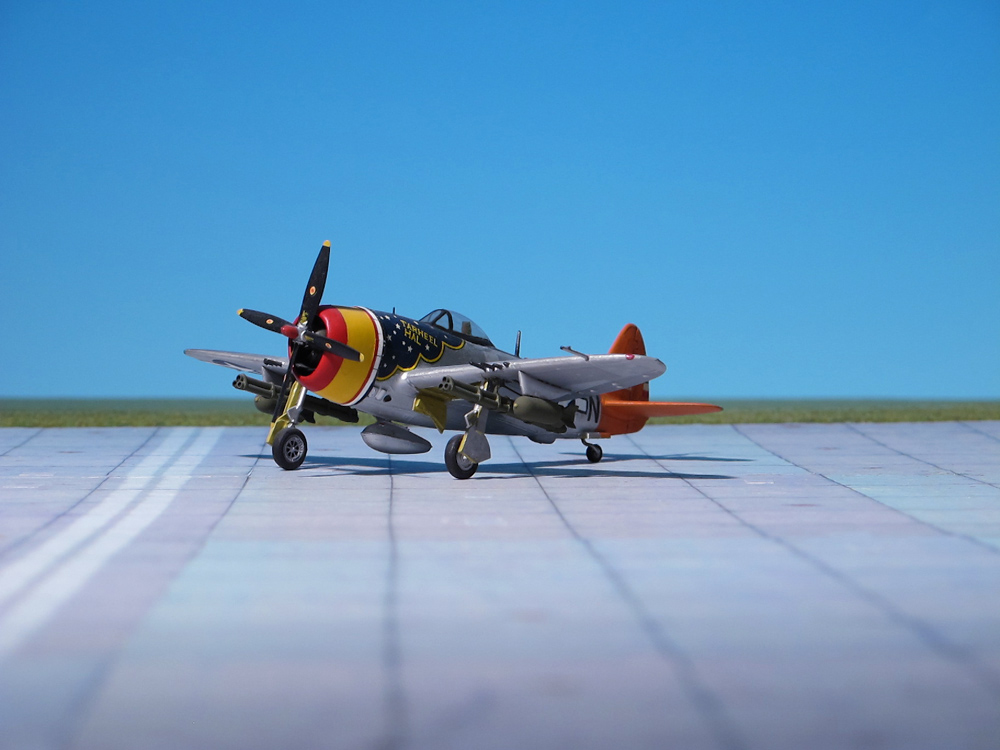
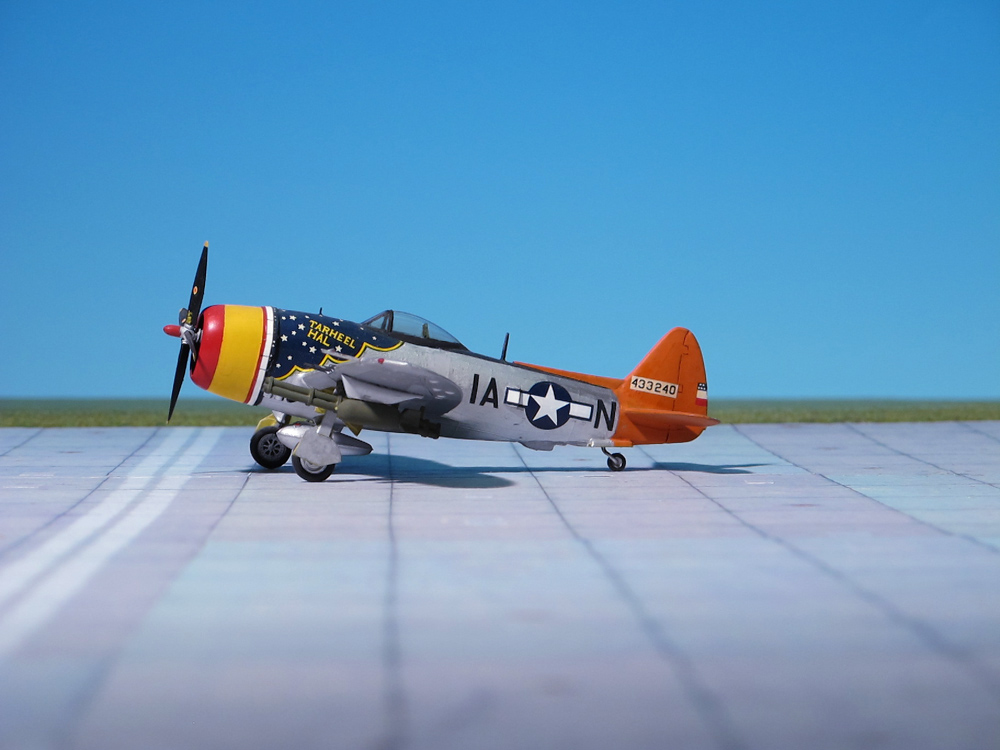
POWER PLANT: One Pratt & Whitney R-2800-53 engine, rated at 2,000 hp
PERFORMANCE: 414 mph
COMMENT: In 1940 the Curtiss Aircraft Company proposed a new design for the eventual replacement for the Curtiss P-40. The new aircraft, the Curtiss XP-60, went through a long series of prototype versions with different engines. Installation of the British Rolls-Royce Merlin engines led to the development of the XP-53, soon redesignated XP-60. Delayed deliveries of the Merlin engines necessitated the installation of Wright (XP-63C) as well as Chrysler (XP-60B) engines. To improve the performance of the XP-60C the engine was changed again, this time a Pratt & Whitney R-2800 with contra-rotating propellers was installed. During its first flight the results were generally satisfactory. Changing the contra-props into a four-bladed propeller led to the XP-60E. But the performance was poorly, too, and further work on this design was abandonded. (Ref.: 8)
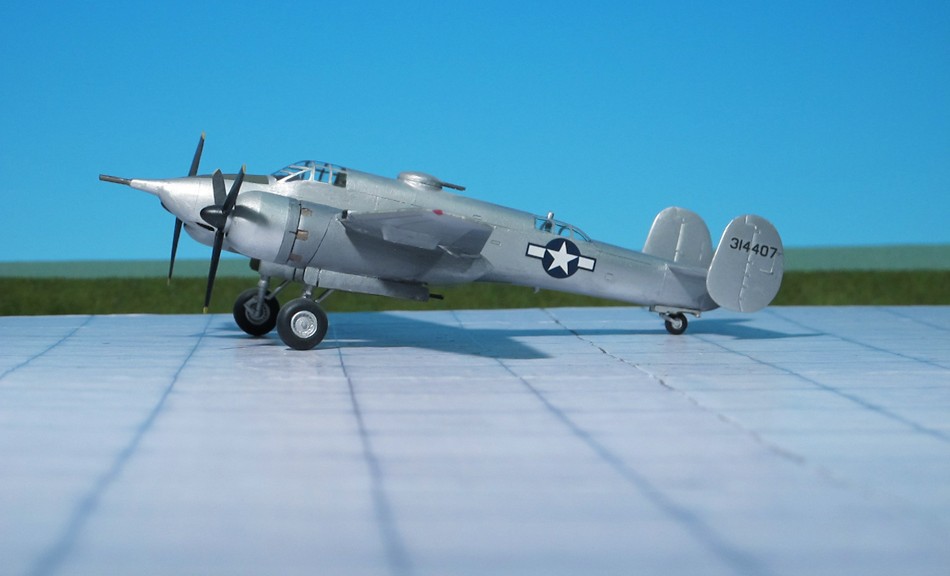
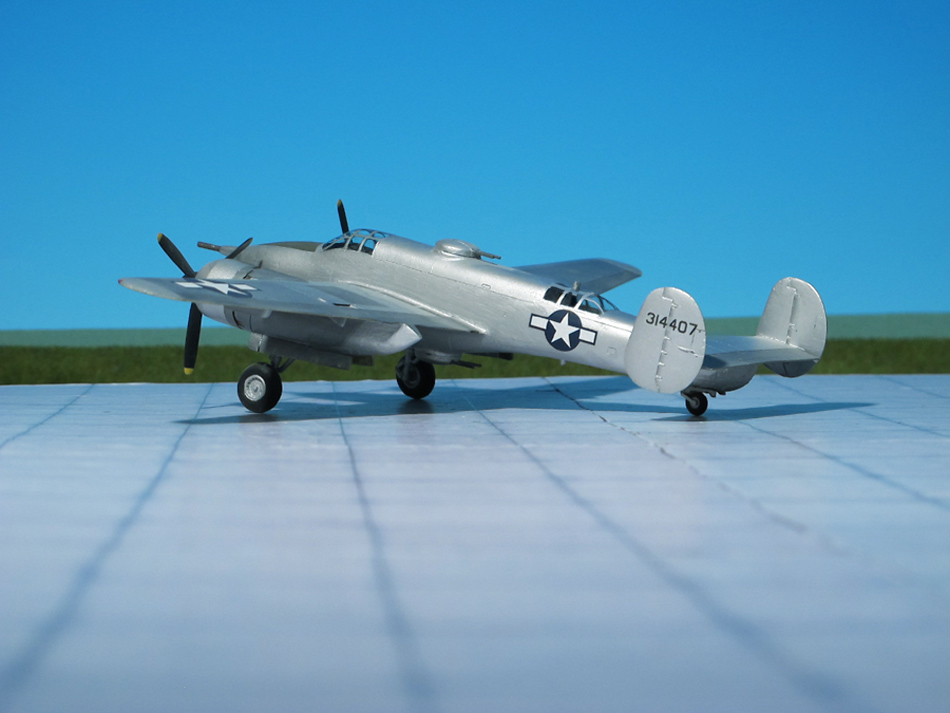
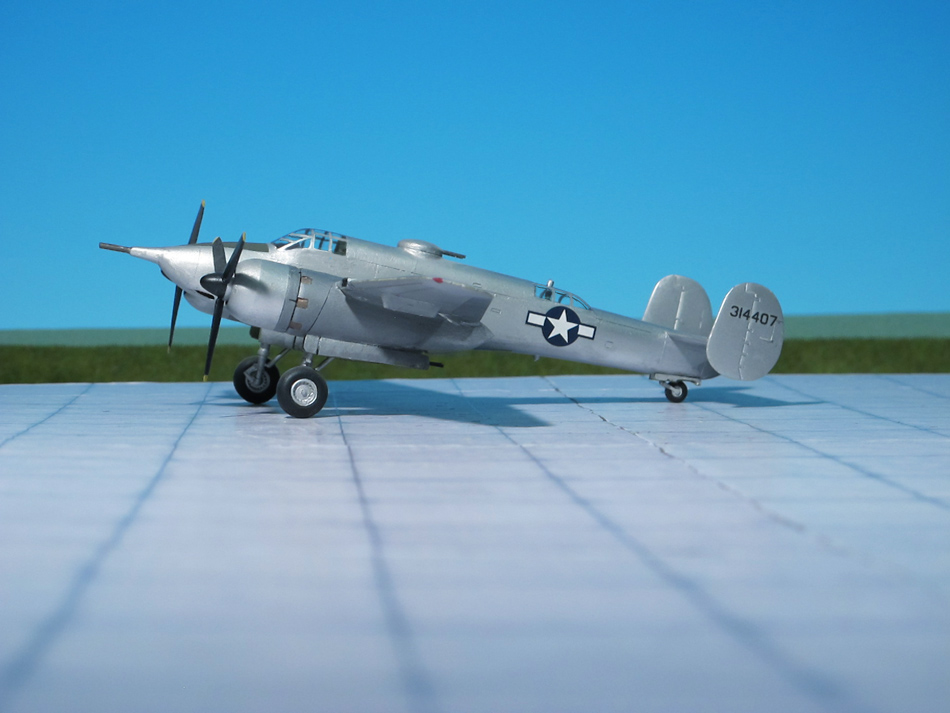
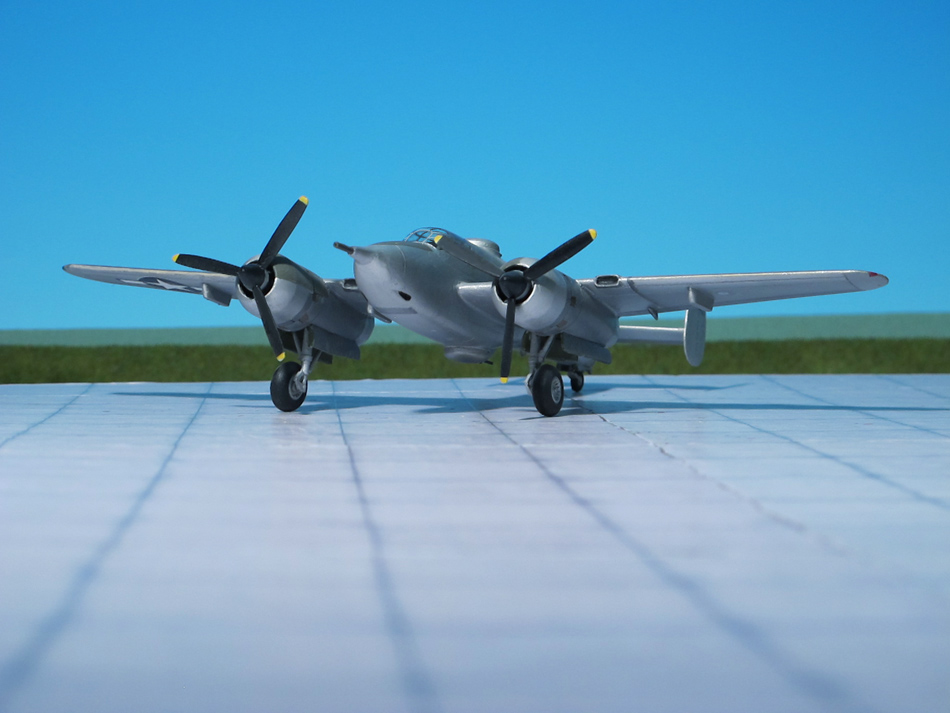
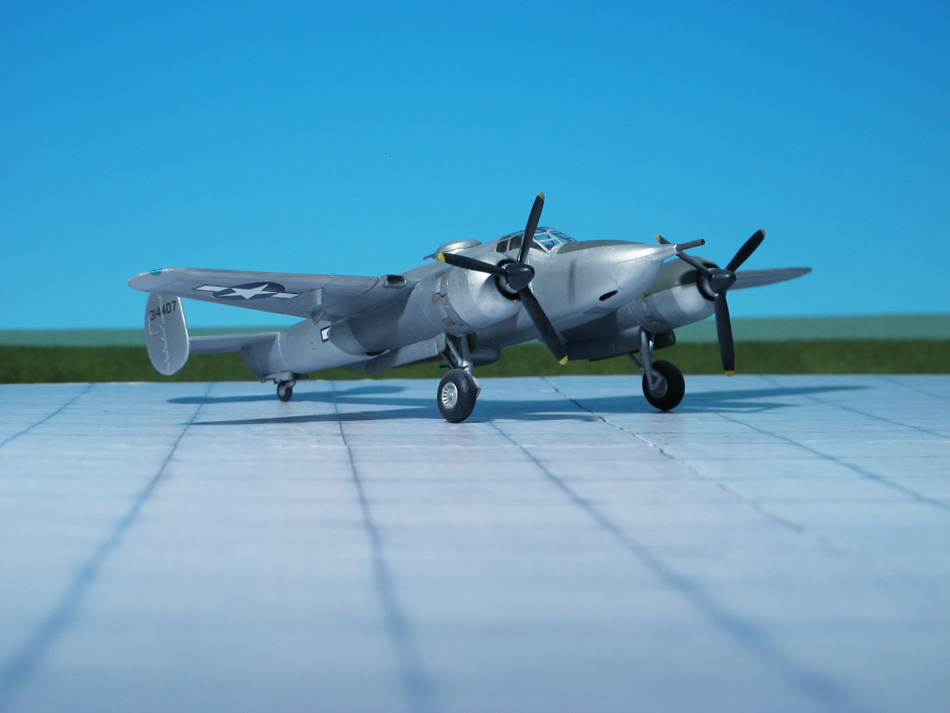
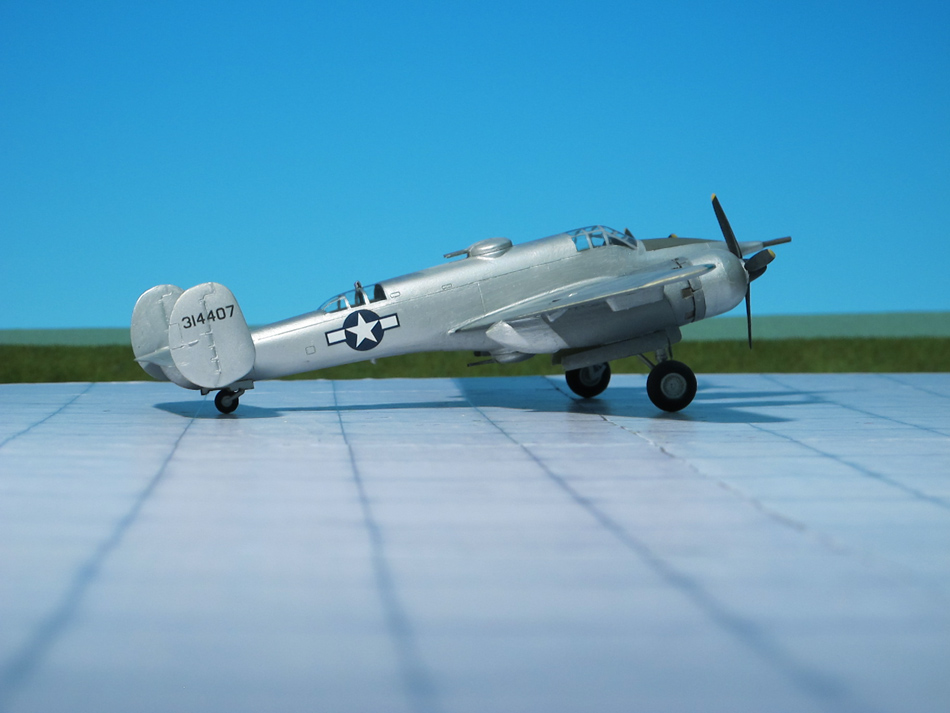
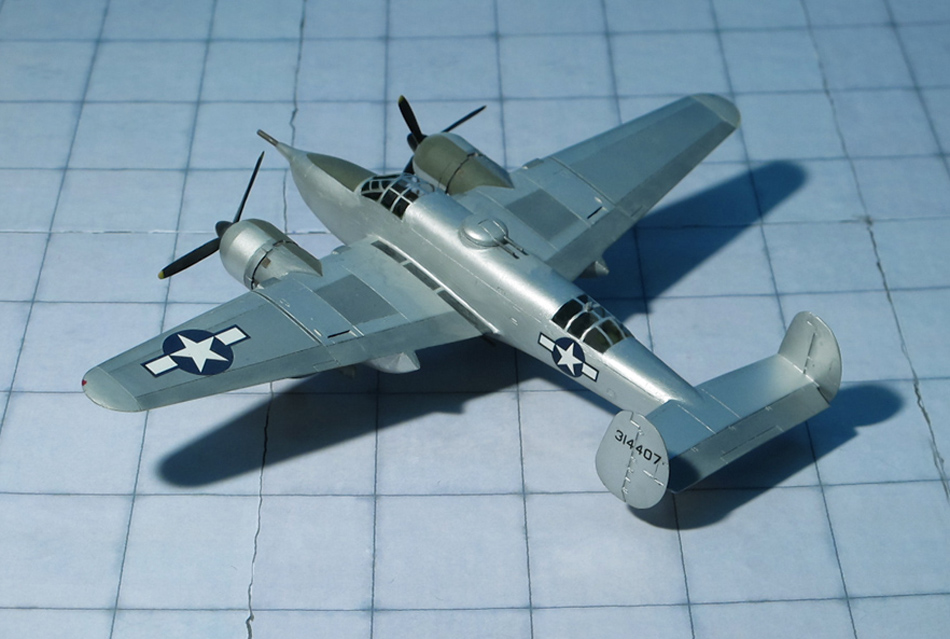
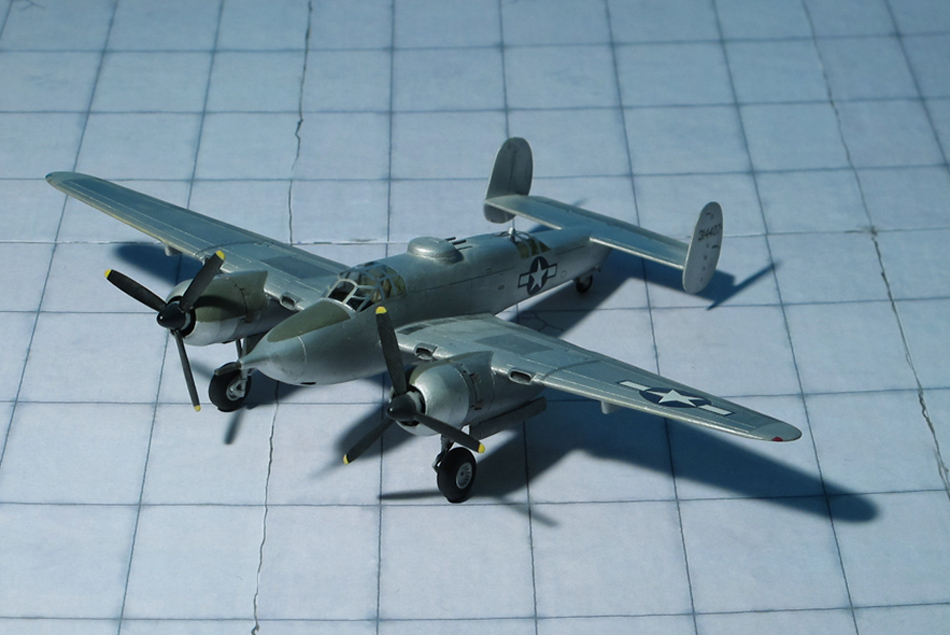
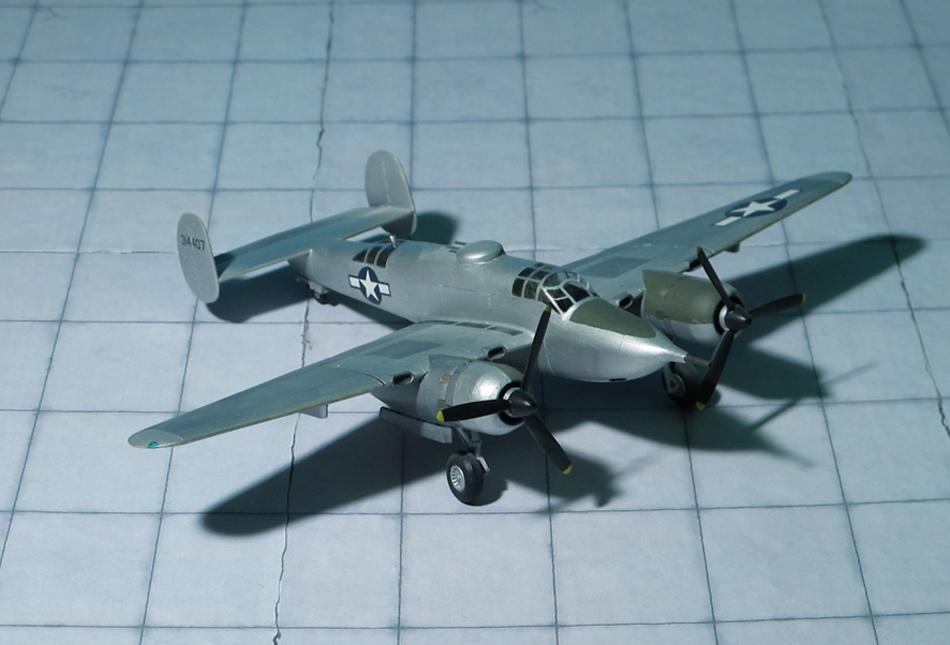
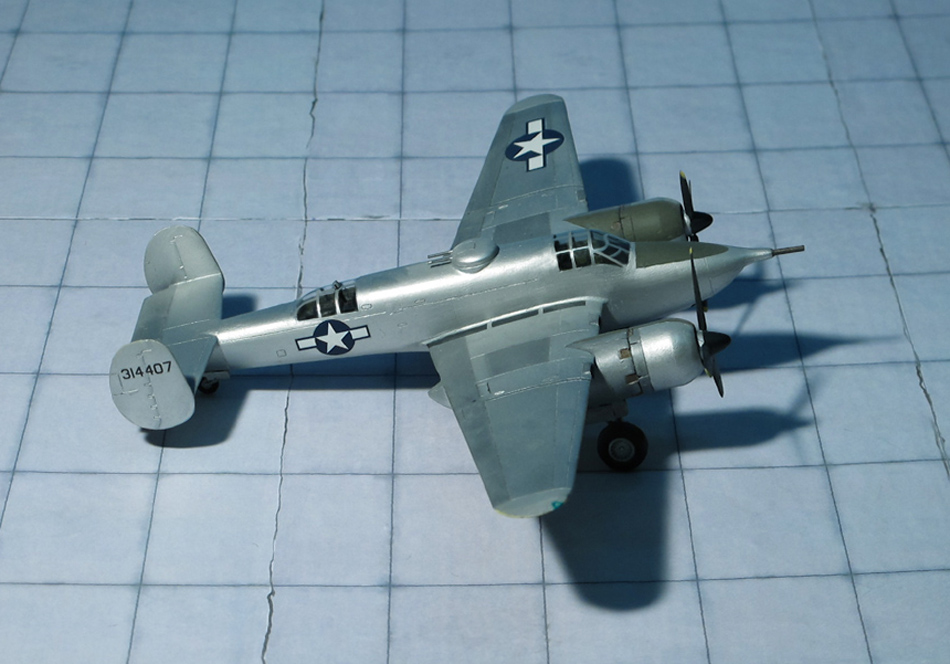
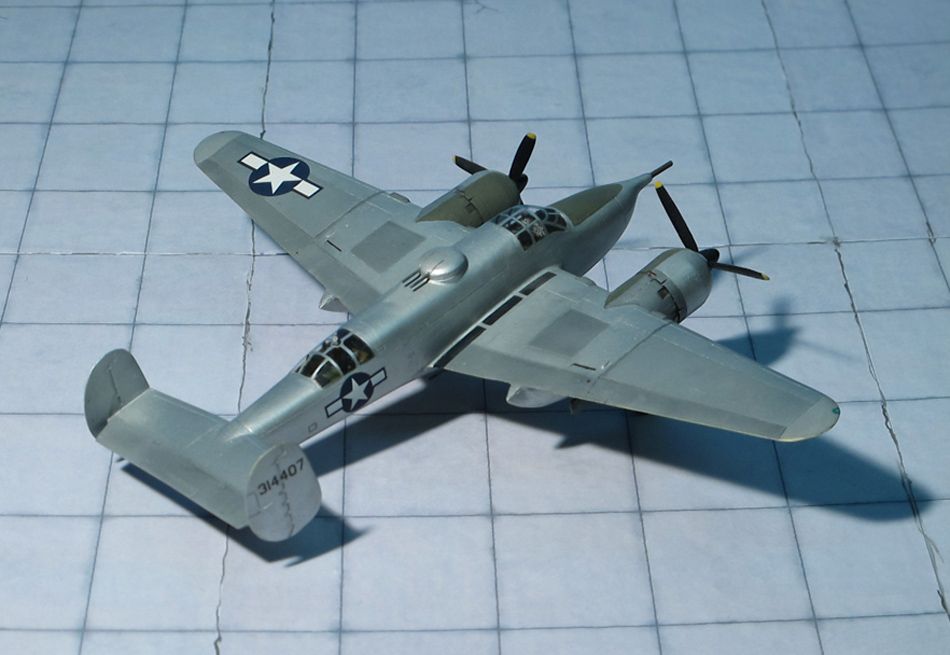
POWER PLANT: Two Wright R-3350-43 Duplex Cyclone engines, rated at 2,300 hp each
PERFORMANCE: 370 mph at 17,000 ft
COMMENT: The Beechcraft XA-38 Grizzly was a World War II-era ground attack aircraft, developed by Beechcraft, but never put into production. The Grizzly was to have been fitted with a forward-firing 75 mm cannon to penetrate heavily armored targets.
While the first prototype flew on May 1944, testing established that the type would not be ready for the projected invasion of Japan. It also featured the Wright R-3350 engines already in use with the Boeing B-29 Superfortress – which had priority. Consequently, the XA-38 was canceled after a second prototype had been completed.
The United States Army Air Force awarded the Beech Aircraft Corporation a contract in December 1942 for two prototypes for their Model 28 “Destroyer”. Initially the Model 28 had been a bomber-destroyer design but shifted to give a powerful ground attack aircraft to replace the Douglas A-20 Havoc, with the ability to hit “hardened” targets like tanks and bunkers and to attack coastal shipping. This capability was achieved through a 75 mm cannon with 20 rounds, mounted in a fixed position on the nose as well as two .50 cal M2 Browning machine guns firing forward. Defensive armament consisted of remotely controlled ventral and dorsal turrets, each armed with twin .50 cal machine guns. There were to be two crew members, a pilot and an observer/gunner in the rear cabin, using periscope sights to aim the guns.
On May 1944, the XA-38 made its maiden flight from the company’s Wichita airfield. The aircraft proved satisfactory in all respects and better than expected in some, including top speed.
During testing, the XA-38 prototypes were flown by USAAF pilots and serviced by military personnel, proving to be reliable and establishing a high level of serviceability.
The armament proved especially effective; if not for a shift in wartime priorities in 1944, the aircraft would most likely have been ordered in quantity even though the Boeing B-29 had priority for the Wright R-3350 engines. Instead, one prototype was scrapped and the other, intended for the USAF Museum, had an unknown fate (Ref.:24).
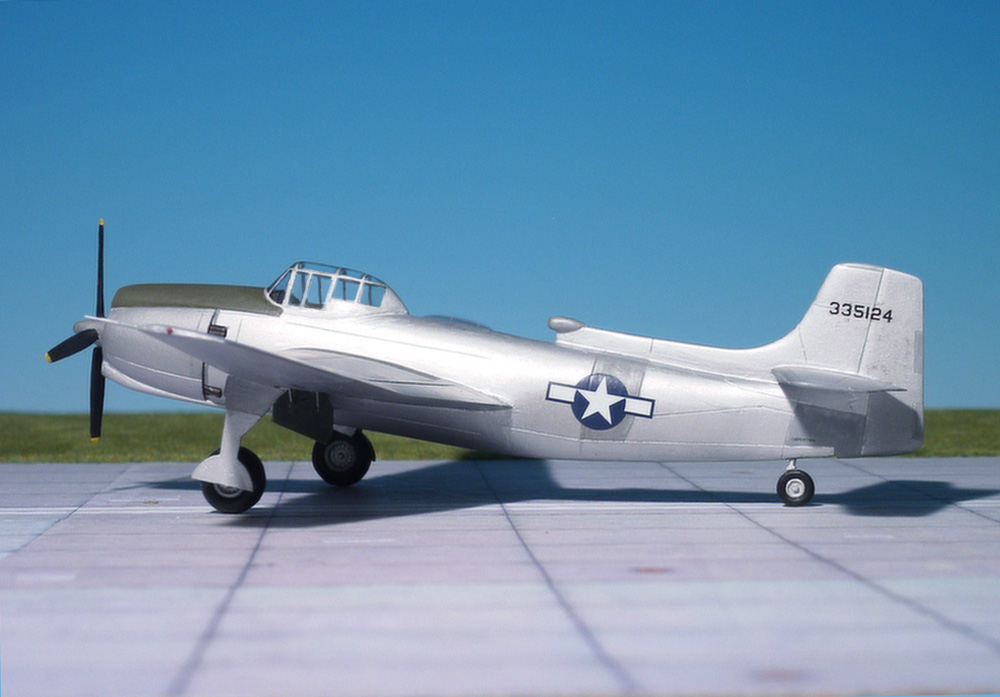
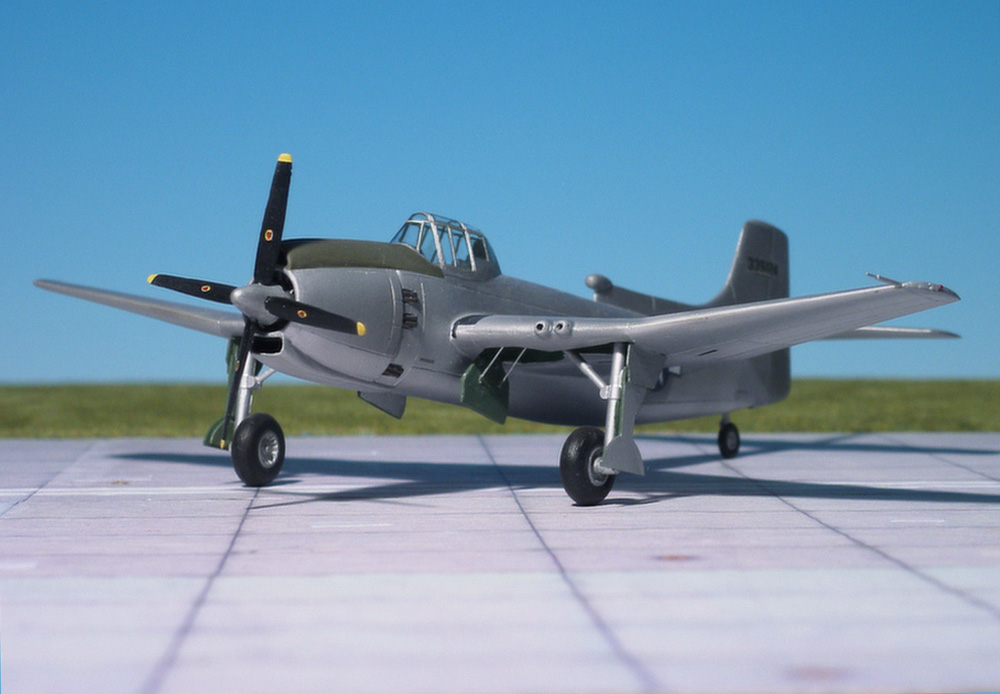
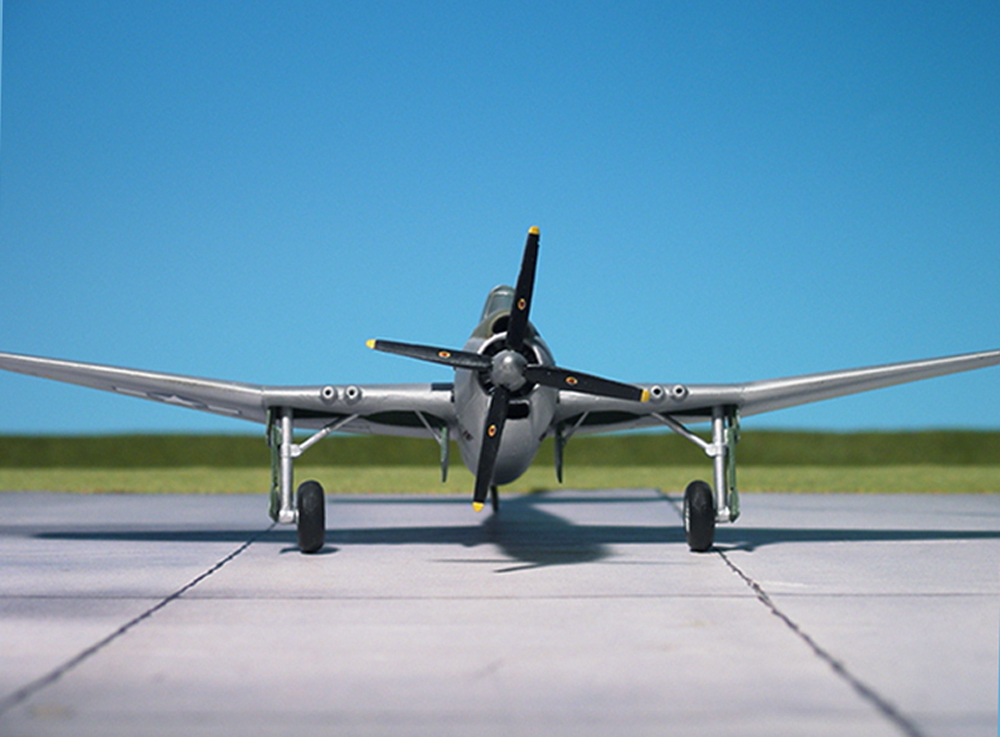
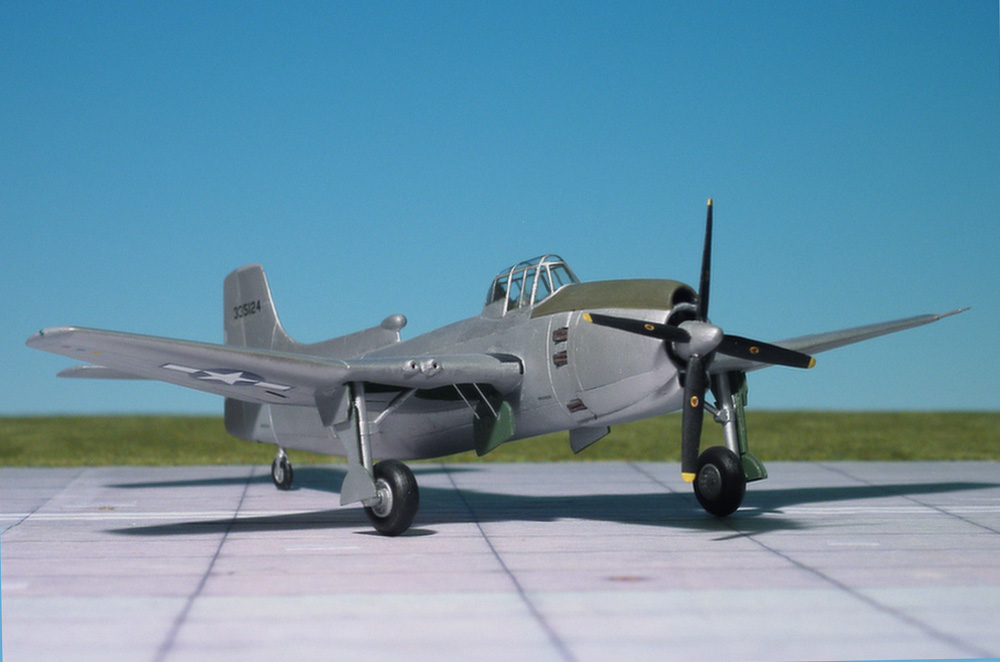
POWER PLANT: One Pratt & Whitney R-4360-10, rated at 3,000 hp
PERFORMANCE: 432 mph
COMMENT: The estimated excellent performance of this aircraft, designed for the US Navy, was of great interest for the US Army Air Force, too. So the third (of three) prototype was delivered to the US Army Air Force and tested at Eglin Air Force base. But the advent of new jet fighters led to the cancellation of many wartime piston-engined projects. So consequently, the USAF lost interest in pursuing the project and the prototype was scrapped.
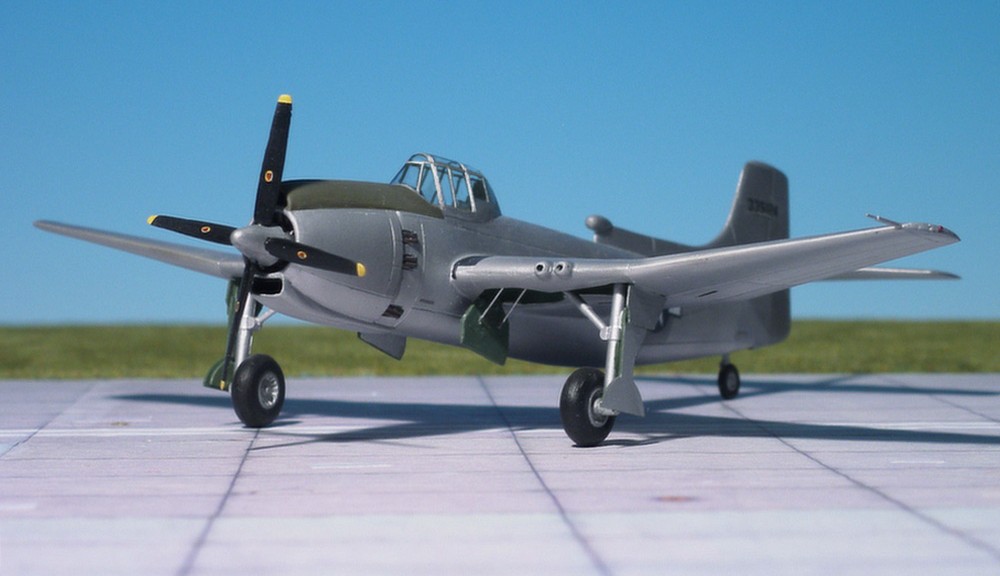
POWER PLANT: One Pratt & Whitney R-4360 radial engine, rated at 3,000 hp
PERFORMANCE: 363 mph
COMMENT: The Vultee XA-41 was originally ordered as a dive bomber. After combat experience led the U.S. Army Air Corps to believe dive-bombers were too vulnerable to enemy fighters, the contract was amended to change the role to low-level ground attack. Although the XA-41 was a potent weapons system, the design was overtaken by more advanced technology, and never entered production.
The Vultee engineering team decided early in the design process to build the XA-41 (company Model 90) around the 3,000 hp Pratt & Whitney R-4360 “Wasp Major” radial engine. The large wing resembled that of the two-seat attack aircraft/dive bomber Vultee A-31/A-35 “Vengeance including a straight leading edge, forward-tapered trailing edge and pronounced dihedral on the outer wing panels. Designed to carry both a large internal load and external stores, the XA-41 was large for a single-engine aircraft. The single-place cockpit, set in line with the wing root, was 15 ft off the ground when the airplane was parked. As operational priorities shifted during its development phase, the original order for two XA-41 prototypes was cancelled, although the USAAF pressed for the completion of one prototype as an engine testbed for the R-4360, the same engine used by the Boeing B-50 “Superfortess” bomber.
Flying for the first time on February 1944, the sole XA-41 proved to have good performance with a maximum speed of 354 mph reached in testing and superb maneuverability, being able to out-turn a P-51B “Mustang”. However, with the reduction in military orders due to the approaching end of the war, no production contract was placed, and the aircraft was used as an engine testbed for the USAAF as well as being evaluated by the U.S. Navy in comparison with other contemporary attack aircraft, especially the Douglas AD-1 “Skyraider” and Martin AM-1 “Mauler”. After its Navy trials, the XA-41, bearing civil registration, was consigned to the Pratt & Whitney division of United Aircraft to continue engine tests. These continued until 1950 before the XA-41 was scrapped (Ref.: 24).
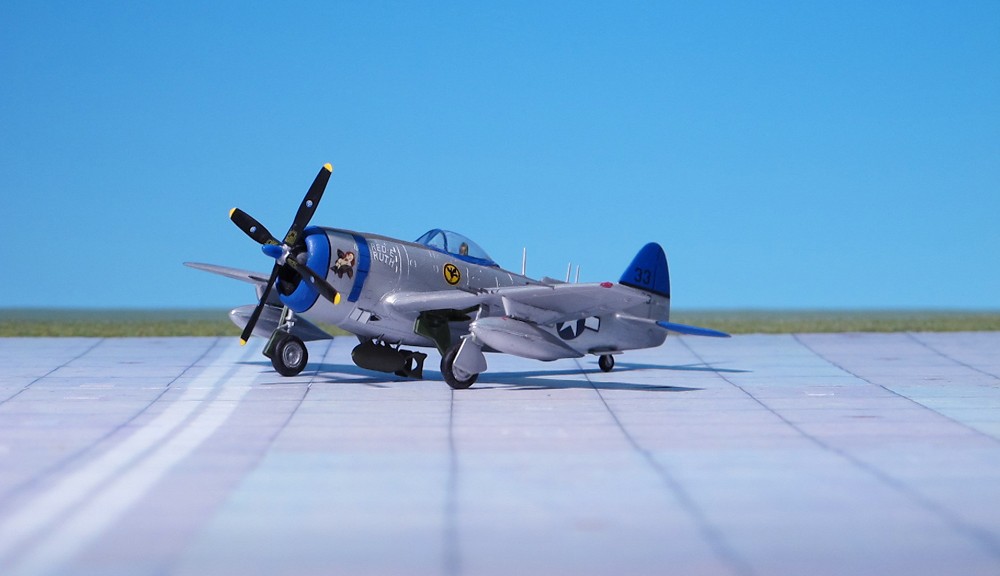
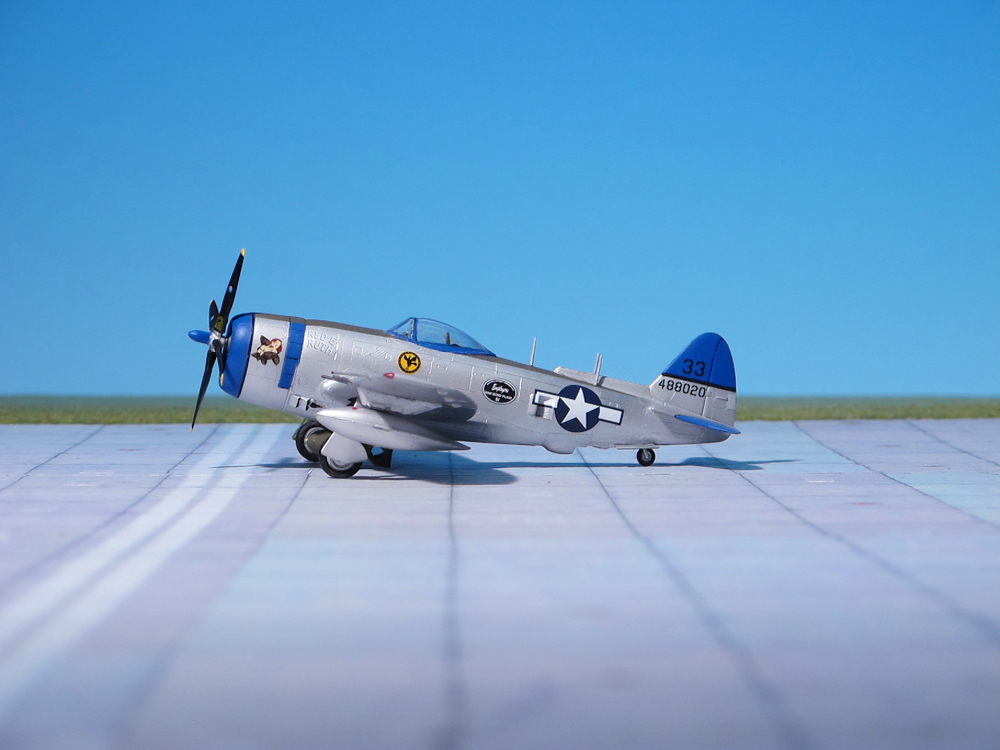
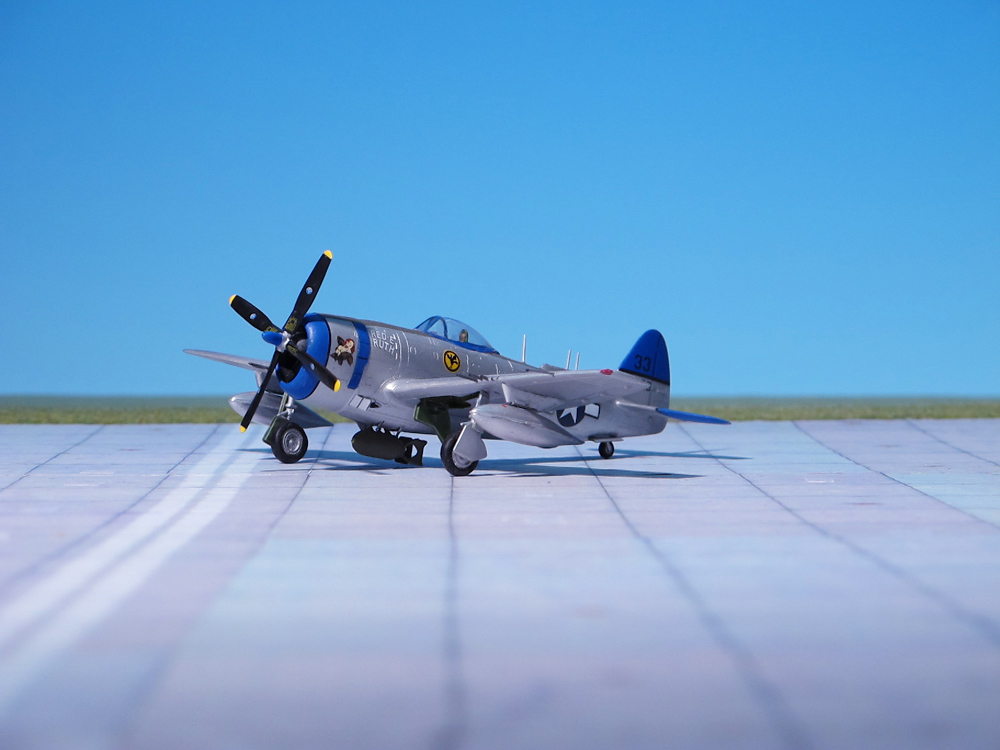
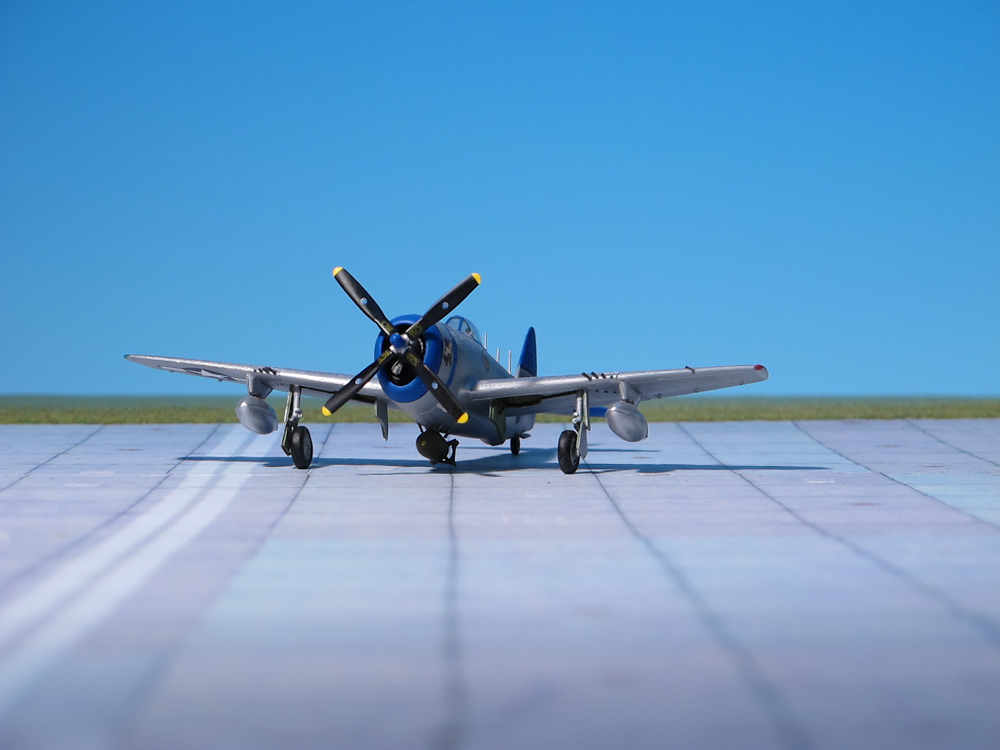
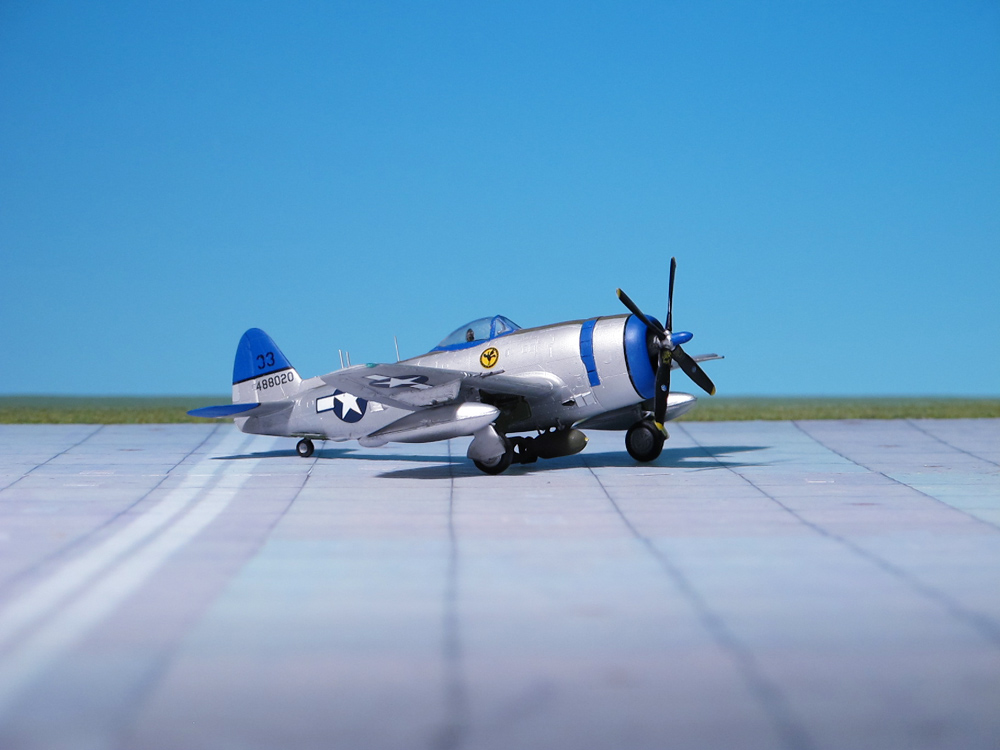
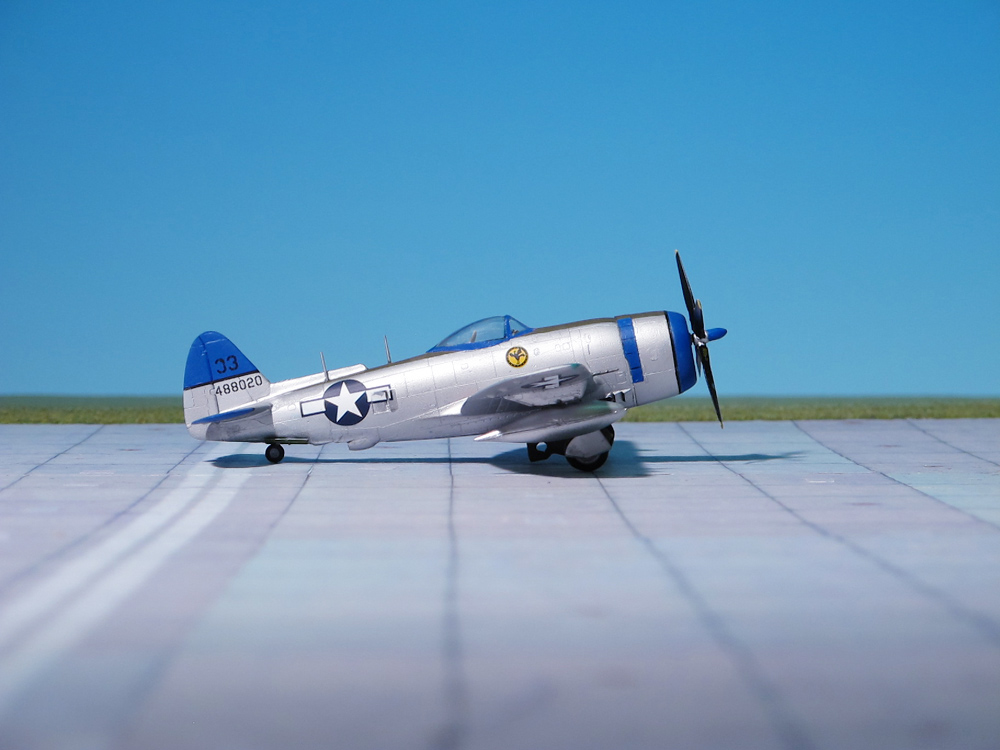
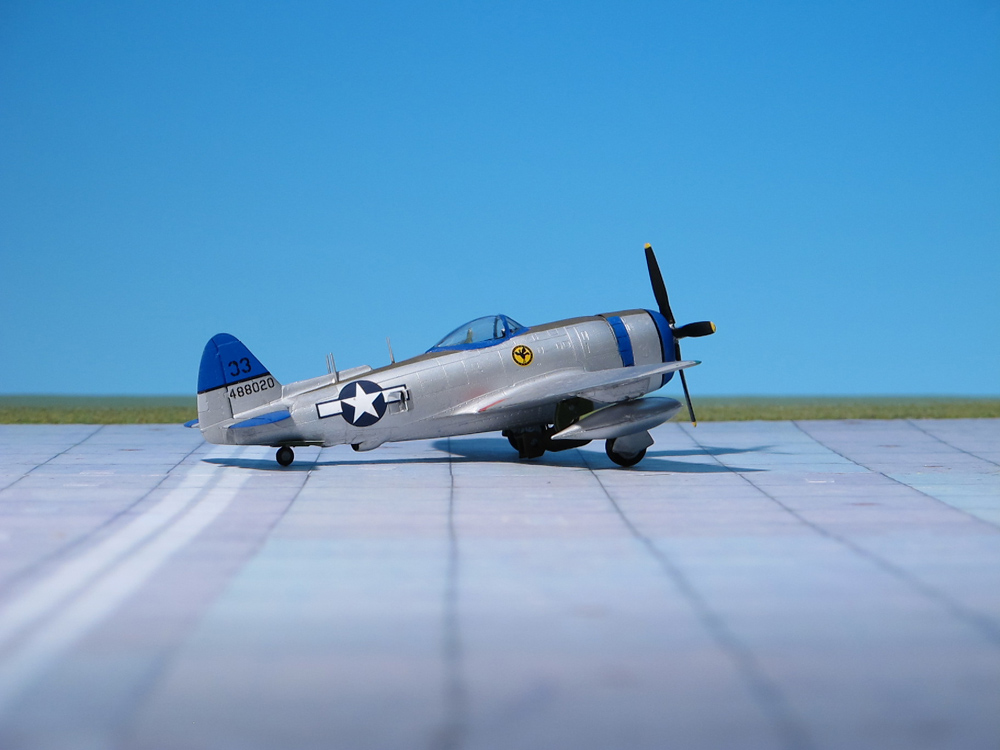
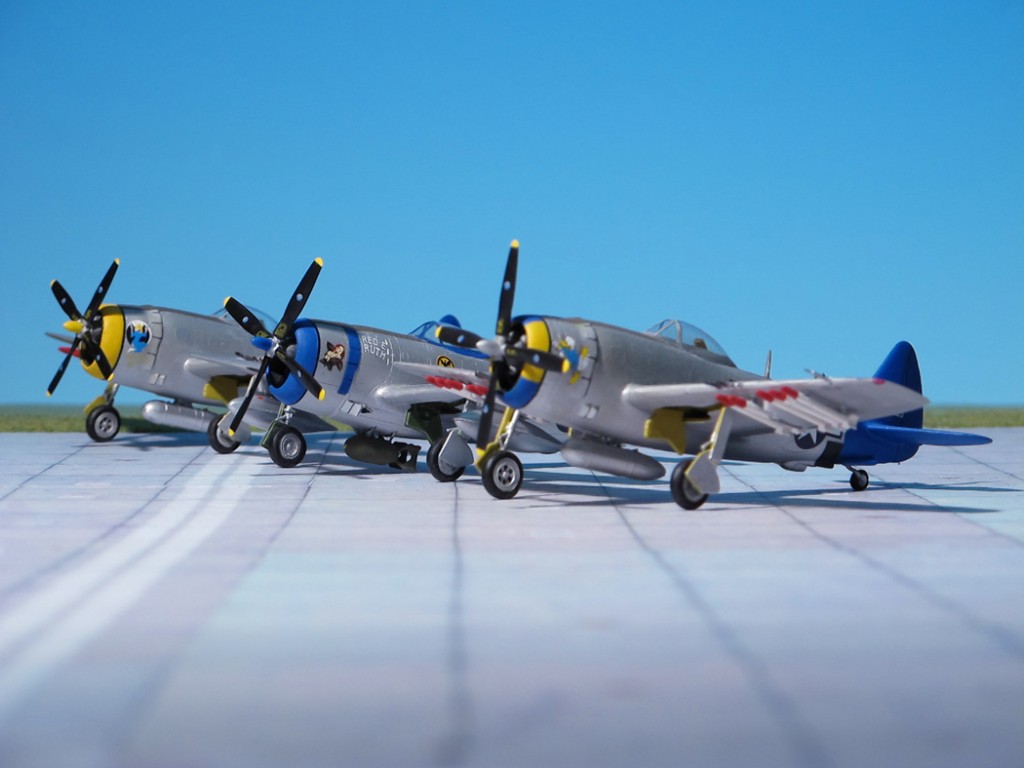
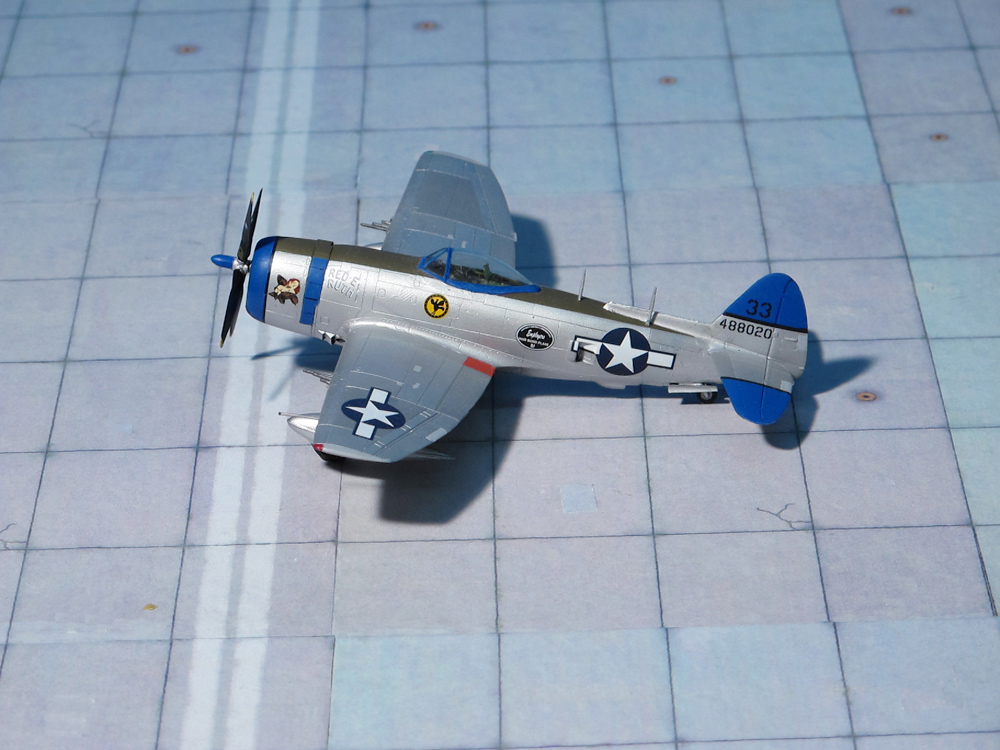
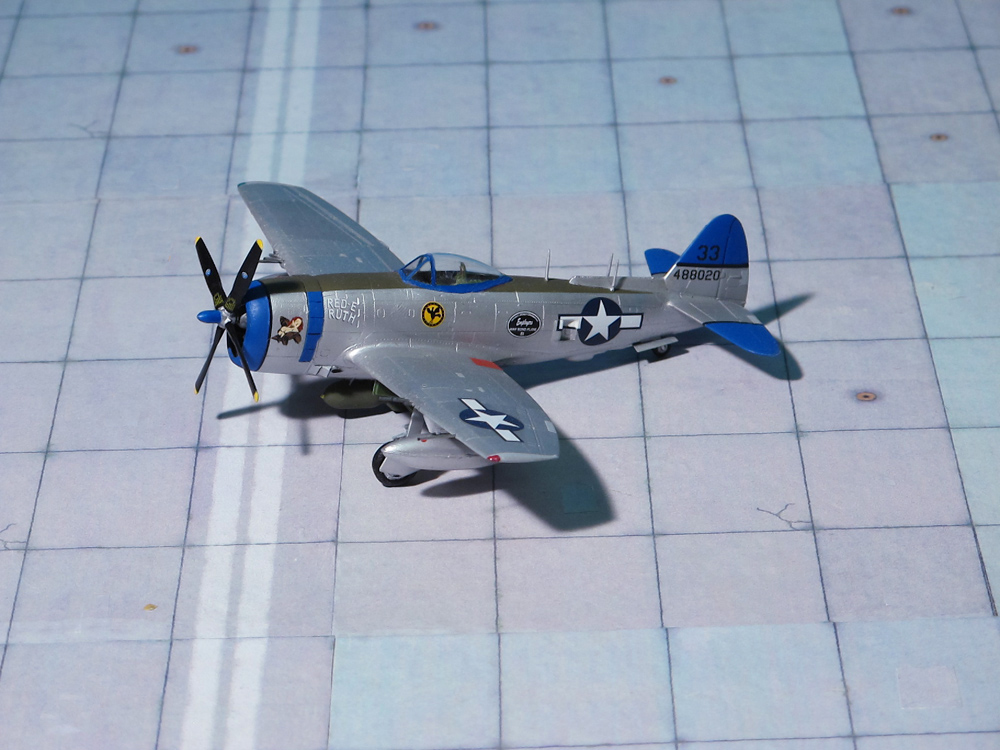
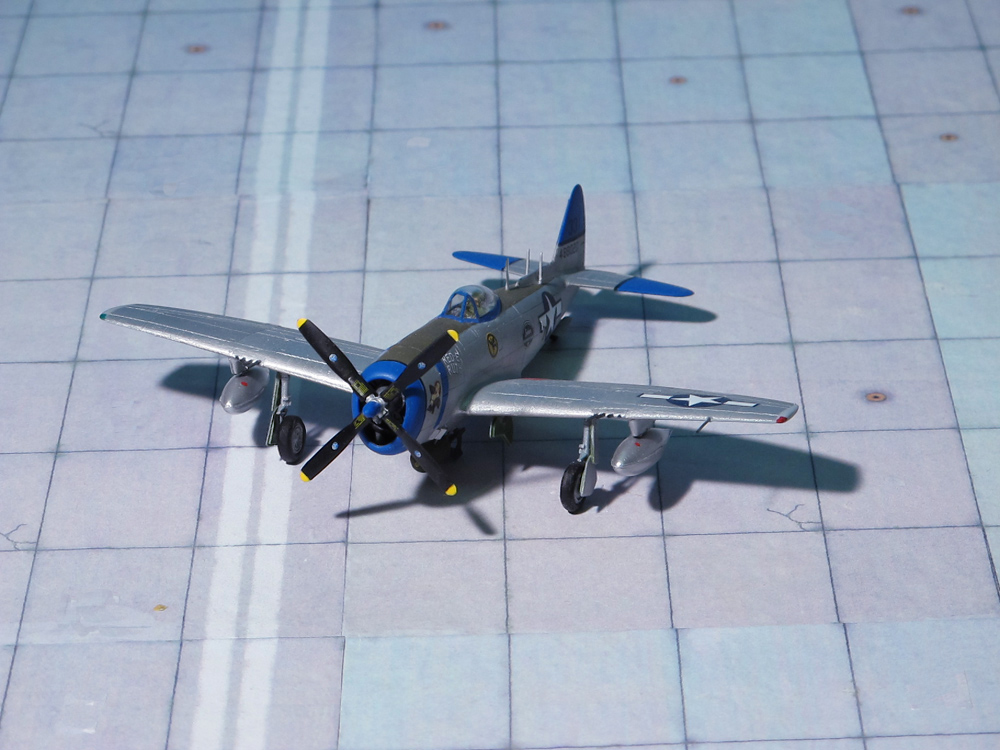
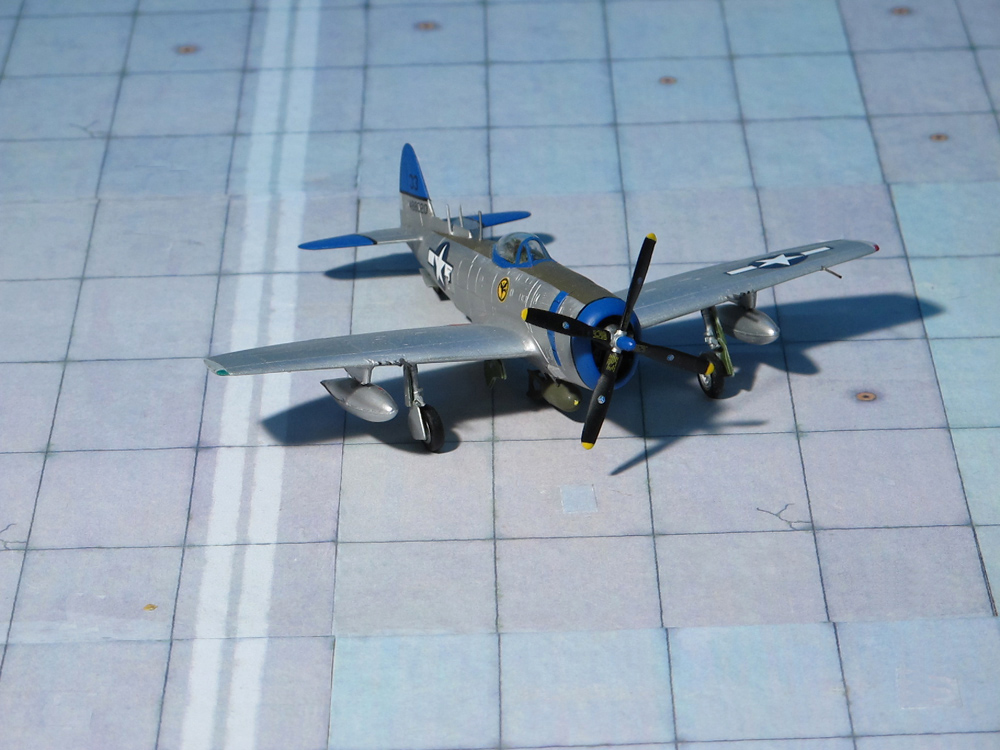
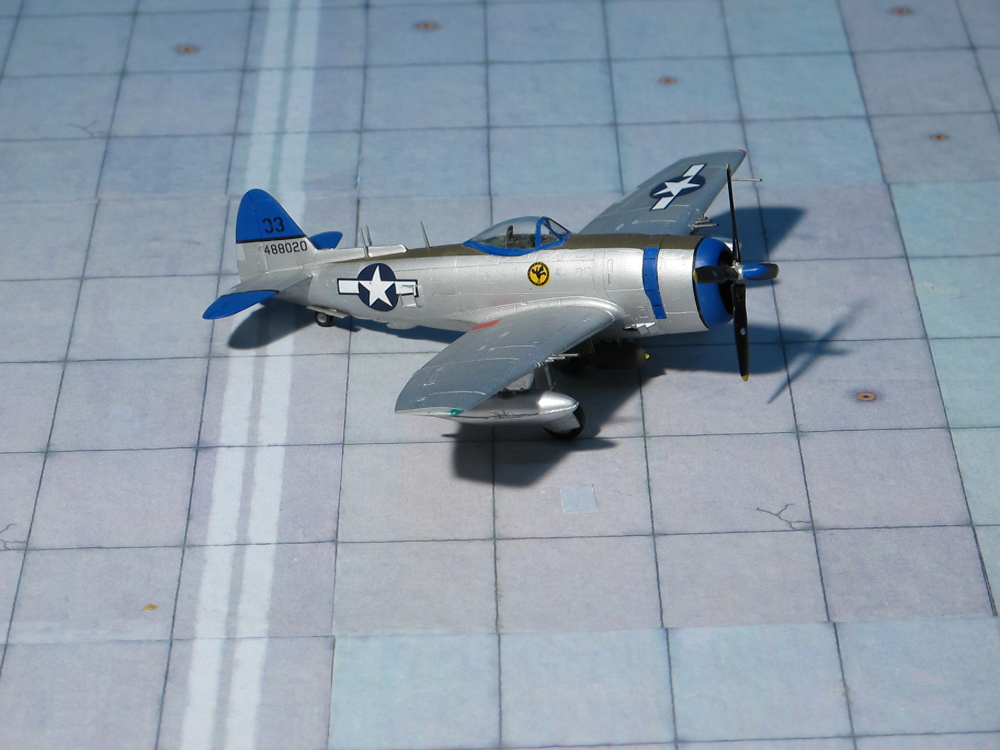
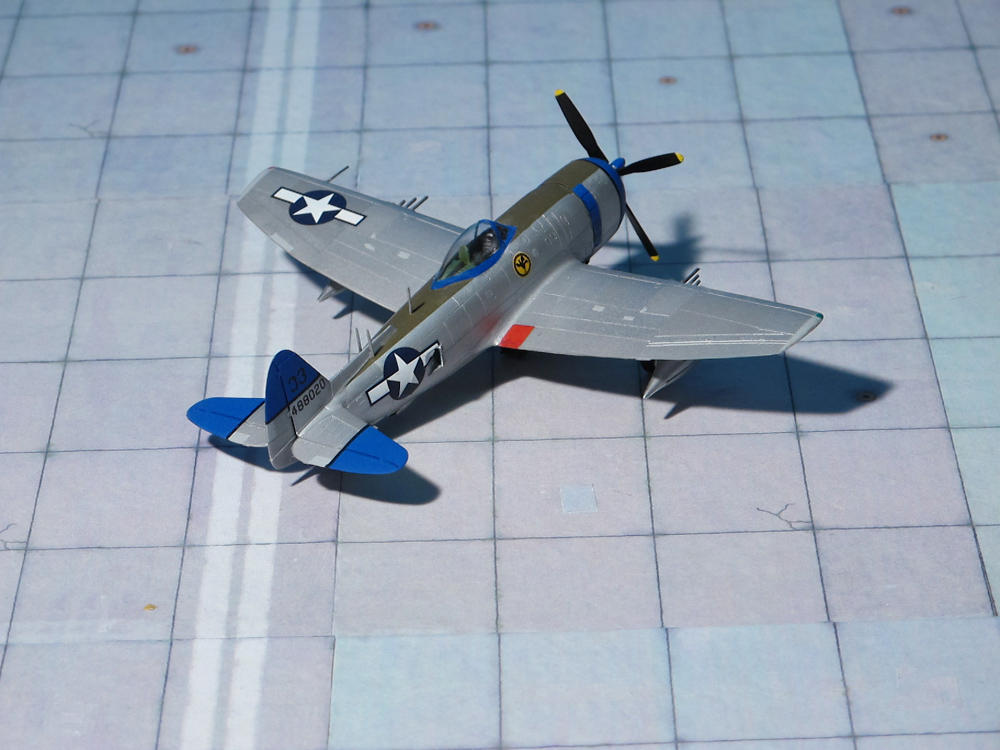
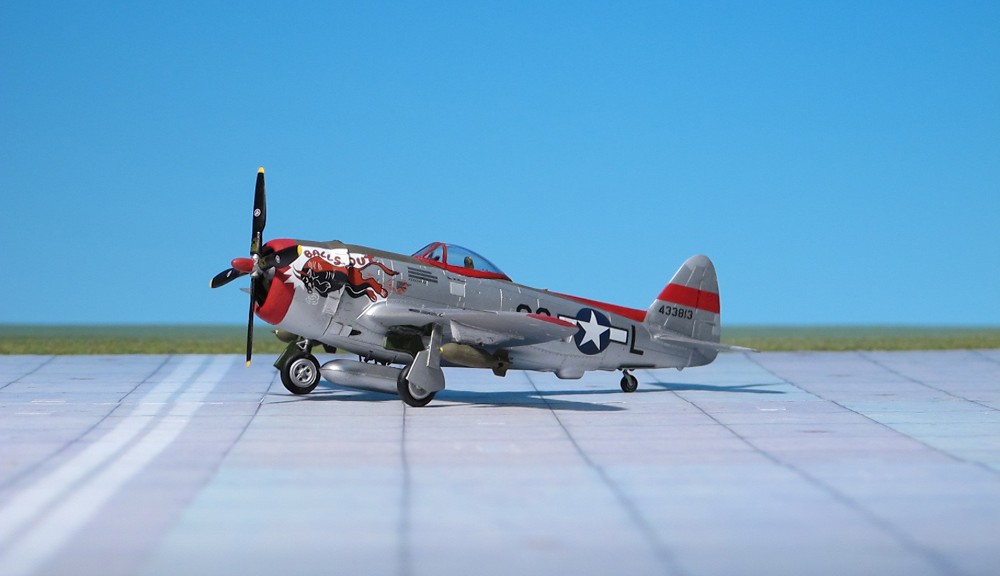
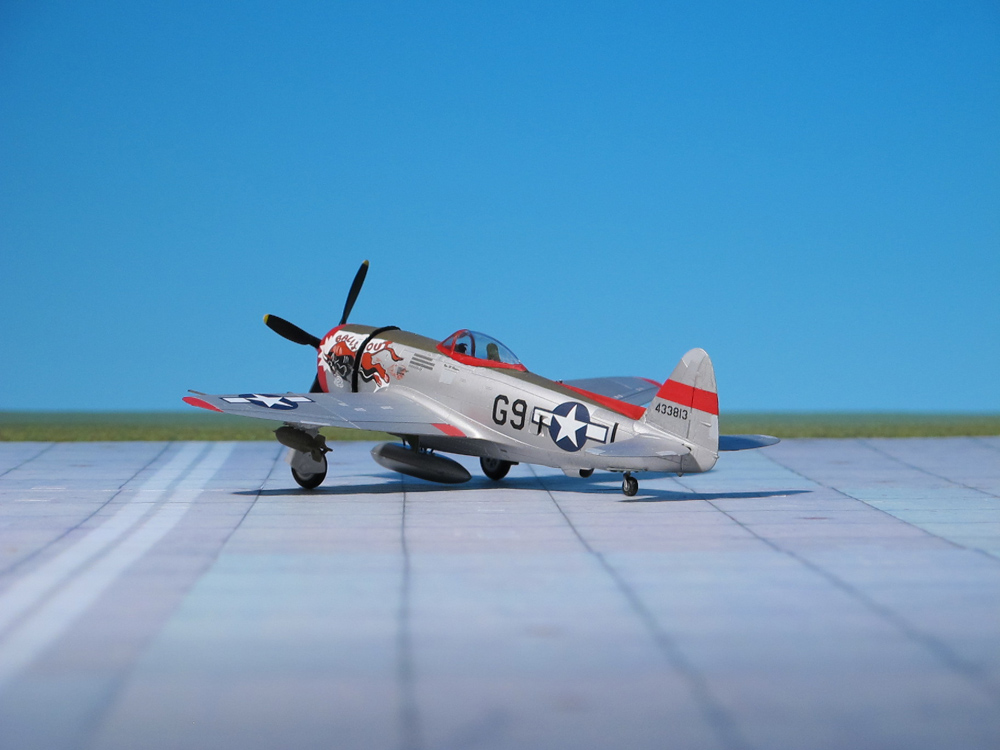
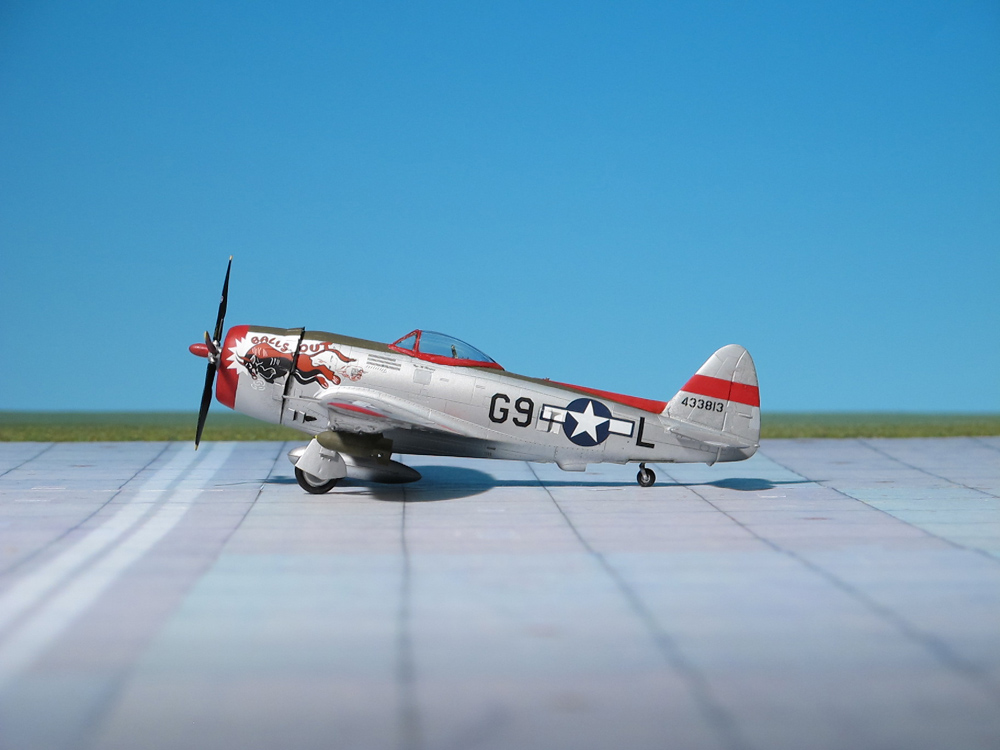
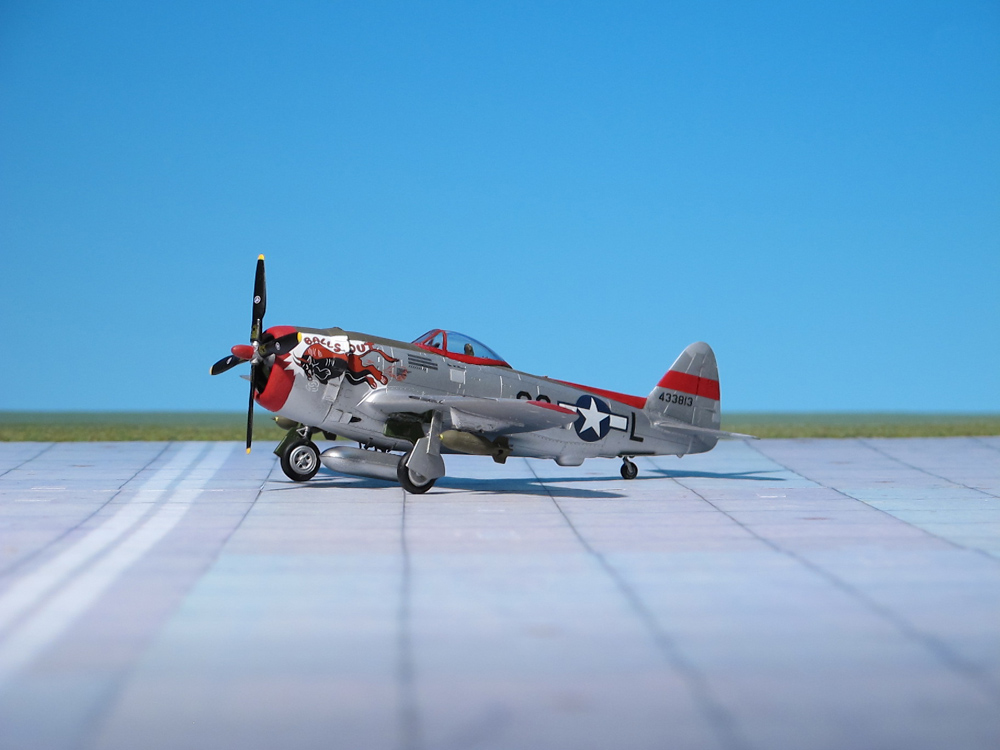
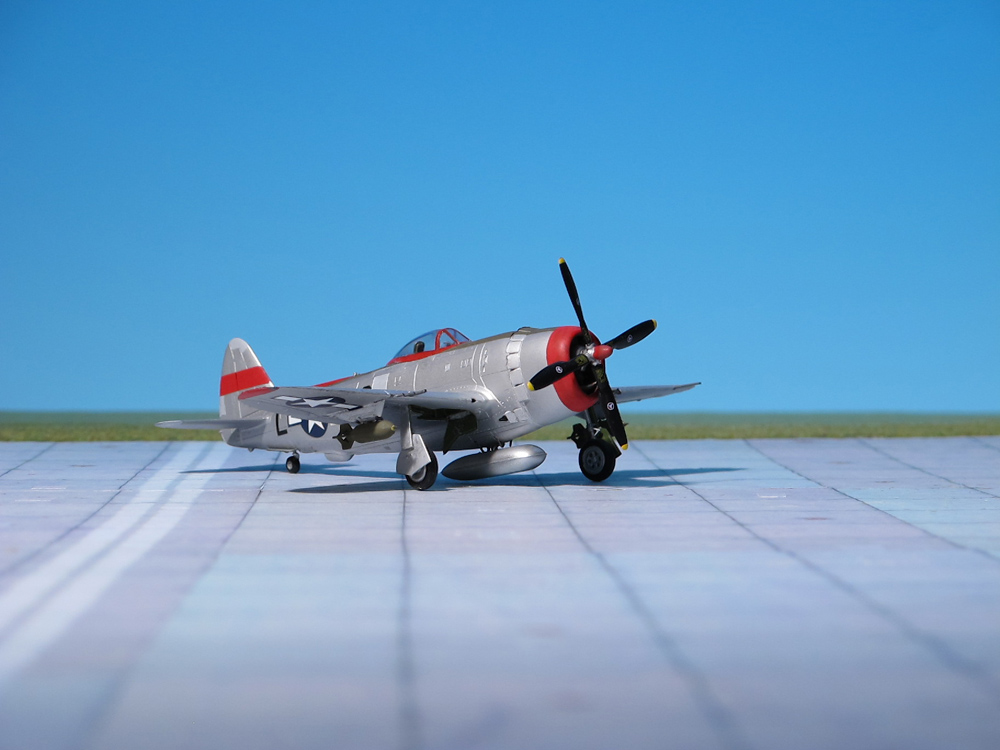
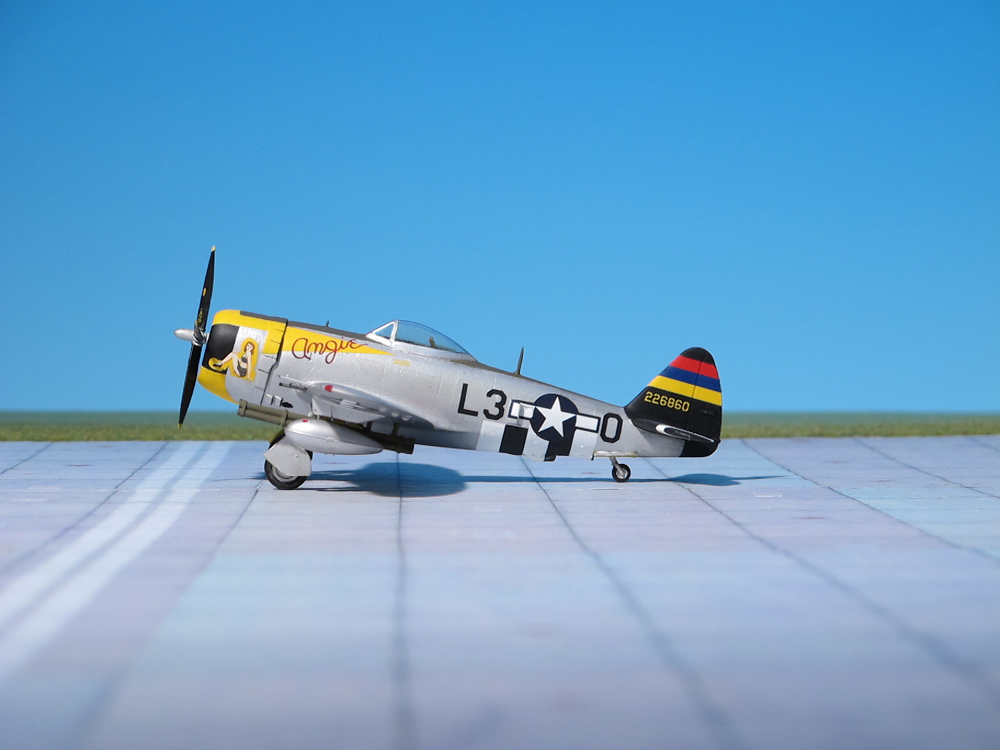
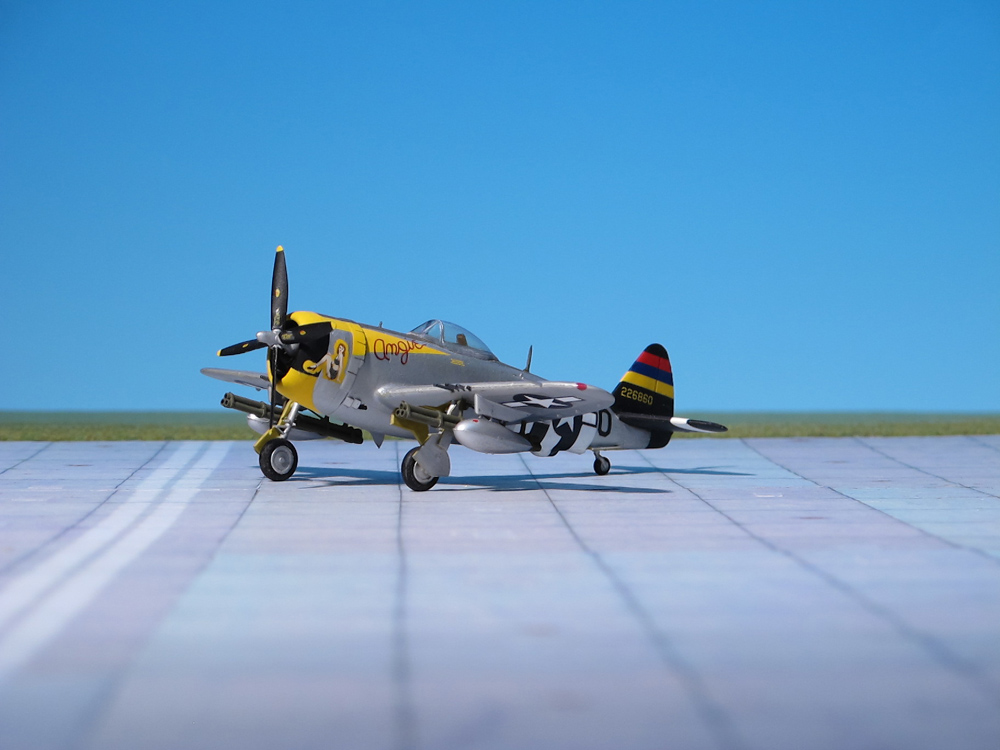
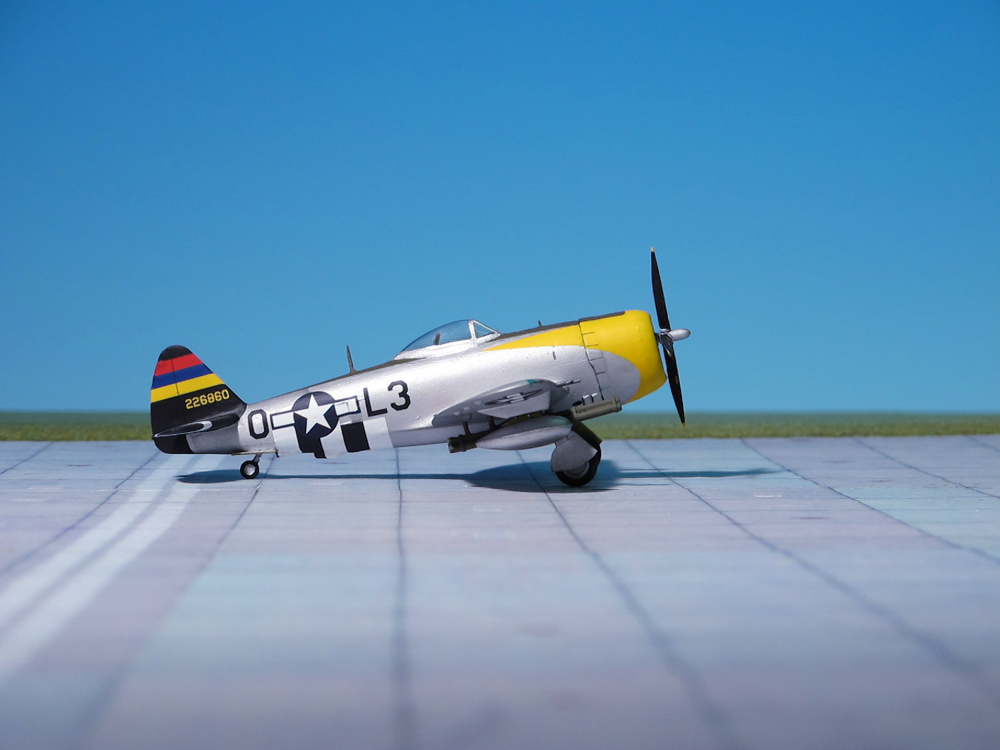
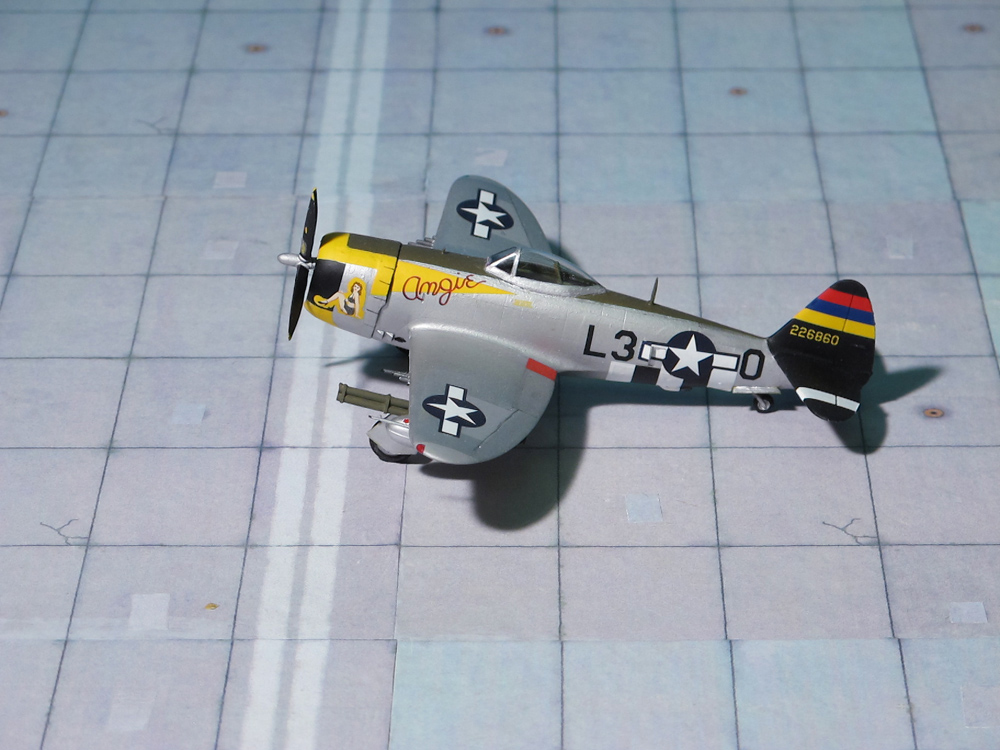
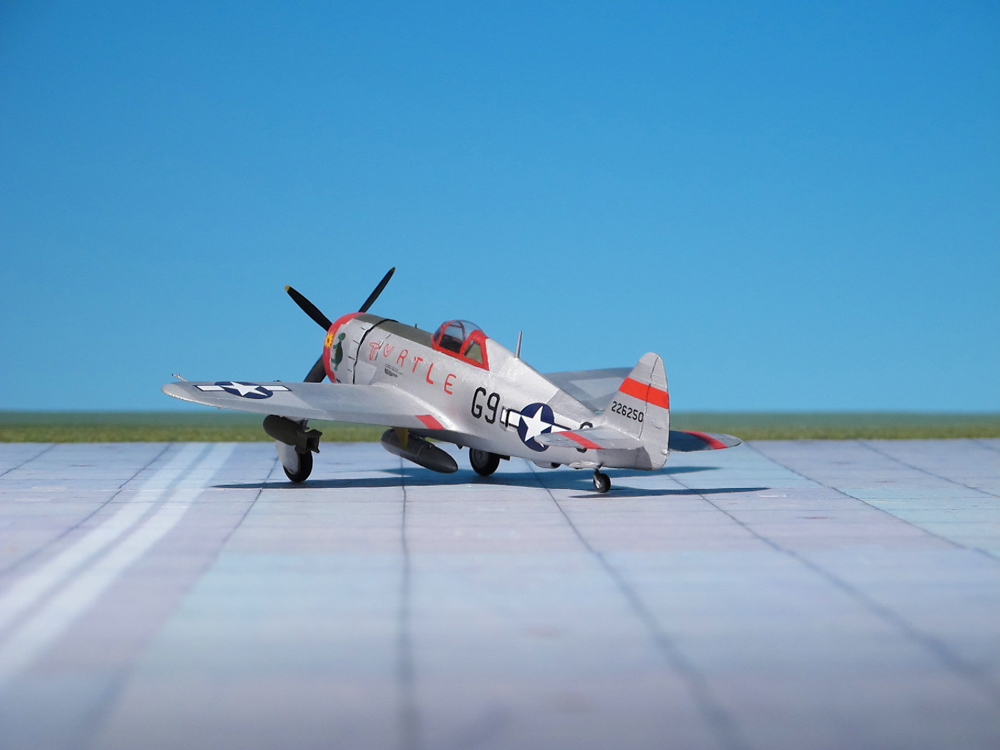
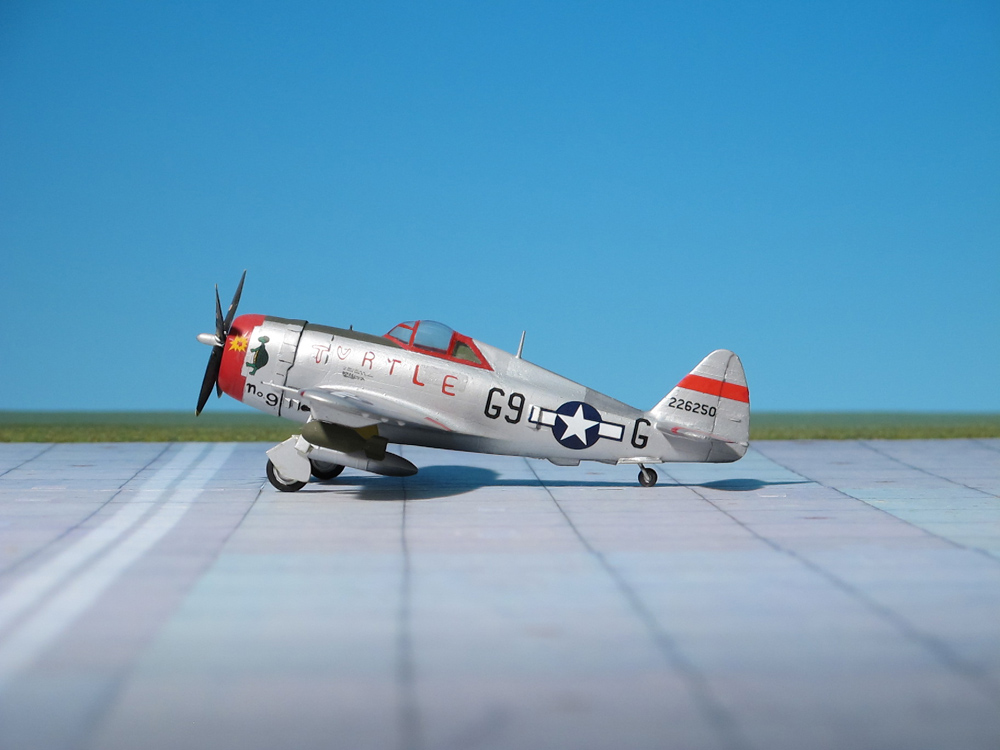
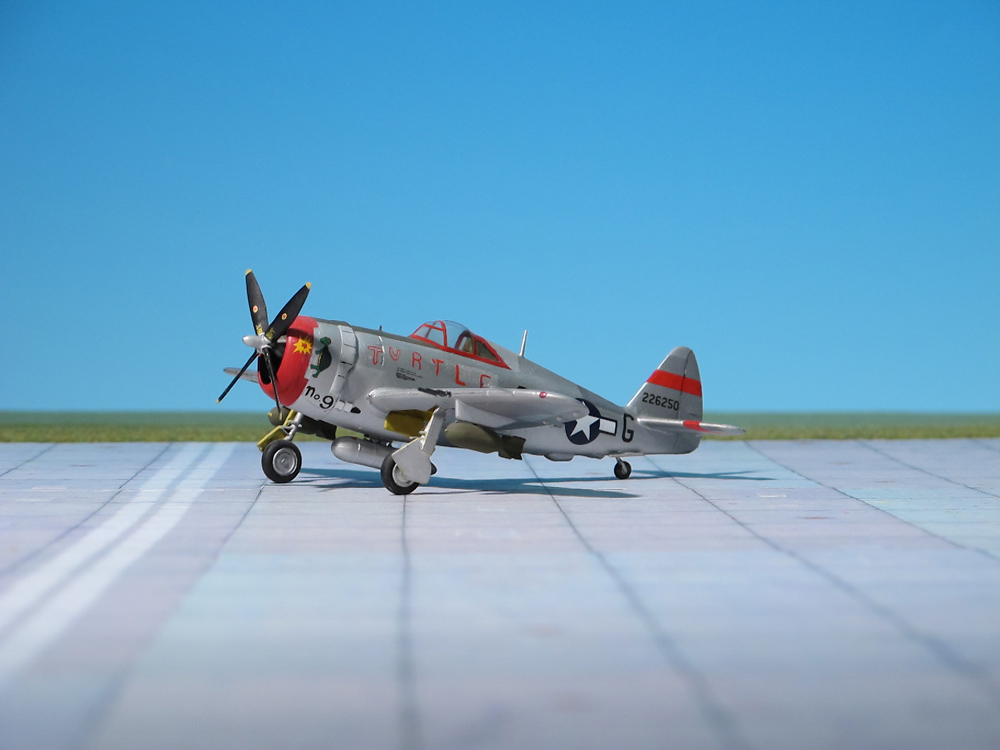
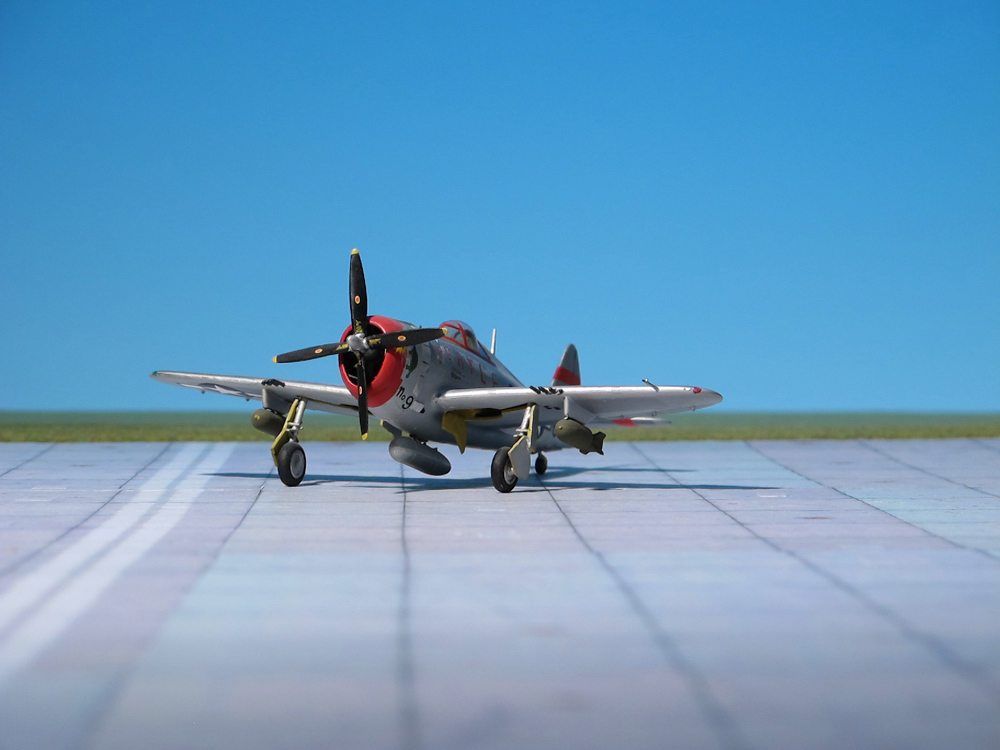
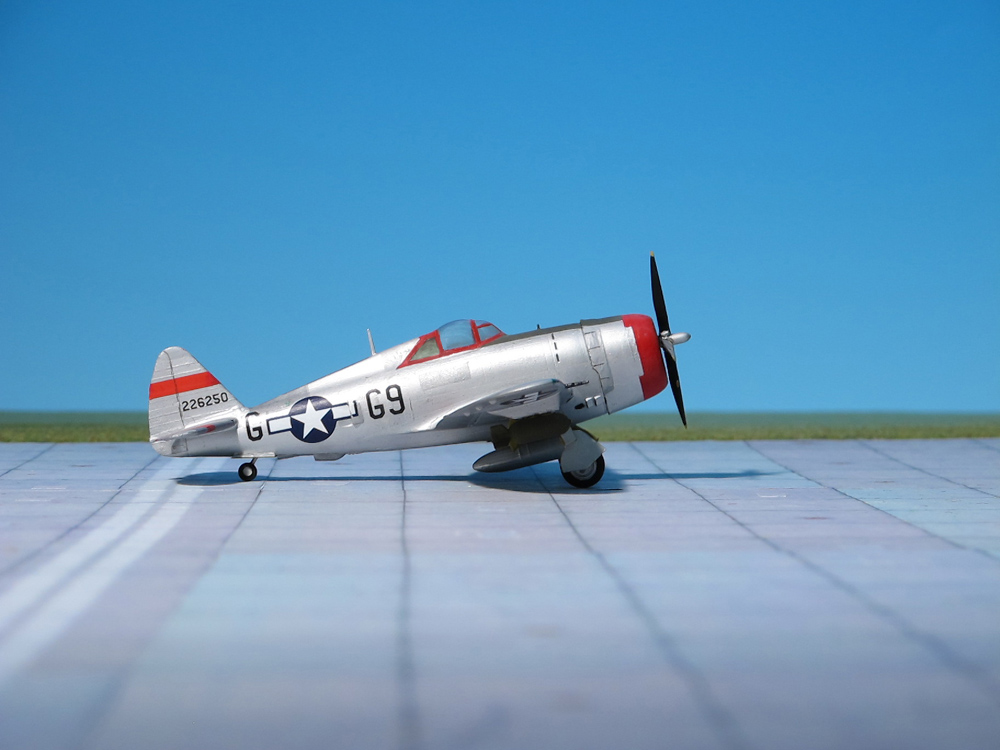
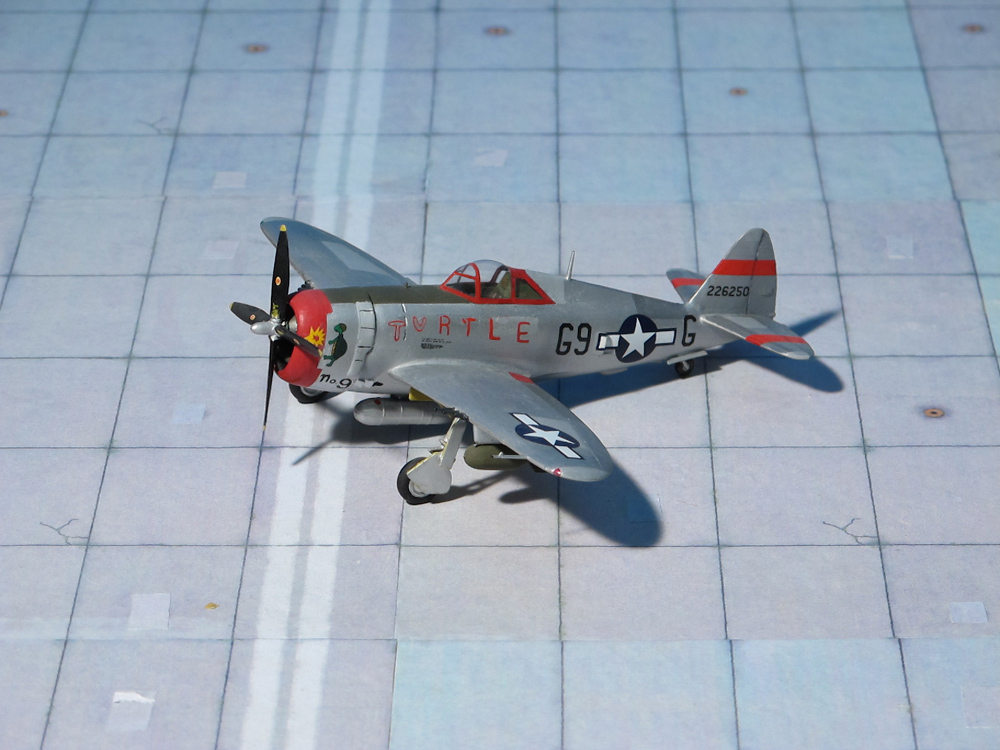
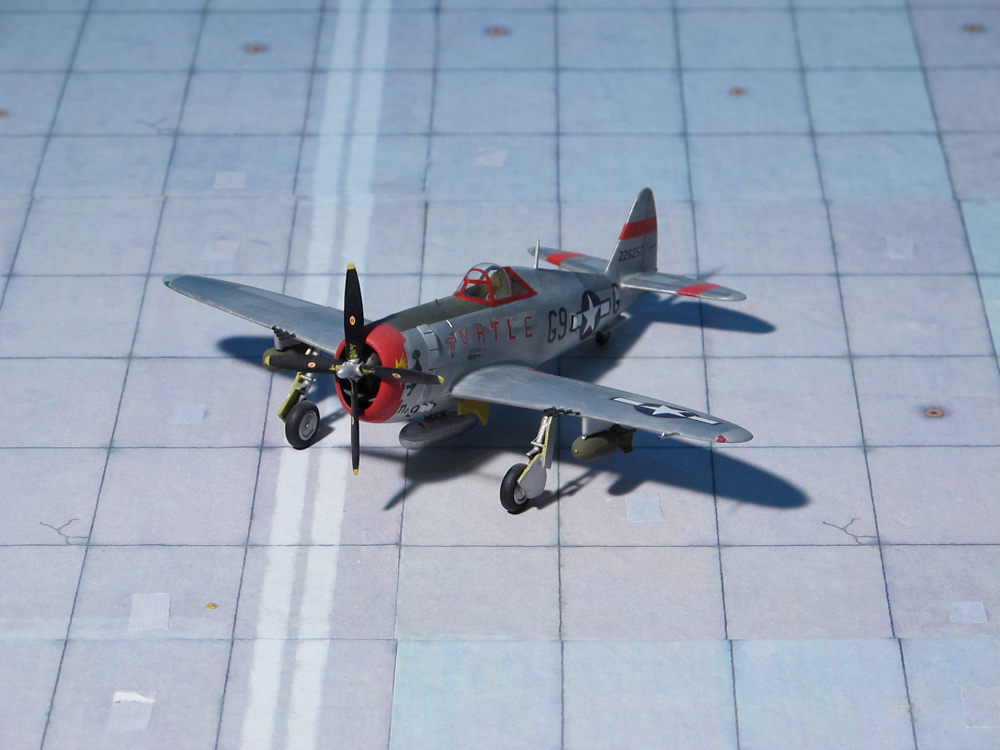
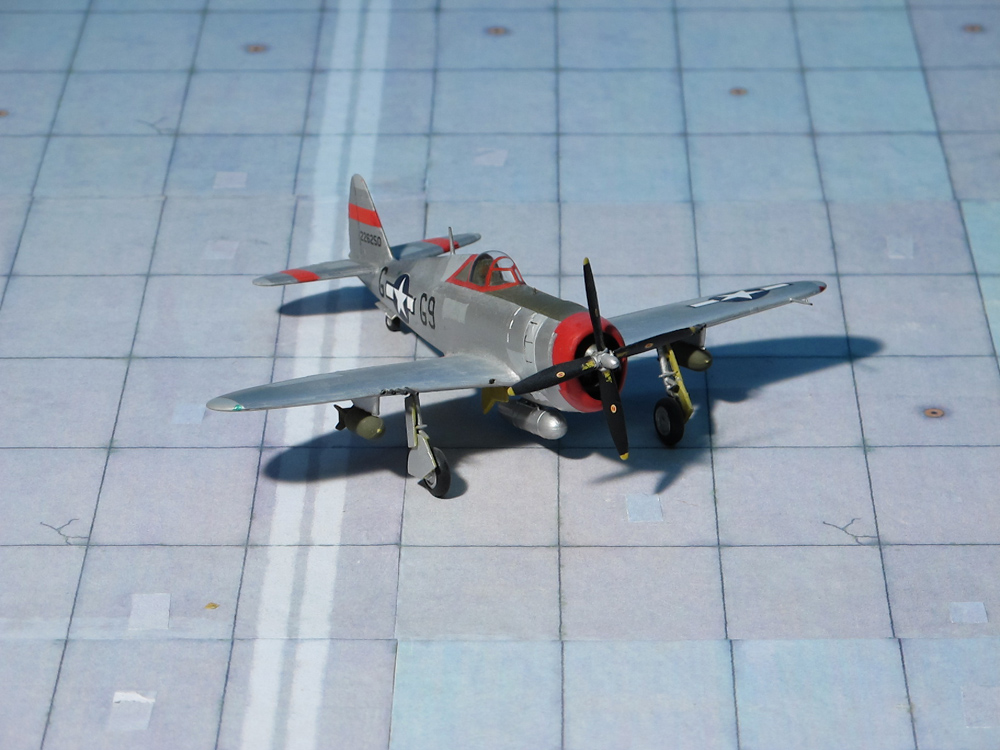
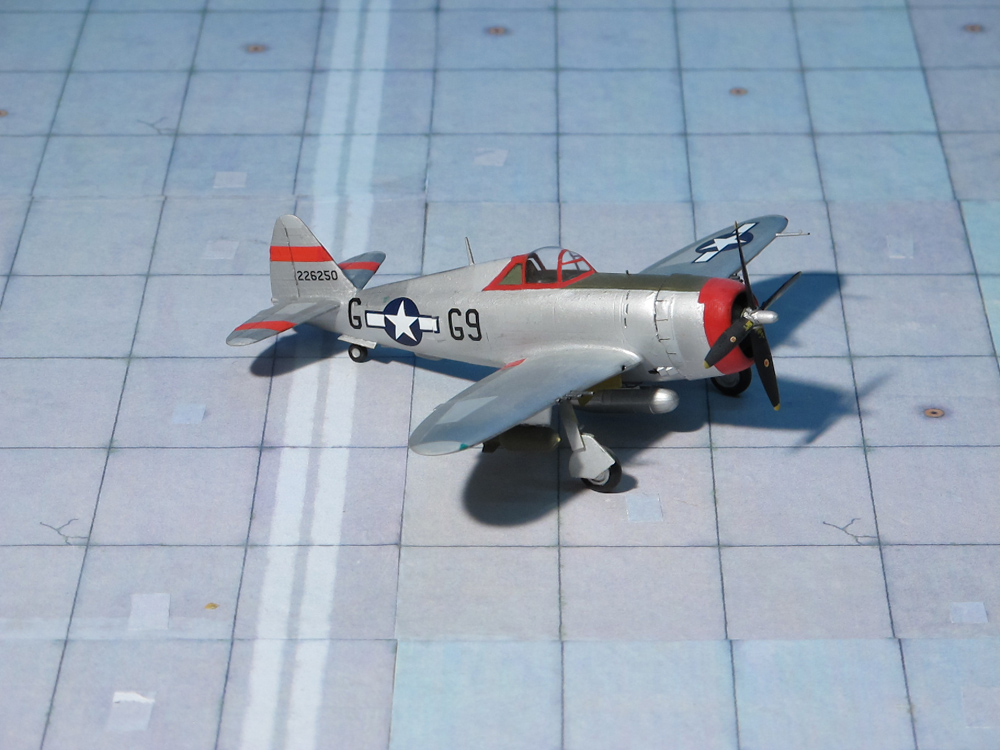
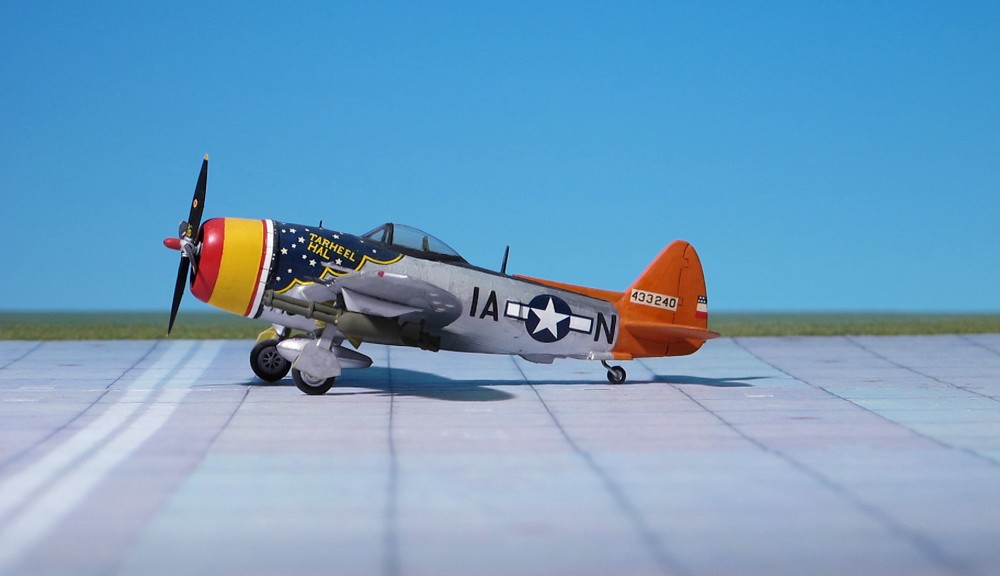
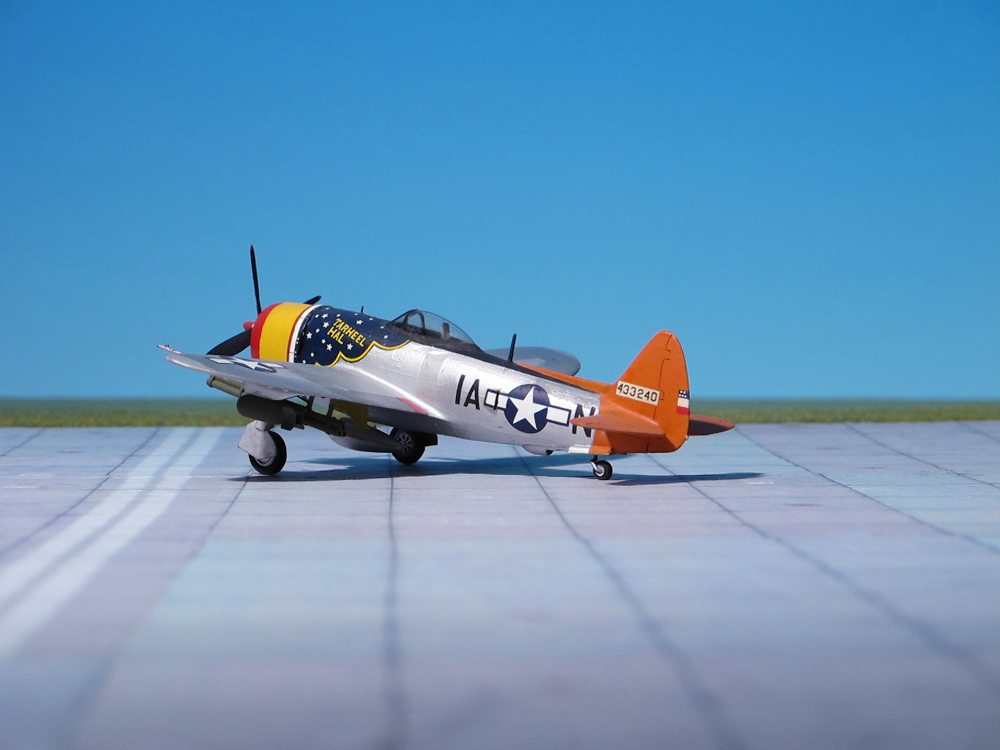
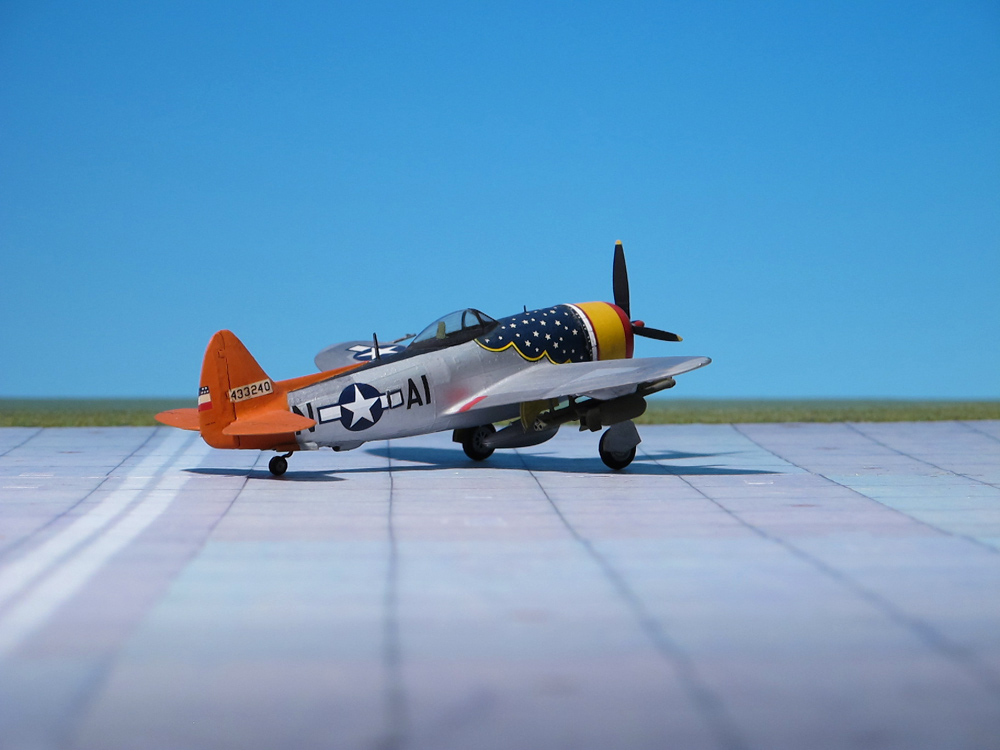
POWER PLANT: Pratt & Whitney R-2800-77 ‘Double Wasp’ radial engine, rated at 2,800 hp
PERFORMANCE: 460 mph at 30,000 ft
COMMENT: The Republic P-47N was the last Thunderbolt variant to be produced. It was designed as an escort fighter for the Boeing B-29 Superfortress bombers flying raids on the Japanese home islands. Increased internal fuel capacity and drop tanks had done much to extend the Thunderbolt’s range during its evolution, and the only other way to expand the fuel capacity was to put fuel tanks into the wings. Thus, a new wing was designed with two 50 U.S. gal fuel tanks. The redesign proved successful in extending range to about 2,000 miles, and the squared-off wingtips improved the roll rate. The P-47N entered mass production with the uprated R-2800-57 engine, with a total of 1,816 built. The very last Thunderbolt to be built, a P-47N-25, rolled off the production line in October 1945. Thousands more had been on order, but production was halted with the end of the World War II in August 1945.
Mit der weiteren Nutzung unserer Webseite erklären Sie sich damit einverstanden, dass wir Cookies verwenden um Ihnen die Nutzerfreundlichkeit dieser Webseite zu verbessern. Weitere Informationen zum Datenschutz finden Sie in unserer Datenschutzerklärung.