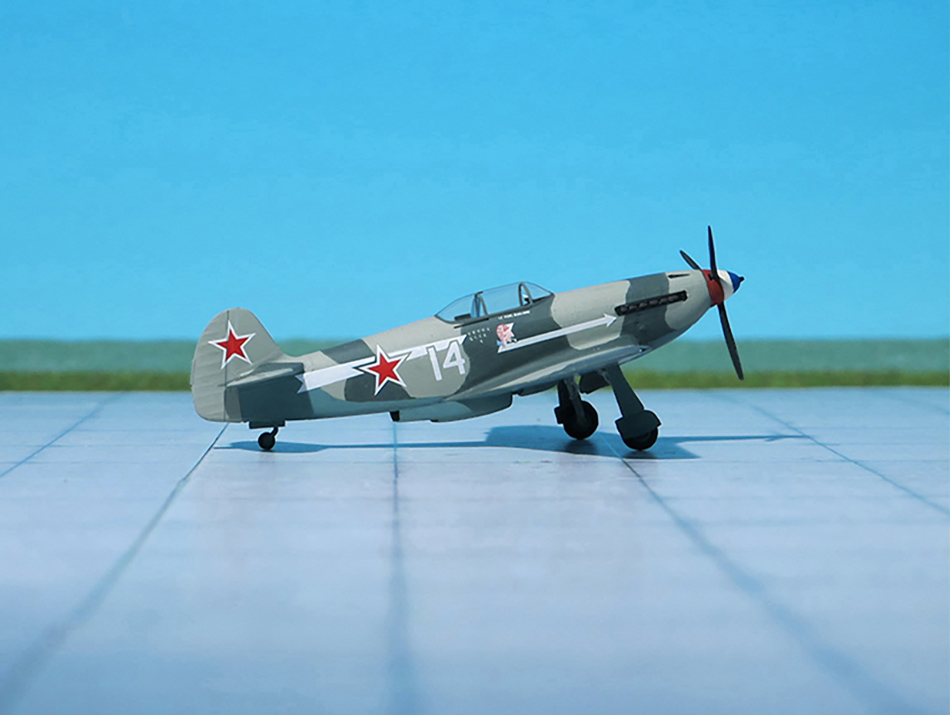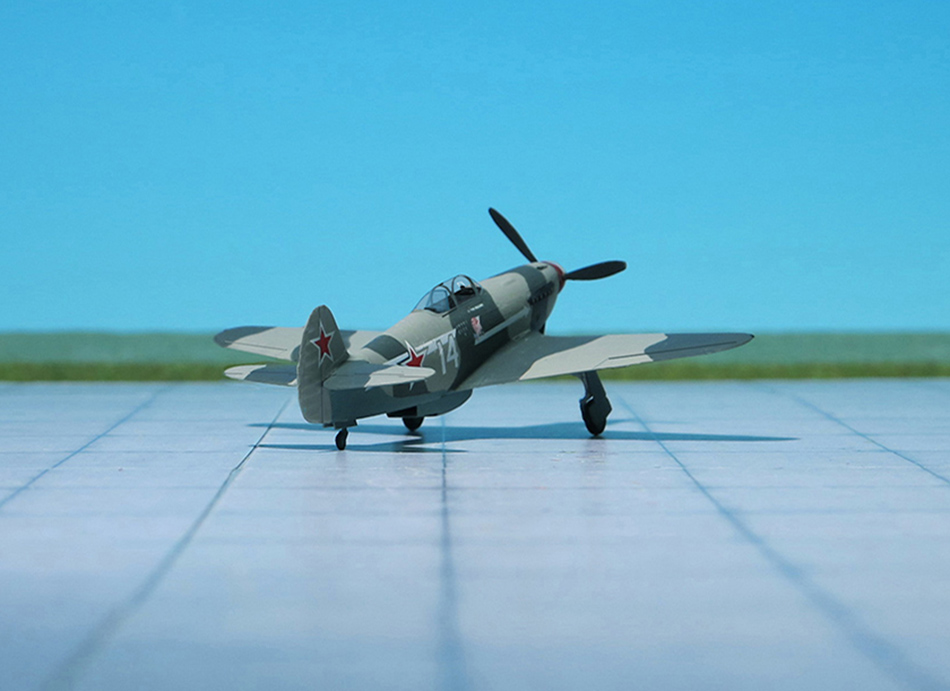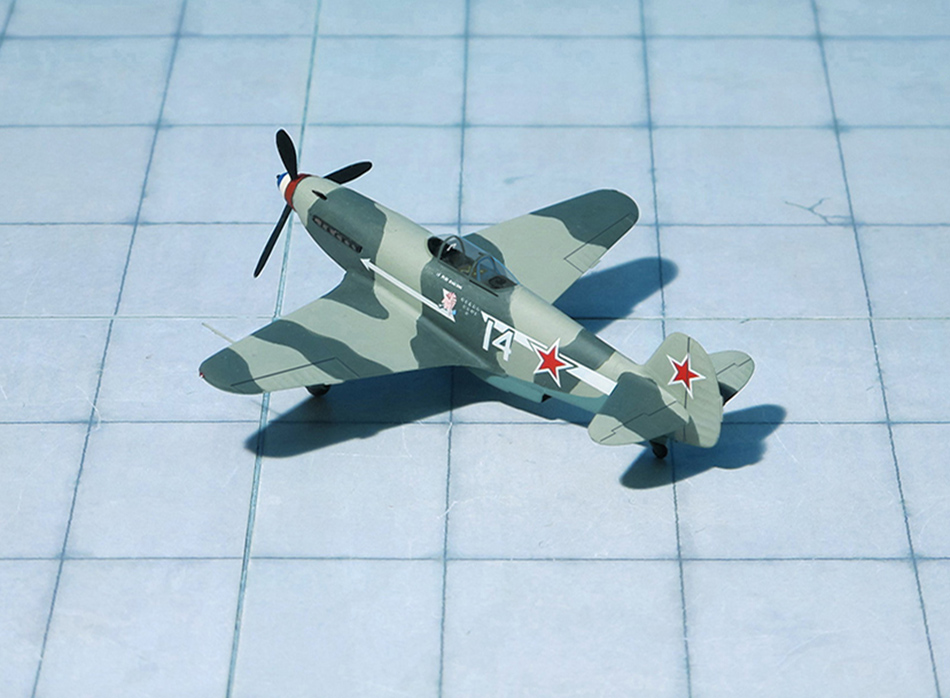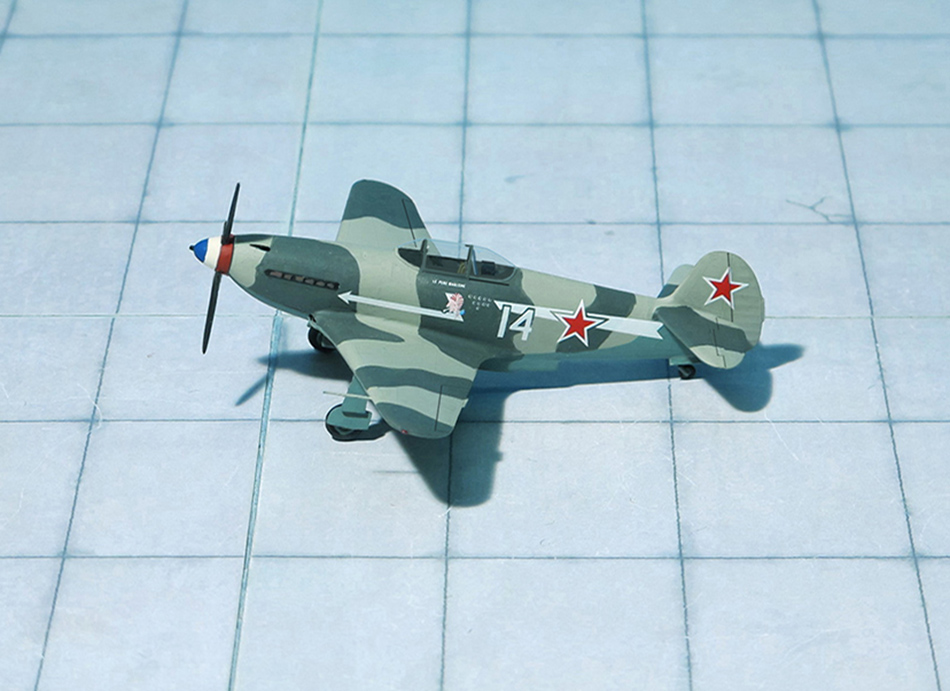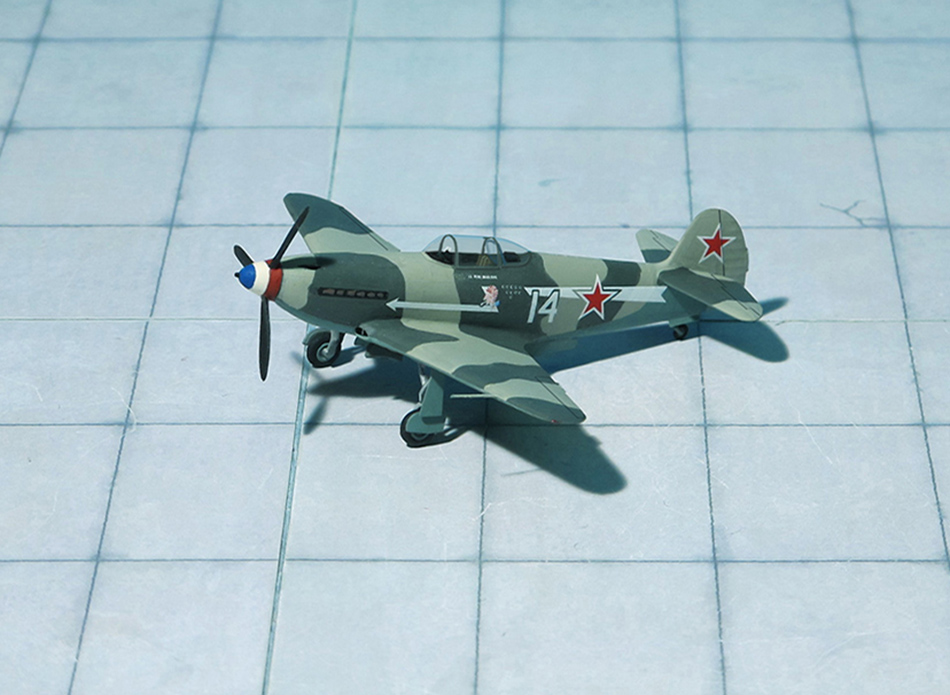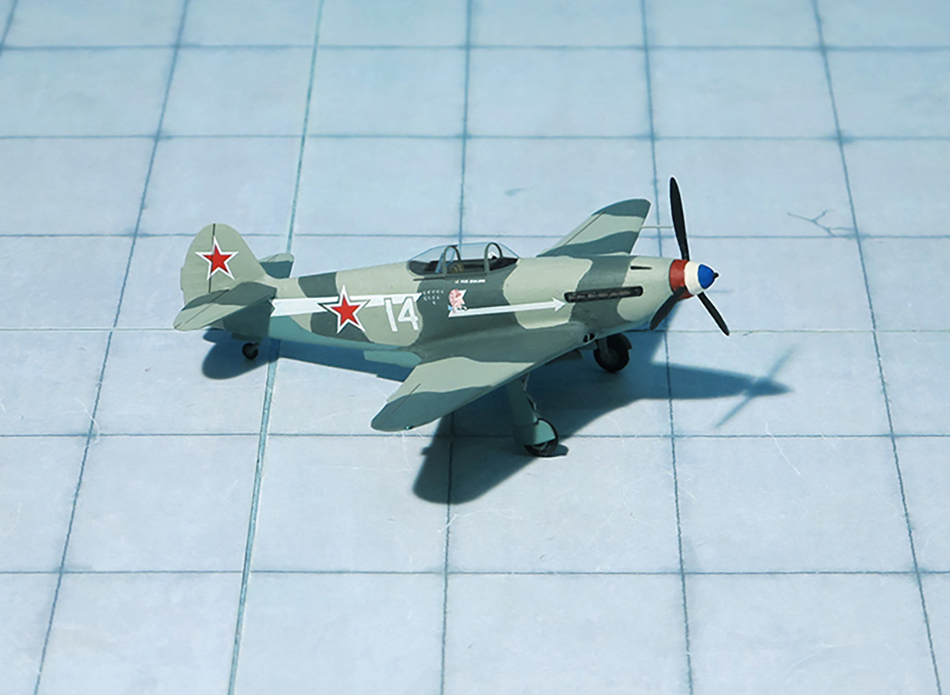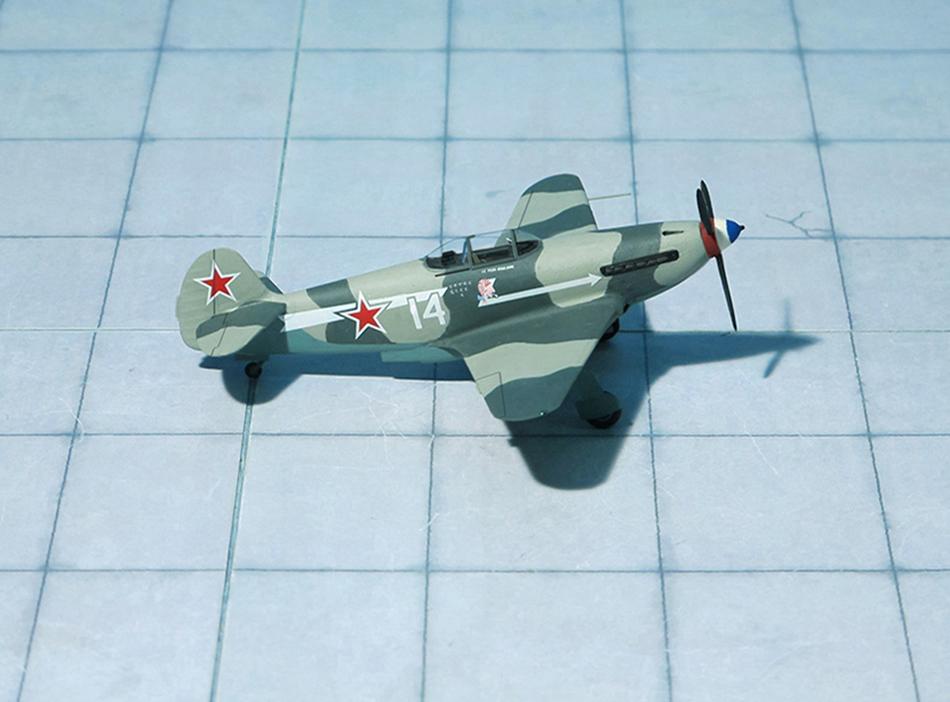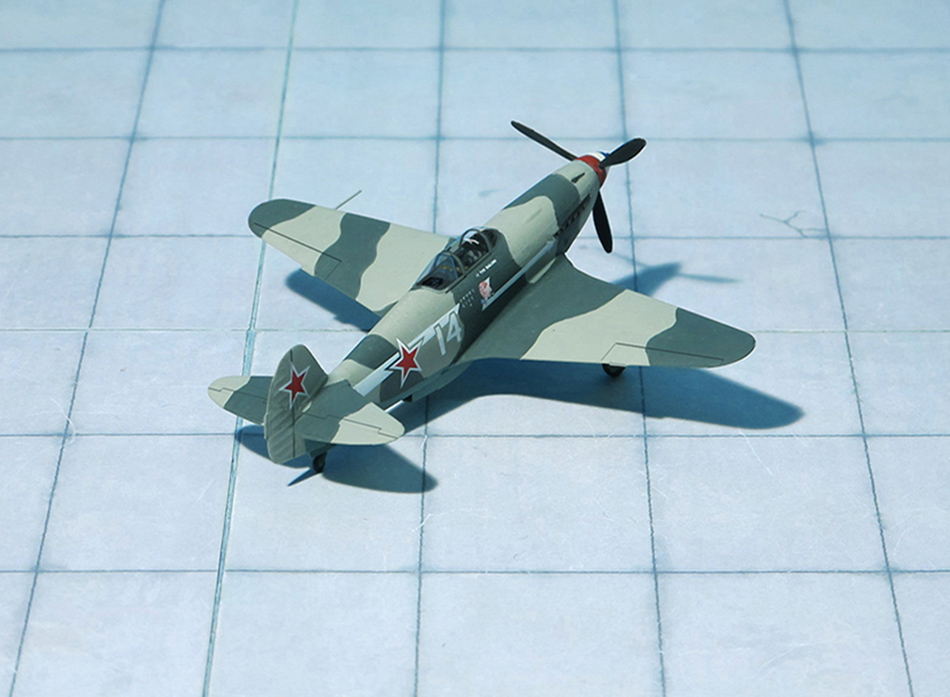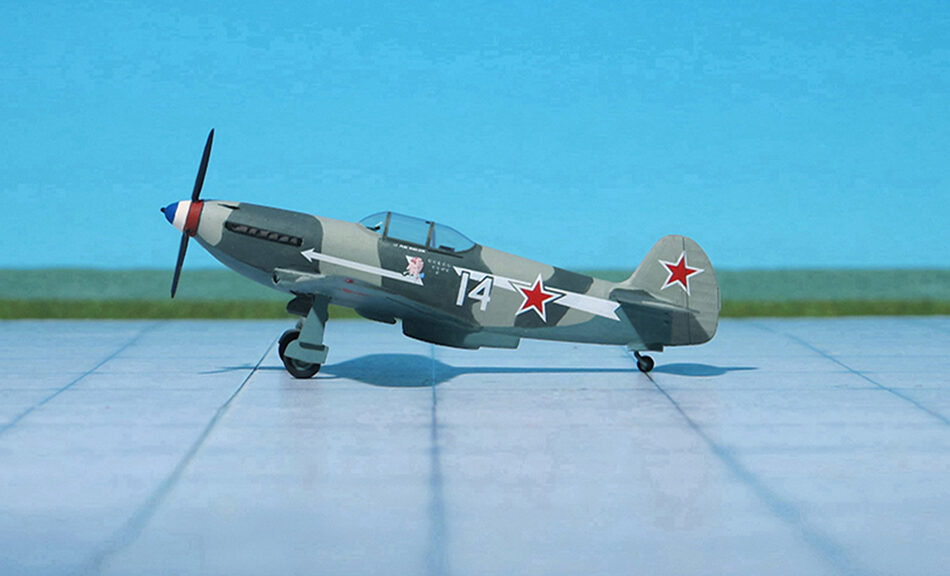
TYPE: Fighter
ACCOMMODATION: Pilot only
POWER PLANT: One Klimov VK-105PF2 liquid-cooled piston engine, rated at 1,290 hp
PERFORMANCE: 401 mph at 13,500 ft
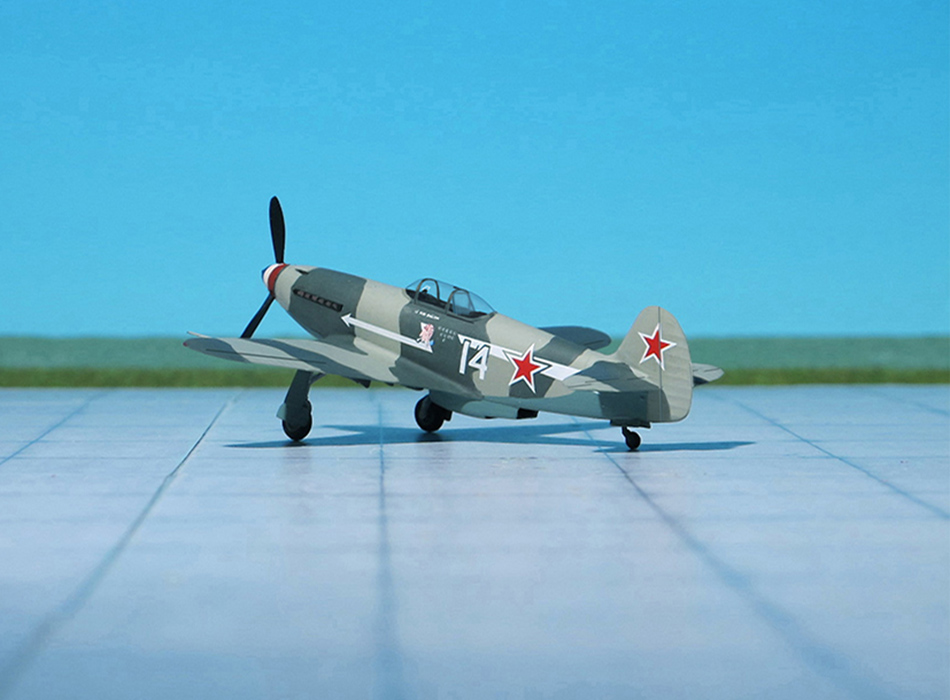
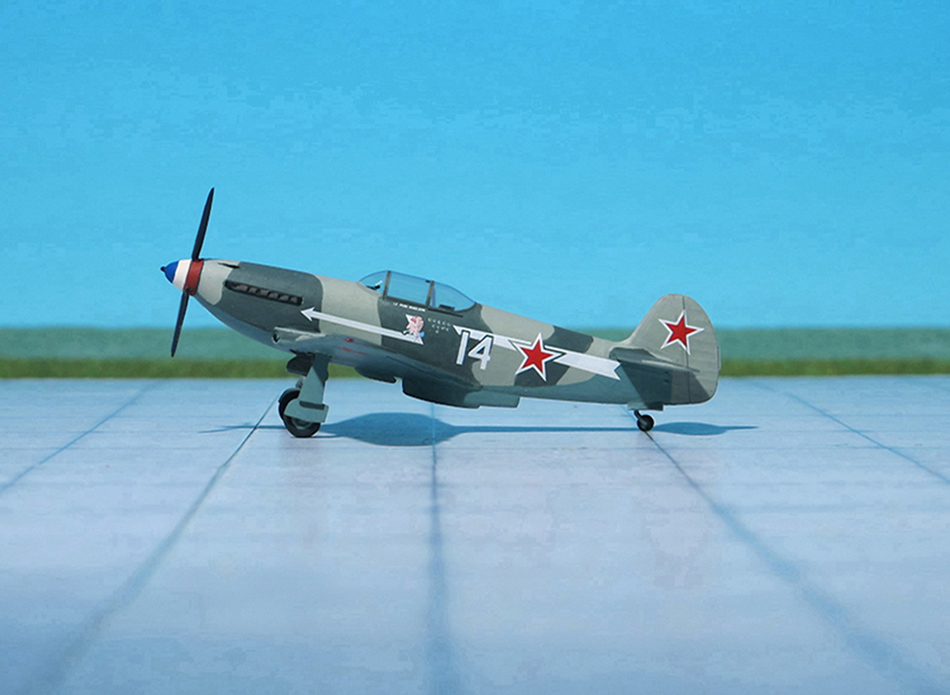
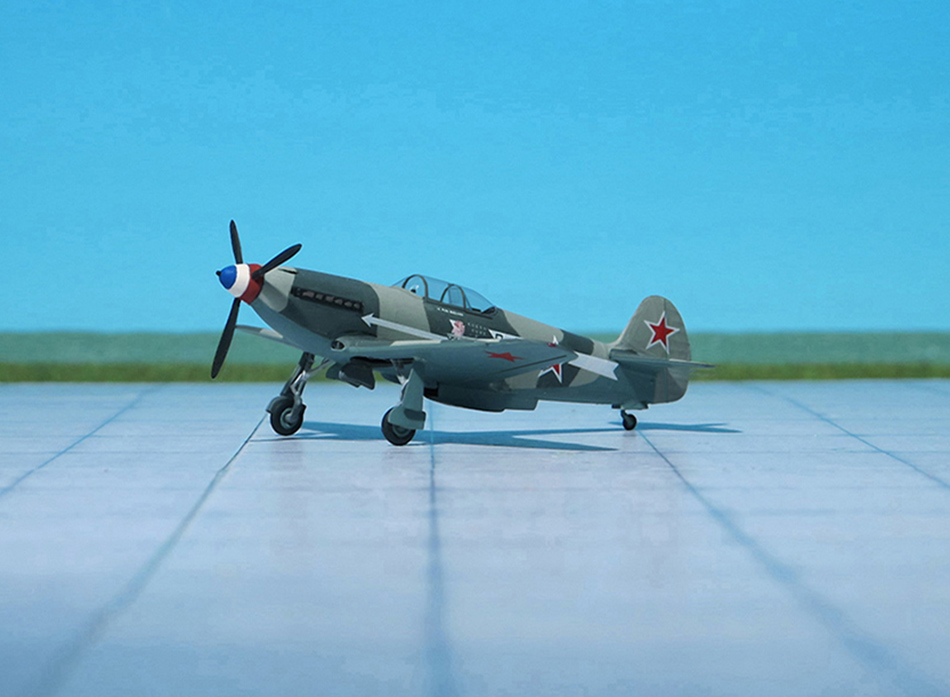
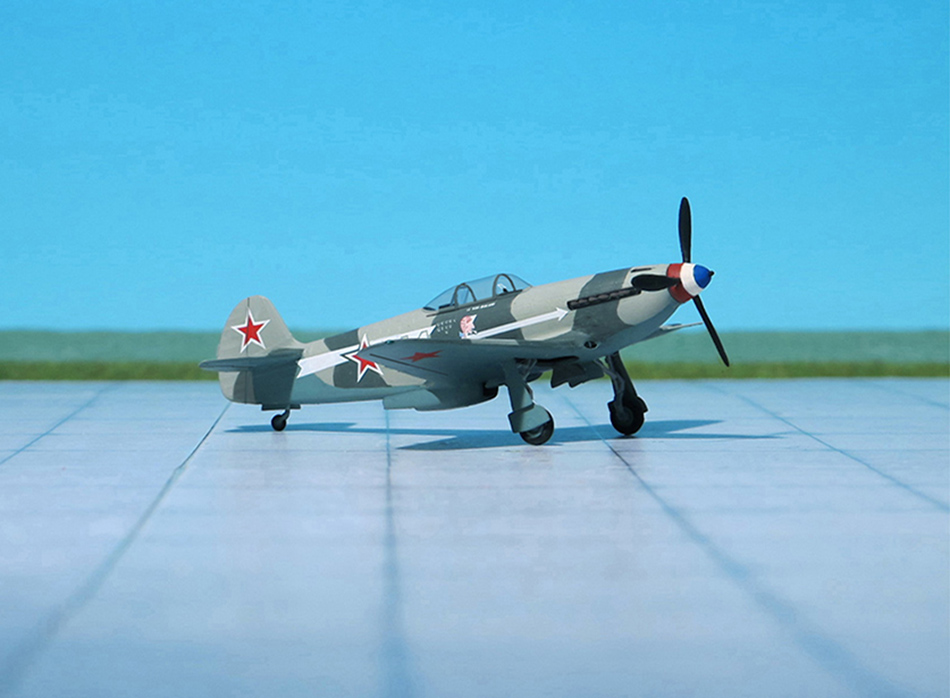
COMMENT: The Yakovlev Yak-3 was a single-engine single-seat World War II Soviet front line fighter aircraft. Robust and easy to maintain, it was much liked by pilots and ground crew alike. It was one of the smallest and lightest major combat fighters fielded by any combatant during the war. Its high power-to-weight ratio gave it excellent performance. It proved a formidable dogfighter. World War II ace pilots, who flew the Yak-3, considered it a superior aircraft when compared to the North American P-51 Mustang and the Supermarine Spitfire.
The origins of the Yak-3 went back to 1941 when the I-30 prototype was offered along with the I-26 (Yak-1)) as an alternative design. The I-30, powered by a Klimov M-105P engine, was of all-metal construction, using a wing with dihedral on the outer panels. Like the early Yak-1, it had a 20 mm ShVAK cannon firing through the hollow-driveshaft nose spinner and twin 7.62 mm synchronized ShKAS machine guns in cowling mounts.
During the Battle of Stalingrad, Luftwaffe fighters exhibited significant speed, climb rate, and armament advantages over those of the VVS (Soviet Air Forces). The Yak-1 then in service was understood to be in urgent need of a modernization were it to fight on equal footing against the latest models of German fighters, as well as better energy retention and higher firepower.
Then, in 1943, a group of designers headed by Alexander S. Yakovlev designed the Yak-3, a further development of the proven Yak-1 aimed at improving survivability, flight characteristics and firepower, which required a lower weight, a higher-power engine and therefore, faster speed.
Lighter and smaller than the Yakovlev-9 but powered by the same engine, the Yak-3 was a forgiving, easy-to-handle aircraft loved by both novice and experienced pilots. It was robust, easy to maintain and a highly successful dog-fighter. It was used mostly as a tactical fighter, flying low over battlefields and engaging in dogfights below 13,000 ft.
The new aircraft began to reach frontline units during summer 1944. Yak-3 service tests were conducted by 91st IAP of the 2nd Air Army in June–July 1944. The regiment had the task of gaining air superiority. The Luftwaffe issued an order to “avoid combat below five thousand metres with Yakovlev fighters lacking an oil cooler intake beneath the nose!” Luftwaffe fighters in combat with the Yak-3 tried to use surprise tactics, attacking from above. Unresolved wartime problems with the Yak-3 included plywood surfaces delamination when the aircraft pulled out of a high-speed dive, short range and poor engine reliability. The pneumatic system for actuating landing gear, flaps and brakes, typical for all Yakovlev fighters of the time, was troublesome. Though less reliable than hydraulic or electrical alternatives, the pneumatic system was preferred owing to the weight saving.
By the end of WW II 4,848 Yakovlev Yak-3 fighter aircraft were built. Primary users were the Soviet Air Forces but also, in 1944, the French Normandie-Niemen Group was re-equipped with the Yak-3, scoring the last 99 of their 273 air victories against the Luftwaffe.
The Normandie-Niemen Fighter Regiment (French: Régiment de Chasse Normandie-Niémen has adopted a number of formations and designations since 1942. Originally formed as Groupe de Chasse Normandie 3 in 1942, it was re-designated as a regiment (with and without the “Niemen” designation) in 1944.
The squadron, which served on the Eastern Front of the European Theatre of WW II with the Soviet 1st Air Army. It was the only Western Allied unit which fought with Soviet forces until the end of the war in Europe (Ref.: 24).