Category Archives: Fighter

Fighter

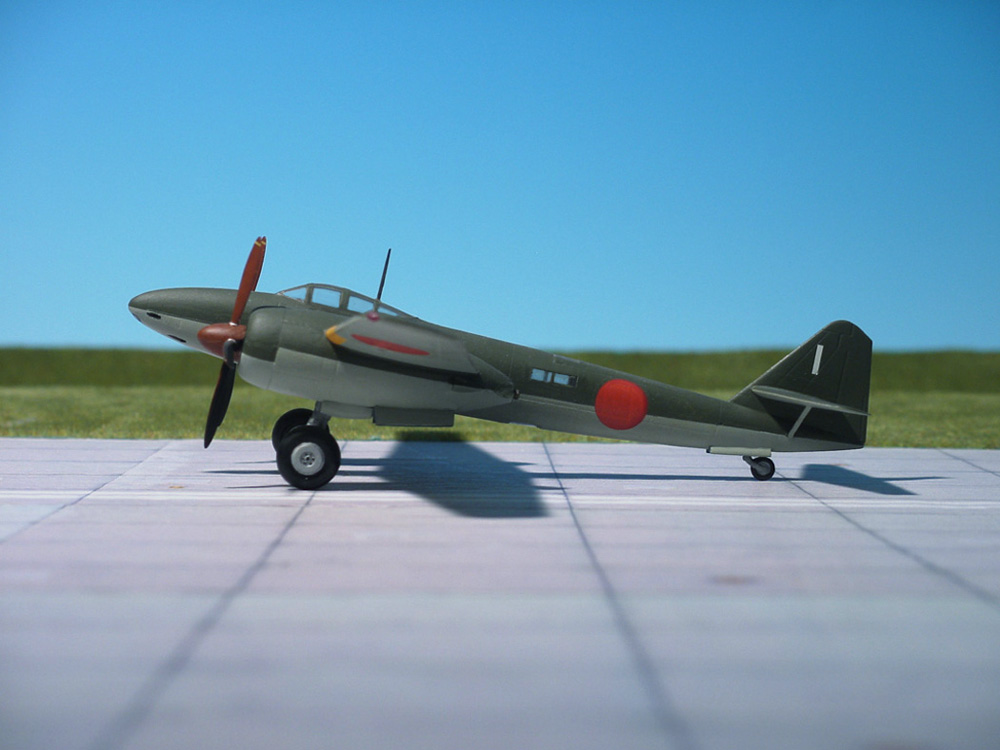
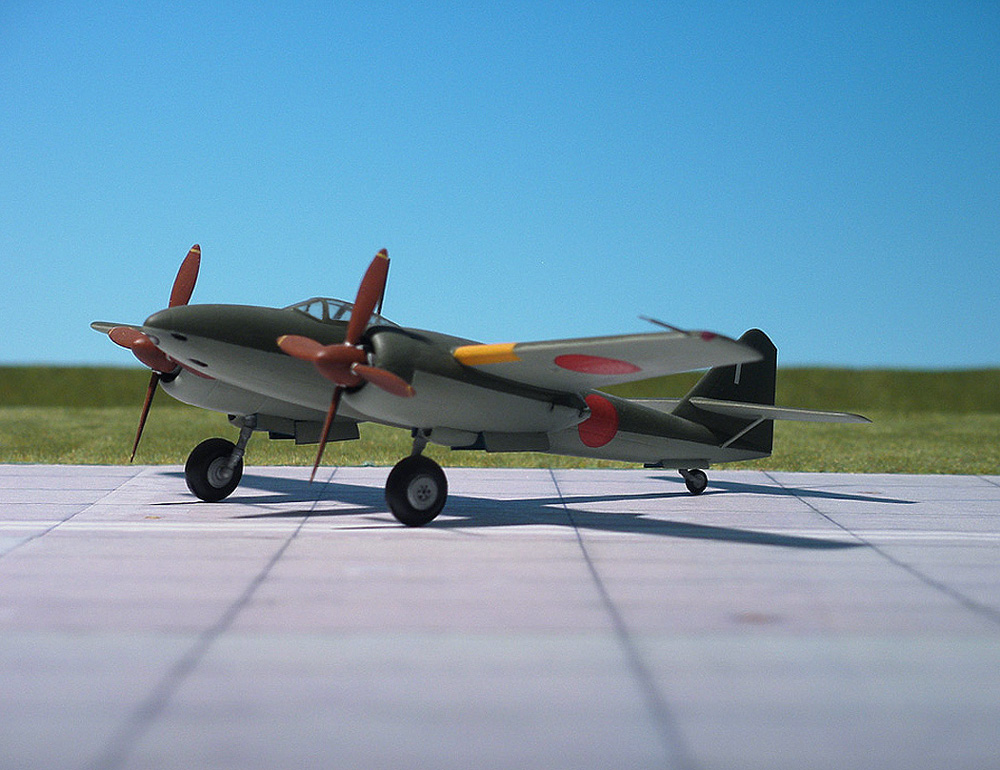
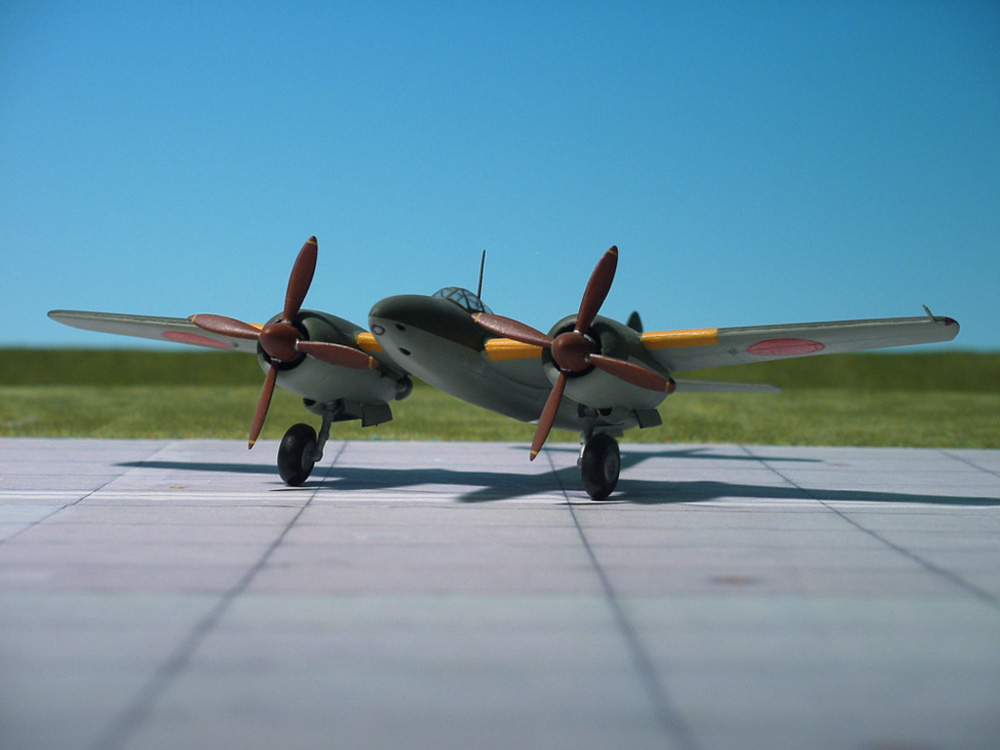
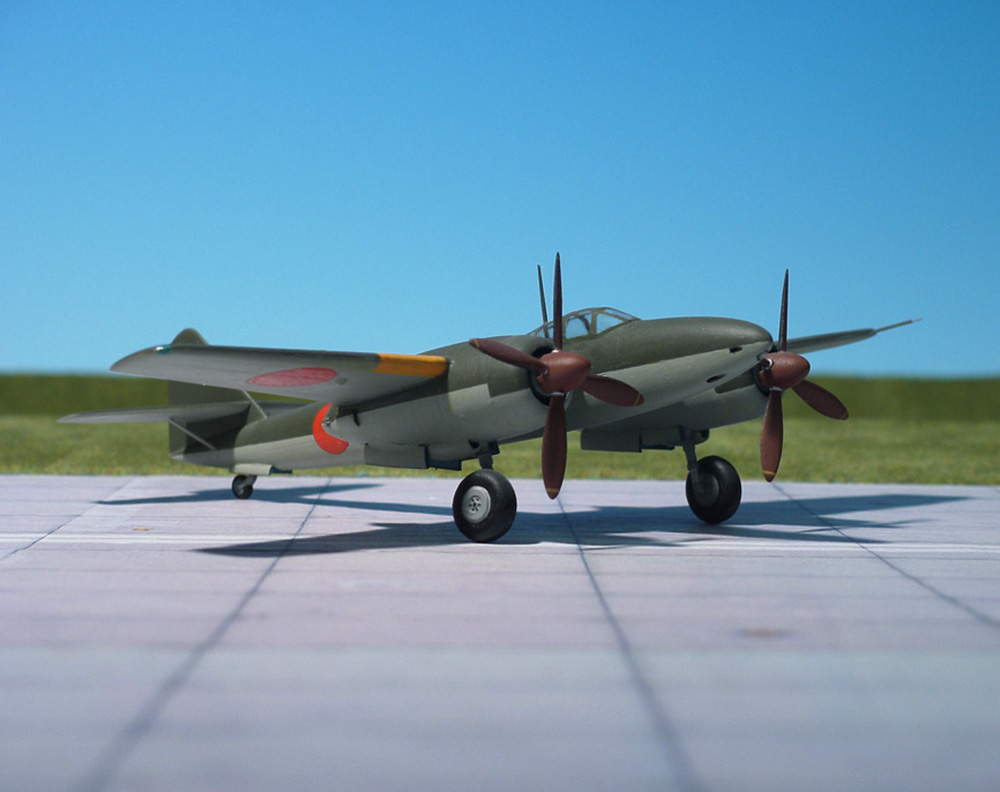
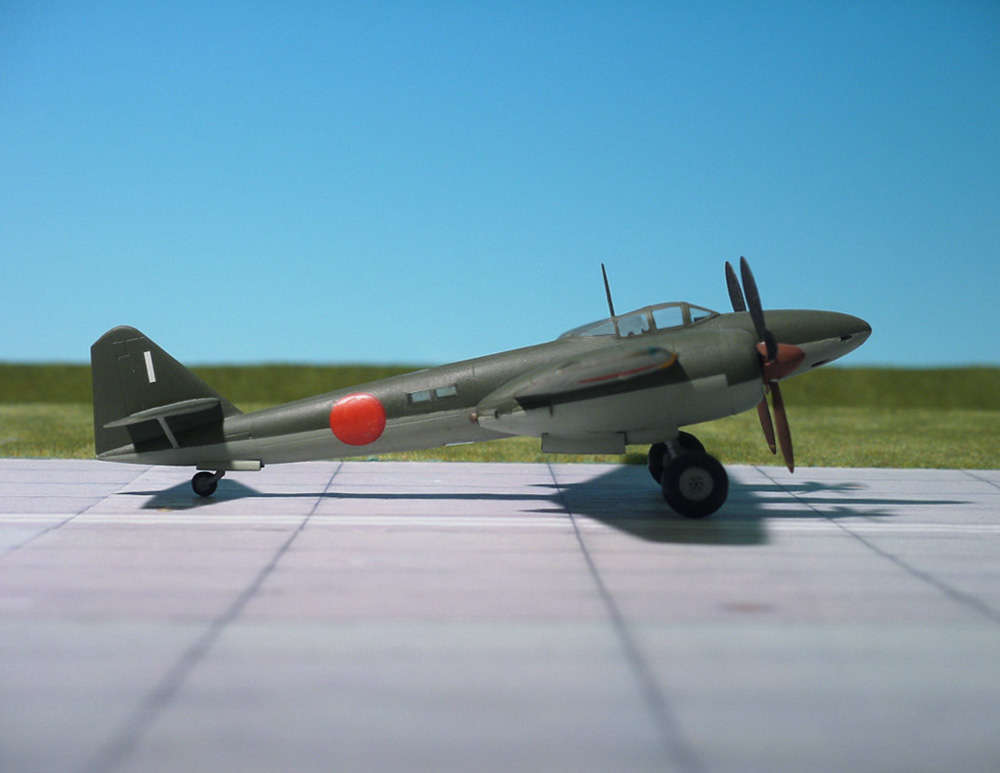
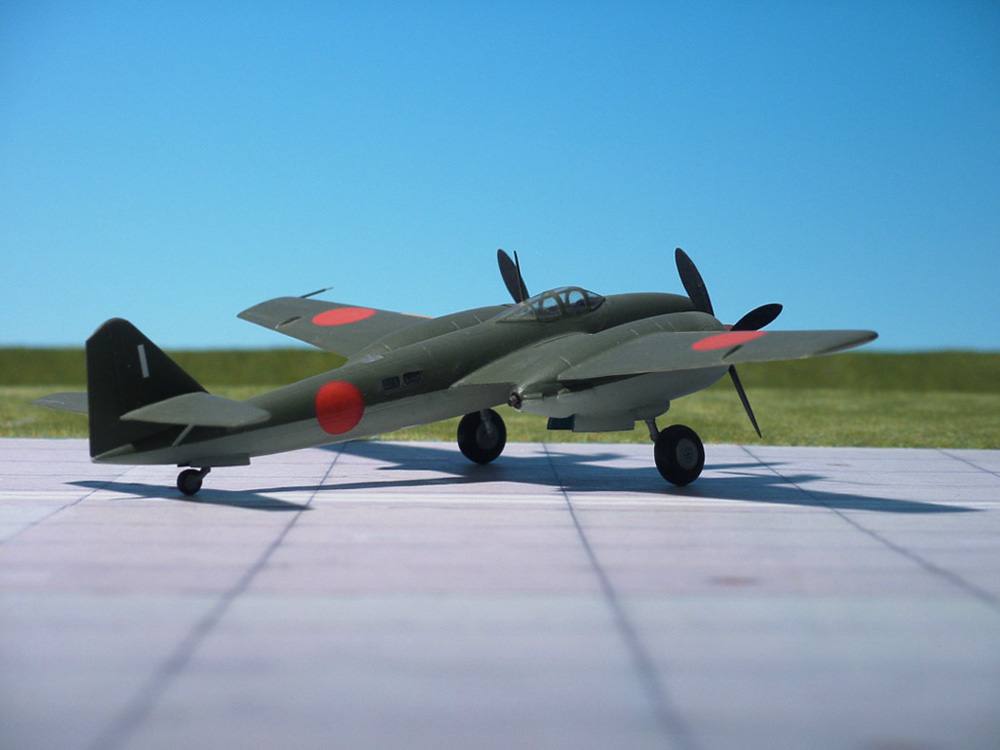
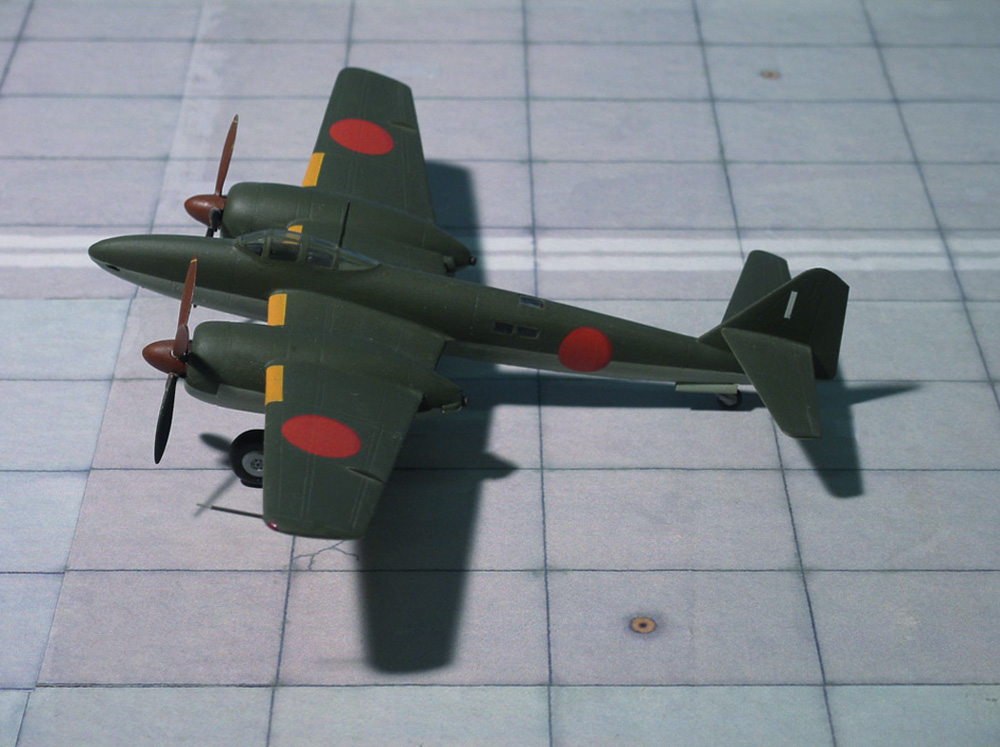
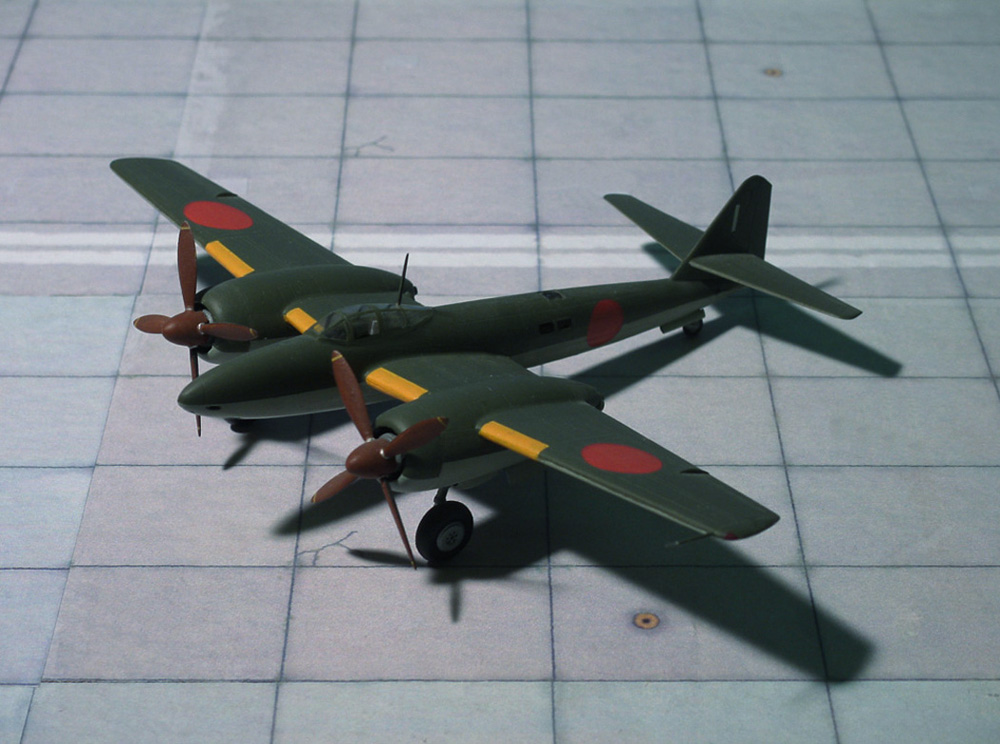
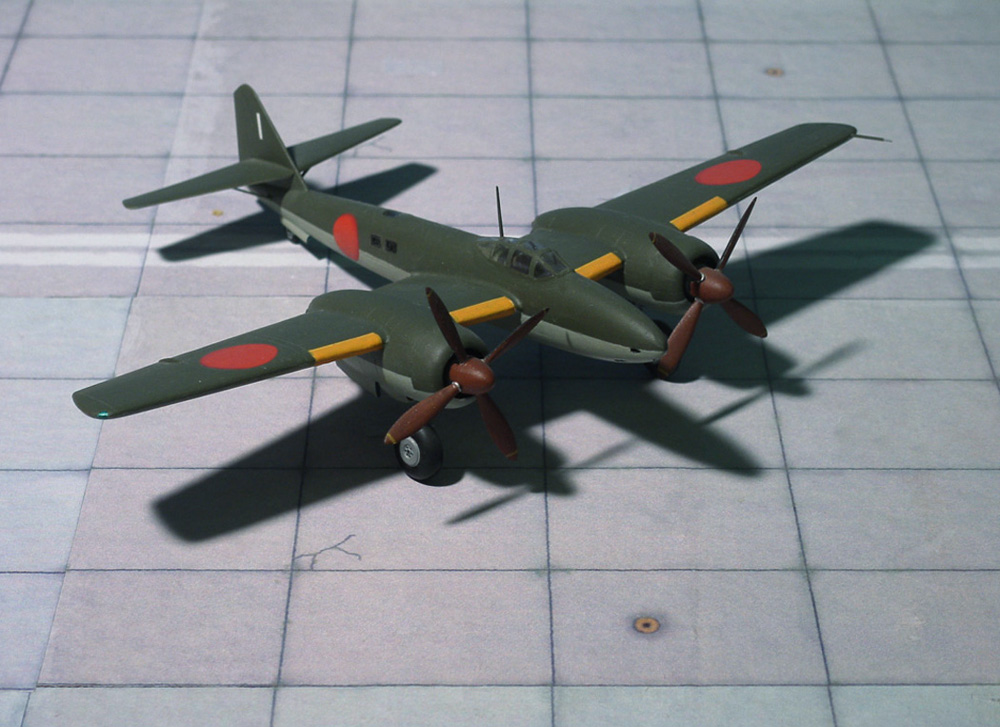
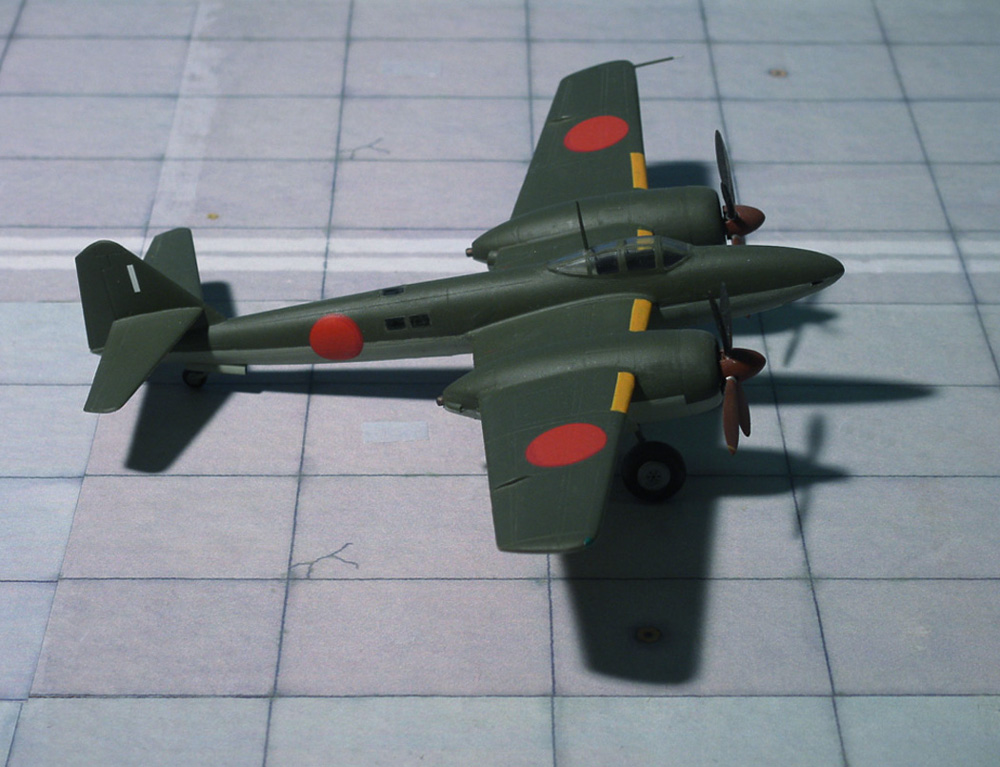
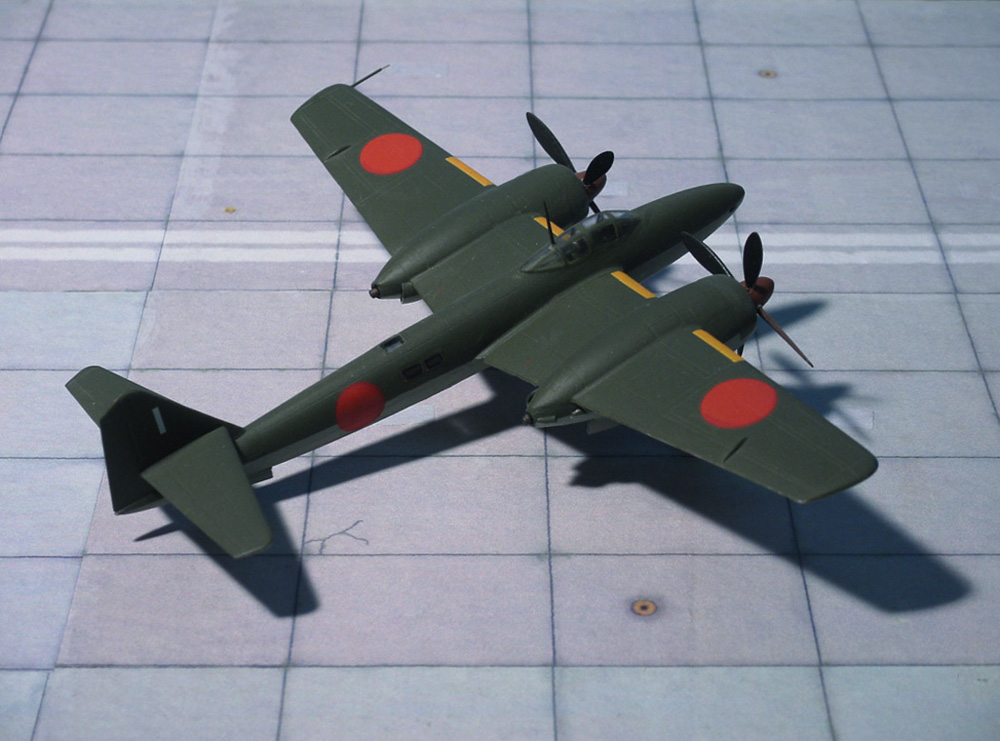
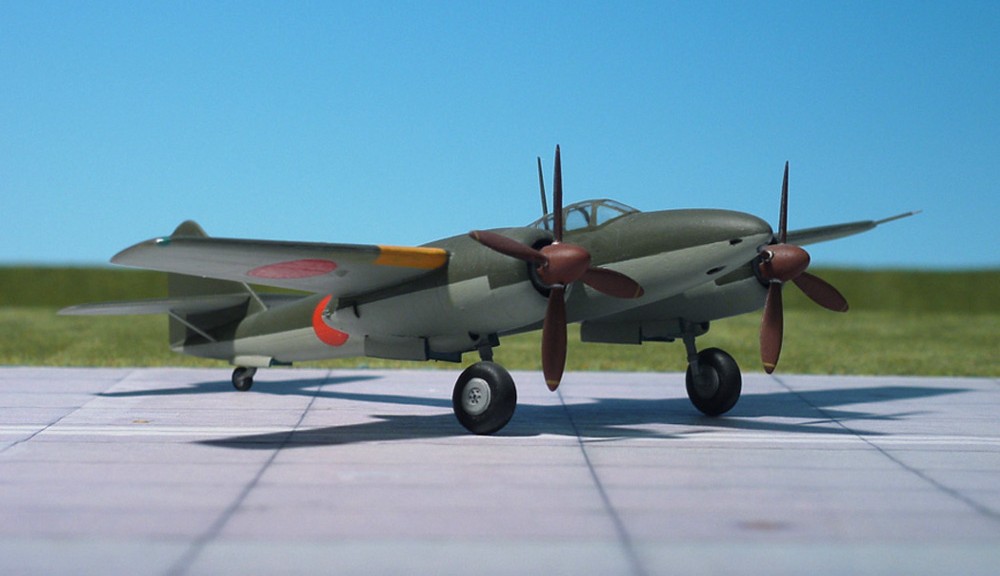
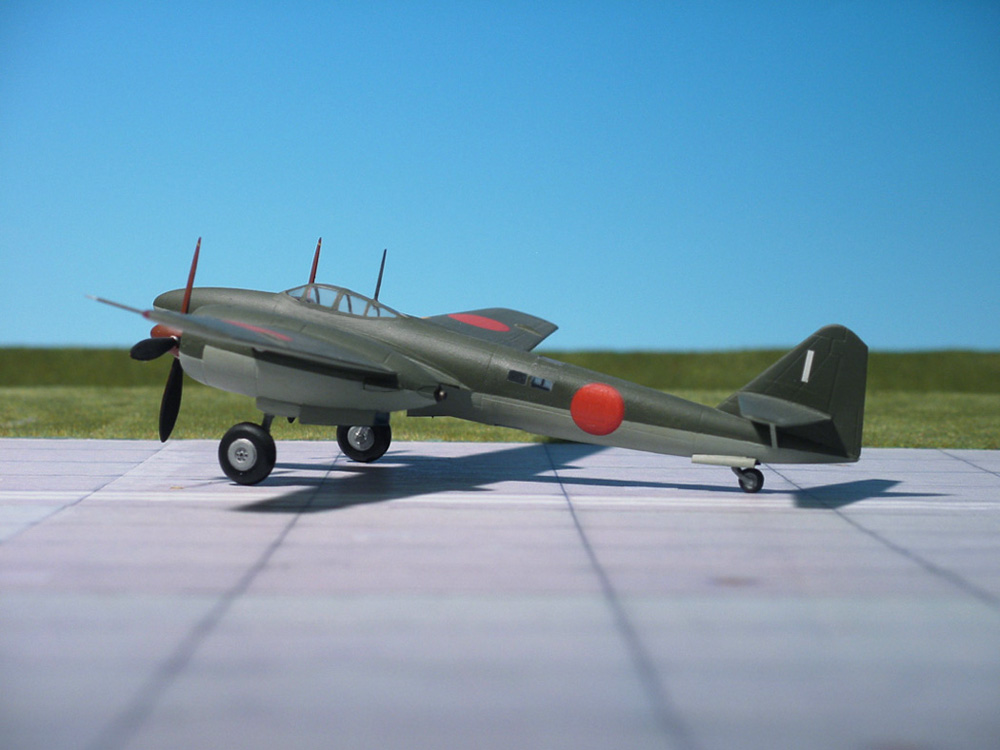
Mitsubishi Ki-83 (MPM)

TYPE: Long-range fighter

ACCOMMODATION: Pilot and navigator

POWER PLANT: Two Mitsubishi Ha 211 Ru (Ha-43) radial engines, rated at 2,070 hp each

PERFORMANCE:  438 mph at 32,180 ft

COMMENT: The Mitsubishi Ki-83 was designed as a long-range heavy fighter. The design was a response to a 1943 specification for a new heavy fighter with great range. The first of four prototypes flew on 18 November 1944. The machines displayed remarkable maneuverability for aircraft of their size and carried a powerful armament of two 30 mm and two 20 mm cannon in its nose. Despite the bomb-ravaged Japanese manufacturing sector, plans for the Ki-83 to enter production within were underway when Japan surrendered on 15 August 1945.
Both the existence and performance of the Ki-83 were little known during the war, even in Japan. It was completely unknown in Allied military aviation circles – as demonstrated by the fact that the Ki-83 had not been given a reporting name. Most early photographs of the type were taken during the post-war occupation of Japan, when the four prototypes were seized by the USAAF and re-painted with USAAF insignia. When they were evaluated by US aeronautical engineers and other experts, a Ki-83 using high-octane fuel reached a speed of 473 mph at an altitude of 23,000 ft (Ref.: 24).
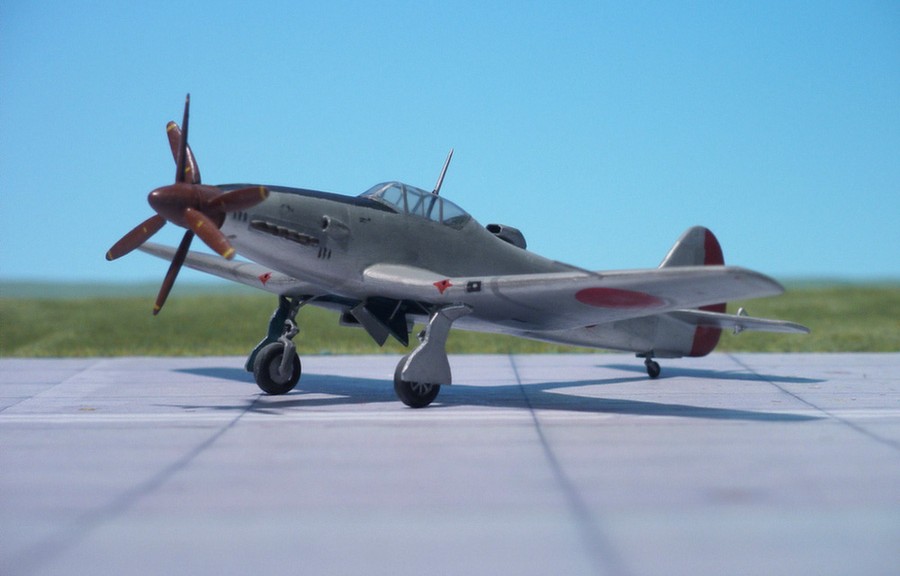
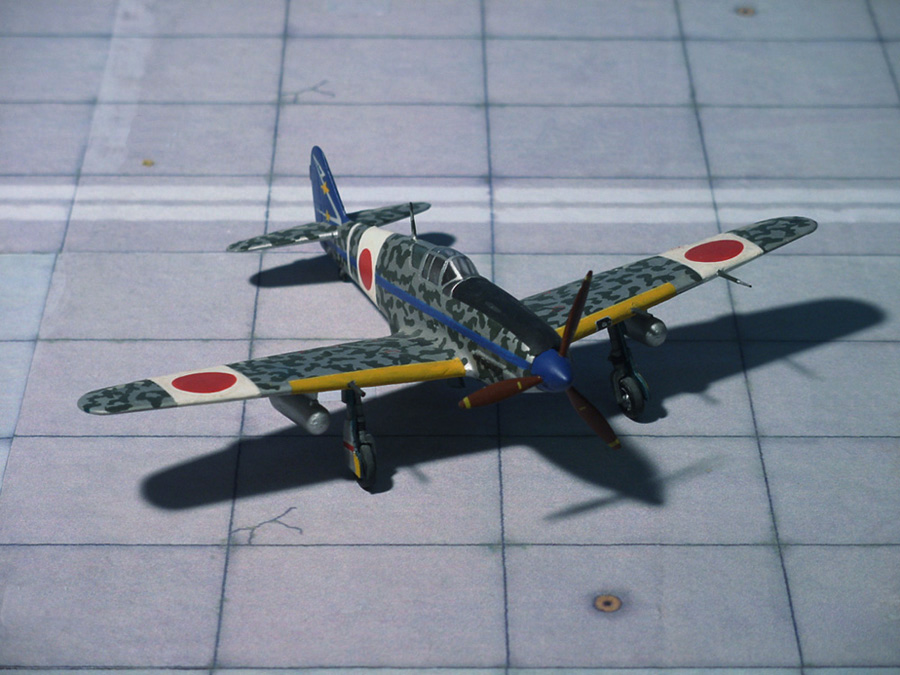
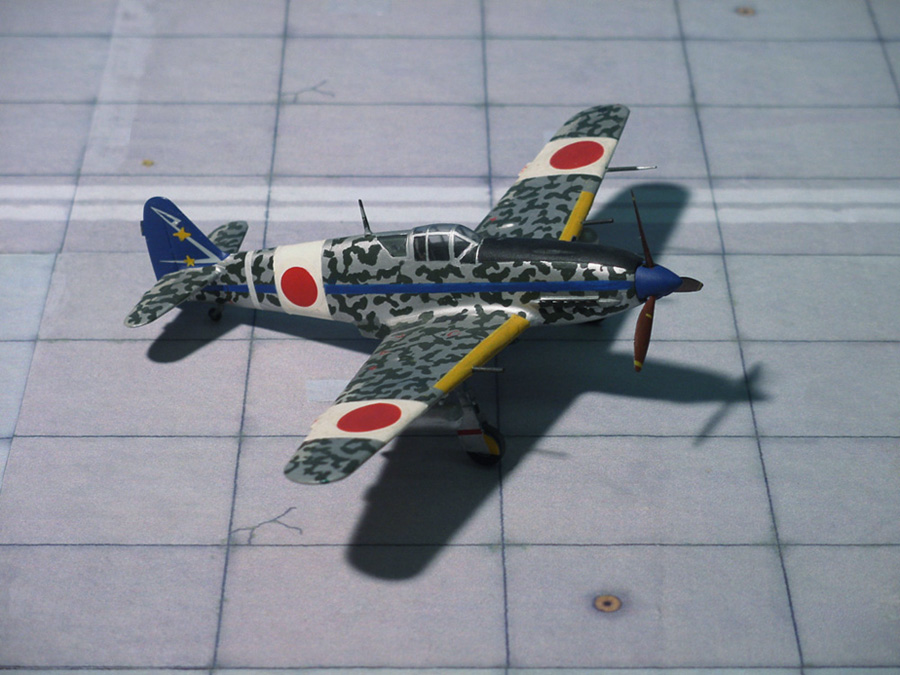
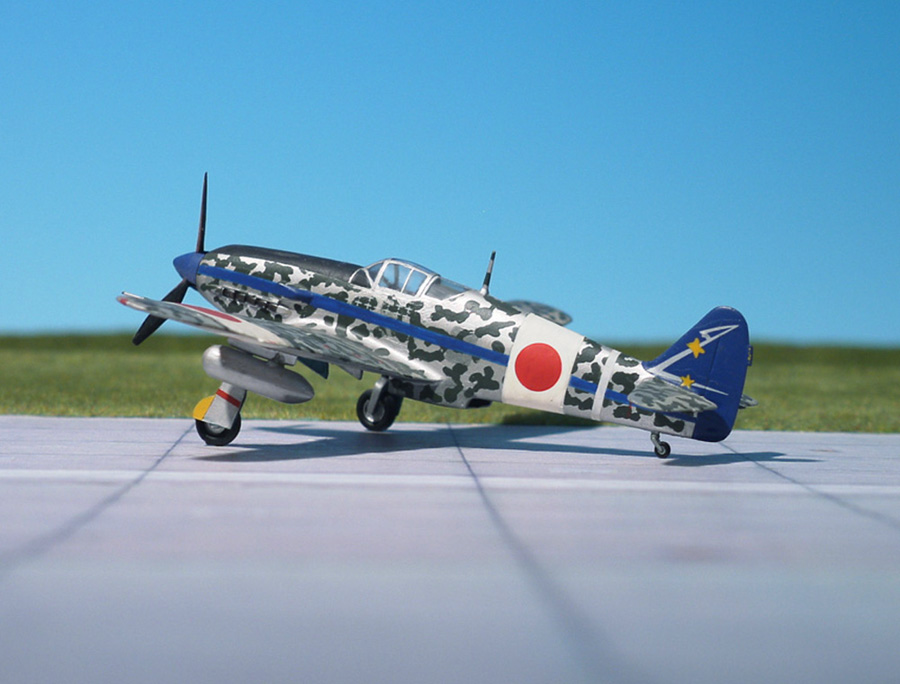
Kawasaki Ki-64 (“Rob”), (MPM)

TYPE: Heavy fighter

ACCOMMODATION: Pilot only

POWER PLANT: One Kawasaki Ha-201 coupled liquid-cooled engines, rated at 2,350 hp

PERFORMANCE: 430 mph at 16.000 ft

COMMENT: The Kawasaki Ki-64, Allied code name “Rob”, was a one-off prototype of an experimental heavy, single seat, fighter. It had two unusual design features. First; it had two Kawasaki Ha-40 engines in tandem; one in the aircraft nose, the other behind the cockpit, both being connected by a drive shaft. This combination, called the Kawasaki Ha-201, drove two, three-bladed, contra-rotating propellers. The second feature was the use of the wing surface as a radiator for the water-cooled engines. The aircraft first flew in December 1943. During the fifth flight, the rear engine caught fire; and while the aircraft made an emergency landing, it was damaged. The aircraft was subsequently abandoned in mid-1944 in favour of more promising projects. The airframe survived the war, and parts of the unique cooling system were sent to Wright Field in the US for examination (Ref.: 24).
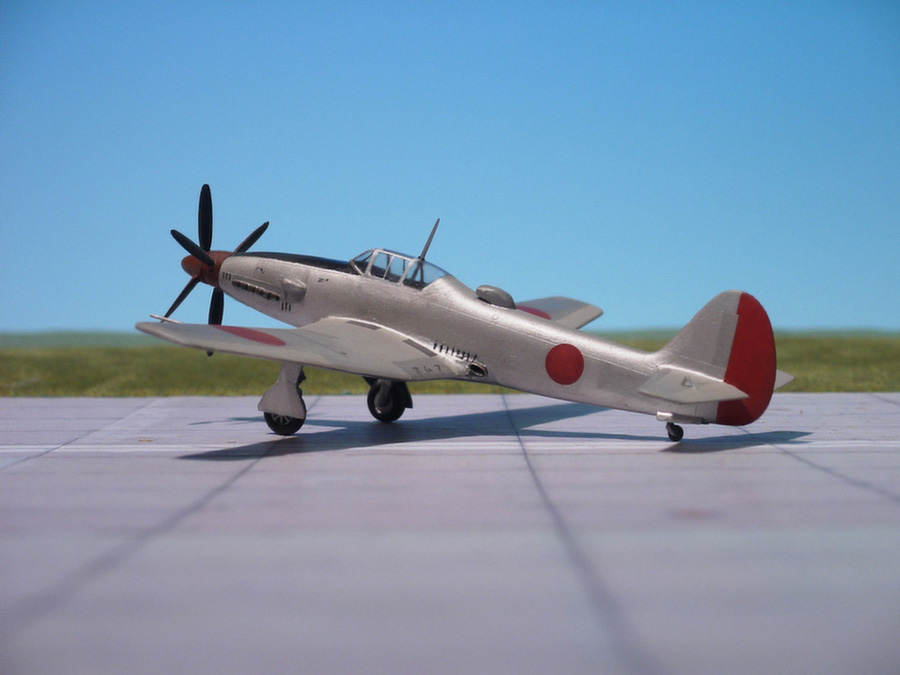
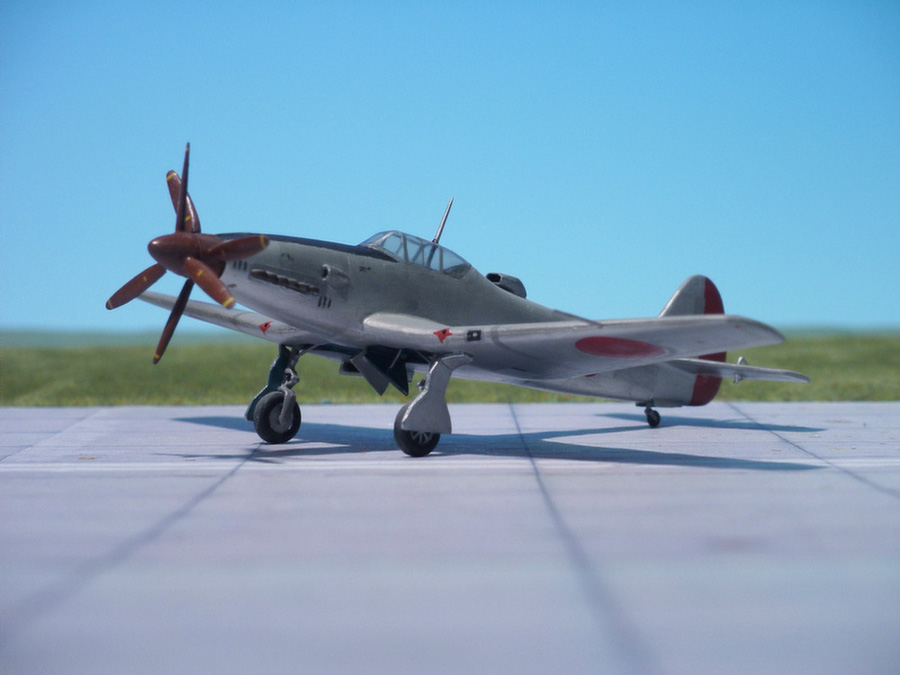
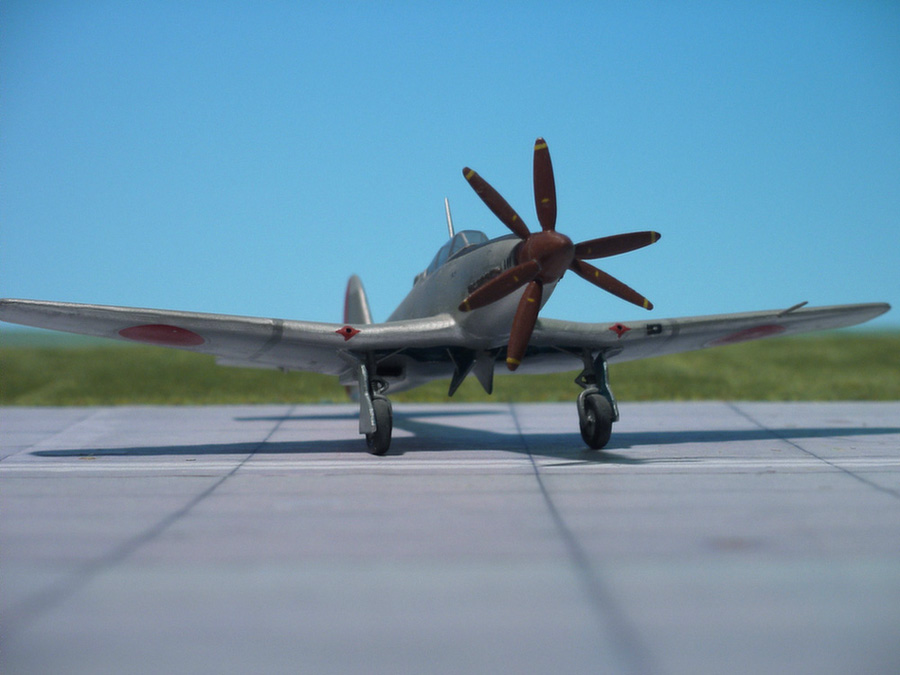
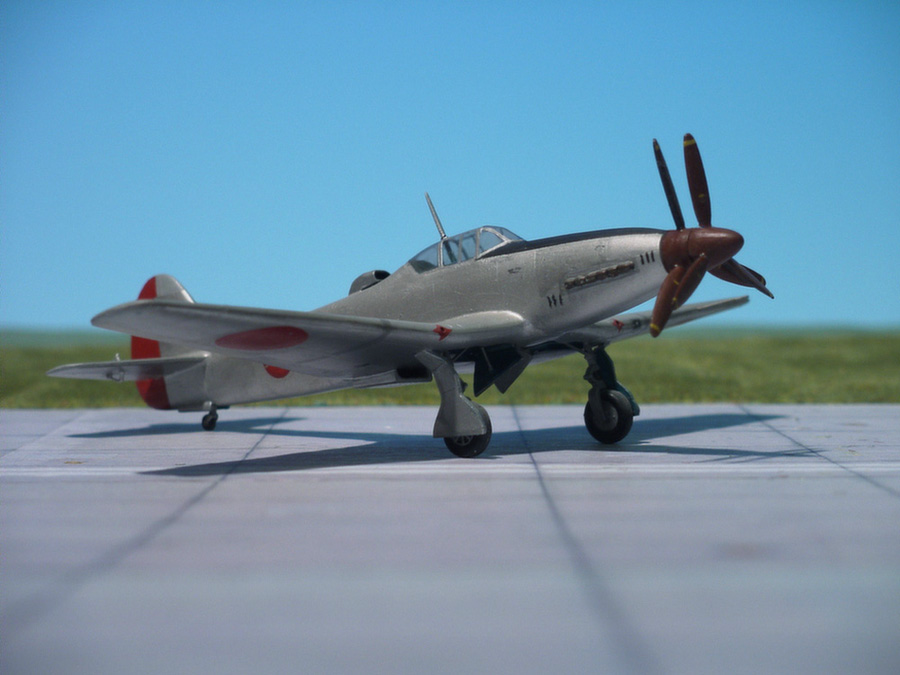
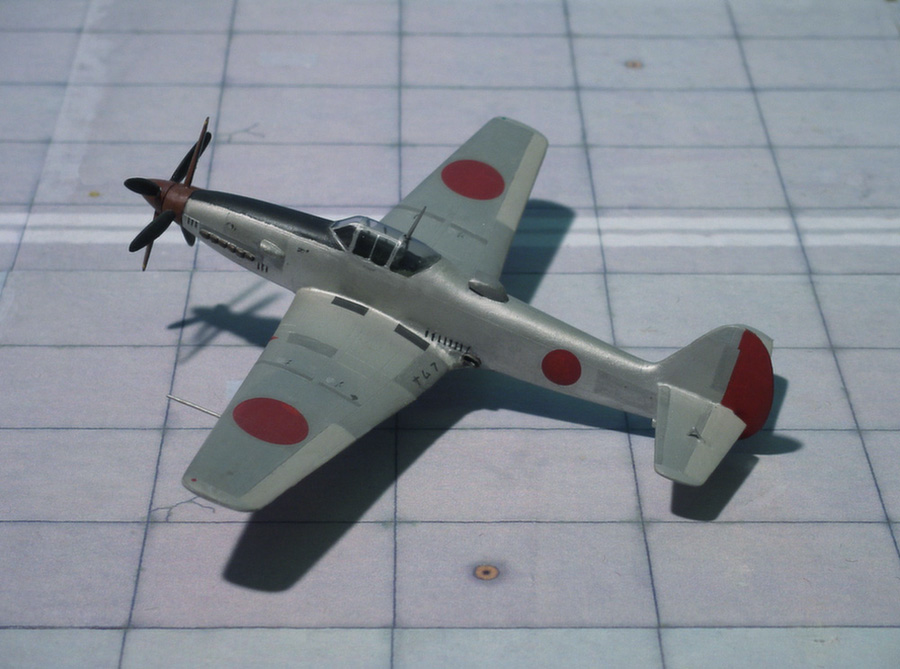
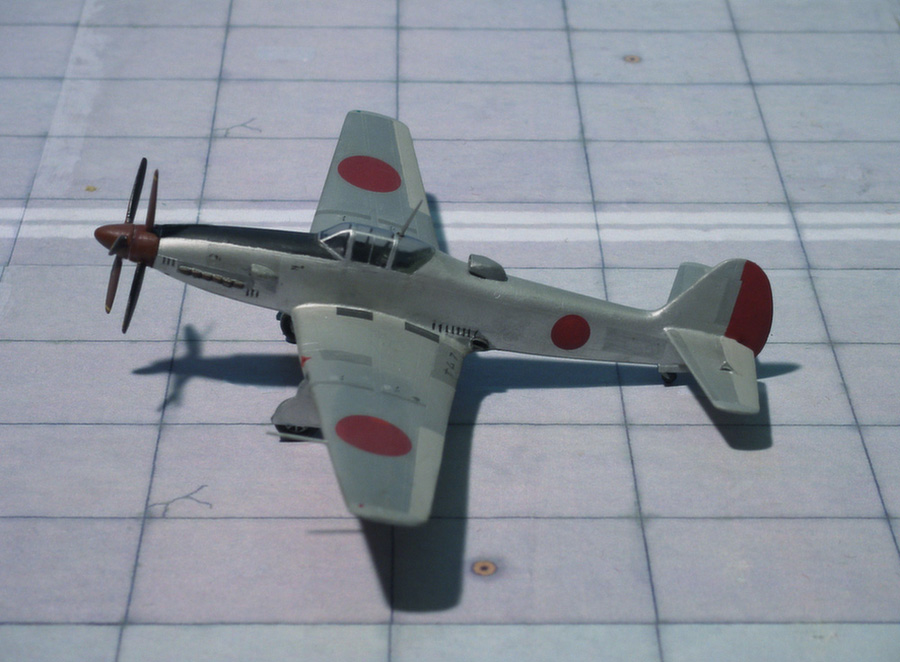
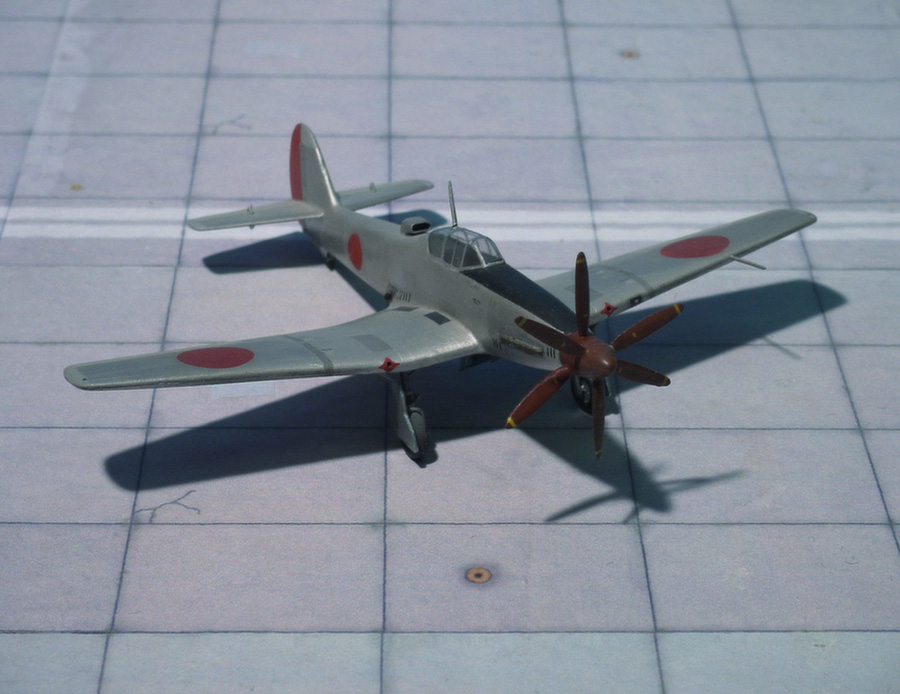
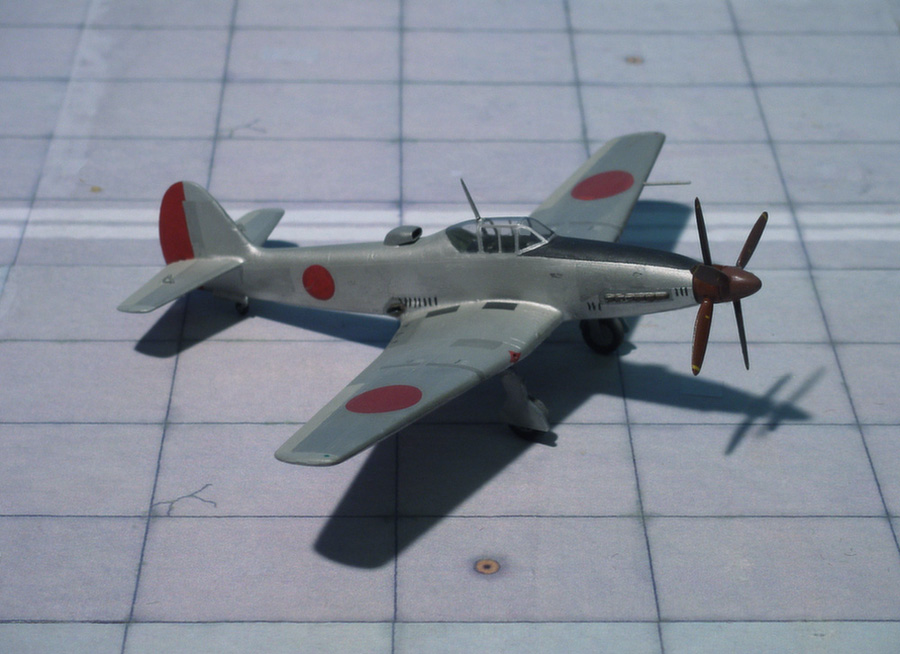
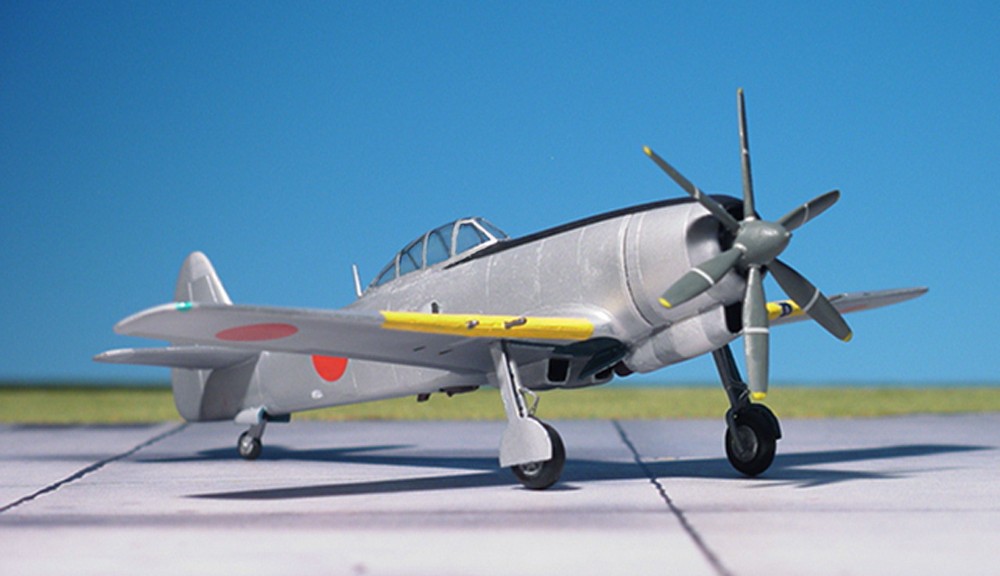
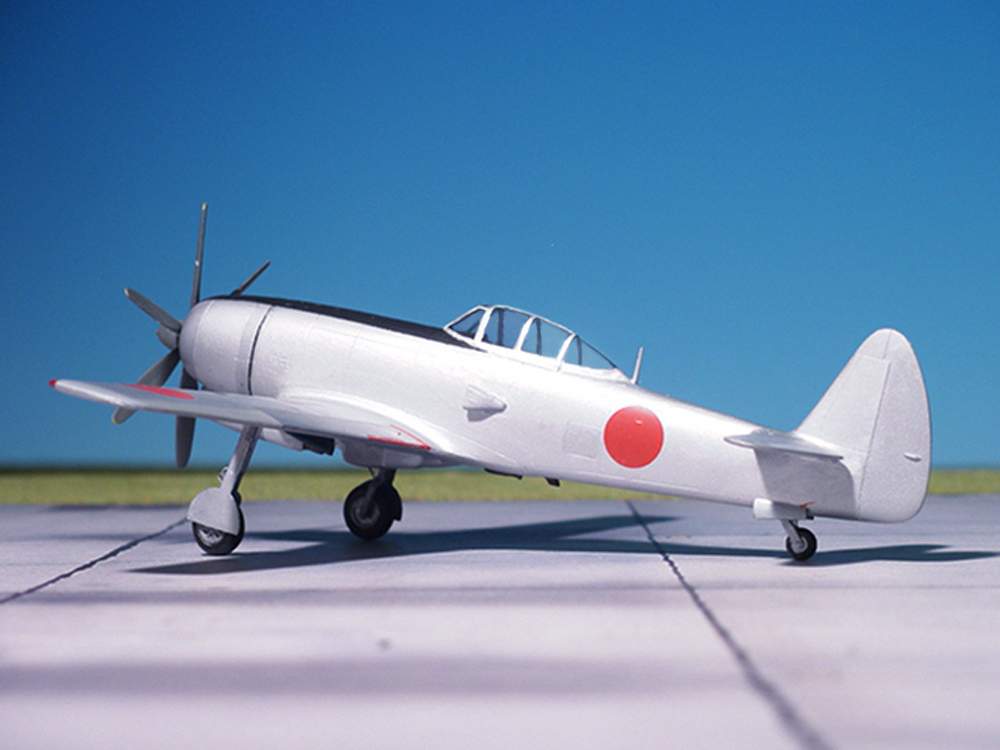
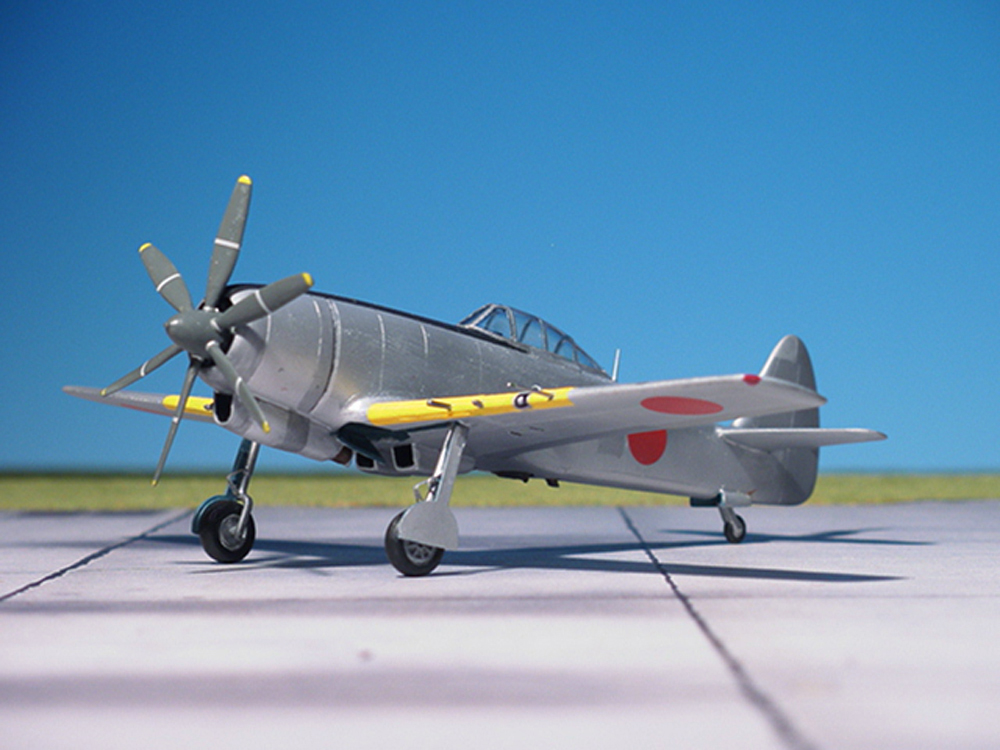
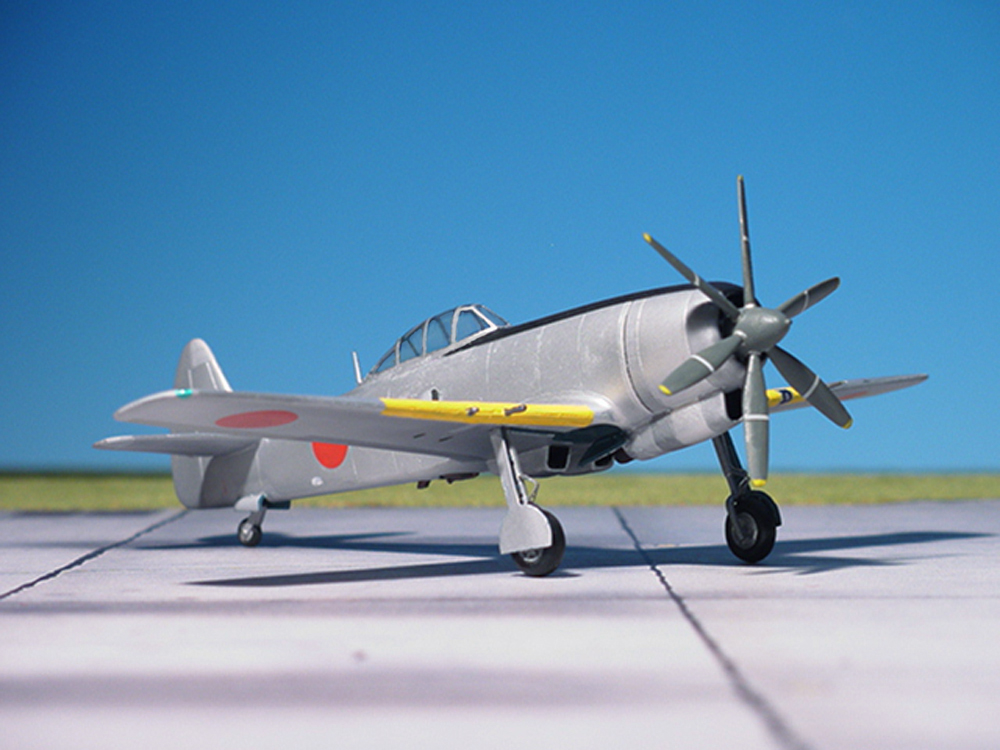
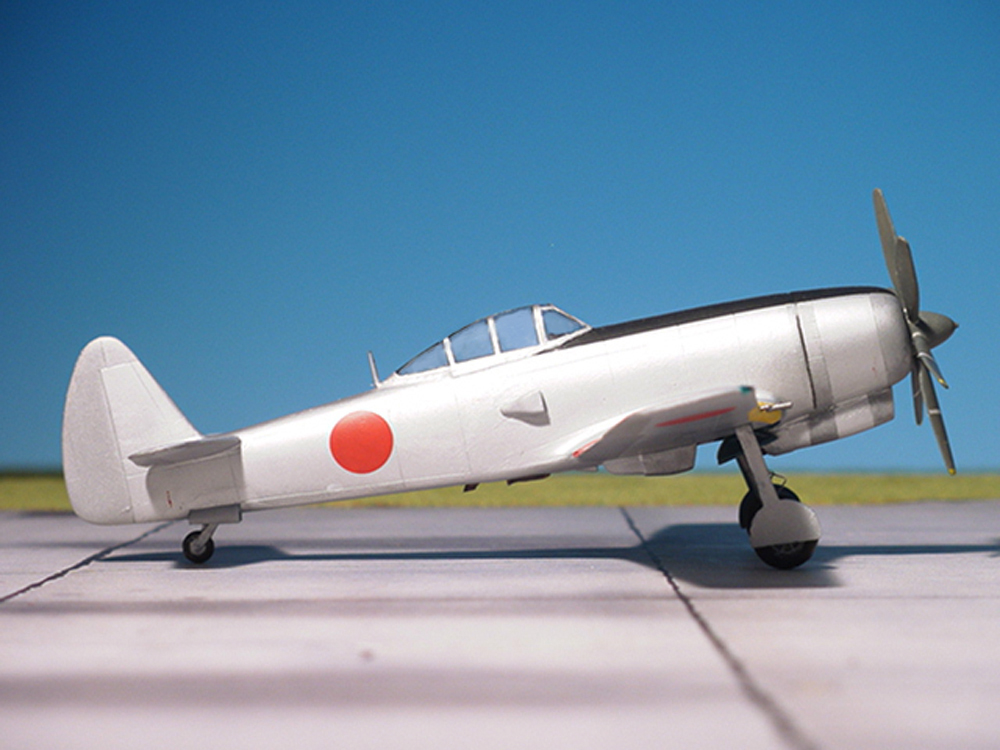
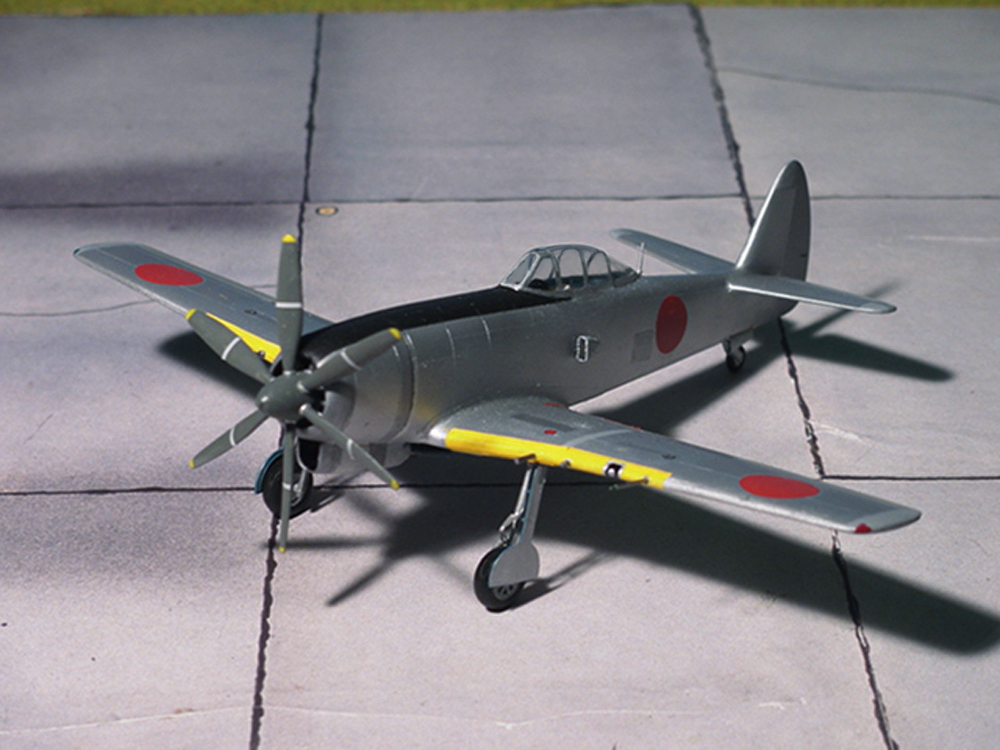
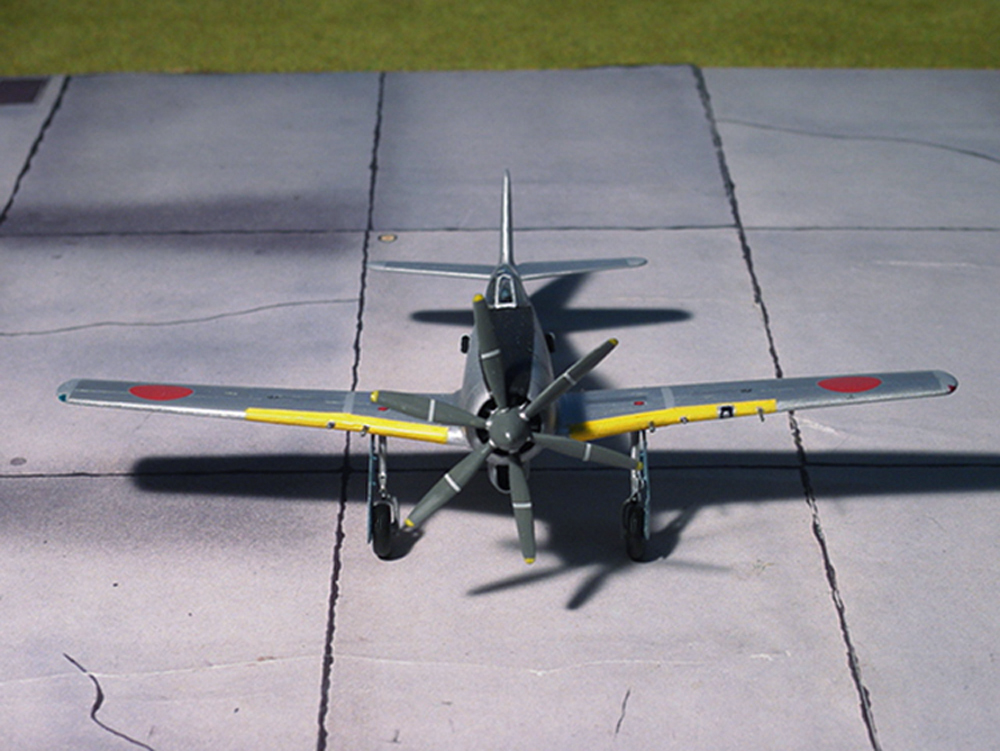
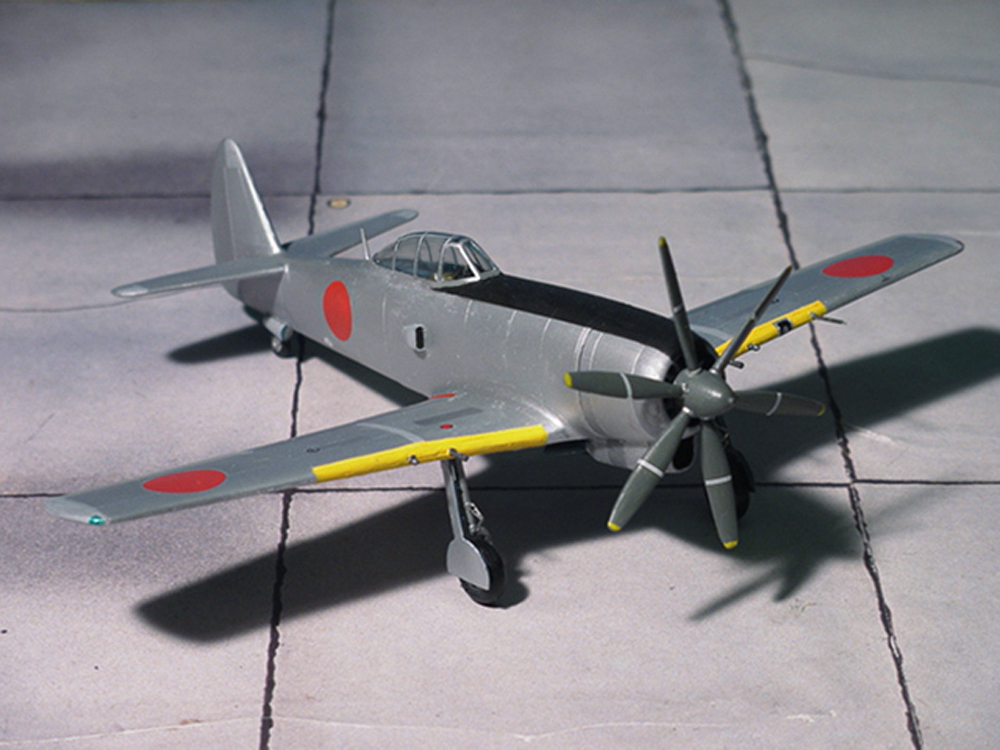
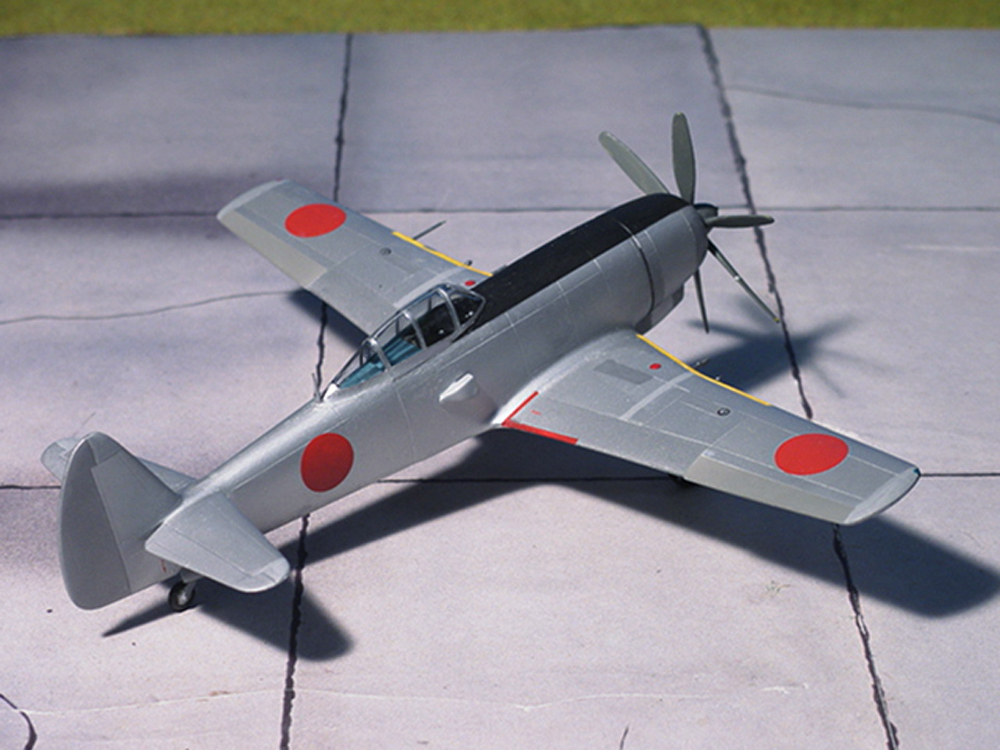
Tachikawa Ki-94-II (A + V Model, Resin)

TYPE: High-altitude fighter

ACCOMMODATION: Pilot in pressurized cockpit

POWER PLANT: One Nakajima Ha-44 radial engine, rated at 2,450 hp

PERFORMANCE: 442 mph at 39,370 ft (estimated)

COMMENT: In mid-1942, the Imperial Japanese Army Air Force wanted to obtain a high-altitude fighter fitted with a pressure cabin and capable of reaching a top speed of 497 mph and having a maximum range of 1,850 miles. As these performance requirements were rather stringent, the Koku Hombu decided to instruct Tachikawa to proceed with the design of the aircraft designated Ki- 94 while they placed a contract with Nakajima for another high-altitude fighter, the Ki- 87, with less stringent range requirements.
The initial aircraft was a large twin-boom monoplane with two engines mounted in tandem driving four-blade tractor and pusher propellers. But it was judged that the design was too complex and in 1943 Tachikawa submitted a new proposal to meet the same requirements as the competitive Nakajima Ki-87. The new aircraft was a single-engine high-altitude fighter of conventional design with laminar-flow wing and featuring a pressure cabin mounted in the fuselage behind the wing trailing edges. The aircraft was to be powered by a fan-cooled turbo-supercharged 2,400 hp Nakajima radial engine driving a six-blade propeller. This design was approved by the Koku Hombu, and the aircraft was designated Ki-94-II (the scrapped earlier Ki-94 design was named the Ki-94-I). An order was placed for one static test airframe, three prototypes, and eighteen pre-production aircraft. Only two prototypes were built in the event; the first was equipped with a single 2,541 hp Nakajima Ha-219 (Ha-44) engine, driving a four-blade propeller because the six-blade one was not ready. The second prototype was to be fitted with a six-blade propeller. The war’s end however stopped the construction of the second prototype and also found the first prototype still being readied for its intended maiden flight, the Ki-94-II never taking to the air (Ref.: 1, 24).