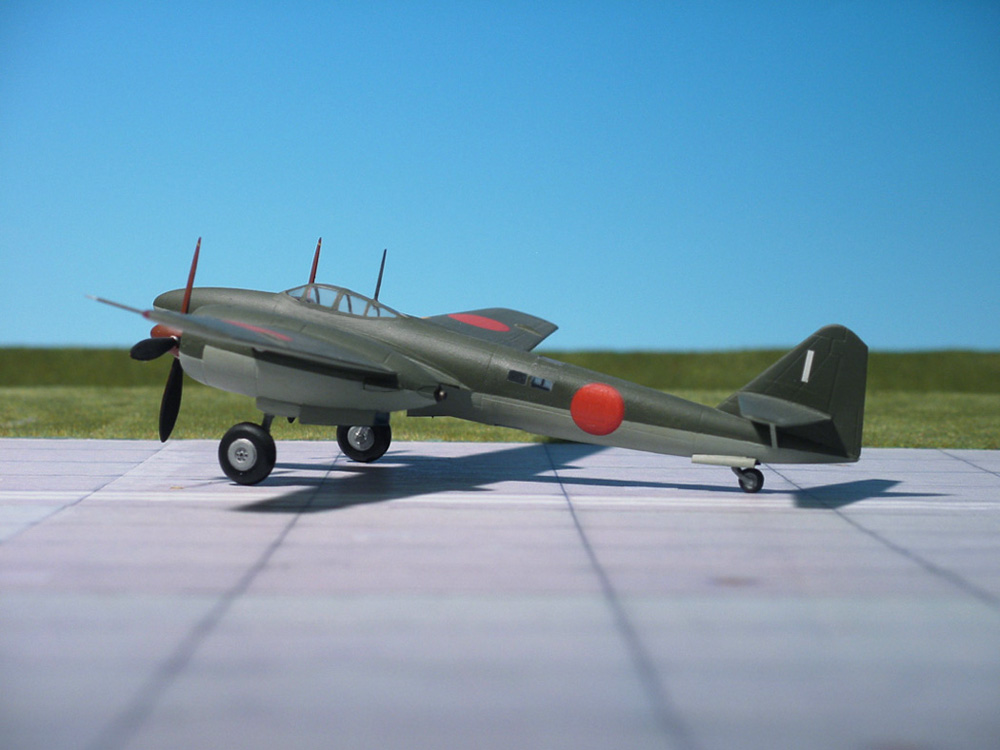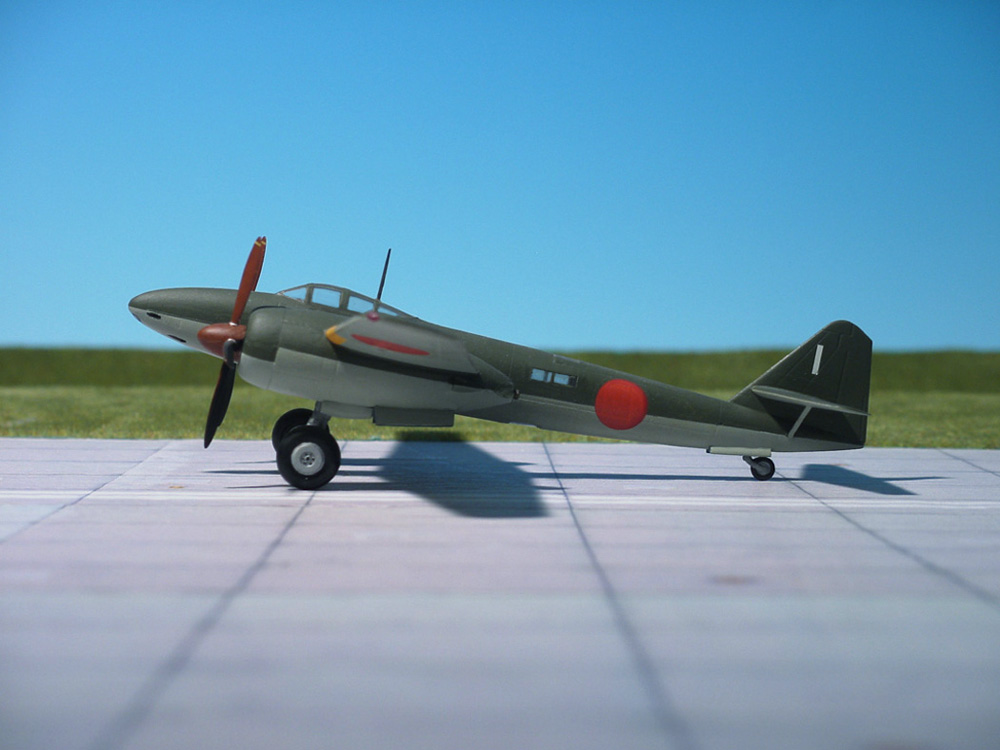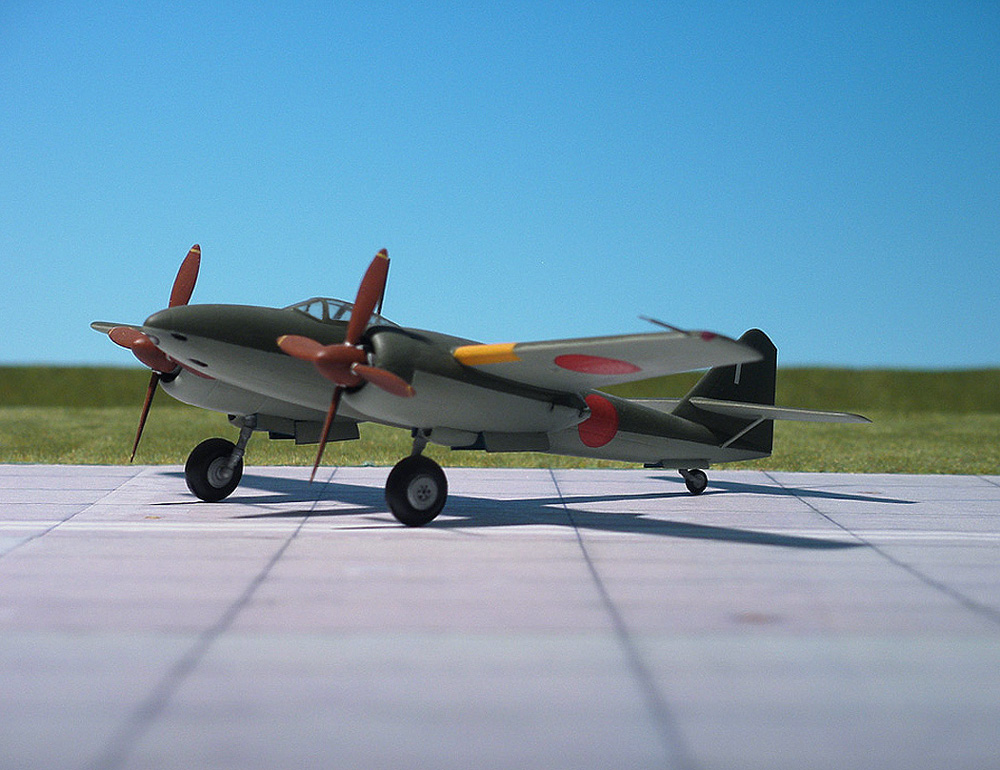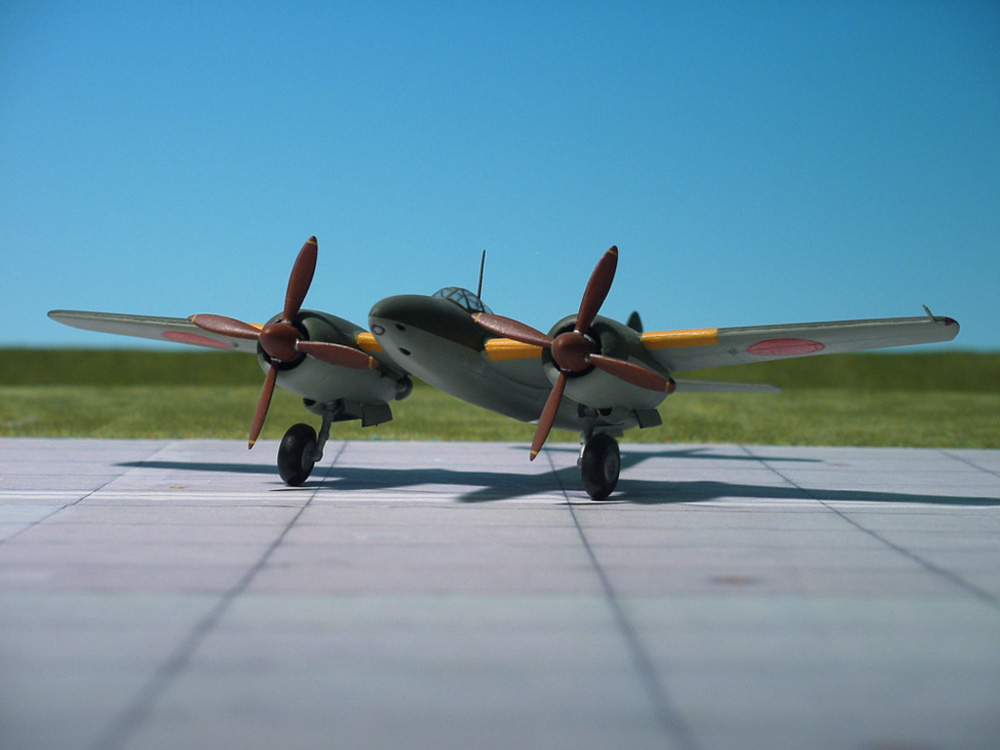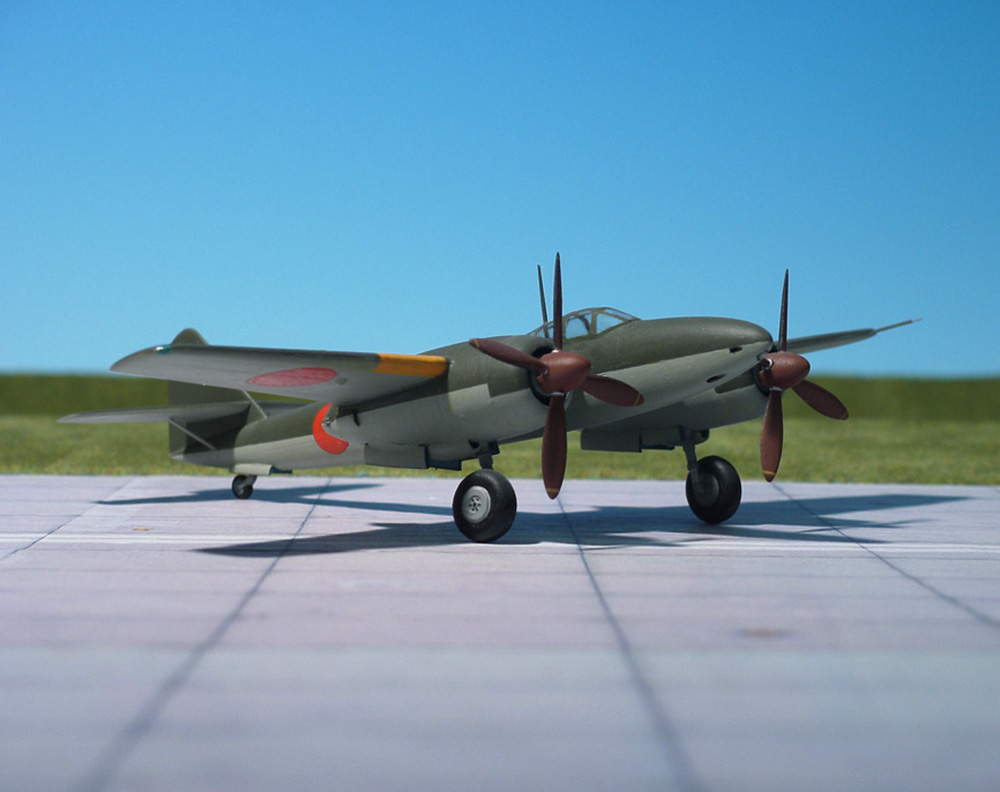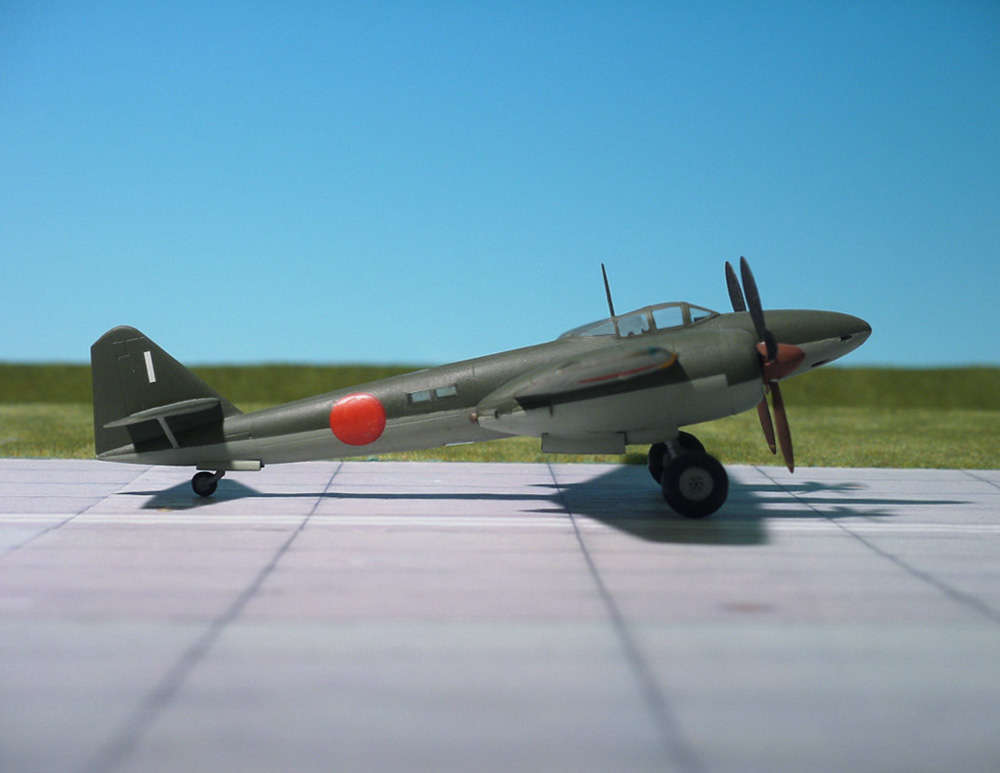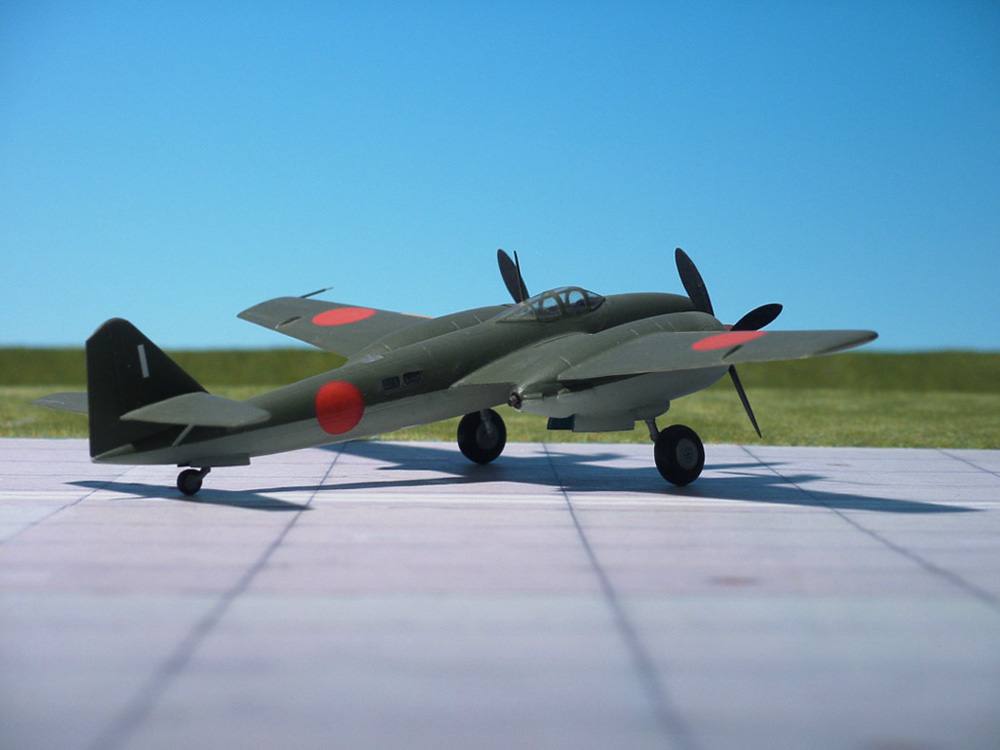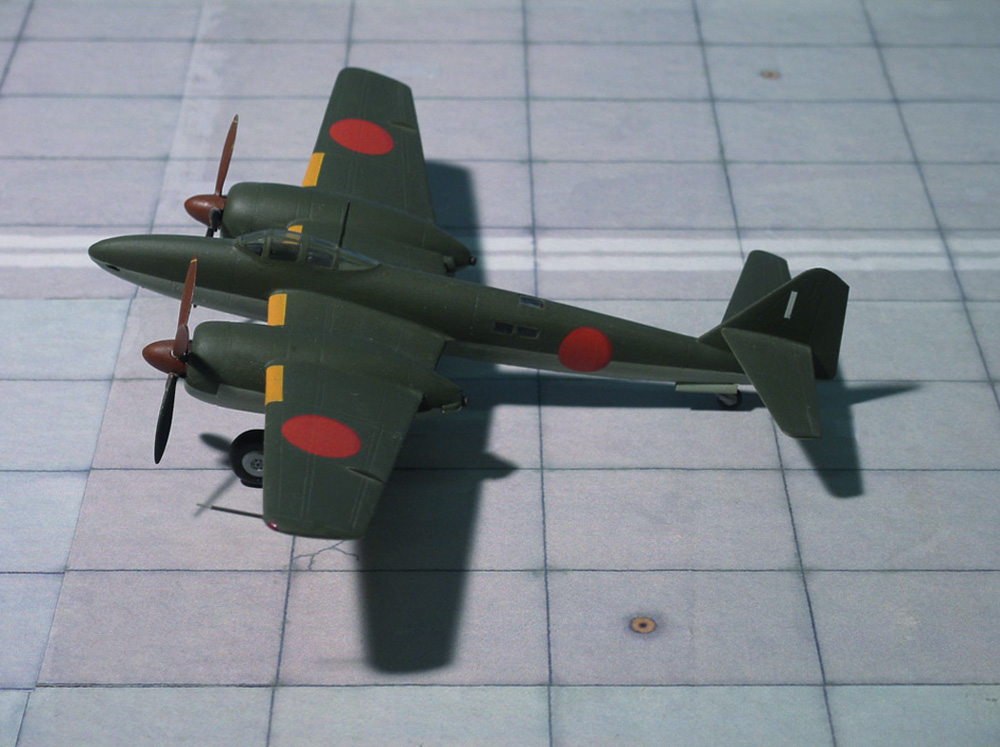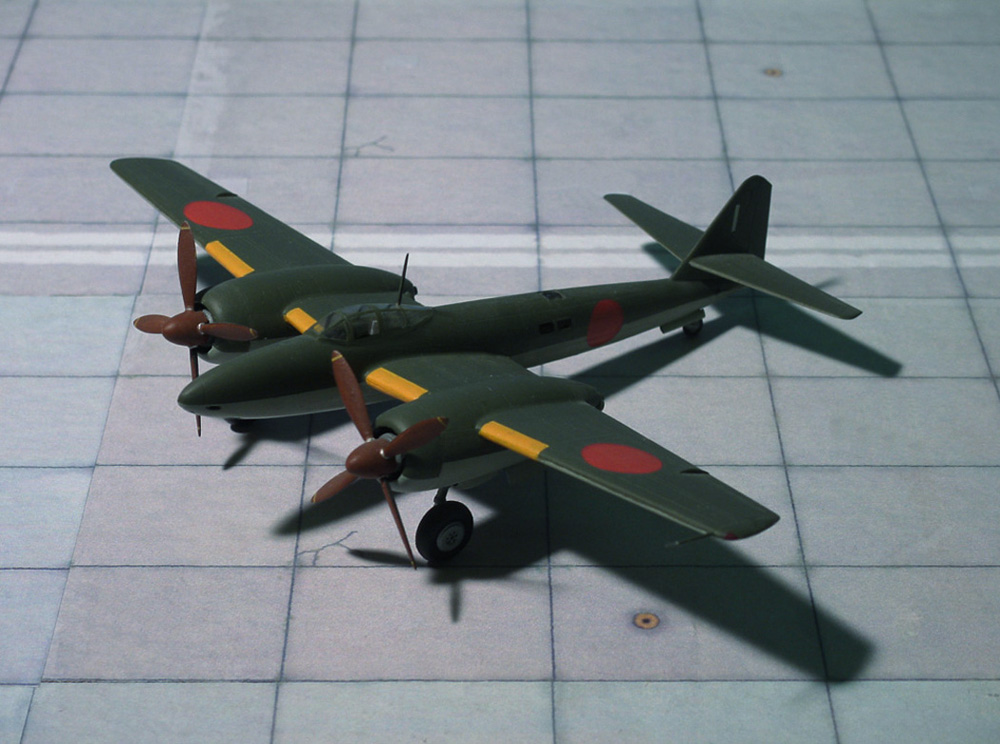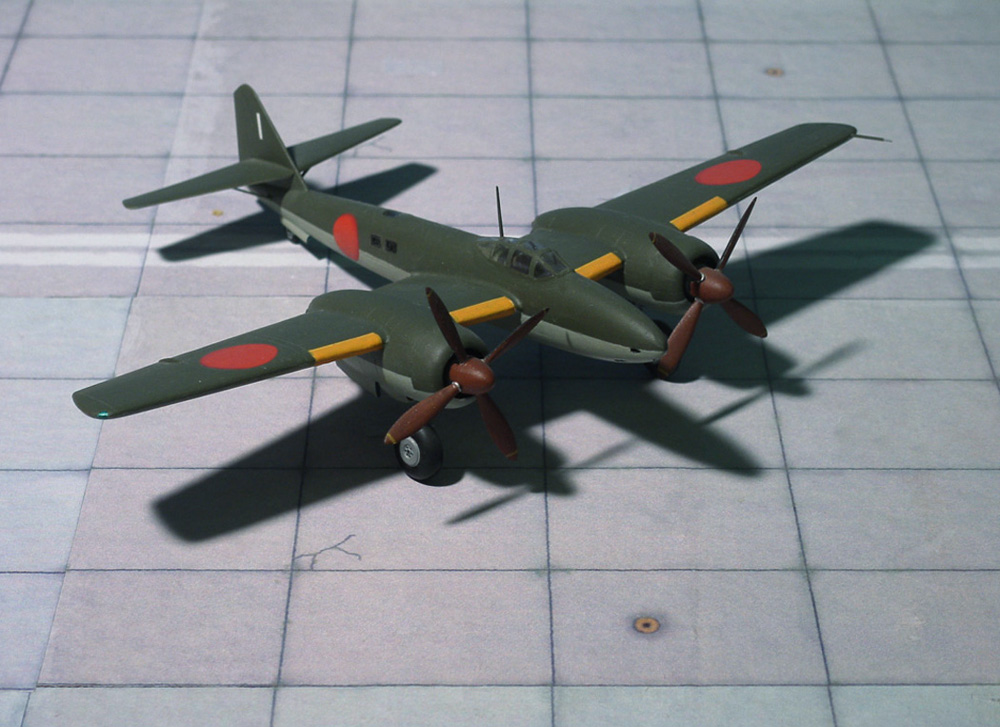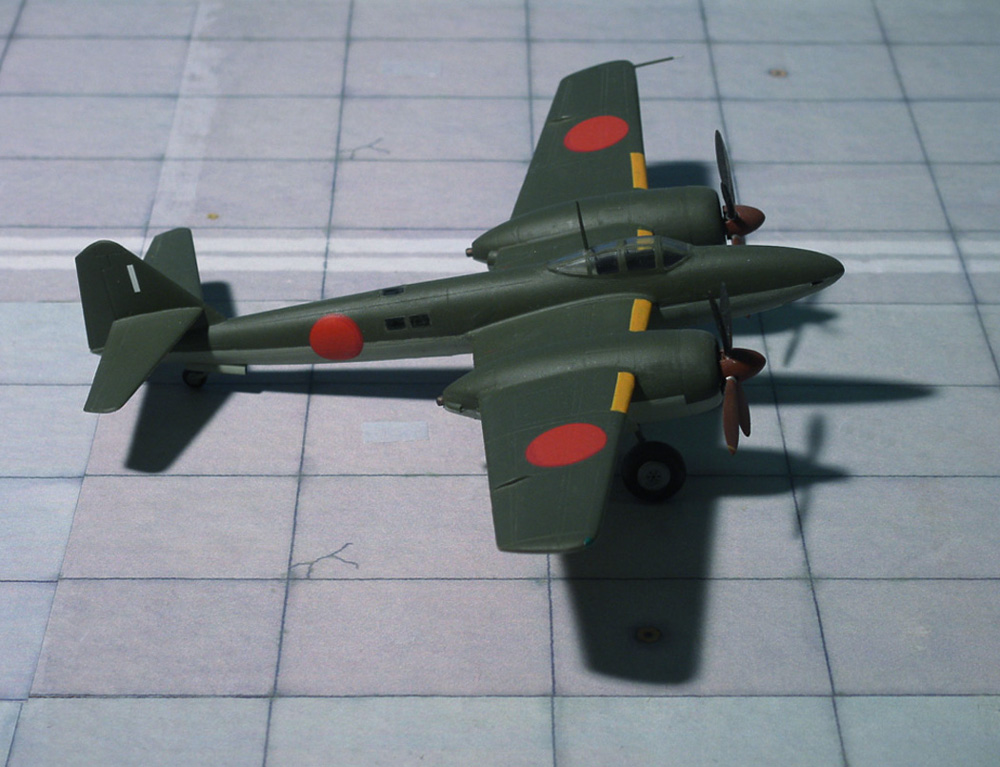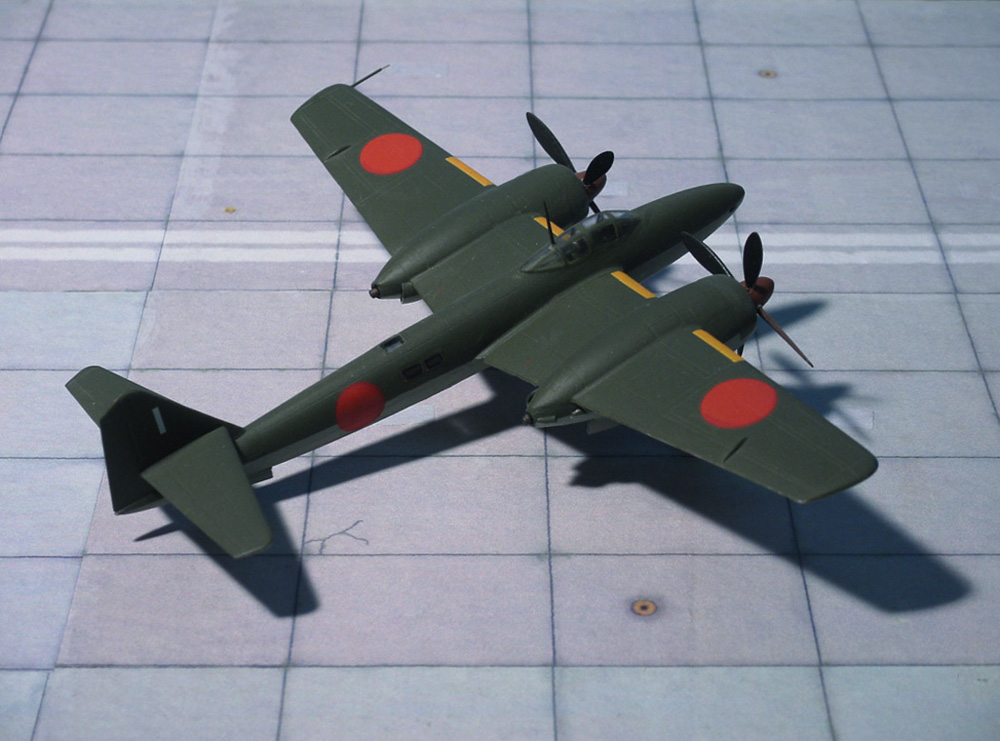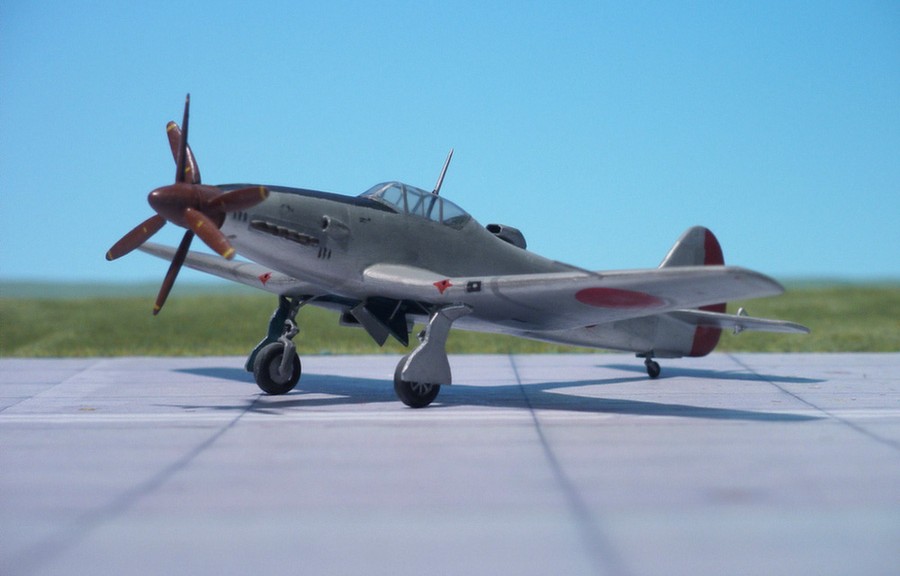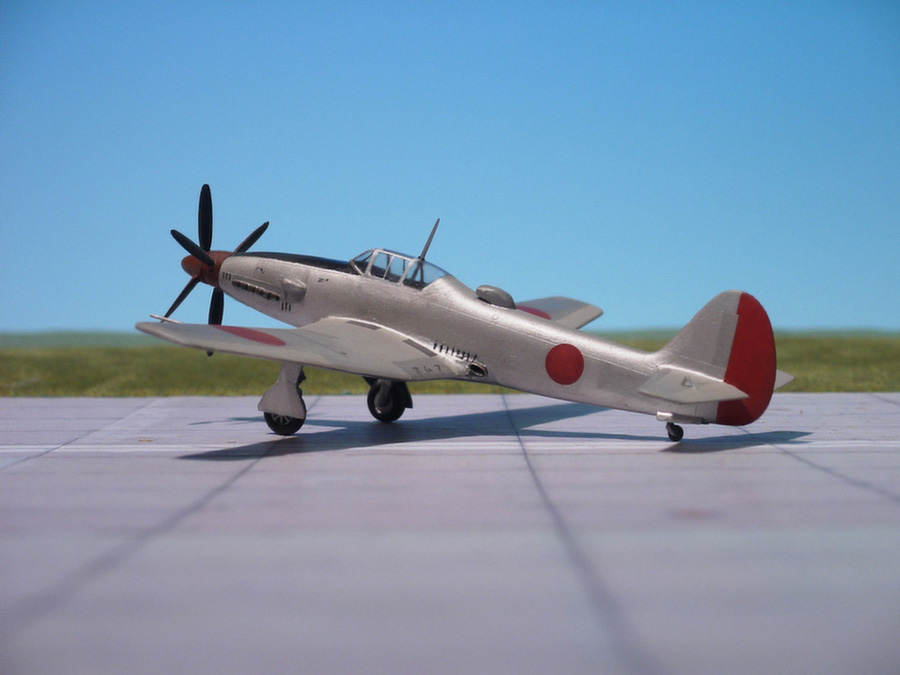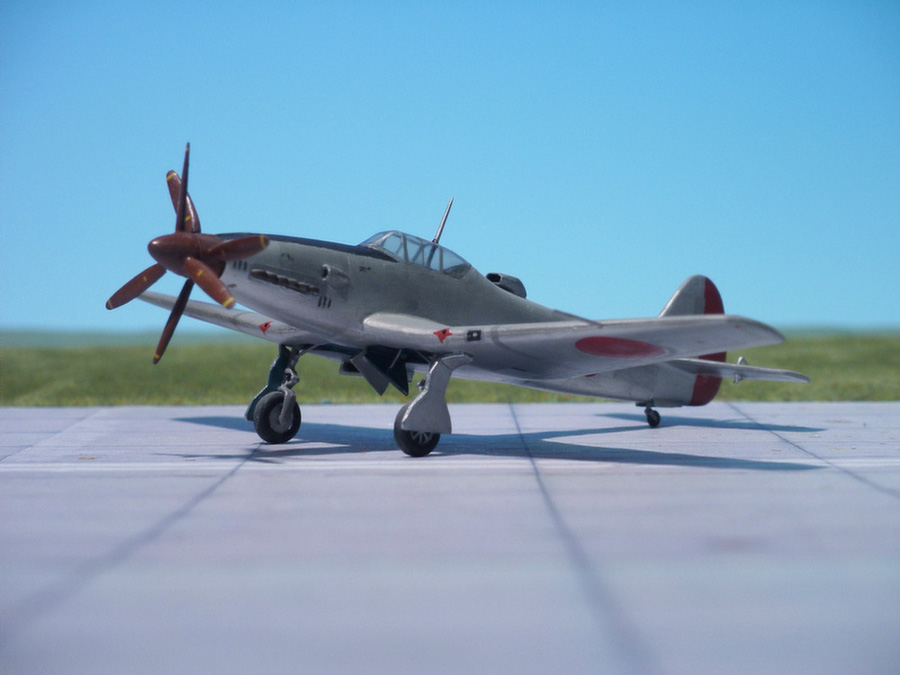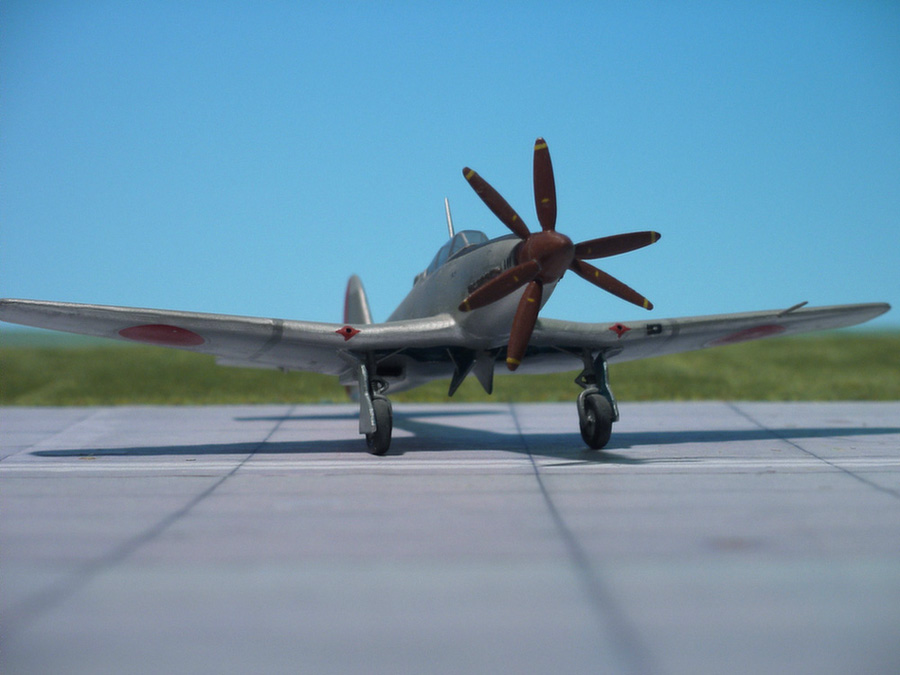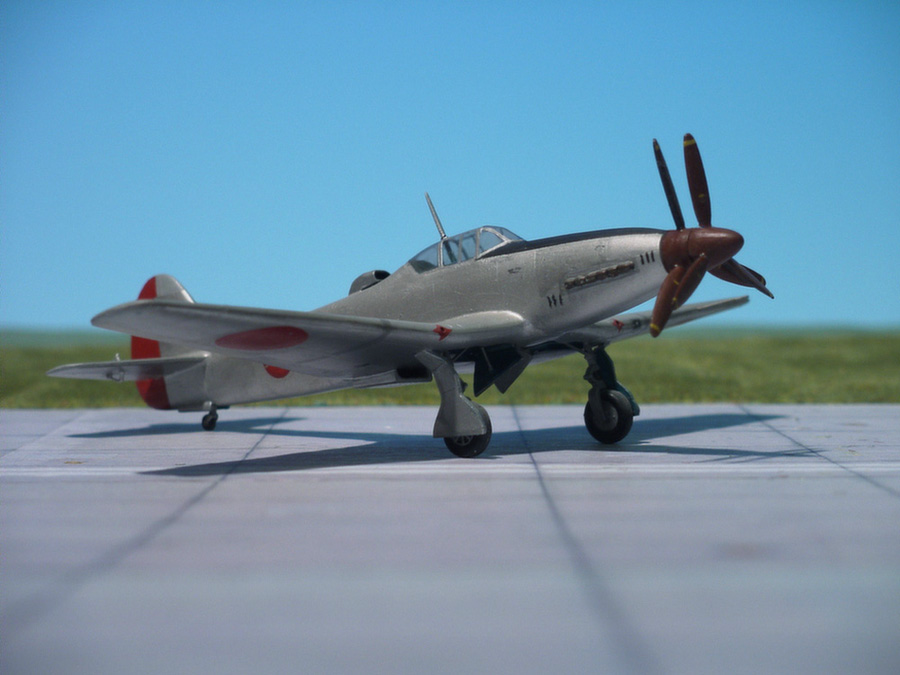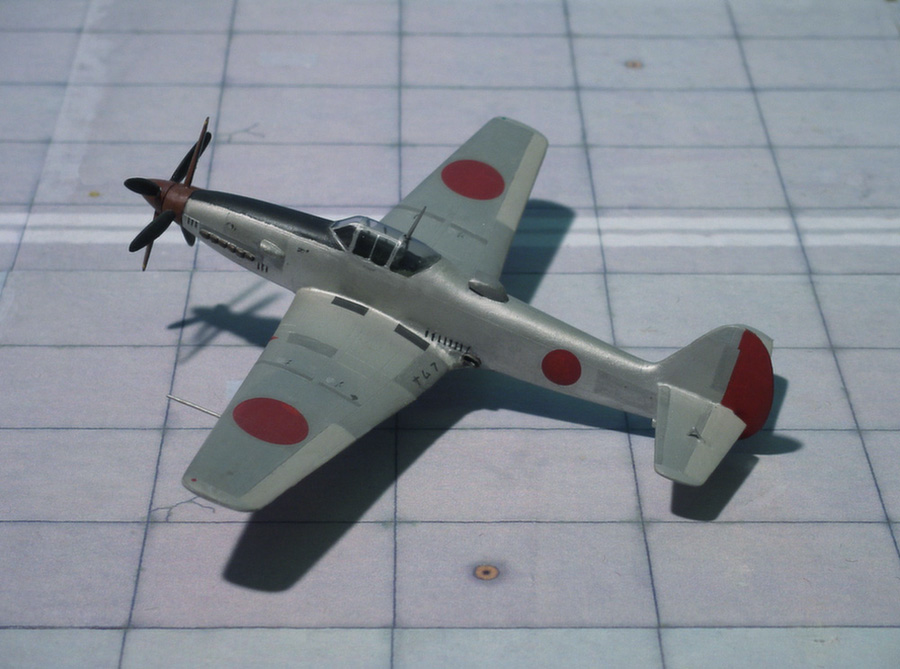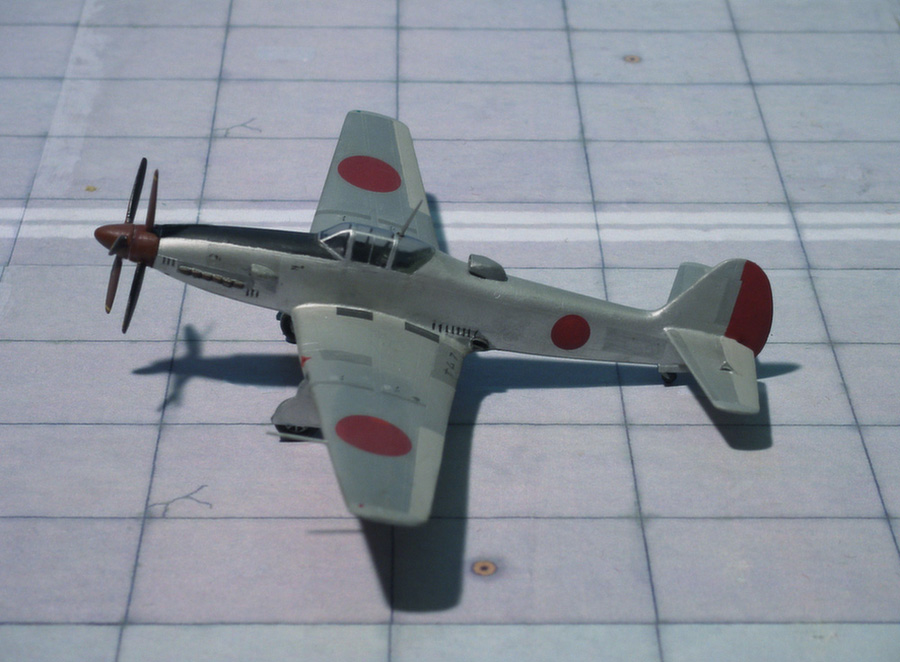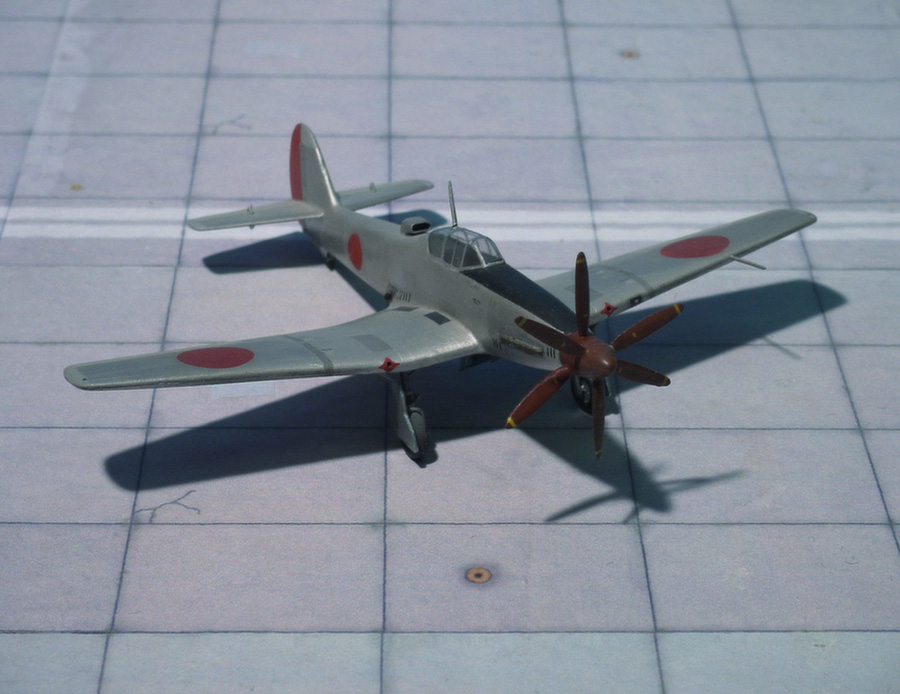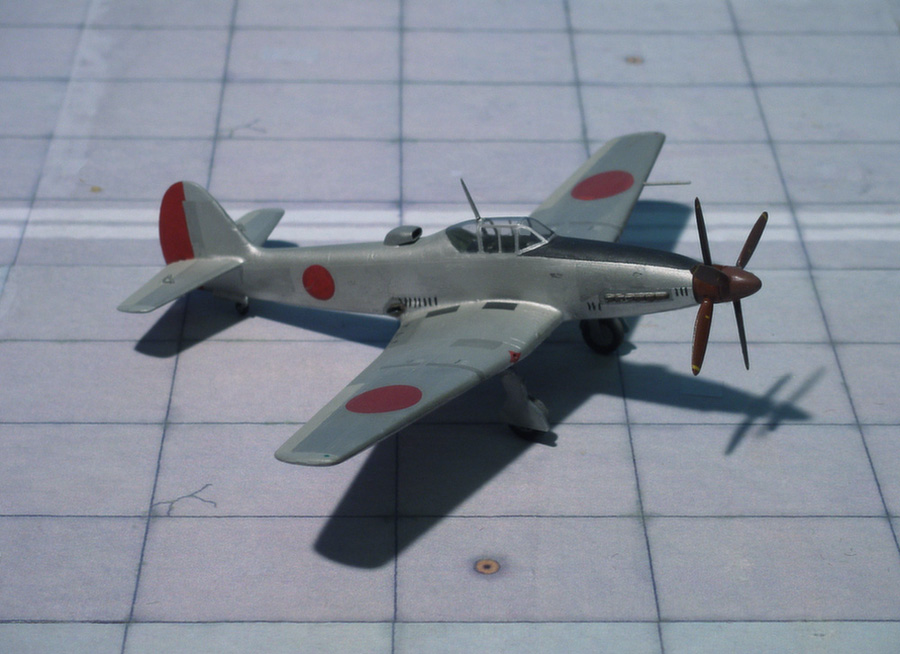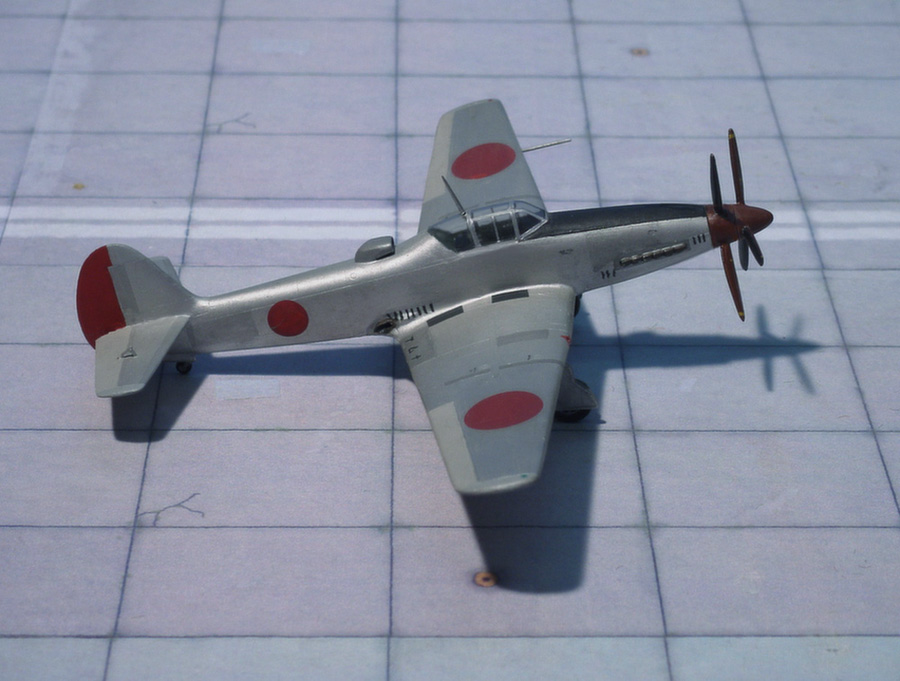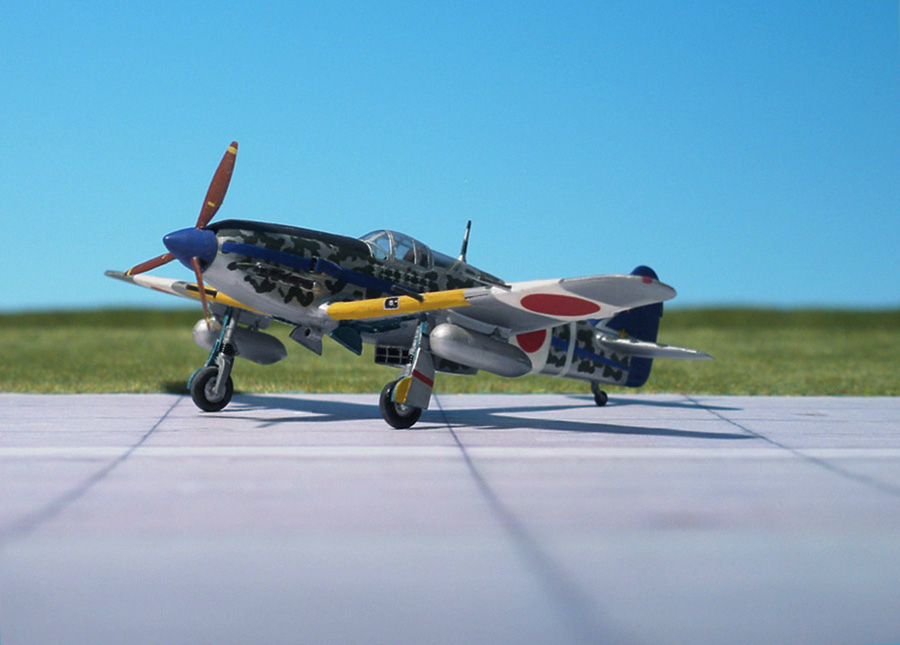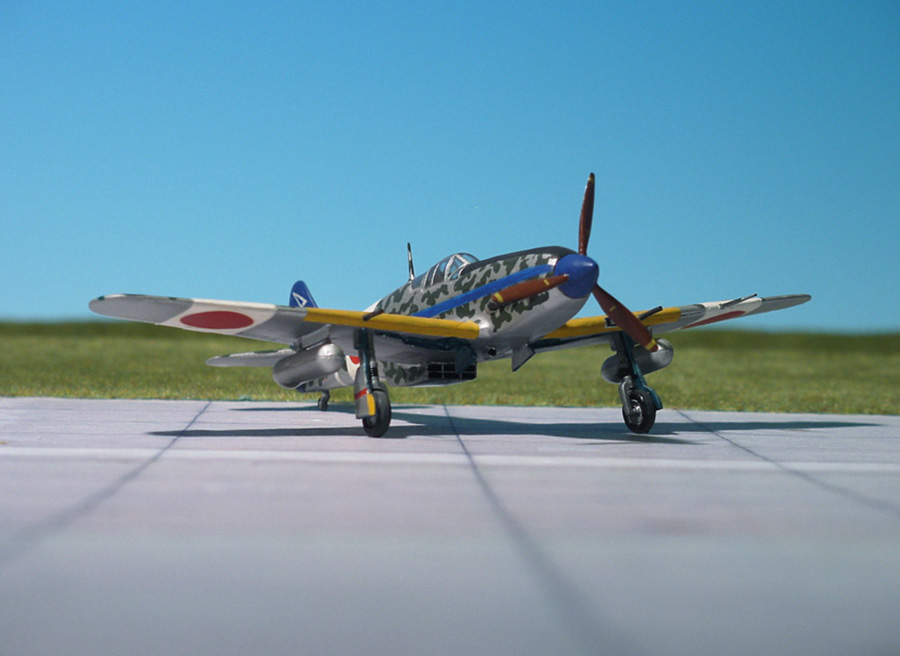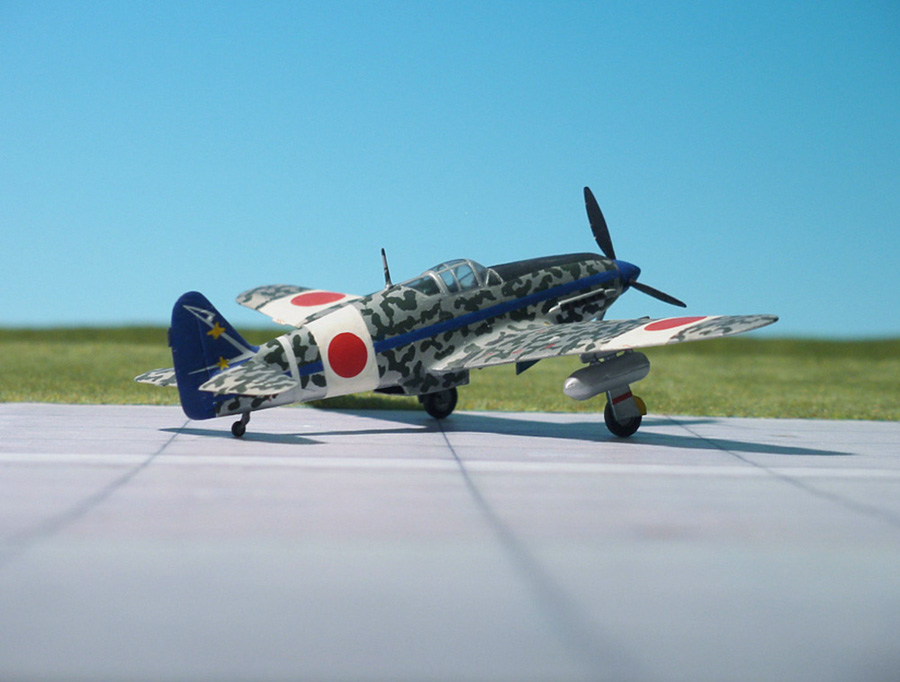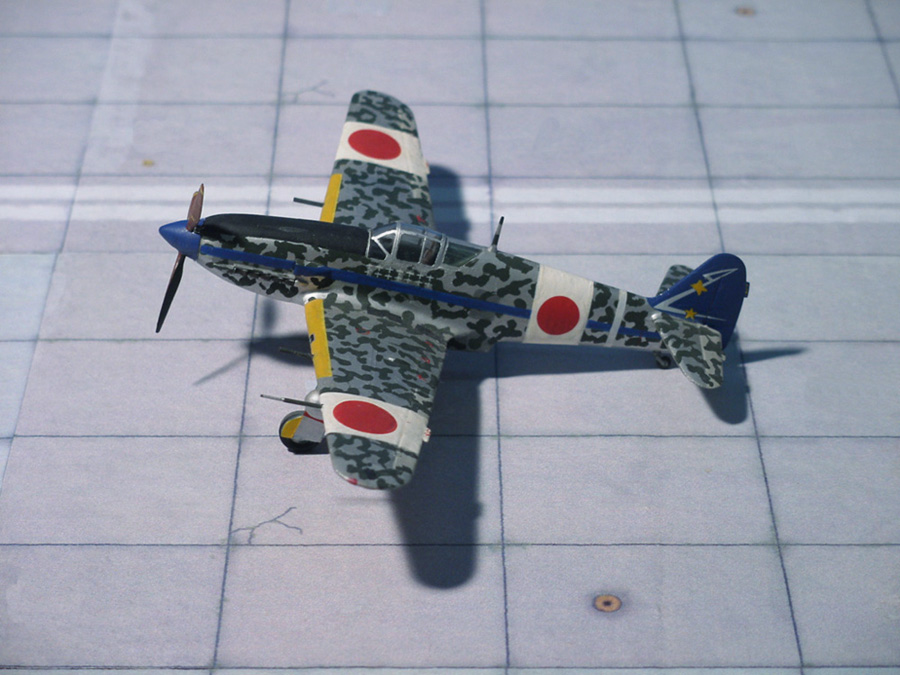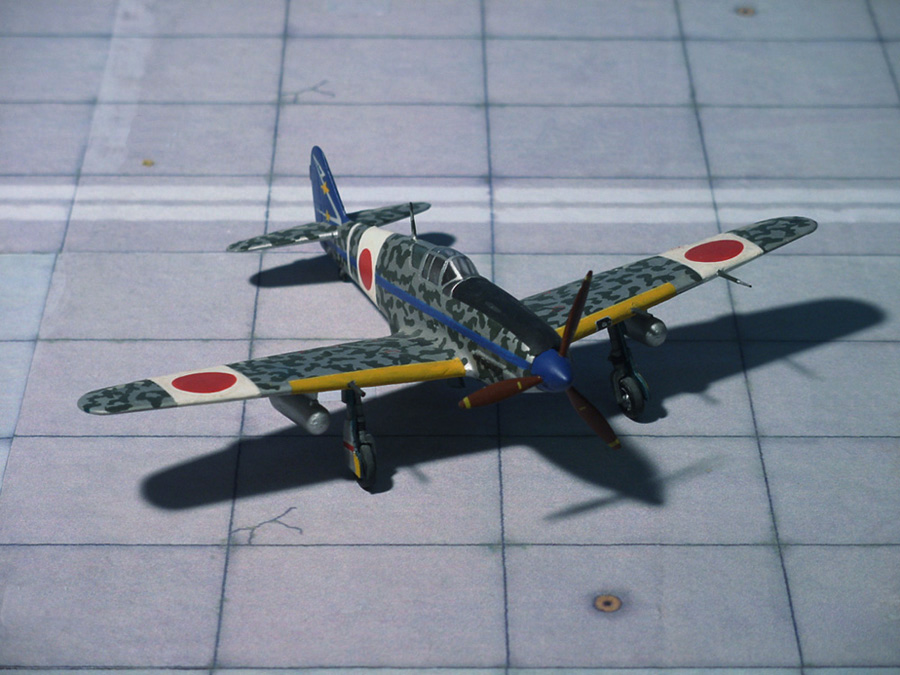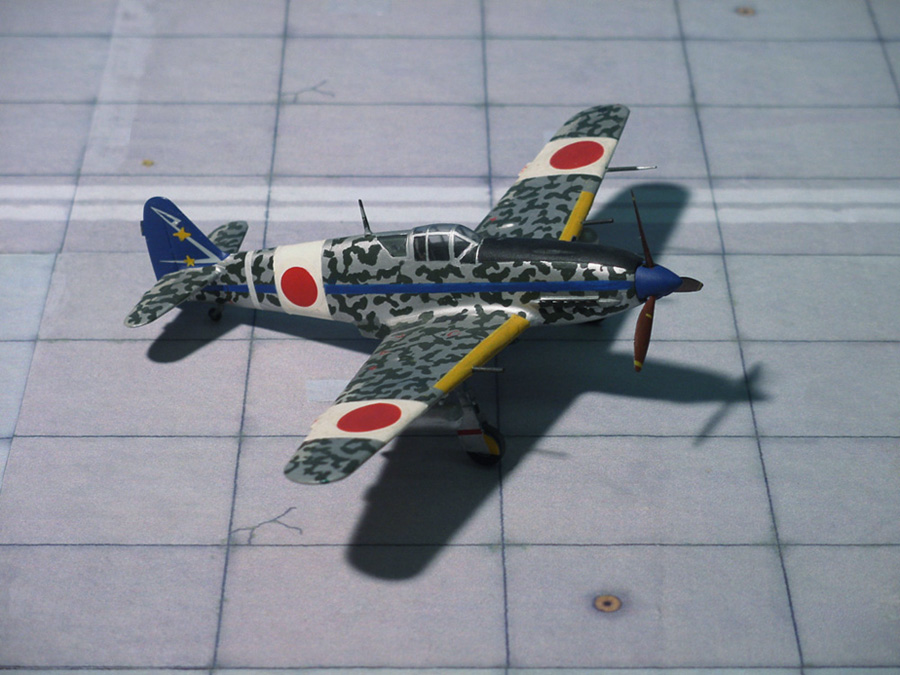
POWER PLANT: One Kawasaki Ha-201 coupled liquid-cooled engines, rated at 2,350 hp
PERFORMANCE: 430 mph at 16.000 ft
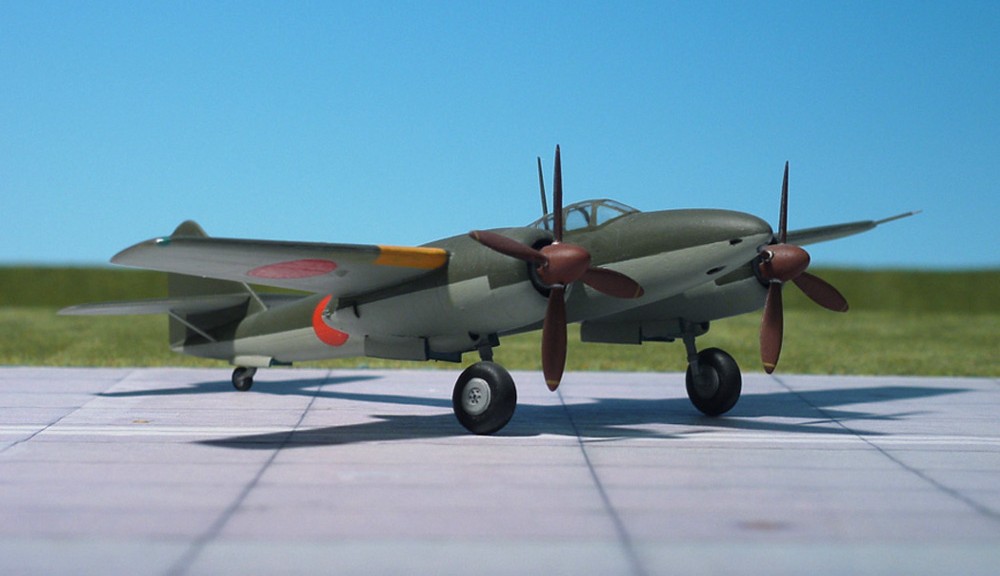
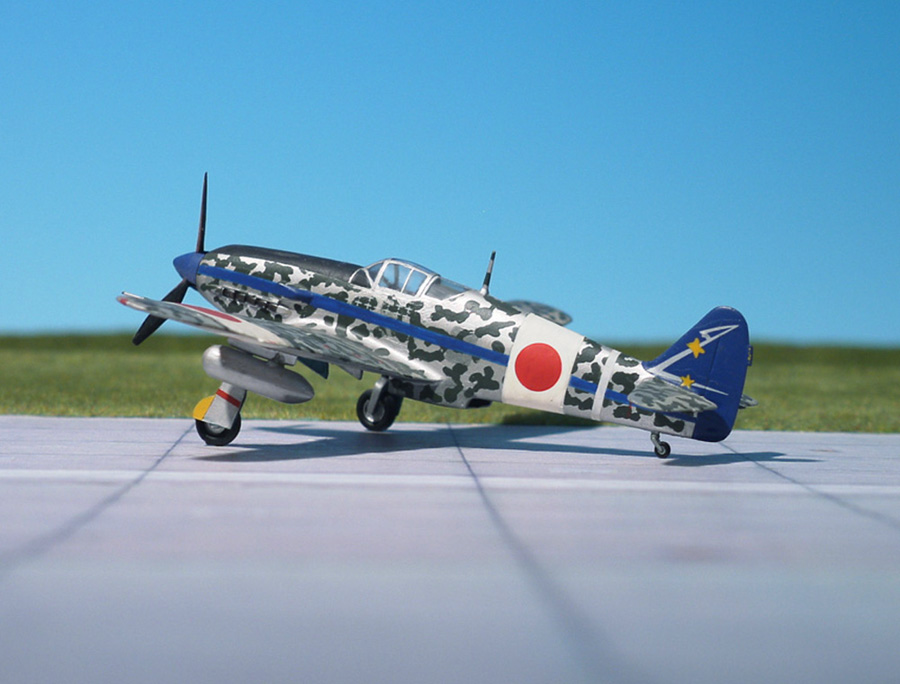
COMMENT: The Kawasaki Ki-64, Allied code name “Rob”, was a one-off prototype of an experimental heavy, single seat, fighter. It had two unusual design features. First; it had two Kawasaki Ha-40 engines in tandem; one in the aircraft nose, the other behind the cockpit, both being connected by a drive shaft. This combination, called the Kawasaki Ha-201, drove two, three-bladed, contra-rotating propellers. The second feature was the use of the wing surface as a radiator for the water-cooled engines. The aircraft first flew in December 1943. During the fifth flight, the rear engine caught fire; and while the aircraft made an emergency landing, it was damaged. The aircraft was subsequently abandoned in mid-1944 in favour of more promising projects. The airframe survived the war, and parts of the unique cooling system were sent to Wright Field in the US for examination (Ref.: 24).
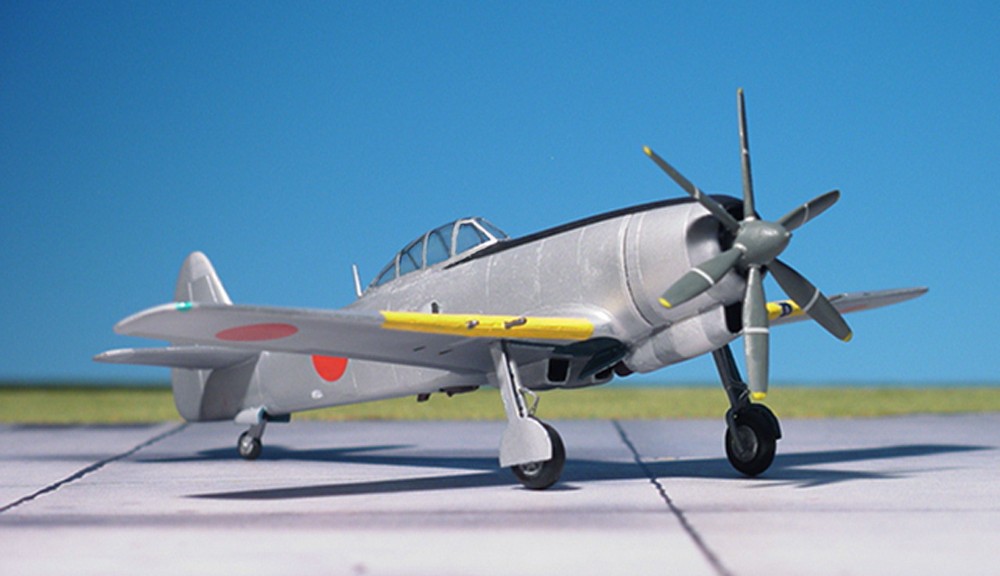
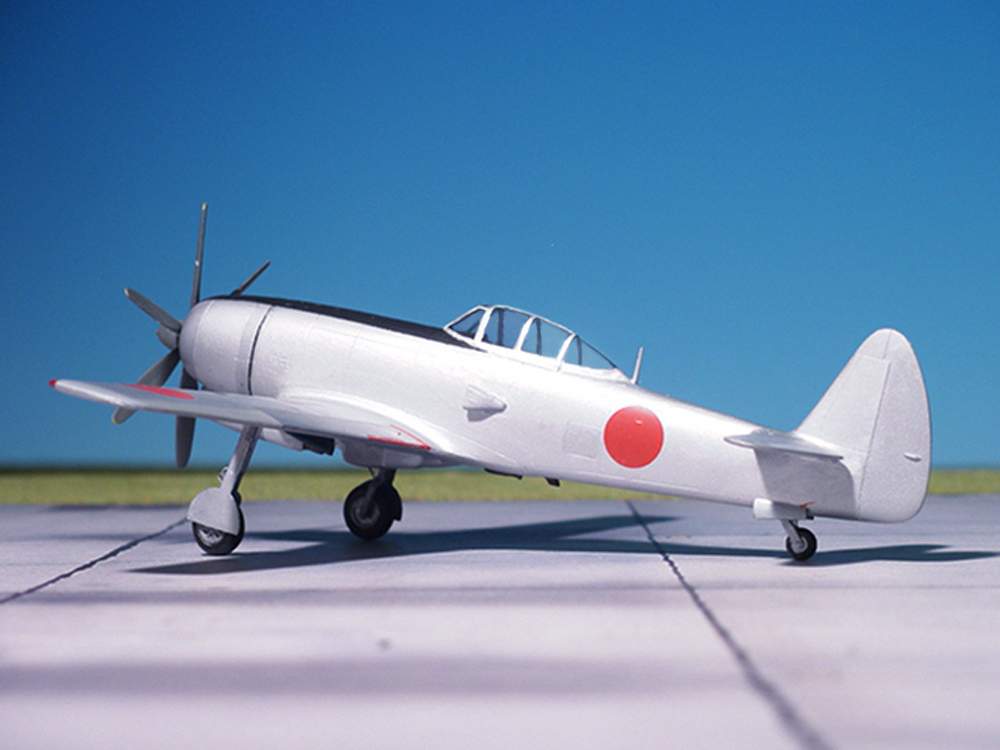
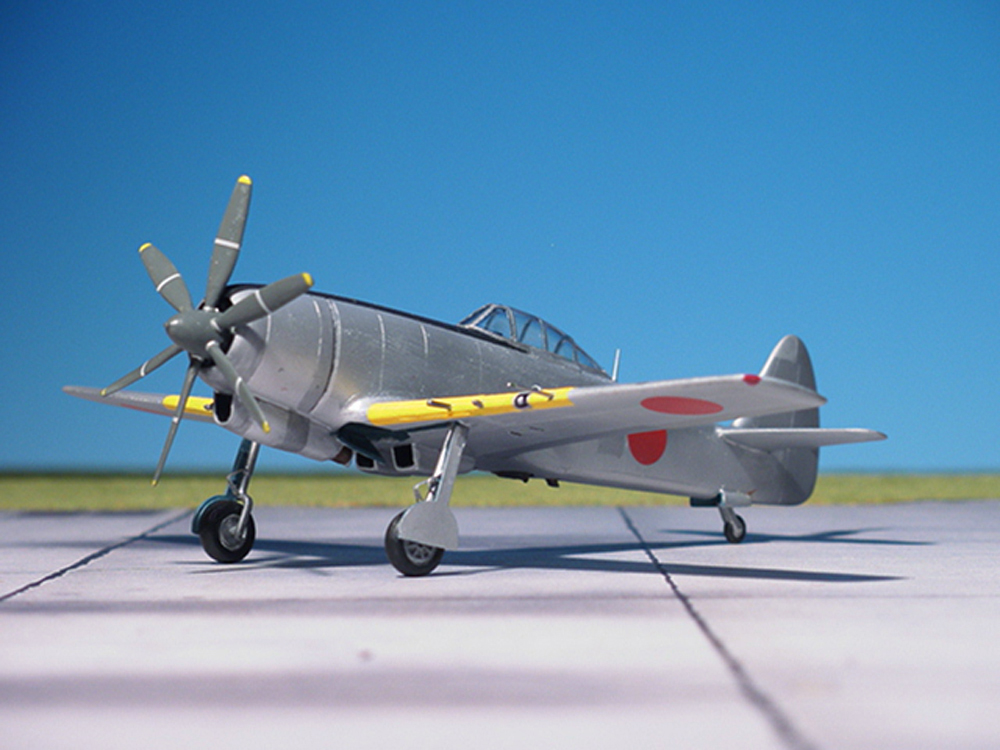
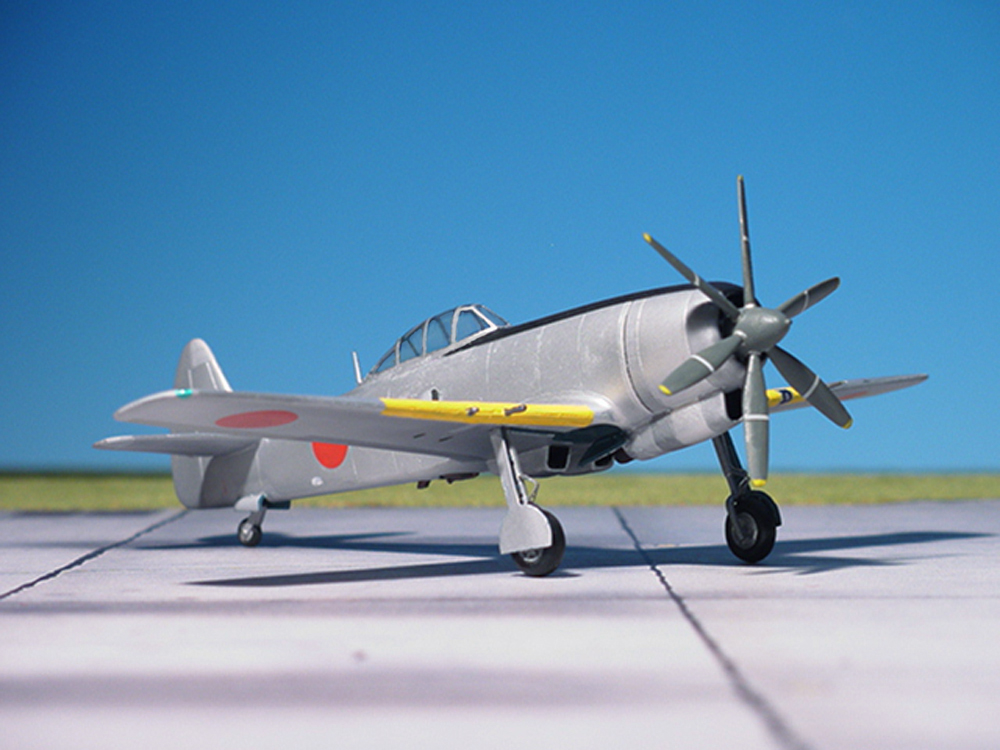
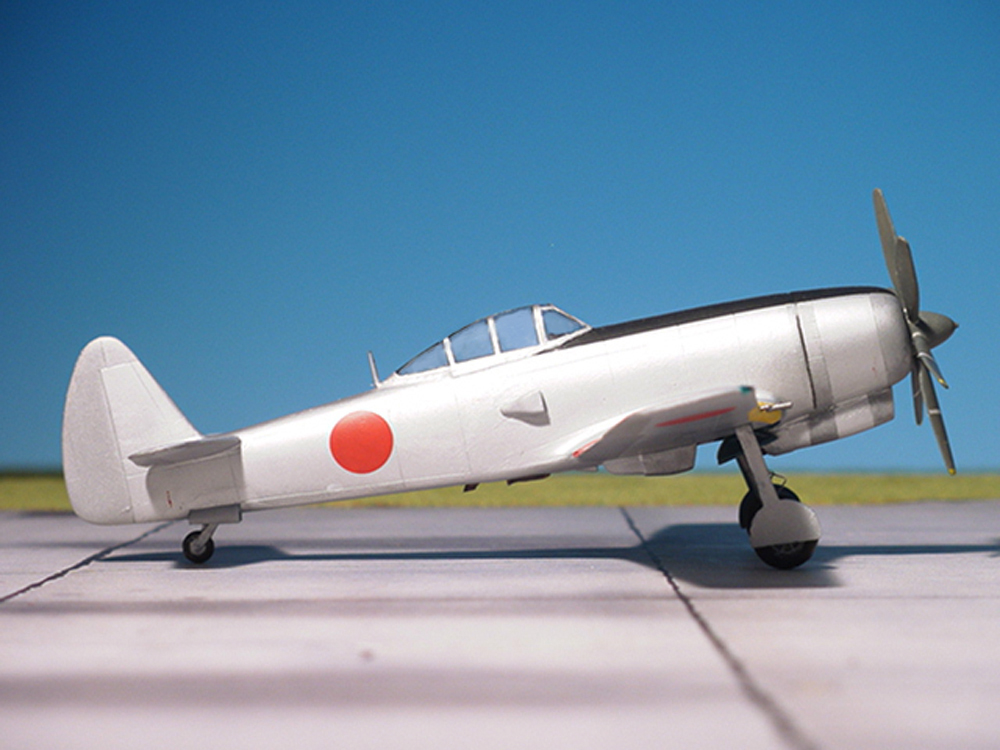
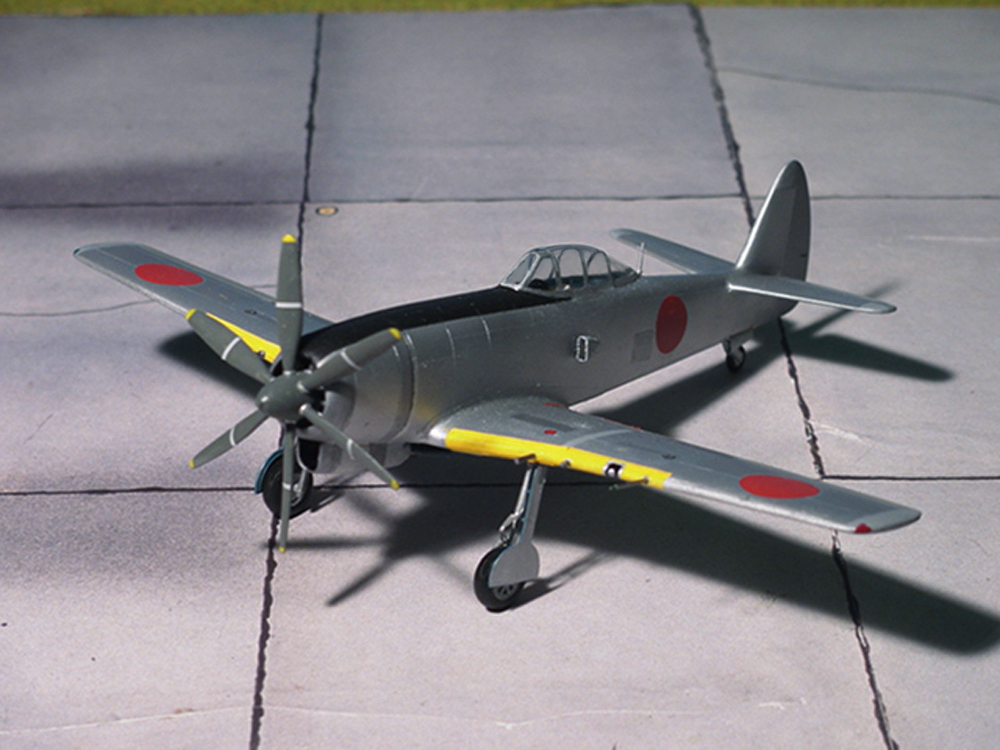
POWER PLANT: One Nakajima Ha-44 radial engine, rated at 2,450 hp
PERFORMANCE: 442 mph at 39,370 ft (estimated)
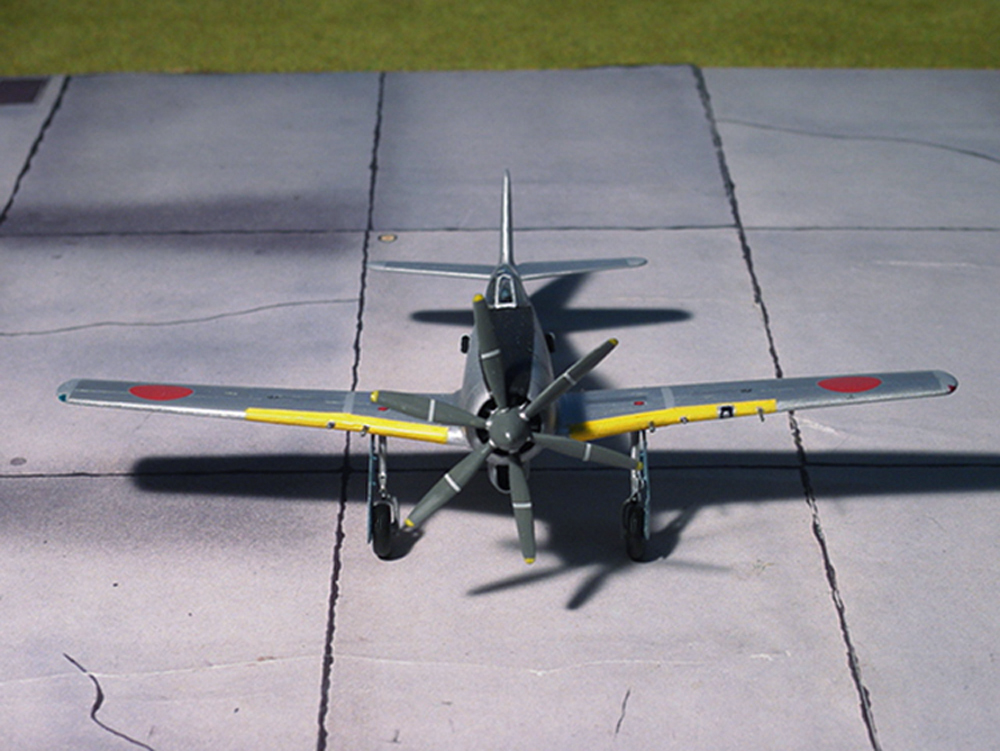
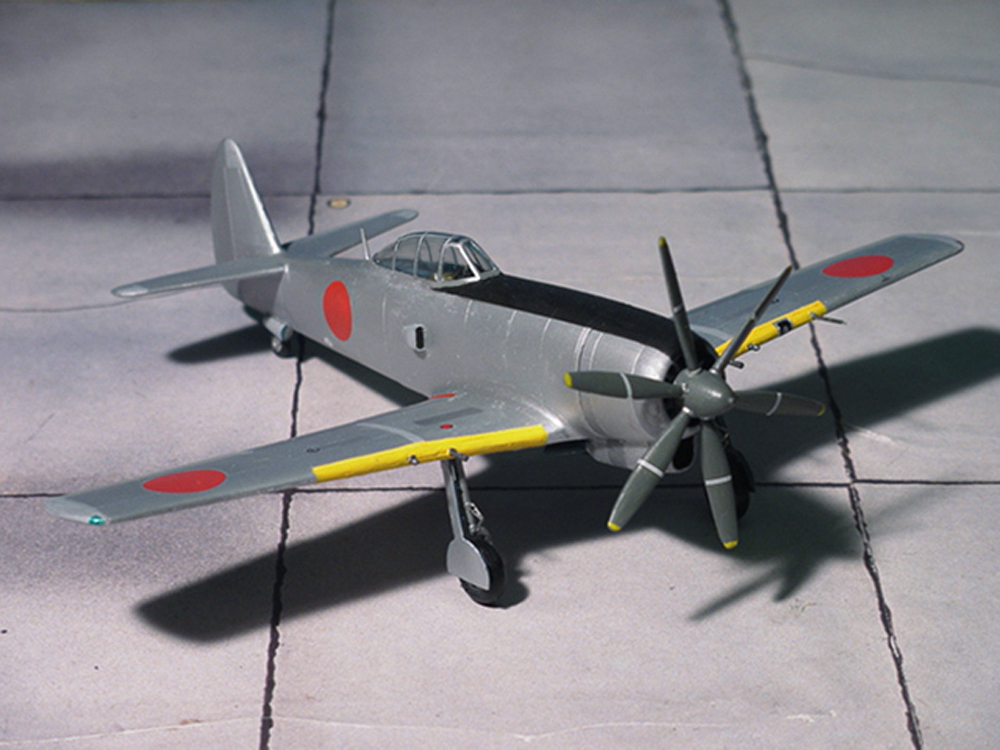
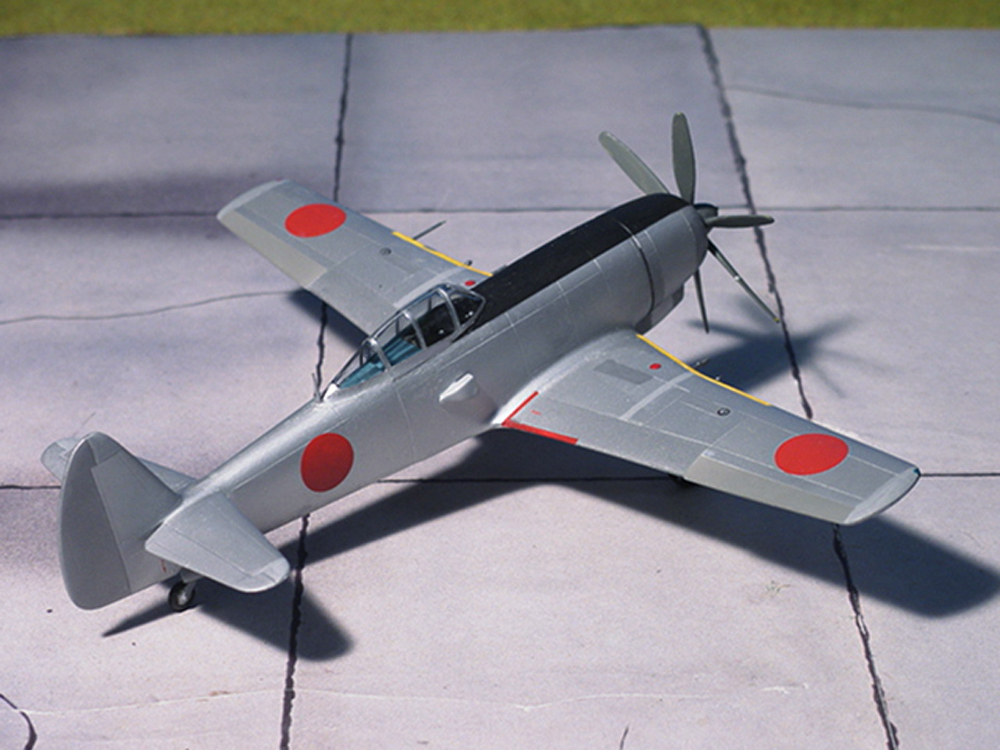
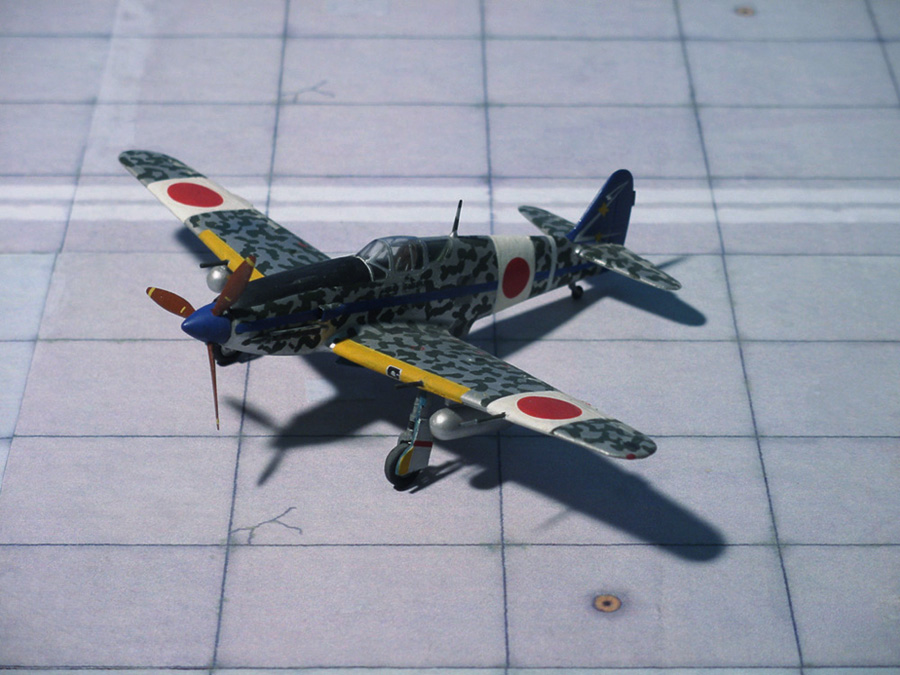
COMMENT: In mid-1942, the Imperial Japanese Army Air Force wanted to obtain a high-altitude fighter fitted with a pressure cabin and capable of reaching a top speed of 497 mph and having a maximum range of 1,850 miles. As these performance requirements were rather stringent, the Koku Hombu decided to instruct Tachikawa to proceed with the design of the aircraft designated Ki- 94 while they placed a contract with Nakajima for another high-altitude fighter, the Ki- 87, with less stringent range requirements.
The initial aircraft was a large twin-boom monoplane with two engines mounted in tandem driving four-blade tractor and pusher propellers. But it was judged that the design was too complex and in 1943 Tachikawa submitted a new proposal to meet the same requirements as the competitive Nakajima Ki-87. The new aircraft was a single-engine high-altitude fighter of conventional design with laminar-flow wing and featuring a pressure cabin mounted in the fuselage behind the wing trailing edges. The aircraft was to be powered by a fan-cooled turbo-supercharged 2,400 hp Nakajima radial engine driving a six-blade propeller. This design was approved by the Koku Hombu, and the aircraft was designated Ki-94-II (the scrapped earlier Ki-94 design was named the Ki-94-I). An order was placed for one static test airframe, three prototypes, and eighteen pre-production aircraft. Only two prototypes were built in the event; the first was equipped with a single 2,541 hp Nakajima Ha-219 (Ha-44) engine, driving a four-blade propeller because the six-blade one was not ready. The second prototype was to be fitted with a six-blade propeller. The war’s end however stopped the construction of the second prototype and also found the first prototype still being readied for its intended maiden flight, the Ki-94-II never taking to the air (Ref.: 1, 24).
Tachikawa Ki-94-II
Tachikawa Ki-94-II
Tachikawa Ki-94-II
Tachikawa Ki-94-II
Tachikawa Ki-94-II
Tachikawa Ki-94-II
Tachikawa Ki-94-II
Tachikawa Ki-94-II
Tachikawa Ki-94-II
Tachikawa Ki-94-II
Tachikawa Ki-94-II
Scale 1:72 aircraft models of World War II
Mit der weiteren Nutzung unserer Webseite erklären Sie sich damit einverstanden, dass wir Cookies verwenden um Ihnen die Nutzerfreundlichkeit dieser Webseite zu verbessern. Weitere Informationen zum Datenschutz finden Sie in unserer Datenschutzerklärung.