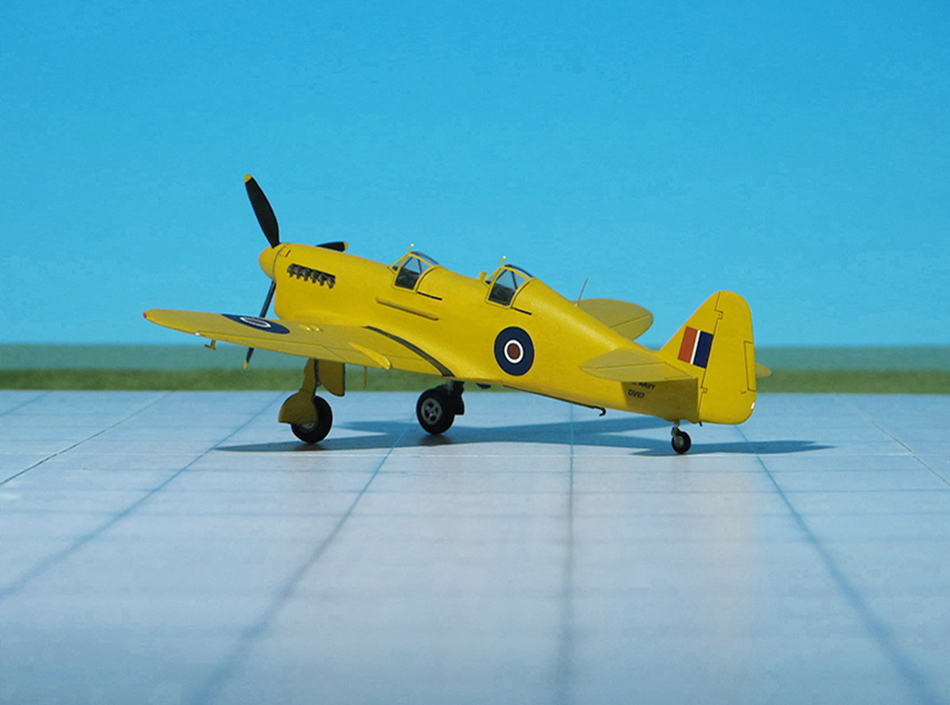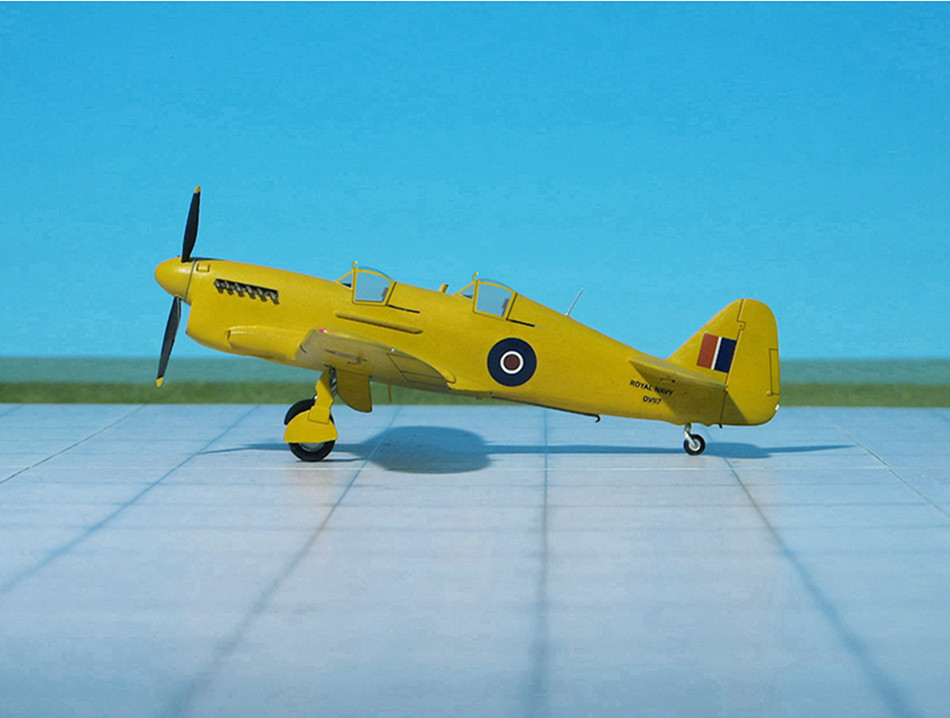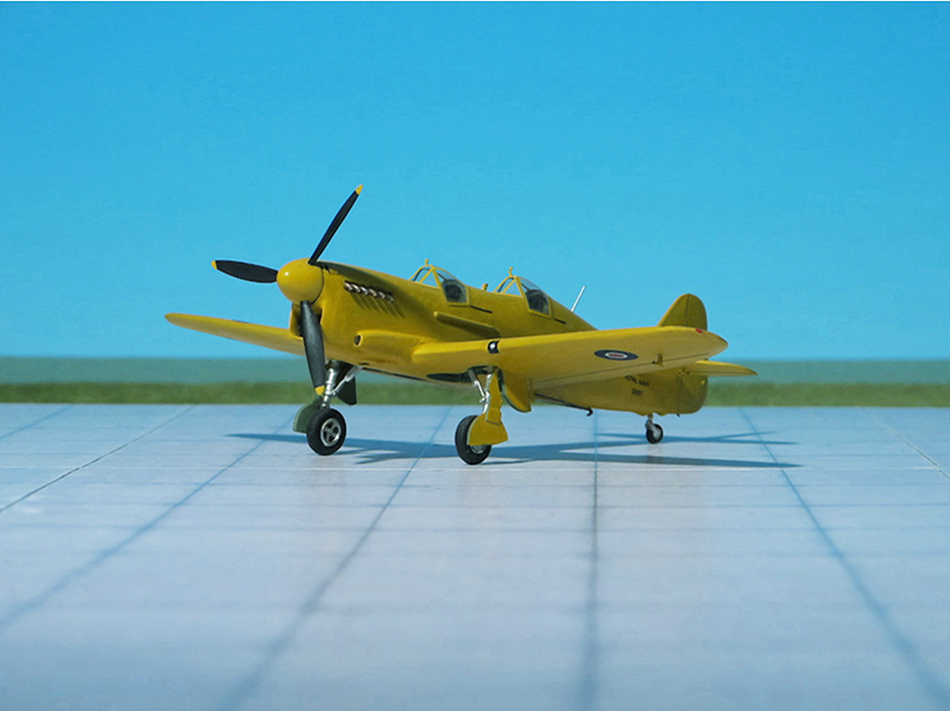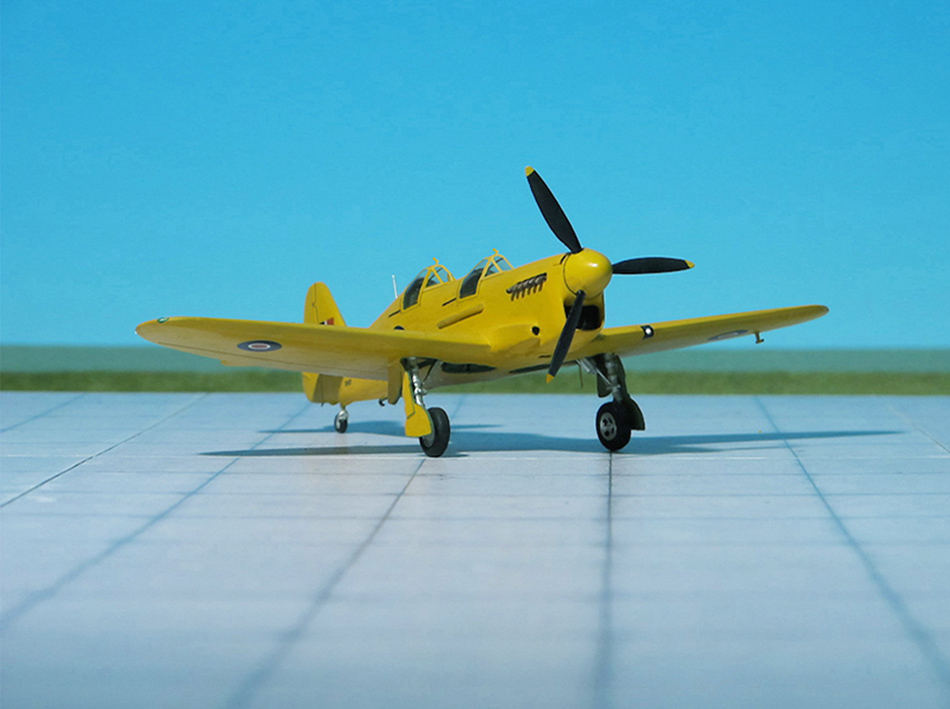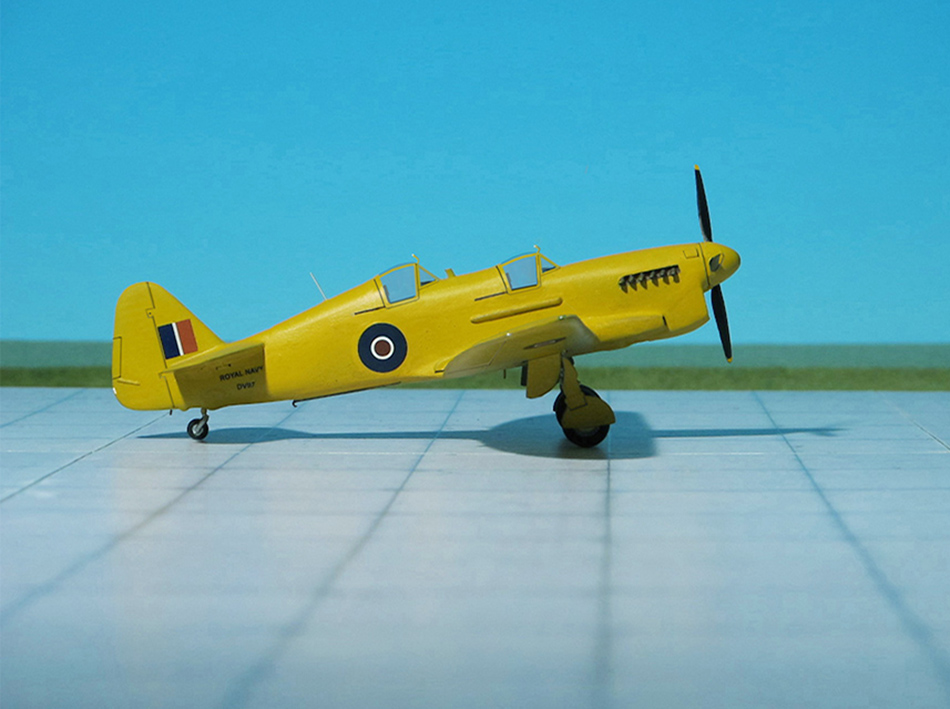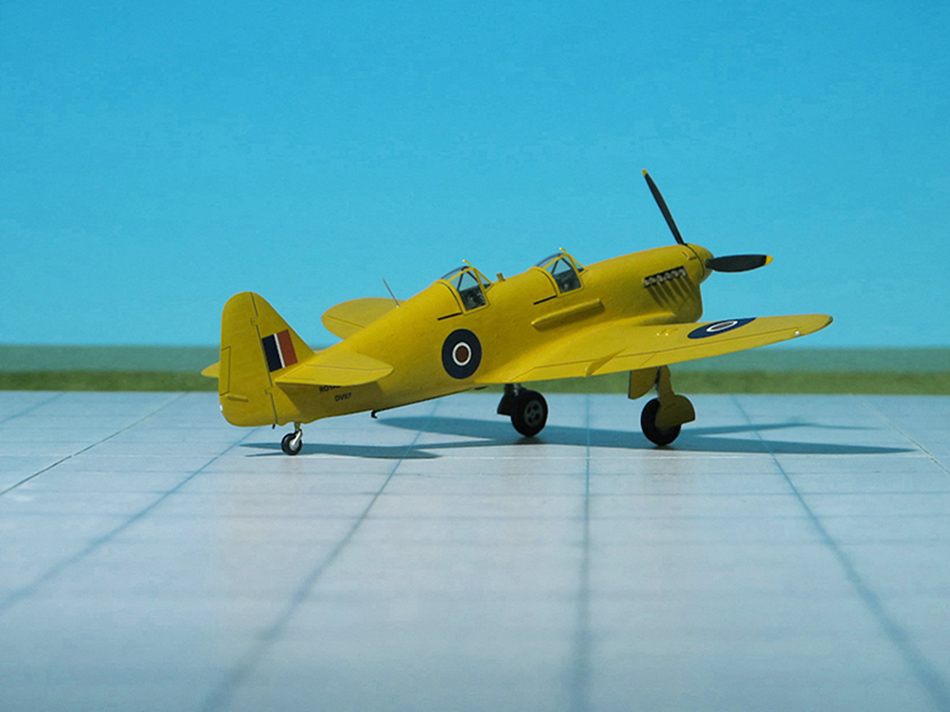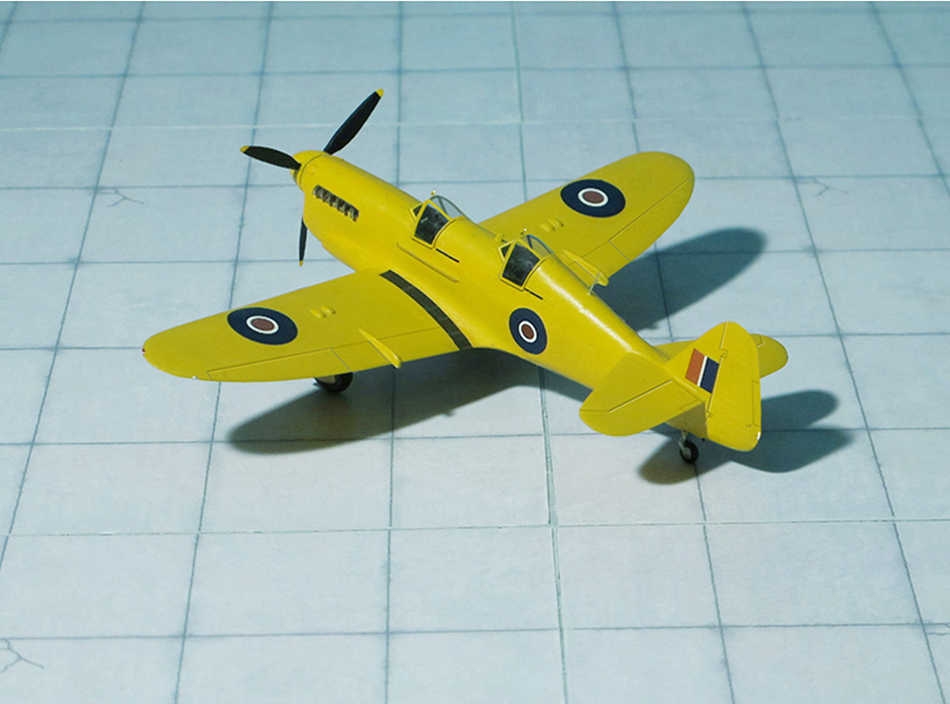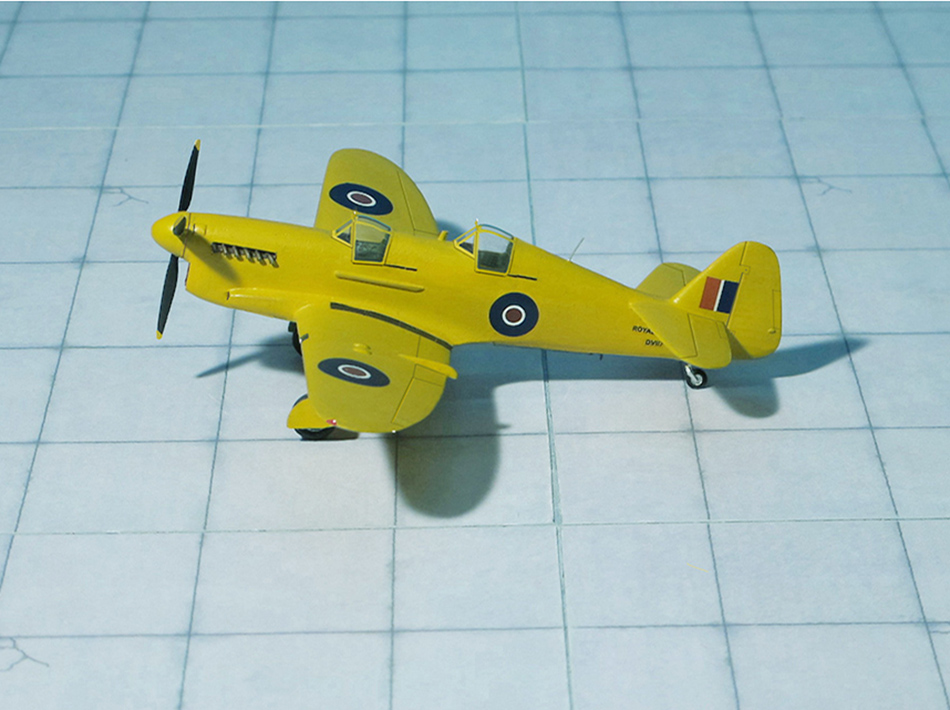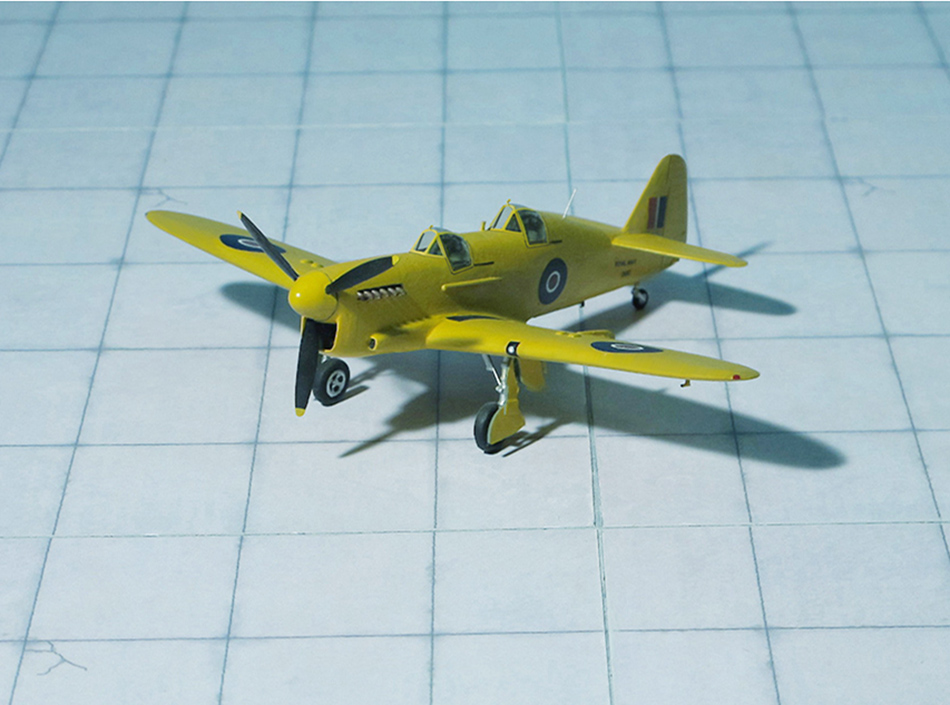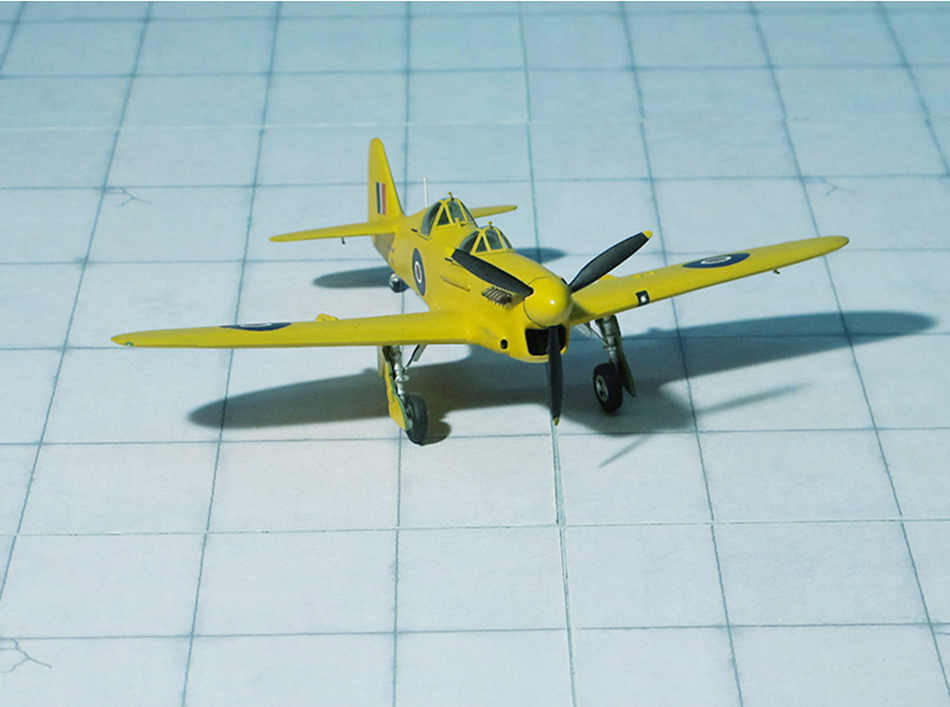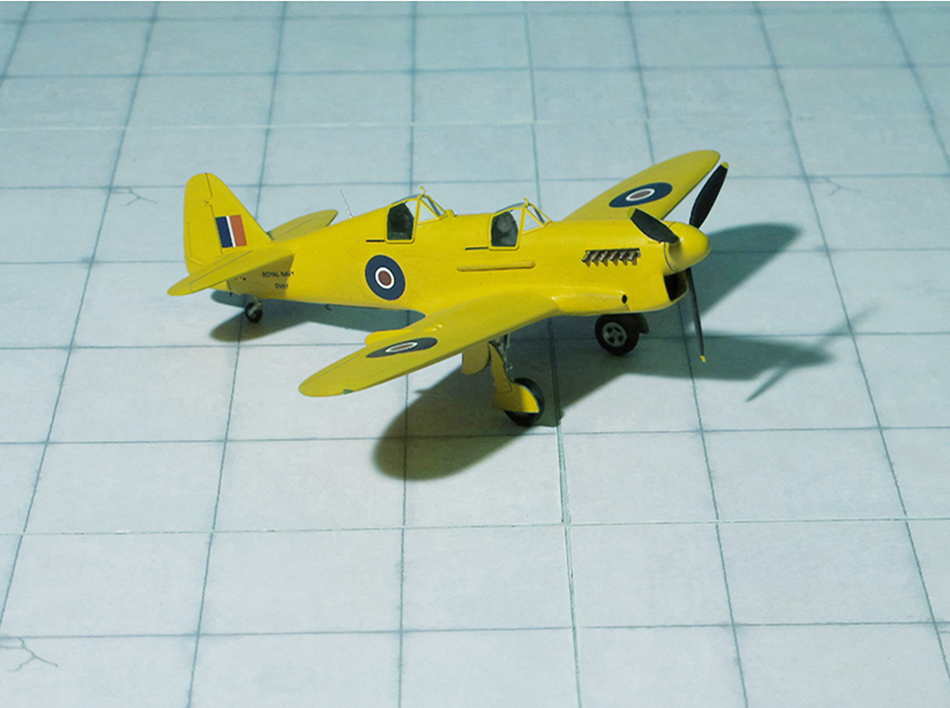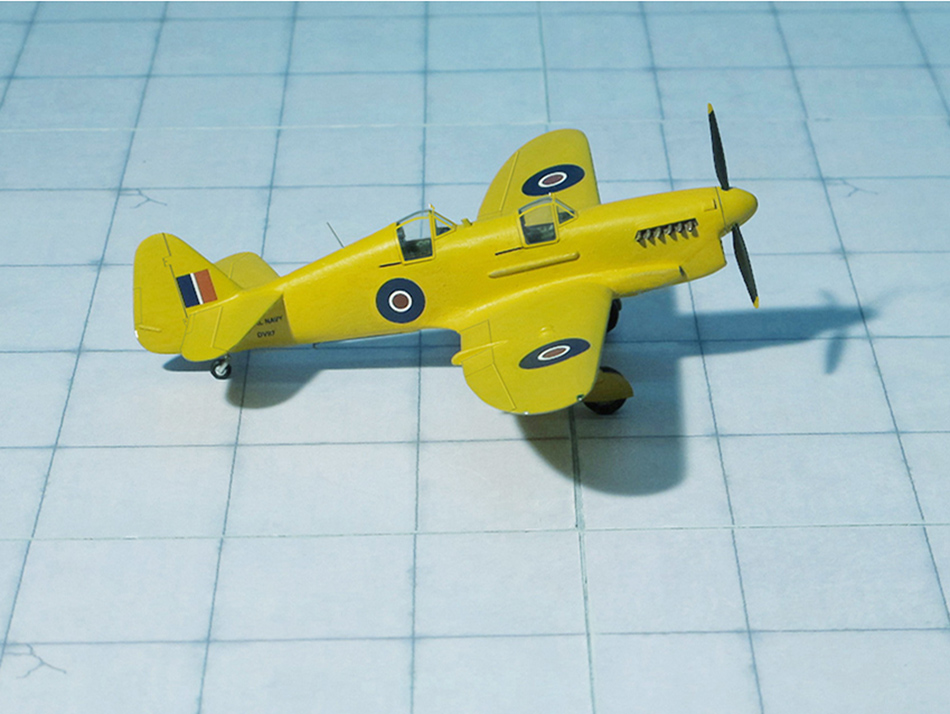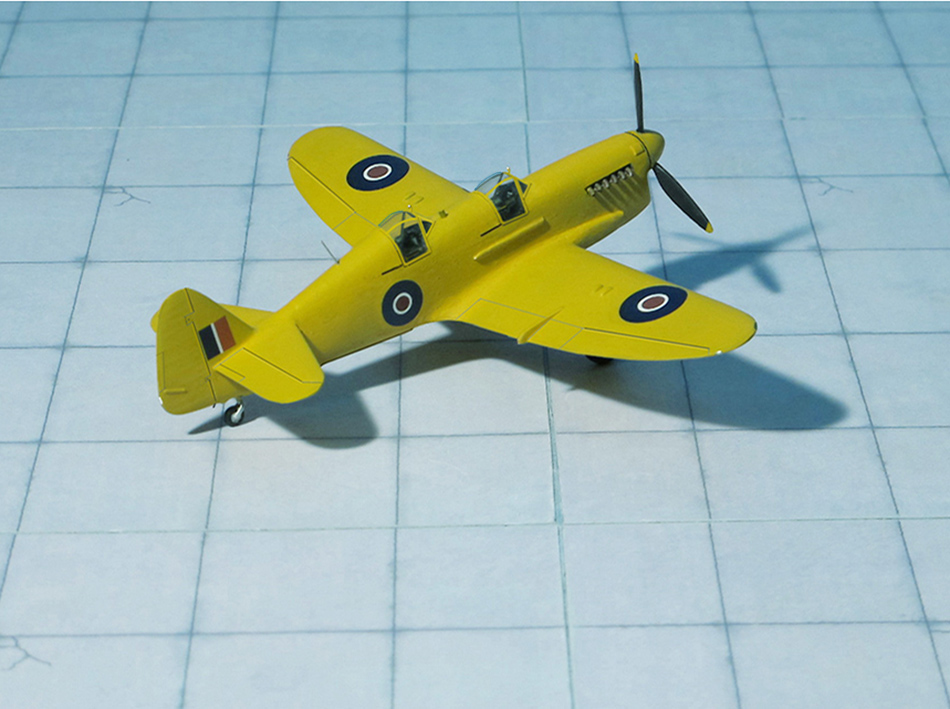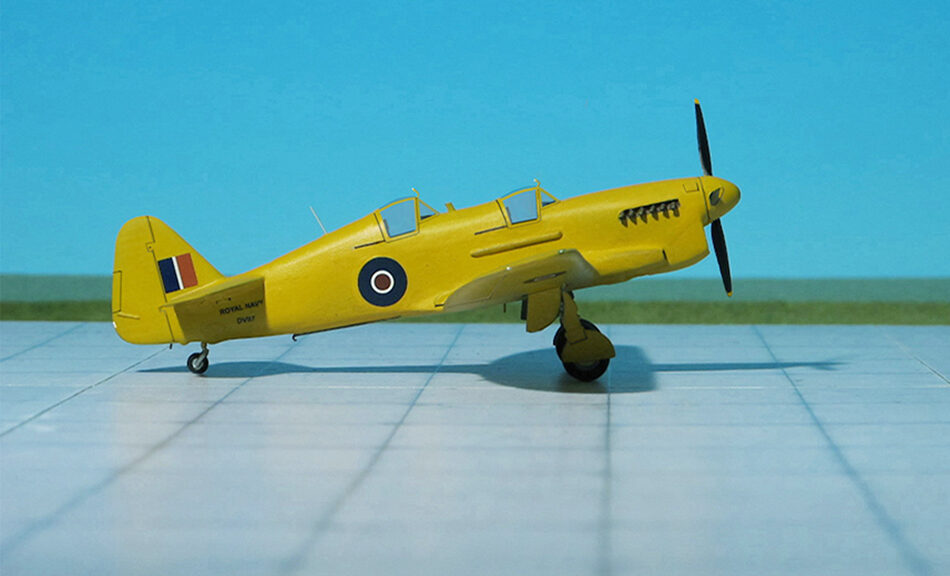
TYPE: Trainer, fighter, fighter-bomber
ACCOMMODATION: Pilot and trainer
POWER PLANT: One Rolls-Royce Griffon IIB liquid-cooled engine, rated at 1,735 hp
PERFORMANCE: 367mph at 14,000 ft
COMMENT: The Fairey Firefly was a Second World War-era carrier-born fighter aircraft and anti-submarine aircraft that was principally operated by the Fleet Air Arm (FAA) oft he Royal Navy. It was developed and built by the British aircraft manufacturer Fairey Aviation Company.
Development of the Firefly can be traced back to a pair of specifications issued by the British Air Ministry in 1938, calling for new naval fighter designs. Designed to the contemporary FAA concept of a two-seat fleet reconnaissance/fighter, the pilot and observer were positioned at separate stations. In flight, the Firefly was superior in terms of both performance and firepower to its predecessor, the Fairey Fulmar. Due to a protracted development, the type only entered operational service towards the end of the conflict, at which point it was no longer competitive as a fighter. The limitations of a single engine in a relatively heavy airframe reduced its performance, but the Firefly proved to be a fairly sturdy, long-ranged, and docile aircraft during carrier operations.
The Firefly was designed by a design team at Fairey Aviation which reportedly used the Fulmar as a starting point. During June 1940, the Admiralty placed an initial order for 200 aircraft “off the drawing board”, the first three of which were to function as prototypes. On December 1941, the first prototype of the Firefly performed its maiden flight. Although the aircraft was 4,000 lb heavier than the preceding Fulmar (largely due to the adoption of the heavier Griffon engine and the armament of two 0,79 in Hispano cannons in each wing), the Firefly was 40 mph faster due to improved aerodynamics, as well as the increased power of the Griffon IIB engine, being capable of generating a maximum of 1,735 hp.
The Firefly was a low-wing cantilever monoplane, featuring an oval-section metal semi-monocoque fuselage and a conventional tail unit with forward-placed tailplane It was powered by a Rolls-Royce Griffon liquid-cooled piston engine, which drove a four-blade Rotol-built propeller. A large chin-mounted radiator was present to provide cooling for the engine. The Firefly had retractable main undercarriage and tail wheel, the hydraulically-actuated main landing gear retracting inwards into the underside of the wing centre-section. This undercarriage was widely-set, a highly useful feature for carrier landings. The aircraft was also fitted with a retractable arrester hook mounted underneath the rear fuselage. The pilot’s cockpit was located above the leading edge of the wing while the observer/radio-operator/navigator was positioned aft of the wing’s trailing edge.
Several versions of the Firefly were built. Main changes came with the engine power and rate. The Mk I was split between the first batches of 429 “fighter” “Firefly F Mk I”s, built by Fairey and General Aircraft Ltd, having the prototype engine, the Griffon IIB engine rated at 1,735 hp and 376 “fighter/reconnaissance” Firefly “FR Mk I”s having the better 1,765 hp Griffon XII engine.
Just after the end of WW II designs works on the Firefly T.Mk I trainer begun. The maiden flight of the prototype bearing civil registration G-AHYA took part in July 1946. It was converted from Firelfy F.Mk I. The rear fuselage decking was rised to accommodate a second seat for the trainer. Also dual controls and instrumentation were provided in the rear cockpit.
The batch production was ordered in virtue of succesful flights trails performed in flying schools in Great Brittain, France and Holland. Two versions were produced, unarmed version designated T.Mk I (30 produced) and version T.Mk II (54 produced) equipped with two cannons. Several other aircraft were modified in Holland and Canada (Ref.: 24).